

Sammlung
Kitagawa Utamaro
Entdecken Sie kuratierte Kunstdrucke, ausgewählt für individuelle Wohnräume und durchdachte Interieurs.
-
 Muscheln unter Wasser - Kitagawa Utamaro
Print
Regulärer Preis Ab £28.00 GBPAngebotspreis Ab £28.00 GBP Regulärer Preis -
 Küchenszene – Kitagawa Utamaro
Print
Regulärer Preis Ab £28.00 GBPAngebotspreis Ab £28.00 GBP Regulärer Preis -
 Fröhliche Zecher in einem Haus in Yoshiwara bei Mondschein – Kitagawa Utamaro
Print
Regulärer Preis Ab £28.00 GBPAngebotspreis Ab £28.00 GBP Regulärer Preis -
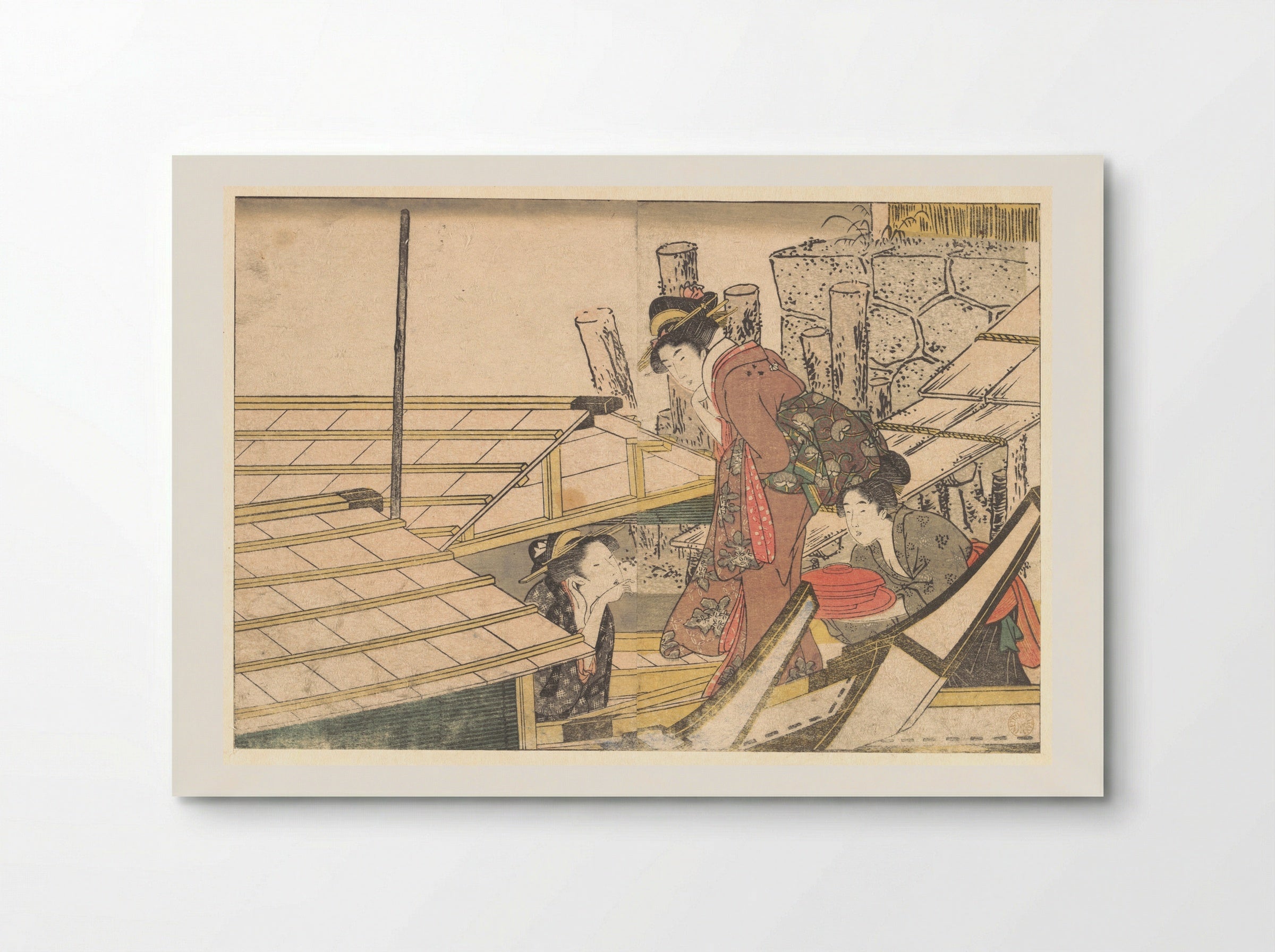 Mädchen, die ein Boot besteigen, aus dem illustrierten Buch „Blumen der vier Jahreszeiten“ – Kitagawa Utamaro
Print
Regulärer Preis Ab £28.00 GBPAngebotspreis Ab £28.00 GBP Regulärer Preis -
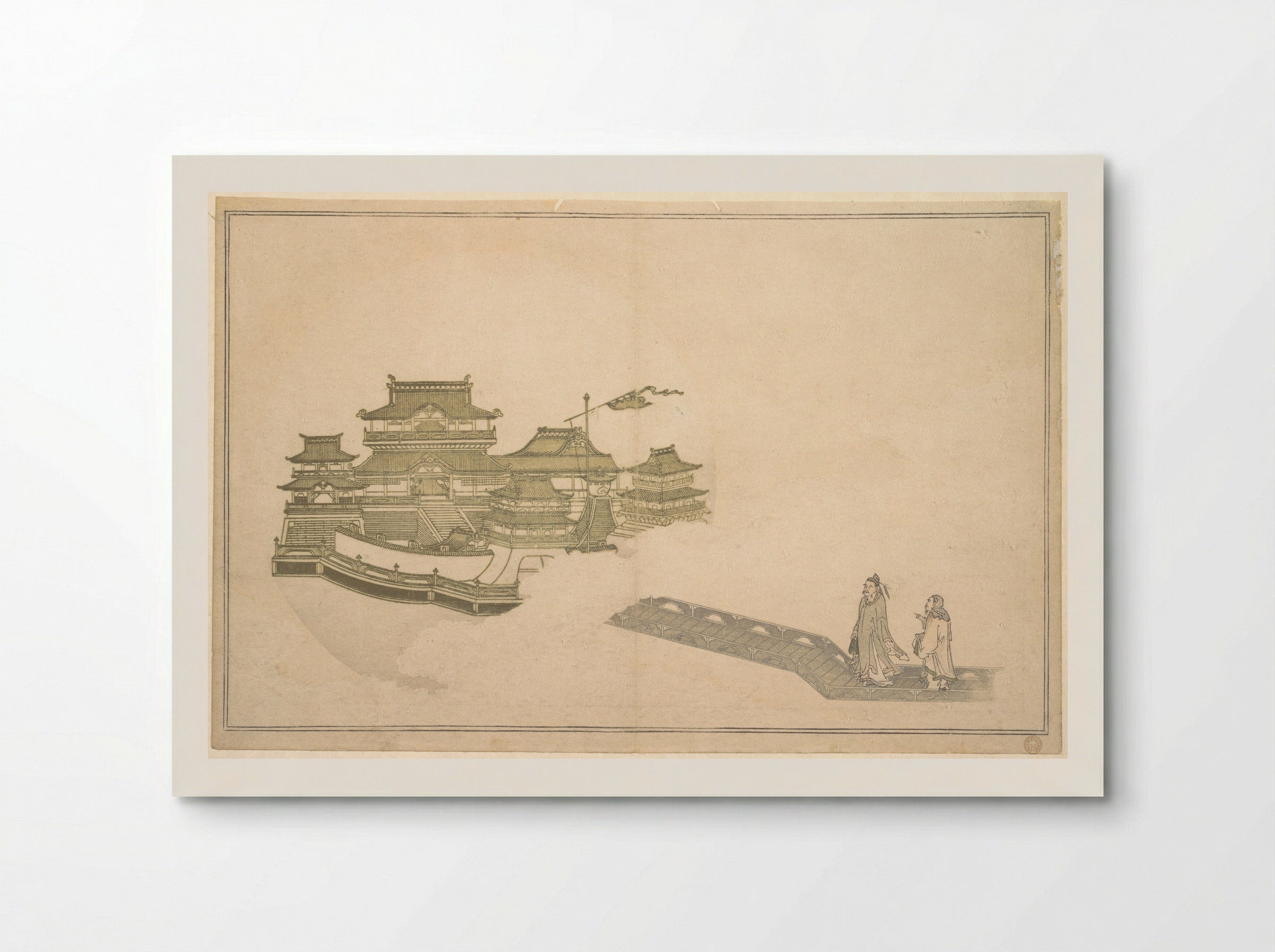 Der Palast im Mond – Kitagawa Utamaro
Print
Regulärer Preis Ab £28.00 GBPAngebotspreis Ab £28.00 GBP Regulärer Preis -
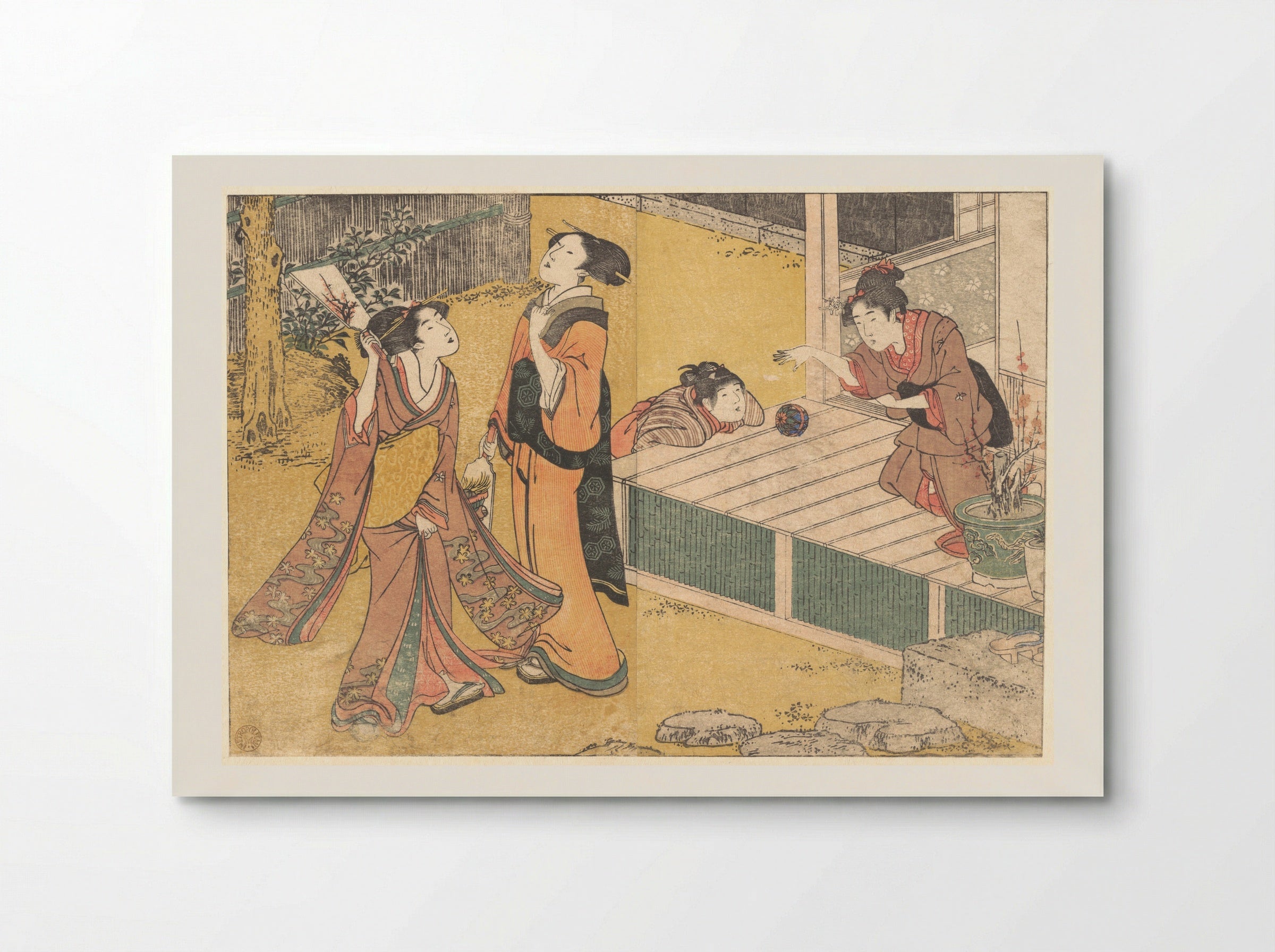 Neujahrsspiele, aus dem gedruckten Buch „Blumen der vier Jahreszeiten“ (Shiki no hana) – Kitagawa Utamaro
Print
Regulärer Preis Ab £28.00 GBPAngebotspreis Ab £28.00 GBP Regulärer Preis -
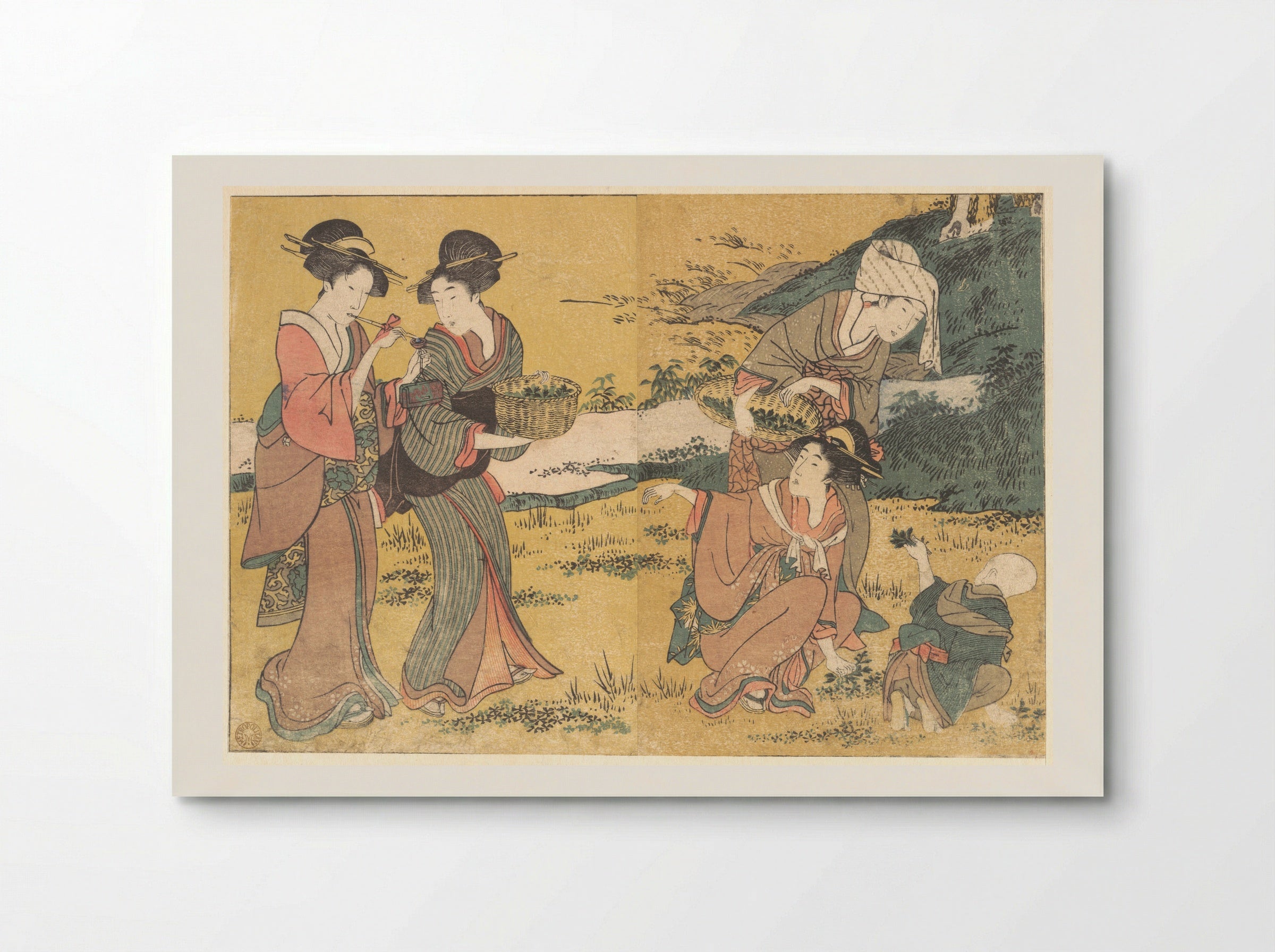 Mädchen pflücken grüne Blätter - Kitagawa Utamaro
Print
Regulärer Preis Ab £28.00 GBPAngebotspreis Ab £28.00 GBP Regulärer Preis -
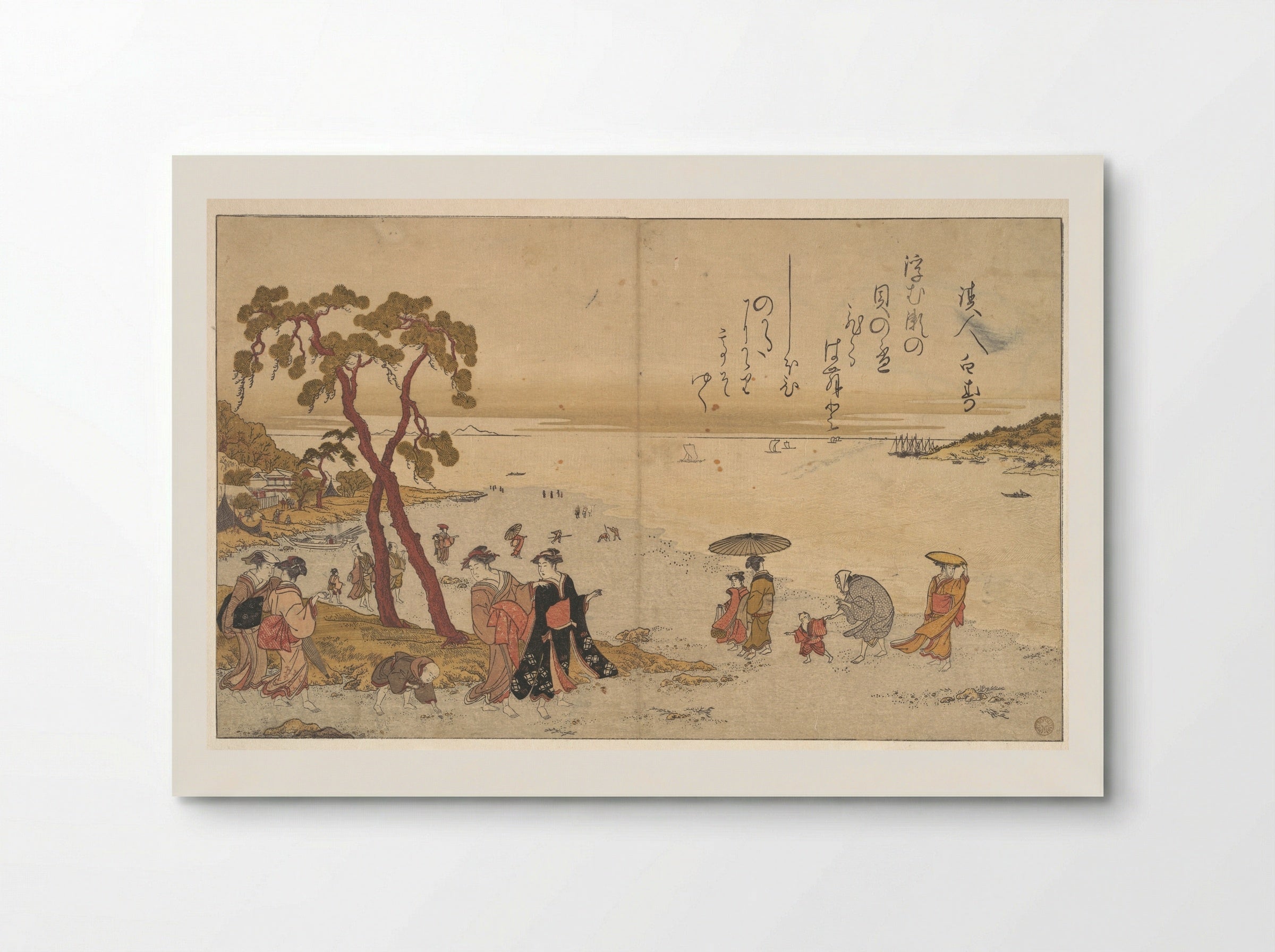 Mädchen sammeln Muscheln am Meeresufer - Kitagawa Utamaro
Print
Regulärer Preis Ab £28.00 GBPAngebotspreis Ab £28.00 GBP Regulärer Preis -
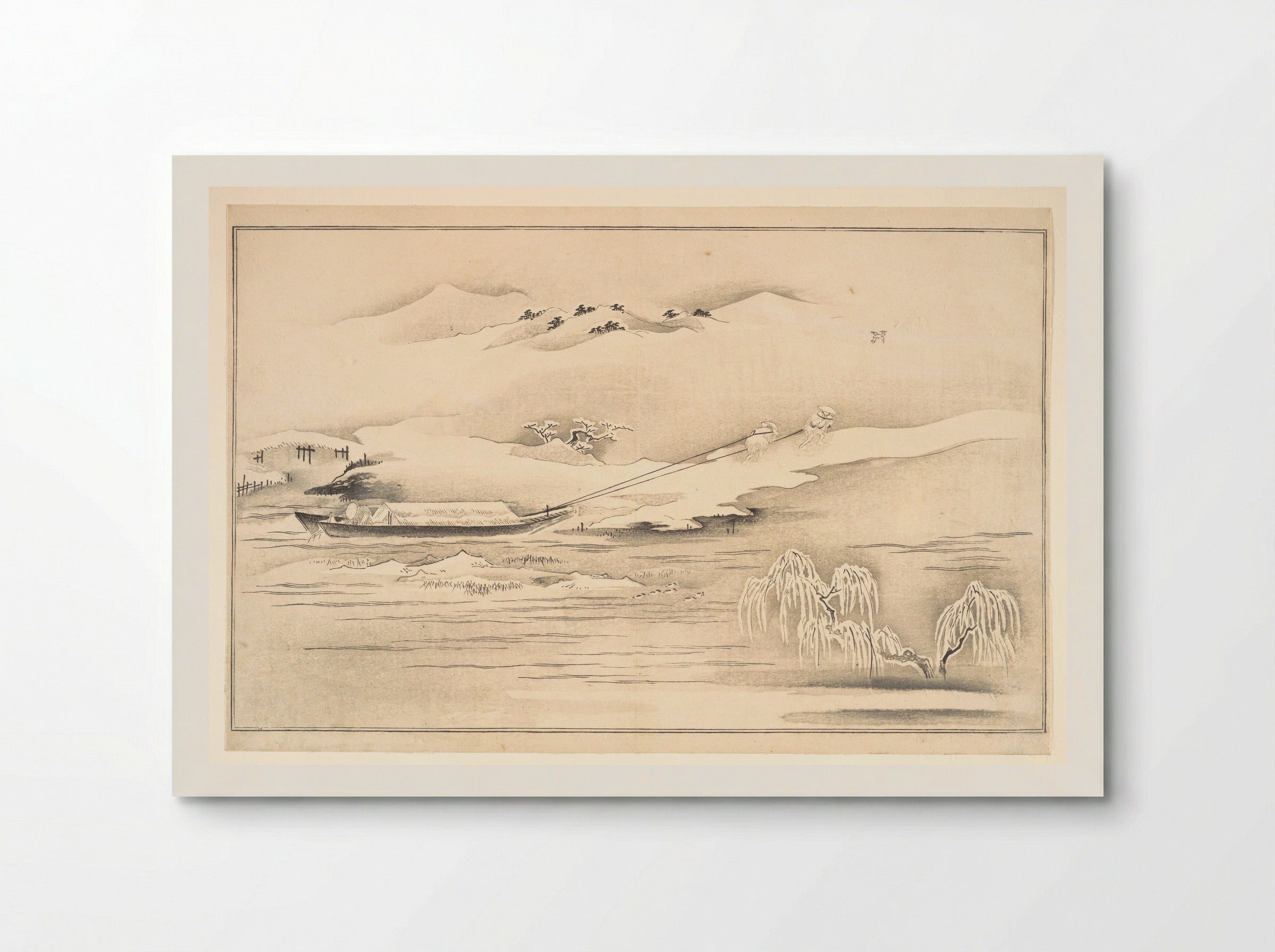 Buch von Ehon Ginsekai (Die Welt in Silber) - Kitagawa Utamaro
Print
Regulärer Preis Ab £28.00 GBPAngebotspreis Ab £28.00 GBP Regulärer Preis -
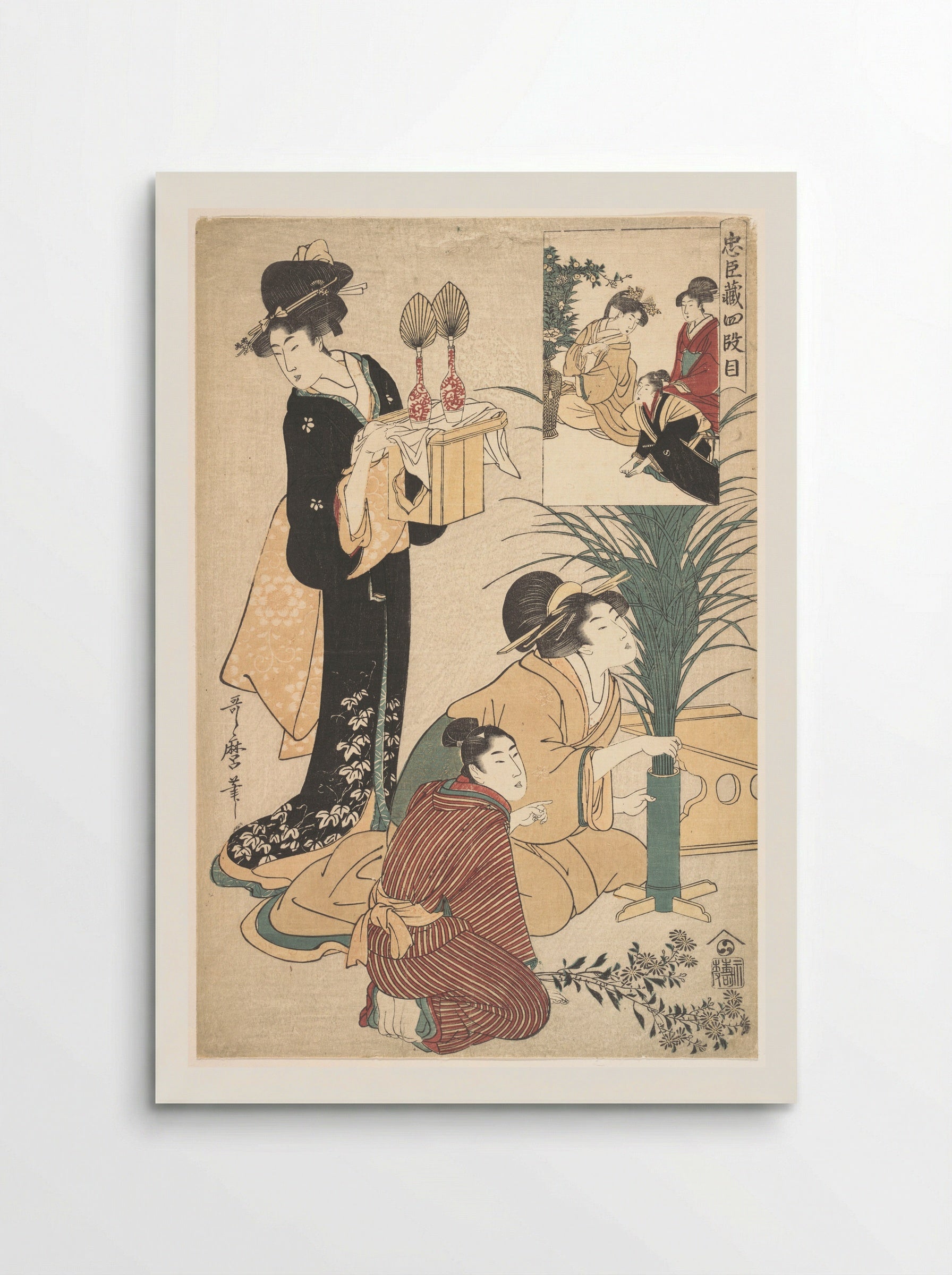 Eine Frau und ein Mann arrangieren Blumen für das Tsukimi (Mondfest) – Kitagawa Utamaro
Print
Regulärer Preis Ab £28.00 GBPAngebotspreis Ab £28.00 GBP Regulärer Preis -
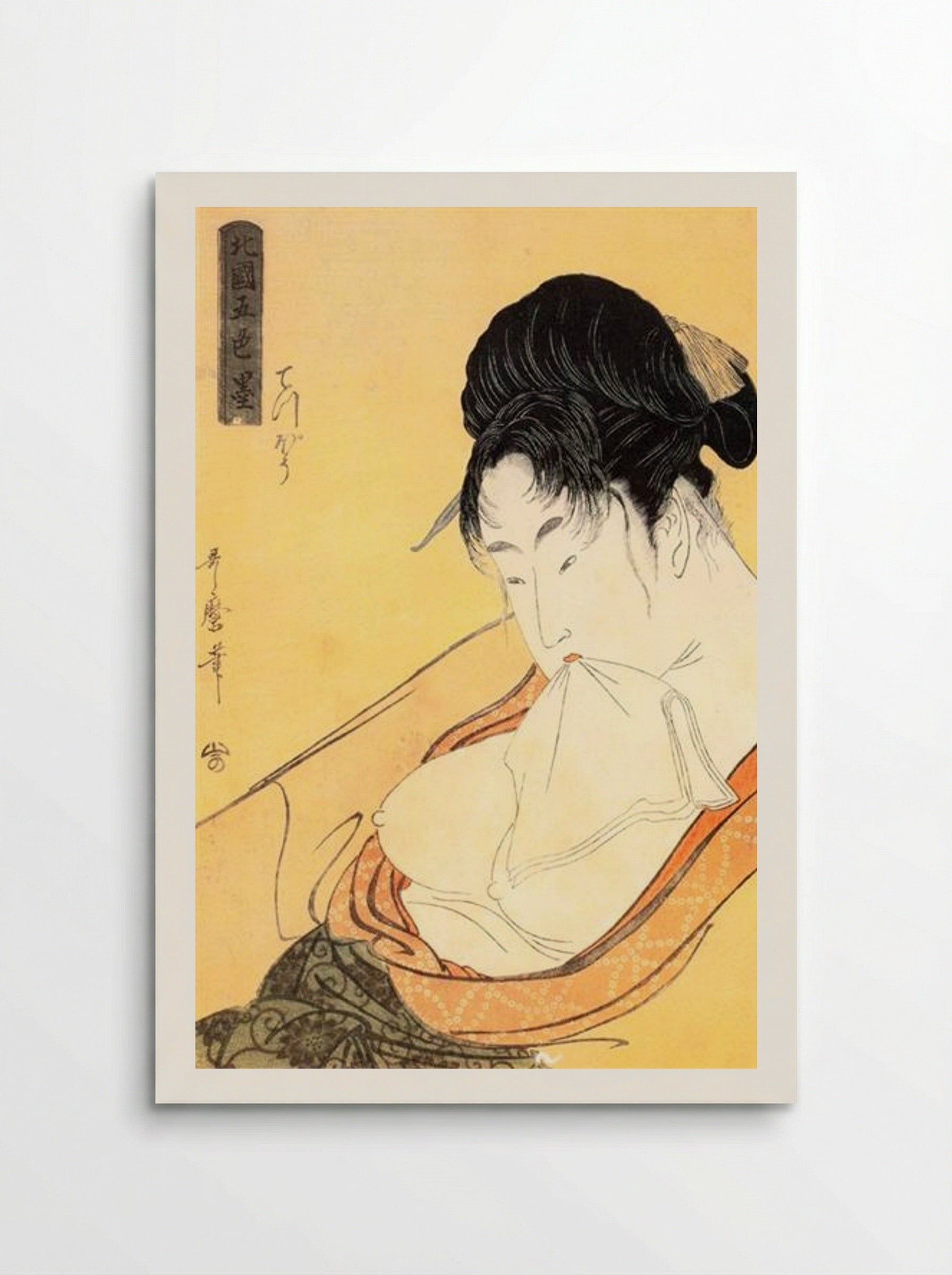 Eine Kurtisane – Kitagawa Utamaro
Print
Regulärer Preis Ab £28.00 GBPAngebotspreis Ab £28.00 GBP Regulärer Preis -
 Vierter Akt, Chushingura (Kanadehon Chushingura) – Kitagawa Utamaro
Print
Regulärer Preis Ab £28.00 GBPAngebotspreis Ab £28.00 GBP Regulärer Preis -
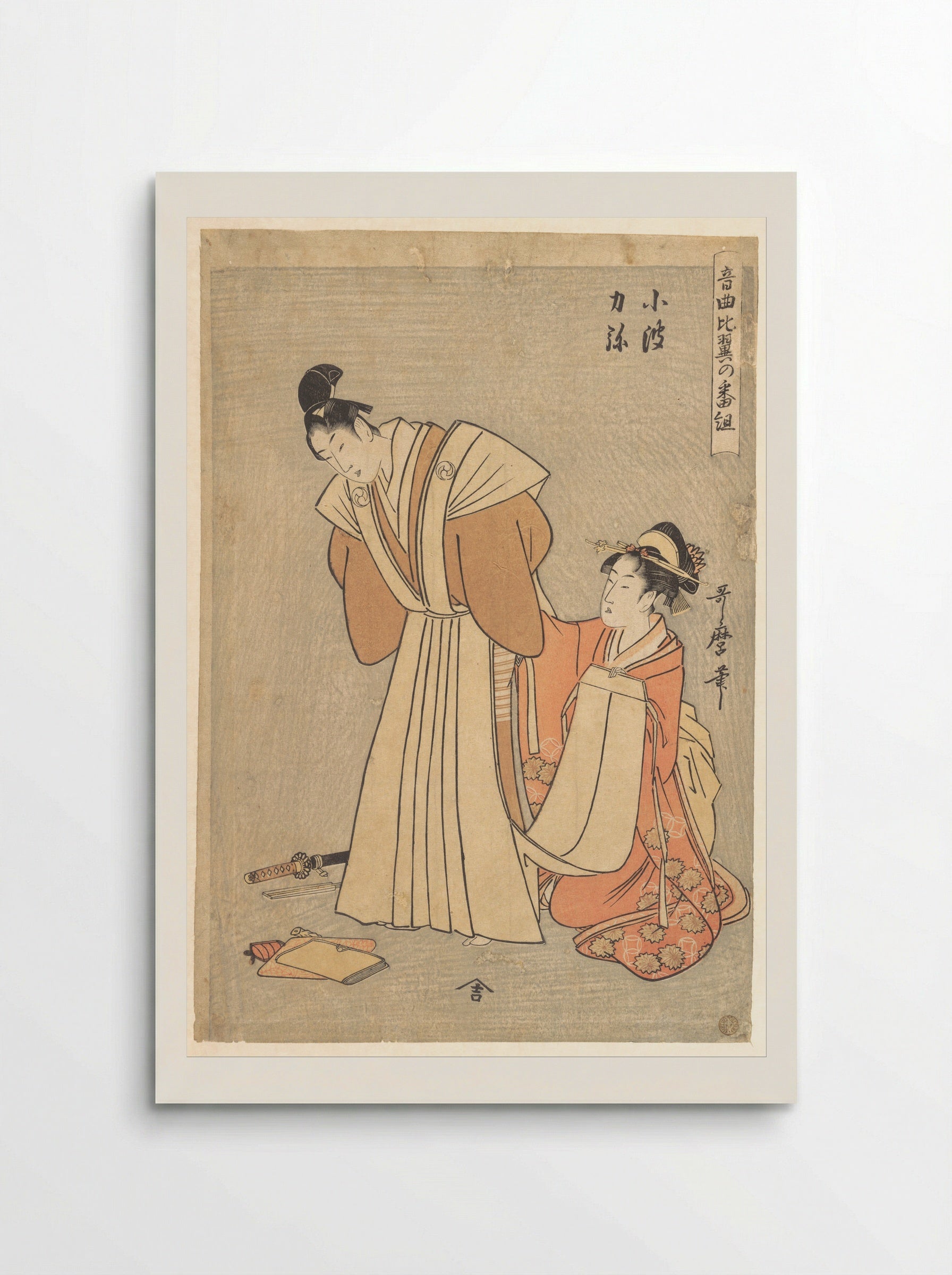 Rikiya und Konami, aus der Serie Ein Programm mit Musik über Liebespaare (Ongyoku hiyoku no bangumi) – Kitagawa Utamaro
Print
Regulärer Preis Ab £28.00 GBPAngebotspreis Ab £28.00 GBP Regulärer Preis -
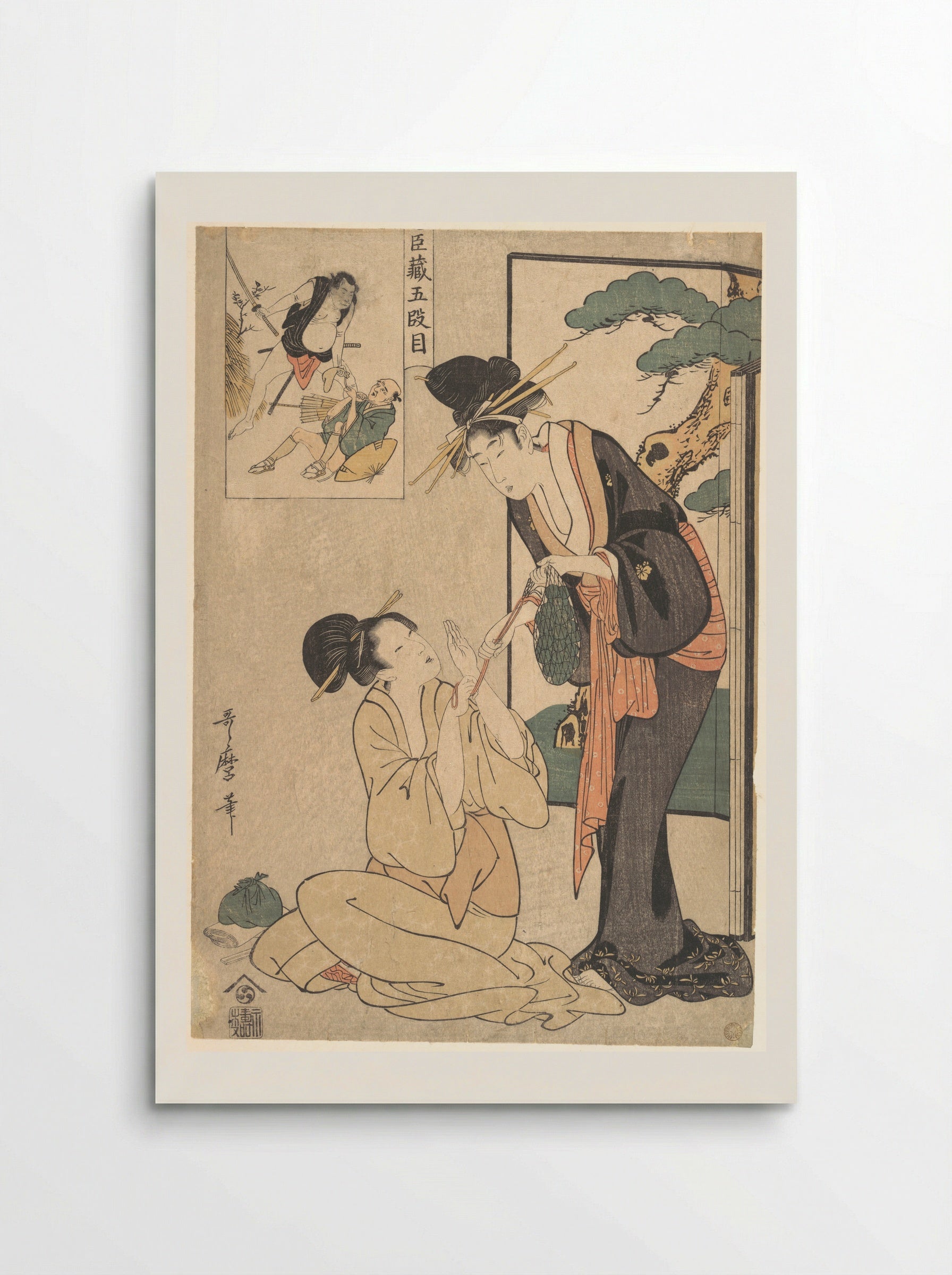 Eine Frau entreißt ihrer Mutter eine Tüte mit Süßigkeiten – Kitagawa Utamaro
Print
Regulärer Preis Ab £28.00 GBPAngebotspreis Ab £28.00 GBP Regulärer Preis -
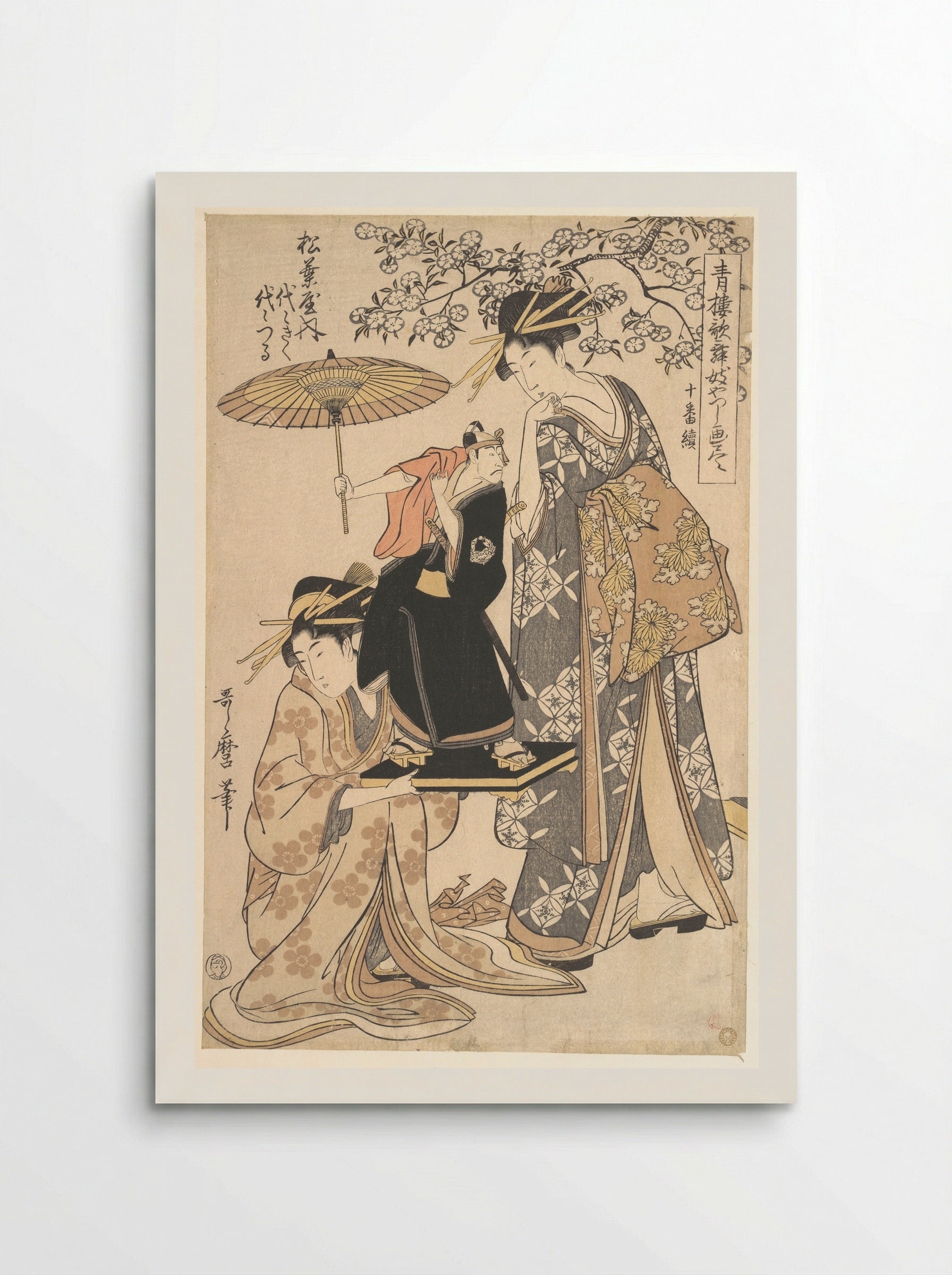 Die Oiran Yoyogiku aus Matsubaya unter einem Kirschbaum stehend - Kitagawa Utamaro
Print
Regulärer Preis Ab £28.00 GBPAngebotspreis Ab £28.00 GBP Regulärer Preis -
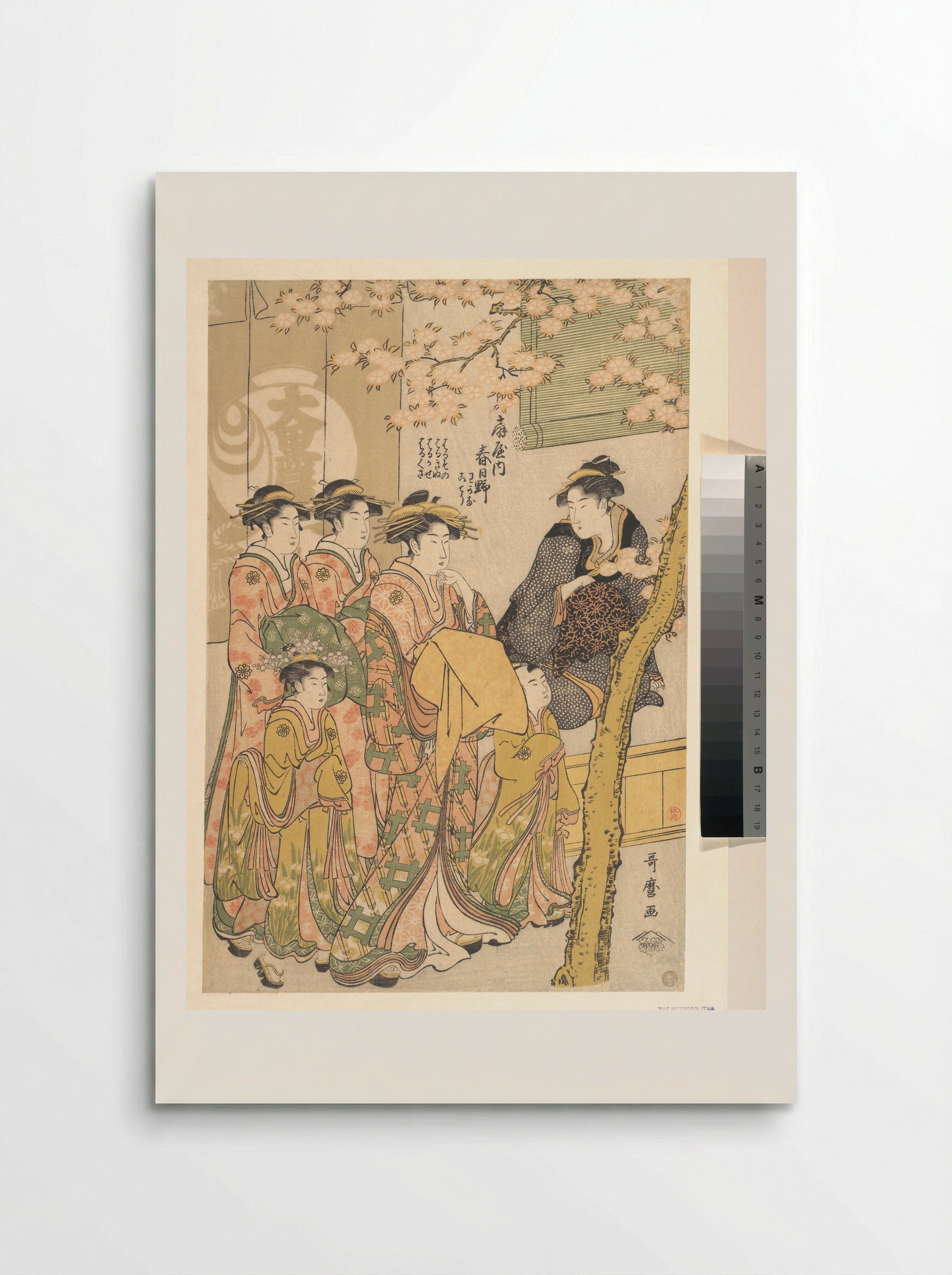 Die Oiran Kasugano aus dem Hause Ogiya im Umzug unter blühenden Kirschbäumen – Kitagawa Utamaro
Print
Regulärer Preis Ab £28.00 GBPAngebotspreis Ab £28.00 GBP Regulärer Preis -
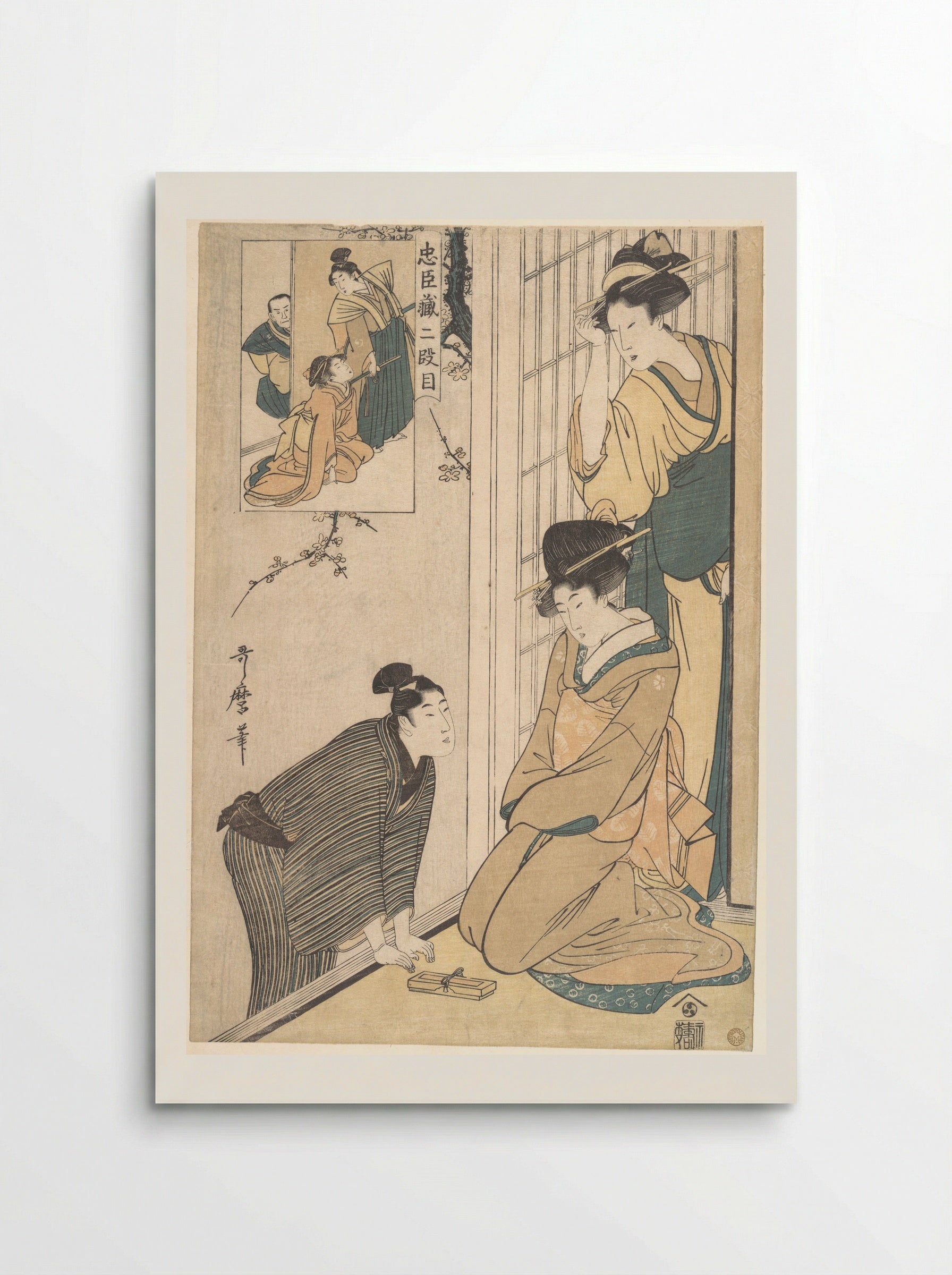 Ein junger Mann an der Seite eines Hauses - Kitagawa Utamaro
Print
Regulärer Preis Ab £28.00 GBPAngebotspreis Ab £28.00 GBP Regulärer Preis -
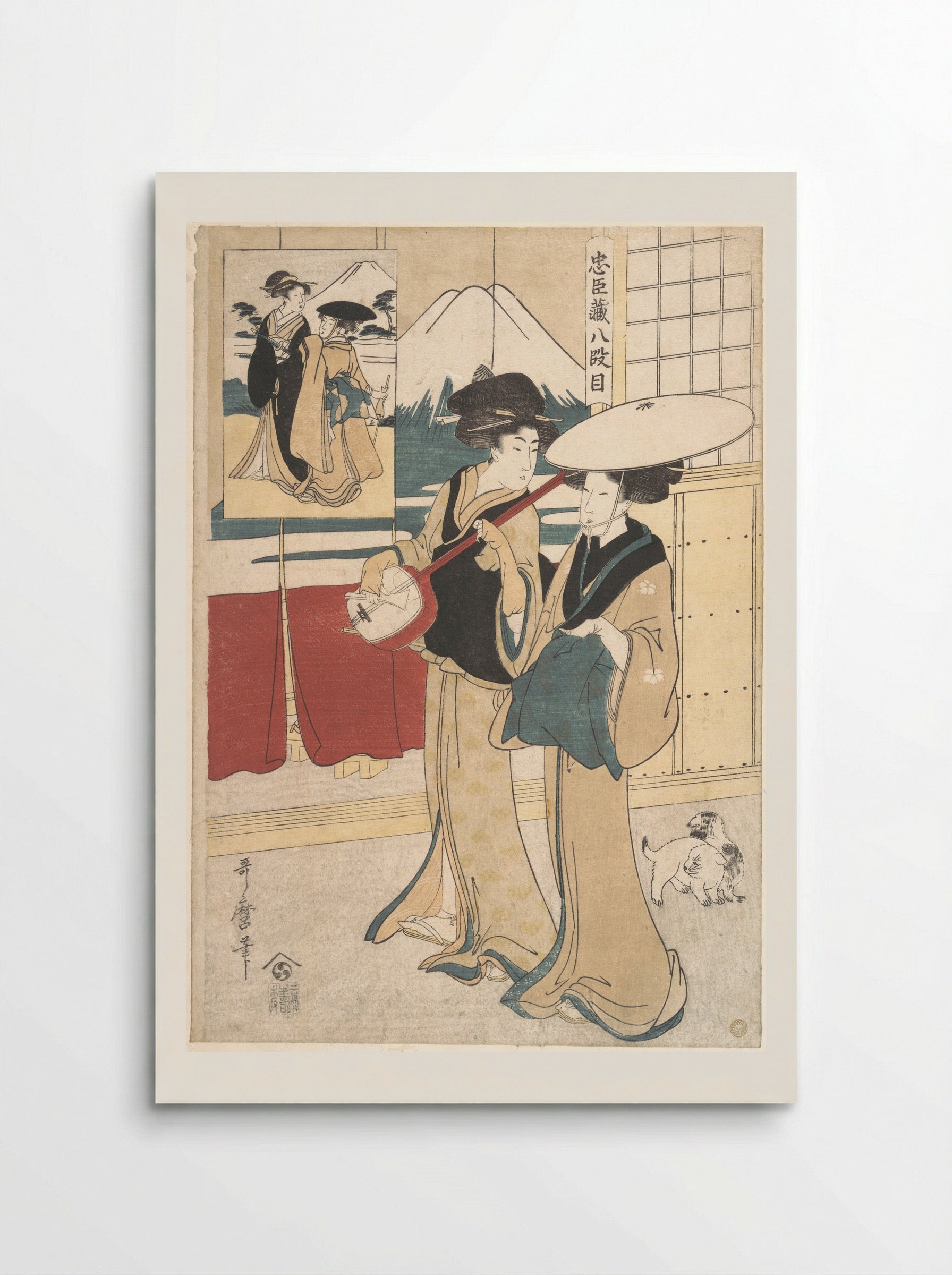 Zwei Tori-oi oder reisende Musikerinnen der Eta-Klasse – Kitagawa Utamaro
Print
Regulärer Preis Ab £28.00 GBPAngebotspreis Ab £28.00 GBP Regulärer Preis -
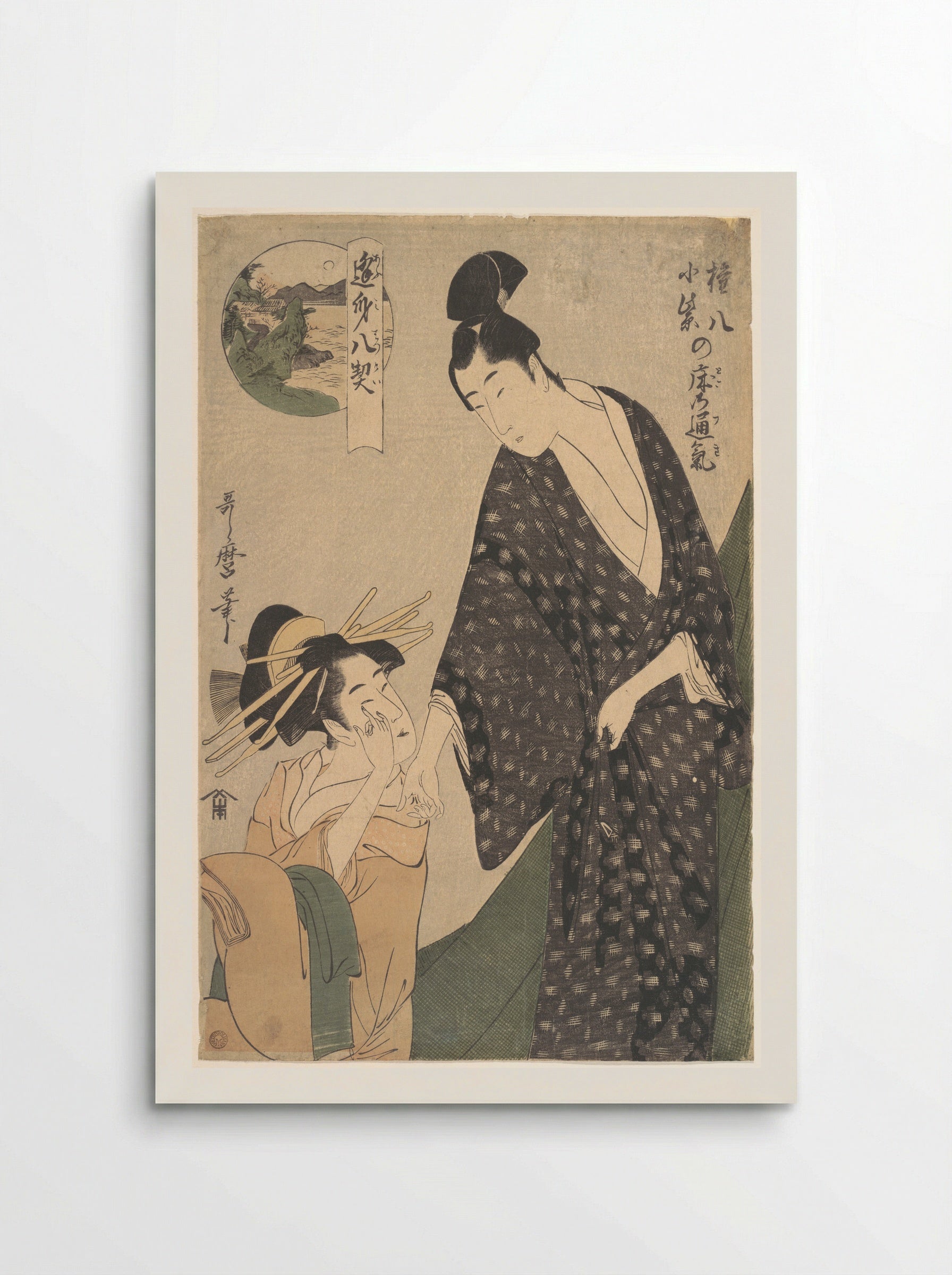 Gonpachi und Komurasaki unterm Mond im Hause der Freuden - Kitagawa Utamaro
Print
Regulärer Preis Ab £28.00 GBPAngebotspreis Ab £28.00 GBP Regulärer Preis -

 Mutter und Kind, das in einen Handspiegel blickt – Kitagawa Utamaro
Print · Framed
Regulärer Preis Ab £28.00 GBPAngebotspreis Ab £28.00 GBP Regulärer Preis -

 Awabi-Taucherinnen - Kitagawa Utamaro
Print · Framed
Regulärer Preis Ab £28.00 GBPAngebotspreis Ab £28.00 GBP Regulärer Preis -

 Liebespaar – Kitagawa Utamaro
Print · Framed
Regulärer Preis Ab £28.00 GBPAngebotspreis Ab £28.00 GBP Regulärer Preis -

 Die Perlentaucherinnen - Kitagawa Utamaro
Print · Framed
Regulärer Preis Ab £28.00 GBPAngebotspreis Ab £28.00 GBP Regulärer Preis -

 Eine Szene auf der Brücke - Kitagawa Utamaro
Print · Framed
Regulärer Preis Ab £28.00 GBPAngebotspreis Ab £28.00 GBP Regulärer Preis


Artist Biography
Kitagawa Utamaro
Utamaro was arrested in 1804 for making prints depicting the sixteenth-century military ruler Toyotomi Hideyoshi. He was manacled for fifty days. He died two years later, at roughly fifty-three. The connection between the punishment and the death is debated, but the timing suggests something broke.
Almost nothing is certain about his early life. He was born around 1753, possibly in Edo, possibly in Kyoto, possibly in Kawagoe. He began publishing prints in the 1770s under the guidance of the publisher Tsutaya Juzaburo, who recognised what Utamaro could do with a portrait of a woman.
What he could do was unprecedented. He invented the okubi-e format: large head-and-shoulders portraits of individual women, mostly from the Yoshiwara pleasure district, printed in close-up with minimal background. Before Utamaro, bijin-ga (pictures of beautiful women) showed groups of figures in full length. He isolated the face, the tilt of the head, the expression. The prints are psychologically specific in a way that had not existed in Japanese printmaking.
He also published books of insect studies and volumes of shunga (erotica), and he made portraits of ordinary town women, not just courtesans. Ohisa and Okita, two shopgirls who appeared in his Three Beauties of the Present Day, became famous across Edo because of his prints. He turned real people into celebrities, which may be the first documented instance of an artist functioning as a kind of media platform.
Tsutaya Juzaburo died in 1797. Utamaro was reportedly devastated. Some critics feel his work never reached the same level afterward. He produced over two thousand prints in his career.


Warum uns wählen?