

Sammlung
Hilma Af Klint
Entdecken Sie kuratierte Kunstdrucke, ausgewählt für individuelle Wohnräume und durchdachte Interieurs.
Vorgeschlagene Filter
-
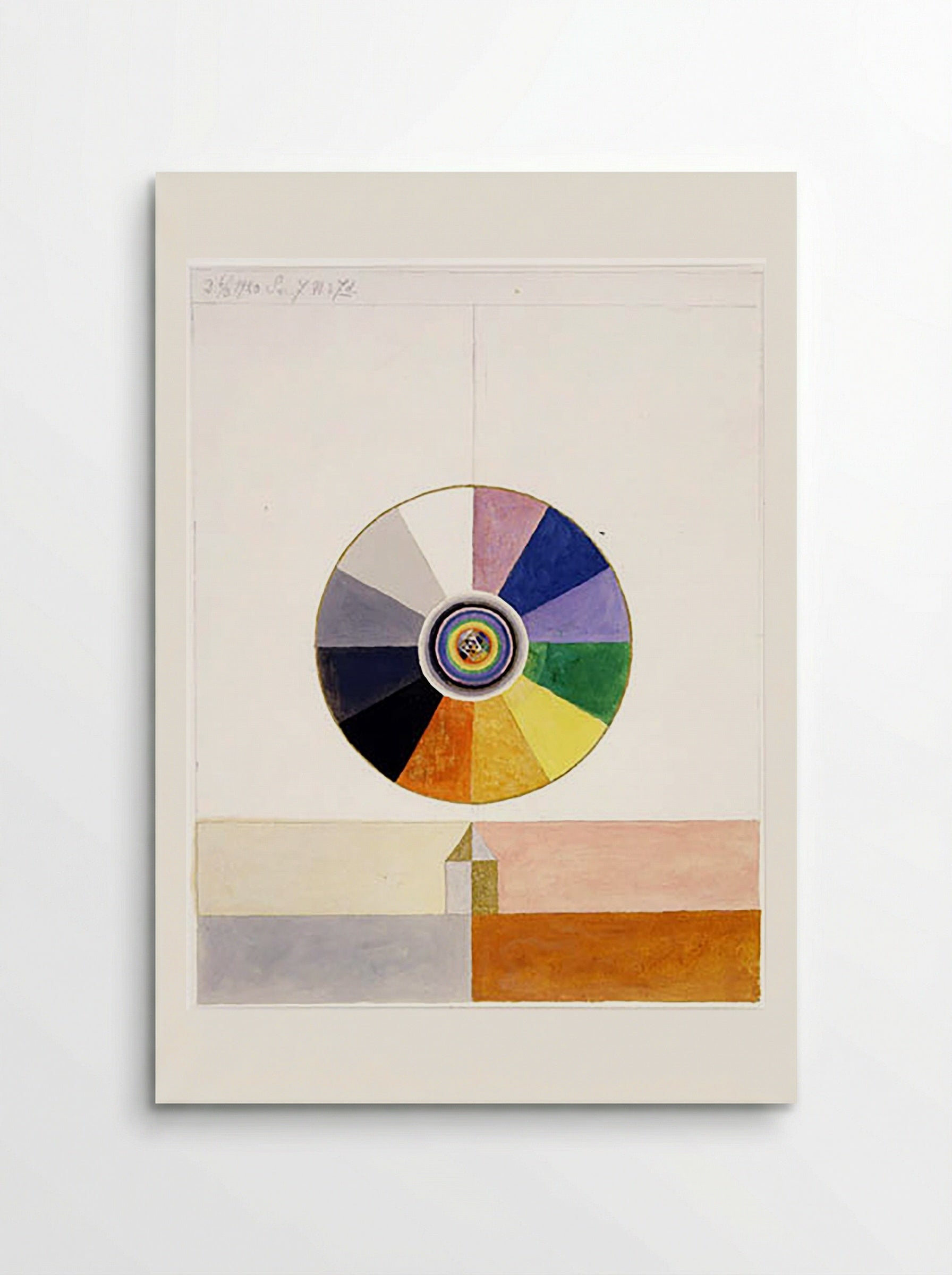
 Serie VII, Nr. 7d - Hilma af Klint
Print · Framed
Regulärer Preis Ab £28.00 GBPAngebotspreis Ab £28.00 GBP Regulärer Preis -

 Chaos, Nr. 2 - Hilma af Klint
Print · Framed · Canvas
Regulärer Preis Ab £28.00 GBPAngebotspreis Ab £28.00 GBP Regulärer Preis -

 Der Schwan, Nr. 24 – Hilma af Klint
Print · Framed · Canvas
Regulärer Preis Ab £37.00 GBPAngebotspreis Ab £37.00 GBP Regulärer Preis -

 Die Zehn Größten, Nr. 7, Das Erwachsenenalter – Hilma af Klint
Print · Framed
Regulärer Preis Ab £28.00 GBPAngebotspreis Ab £28.00 GBP Regulärer Preis -
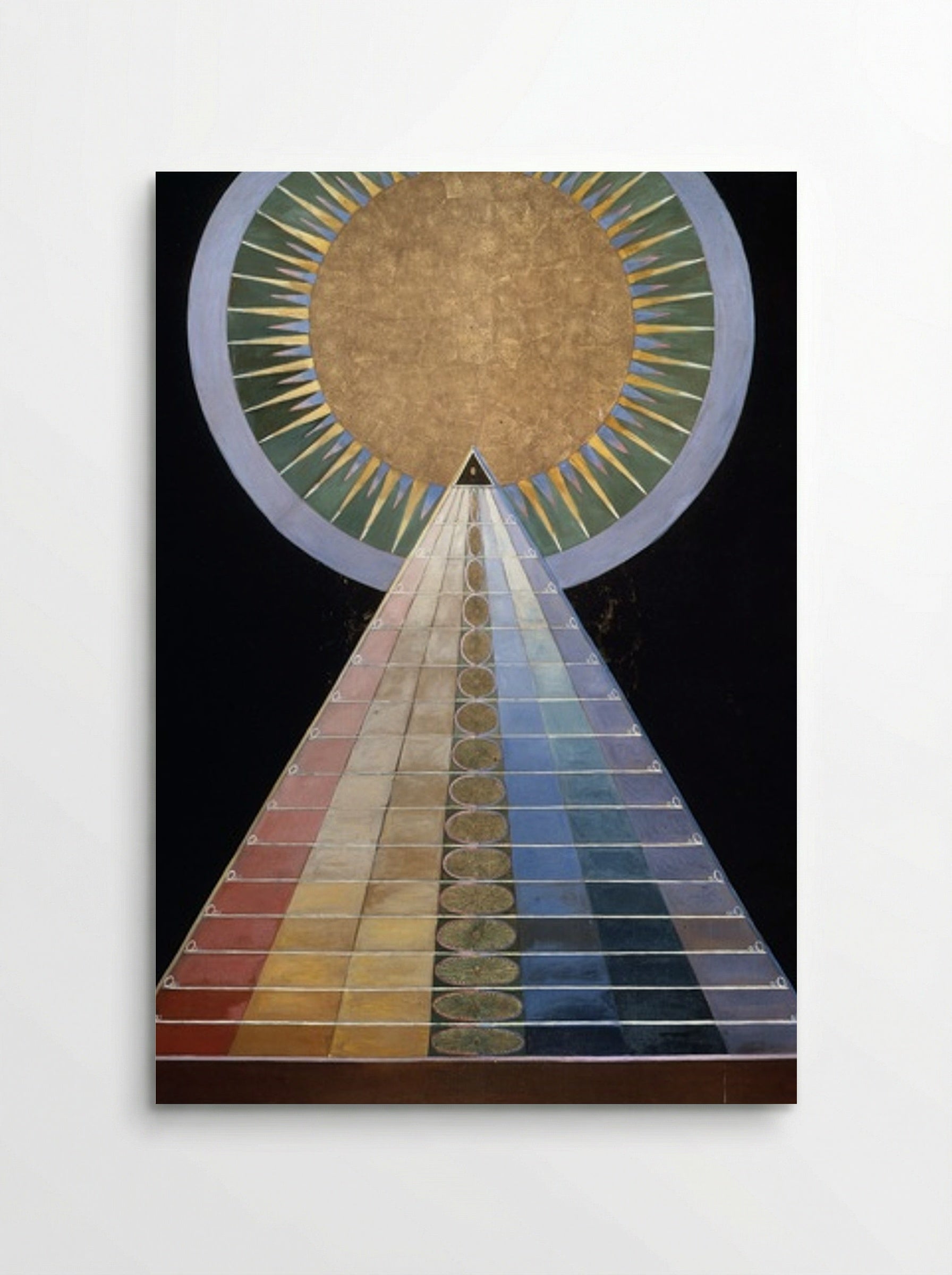
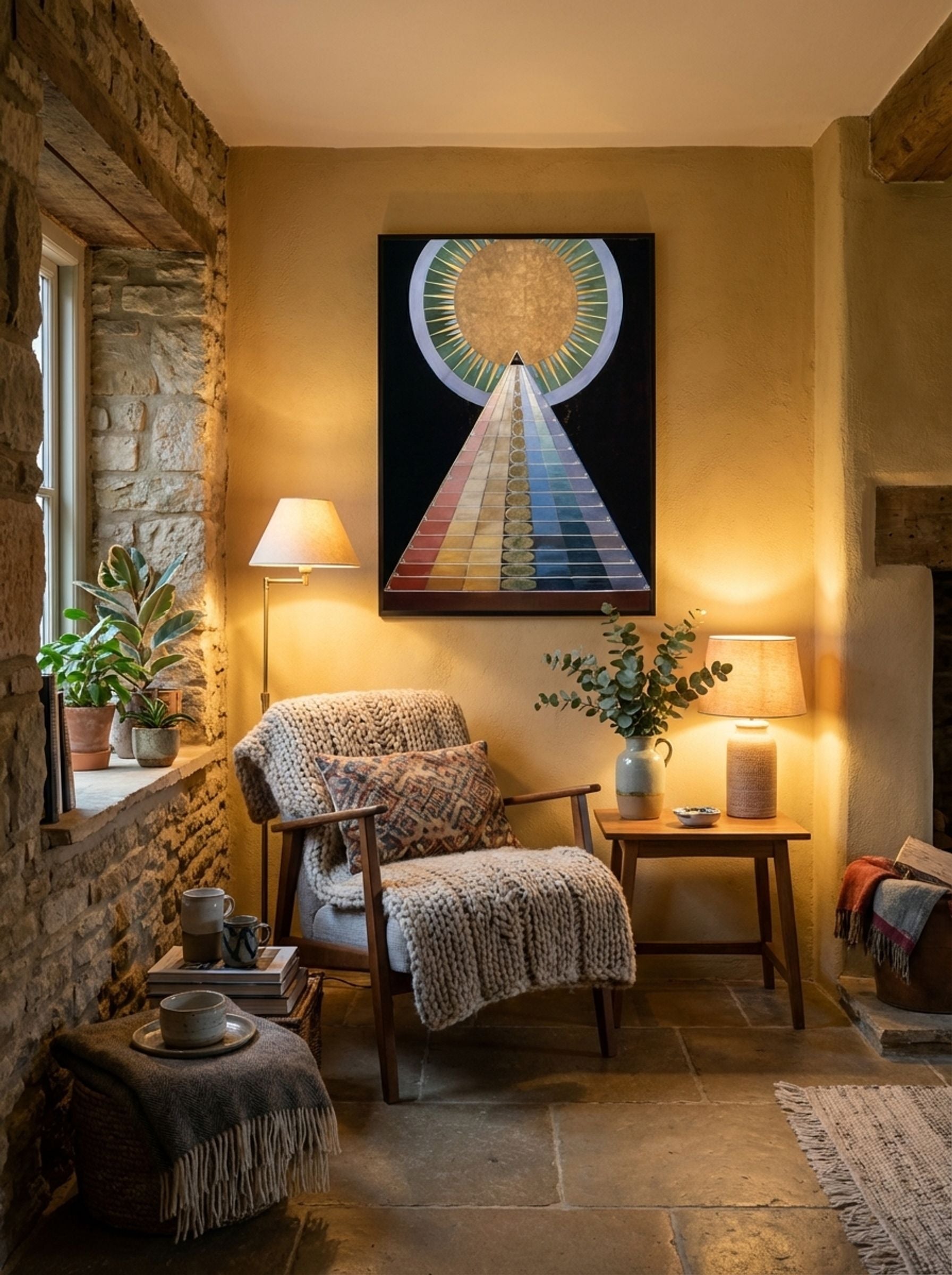 Altarbild Nr. 1, Gruppe X - Hilma af Klint
Print · Framed
Regulärer Preis Ab £28.00 GBPAngebotspreis Ab £28.00 GBP Regulärer Preis -

 The Large Figure Paintings, nr 5 - Hilma af Klint
Print · Framed
Regulärer Preis Ab £28.00 GBPAngebotspreis Ab £28.00 GBP Regulärer Preis -

 Chaos, Nr. 2 - Hilma af Klint
Print · Framed
Regulärer Preis Ab £28.00 GBPAngebotspreis Ab £28.00 GBP Regulärer Preis -

 Forwards, Parcifal Series, Group 2, Section 4: The Convolute of the Physical Plane - Hilma af Klint
Print · Framed
Regulärer Preis Ab £37.00 GBPAngebotspreis Ab £37.00 GBP Regulärer Preis -

 The Swan (No. 16) - Hilma af Klint
Print · Framed
Regulärer Preis Ab £37.00 GBPAngebotspreis Ab £37.00 GBP Regulärer Preis -

 De Tio Största, n°10 Alderdomen - Hilma af Klint
Print · Framed
Regulärer Preis Ab £37.00 GBPAngebotspreis Ab £37.00 GBP Regulärer Preis -
 Wheat and Wormwood - Hilma af Klint
Print
Regulärer Preis Ab £28.00 GBPAngebotspreis Ab £28.00 GBP Regulärer Preis -
 Forwards, Parcifal Series, Group 2, Section 4: The Convolute of the Physical Plane - Hilma af Klint
Print
Regulärer Preis Ab £37.00 GBPAngebotspreis Ab £37.00 GBP Regulärer Preis -

 Tree of Knowledge, No. 1 - Hilma af Klint
Print · Framed
Regulärer Preis Ab £28.00 GBPAngebotspreis Ab £28.00 GBP Regulärer Preis -

 The Ten Largest, No. 8, Adulthood - Hilma af Klint
Print · Framed
Regulärer Preis Ab £28.00 GBPAngebotspreis Ab £28.00 GBP Regulärer Preis -

 The Ten Largest, No. 7, Adulthood - Hilma af Klint
Print · Framed
Regulärer Preis Ab £28.00 GBPAngebotspreis Ab £28.00 GBP Regulärer Preis -

 The Ten Largest, No. 5, Adulthood - Hilma af Klint
Print · Framed
Regulärer Preis Ab £28.00 GBPAngebotspreis Ab £28.00 GBP Regulärer Preis -

 The Ten Largest, No. 3, Youth - Hilma af Klint
Print · Framed
Regulärer Preis Ab £28.00 GBPAngebotspreis Ab £28.00 GBP Regulärer Preis -

 The Ten Largest, No. 9, Old Age - Hilma af Klint
Print · Framed
Regulärer Preis Ab £28.00 GBPAngebotspreis Ab £28.00 GBP Regulärer Preis -

 Der Schwan, Nr. 12 – Hilma af Klint
Print · Framed · Canvas
Regulärer Preis Ab £30.00 GBPAngebotspreis Ab £30.00 GBP Regulärer Preis -
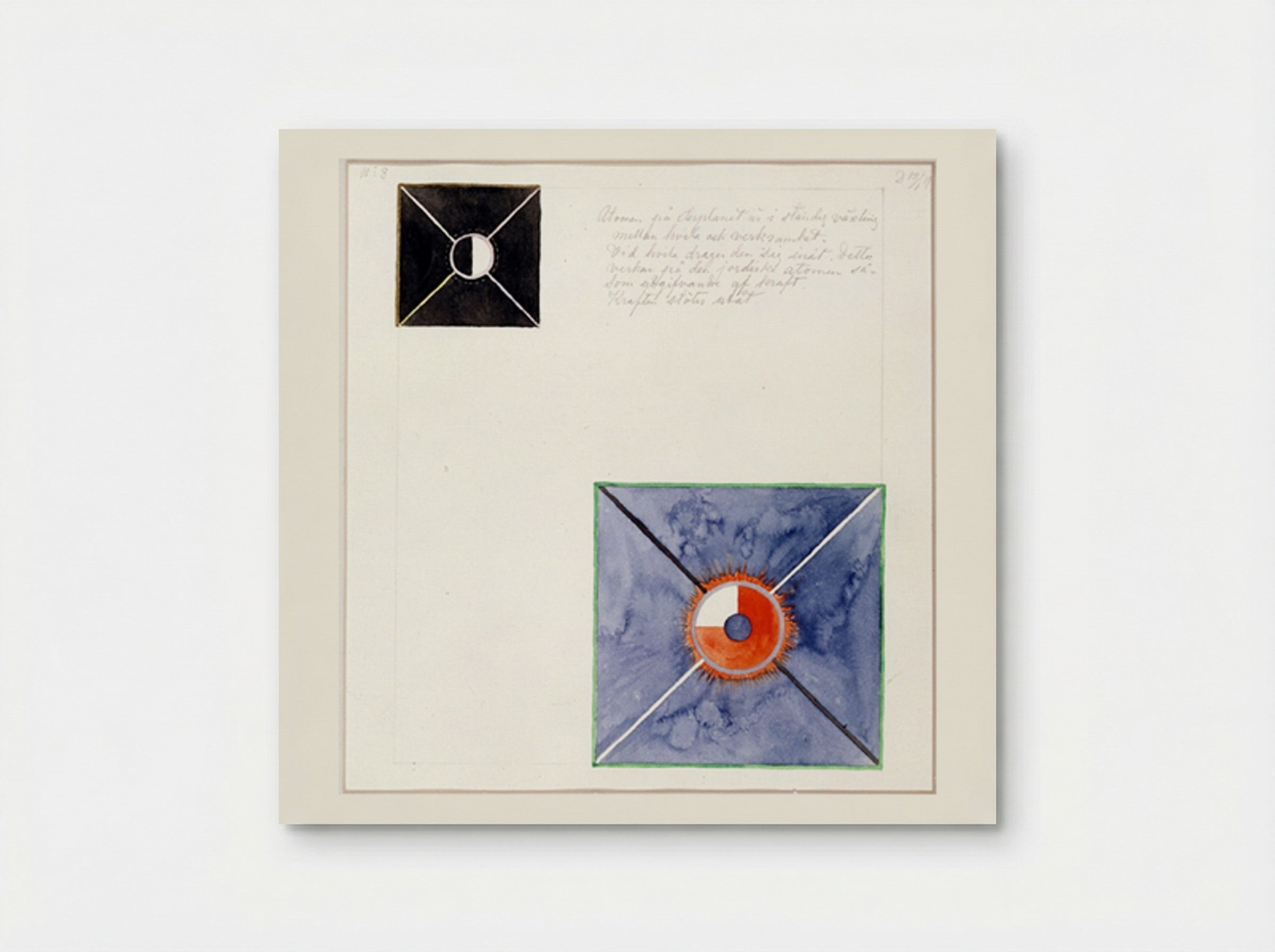
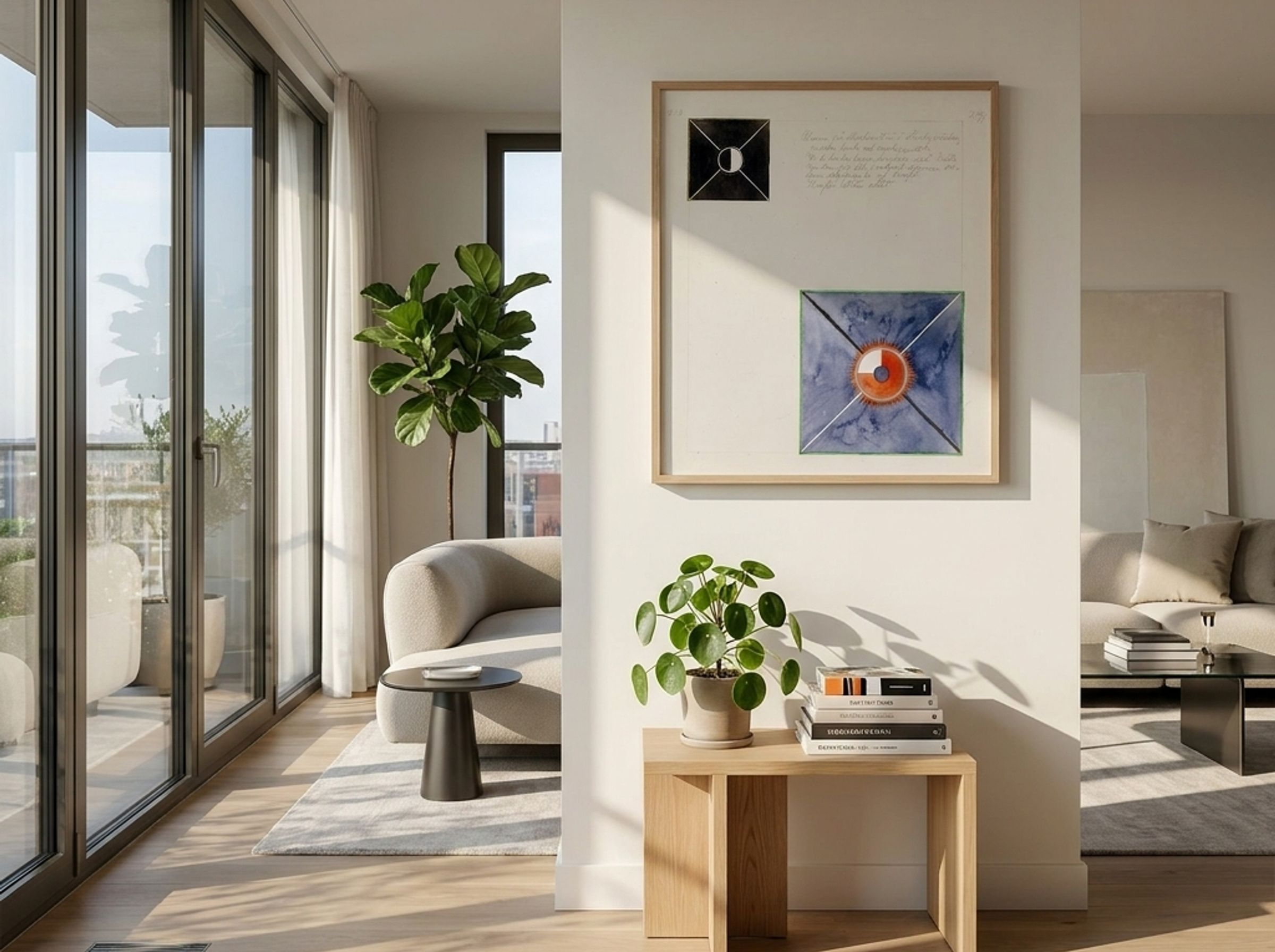 Atom Serie, Nr. 8: Der Atom auf der Ätherebene ist in beständigem Wechsel zwischen Ruhe und Tätigkeit. Bei der Ruhe zieht er sich in sich selbst zurück. Dieses wirkt sich auf den irdischen Atom als Kräfteabgabe aus. - Hilma af Klint
Print · Framed
Regulärer Preis Ab £37.00 GBPAngebotspreis Ab £37.00 GBP Regulärer Preis -
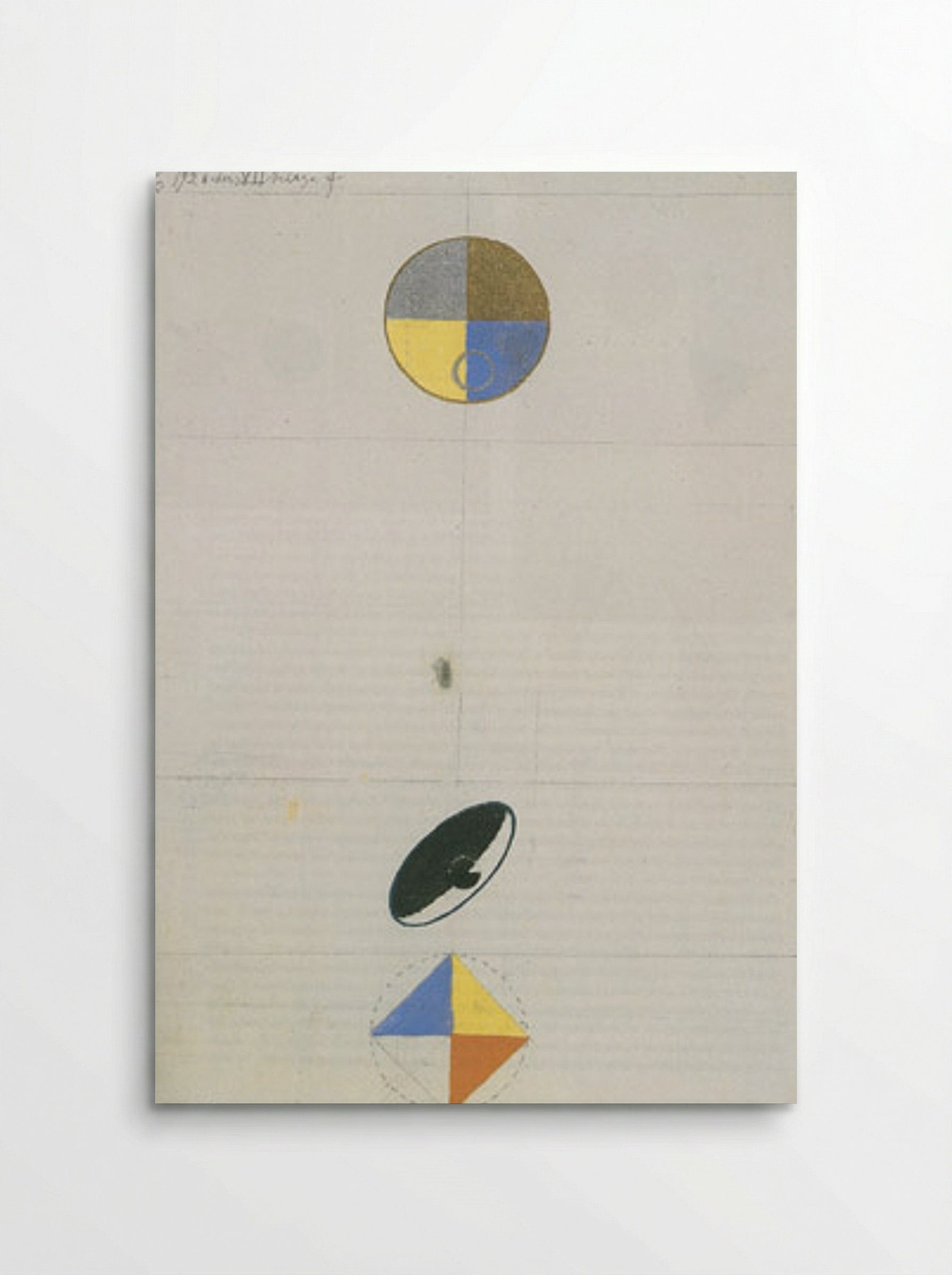
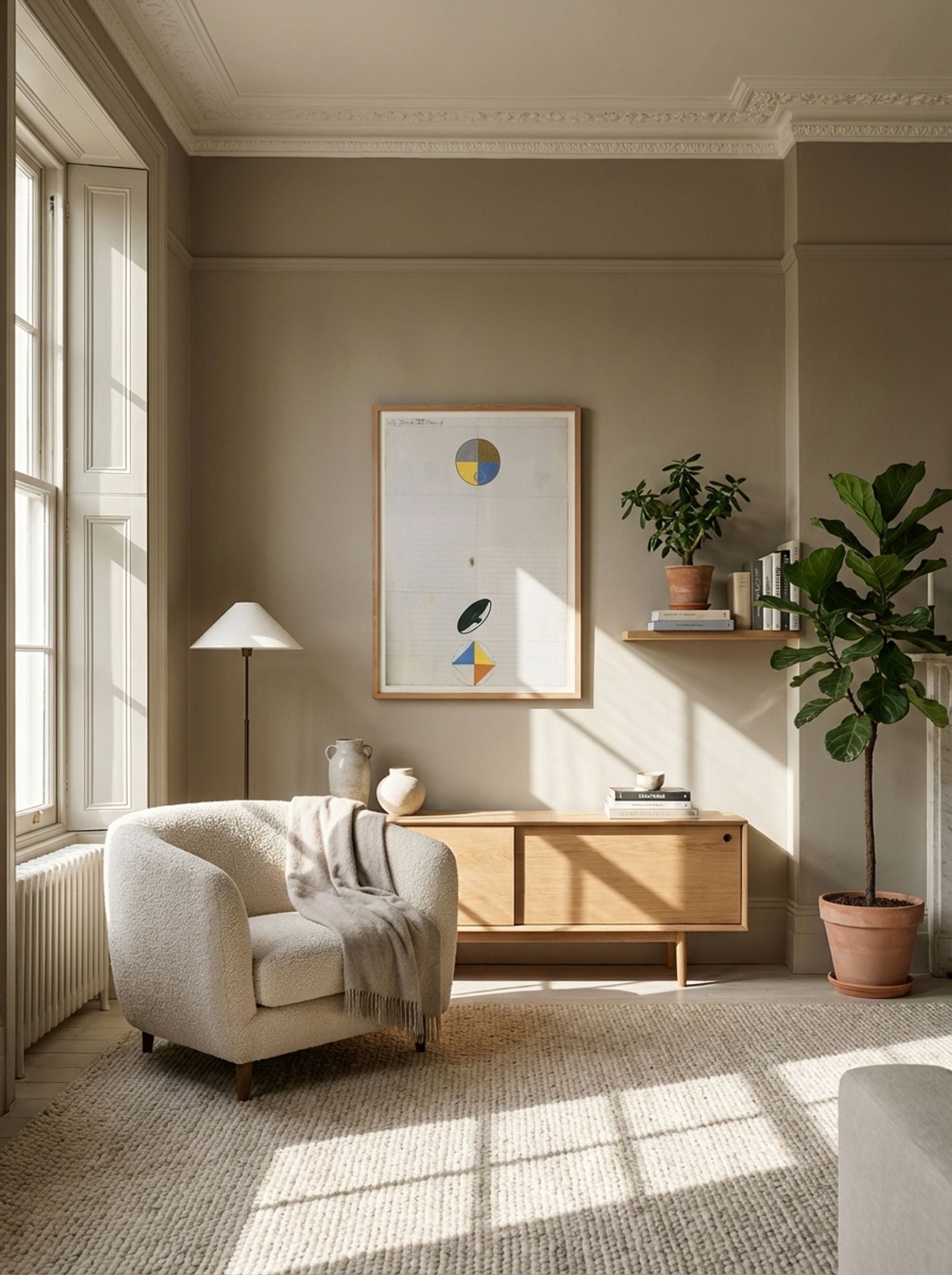 Serie Nr. VII, Nr. 3f – Hilma af Klint
Print · Framed
Regulärer Preis Ab £28.00 GBPAngebotspreis Ab £28.00 GBP Regulärer Preis -
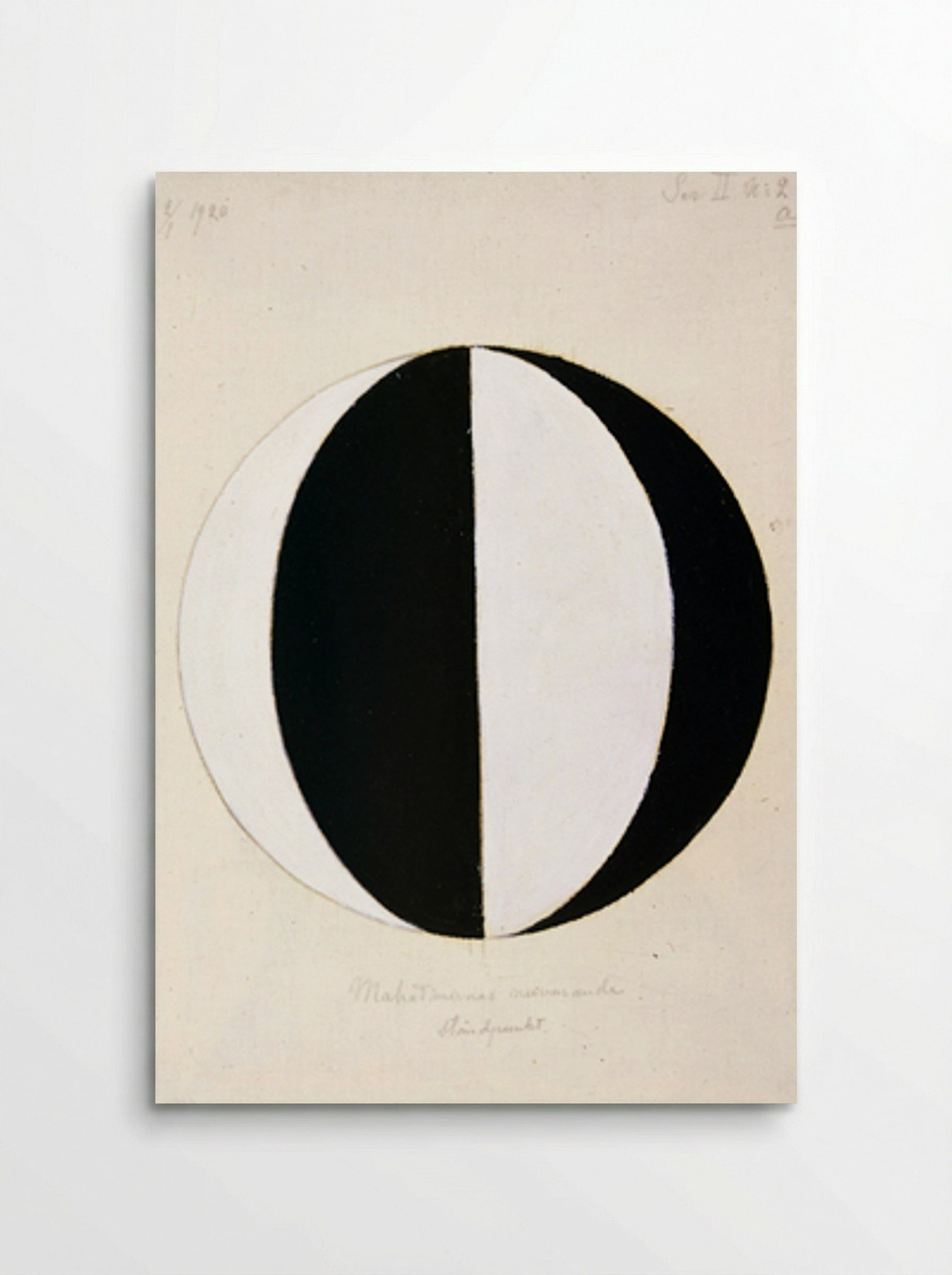
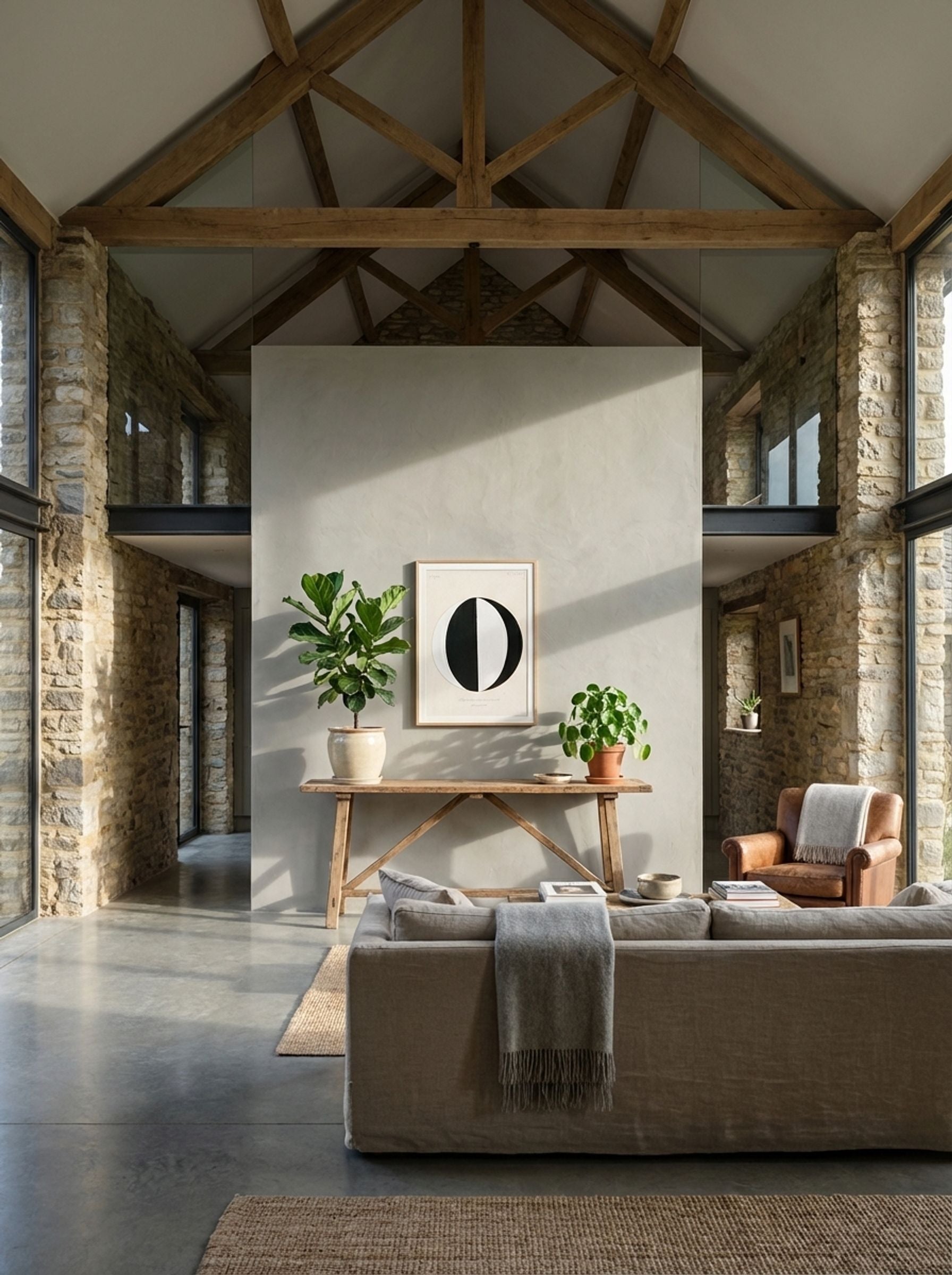 Der gegenwärtige Standpunkt der Mahatmas, Reihe II, Nr. 2a - Hilma af Klint
Print · Framed
Regulärer Preis Ab £28.00 GBPAngebotspreis Ab £28.00 GBP Regulärer Preis -
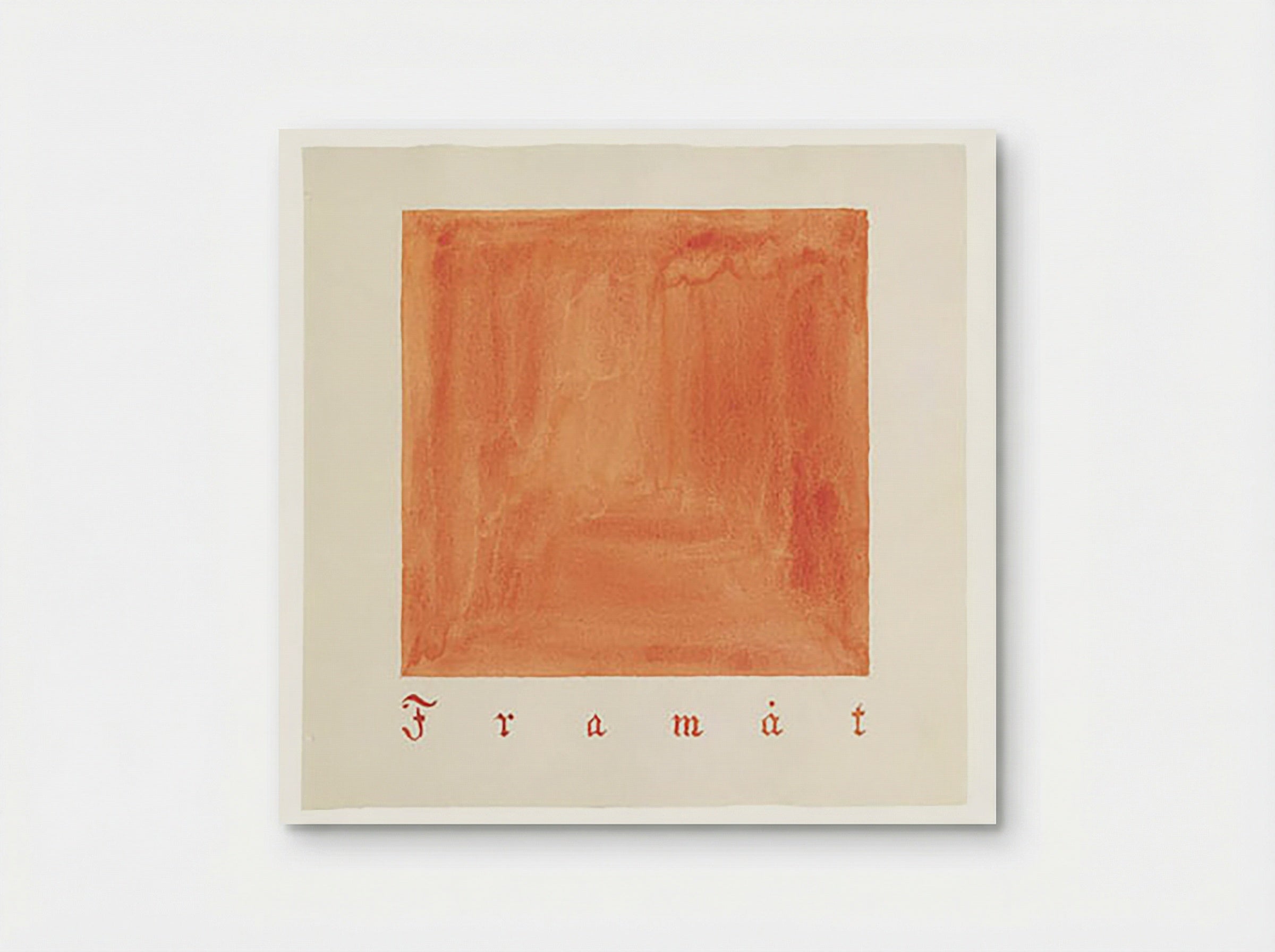
 Das Konvolut der physischen Ebene, aus der Parsifal Serie - Hilma af Klint
Print · Framed
Regulärer Preis Ab £37.00 GBPAngebotspreis Ab £37.00 GBP Regulärer Preis -
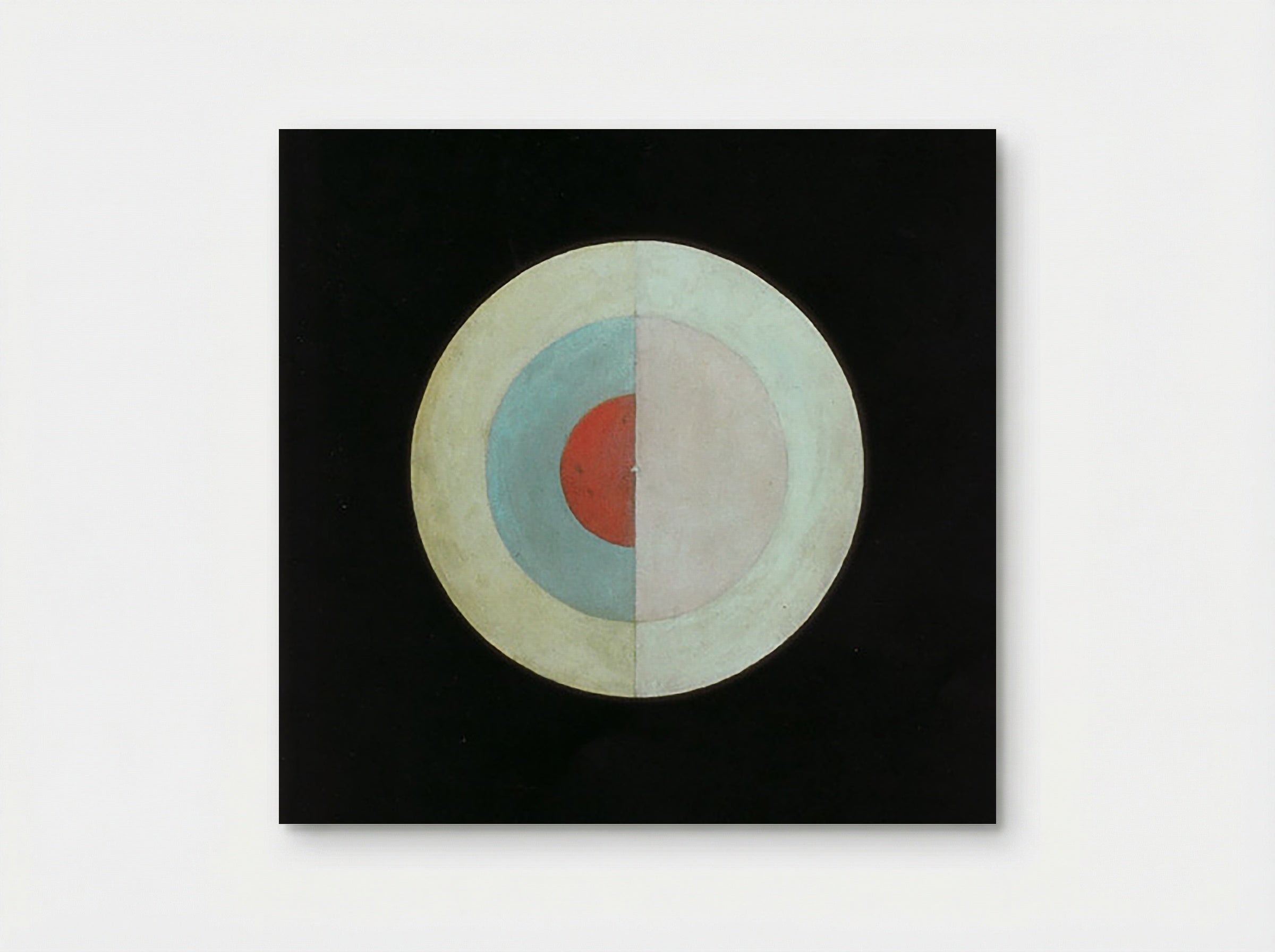
 Der Schwan Nr. 16 - Hilma af Klint
Print · Framed
Regulärer Preis Ab £37.00 GBPAngebotspreis Ab £37.00 GBP Regulärer Preis


Artist Biography
Hilma Af Klint
Hilma af Klint was painting abstract art in 1906. Kandinsky's first abstract works are generally dated to 1910 or 1911. Malevich and Mondrian came later still. She predated them all by years, and nobody knew, because she stipulated that her work should not be shown until twenty years after her death.
She was born in 1862 into a naval family in Stockholm. She showed early ability in both mathematics and botany, studied at the Royal Academy of Fine Arts, graduated with honours in 1887, and established herself as a conventional painter of landscapes and portraits. She also worked as a scientific illustrator, producing botanical drawings of fungi for a book that was never published. In 1919 and 1920 she drew flowers almost daily, creating jewel-toned watercolours with the precision of a naturalist who knew when each species bloomed.
The abstract work came from a different source. She attended her first seance at seventeen. In 1896 she formed a group called De Fem (The Five) with four other women: Anna Cassel, Cornelia Cederberg, Sigrid Hedman, and Mathilda Nilsson. They contacted what they believed to be spirit guides from another dimension and kept meticulous notes. In 1906, aged forty-four, she received instructions during a seance to create paintings for a Temple. She never understood where or what this Temple was, but she began.
The Paintings for the Temple series, 193 works made between 1906 and 1915, includes compositions that are completely abstract. She used a systematic colour symbolism: blue for femininity or spirituality, yellow for masculinity or intellect. Spirals, circles, and intersecting lines represented spiritual forces or natural processes. Where Kandinsky's abstraction looked inward to the artist's own psychology, af Klint believed astral spirits were working through her hands.
She died in 1944. The embargo lifted in 1964, but the work was not shown publicly until 1986. In 2018, the Guggenheim mounted Hilma af Klint: Paintings for the Future. It drew over 600,000 visitors, the most attended exhibition in the museum's history. She left behind more than 1,200 paintings and thousands of pages of notes.
She was born in 1862 into a naval family in Stockholm. She showed early ability in both mathematics and botany, studied at the Royal Academy of Fine Arts, graduated with honours in 1887, and established herself as a conventional painter of landscapes and portraits. She also worked as a scientific illustrator, producing botanical drawings of fungi for a book that was never published. In 1919 and 1920 she drew flowers almost daily, creating jewel-toned watercolours with the precision of a naturalist who knew when each species bloomed.
The abstract work came from a different source. She attended her first seance at seventeen. In 1896 she formed a group called De Fem (The Five) with four other women: Anna Cassel, Cornelia Cederberg, Sigrid Hedman, and Mathilda Nilsson. They contacted what they believed to be spirit guides from another dimension and kept meticulous notes. In 1906, aged forty-four, she received instructions during a seance to create paintings for a Temple. She never understood where or what this Temple was, but she began.
The Paintings for the Temple series, 193 works made between 1906 and 1915, includes compositions that are completely abstract. She used a systematic colour symbolism: blue for femininity or spirituality, yellow for masculinity or intellect. Spirals, circles, and intersecting lines represented spiritual forces or natural processes. Where Kandinsky's abstraction looked inward to the artist's own psychology, af Klint believed astral spirits were working through her hands.
She died in 1944. The embargo lifted in 1964, but the work was not shown publicly until 1986. In 2018, the Guggenheim mounted Hilma af Klint: Paintings for the Future. It drew over 600,000 visitors, the most attended exhibition in the museum's history. She left behind more than 1,200 paintings and thousands of pages of notes.




Warum uns wählen?