

Sammlung
Giovanni Paolo Panini
Entdecken Sie kuratierte Kunstdrucke, ausgewählt für individuelle Wohnräume und durchdachte Interieurs.
Vorgeschlagene Filter
-

 Römische Ruinen mit Figuren – Giovanni Paolo Panini
Print · Framed · Canvas
Regulärer Preis Ab £28.00 GBPAngebotspreis Ab £28.00 GBP Regulärer Preis -
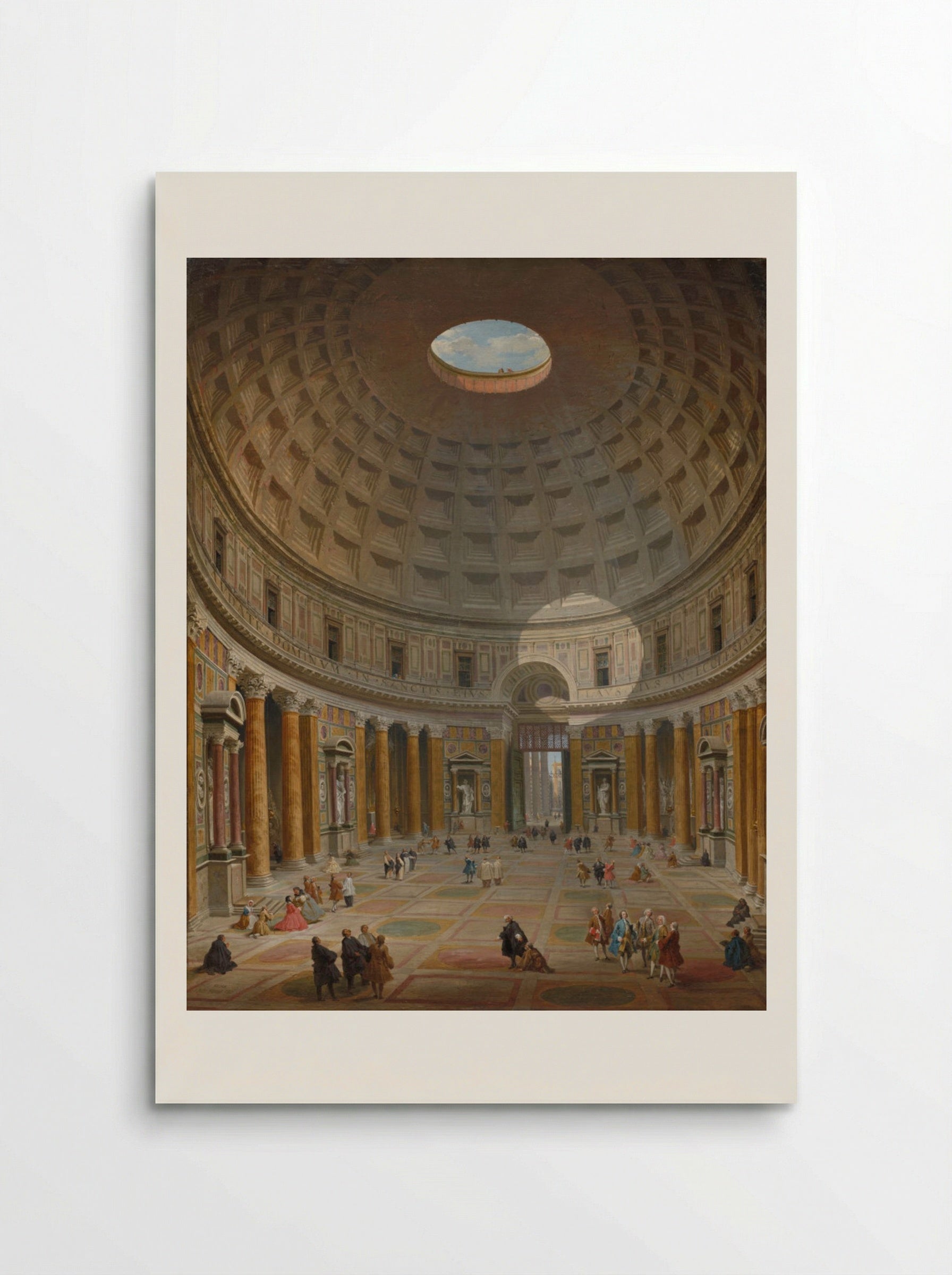 Das Innere des Pantheons, Rom - Giovanni Paolo Panini
Print
Regulärer Preis Ab £28.00 GBPAngebotspreis Ab £28.00 GBP Regulärer Preis -
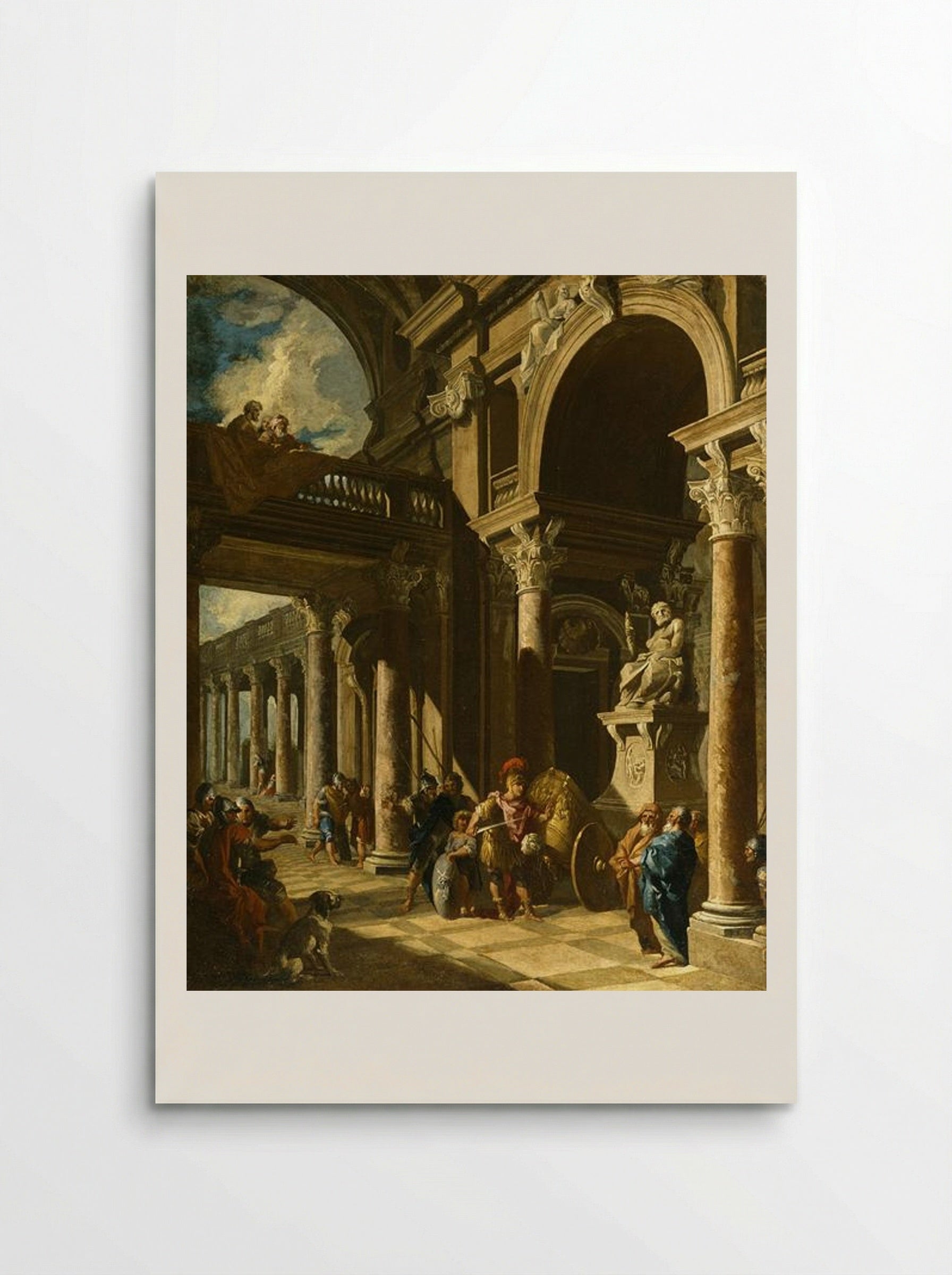 Alexander der Große durchschneidet den Gordischen Knoten – Giovanni Paolo Panini
Print
Regulärer Preis Ab £28.00 GBPAngebotspreis Ab £28.00 GBP Regulärer Preis -
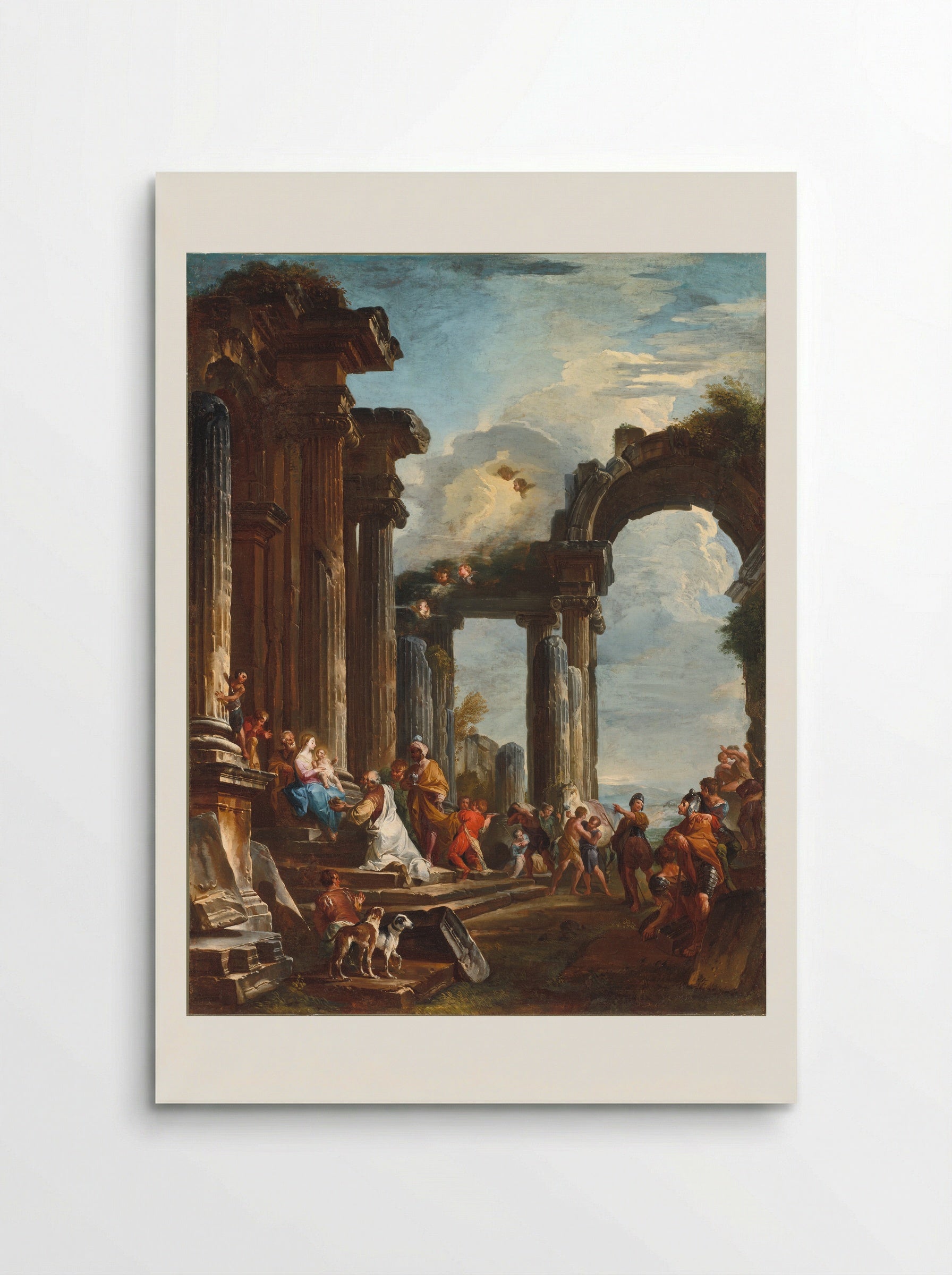 Die Anbetung der Heiligen Drei Könige - Giovanni Paolo Panini
Print
Regulärer Preis Ab £28.00 GBPAngebotspreis Ab £28.00 GBP Regulärer Preis -
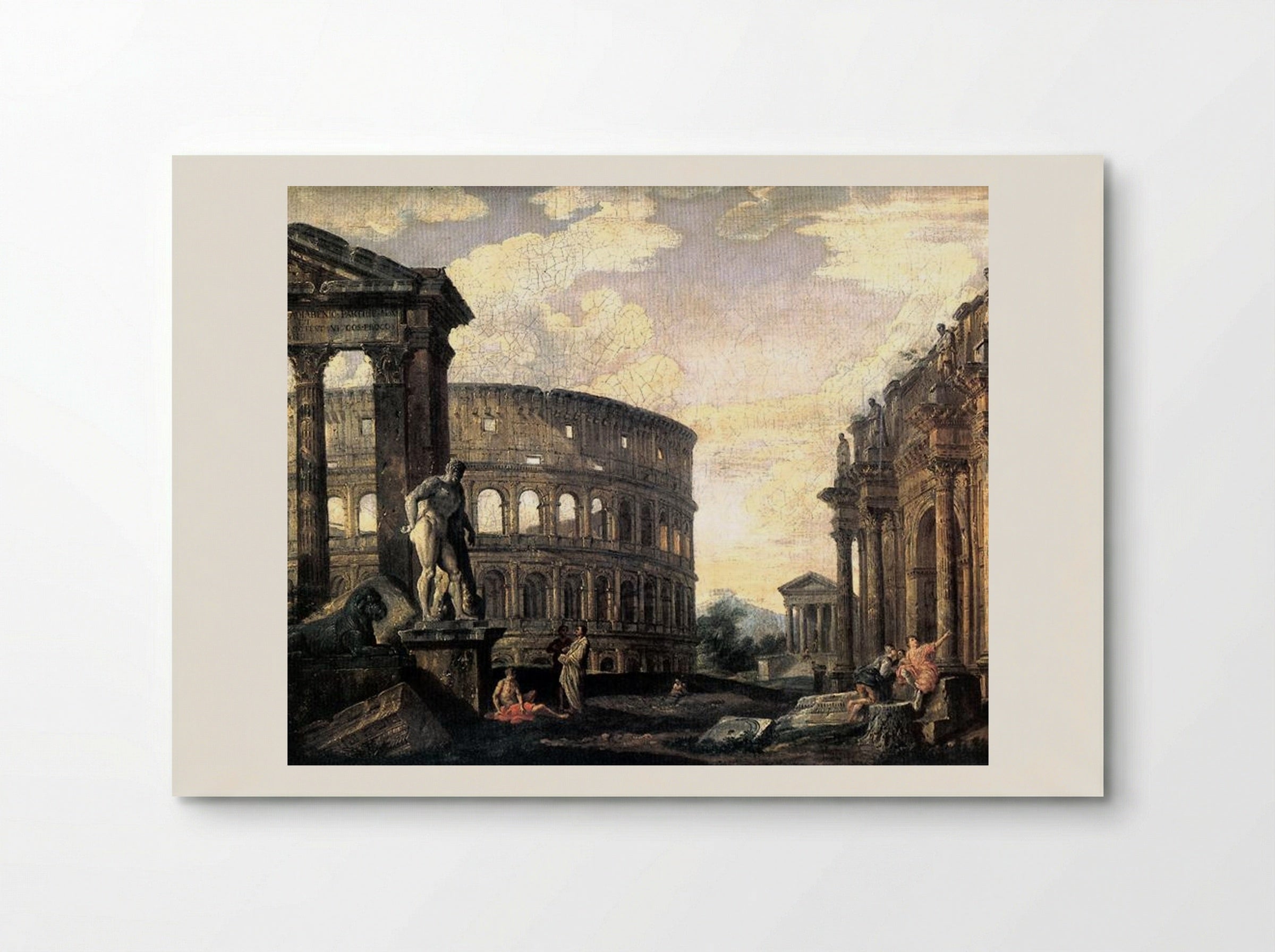 Antike römische Ruinen – Giovanni Paolo Panini
Print
Regulärer Preis Ab £28.00 GBPAngebotspreis Ab £28.00 GBP Regulärer Preis -
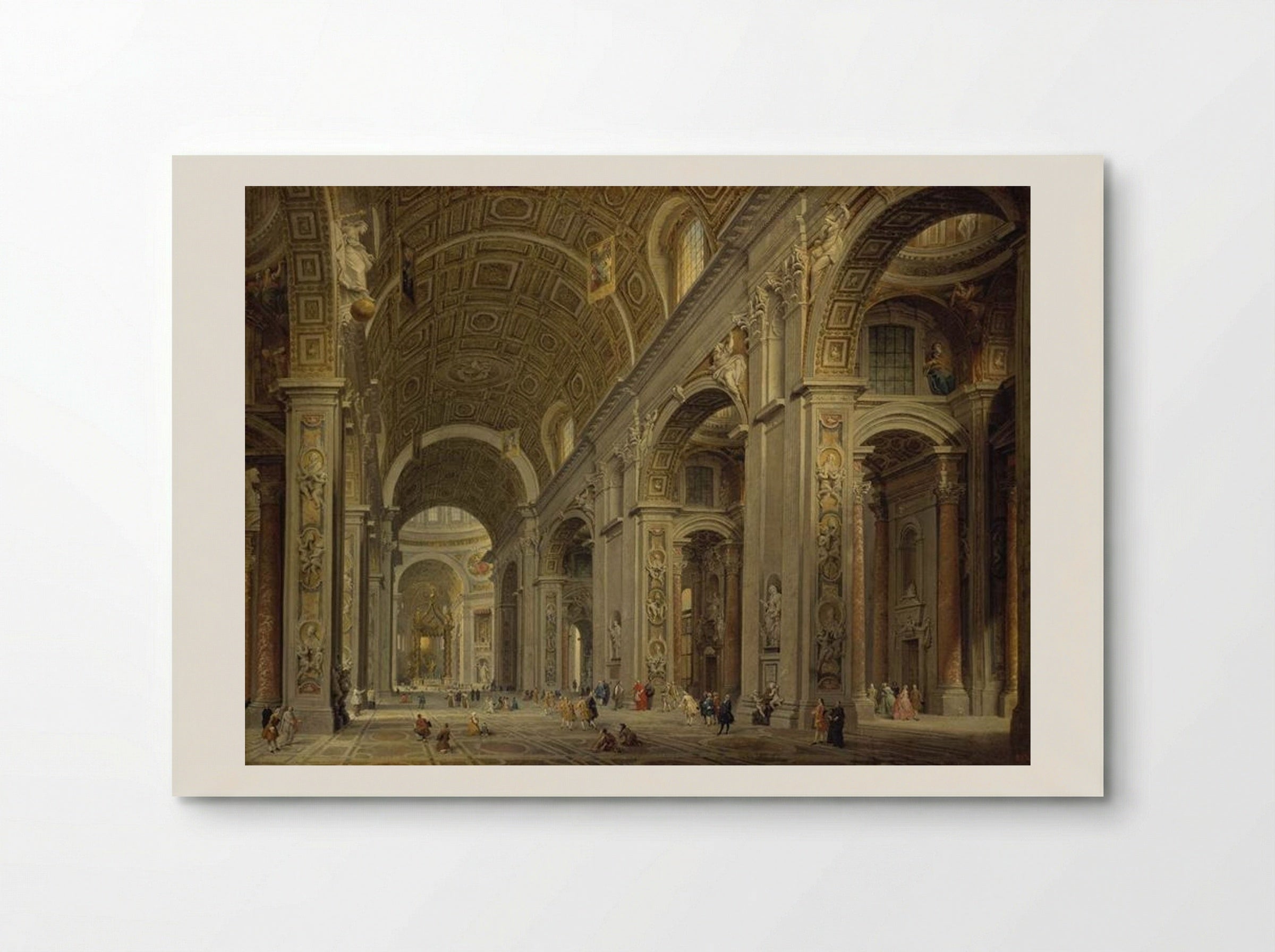 Innenansicht des Petersdoms in Rom – Giovanni Paolo Panini
Print
Regulärer Preis Ab £28.00 GBPAngebotspreis Ab £28.00 GBP Regulärer Preis -
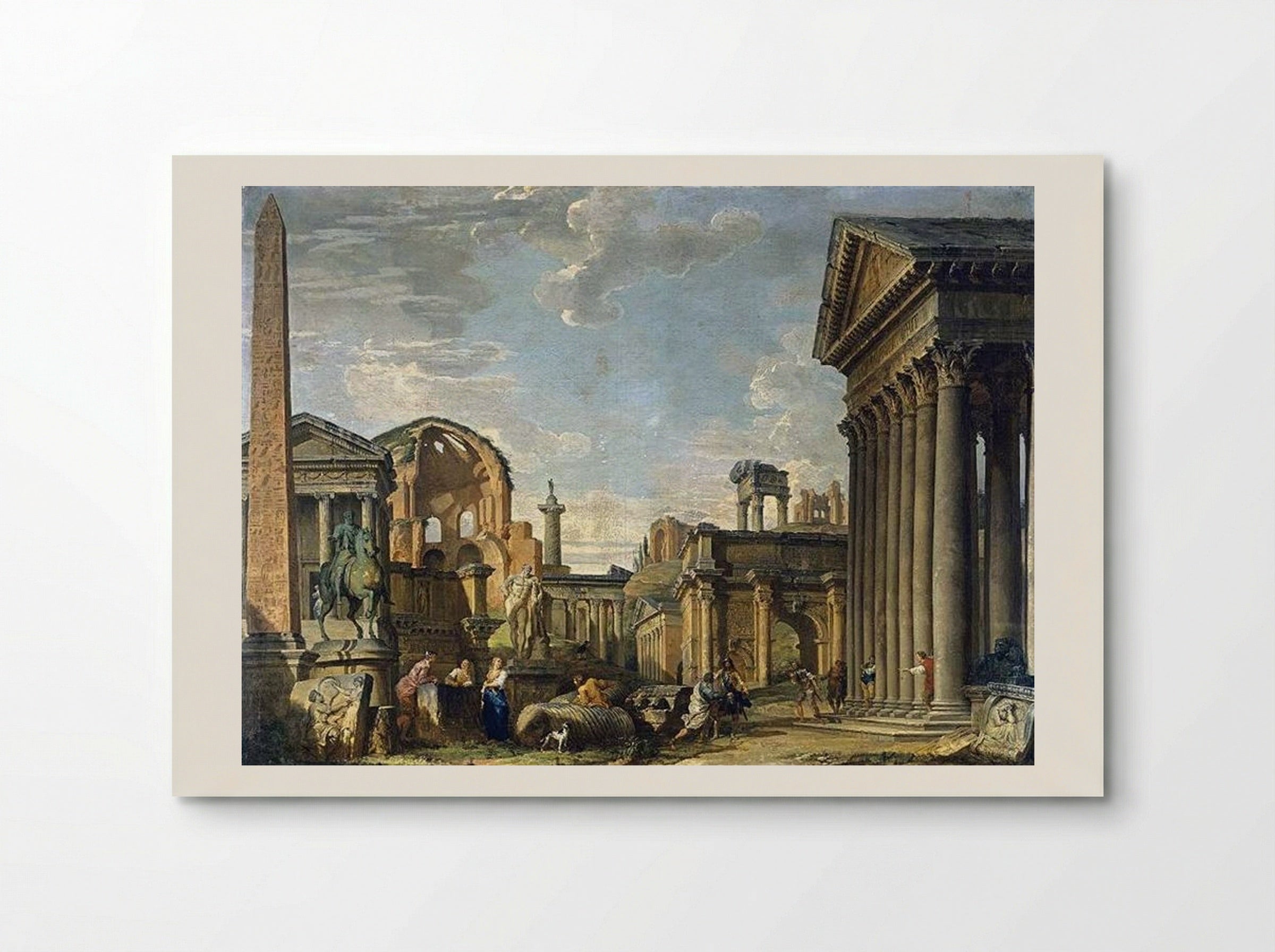 Architektonisches Capriccio - Giovanni Paolo Panini
Print
Regulärer Preis Ab £28.00 GBPAngebotspreis Ab £28.00 GBP Regulärer Preis -
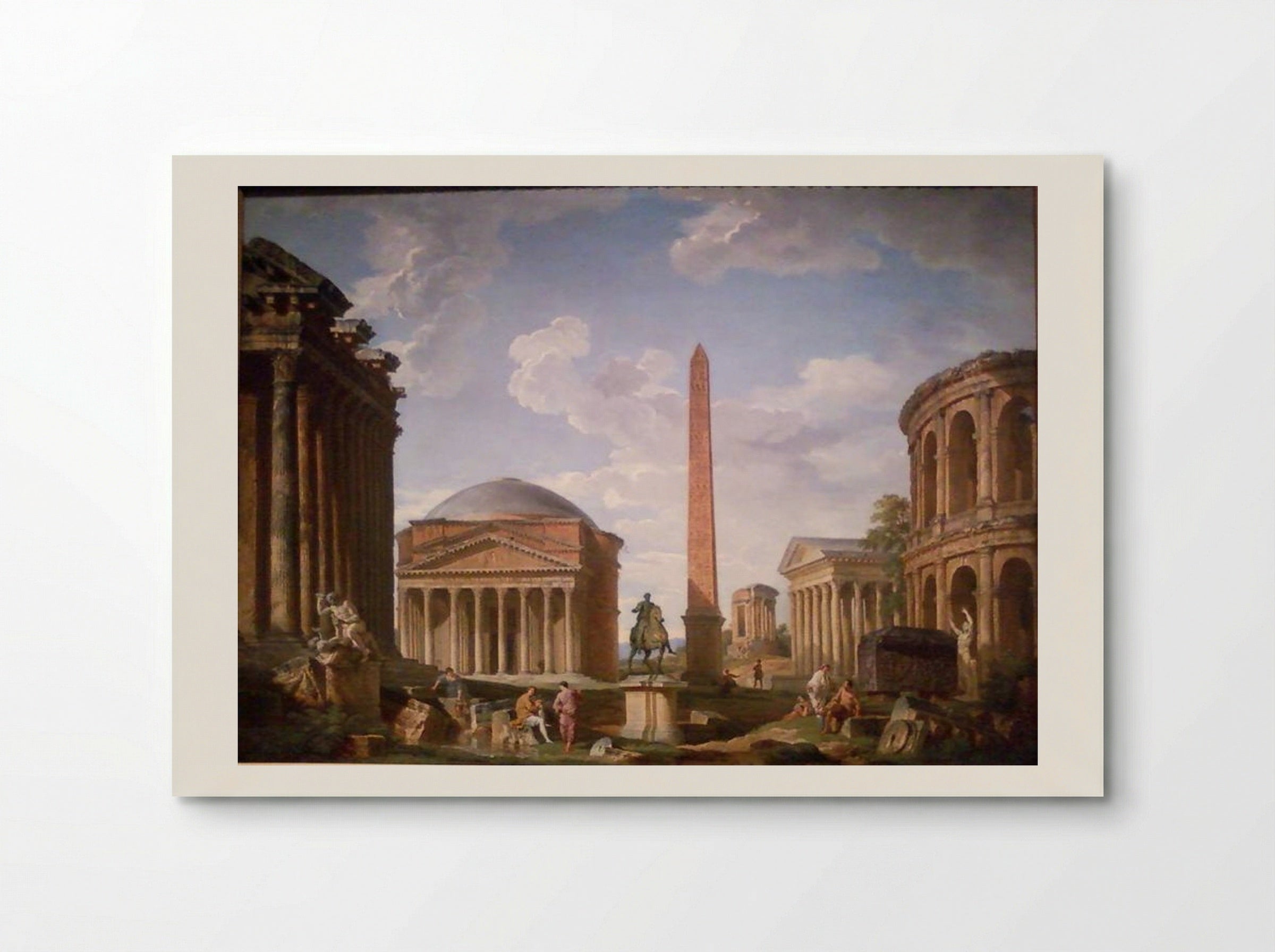 Römisches Capriccio: Das Pantheon und andere Monumente – Giovanni Paolo Panini
Print
Regulärer Preis Ab £28.00 GBPAngebotspreis Ab £28.00 GBP Regulärer Preis -
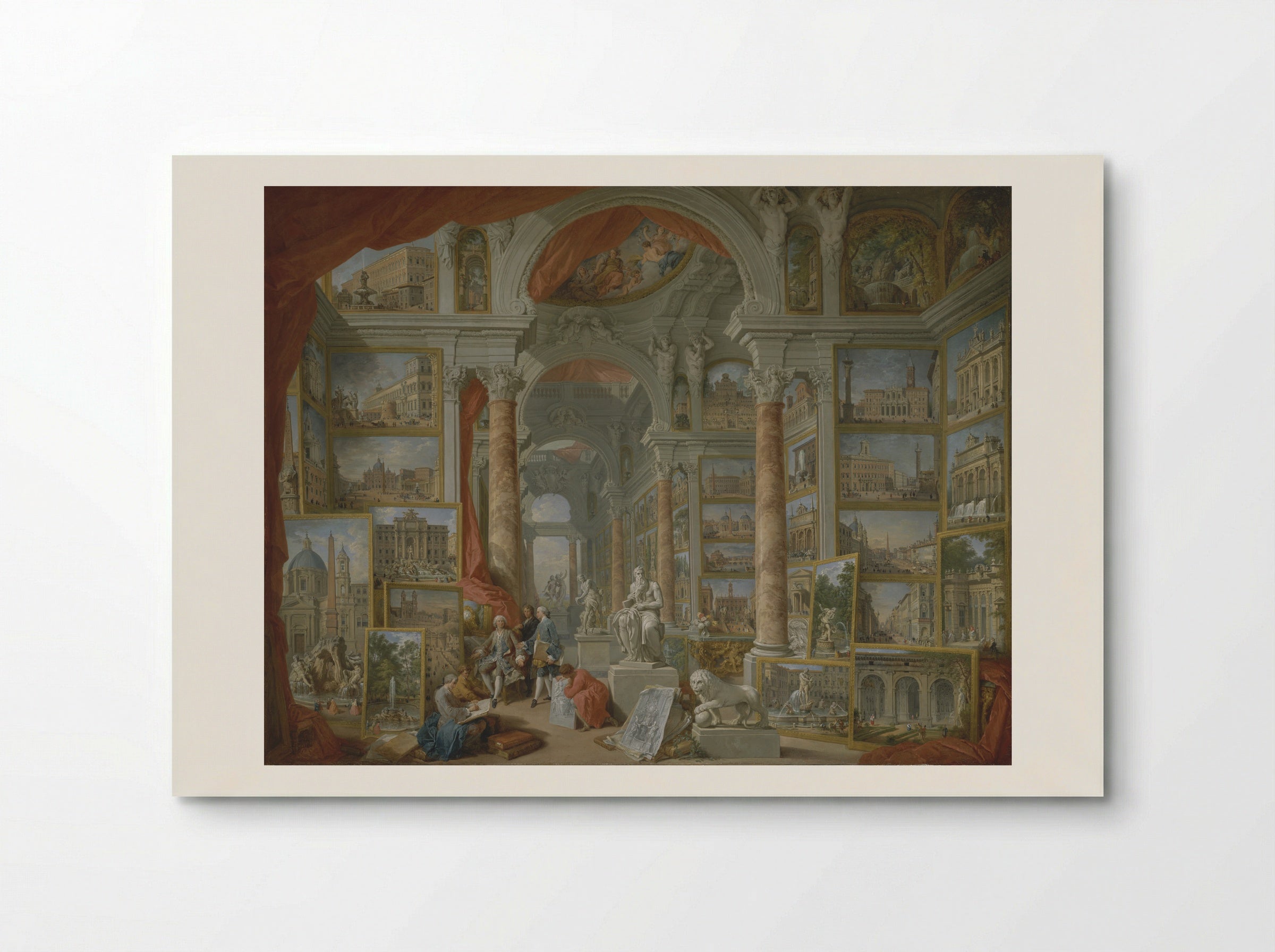 Galerie mit Ansichten des modernen Rom - Giovanni Paolo Panini
Print
Regulärer Preis Ab £28.00 GBPAngebotspreis Ab £28.00 GBP Regulärer Preis -
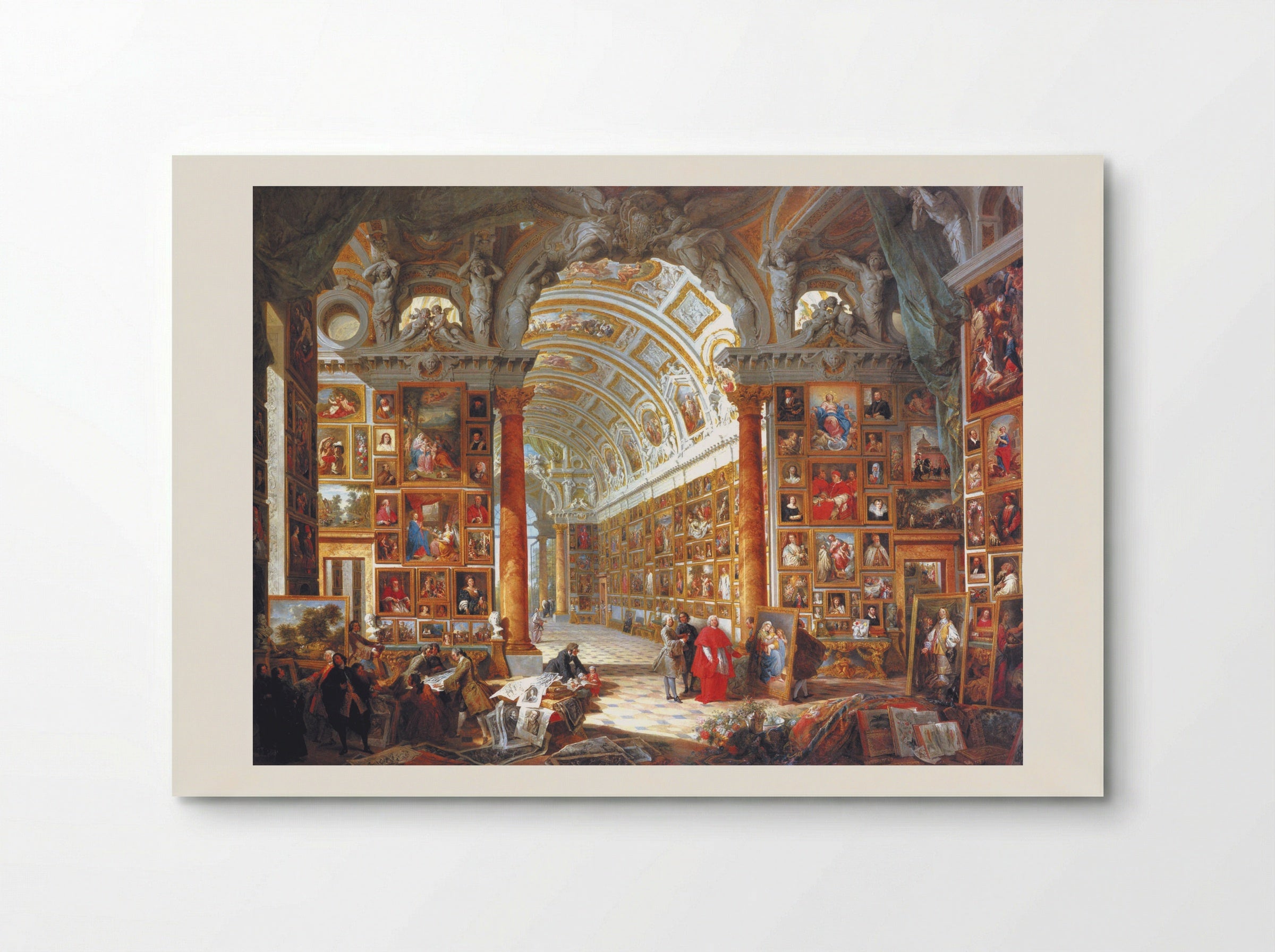 Das Innere einer Bildergalerie mit der Sammlung von Kardinal Silvio Valenti Gonzaga – Giovanni Paolo Panini
Print
Regulärer Preis Ab £28.00 GBPAngebotspreis Ab £28.00 GBP Regulärer Preis -
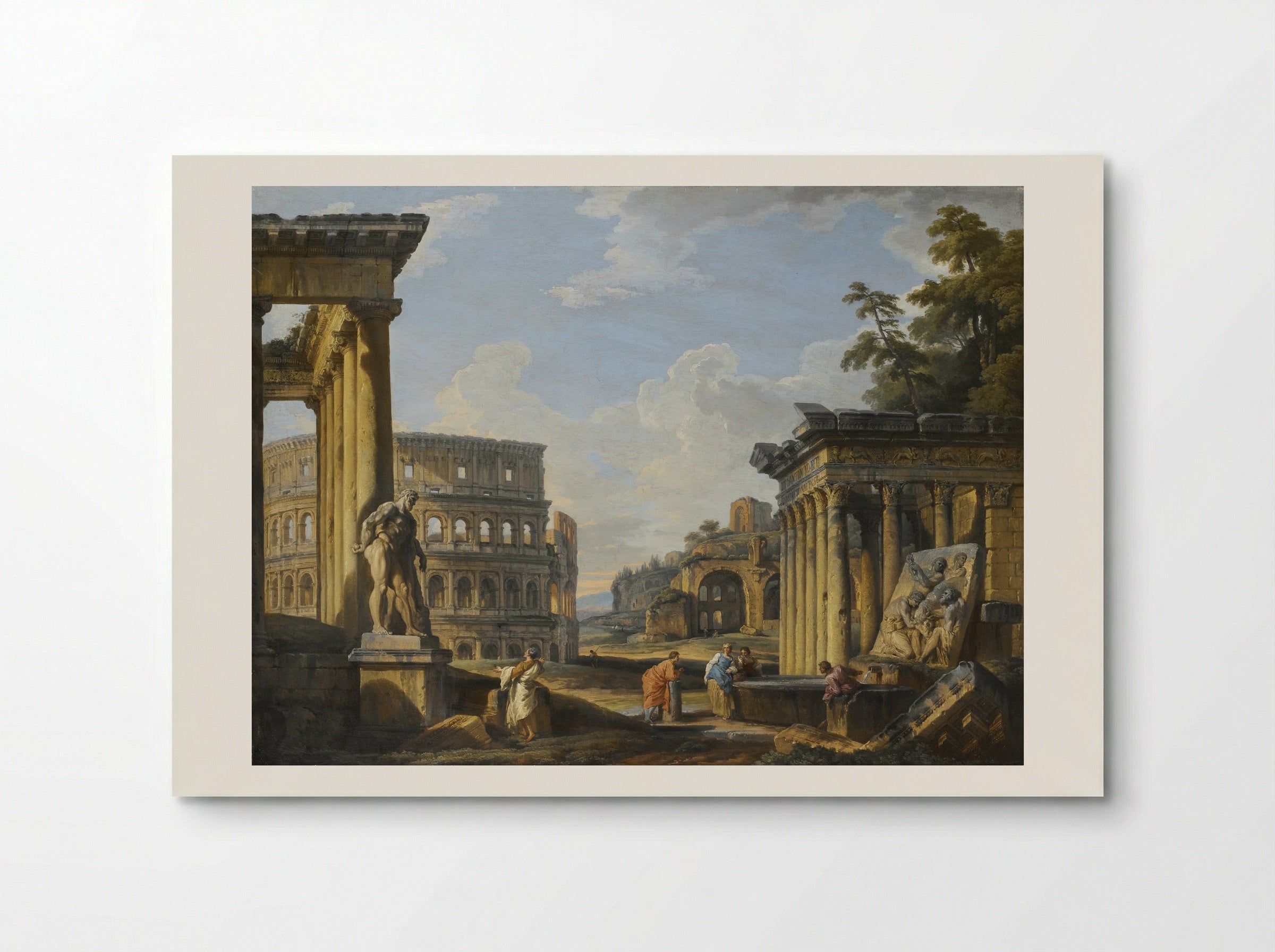 Capriccio mit klassischen Ruinen - Giovanni Paolo Panini
Print
Regulärer Preis Ab £28.00 GBPAngebotspreis Ab £28.00 GBP Regulärer Preis -
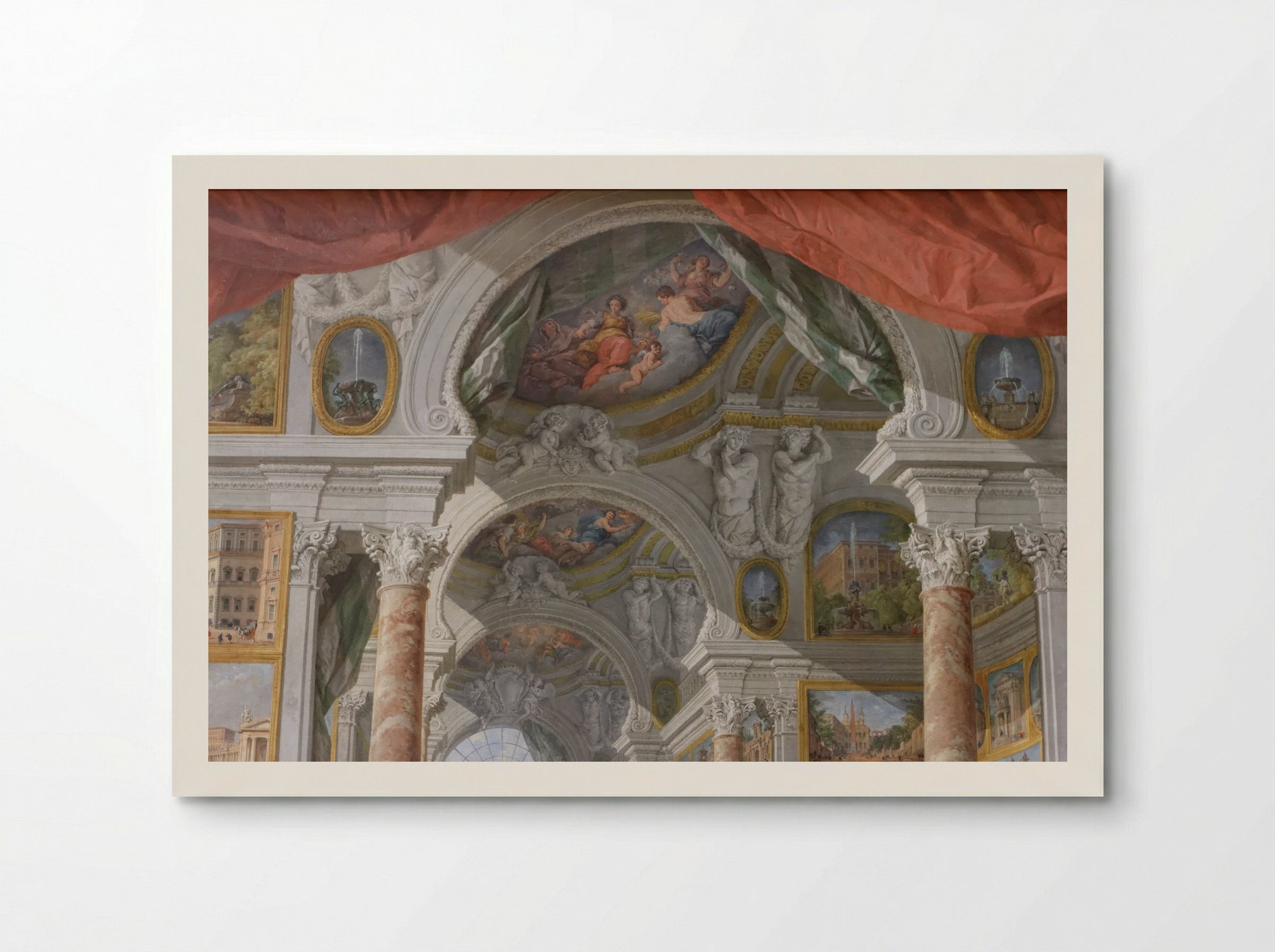 Das moderne Rom – Giovanni Paolo Panini
Print
Regulärer Preis Ab £28.00 GBPAngebotspreis Ab £28.00 GBP Regulärer Preis -
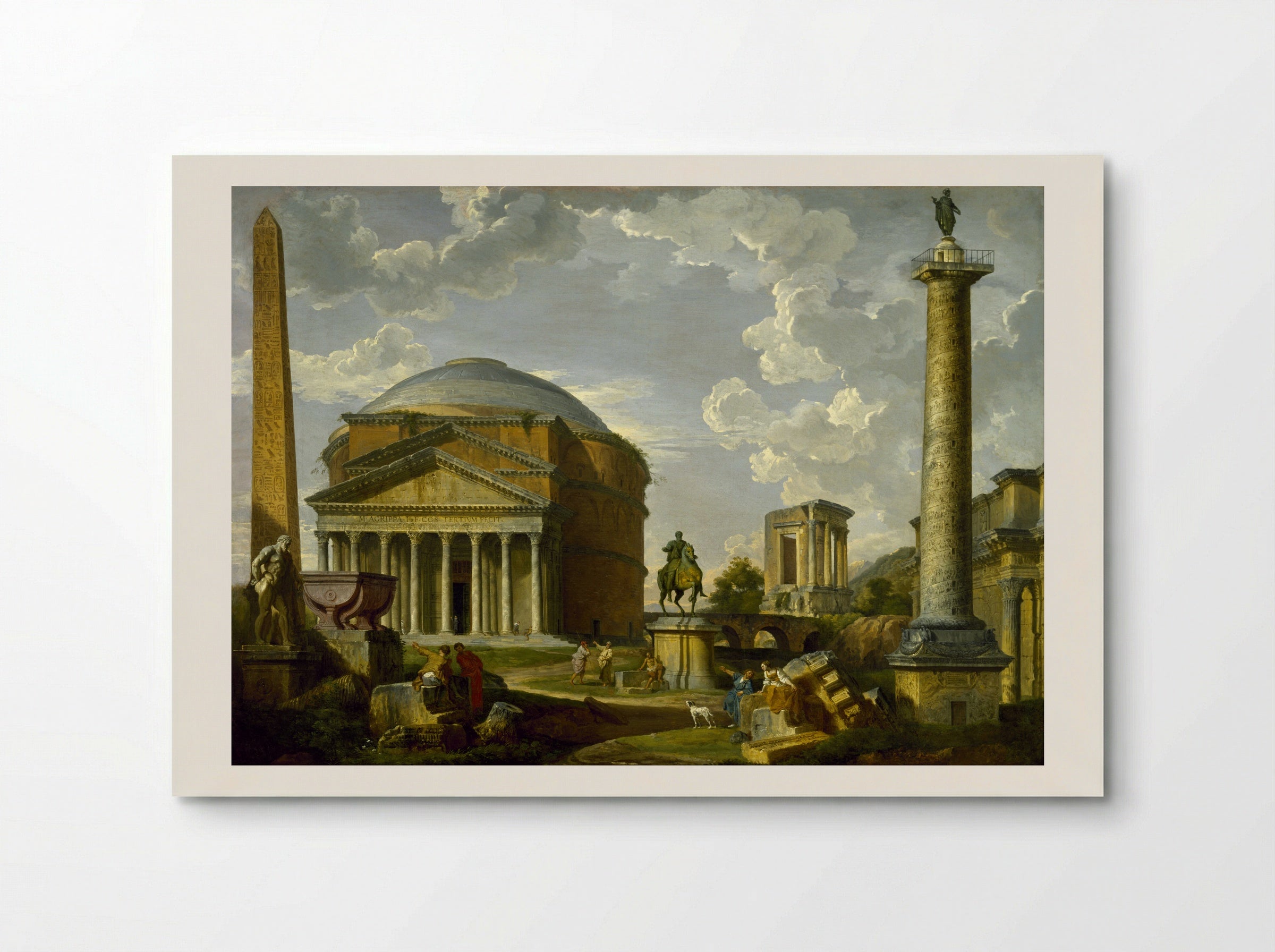 Altes Rom - Giovanni Paolo Panini
Print
Regulärer Preis Ab £28.00 GBPAngebotspreis Ab £28.00 GBP Regulärer Preis -
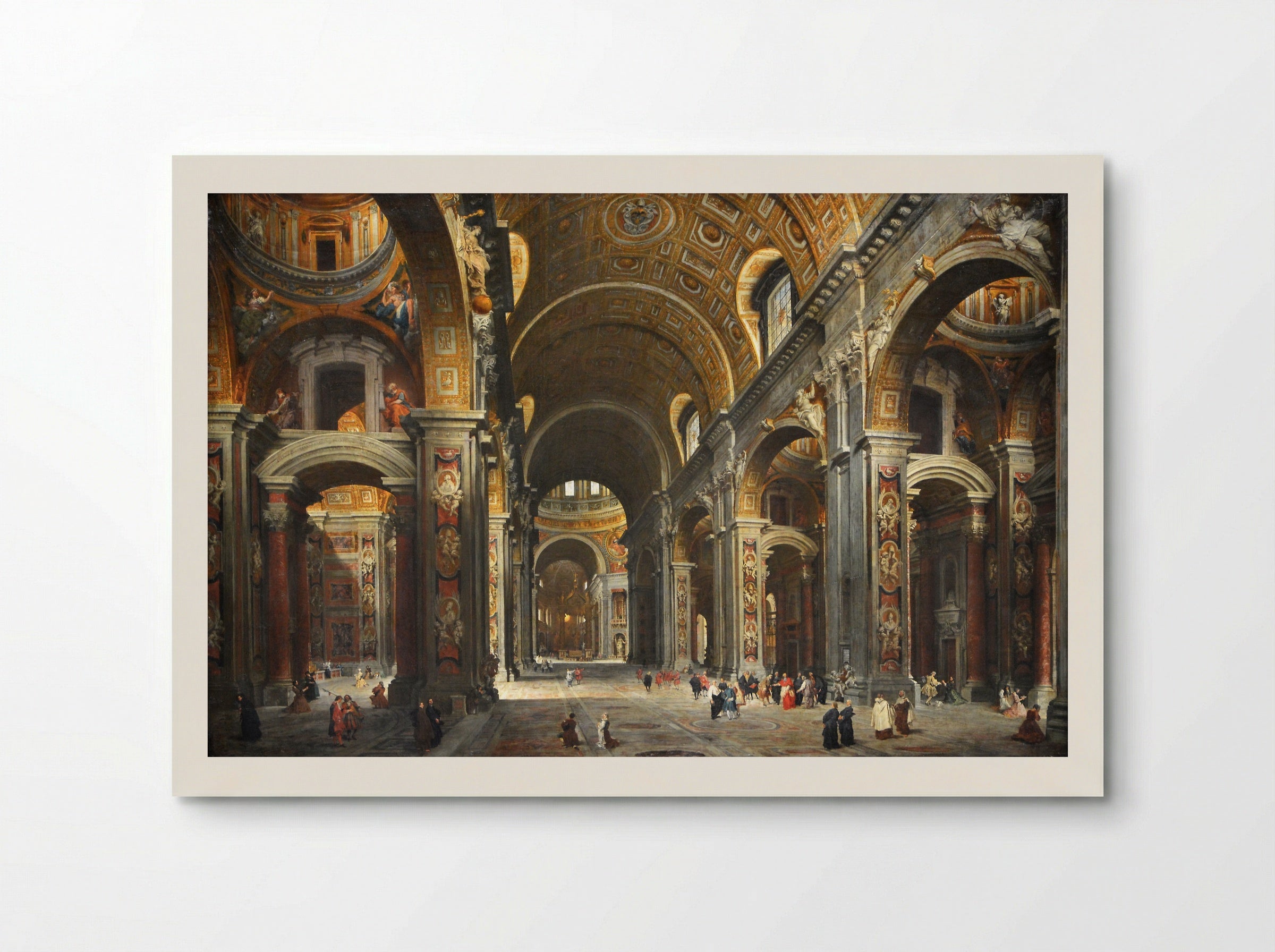 Innenansicht des Petersdoms, Rom - Giovanni Paolo Panini
Print
Regulärer Preis Ab £28.00 GBPAngebotspreis Ab £28.00 GBP Regulärer Preis -
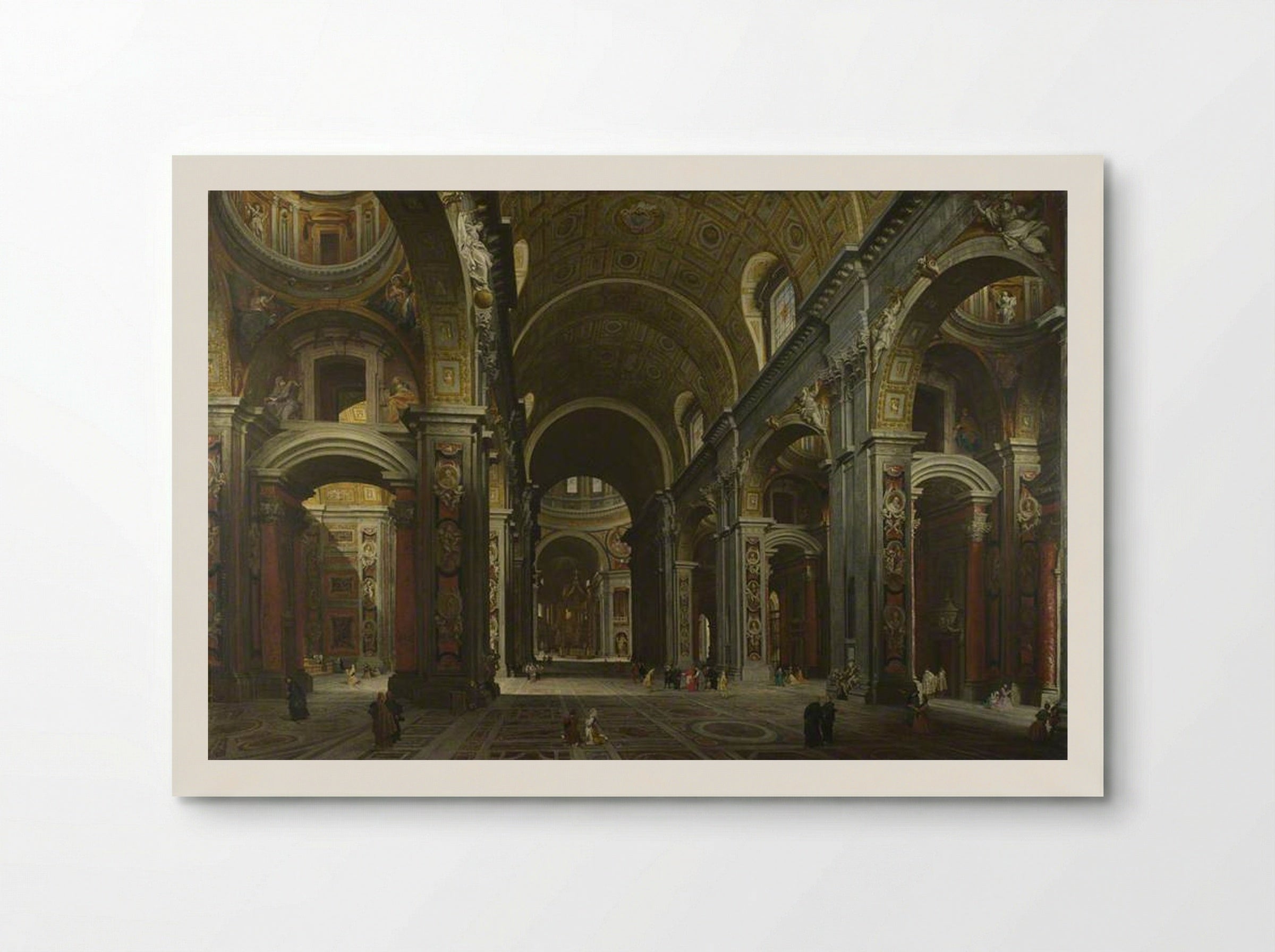 Das Innere des Pantheons, Rom - Giovanni Paolo Panini
Print
Regulärer Preis Ab £28.00 GBPAngebotspreis Ab £28.00 GBP Regulärer Preis -
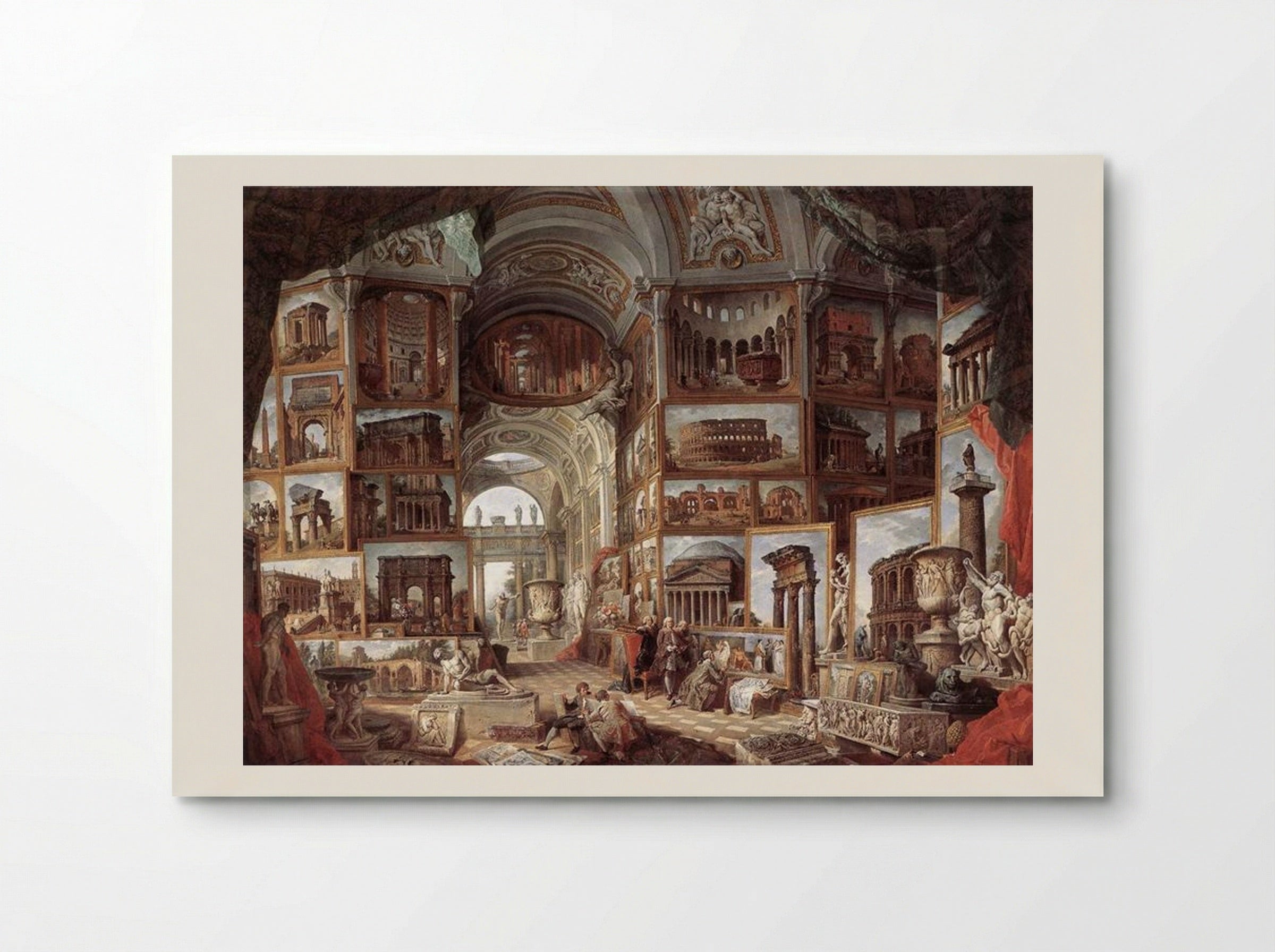 Römische Ruinen und Skulpturen – Giovanni Paolo Panini
Print
Regulärer Preis Ab £28.00 GBPAngebotspreis Ab £28.00 GBP Regulärer Preis -
 Musikfest - Giovanni Paolo Panini
Print
Regulärer Preis Ab £28.00 GBPAngebotspreis Ab £28.00 GBP Regulärer Preis -
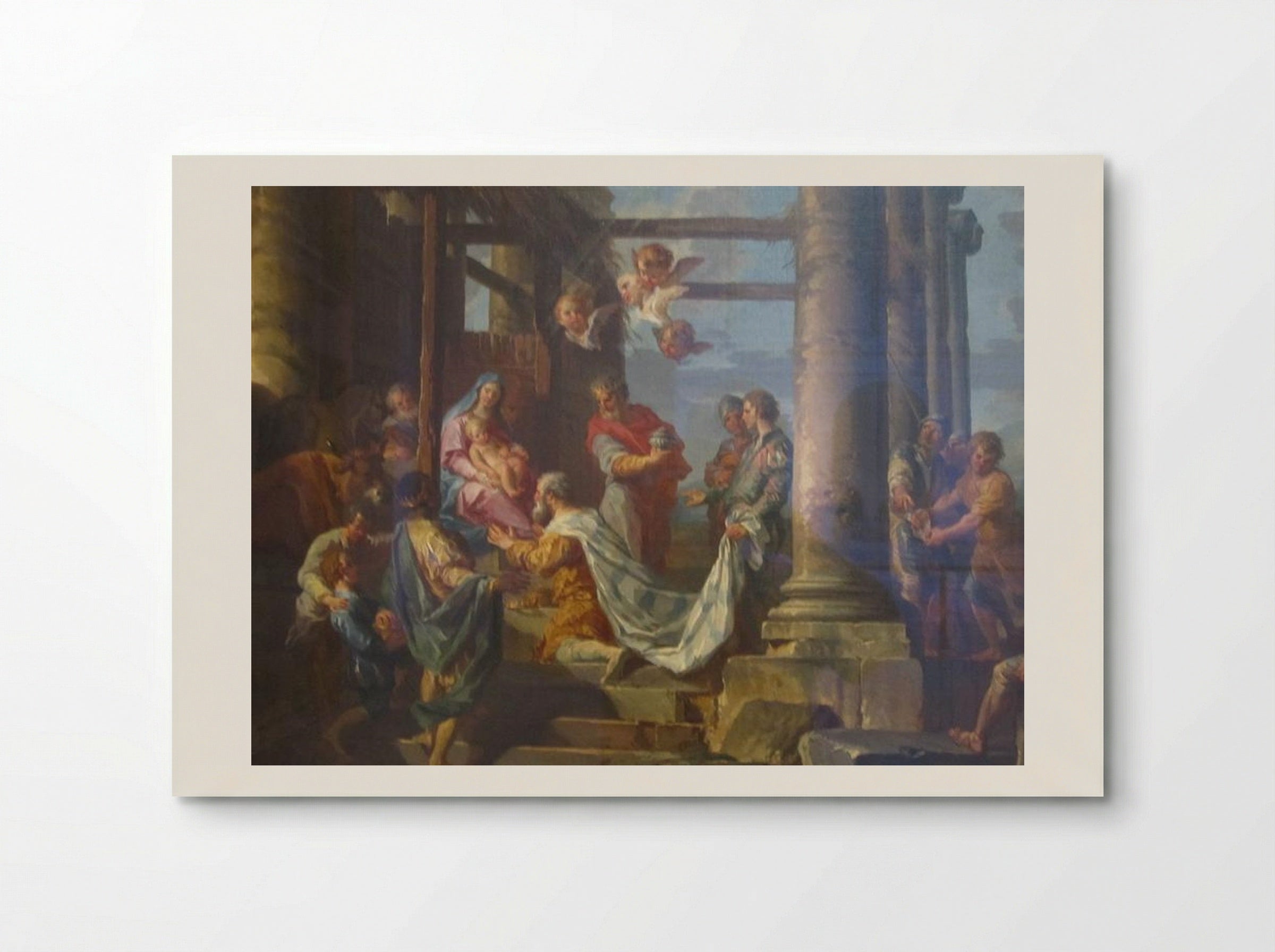 Anbetung der Hirten, Anbetung der Könige – Giovanni Paolo Panini
Print
Regulärer Preis Ab £28.00 GBPAngebotspreis Ab £28.00 GBP Regulärer Preis -
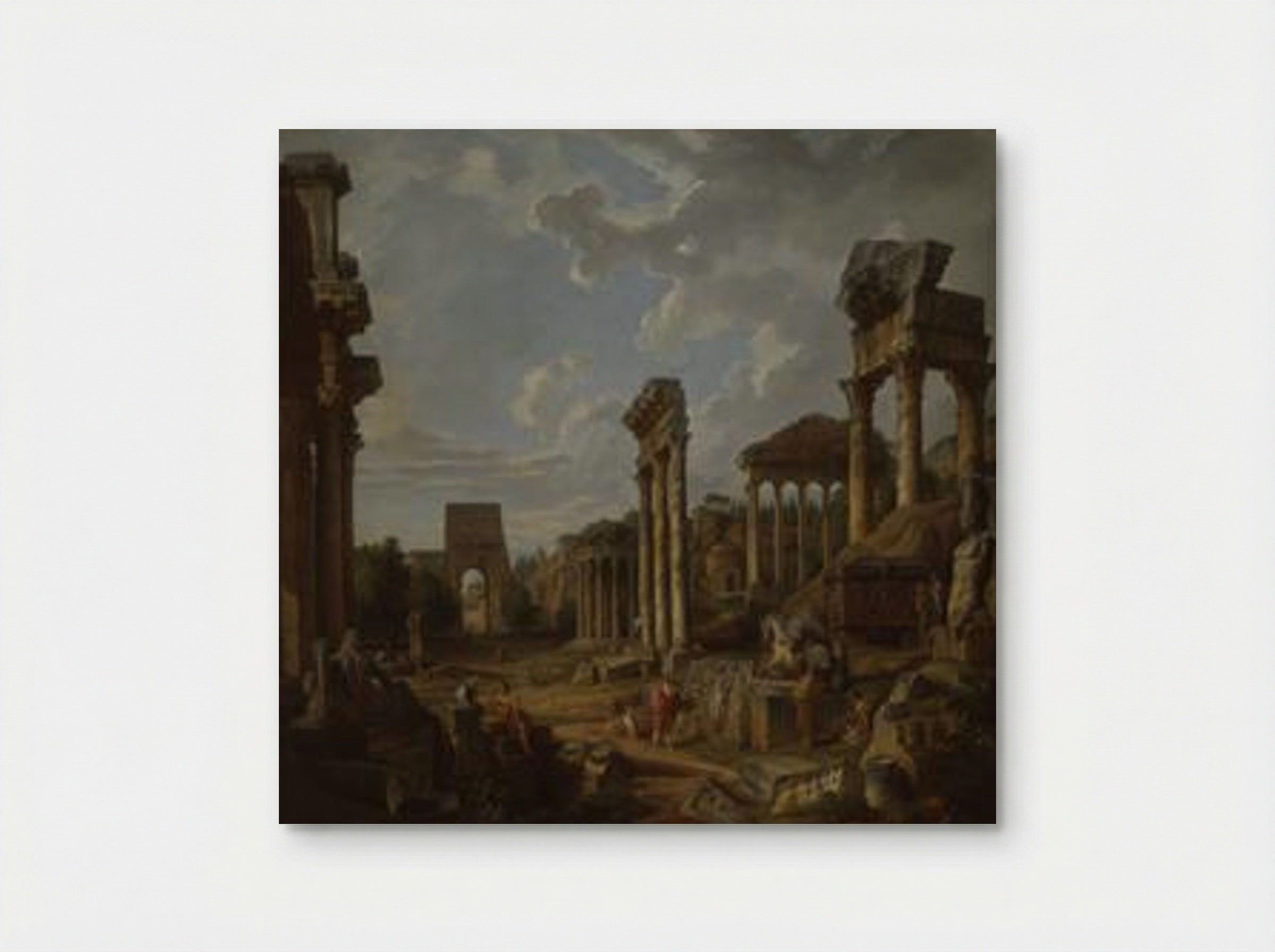 Ein Capriccio des Forum Romanum - Giovanni Paolo Panini
Print
Regulärer Preis Ab £37.00 GBPAngebotspreis Ab £37.00 GBP Regulärer Preis -
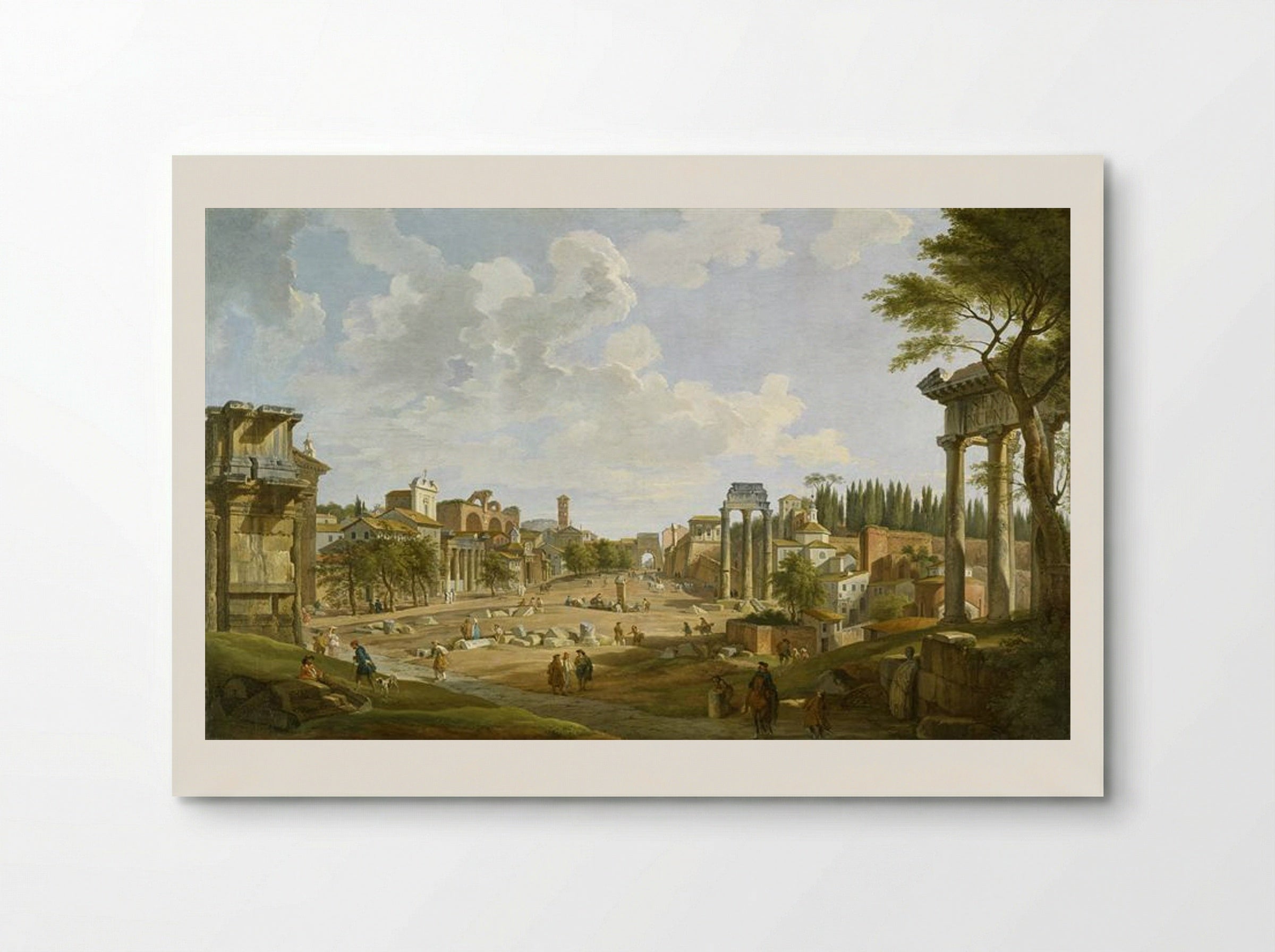 Blick auf das Forum Romanum - Giovanni Paolo Panini
Print
Regulärer Preis Ab £28.00 GBPAngebotspreis Ab £28.00 GBP Regulärer Preis -
 Gemäldegalerie mit Ansichten des modernen Rom - Giovanni Paolo Panini
Print
Regulärer Preis Ab £28.00 GBPAngebotspreis Ab £28.00 GBP Regulärer Preis -
 Die Lotterie im Palazzo Montecitorio – Giovanni Paolo Panini
Print
Regulärer Preis Ab £37.00 GBPAngebotspreis Ab £37.00 GBP Regulärer Preis -
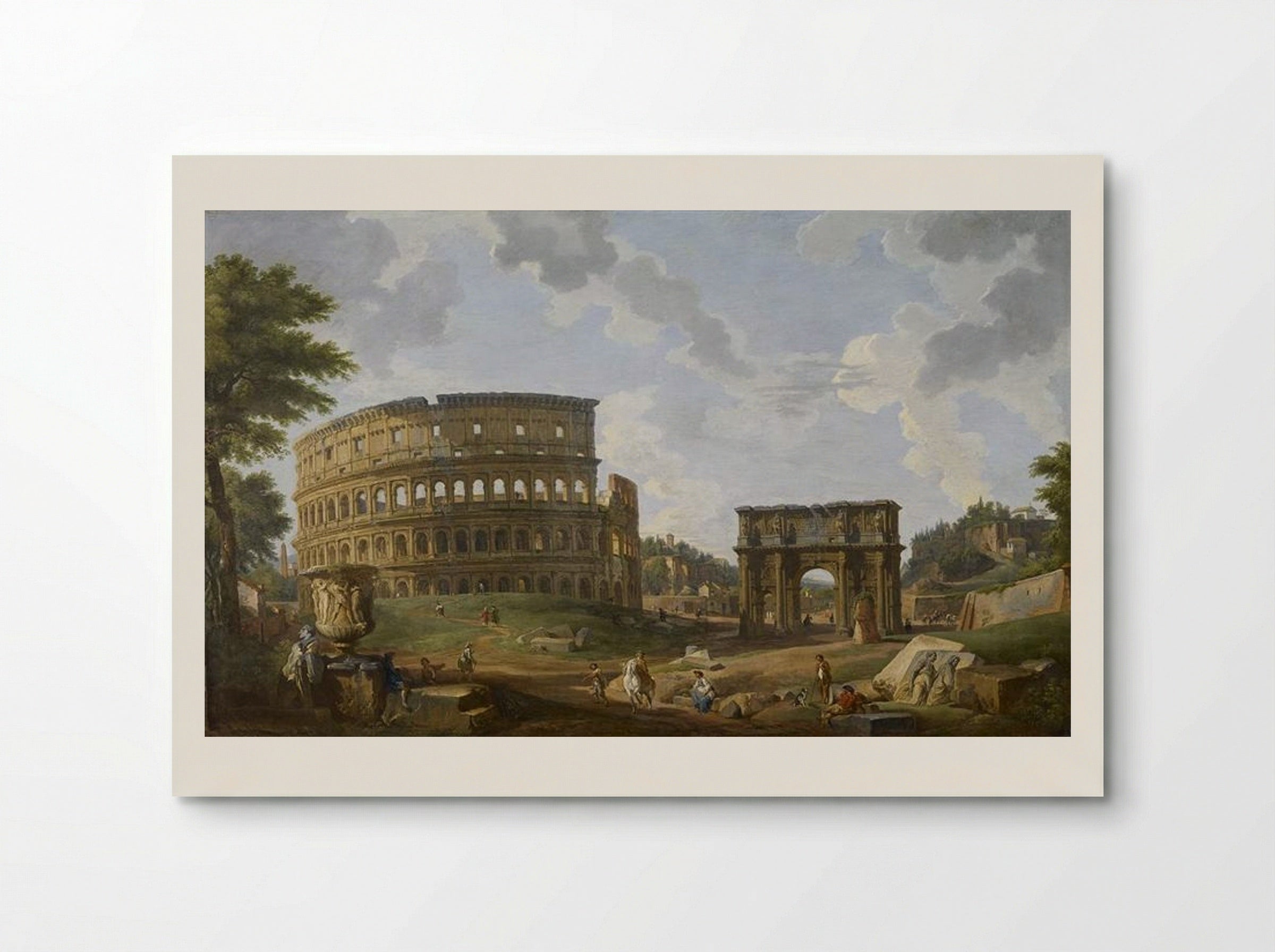 Blick auf das Kolosseum - Giovanni Paolo Panini
Print
Regulärer Preis Ab £28.00 GBPAngebotspreis Ab £28.00 GBP Regulärer Preis


Artist Biography
Giovanni Paolo Panini
Panini invented a way of seeing Rome that tourists still use. His paintings of the Pantheon interior, the Forum and the Colosseum established the visual conventions for depicting ancient ruins that persisted through two centuries of Grand Tour painting and into modern photography. He was so precise in his architectural reconstructions that he carefully edited out later additions, removing Bernini's bell towers from the Pantheon's pediment and stripping walled-in arches from the Theatre of Marcellus.
He was born in Piacenza in 1691 and trained under Giuseppe Natali, the stage designer Francesco Galli-Bibiena, and Andrea Galluzzi. He settled in Rome in 1711 and entered the studio of Benedetto Luti. His early career was in palace decoration: the Villa Patrizi (1719), the Palazzo de Carolis (1720) and the Seminario Romano (1721). But veduta painting, views of real and imagined Rome, became his principal occupation.
His vedute split into two modes. Some were topographically faithful; others were capricci, fanciful rearrangements of monuments that compressed centuries of Roman architecture into a single composition. Both types were bought by European collectors, royalty and Grand Tourists who wanted a portable version of the city to take home. The Spanish monarchs were particularly avid patrons; several Panini paintings remain in the Prado.
He taught perspective and optics at the French Academy in Rome, where his students included Hubert Robert and the stage designer Giovanni Niccolo Servandoni. His methods were later formalised into the "Panini projection", a mathematical technique for rendering panoramic views. He was elected director of the Accademia di San Luca in 1754. He died in Rome in 1765.
He was born in Piacenza in 1691 and trained under Giuseppe Natali, the stage designer Francesco Galli-Bibiena, and Andrea Galluzzi. He settled in Rome in 1711 and entered the studio of Benedetto Luti. His early career was in palace decoration: the Villa Patrizi (1719), the Palazzo de Carolis (1720) and the Seminario Romano (1721). But veduta painting, views of real and imagined Rome, became his principal occupation.
His vedute split into two modes. Some were topographically faithful; others were capricci, fanciful rearrangements of monuments that compressed centuries of Roman architecture into a single composition. Both types were bought by European collectors, royalty and Grand Tourists who wanted a portable version of the city to take home. The Spanish monarchs were particularly avid patrons; several Panini paintings remain in the Prado.
He taught perspective and optics at the French Academy in Rome, where his students included Hubert Robert and the stage designer Giovanni Niccolo Servandoni. His methods were later formalised into the "Panini projection", a mathematical technique for rendering panoramic views. He was elected director of the Accademia di San Luca in 1754. He died in Rome in 1765.


Warum uns wählen?