

Sammlung
Ferdinand Hodler
Entdecken Sie kuratierte Kunstdrucke, ausgewählt für individuelle Wohnräume und durchdachte Interieurs.
Vorgeschlagene Filter
-
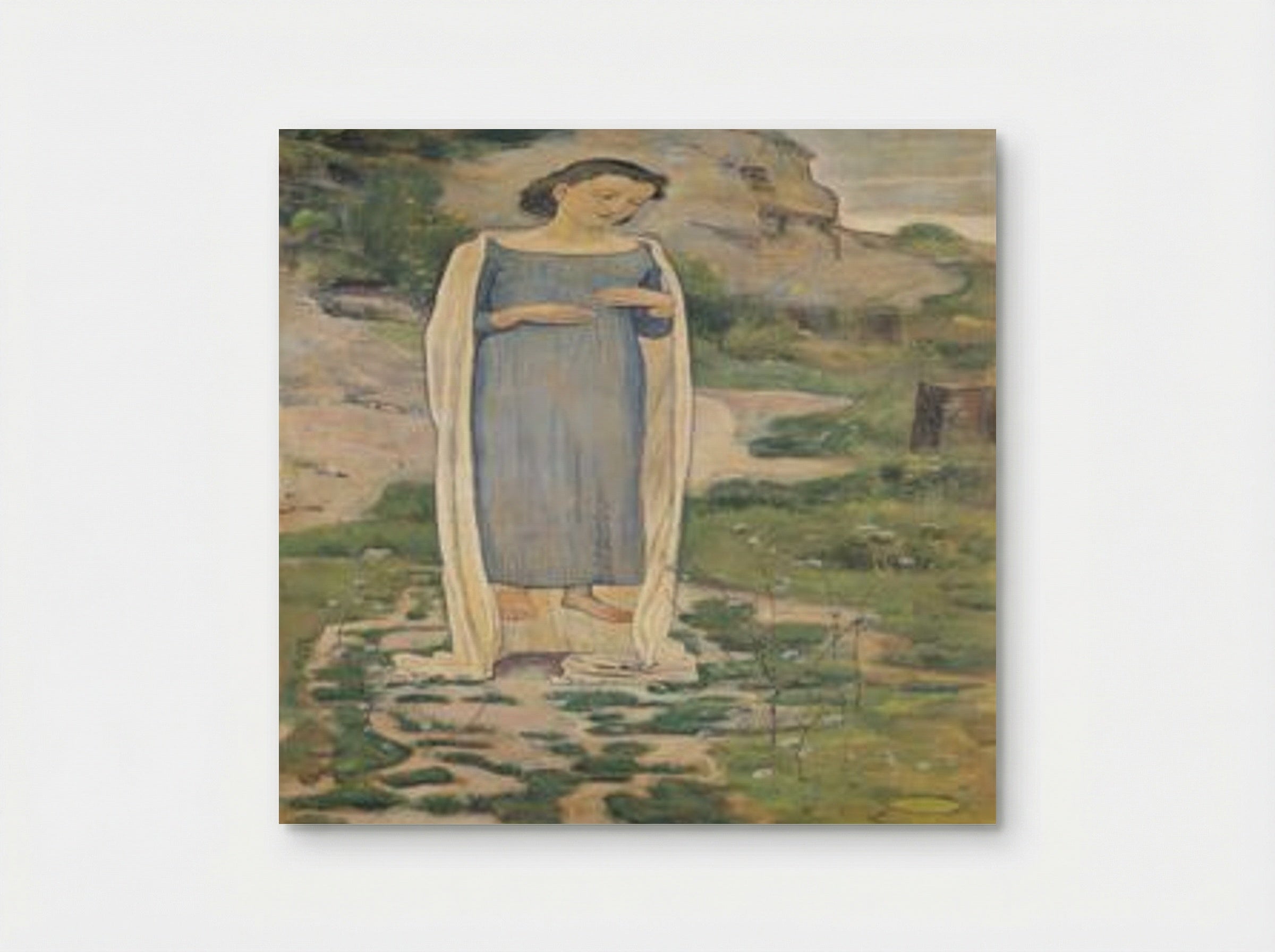 Was sagen die Blumen? - Ferdinand Hodler
Print
Regulärer Preis Ab £37.00 GBPAngebotspreis Ab £37.00 GBP Regulärer Preis -
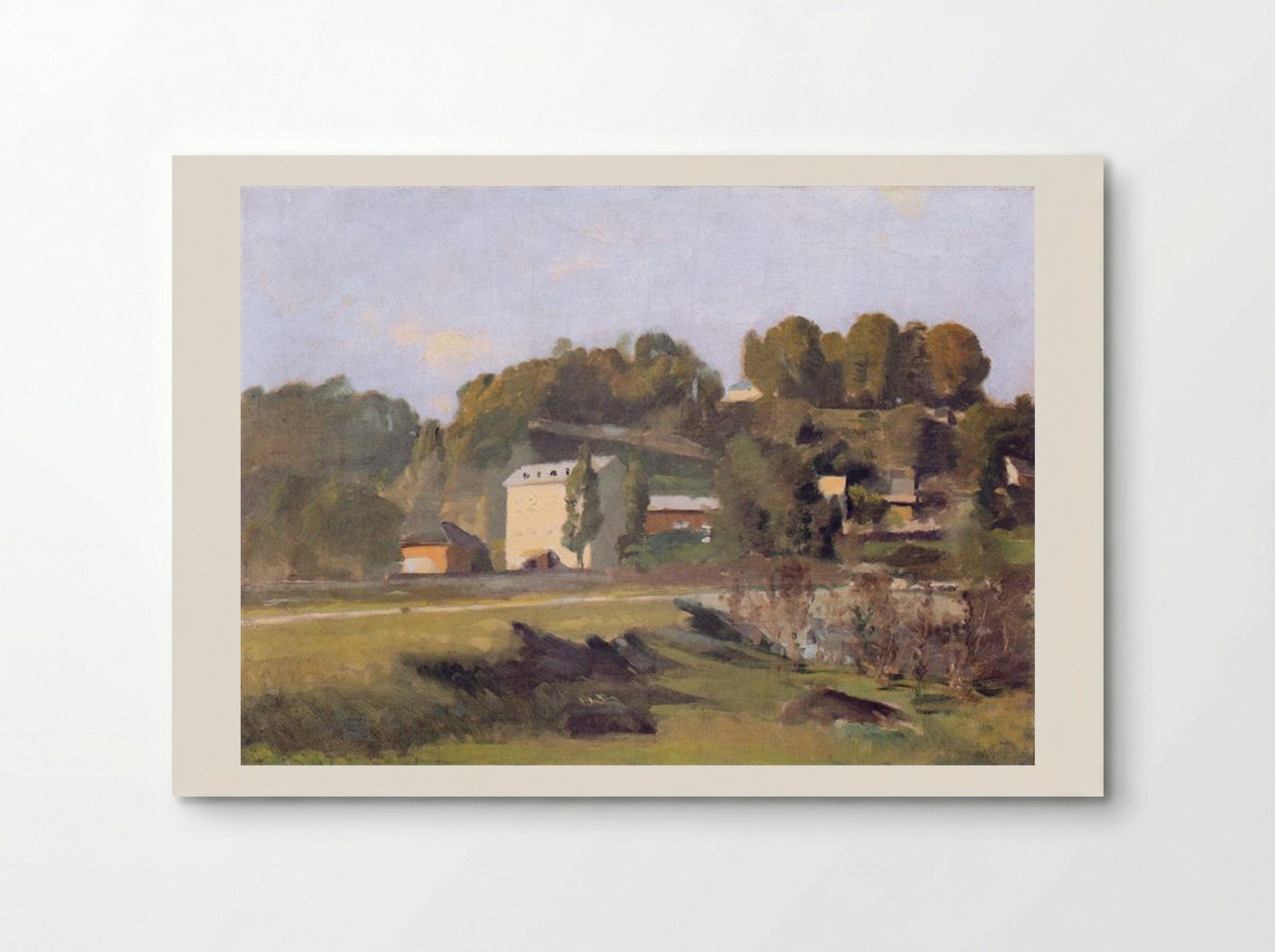 Die Mühle von Sous-Terre in Genf - Ferdinand Hodler
Print
Regulärer Preis Ab £28.00 GBPAngebotspreis Ab £28.00 GBP Regulärer Preis -
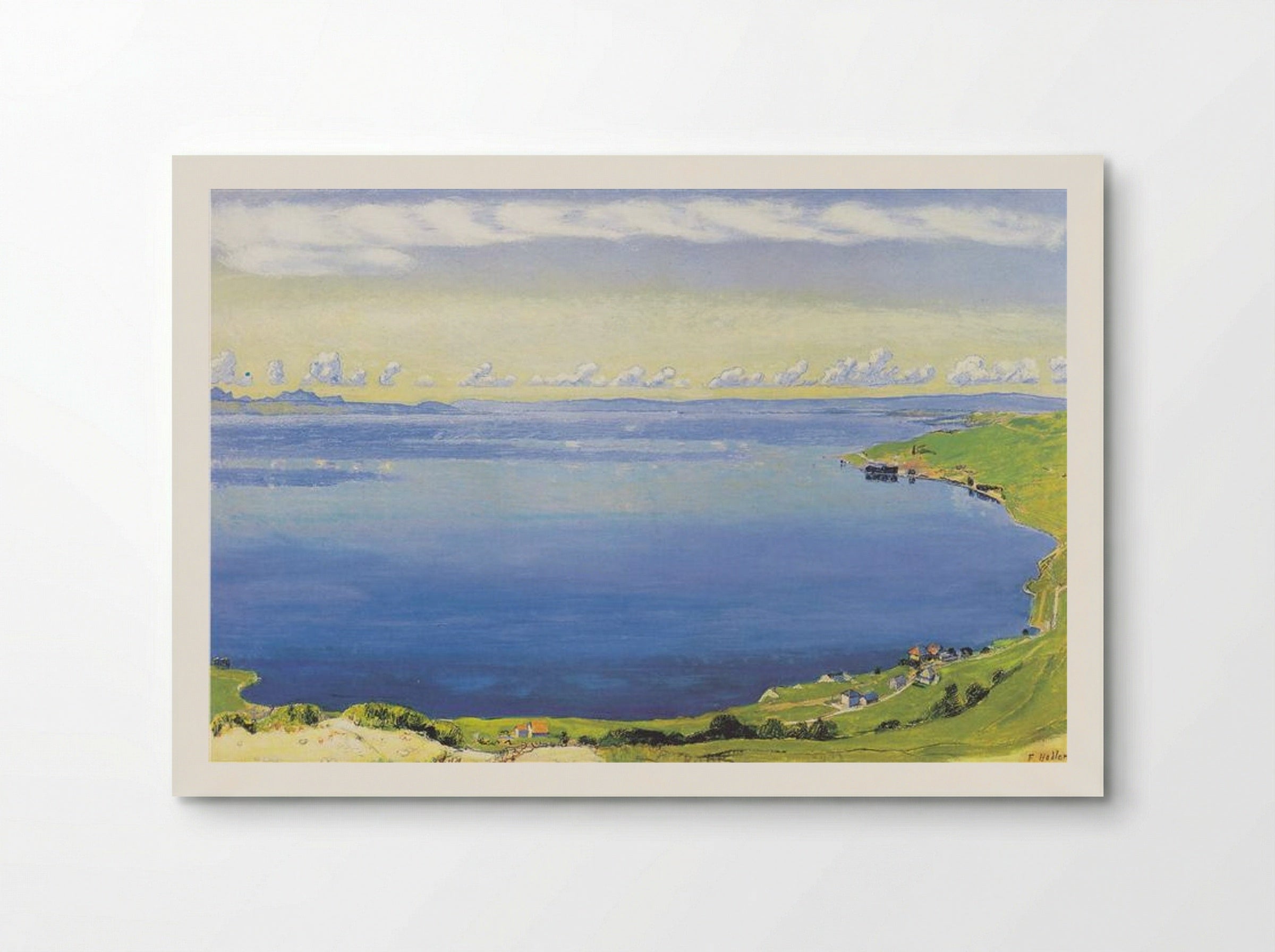 Genfersee von Chexbres aus - Ferdinand Hodler
Print
Regulärer Preis Ab £28.00 GBPAngebotspreis Ab £28.00 GBP Regulärer Preis -
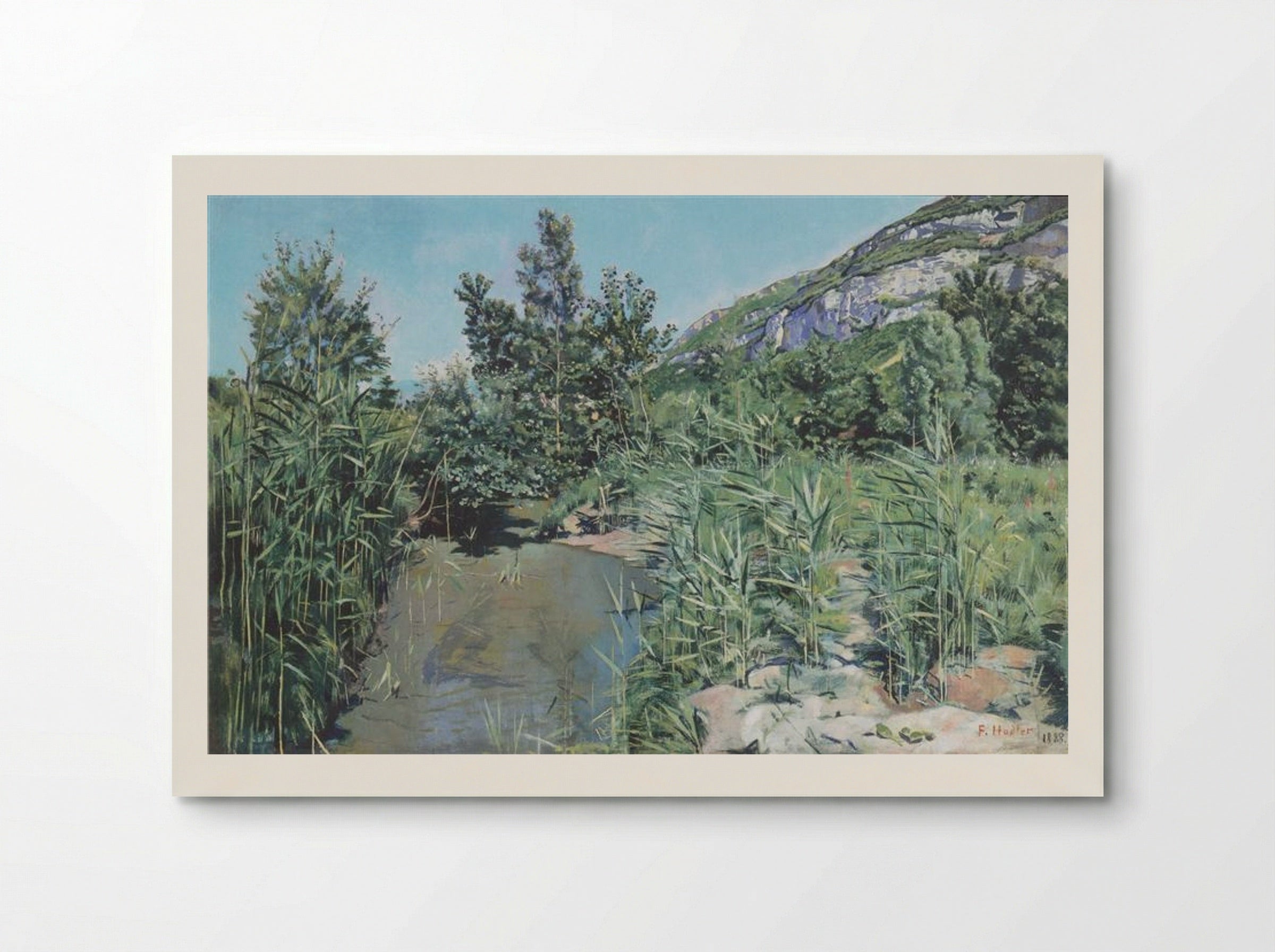 Am Fuße des Salève - Ferdinand Hodler
Print
Regulärer Preis Ab £28.00 GBPAngebotspreis Ab £28.00 GBP Regulärer Preis -
 Weisshorn im Wallis, Morgenlicht - Ferdinand Hodler
Print
Regulärer Preis Ab £28.00 GBPAngebotspreis Ab £28.00 GBP Regulärer Preis -
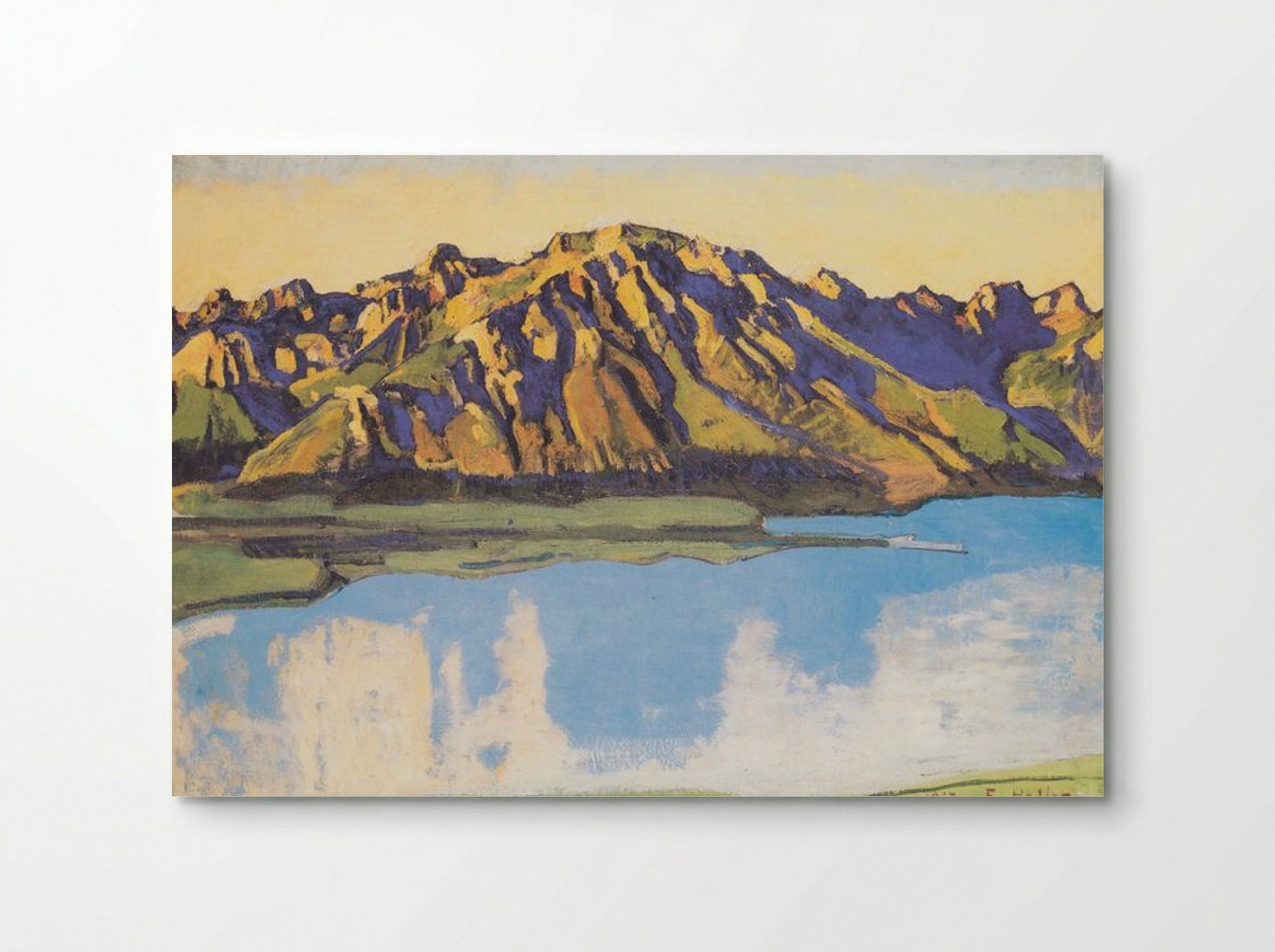 Der Grammont in der Morgensonne - Ferdinand Hodler
Print
Regulärer Preis Ab £28.00 GBPAngebotspreis Ab £28.00 GBP Regulärer Preis -
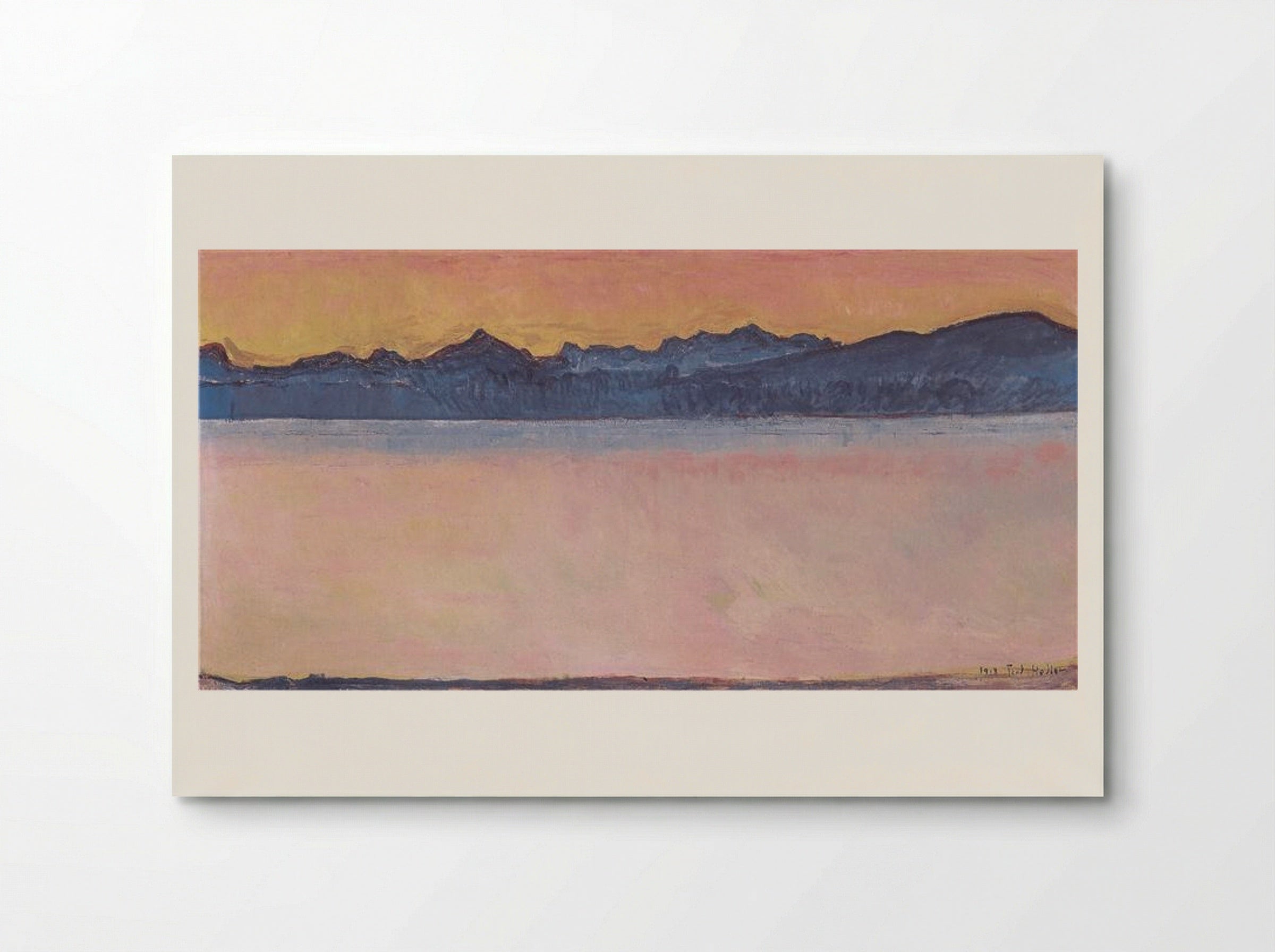 Genfersee mit Mont Blanc im Morgengrauen - Ferdinand Hodler
Print
Regulärer Preis Ab £28.00 GBPAngebotspreis Ab £28.00 GBP Regulärer Preis -
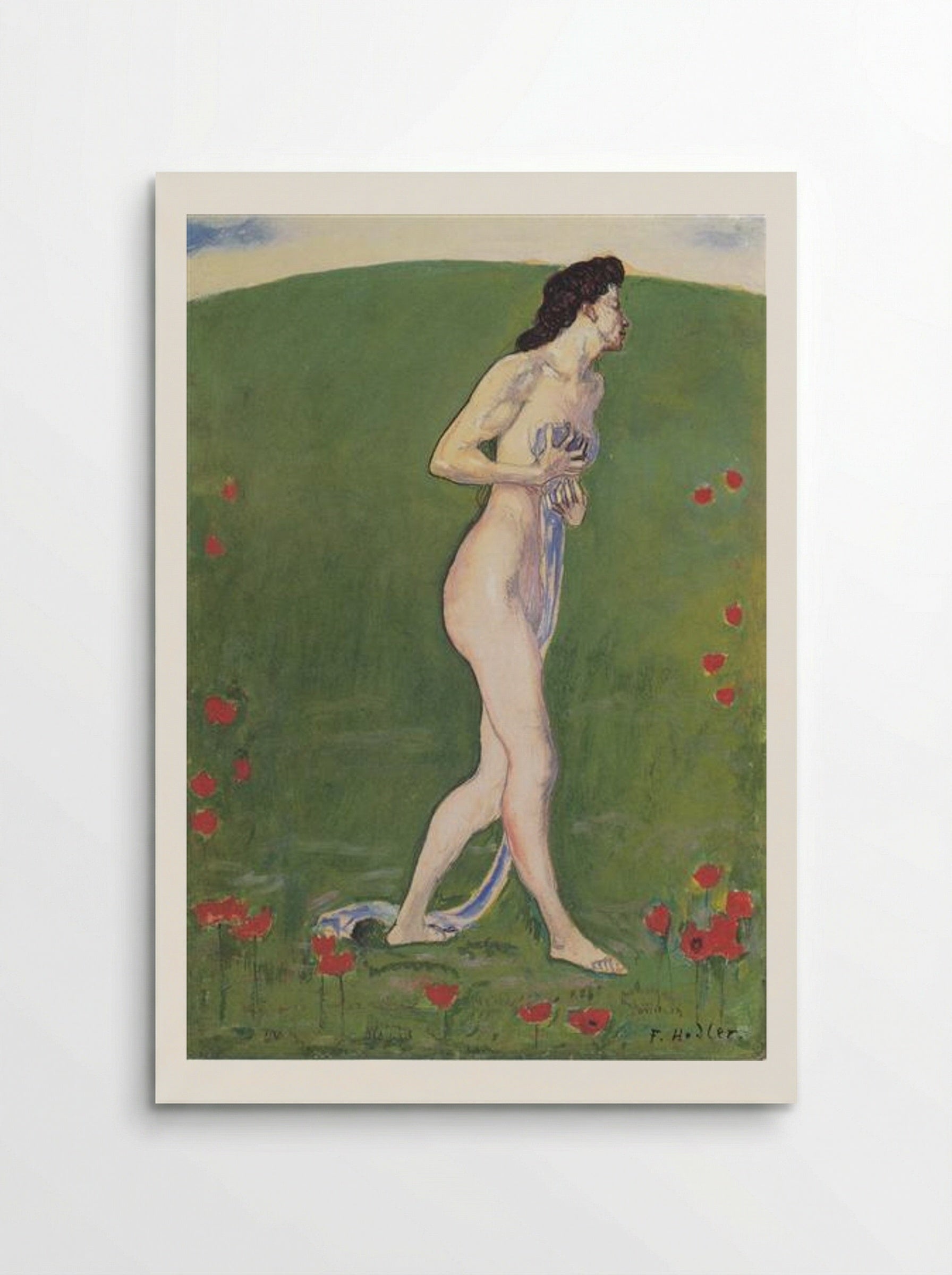 Empfindung - Ferdinand Hodler
Print
Regulärer Preis Ab £28.00 GBPAngebotspreis Ab £28.00 GBP Regulärer Preis -
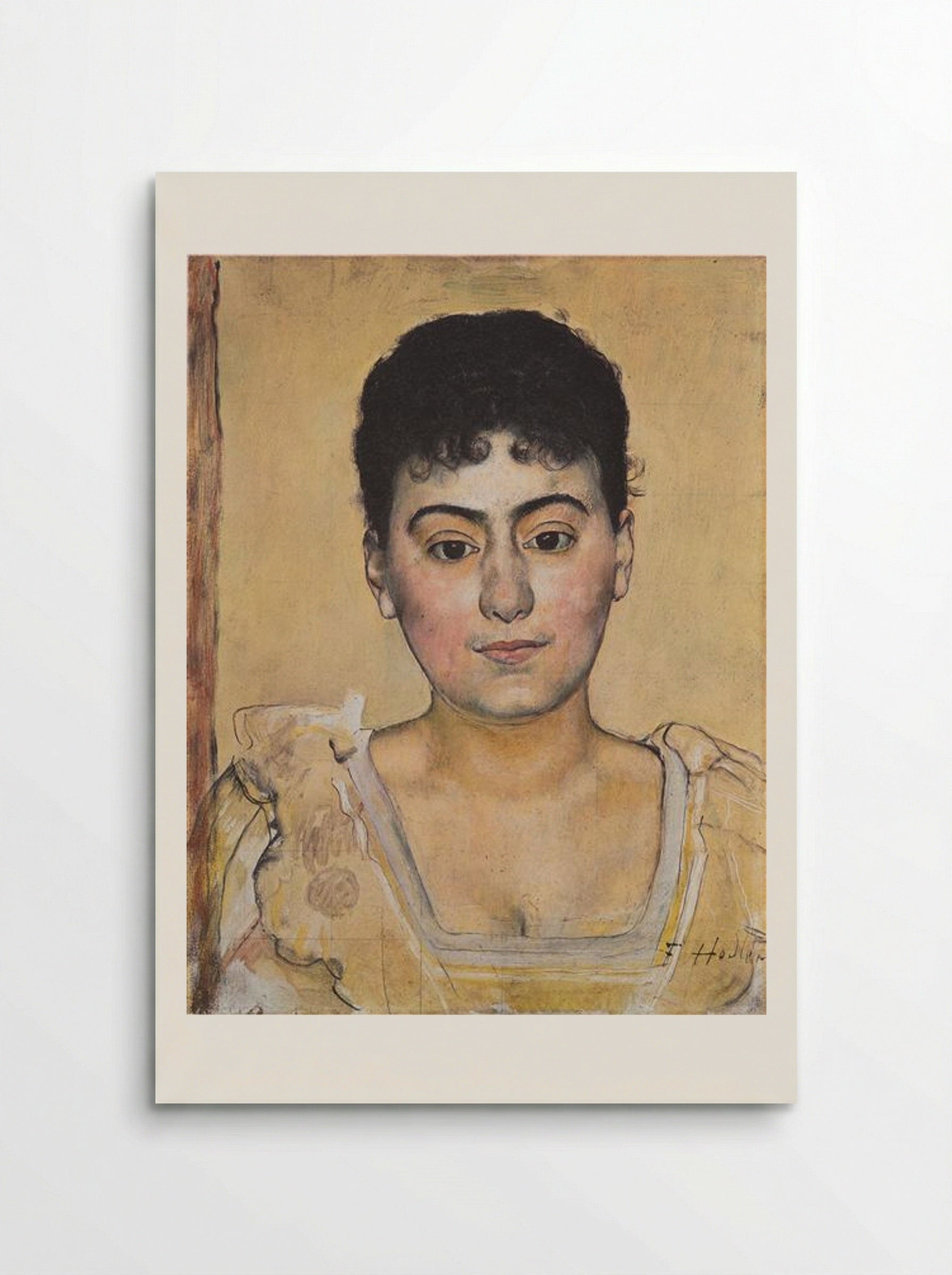 Porträt der Madame de R. - Ferdinand Hodler
Print
Regulärer Preis Ab £28.00 GBPAngebotspreis Ab £28.00 GBP Regulärer Preis -
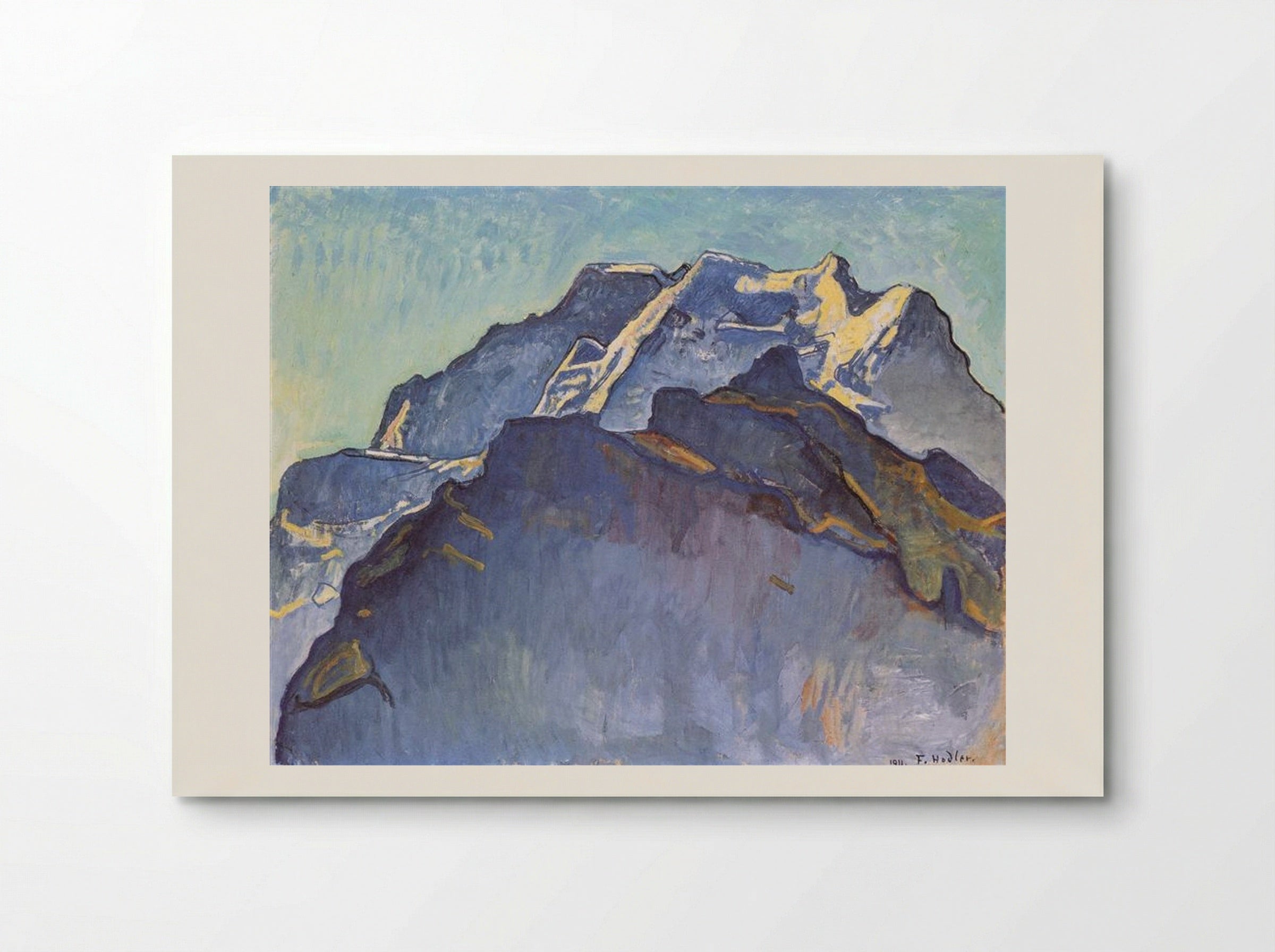 Jungfraumassiv und Schwarzmönch - Ferdinand Hodler
Print
Regulärer Preis Ab £28.00 GBPAngebotspreis Ab £28.00 GBP Regulärer Preis -
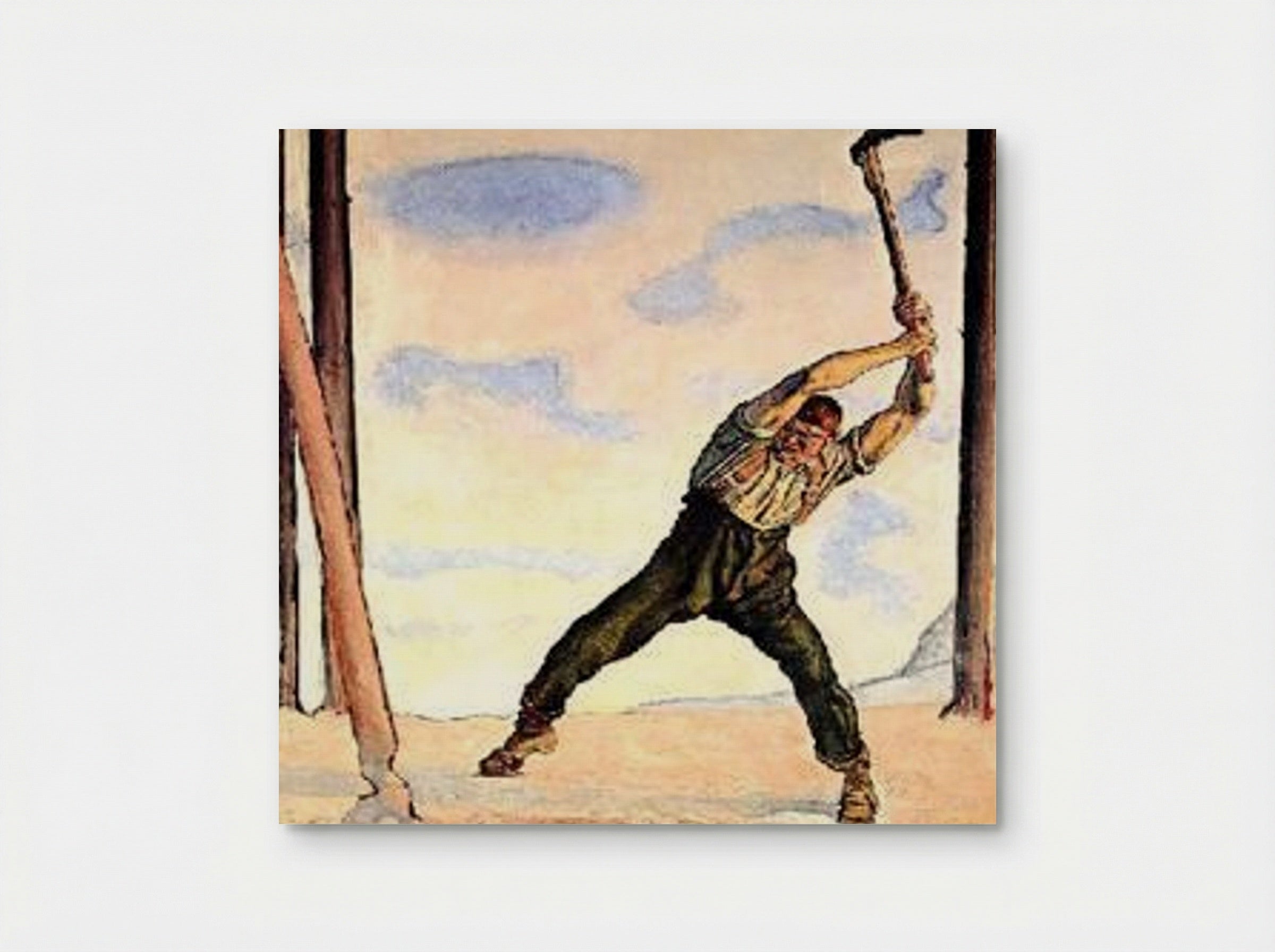 Holzfäller - Ferdinand Hodler
Print
Regulärer Preis Ab £37.00 GBPAngebotspreis Ab £37.00 GBP Regulärer Preis -
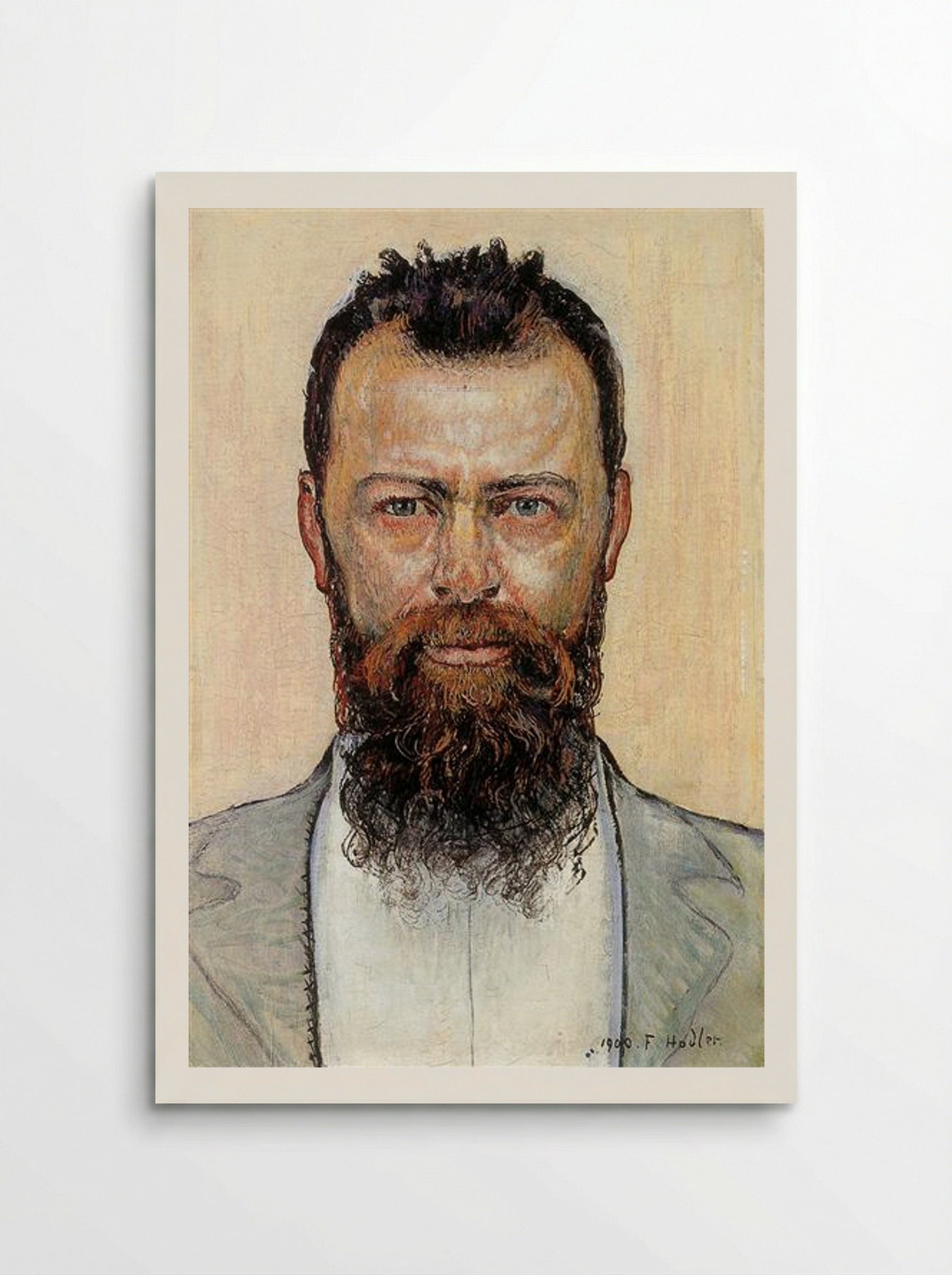 Selbstbildnis - Ferdinand Hodler
Print
Regulärer Preis Ab £28.00 GBPAngebotspreis Ab £28.00 GBP Regulärer Preis -
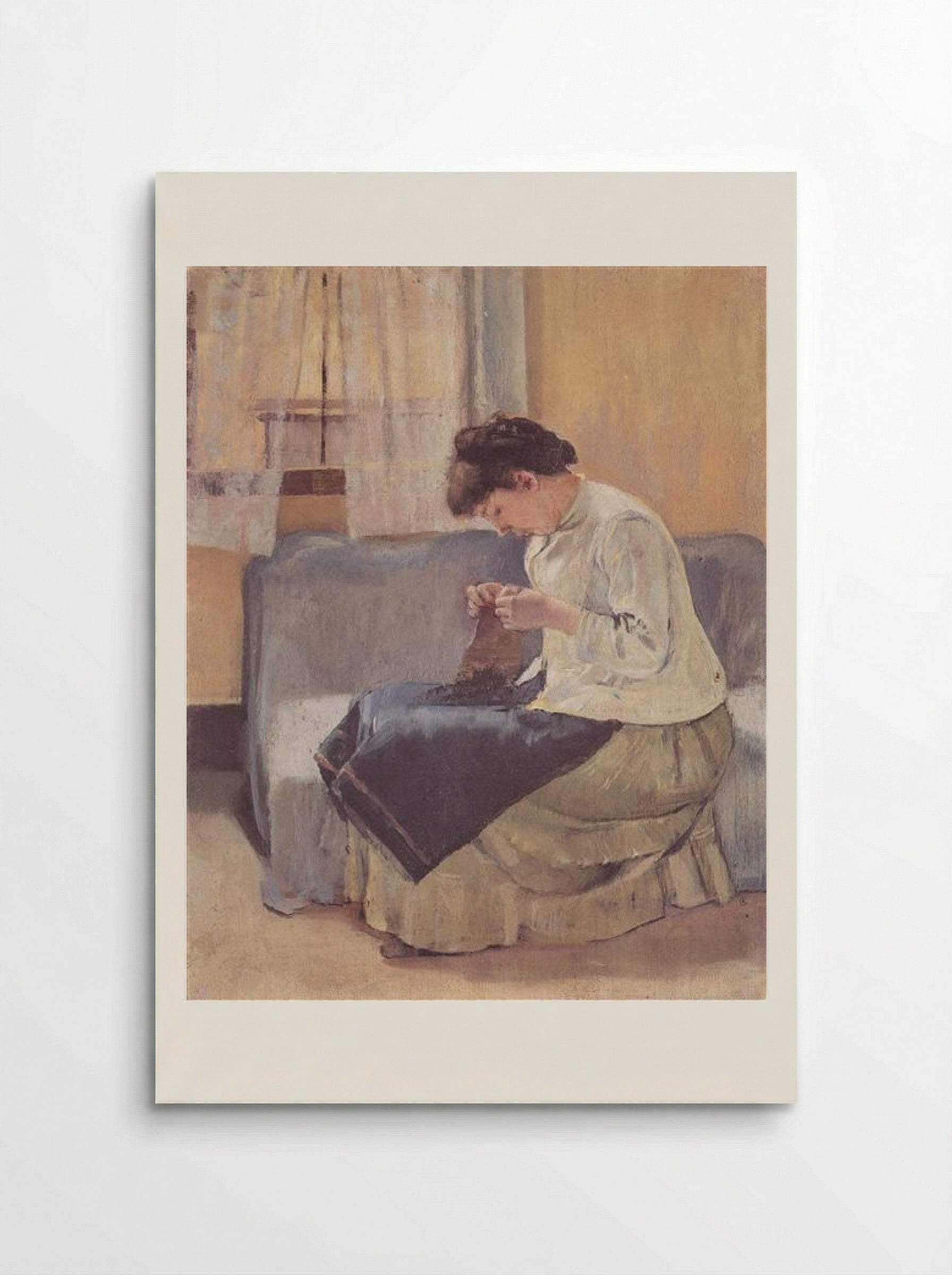 Näherin - Ferdinand Hodler
Print
Regulärer Preis Ab £28.00 GBPAngebotspreis Ab £28.00 GBP Regulärer Preis -
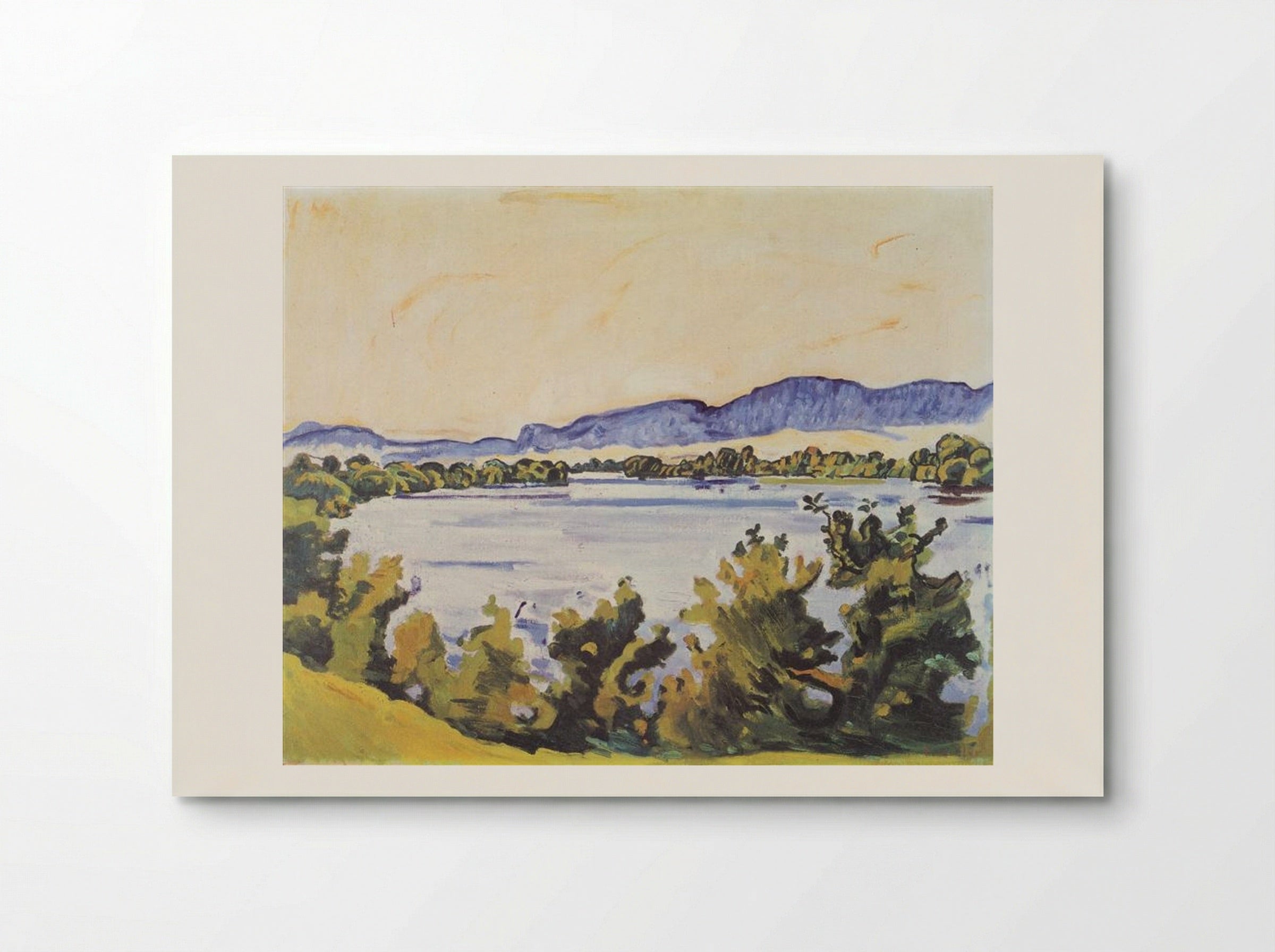 Die Aare bei Solothurn - Ferdinand Hodler
Print
Regulärer Preis Ab £28.00 GBPAngebotspreis Ab £28.00 GBP Regulärer Preis -
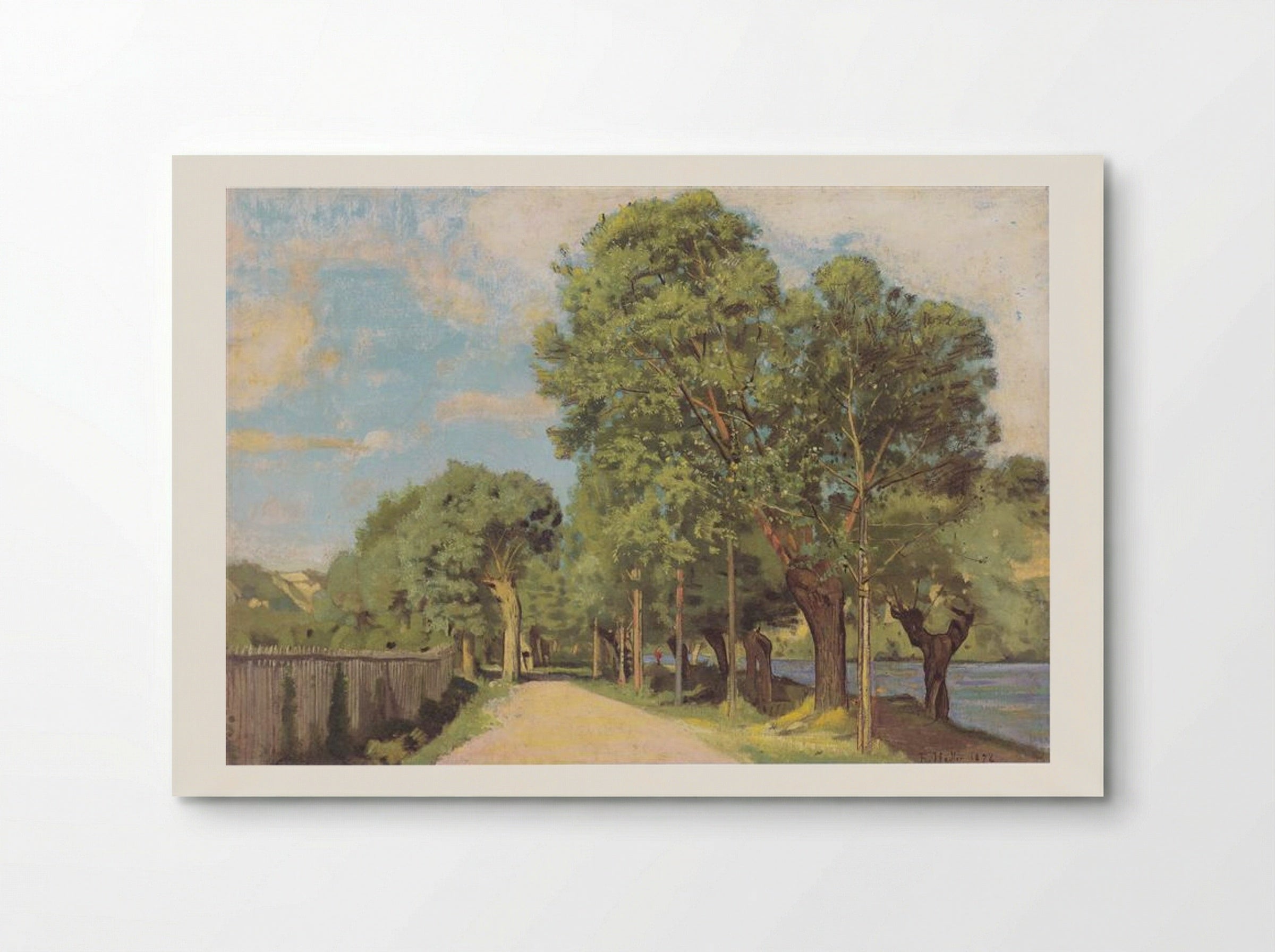
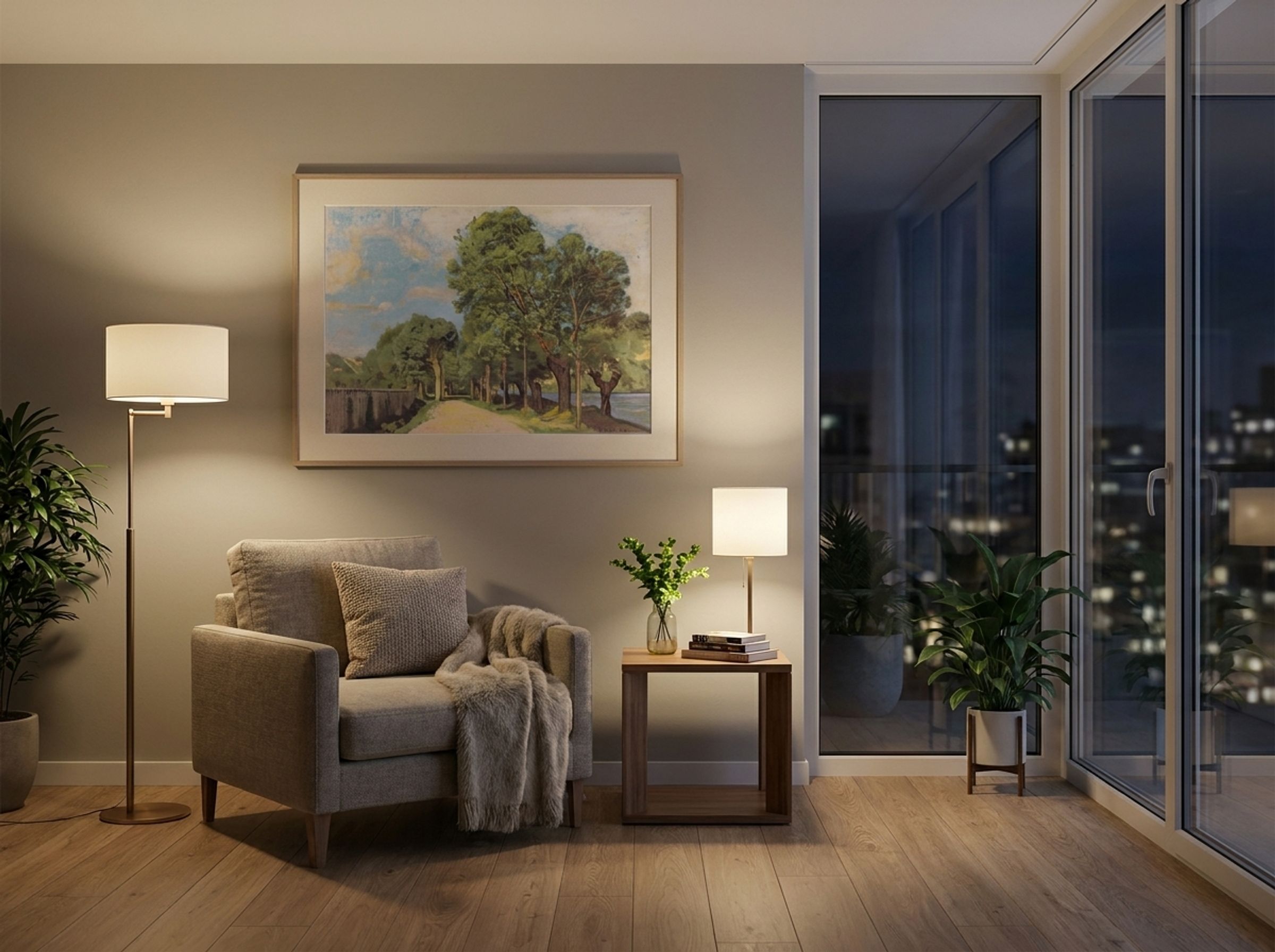 Die Jonction in Genf - Ferdinand Hodler
Print · Framed
Regulärer Preis Ab £28.00 GBPAngebotspreis Ab £28.00 GBP Regulärer Preis


Artist Biography
Ferdinand Hodler
Hodler lost his father and two younger brothers to tuberculosis before he was eight. His mother remarried a decorative painter named Gottlieb Schupbach, who had five children of his own. The household grew to thirteen. Young Ferdinand learned to paint by helping his stepfather with sign-work and decorative commissions, which is practical training of the kind that art schools cannot replicate.
He studied under Barthelemy Menn in Geneva, absorbing influences from Courbet and Holbein that seem contradictory but make sense in his work: physical realism combined with formal symmetry. By the 1890s he had developed Parallelism, a system of compositional repetition where figures, gestures and landscape elements mirror each other across the canvas. He described it as an element of order inherent in nature, visible in reflections on water, in the symmetry of the human body, in the repetition of mountain forms.
The Swiss National Bank commissioned him in 1908 to design currency. Rather than portraits of statesmen, he chose a woodcutter for the 50-franc note and a reaper for the 100-franc note. Both entered circulation in 1911. His figures occupy Swiss banknotes the way his figures occupy his paintings: monumental, frontal, and slightly too symmetrical to be comfortable.
His son Hector founded the World Esperanto Association in 1908, which is a detail that belongs in the biography of any artist whose life's work concerned the search for universal order. Hodler was Switzerland's first modern painter, and the one who proved you could stay in Switzerland and still matter. He died in Geneva in 1918, having painted the view of Lake Geneva from his window every day during his final illness. The series of paintings recording the changing light over the lake is among his most moving work.
He studied under Barthelemy Menn in Geneva, absorbing influences from Courbet and Holbein that seem contradictory but make sense in his work: physical realism combined with formal symmetry. By the 1890s he had developed Parallelism, a system of compositional repetition where figures, gestures and landscape elements mirror each other across the canvas. He described it as an element of order inherent in nature, visible in reflections on water, in the symmetry of the human body, in the repetition of mountain forms.
The Swiss National Bank commissioned him in 1908 to design currency. Rather than portraits of statesmen, he chose a woodcutter for the 50-franc note and a reaper for the 100-franc note. Both entered circulation in 1911. His figures occupy Swiss banknotes the way his figures occupy his paintings: monumental, frontal, and slightly too symmetrical to be comfortable.
His son Hector founded the World Esperanto Association in 1908, which is a detail that belongs in the biography of any artist whose life's work concerned the search for universal order. Hodler was Switzerland's first modern painter, and the one who proved you could stay in Switzerland and still matter. He died in Geneva in 1918, having painted the view of Lake Geneva from his window every day during his final illness. The series of paintings recording the changing light over the lake is among his most moving work.


Warum uns wählen?