

Sammlung
Emile Bernard
Entdecken Sie kuratierte Kunstdrucke, ausgewählt für individuelle Wohnräume und durchdachte Interieurs.
Vorgeschlagene Filter
-
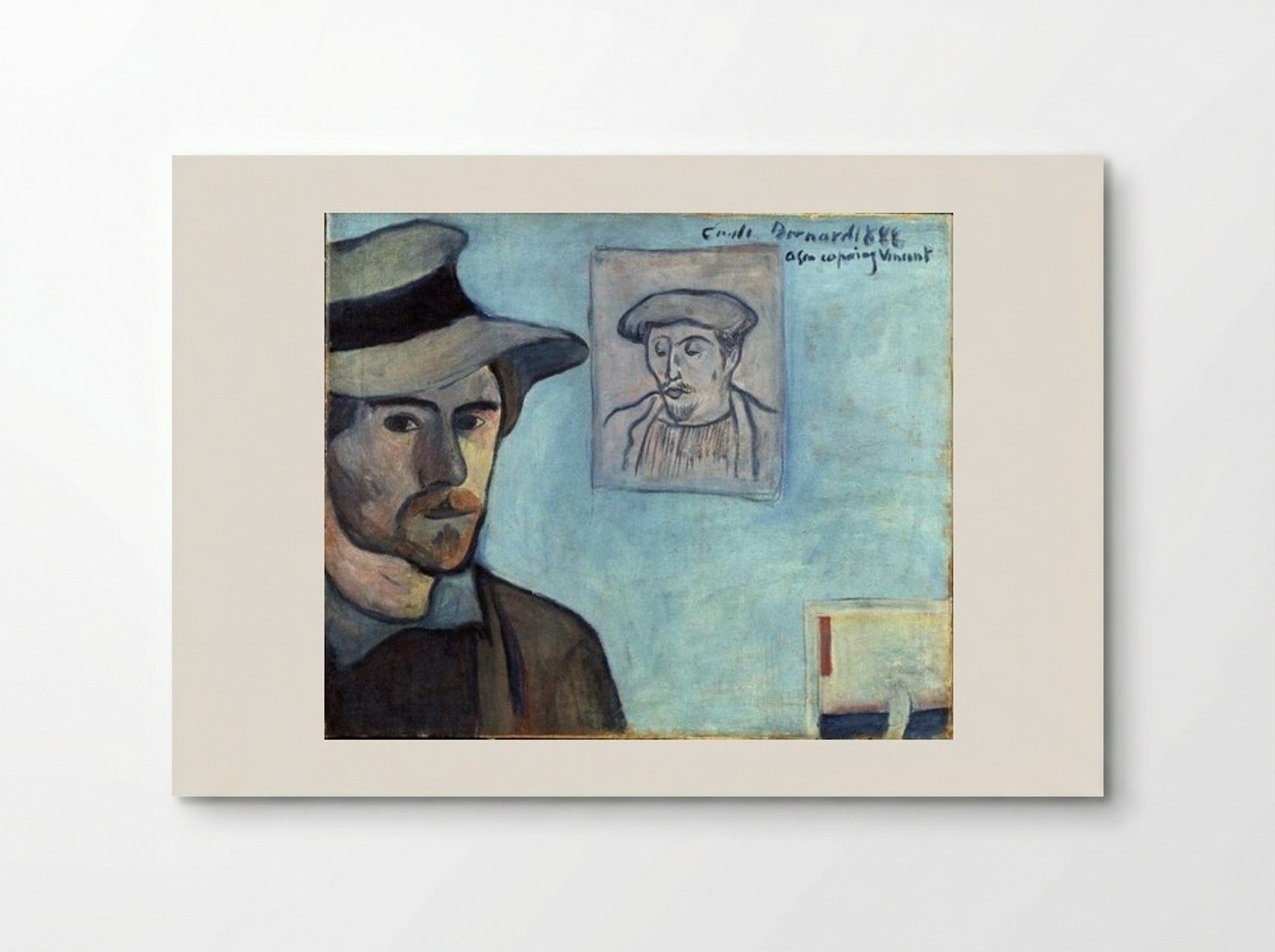
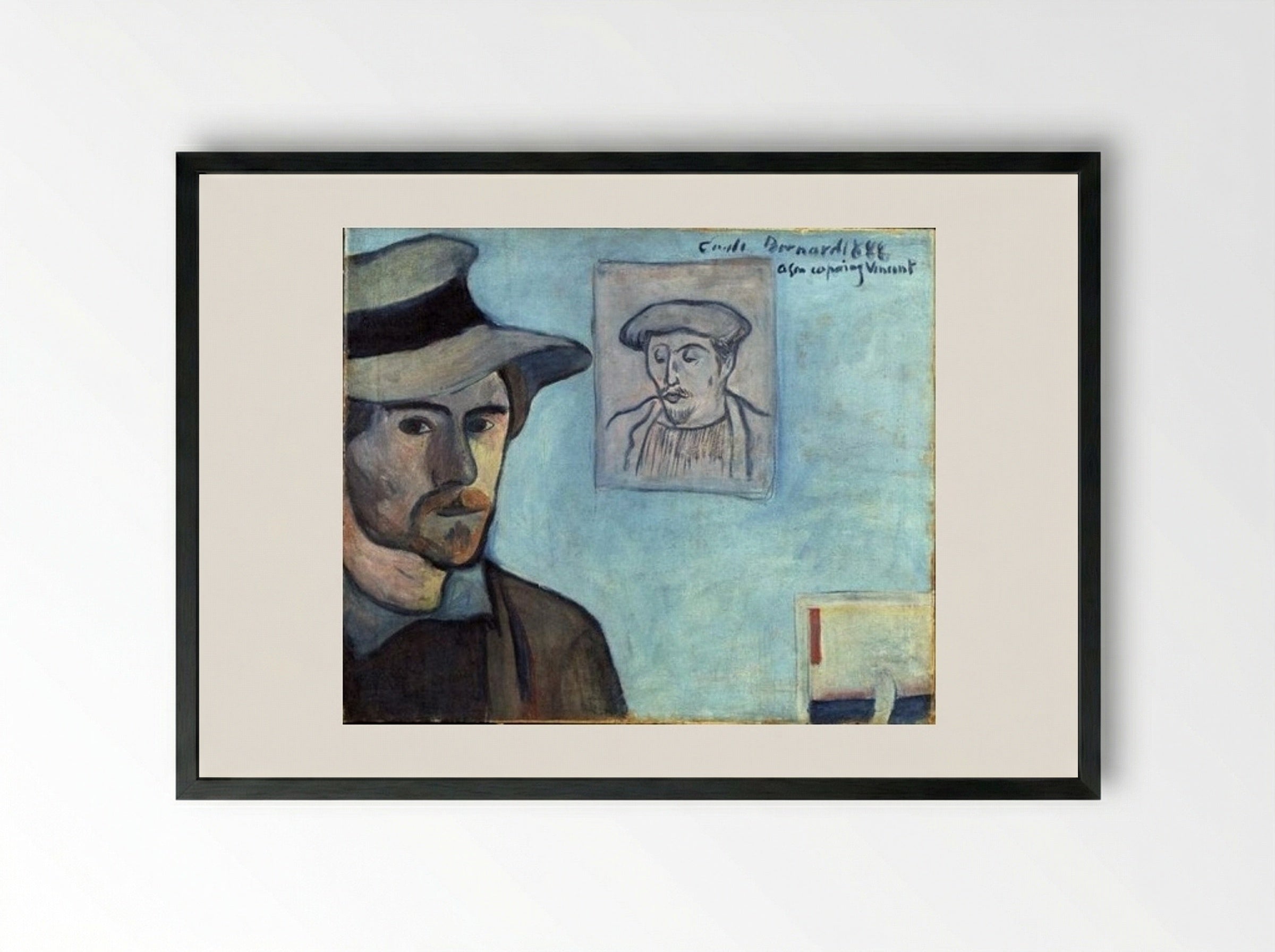 Selbstporträt mit Porträt Gauguins – Émile Bernard
Print · Framed
Regulärer Preis Ab £28.00 GBPAngebotspreis Ab £28.00 GBP Regulärer Preis -
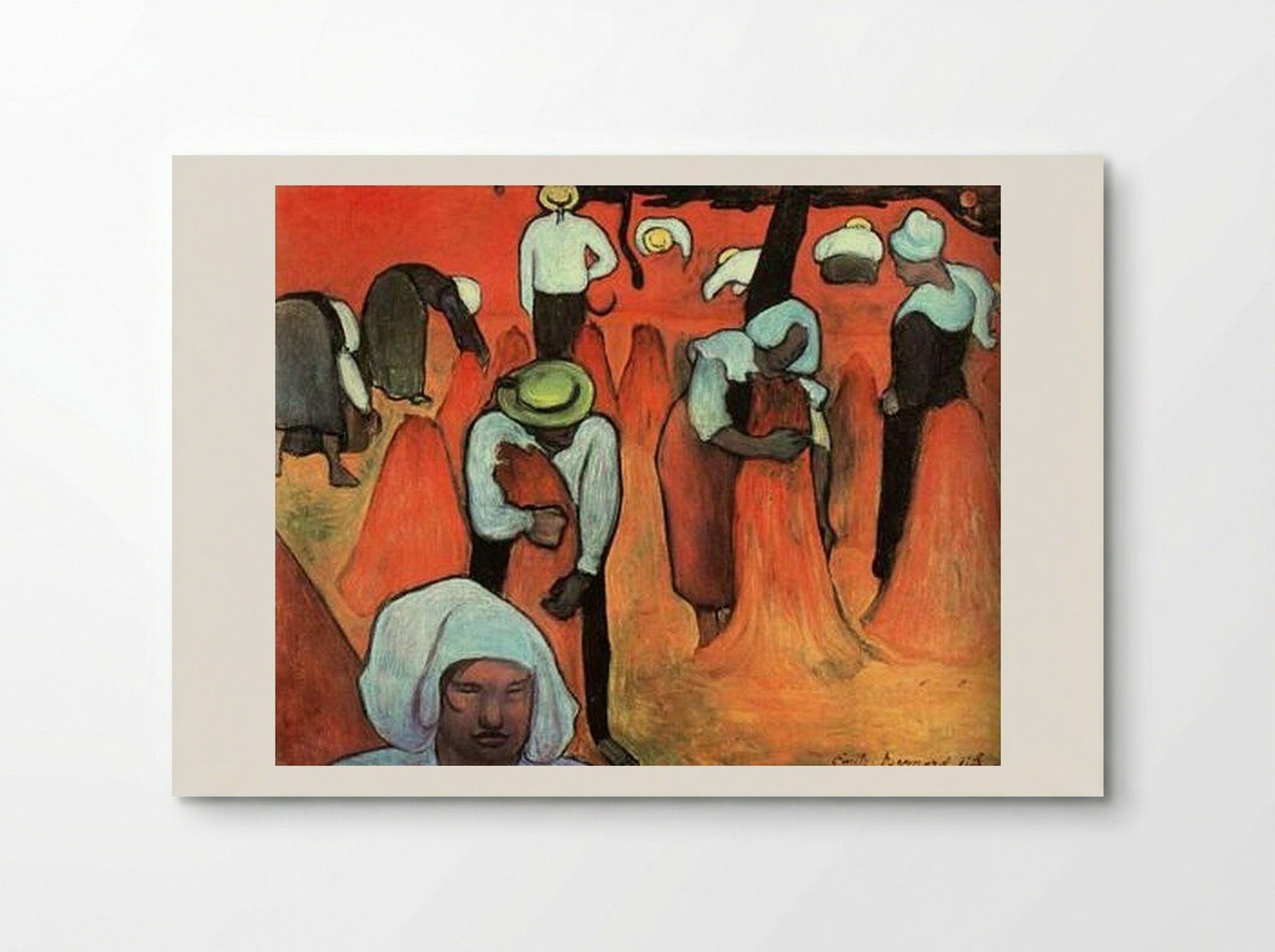
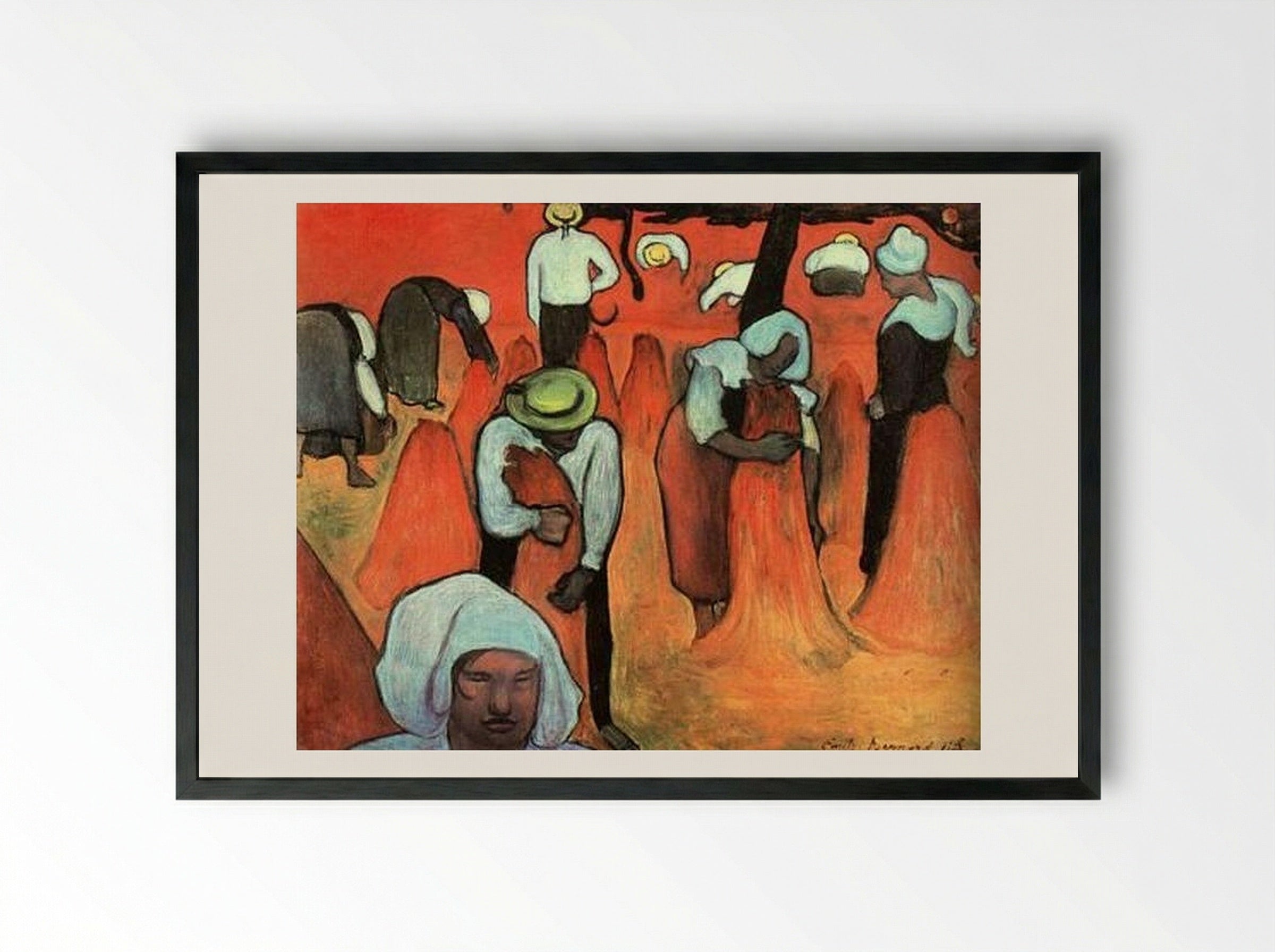 Buchweizenernter in Pont-Aven - Émile Bernard
Print · Framed
Regulärer Preis Ab £28.00 GBPAngebotspreis Ab £28.00 GBP Regulärer Preis -
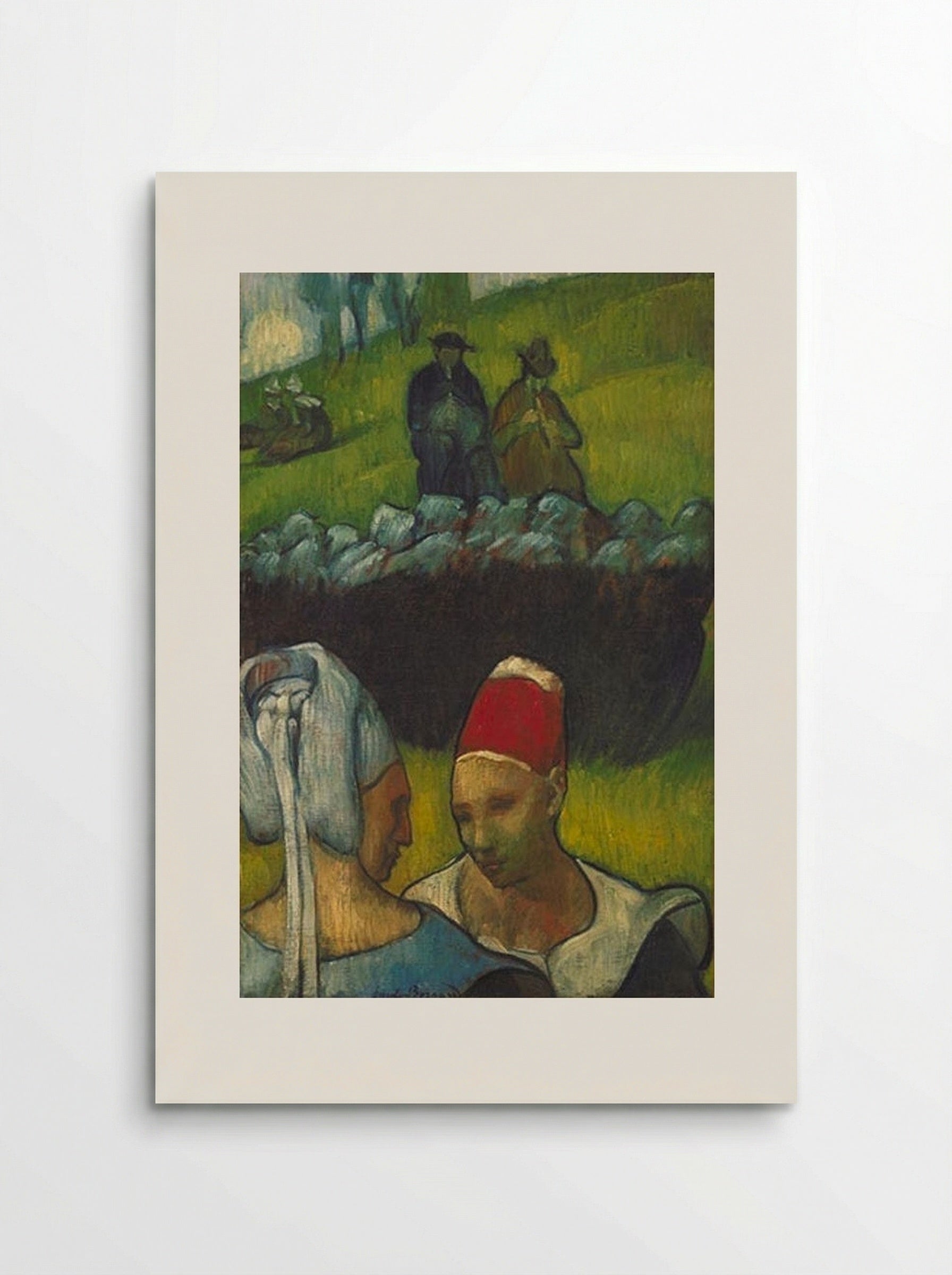
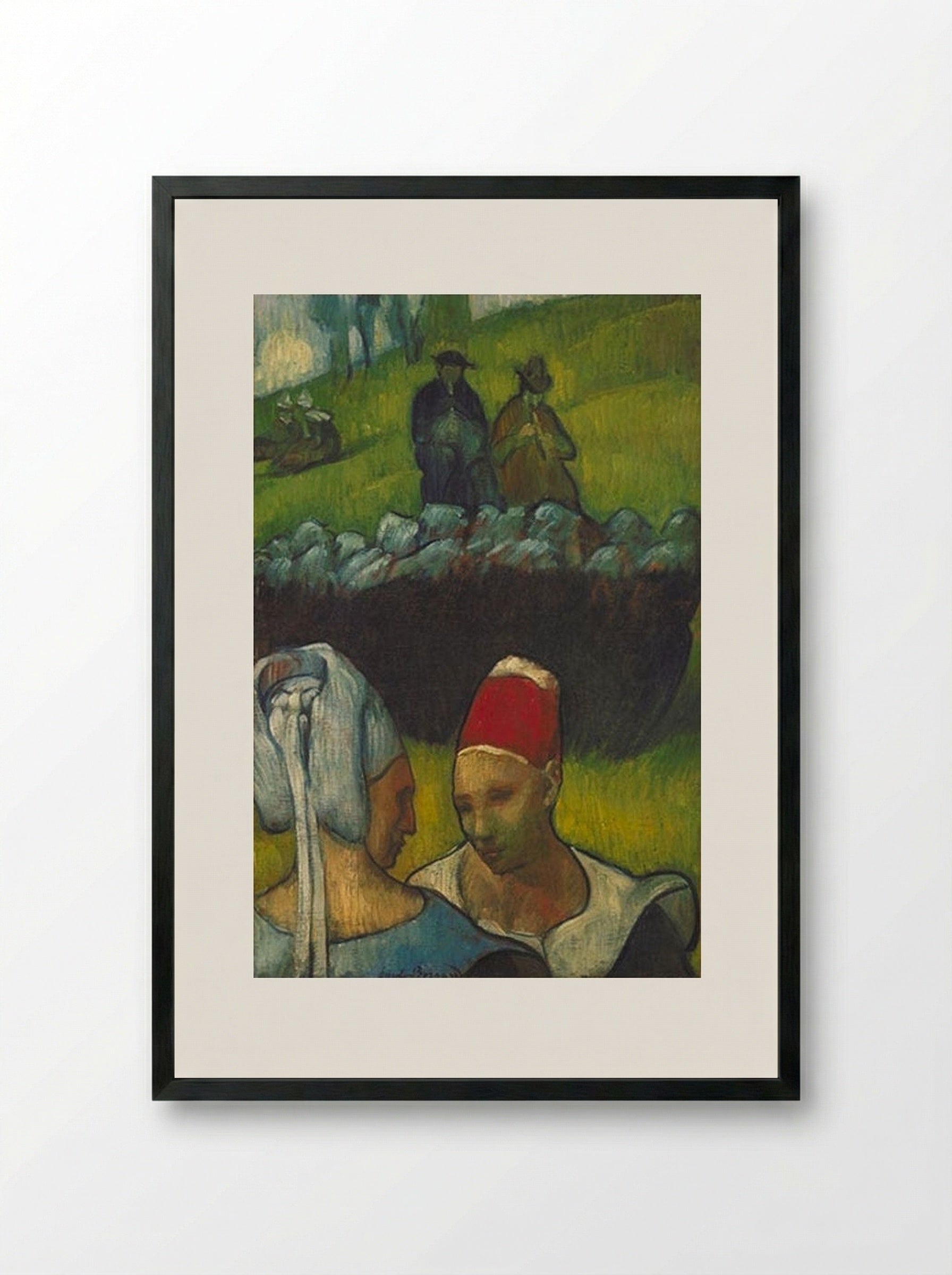 Bretonen - Émile Bernard
Print · Framed
Regulärer Preis Ab £28.00 GBPAngebotspreis Ab £28.00 GBP Regulärer Preis -
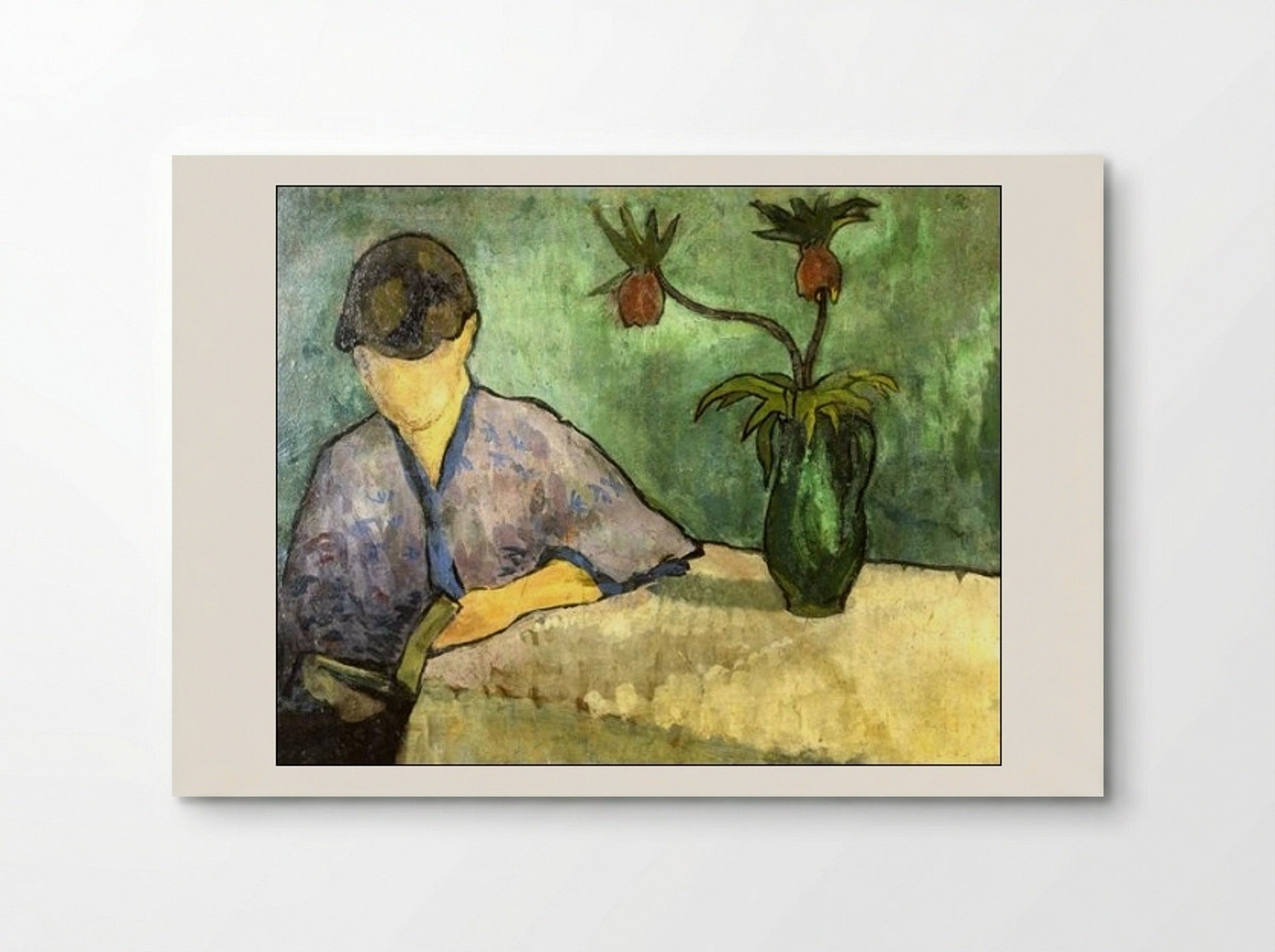
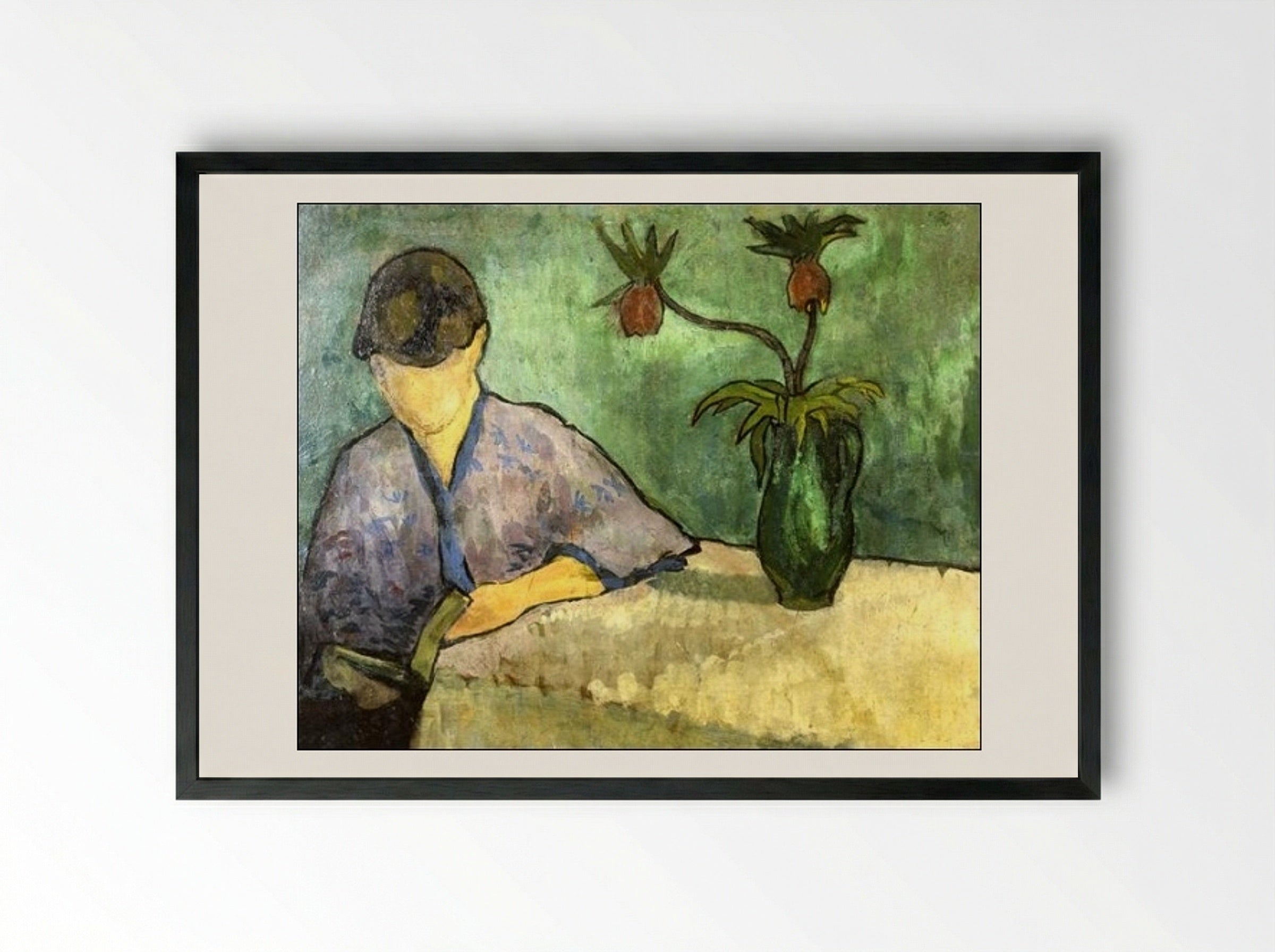 Junge Frau im Kimono, lesend – Émile Bernard
Print · Framed
Regulärer Preis Ab £28.00 GBPAngebotspreis Ab £28.00 GBP Regulärer Preis -
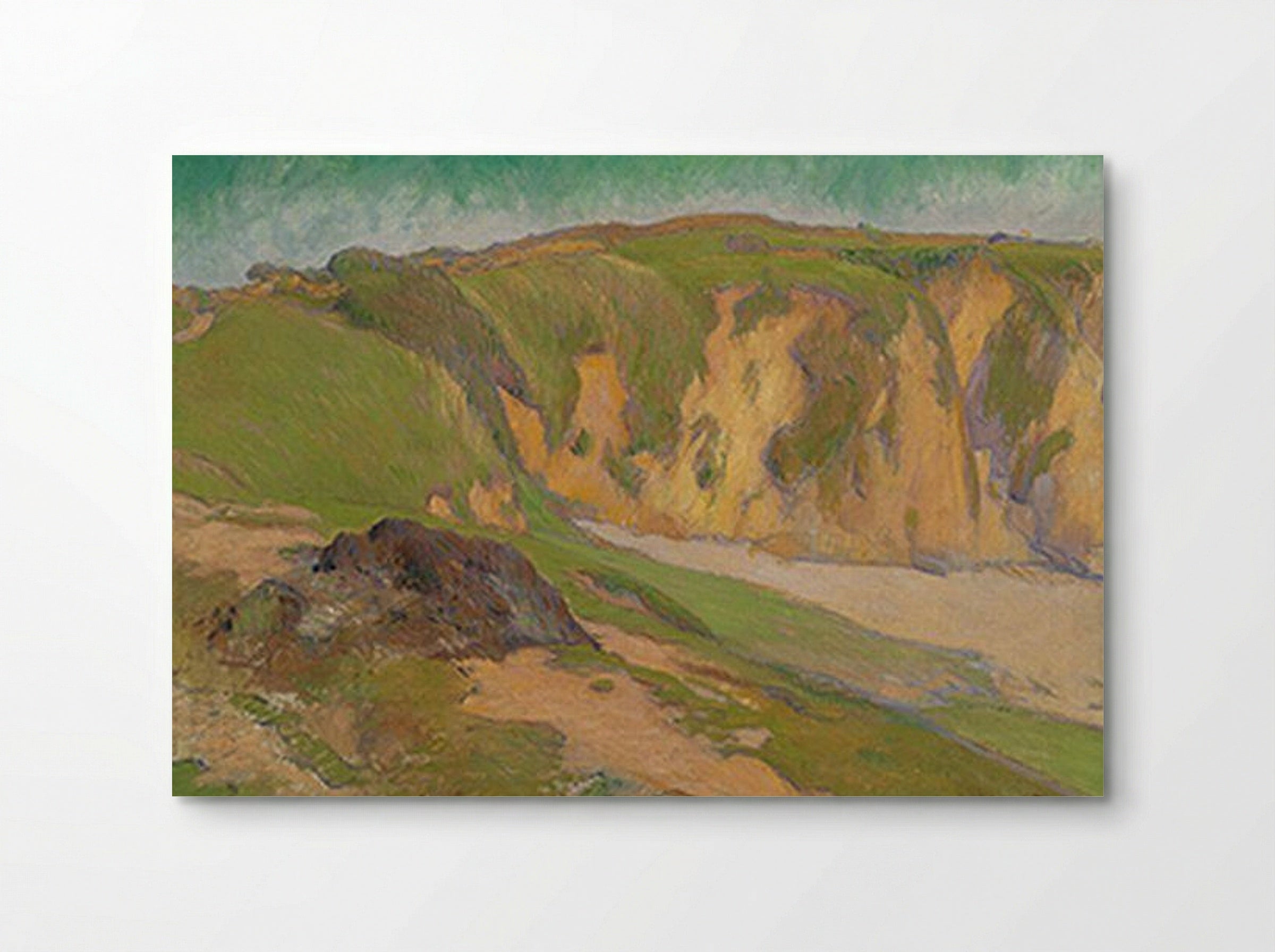
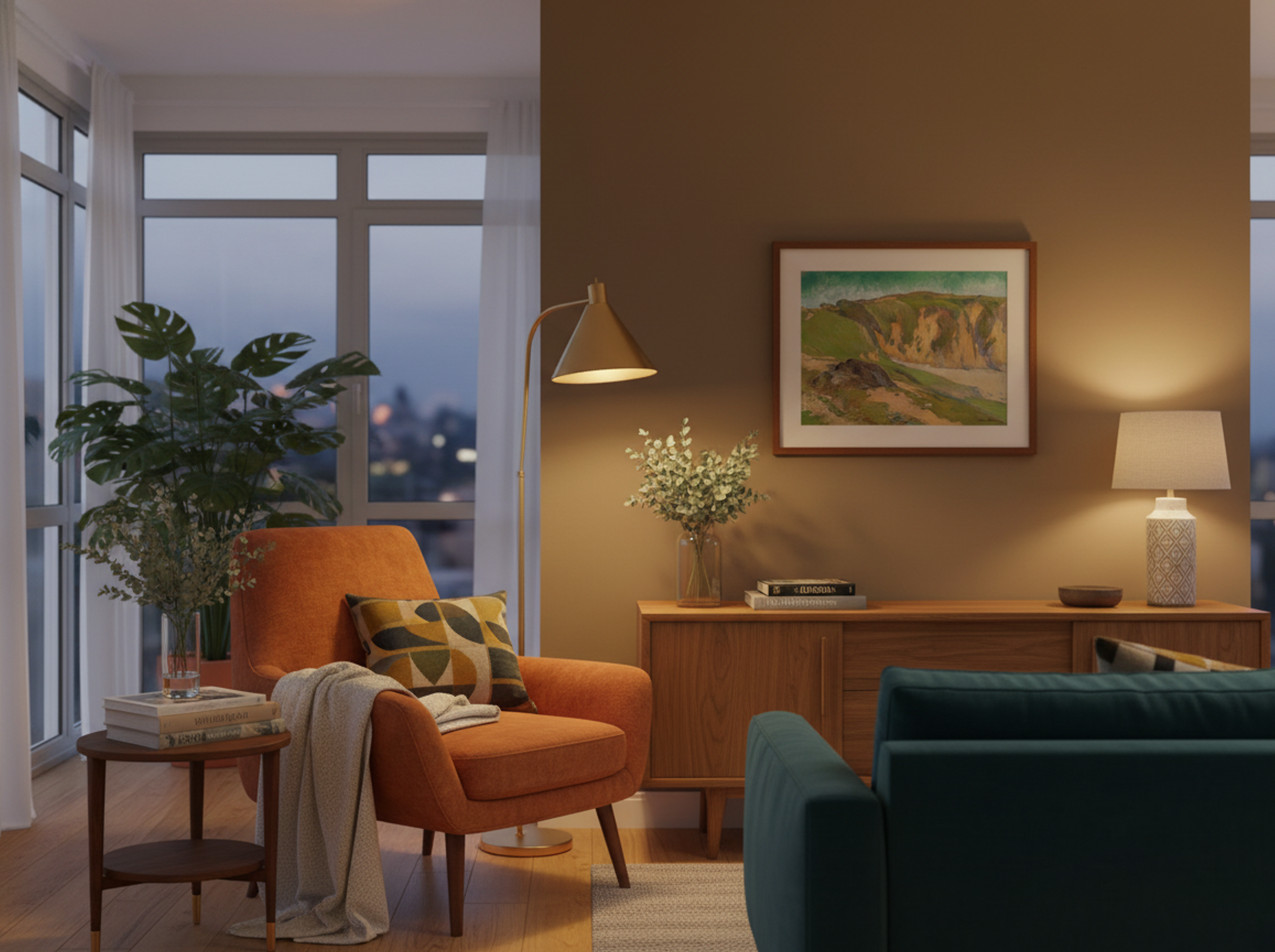 Die Klippen bei Le Pouldu - Émile Bernard
Print · Framed
Regulärer Preis Ab £28.00 GBPAngebotspreis Ab £28.00 GBP Regulärer Preis -
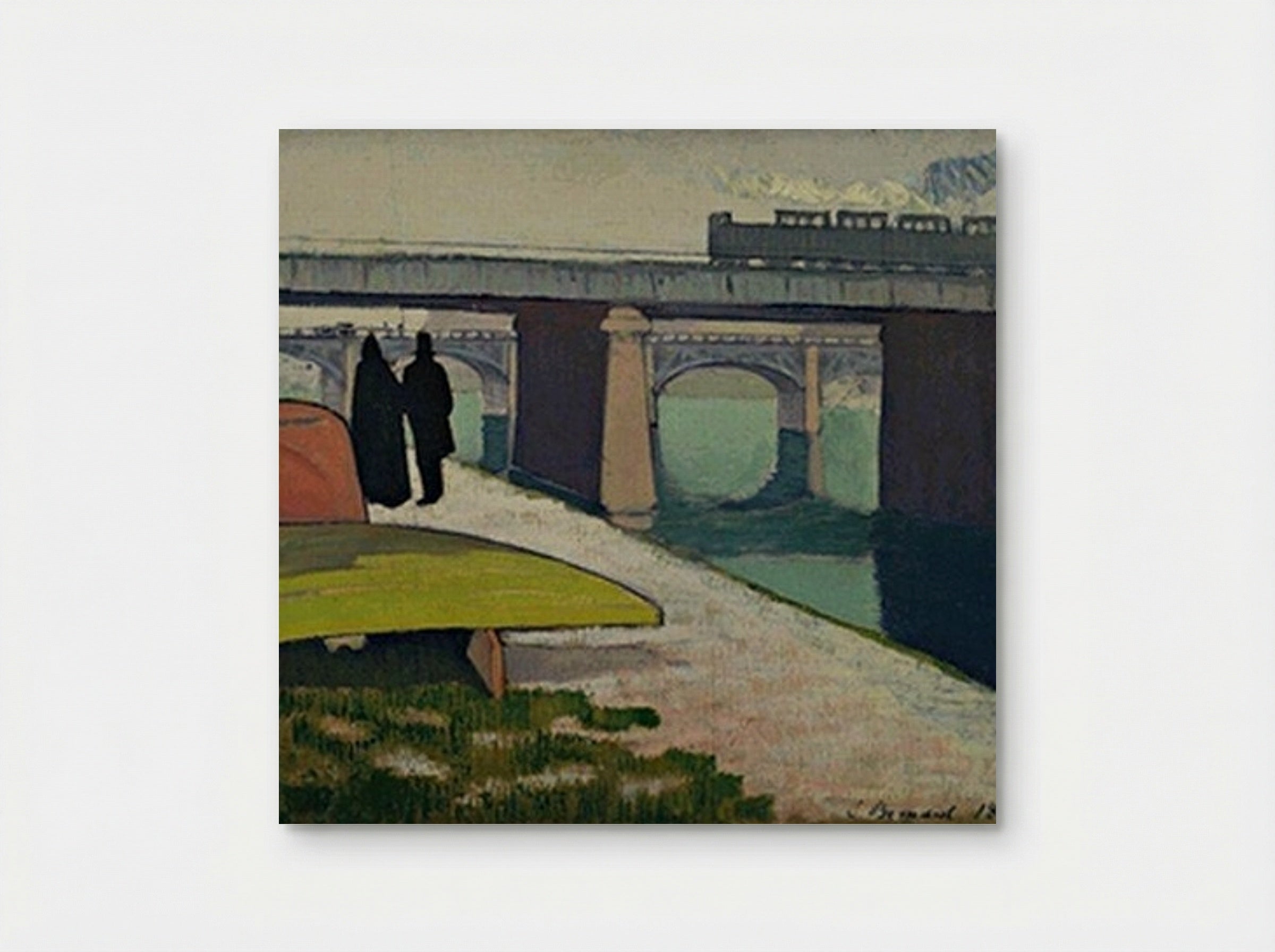
 Die Eisenbrücken von Asnières - Émile Bernard
Print · Framed
Regulärer Preis Ab £37.00 GBPAngebotspreis Ab £37.00 GBP Regulärer Preis -
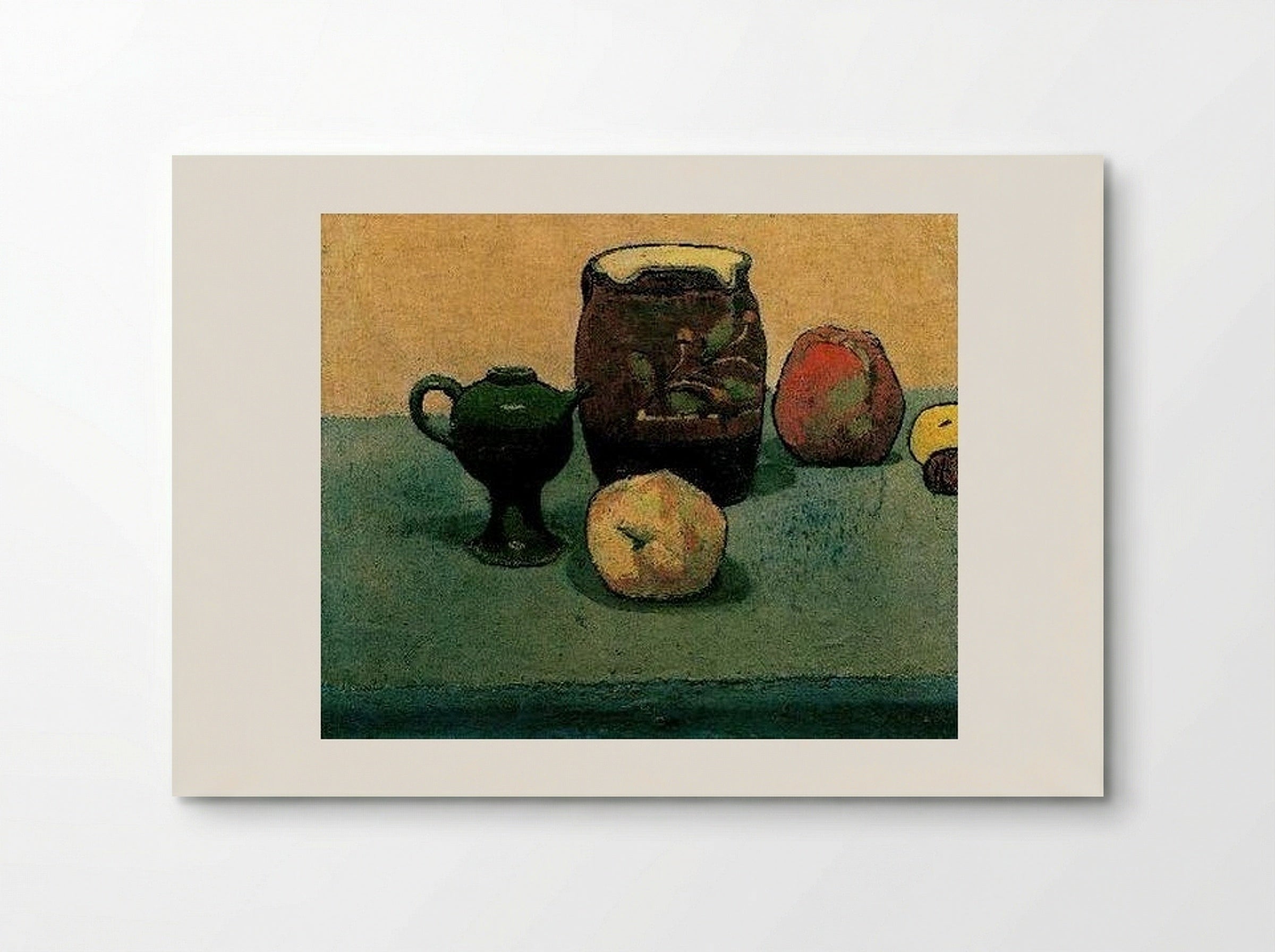
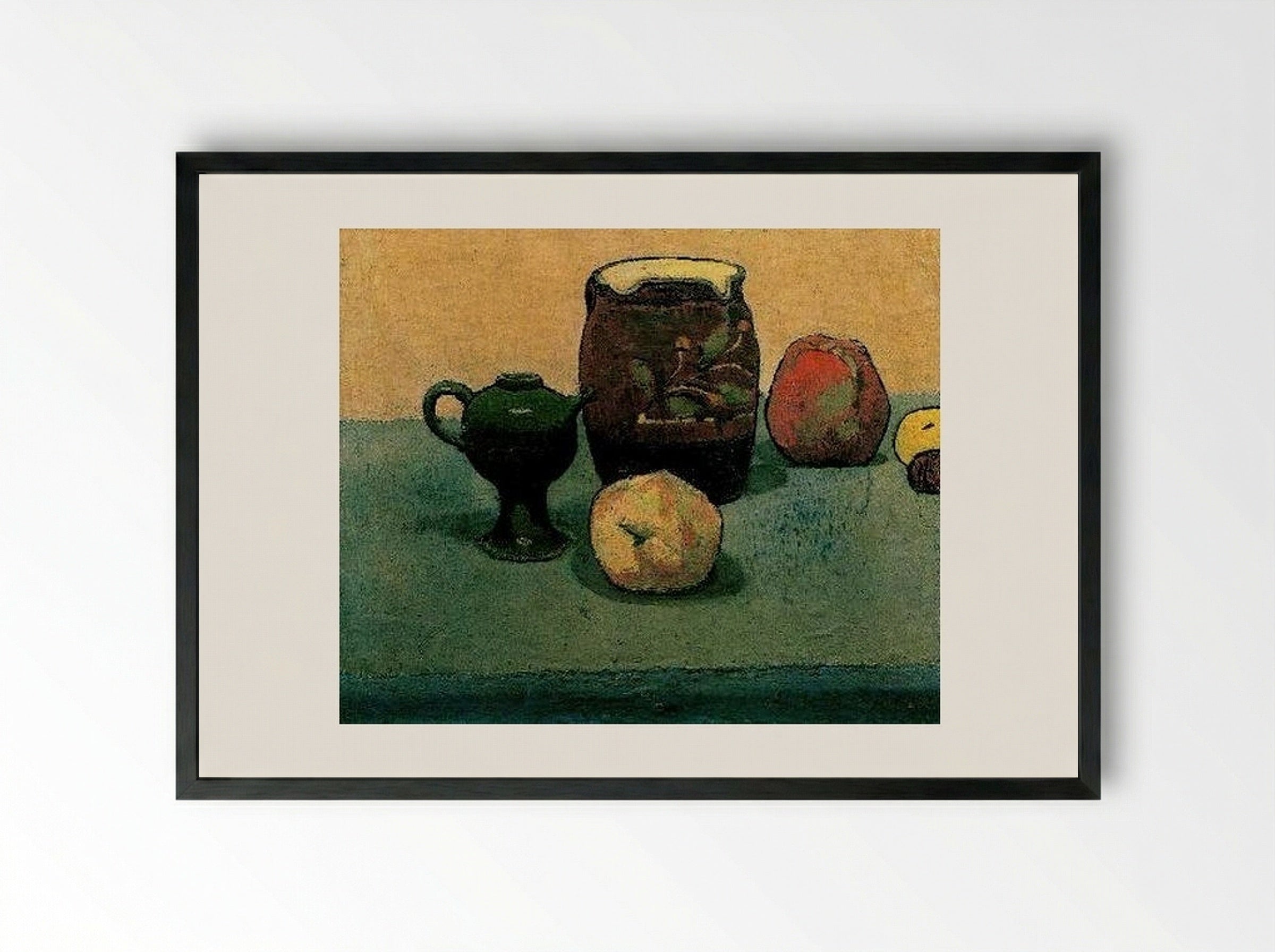 Irdenware Topf und Äpfel – Émile Bernard
Print · Framed
Regulärer Preis Ab £28.00 GBPAngebotspreis Ab £28.00 GBP Regulärer Preis -
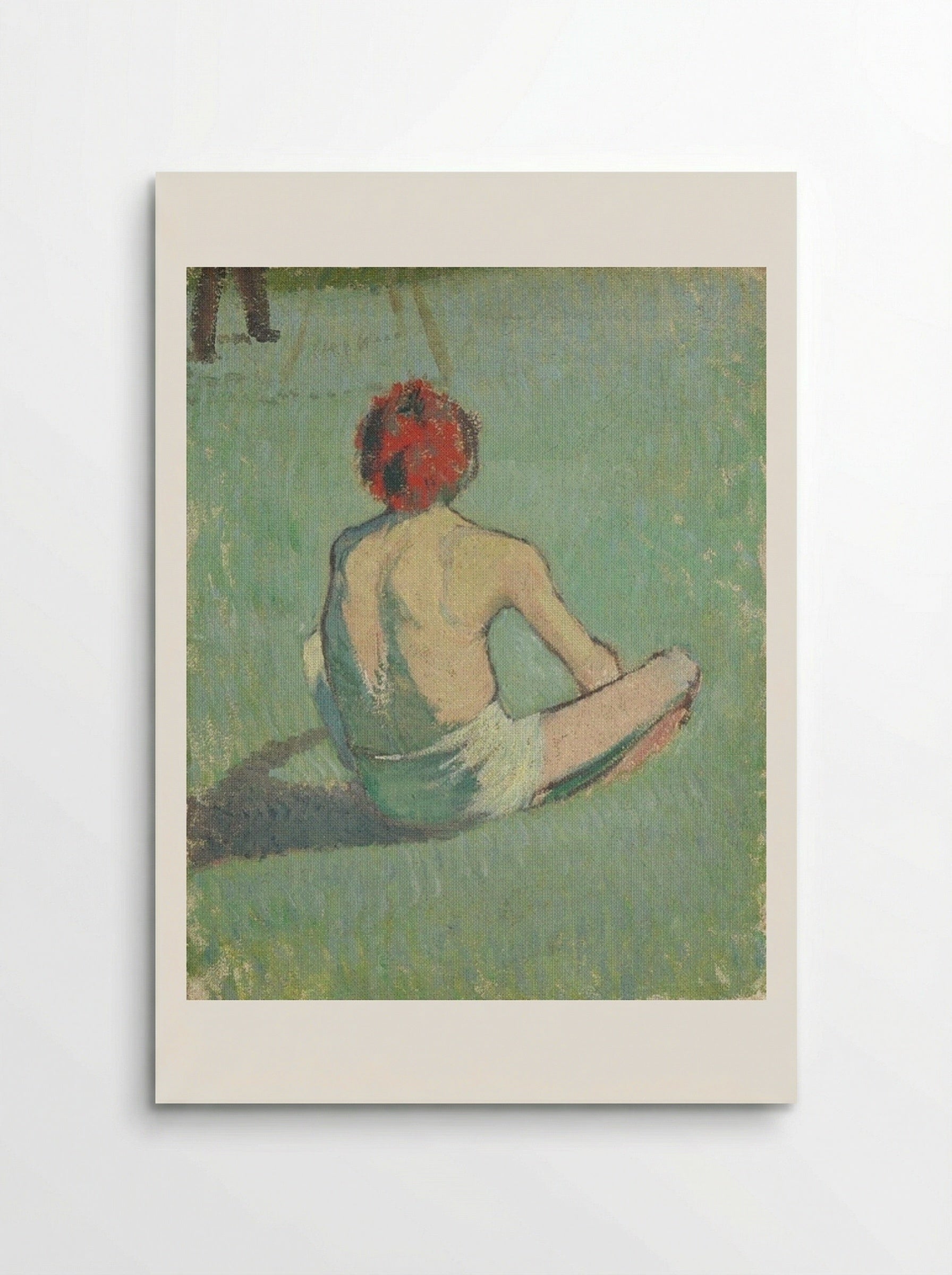
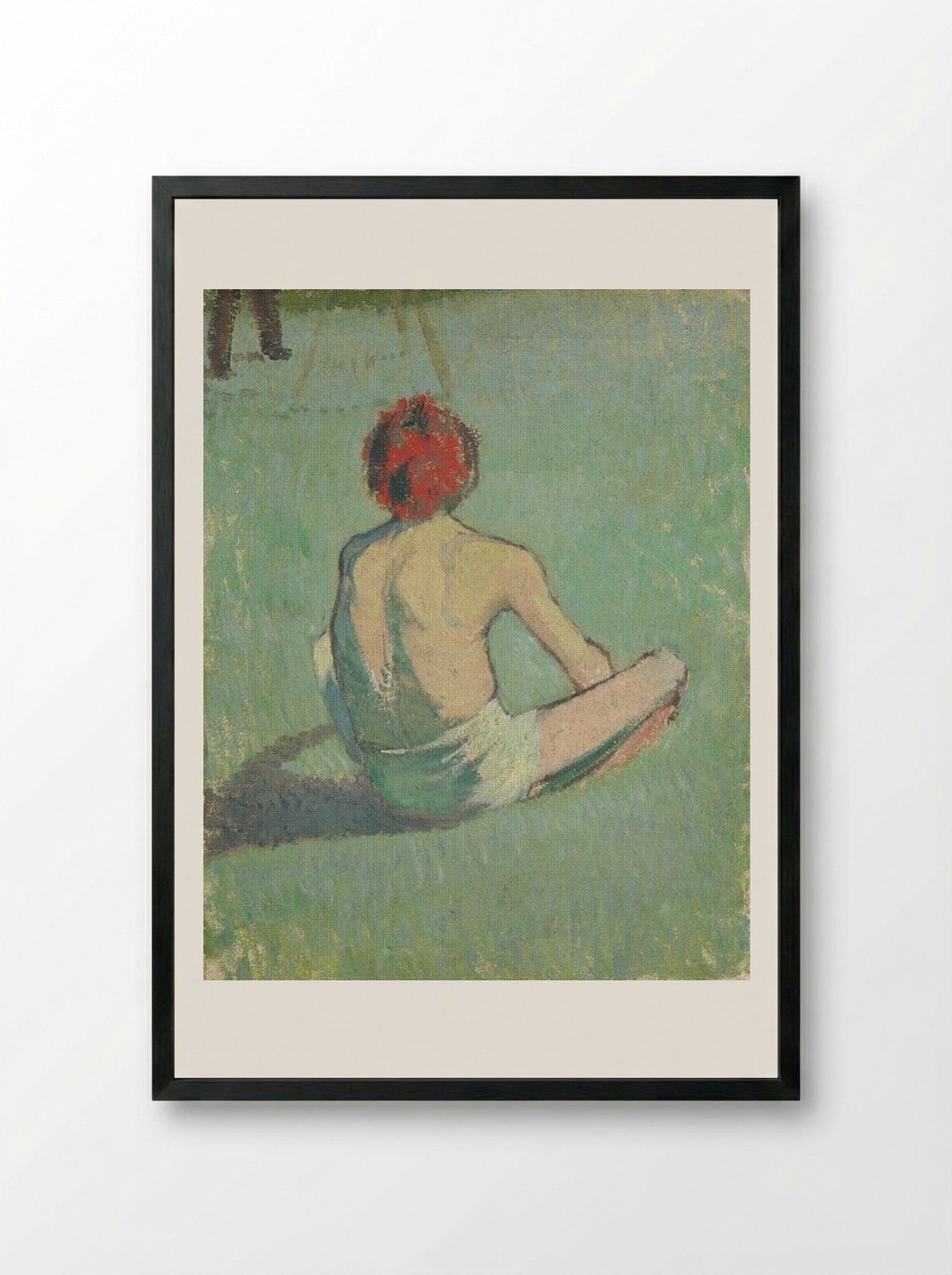 Junge im Gras - Émile Bernard
Print · Framed
Regulärer Preis Ab £28.00 GBPAngebotspreis Ab £28.00 GBP Regulärer Preis -
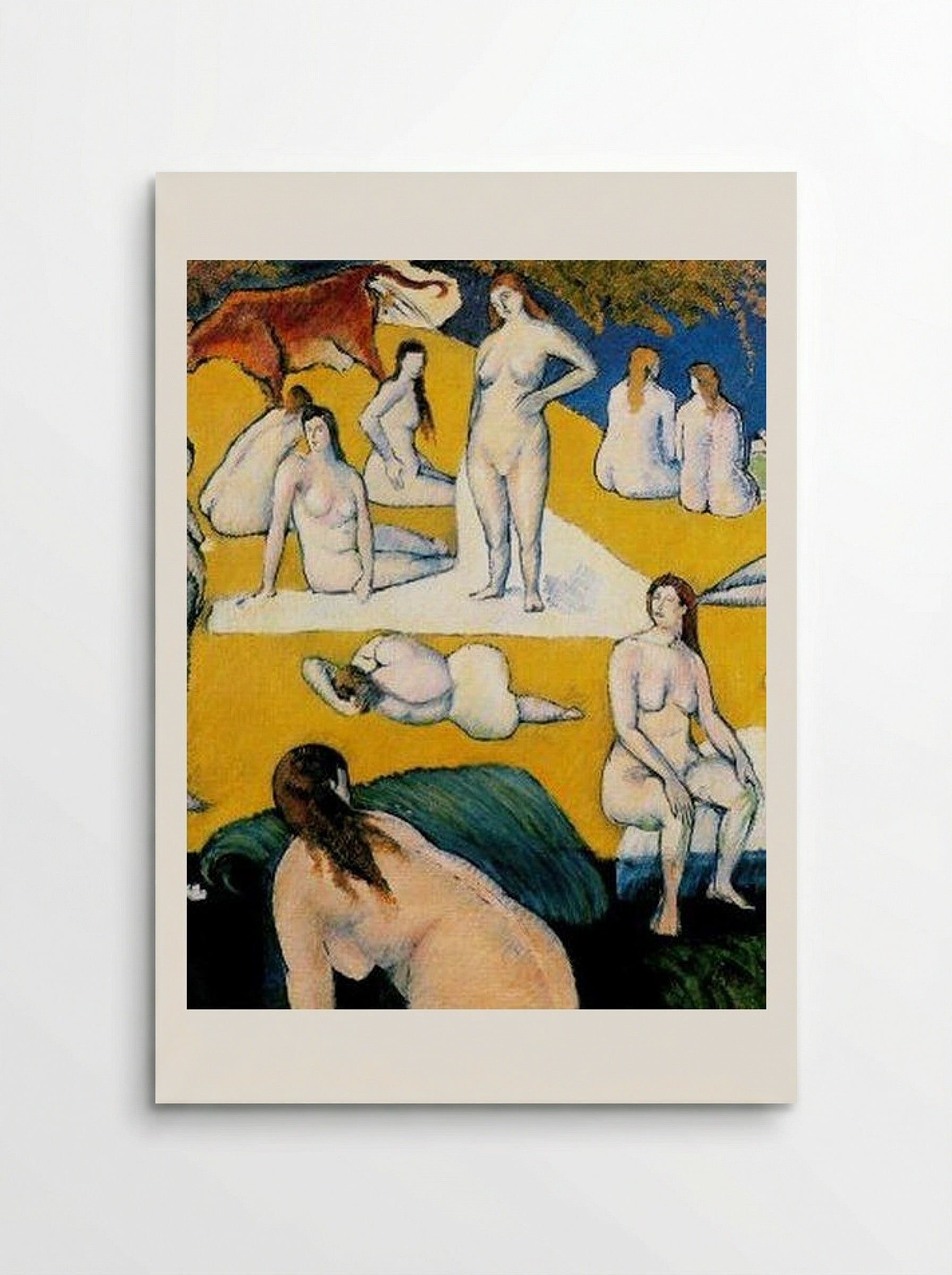
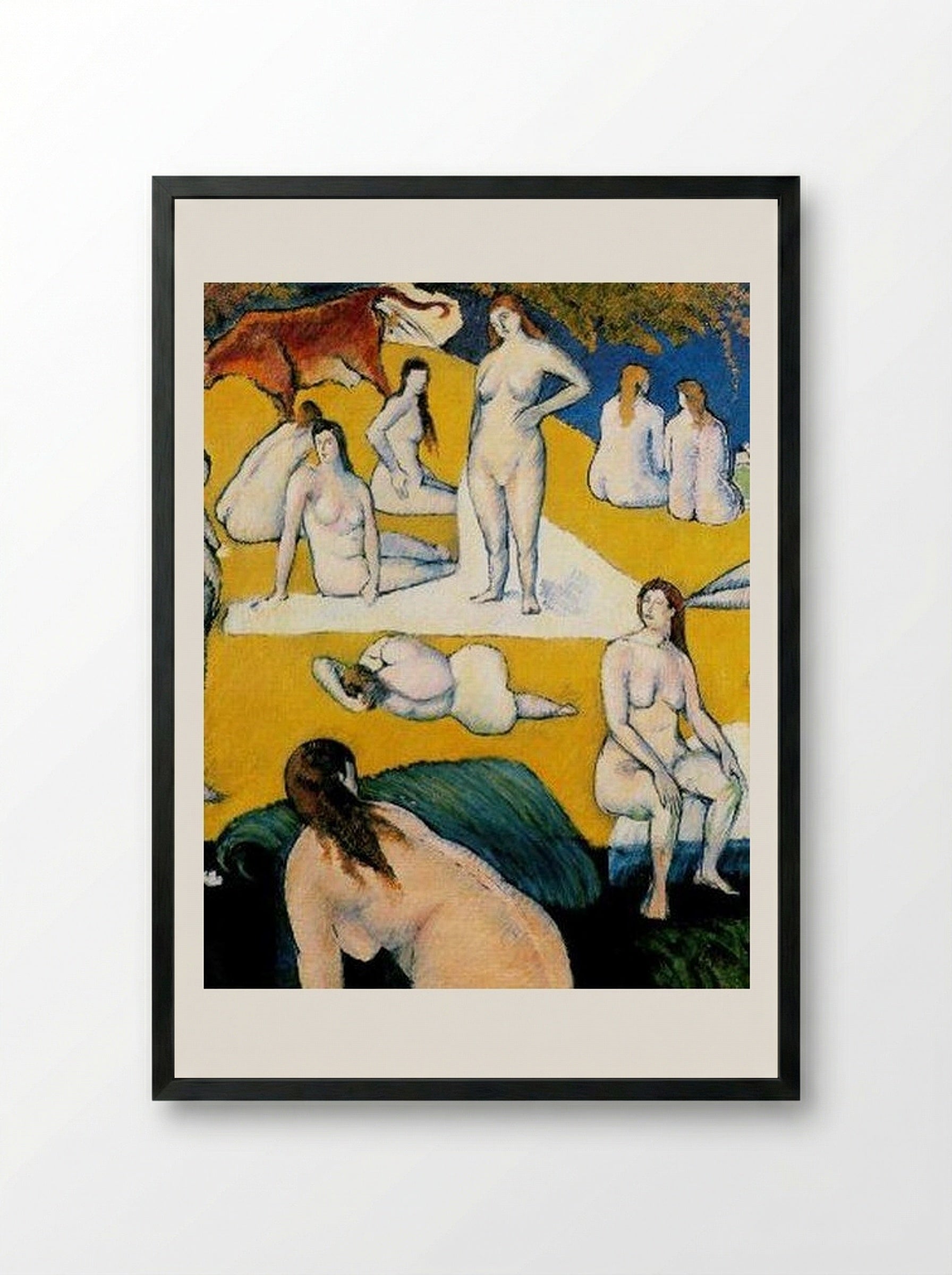 Badende mit roter Kuh - Émile Bernard
Print · Framed
Regulärer Preis Ab £28.00 GBPAngebotspreis Ab £28.00 GBP Regulärer Preis


Artist Biography
Emile Bernard
Bernard invented cloisonnism at twenty and spent the rest of his life arguing about it. The technique, which uses bold flat colours separated by dark outlines (like cloisonne enamel), was developed in 1887 during conversations with Louis Anquetin. When Paul Gauguin arrived at Pont-Aven in Brittany the following year, Bernard shared the method with him. Gauguin adopted it, made it famous, and failed to credit Bernard. The quarrel lasted for decades.
He was raised by his grandmother, who owned a laundry in Lille, because his younger sister was ill and required his parents' full attention. He entered the Ecole des Beaux-Arts in Paris but was expelled for insubordination. At the Academie Cormon he met Toulouse-Lautrec and Van Gogh; his friendship with Van Gogh produced some of the most important letters in art history.
Bernard and Gauguin fell out definitively in 1891 over the paternity of Symbolism and cloisonnism. Bernard believed he had been written out of the story, which he had. He spent years writing criticism and art history to set the record straight, producing first-hand accounts of the period that remain primary sources.
His later work turned conservative. He travelled to Egypt, studied the Old Masters, and repudiated the avant-garde experiments of his youth. The early paintings, made between 1886 and 1897 when he was barely out of his teens, are the ones that matter. He was brilliant too young and spent the rest of his career looking backwards. His correspondence with Van Gogh, preserved and published, is one of the most direct records of how two young painters in the 1880s thought about colour, composition and what painting was for.
He was raised by his grandmother, who owned a laundry in Lille, because his younger sister was ill and required his parents' full attention. He entered the Ecole des Beaux-Arts in Paris but was expelled for insubordination. At the Academie Cormon he met Toulouse-Lautrec and Van Gogh; his friendship with Van Gogh produced some of the most important letters in art history.
Bernard and Gauguin fell out definitively in 1891 over the paternity of Symbolism and cloisonnism. Bernard believed he had been written out of the story, which he had. He spent years writing criticism and art history to set the record straight, producing first-hand accounts of the period that remain primary sources.
His later work turned conservative. He travelled to Egypt, studied the Old Masters, and repudiated the avant-garde experiments of his youth. The early paintings, made between 1886 and 1897 when he was barely out of his teens, are the ones that matter. He was brilliant too young and spent the rest of his career looking backwards. His correspondence with Van Gogh, preserved and published, is one of the most direct records of how two young painters in the 1880s thought about colour, composition and what painting was for.
Related Artists


Warum uns wählen?