

Sammlung
Edouard Vuillard
Entdecken Sie kuratierte Kunstdrucke, ausgewählt für individuelle Wohnräume und durchdachte Interieurs.
Vorgeschlagene Filter
-
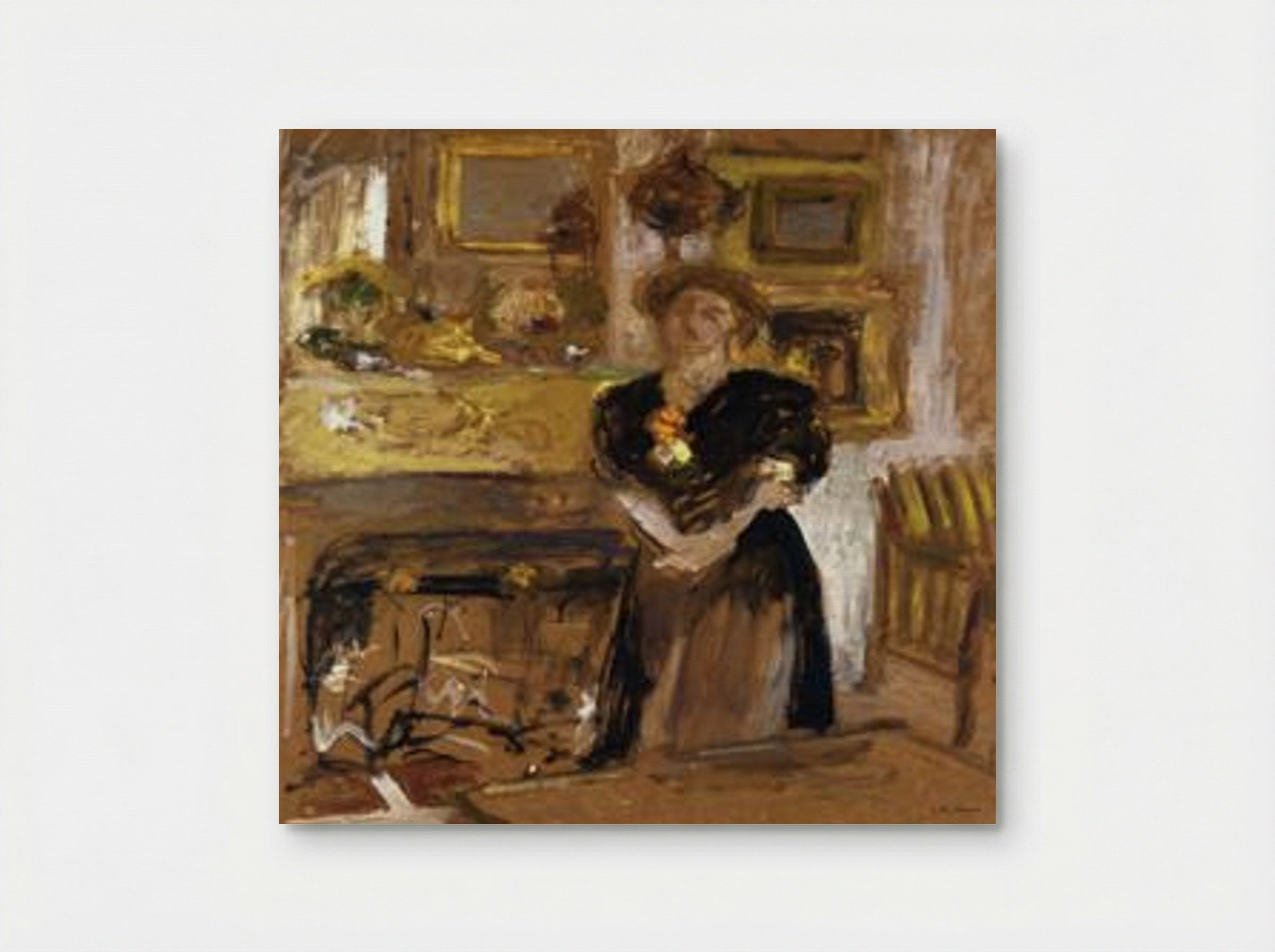
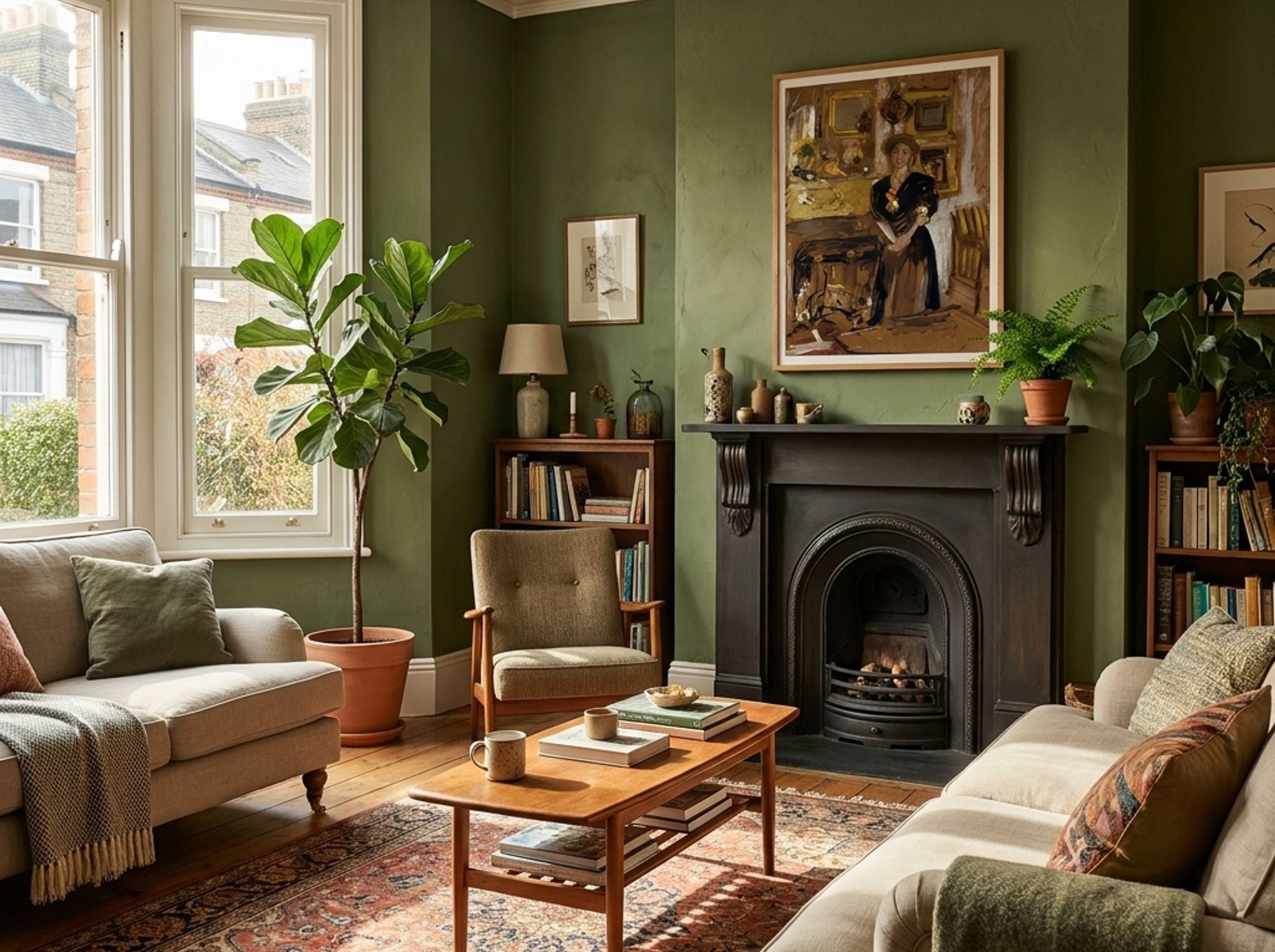 Porträt von Madame Marie des Jardins Fontaine - Édouard Vuillard
Print · Framed
Regulärer Preis Ab £37.00 GBPAngebotspreis Ab £37.00 GBP Regulärer Preis -
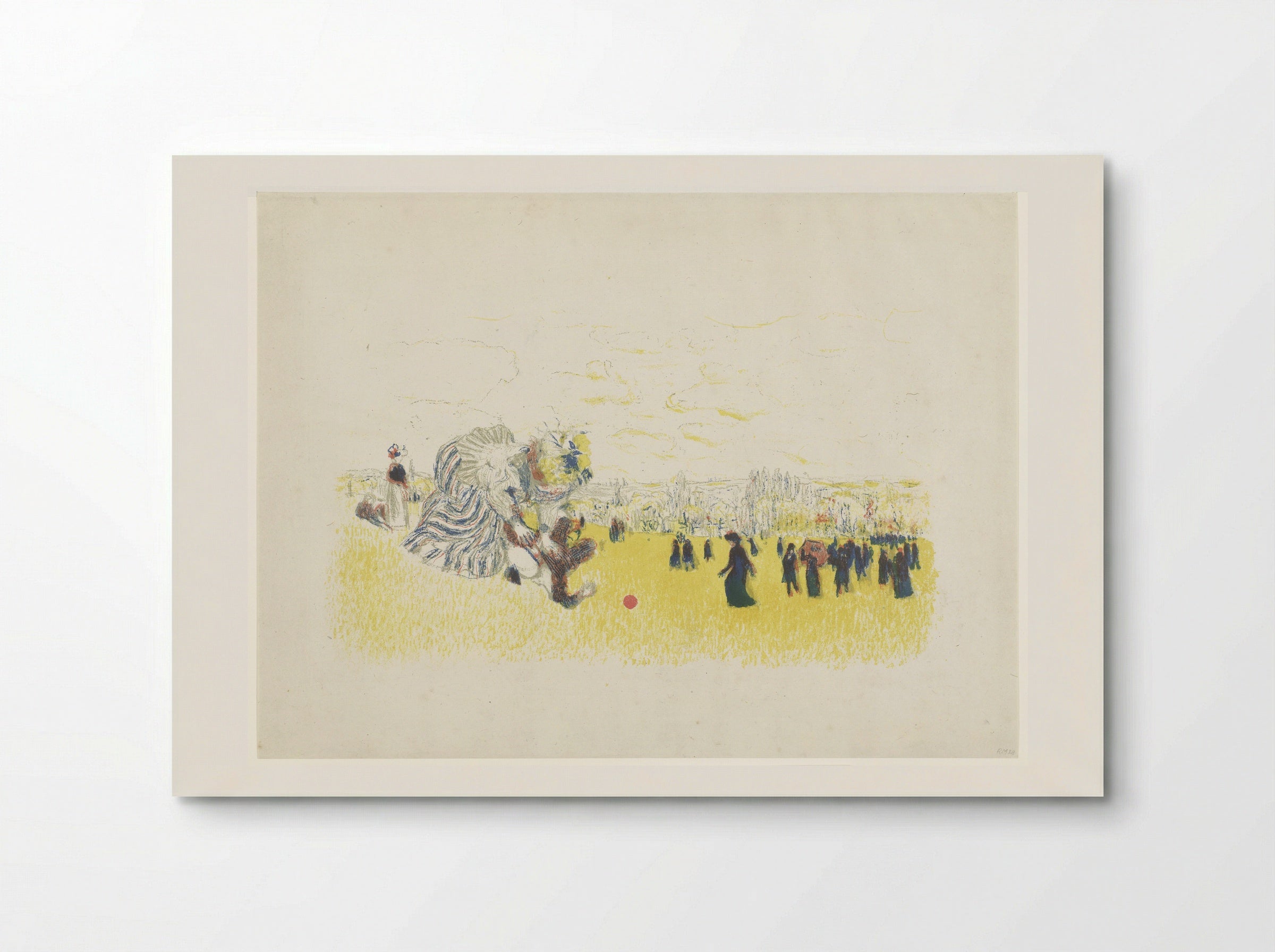
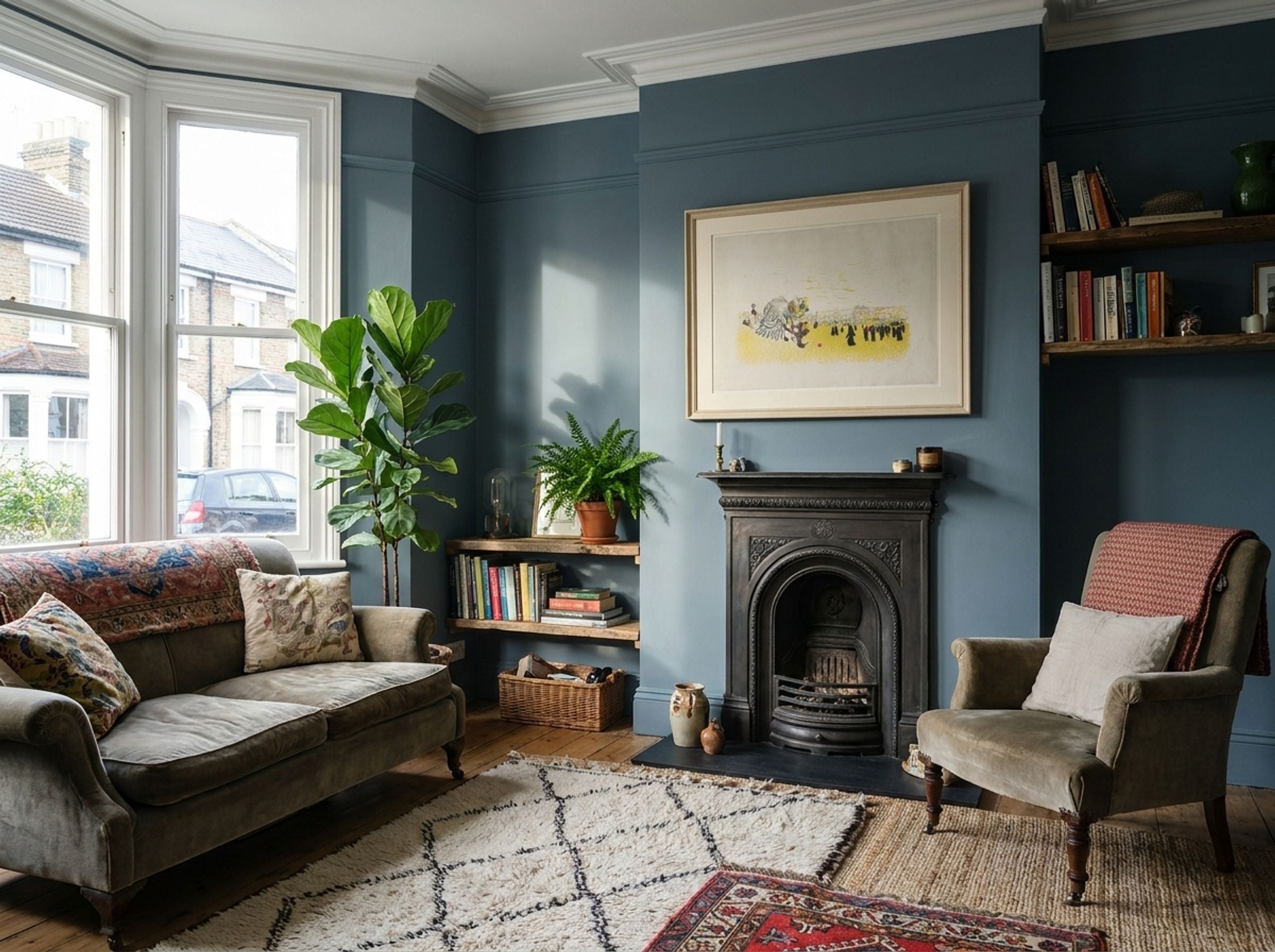 Woman and Playing Child in a Park with Walkers - Édouard Vuillard
Print · Framed
Regulärer Preis Ab £28.00 GBPAngebotspreis Ab £28.00 GBP Regulärer Preis -
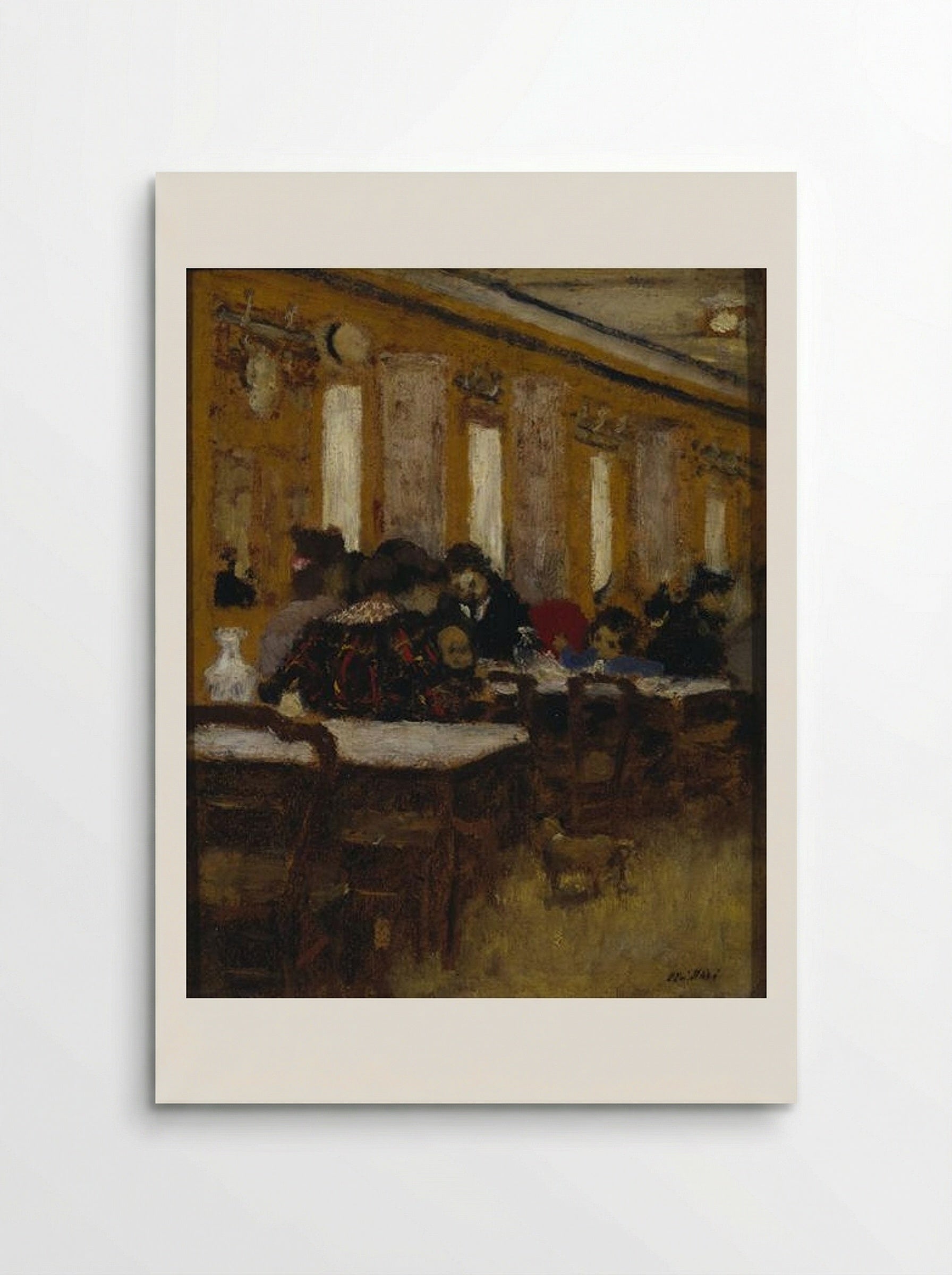
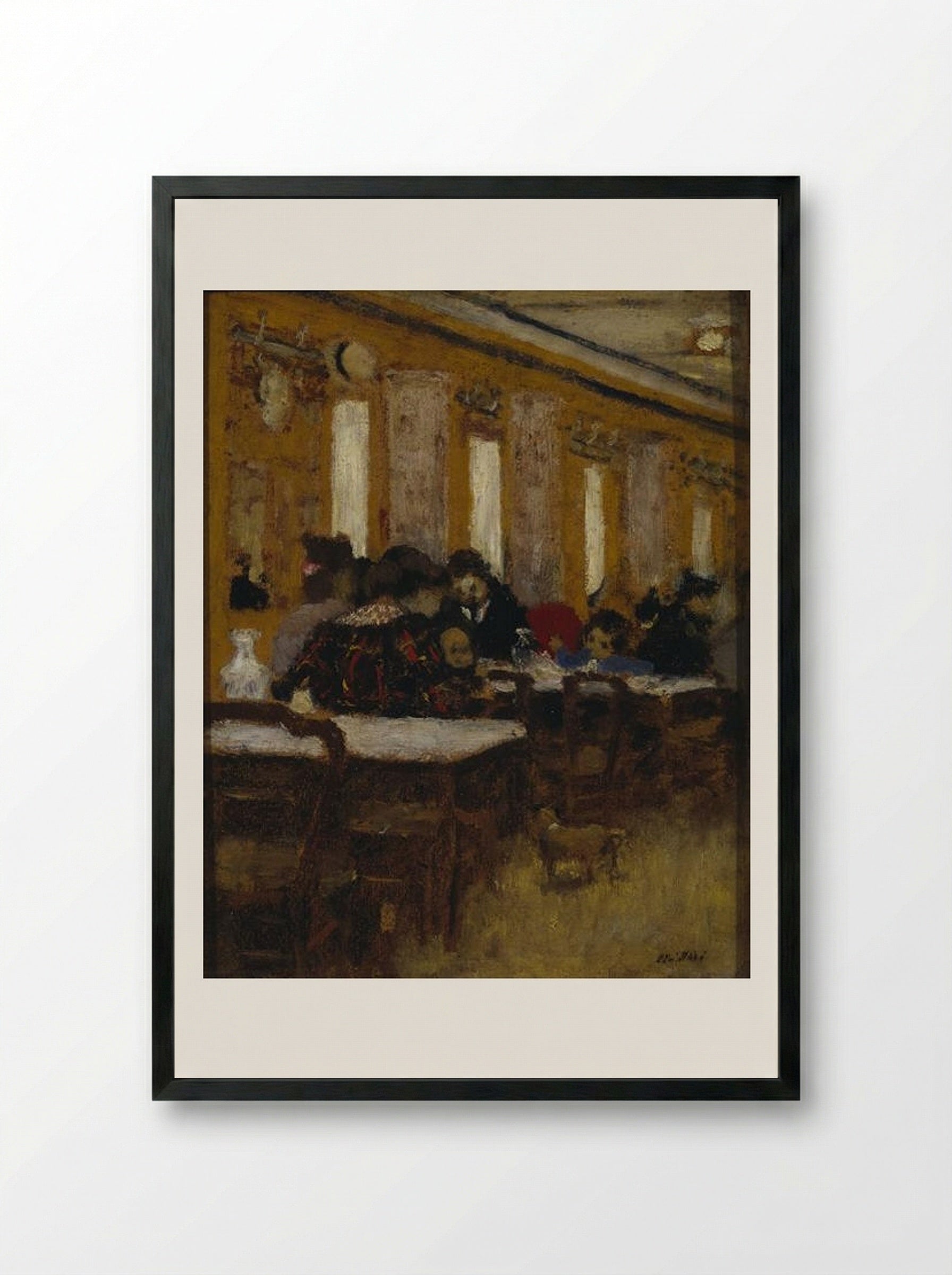 Das kleine Restaurant – Édouard Vuillard
Print · Framed
Regulärer Preis Ab £28.00 GBPAngebotspreis Ab £28.00 GBP Regulärer Preis -
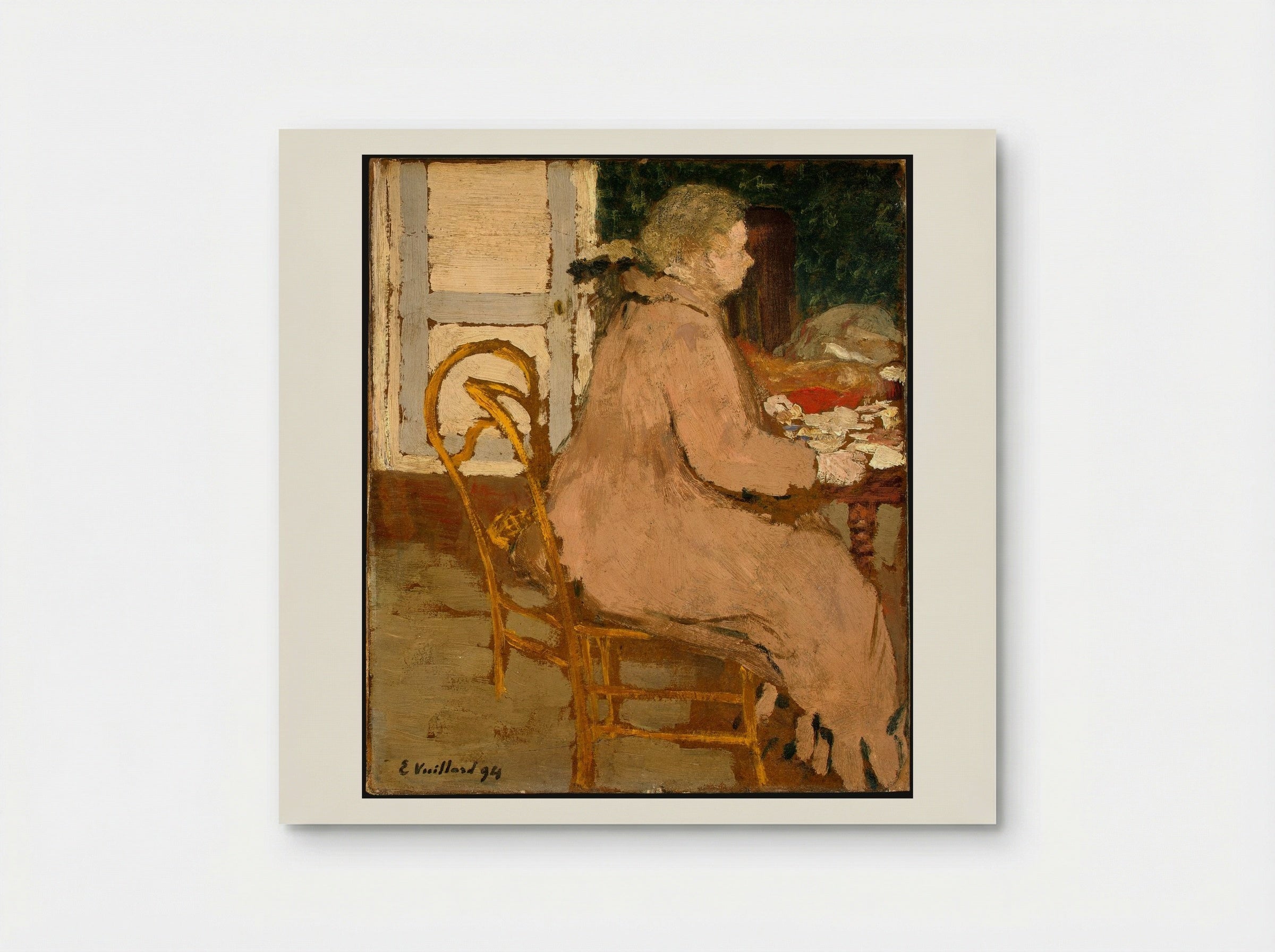
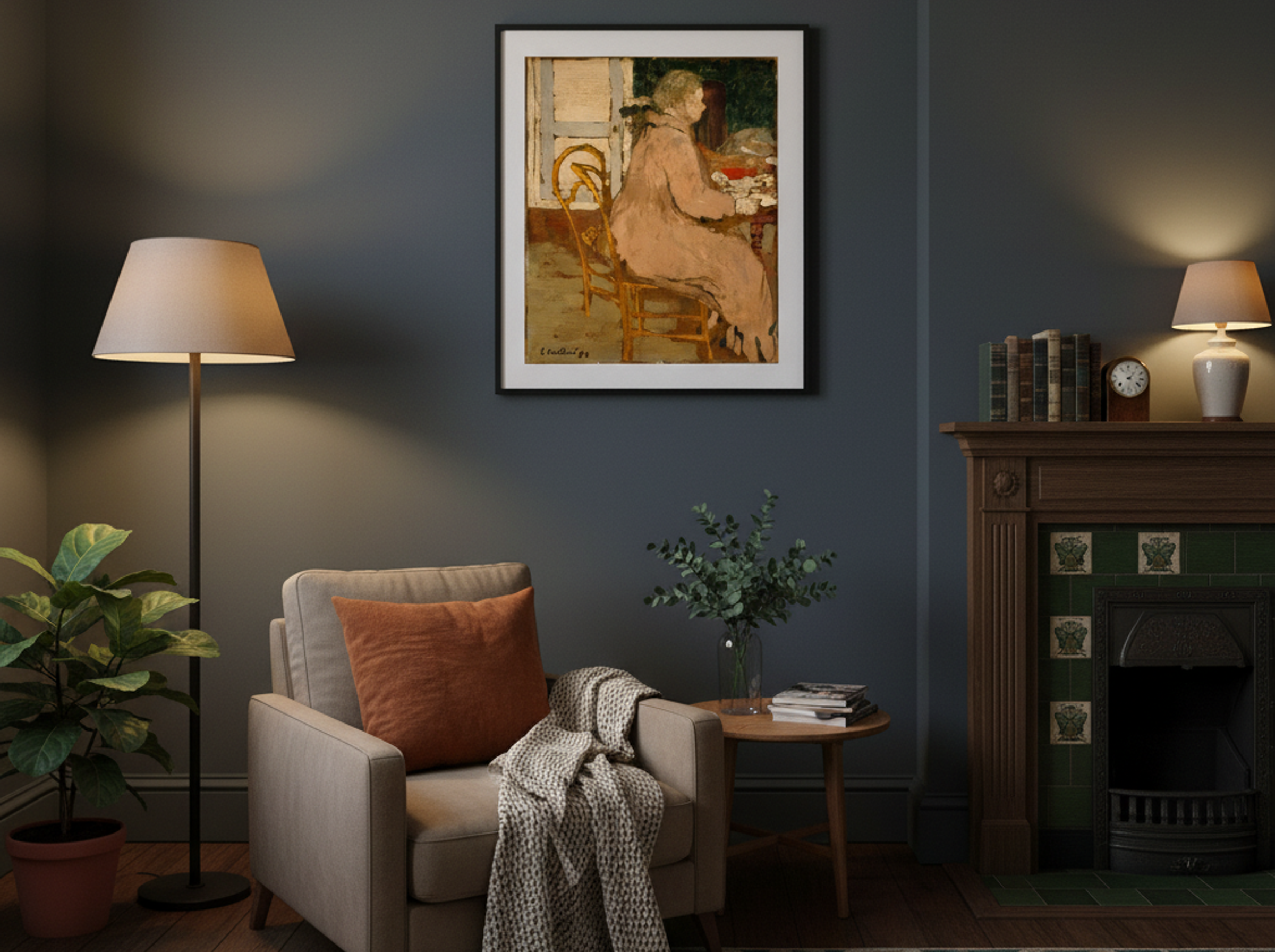 Frühstück - Édouard Vuillard
Print · Framed
Regulärer Preis Ab £37.00 GBPAngebotspreis Ab £37.00 GBP Regulärer Preis -
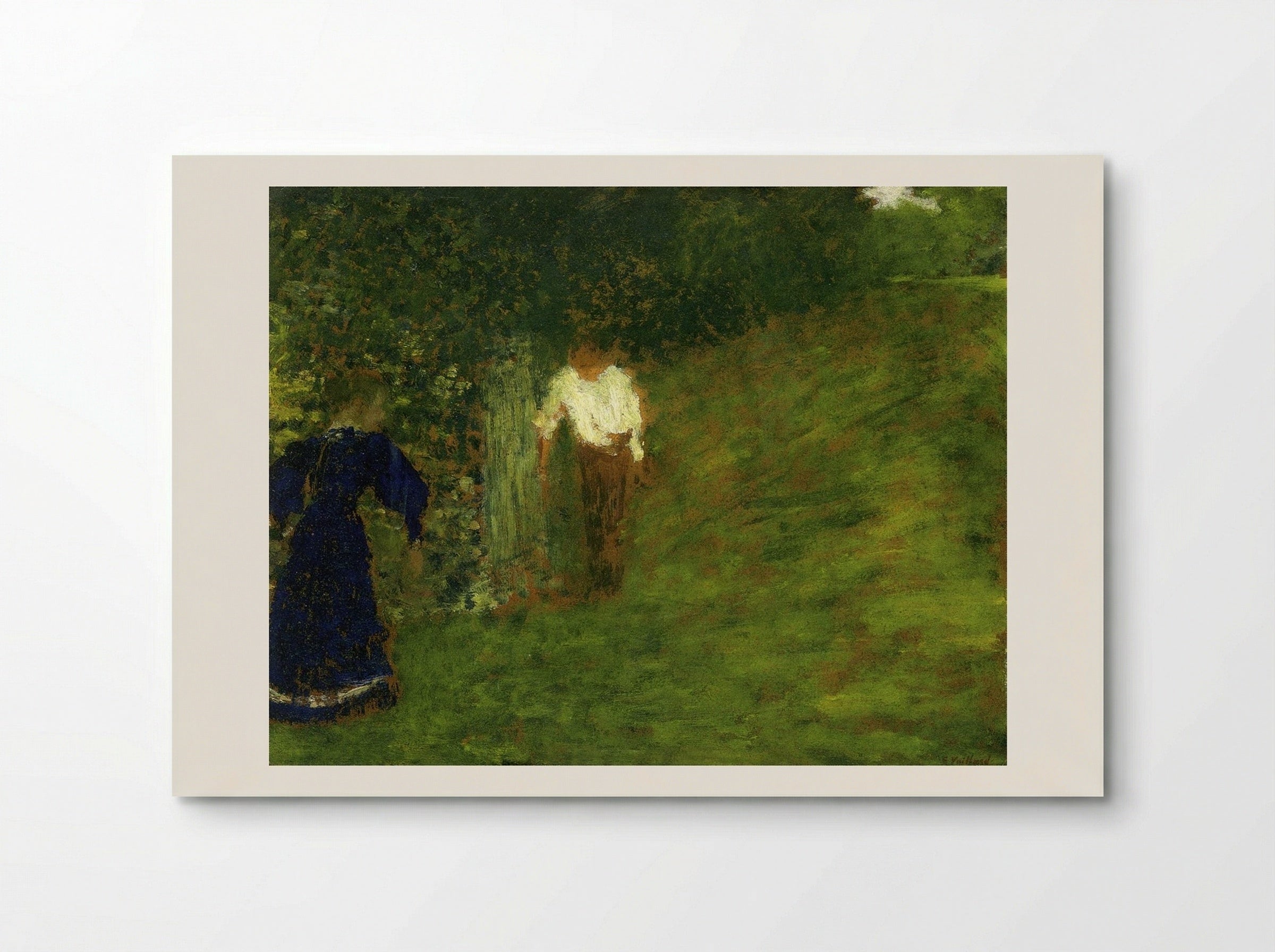
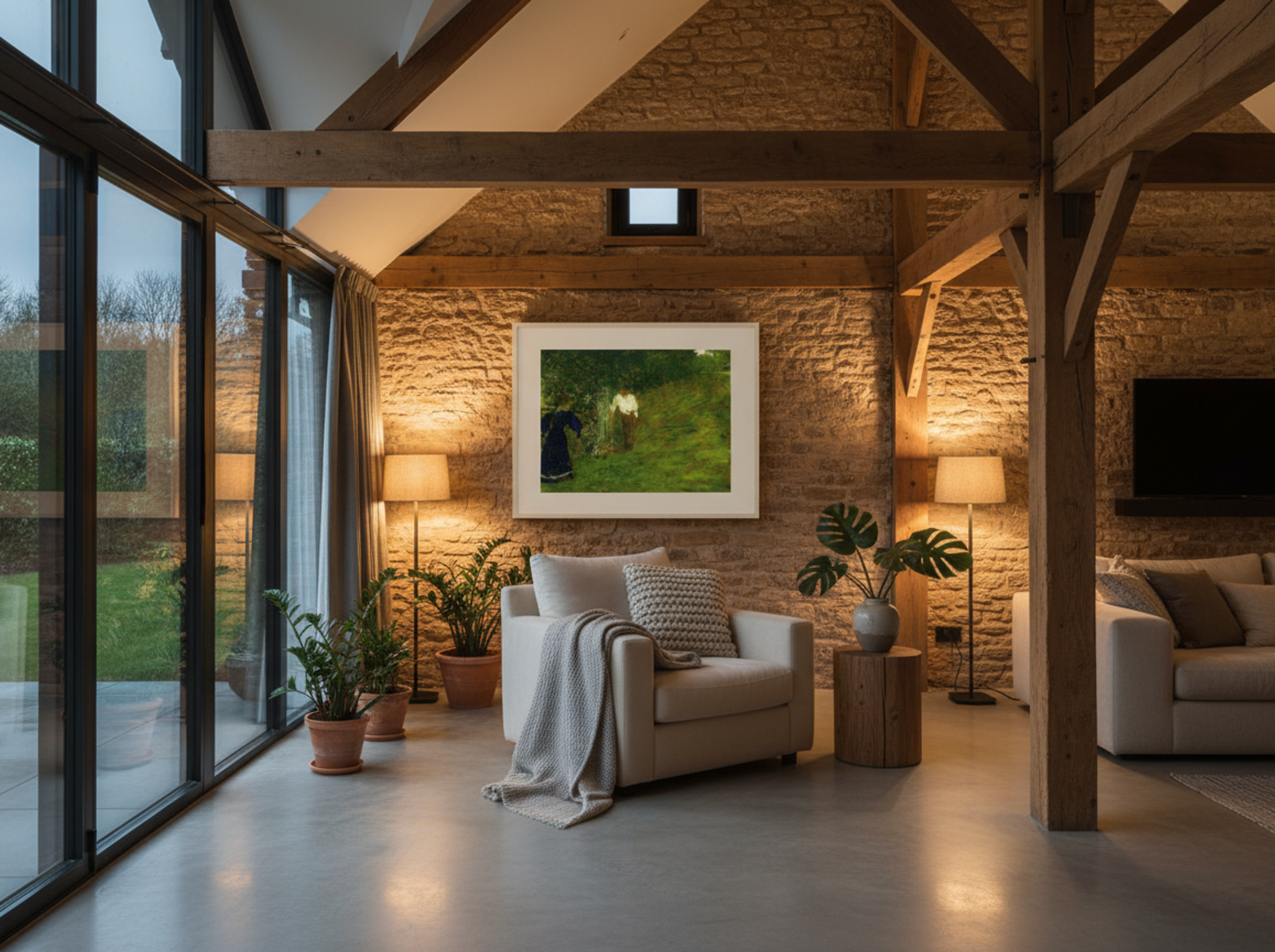 Mann und Frau unter einem Baum - Édouard Vuillard
Print · Framed
Regulärer Preis Ab £28.00 GBPAngebotspreis Ab £28.00 GBP Regulärer Preis -
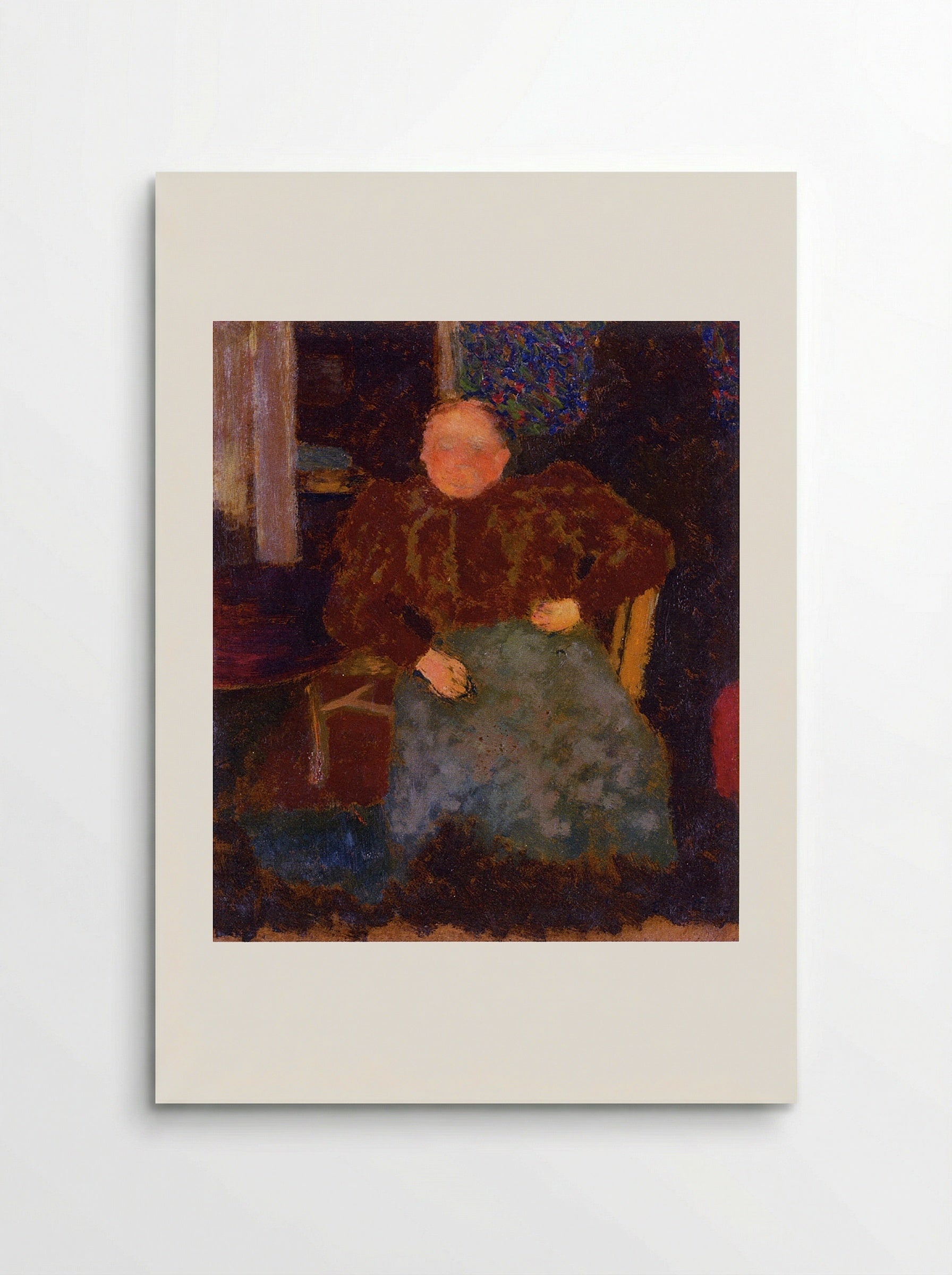
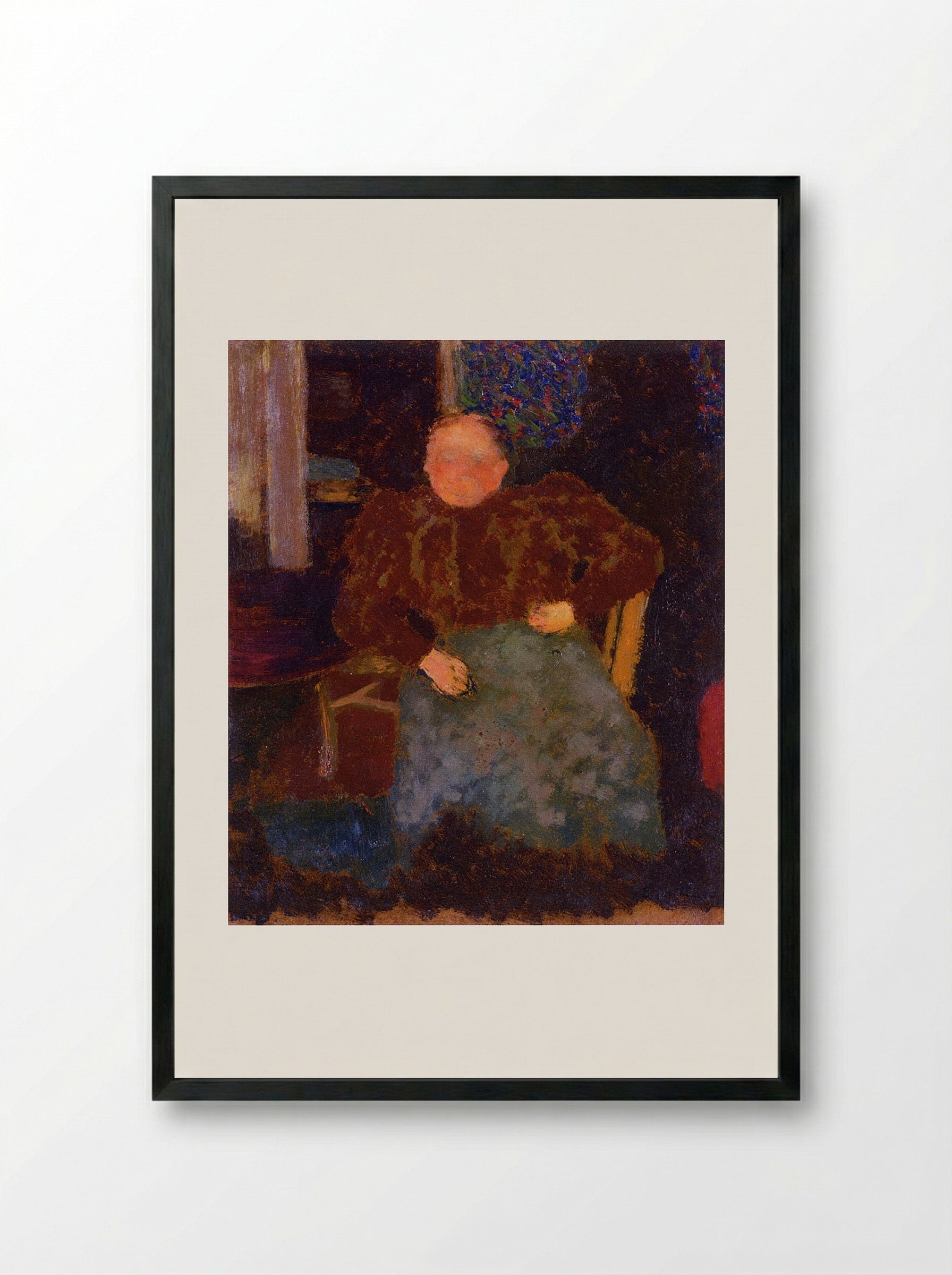 Madame Vuillard sitzend - Édouard Vuillard
Print · Framed
Regulärer Preis Ab £28.00 GBPAngebotspreis Ab £28.00 GBP Regulärer Preis -
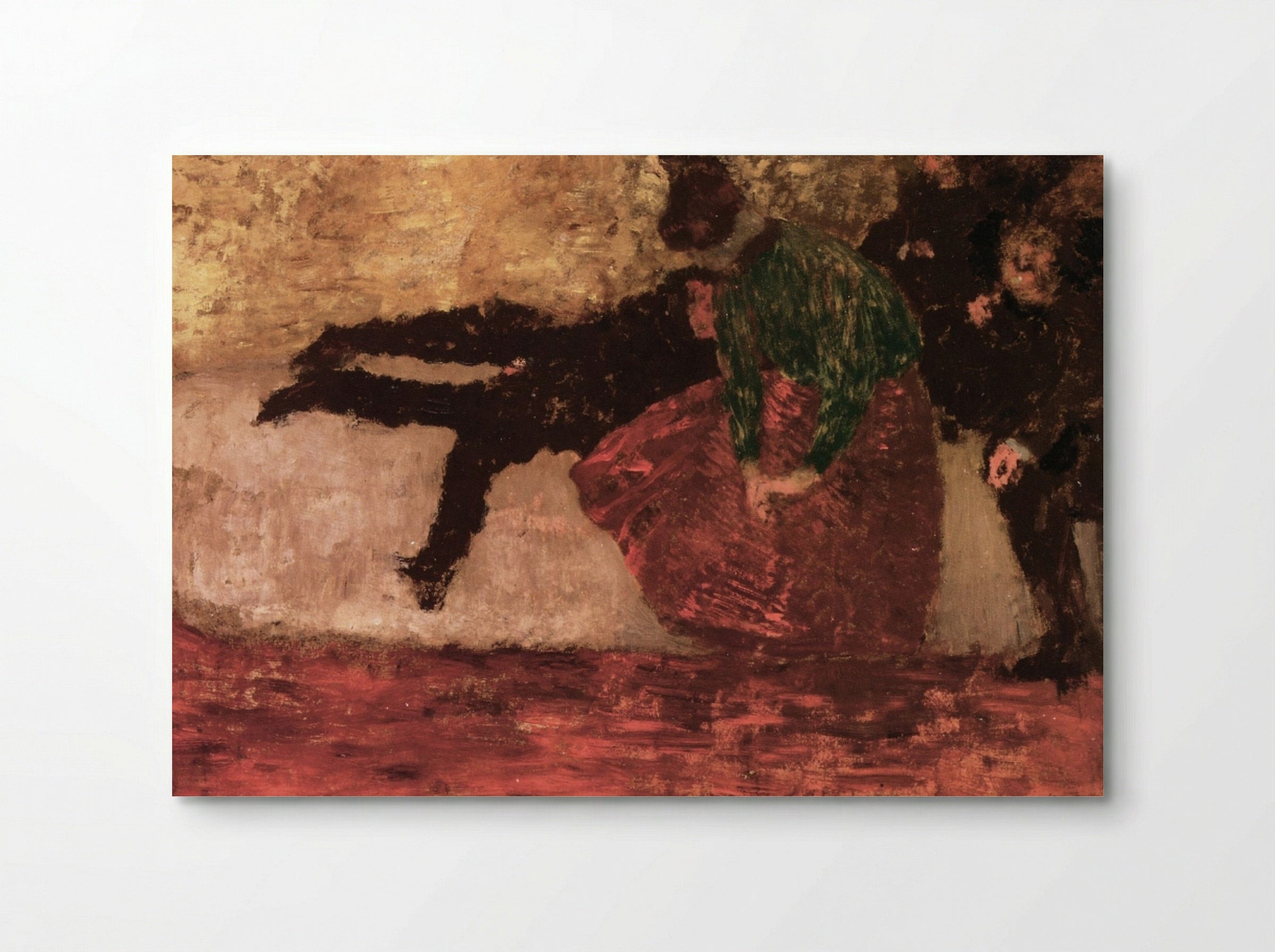
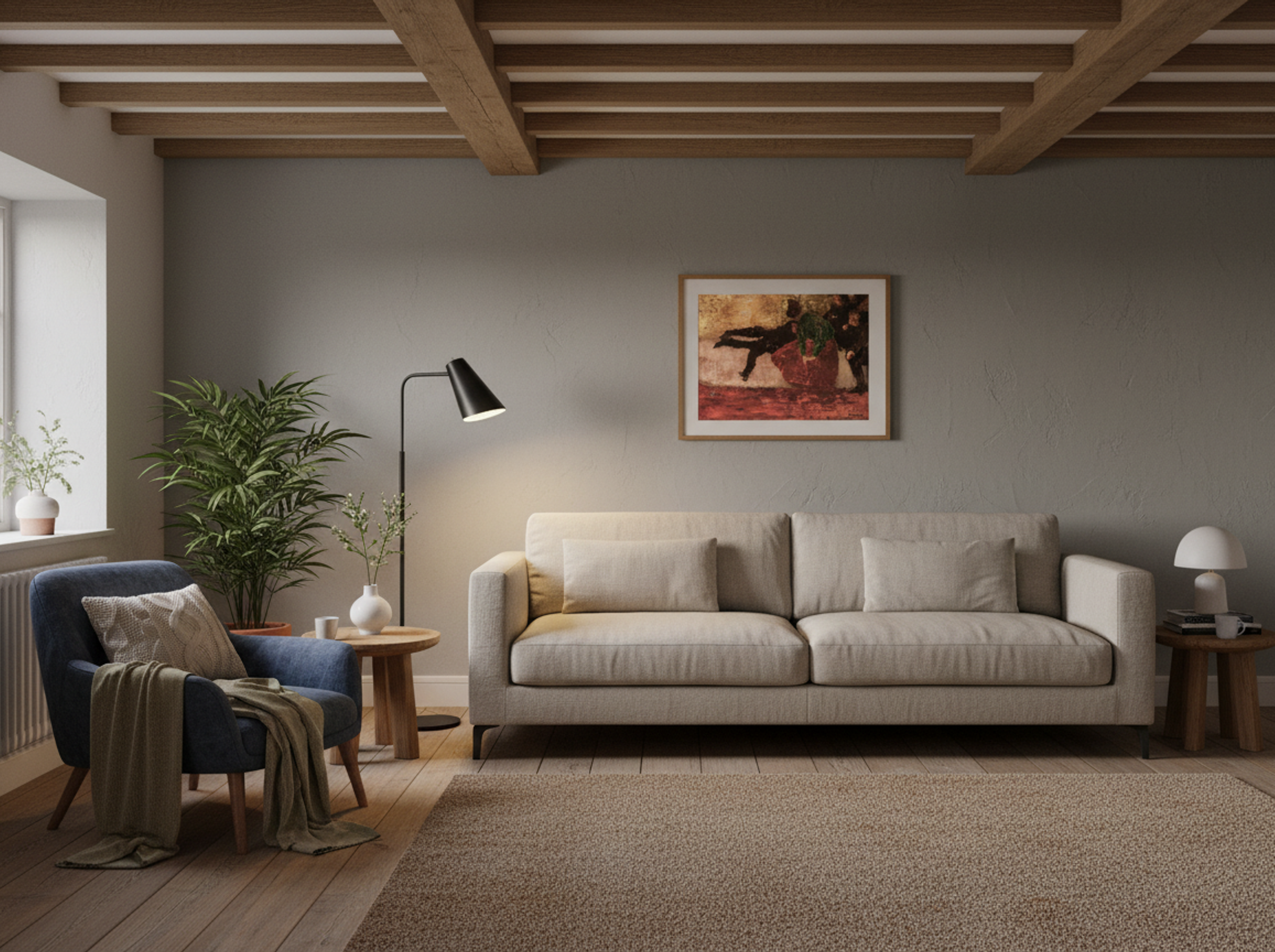 Nach dem Ball - Édouard Vuillard
Print · Framed
Regulärer Preis Ab £28.00 GBPAngebotspreis Ab £28.00 GBP Regulärer Preis -
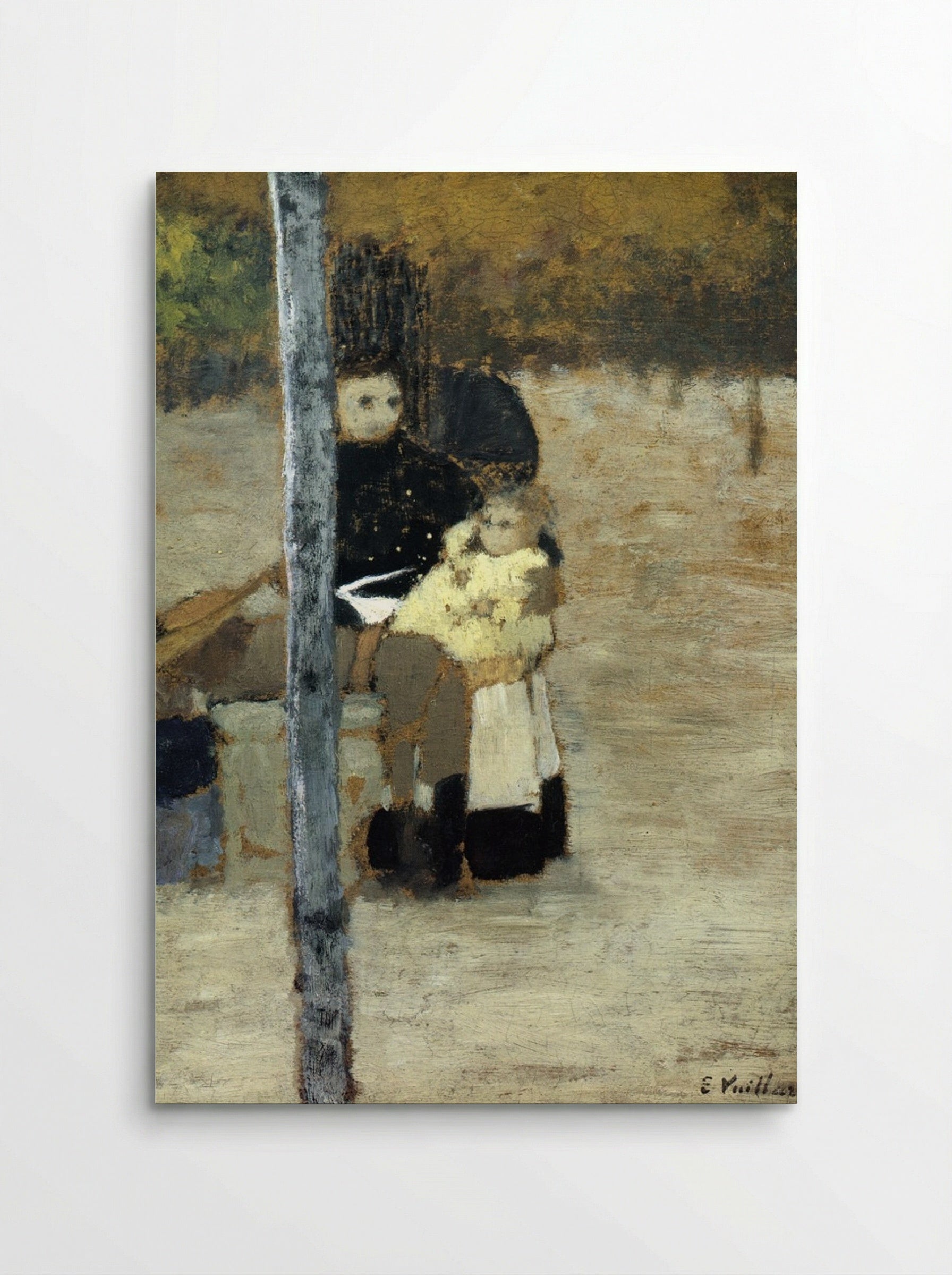
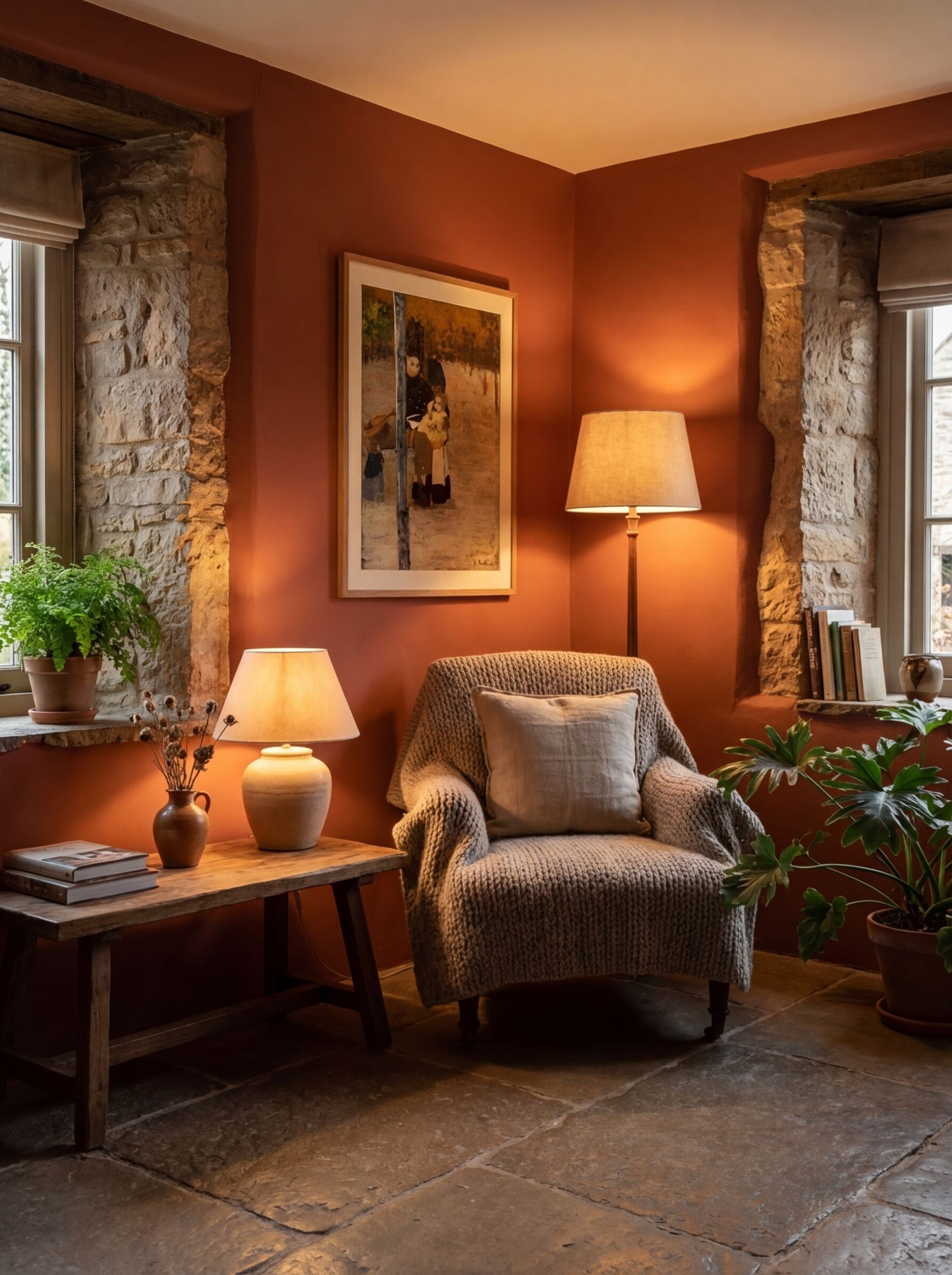 Brave Kinder - Édouard Vuillard
Print · Framed
Regulärer Preis Ab £28.00 GBPAngebotspreis Ab £28.00 GBP Regulärer Preis -
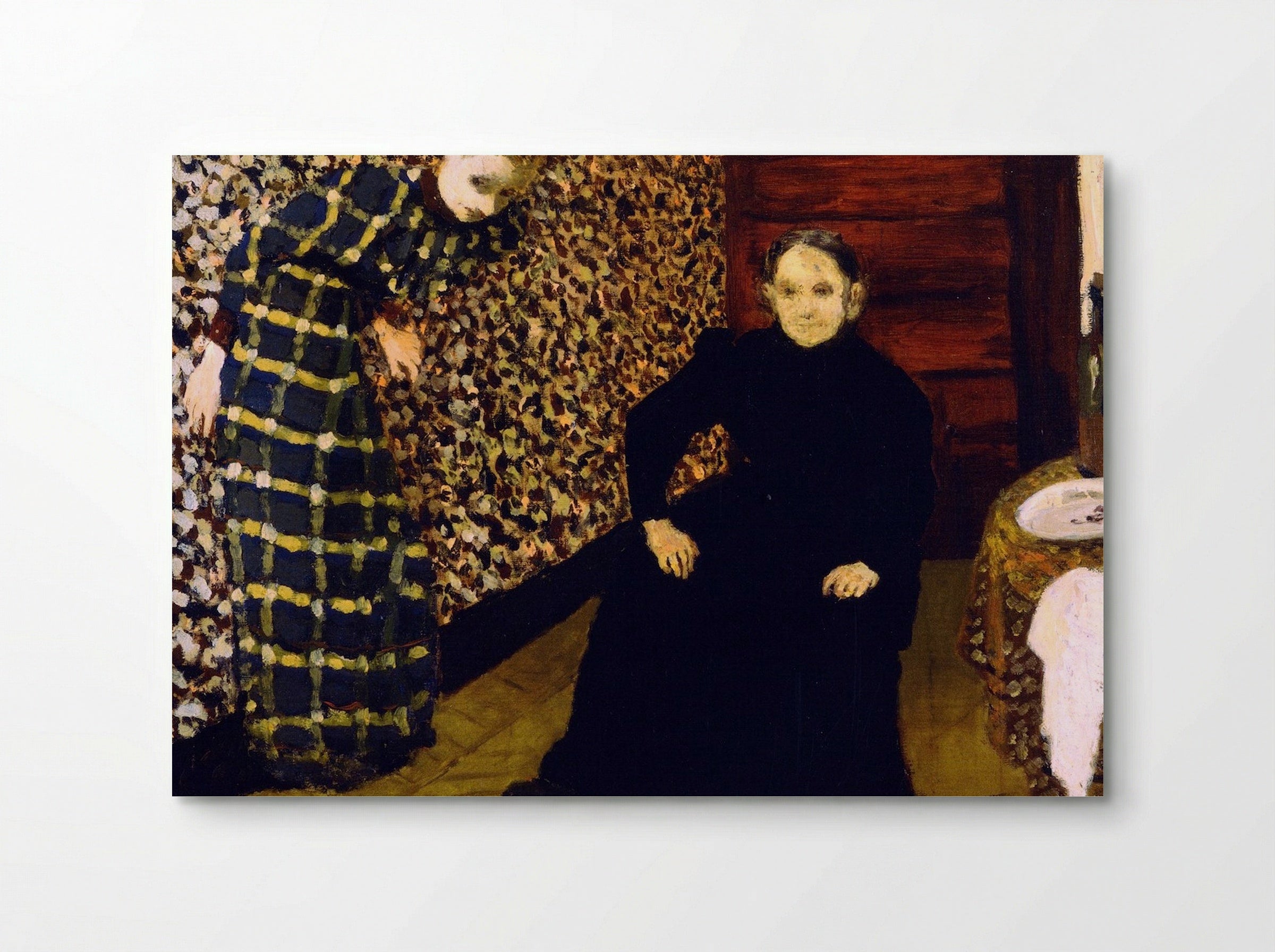
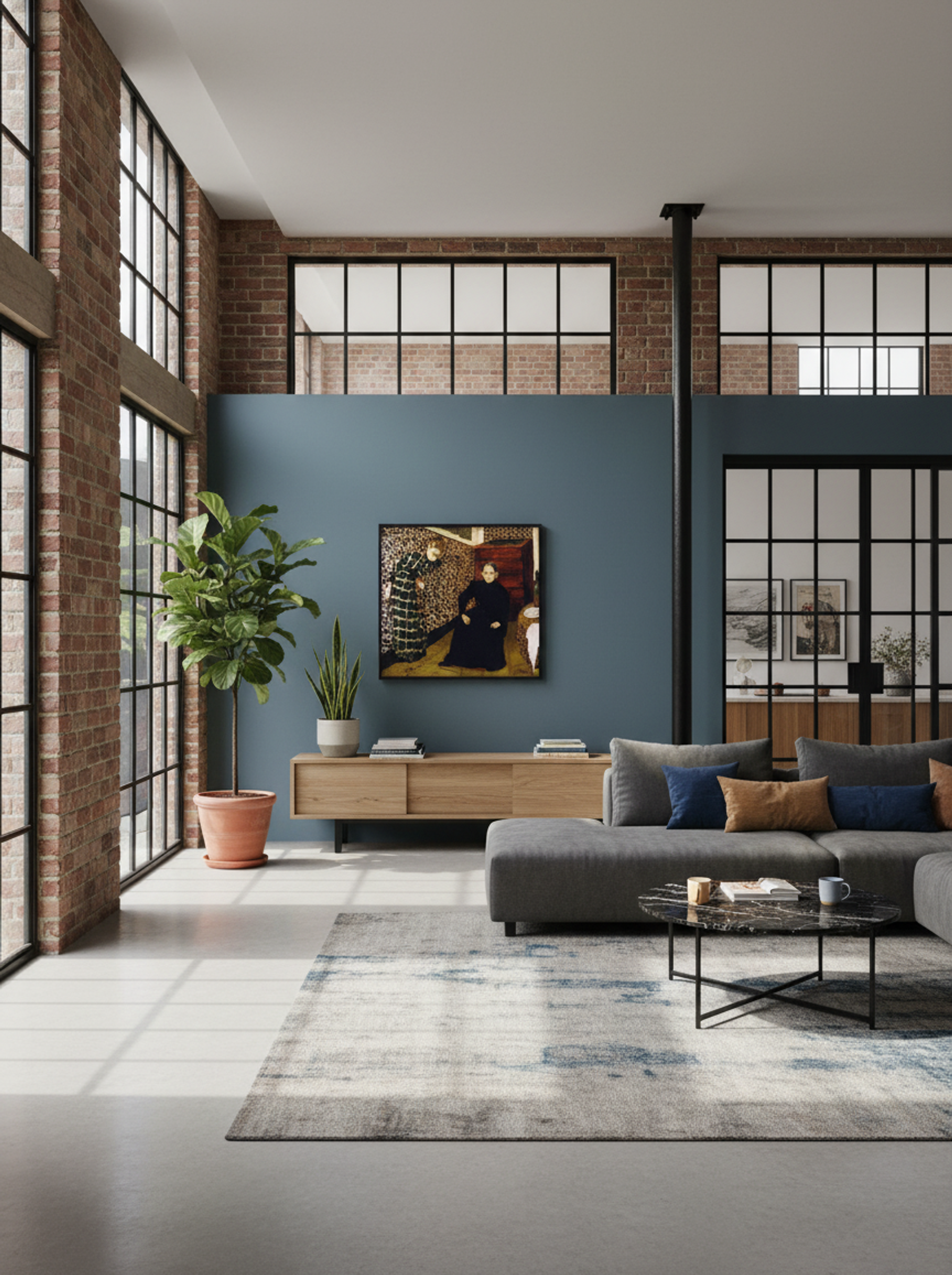 Interieur mit Mutter und Schwester des Künstlers - Édouard Vuillard
Print · Framed
Regulärer Preis Ab £28.00 GBPAngebotspreis Ab £28.00 GBP Regulärer Preis -
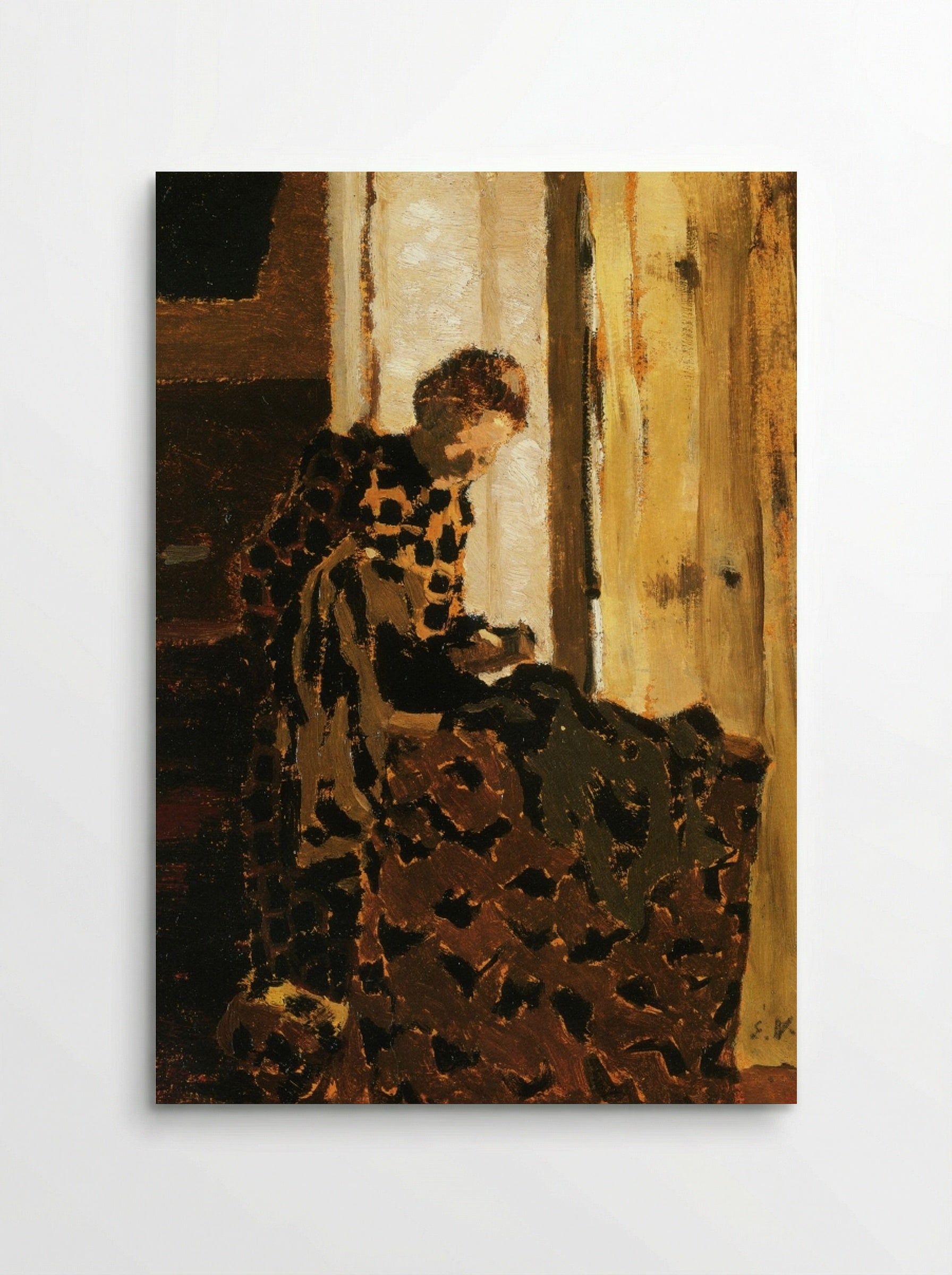
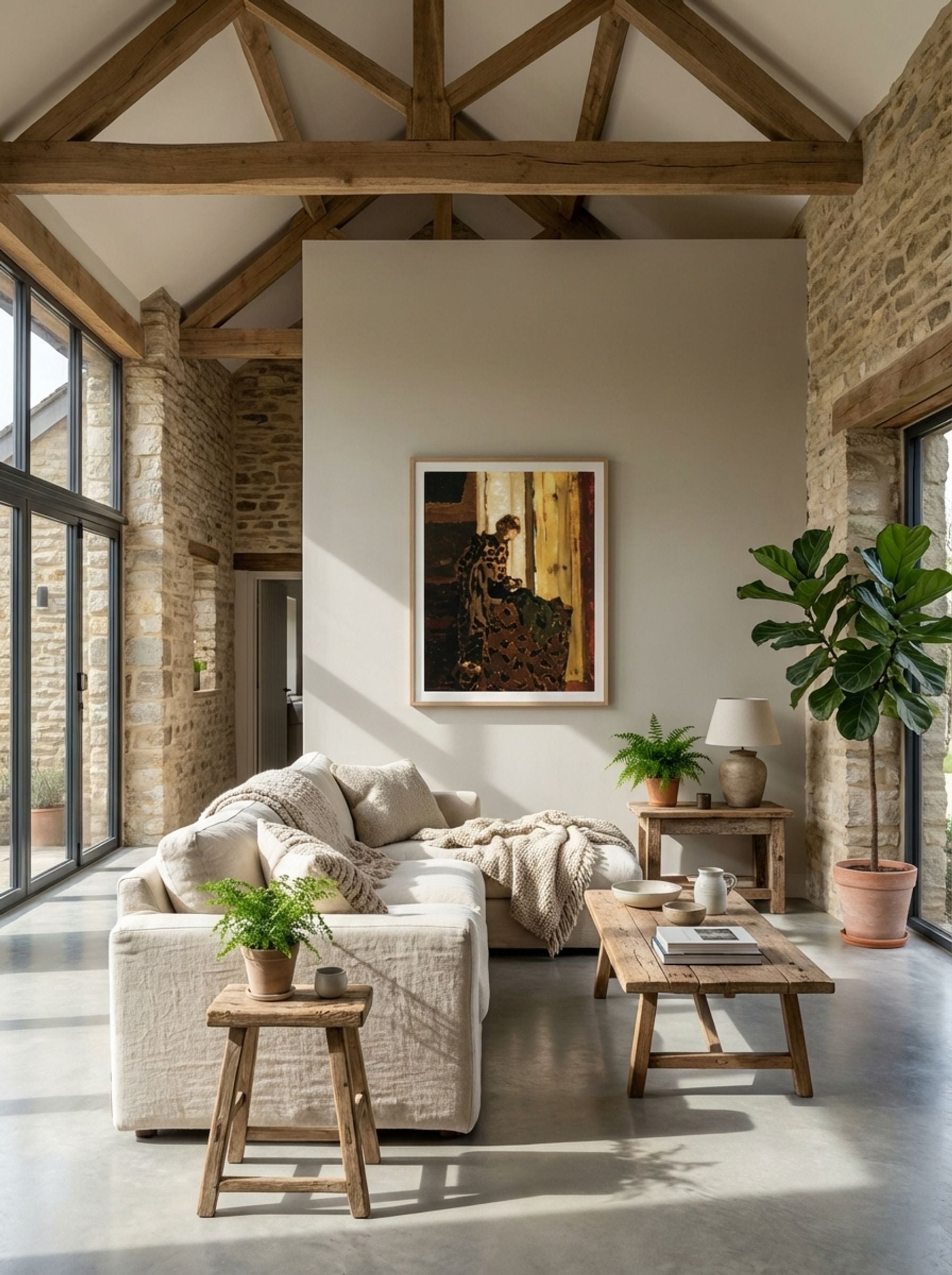 Frau, die ein Kleidungsstück bürstet – Édouard Vuillard
Print · Framed
Regulärer Preis Ab £28.00 GBPAngebotspreis Ab £28.00 GBP Regulärer Preis -
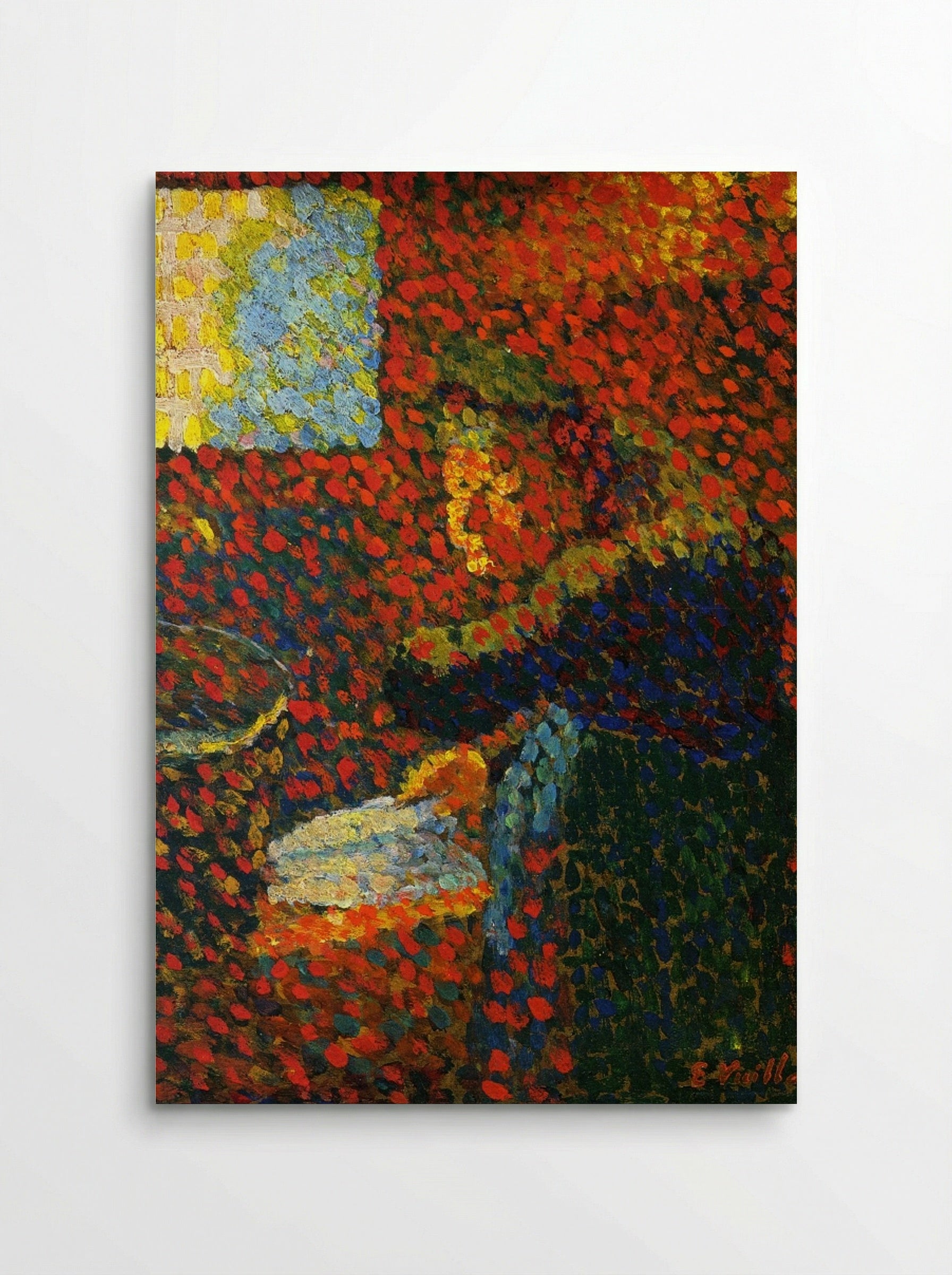
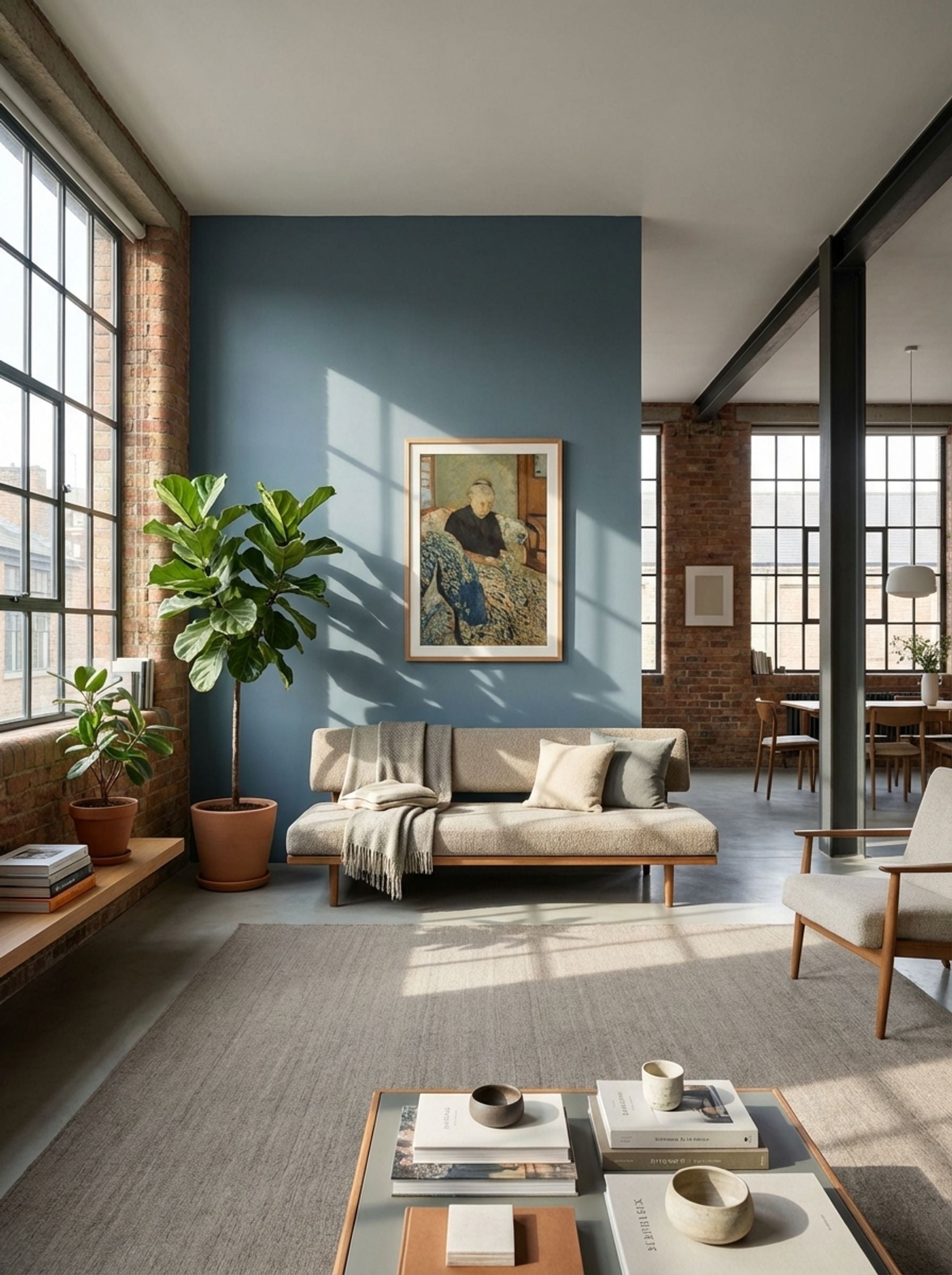 Meine Großmutter - Édouard Vuillard
Print · Framed
Regulärer Preis Ab £28.00 GBPAngebotspreis Ab £28.00 GBP Regulärer Preis -
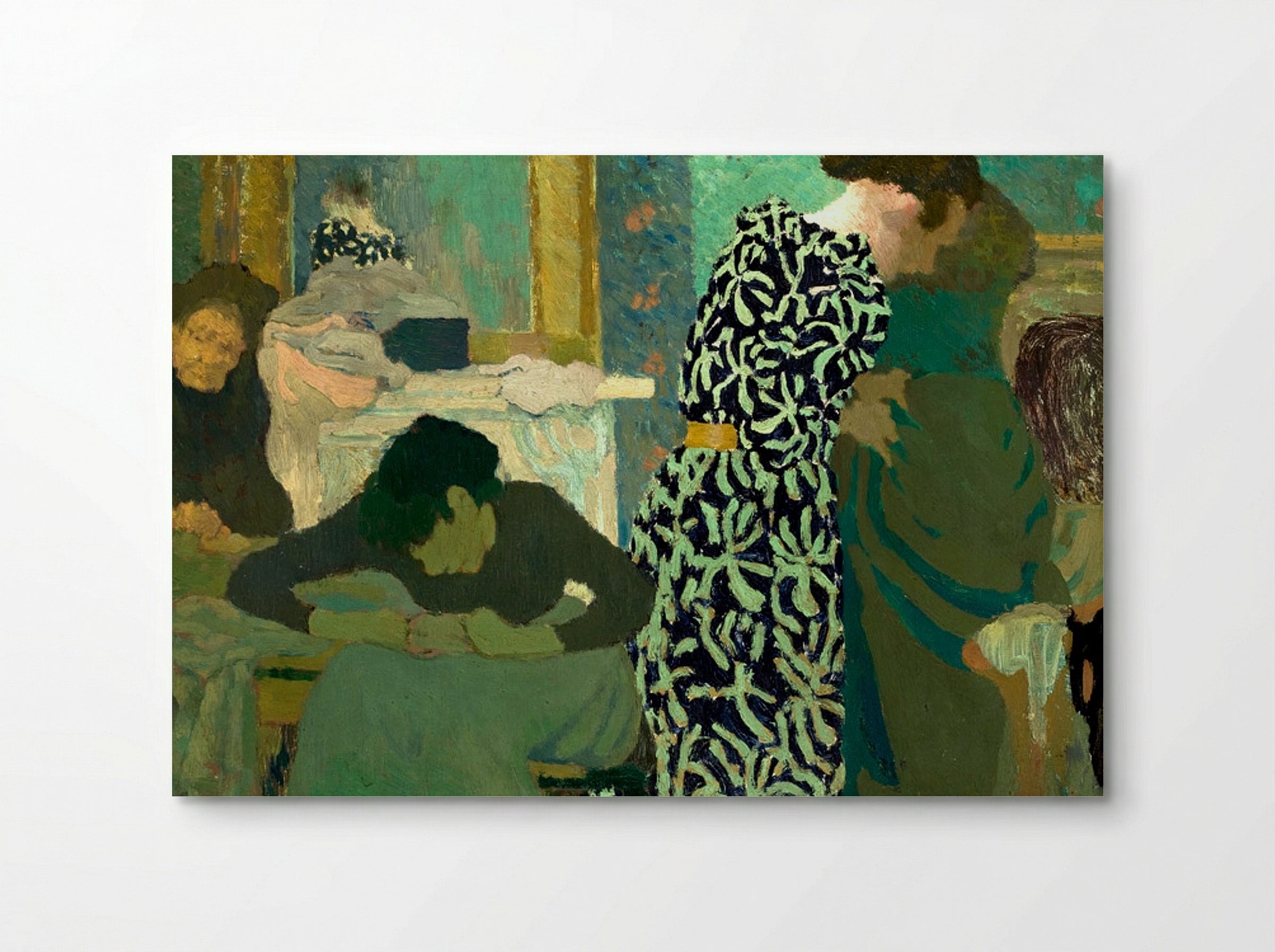
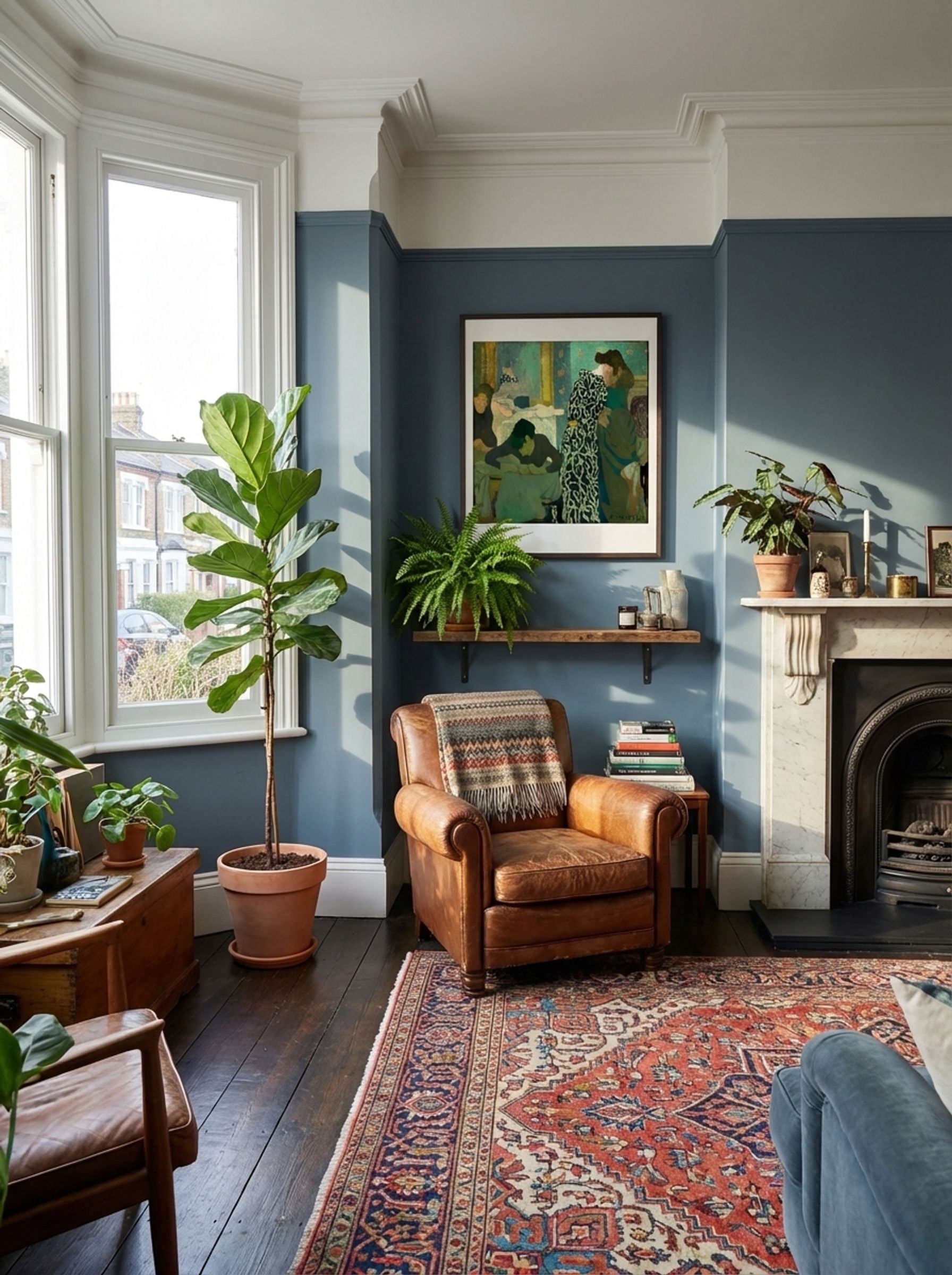 Das geblümte Kleid – Édouard Vuillard
Print · Framed
Regulärer Preis Ab £28.00 GBPAngebotspreis Ab £28.00 GBP Regulärer Preis -
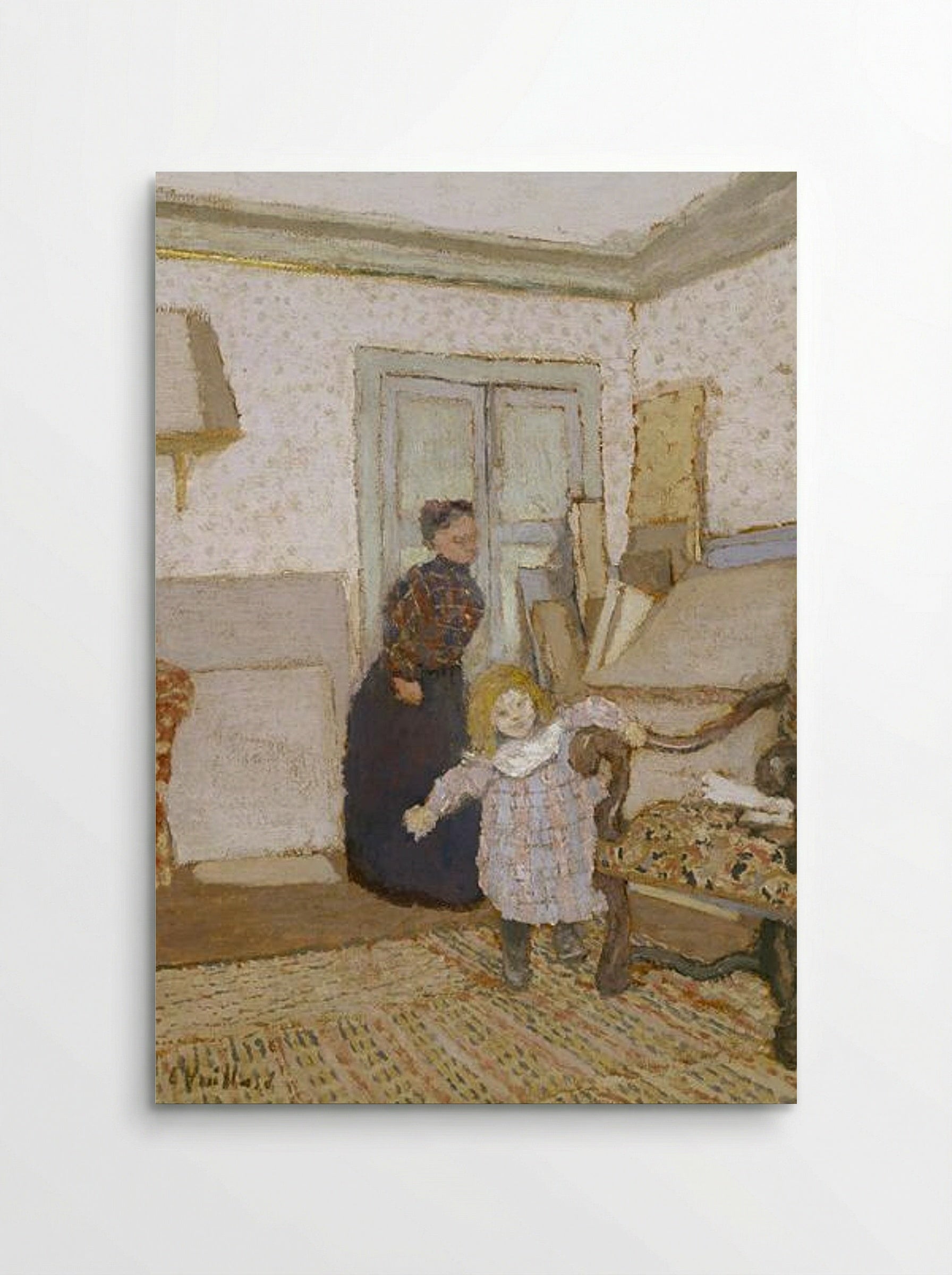
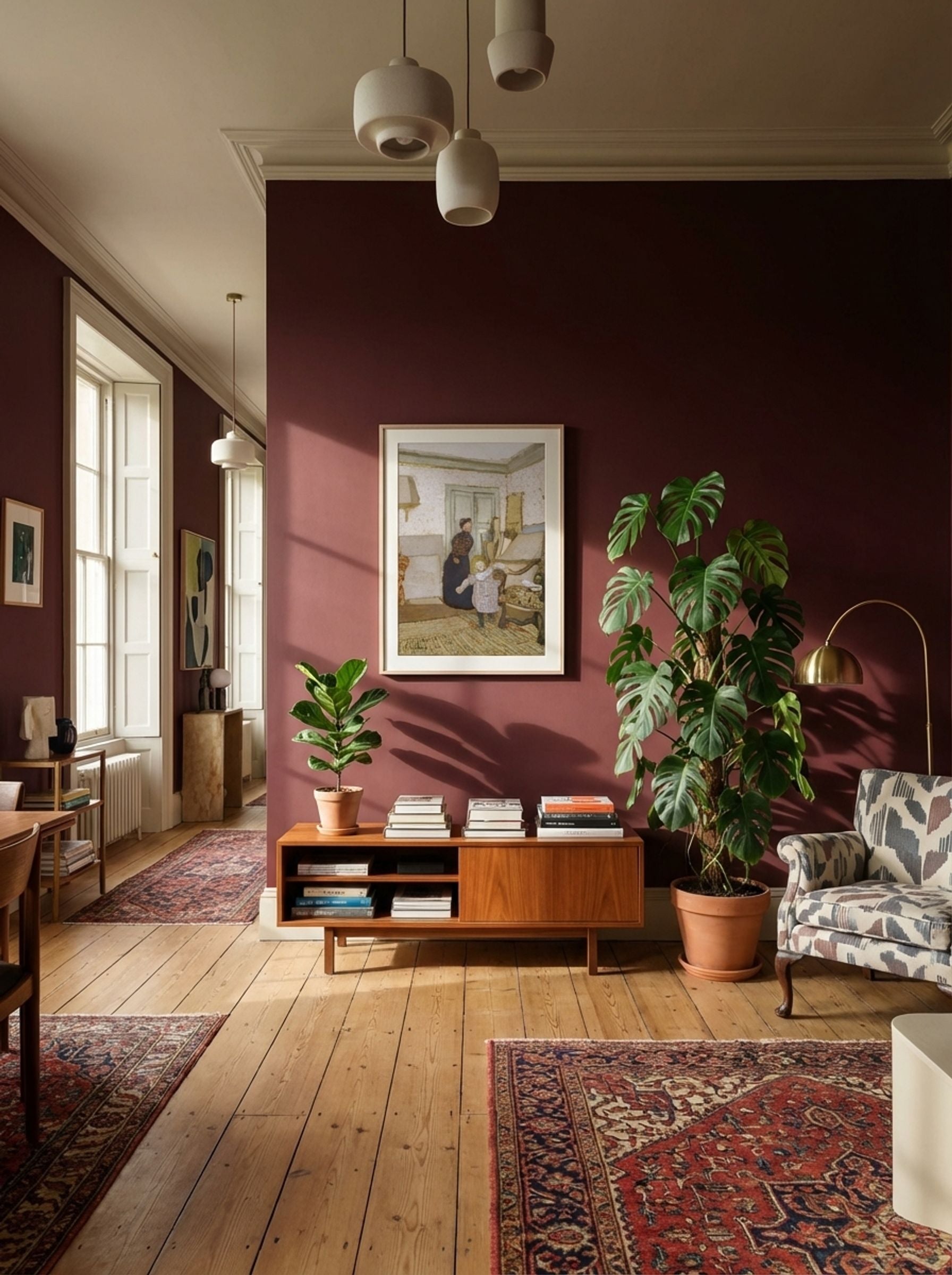 Die ersten Schritte - Édouard Vuillard
Print · Framed
Regulärer Preis Ab £28.00 GBPAngebotspreis Ab £28.00 GBP Regulärer Preis

Artist Biography
Edouard Vuillard
Vuillard's father was a retired naval captain, twenty-seven years older than his mother. When the father died, Edouard was fifteen. His mother, a seamstress who ran a corset and dressmaking business from home, became the centre of his life and stayed there. They shared a series of small Parisian apartments until her death in 1928. He painted her more than five hundred times over four decades.
He joined the Nabis in the early 1890s, a group of young painters who took their name from the Hebrew word for prophets. The others (Bonnard, Denis, Serusier) were drawn to mysticism and esoteric philosophy. Vuillard was drawn to the interior. His mother's workroom, with its bolts of fabric, wallpaper patterns, and women in patterned dresses, became his subject. The paintings flatten space: the figure merges with the wallpaper, the dress dissolves into the upholstery, the room becomes a single surface of competing patterns. Critics called the approach Intimism.
He painted almost exclusively domestic scenes: rooms, tables, women sewing, women reading. The scale is modest. The colours are muted. There is no drama, no allegory, no mythology. The work assumes that a woman sitting in a chair in a room with good light is enough to make a painting, which it is.
He never married. He lived with his mother until she died and then lived alone. In the late twentieth century, historians began to reassess his decorative work (screens, murals, theatre sets for Lugne-Poe's Theatre de l'Oeuvre) and recognised that the small domestic paintings were not minor work but a deliberate programme: the interior as a subject equal to landscape or history.
He joined the Nabis in the early 1890s, a group of young painters who took their name from the Hebrew word for prophets. The others (Bonnard, Denis, Serusier) were drawn to mysticism and esoteric philosophy. Vuillard was drawn to the interior. His mother's workroom, with its bolts of fabric, wallpaper patterns, and women in patterned dresses, became his subject. The paintings flatten space: the figure merges with the wallpaper, the dress dissolves into the upholstery, the room becomes a single surface of competing patterns. Critics called the approach Intimism.
He painted almost exclusively domestic scenes: rooms, tables, women sewing, women reading. The scale is modest. The colours are muted. There is no drama, no allegory, no mythology. The work assumes that a woman sitting in a chair in a room with good light is enough to make a painting, which it is.
He never married. He lived with his mother until she died and then lived alone. In the late twentieth century, historians began to reassess his decorative work (screens, murals, theatre sets for Lugne-Poe's Theatre de l'Oeuvre) and recognised that the small domestic paintings were not minor work but a deliberate programme: the interior as a subject equal to landscape or history.


Warum uns wählen?