

Sammlung
David Roberts
Entdecken Sie kuratierte Kunstdrucke, ausgewählt für individuelle Wohnräume und durchdachte Interieurs.
Vorgeschlagene Filter
-
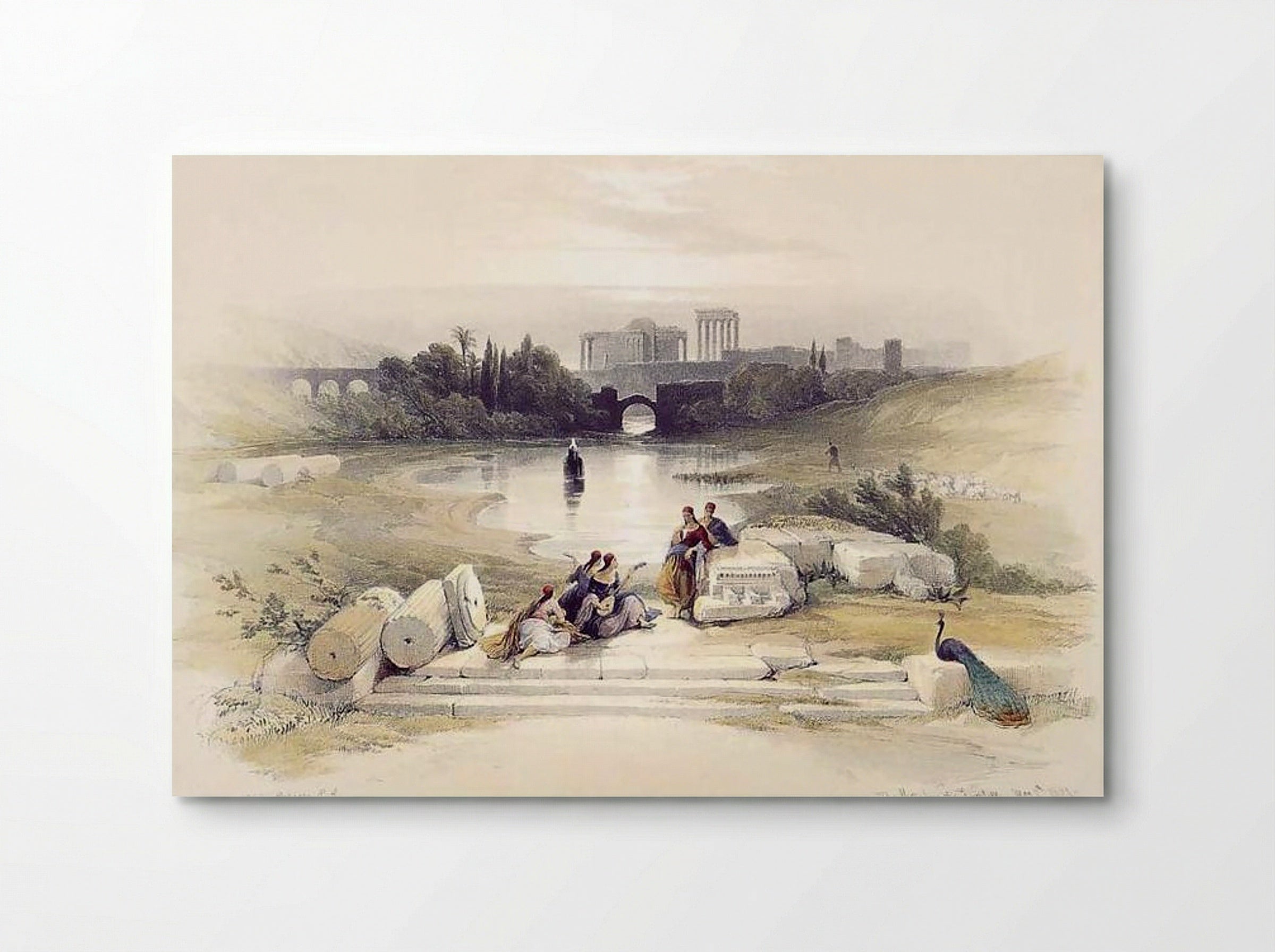
 Baalbek, vom Brunnen aus gesehen - David Roberts
Print · Framed
Regulärer Preis Ab £28.00 GBPAngebotspreis Ab £28.00 GBP Regulärer Preis -
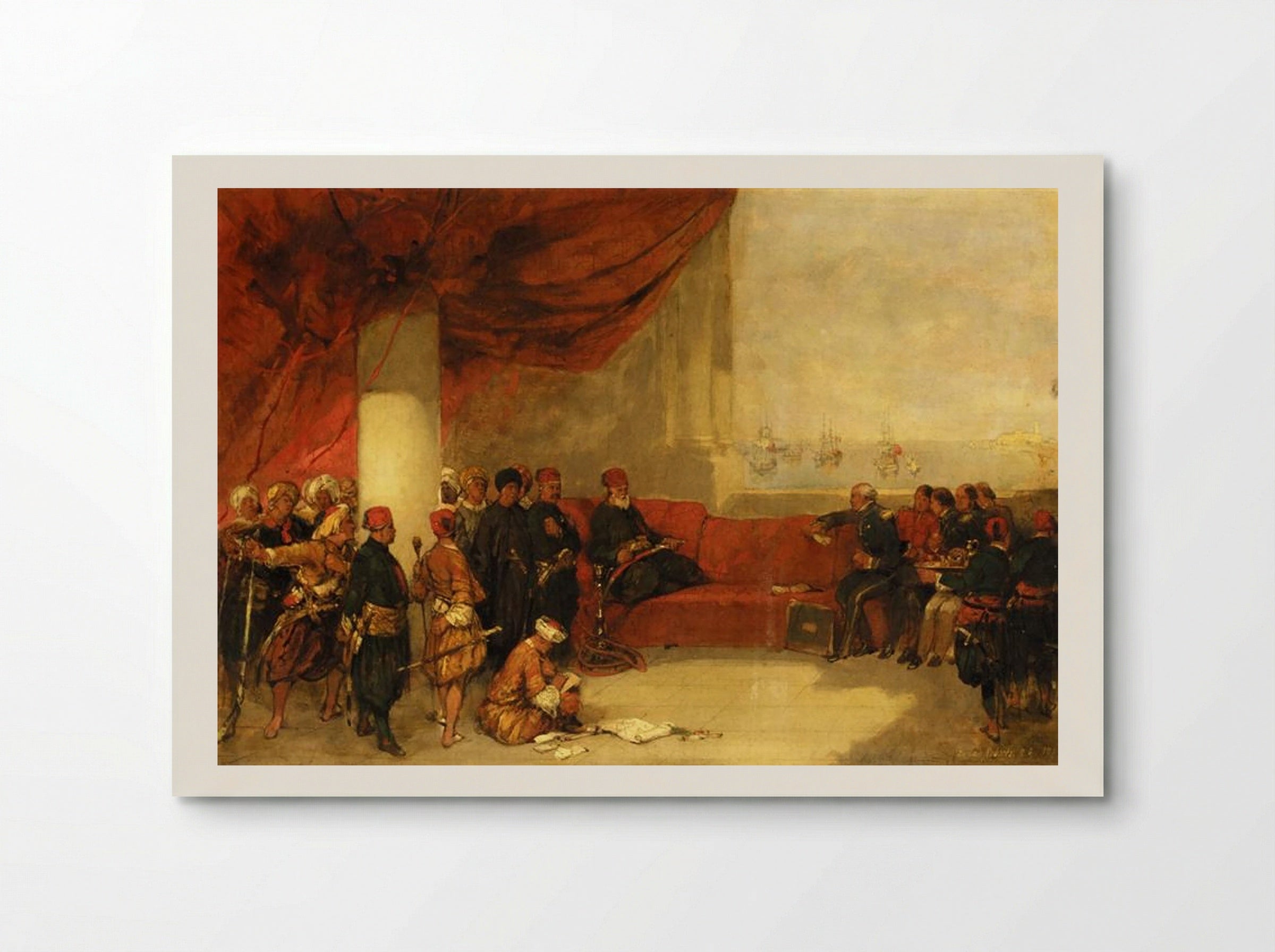
 Interview mit dem Vizekönig von Ägypten in seinem Palast in Alexandria – David Roberts
Print · Framed
Regulärer Preis Ab £28.00 GBPAngebotspreis Ab £28.00 GBP Regulärer Preis -
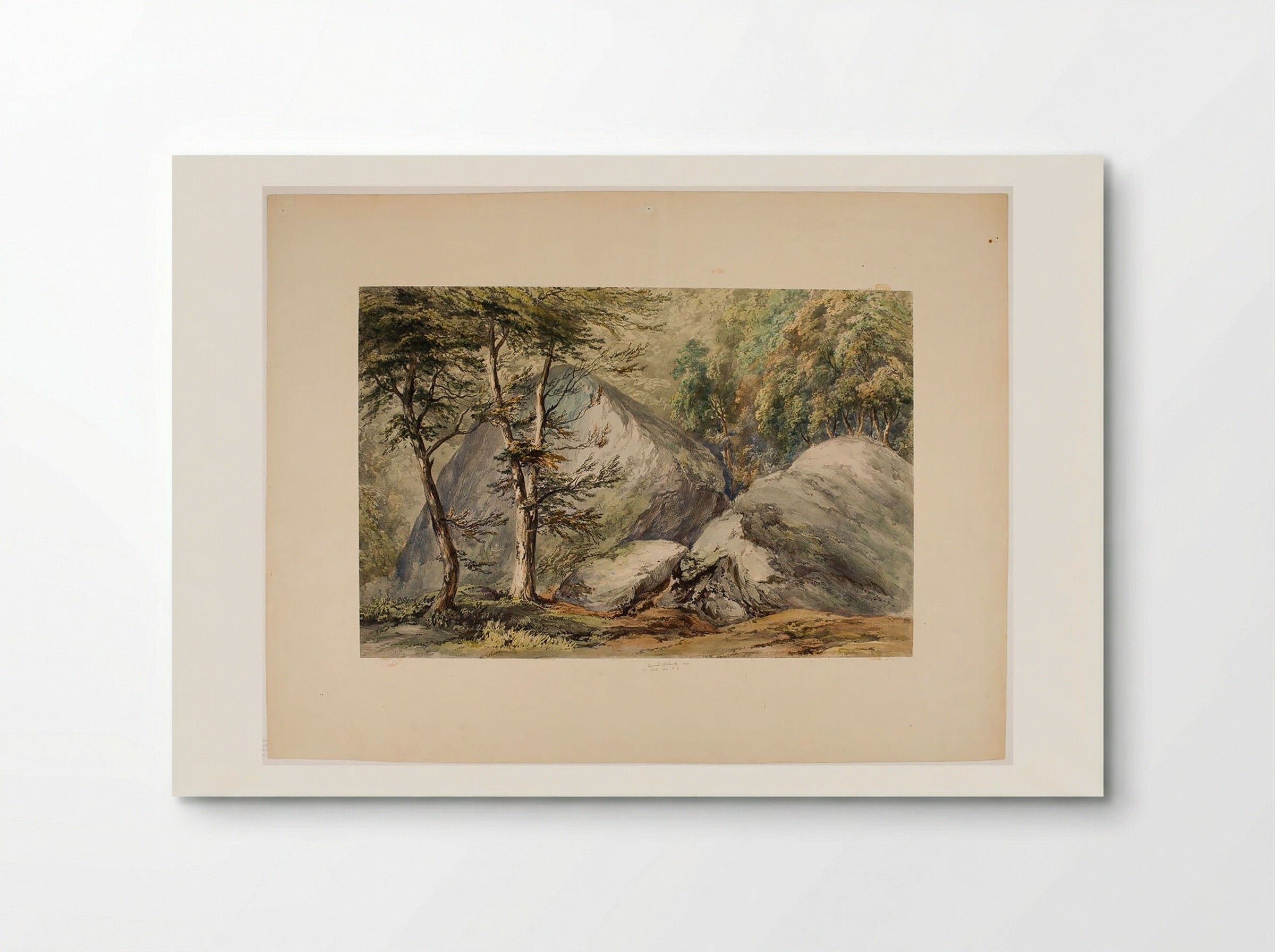
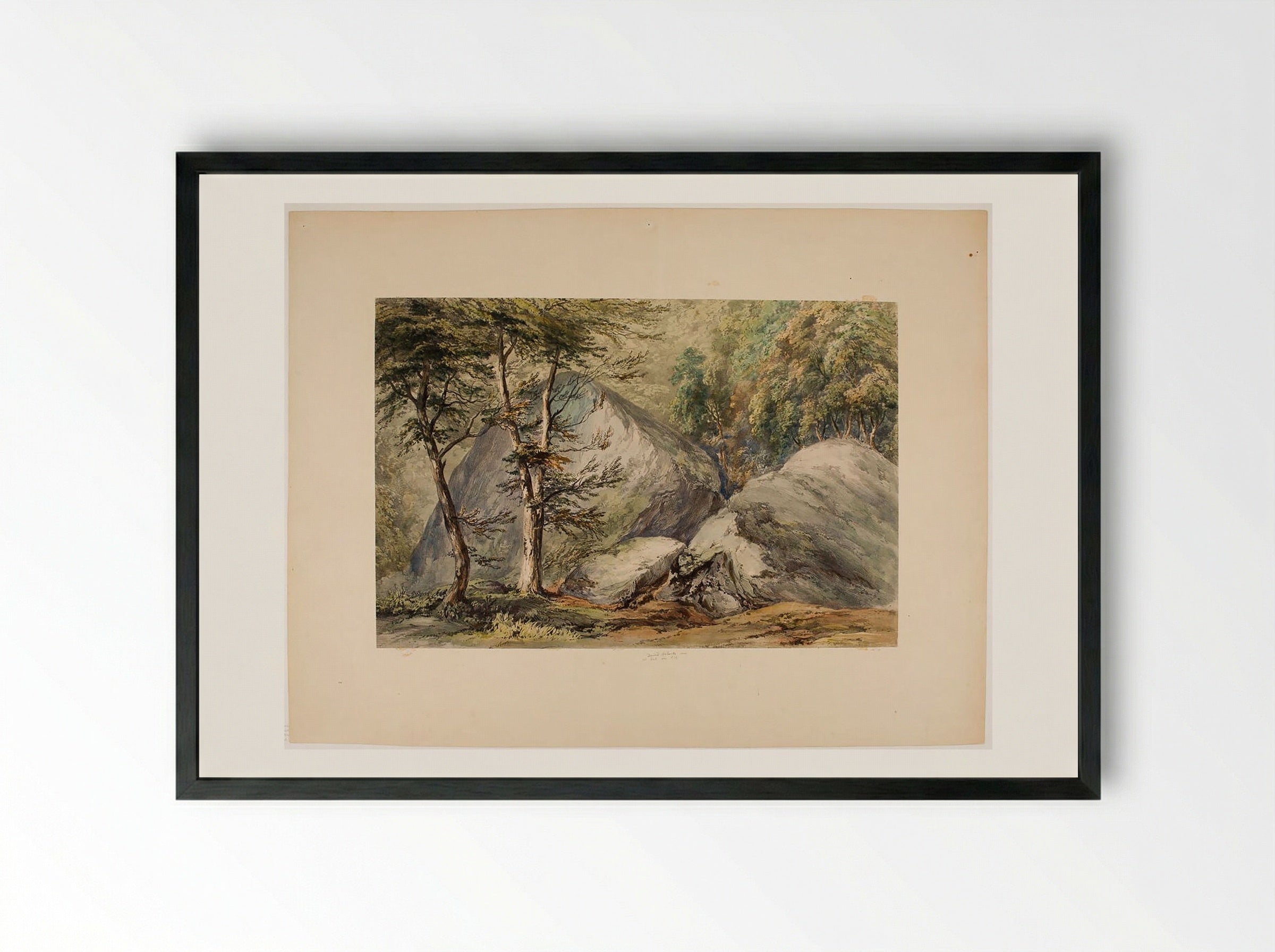 Studie von Felsen und Bäumen – David Roberts
Print · Framed
Regulärer Preis Ab £28.00 GBPAngebotspreis Ab £28.00 GBP Regulärer Preis -
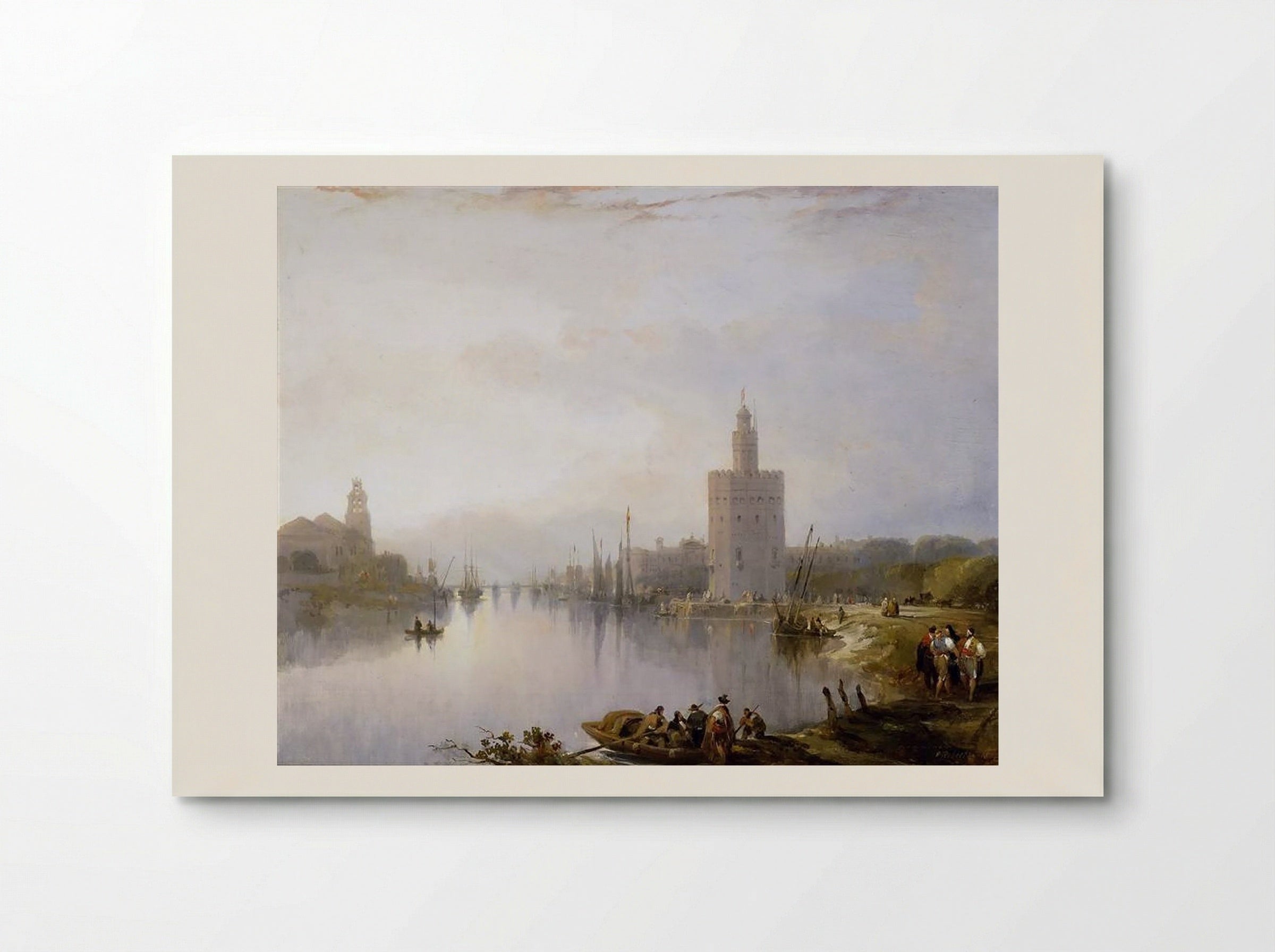
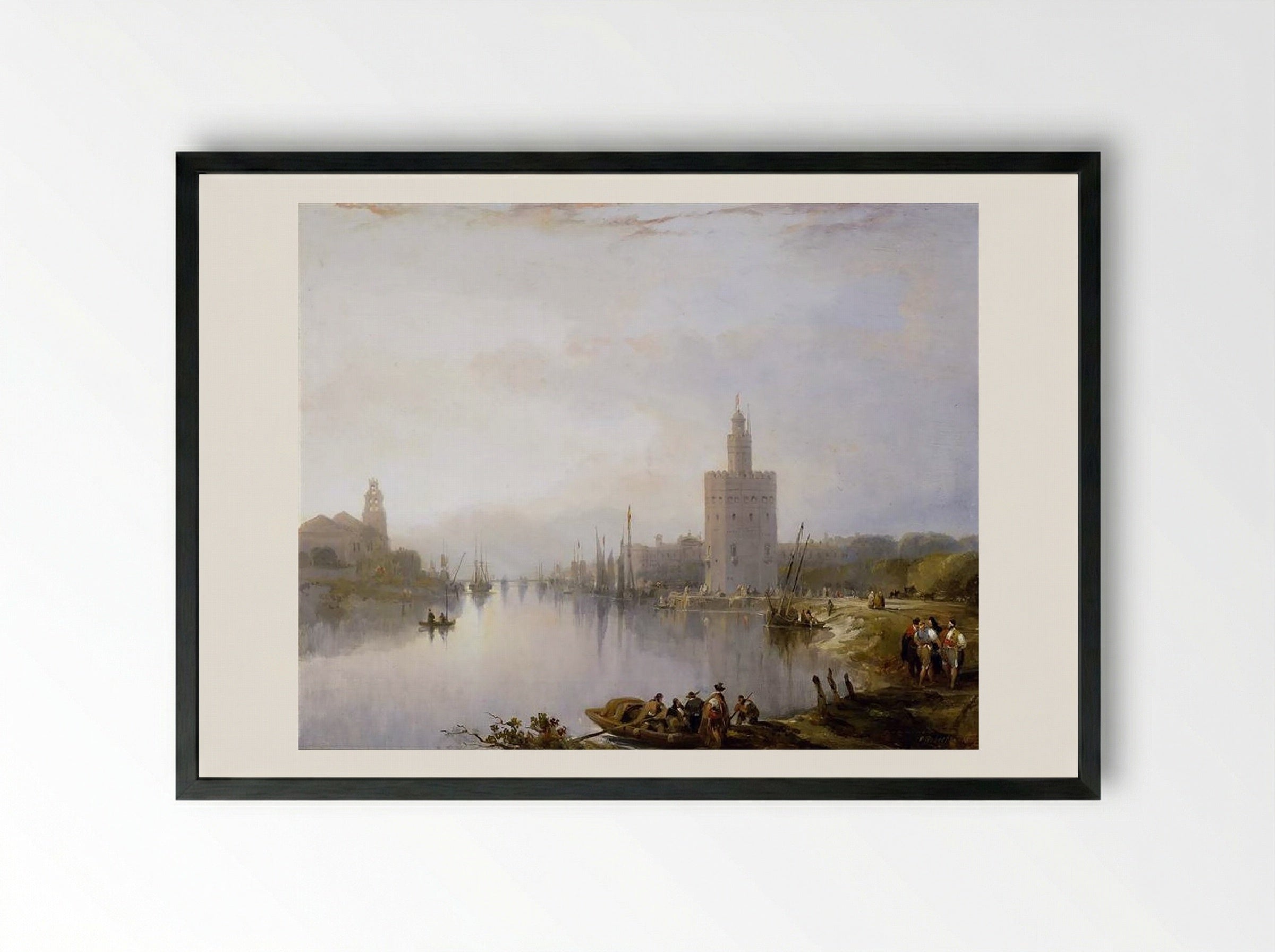 Der Goldene Turm – David Roberts
Print · Framed
Regulärer Preis Ab £28.00 GBPAngebotspreis Ab £28.00 GBP Regulärer Preis -
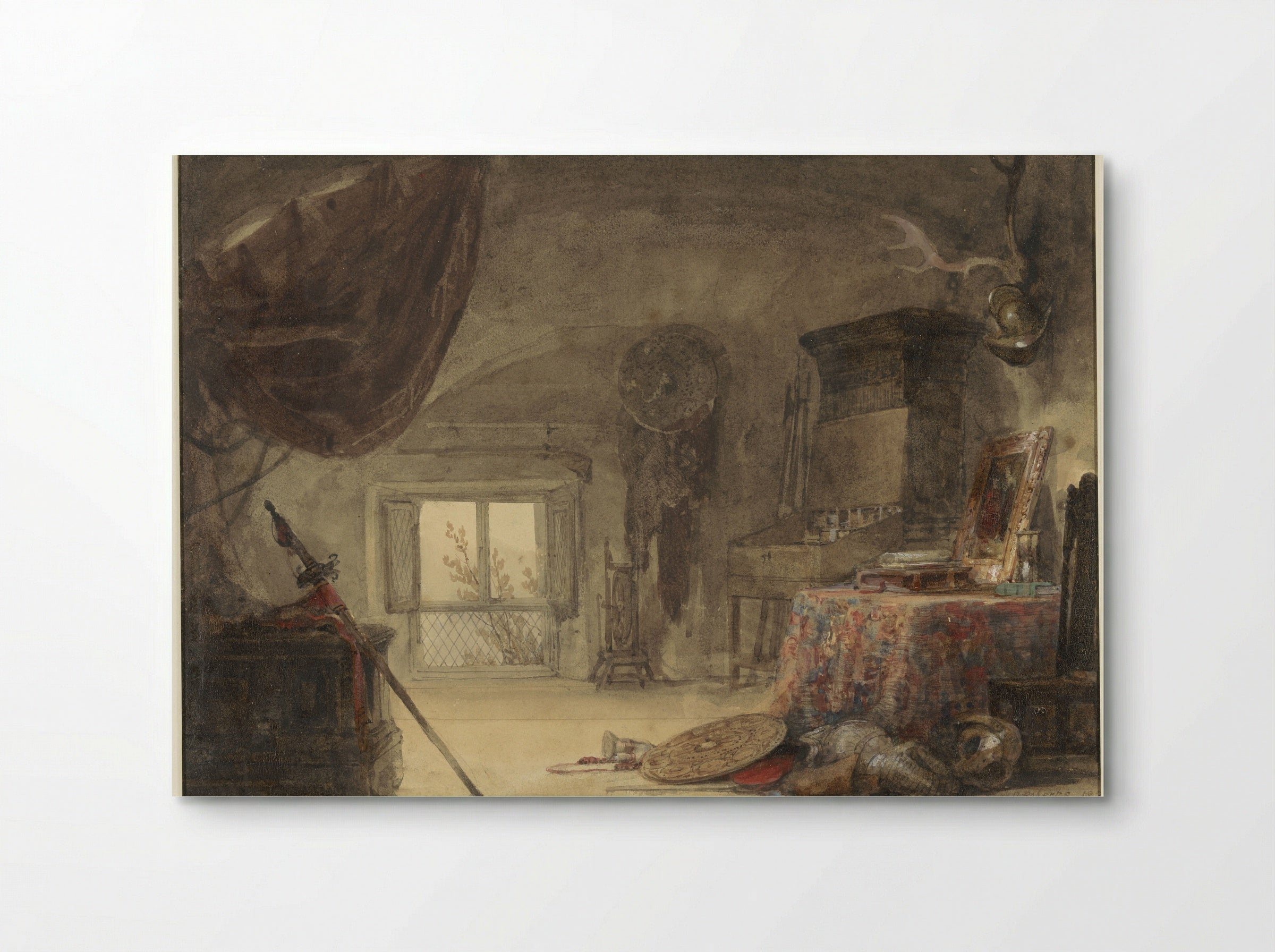
 Dachzimmer, als Atelier eingerichtet (David Roberts) - David Roberts
Print · Framed
Regulärer Preis Ab £28.00 GBPAngebotspreis Ab £28.00 GBP Regulärer Preis


Artist Biography
David Roberts
Roberts started as a house painter's apprentice in Edinburgh, decorating walls for a living. By his mid-twenties he was painting stage scenery for the theatre, which taught him how to construct architectural space at scale. J.M.W. Turner saw his work and told him to stop painting sets and become a proper artist. He listened.
In 1838 he sailed for Egypt and spent the next two years travelling through the Middle East, filling sketchbooks with drawings of temples, mosques, ruins and desert landscapes that almost no British artist had recorded before. To enter the mosques he had to shave off his sideburns, leave his hog-hair brushes behind (the pig being unclean), and wear traditional Arab clothing while he worked. He was one of the first Europeans allowed to paint inside a mosque.
The sketches became The Holy Land, Syria, Idumea, Arabia, Egypt and Nubia, a series of 247 lithograph plates produced in collaboration with the printer Louis Haghe between 1842 and 1849. He funded the project through advance subscriptions, soliciting them personally. Queen Victoria was subscriber number one. Her complete set is still in the Royal Collection.
The lithographs gave Europeans their first detailed visual record of the ancient Near East. They were bought as art, used as reference by scholars, and shaped the Western imagination of Egypt and Palestine for the rest of the century.
His personal life was less composed. His wife Margaret became an alcoholic and in 1831 he sent her back to Scotland to be cared for by friends. He raised their daughter Christine largely alone. He was elected to the Royal Academy in 1841, a considerable achievement for a man who had started painting houses, and worked steadily until his death in 1864.
In 1838 he sailed for Egypt and spent the next two years travelling through the Middle East, filling sketchbooks with drawings of temples, mosques, ruins and desert landscapes that almost no British artist had recorded before. To enter the mosques he had to shave off his sideburns, leave his hog-hair brushes behind (the pig being unclean), and wear traditional Arab clothing while he worked. He was one of the first Europeans allowed to paint inside a mosque.
The sketches became The Holy Land, Syria, Idumea, Arabia, Egypt and Nubia, a series of 247 lithograph plates produced in collaboration with the printer Louis Haghe between 1842 and 1849. He funded the project through advance subscriptions, soliciting them personally. Queen Victoria was subscriber number one. Her complete set is still in the Royal Collection.
The lithographs gave Europeans their first detailed visual record of the ancient Near East. They were bought as art, used as reference by scholars, and shaped the Western imagination of Egypt and Palestine for the rest of the century.
His personal life was less composed. His wife Margaret became an alcoholic and in 1831 he sent her back to Scotland to be cared for by friends. He raised their daughter Christine largely alone. He was elected to the Royal Academy in 1841, a considerable achievement for a man who had started painting houses, and worked steadily until his death in 1864.
Related Artists


Warum uns wählen?