

Sammlung
Charles Rennie Mackintosh
Entdecken Sie kuratierte Kunstdrucke, ausgewählt für individuelle Wohnräume und durchdachte Interieurs.
Vorgeschlagene Filter
-
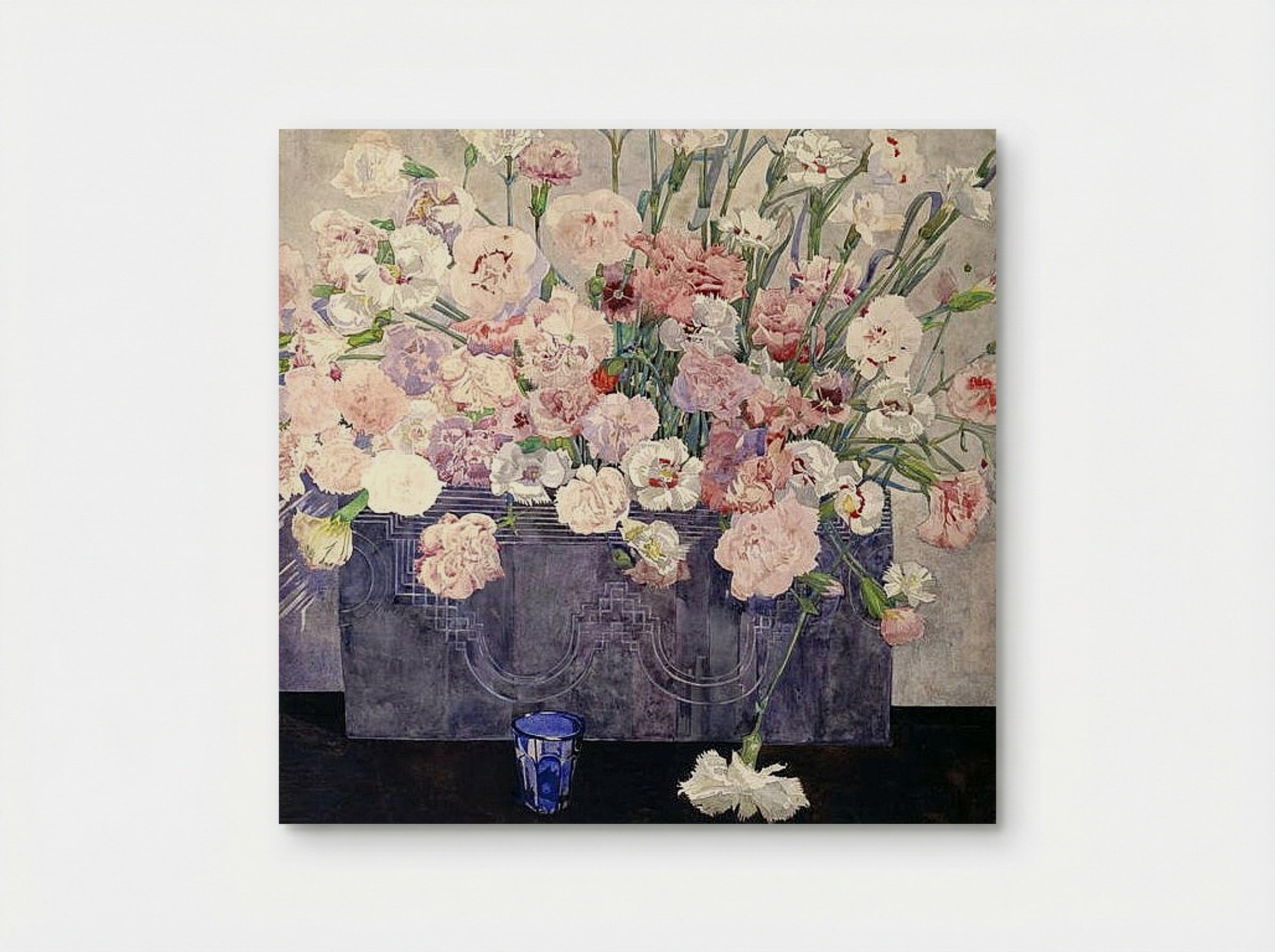
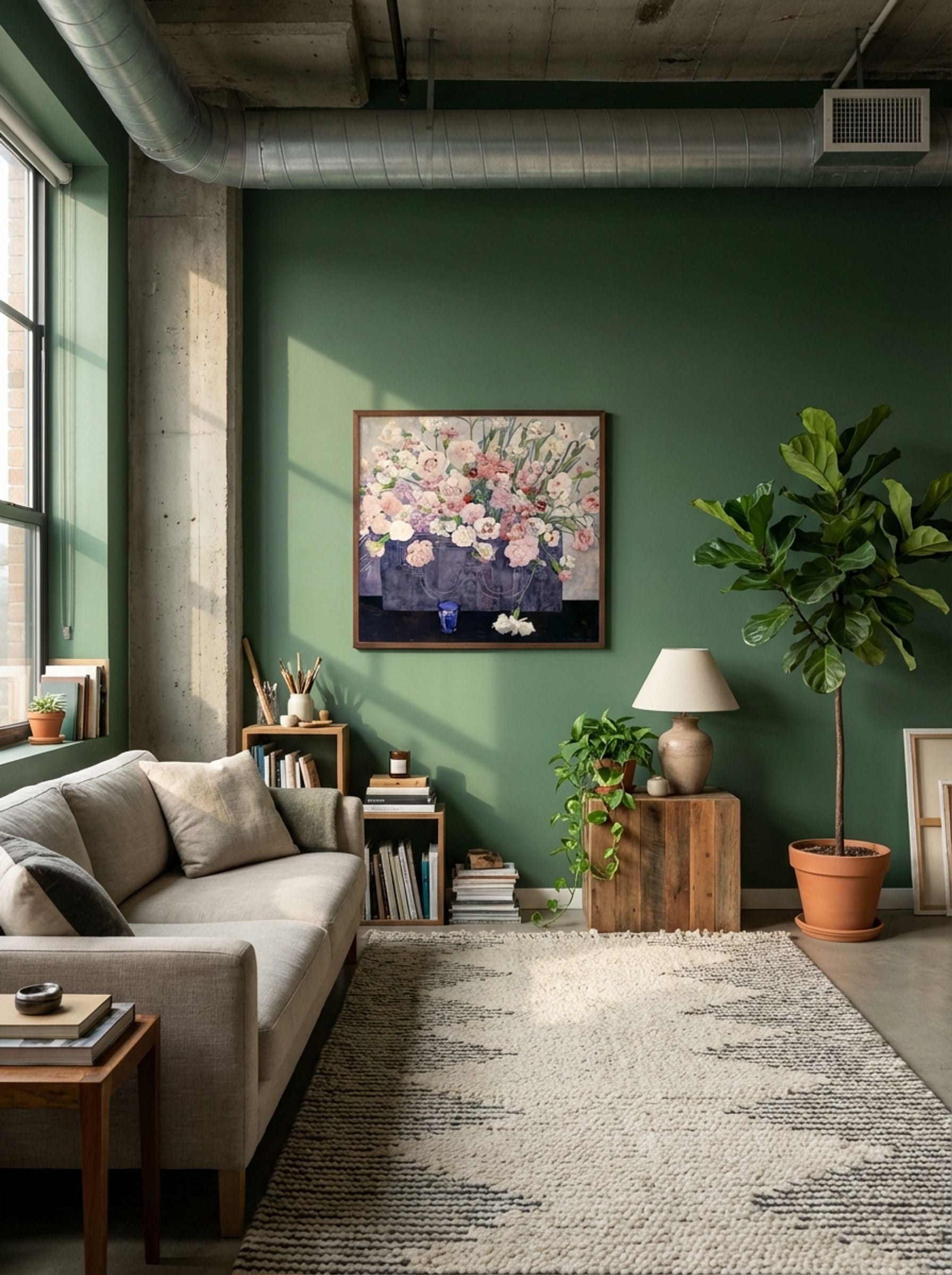 Stillleben mit Nelken – Kunstdruck
Print · Framed
Regulärer Preis Ab £37.00 GBPAngebotspreis Ab £37.00 GBP Regulärer Preis -
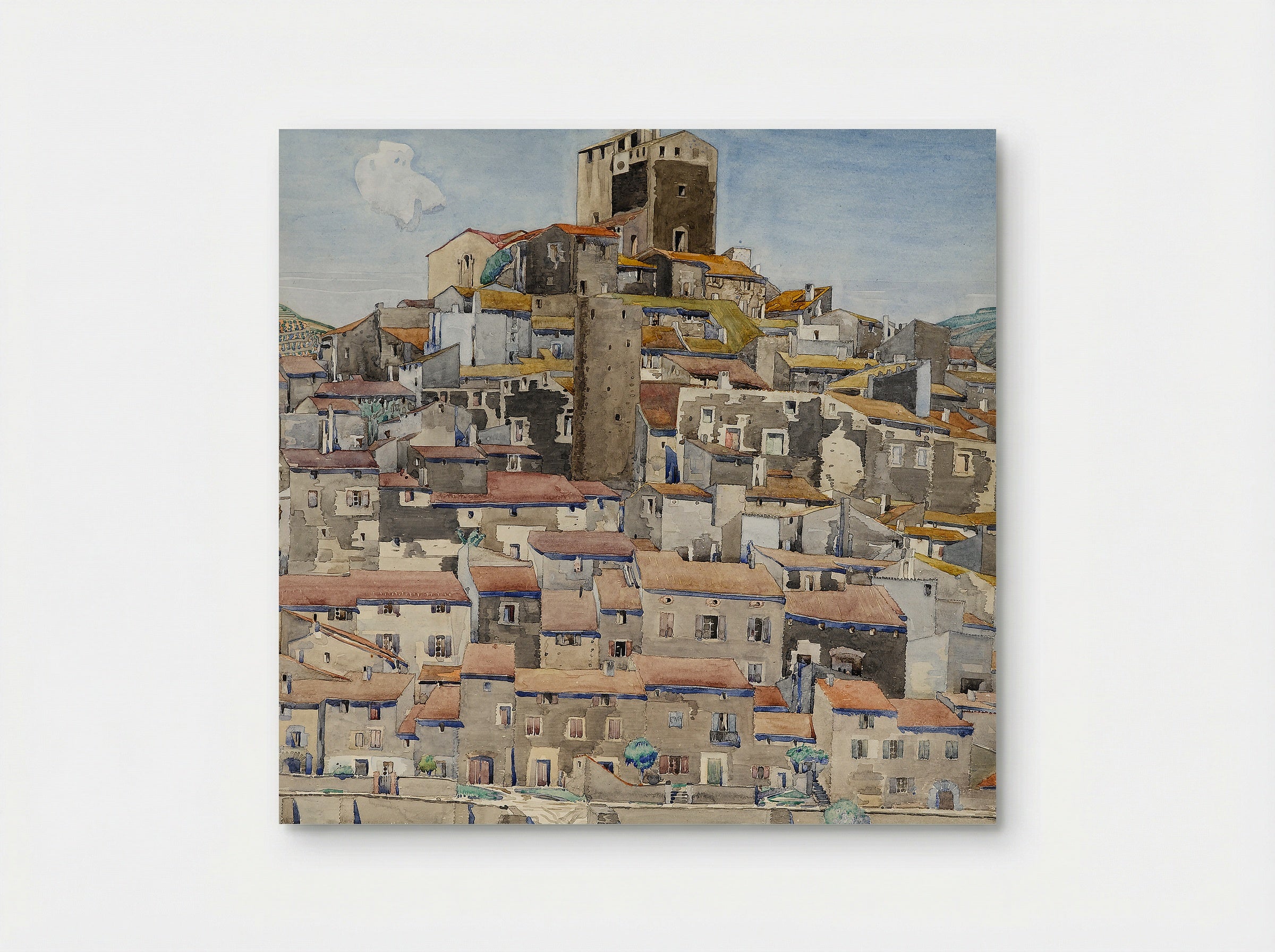
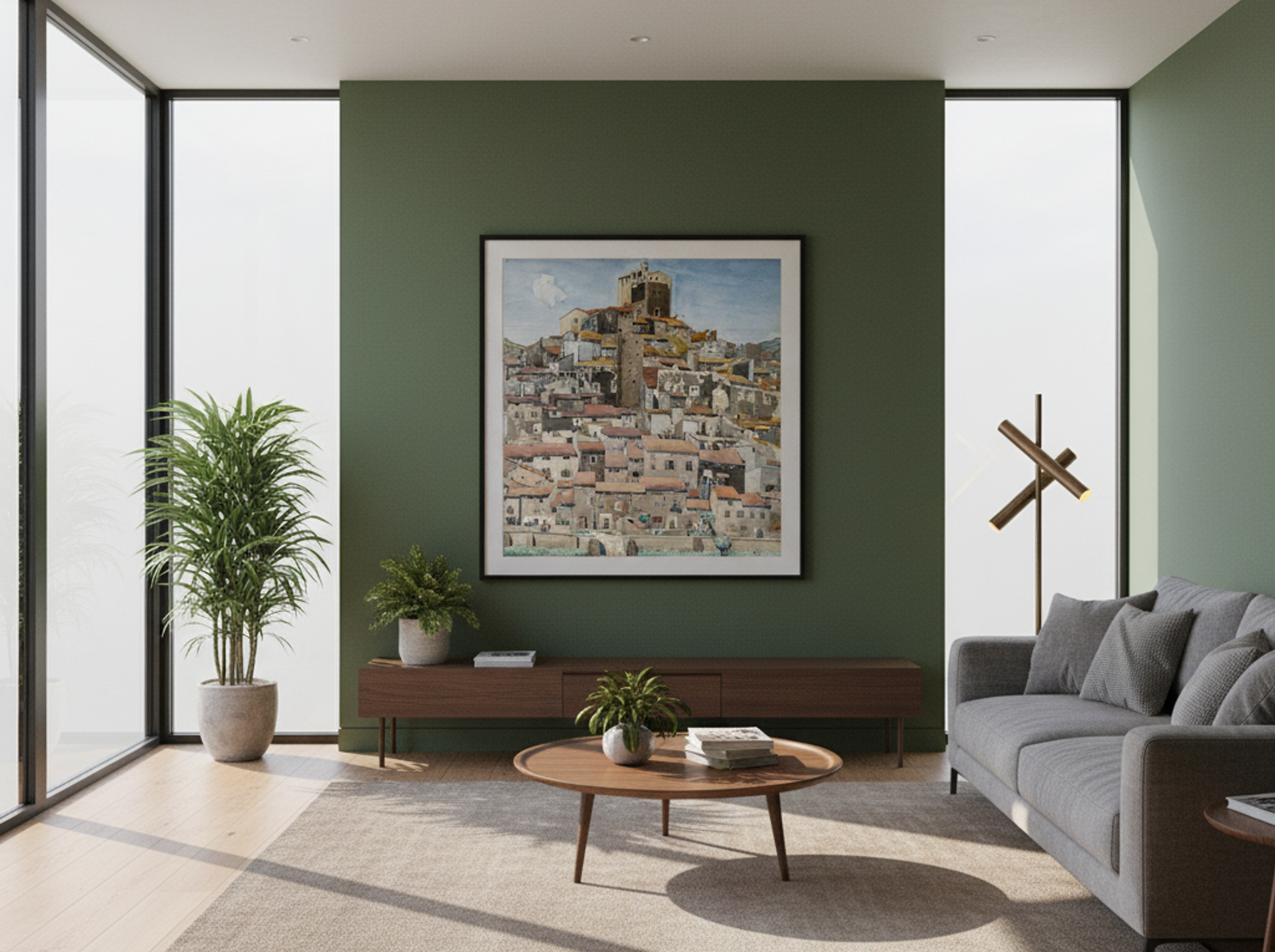 Bouleternère - Charles Rennie Mackintosh
Print · Framed
Regulärer Preis Ab £37.00 GBPAngebotspreis Ab £37.00 GBP Regulärer Preis -

 Weiße Tulpen – Charles Rennie Mackintosh
Print · Framed · Canvas
Regulärer Preis Ab £30.00 GBPAngebotspreis Ab £30.00 GBP Regulärer Preis -
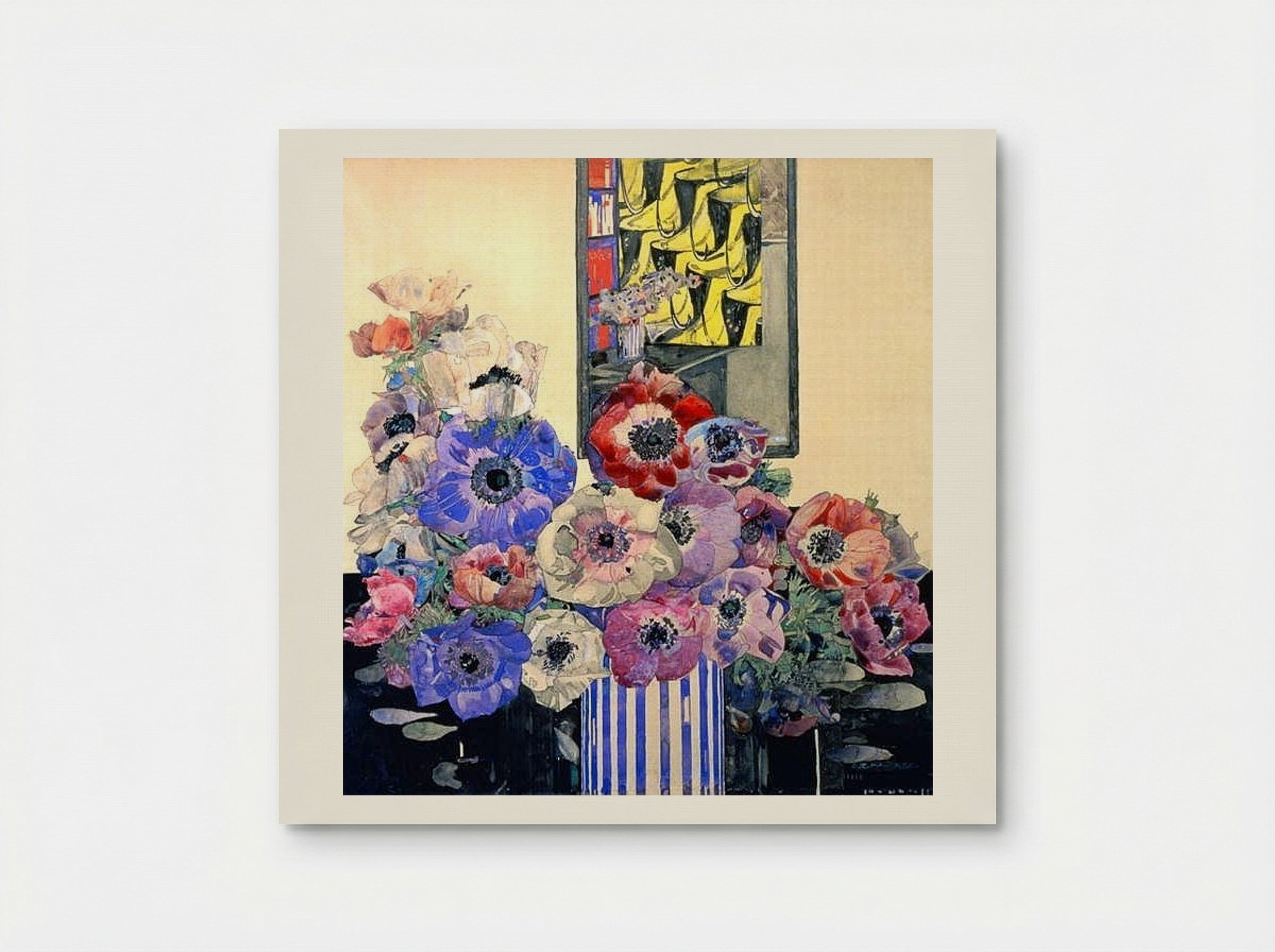 Stilleben mit Anemonen - Charles Rennie Mackintosh
Print
Regulärer Preis Ab £37.00 GBPAngebotspreis Ab £37.00 GBP Regulärer Preis -
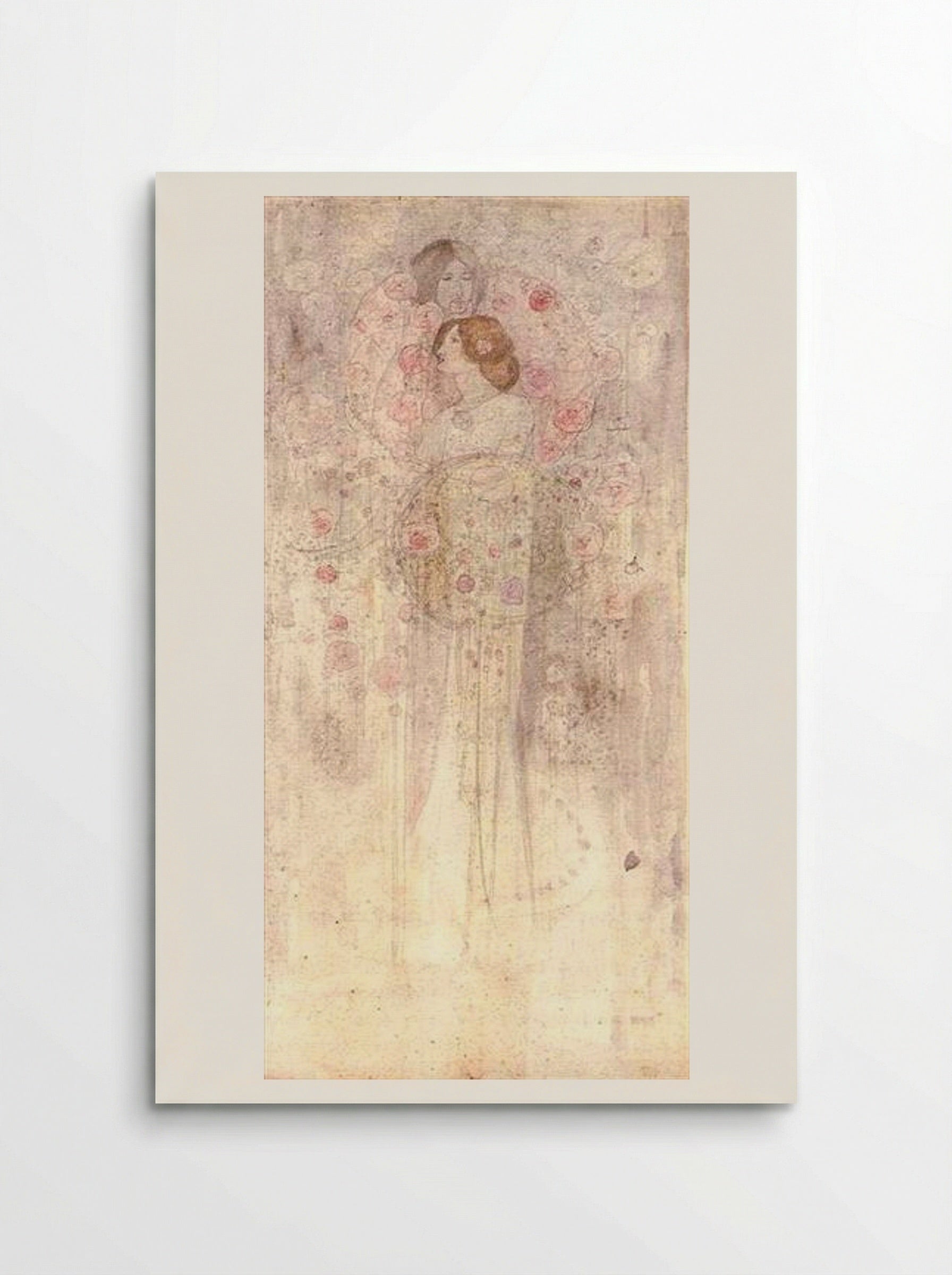
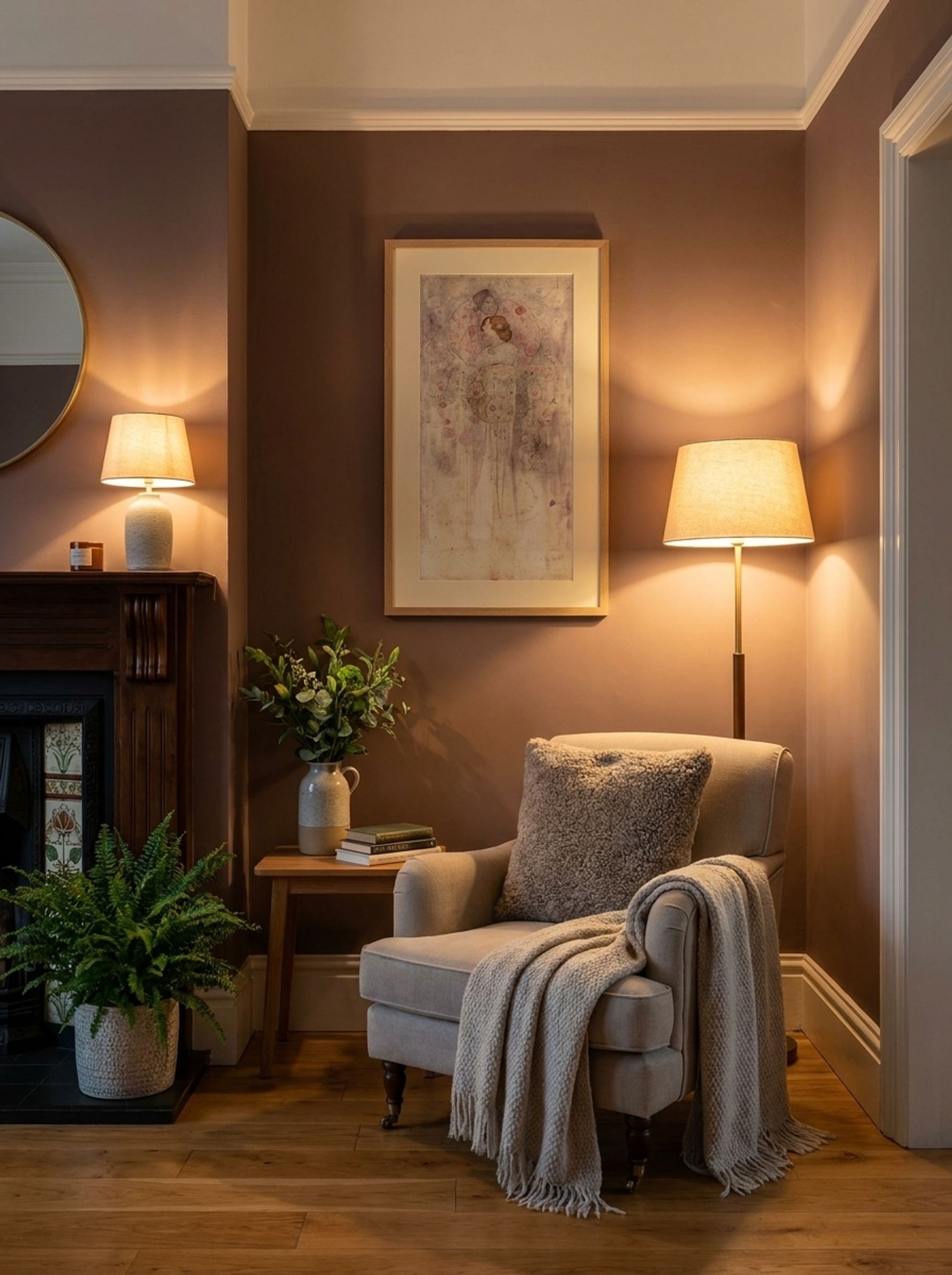 Feen - Charles Rennie Mackintosh
Print
Regulärer Preis Ab £28.00 GBPAngebotspreis Ab £28.00 GBP Regulärer Preis -
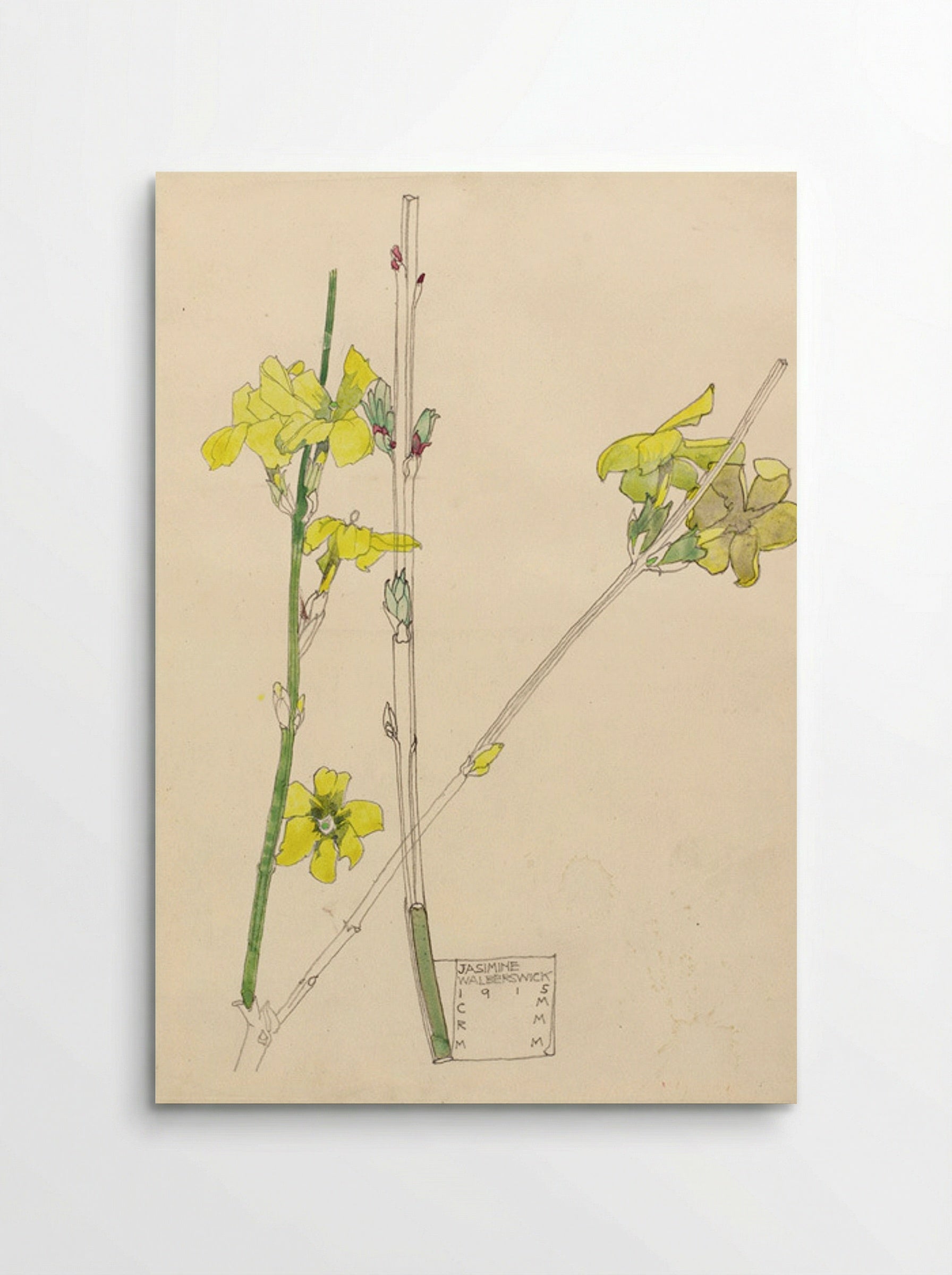
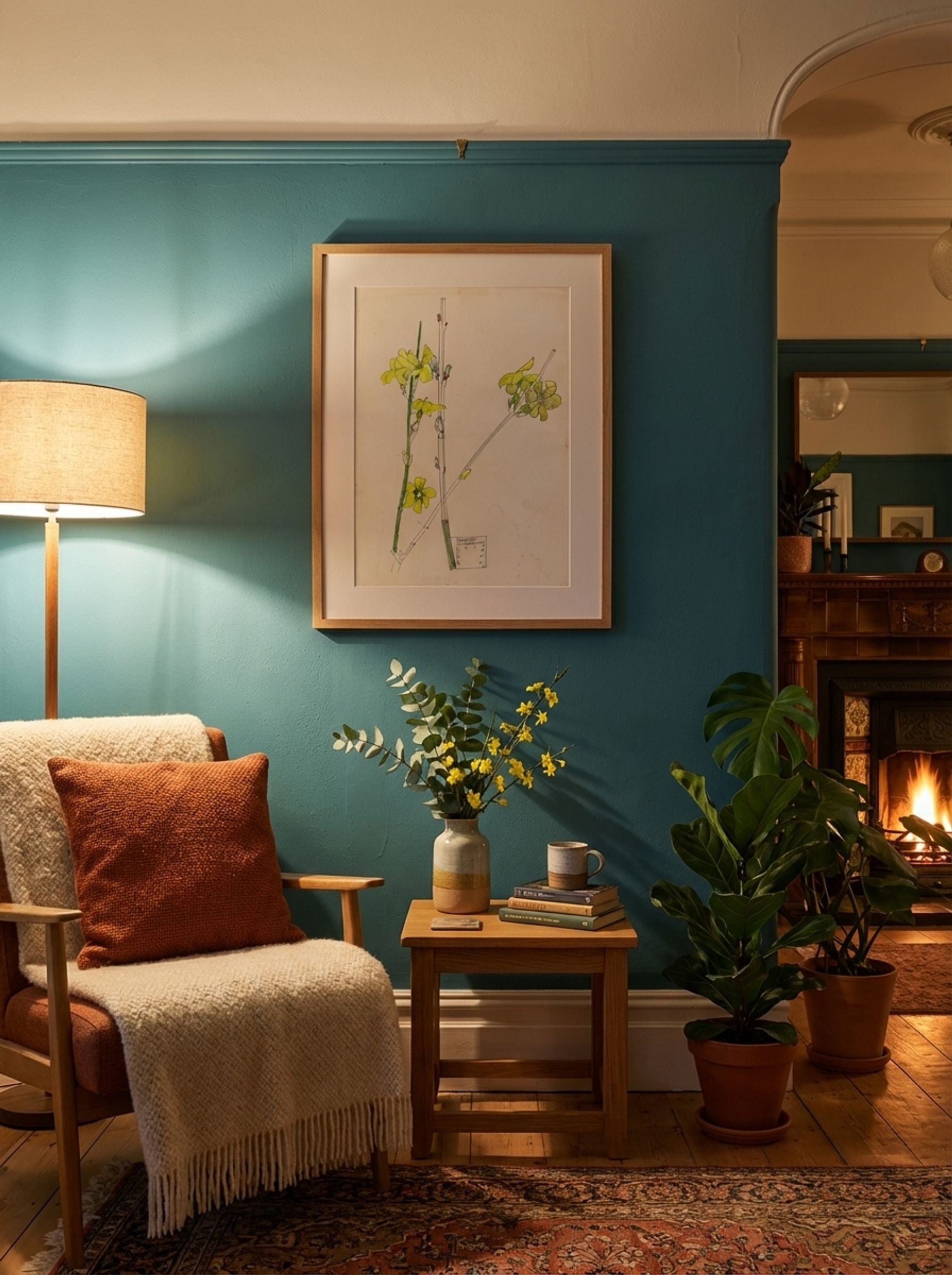 Jasmin (Botanische Studie) – Kunstdruck
Print · Framed
Regulärer Preis Ab £28.00 GBPAngebotspreis Ab £28.00 GBP Regulärer Preis -
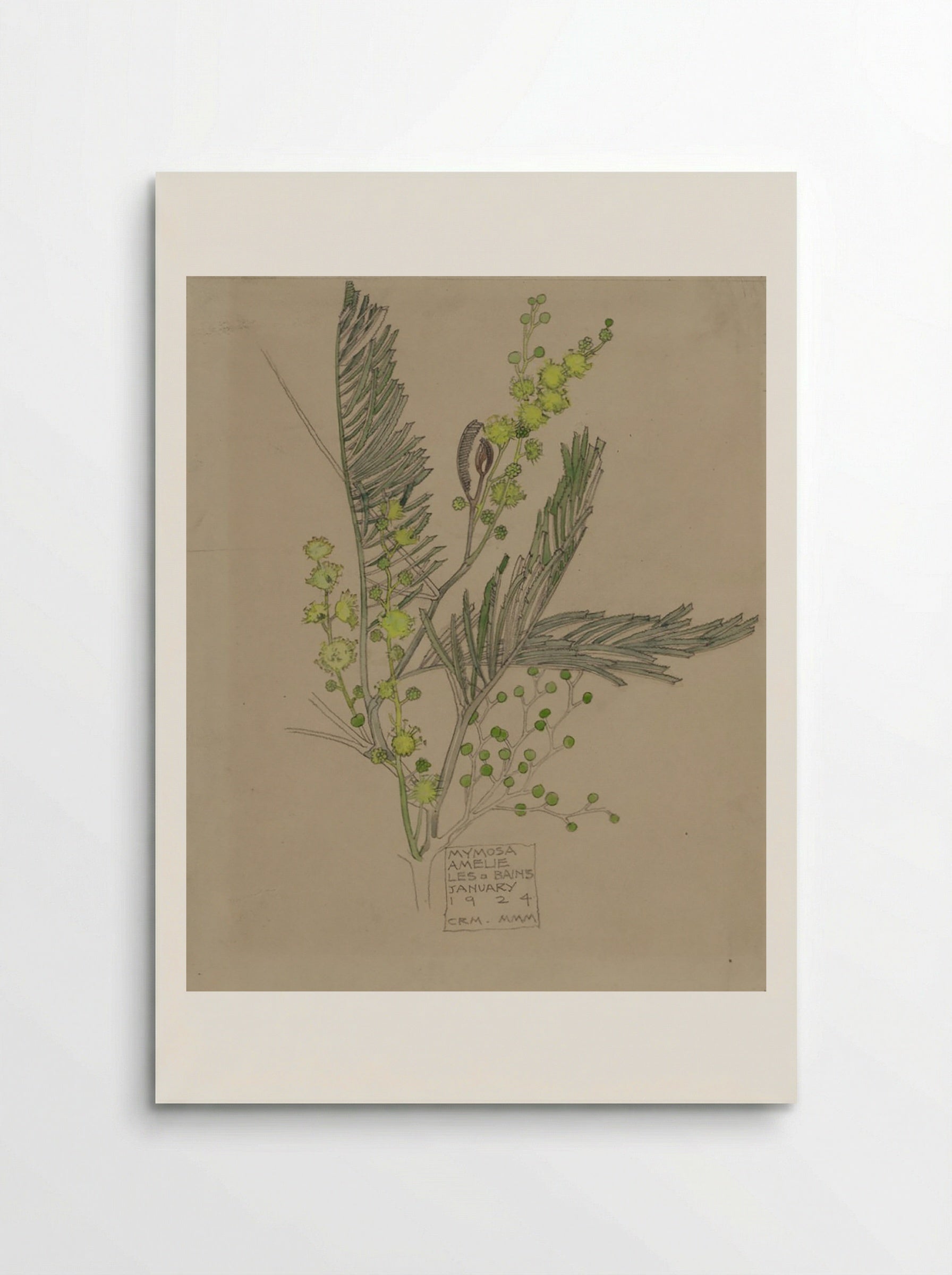
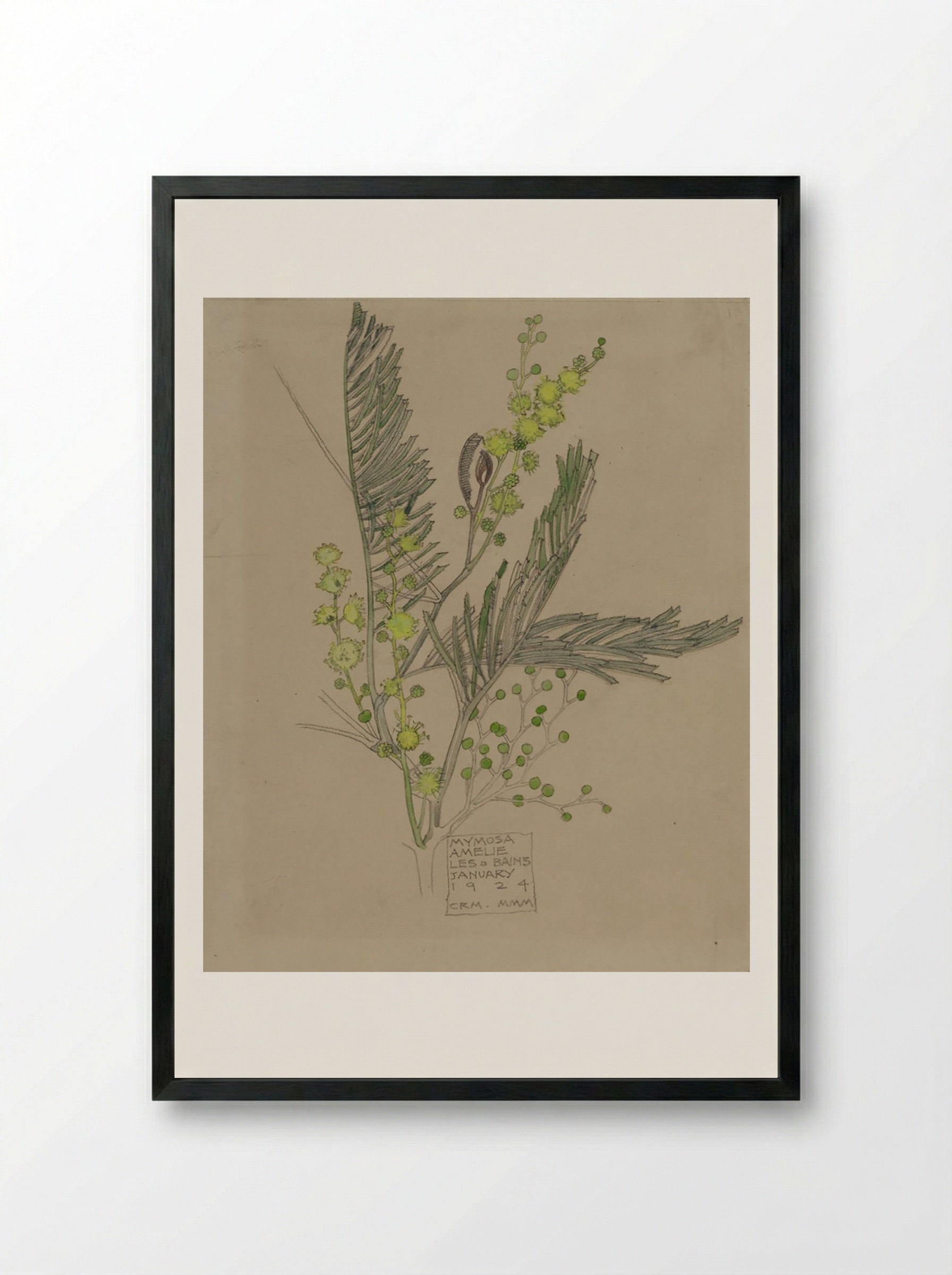 Mimosa, Amélie-les-Bains (Januar 1924) – Kunstdruck
Print · Framed
Regulärer Preis Ab £28.00 GBPAngebotspreis Ab £28.00 GBP Regulärer Preis -
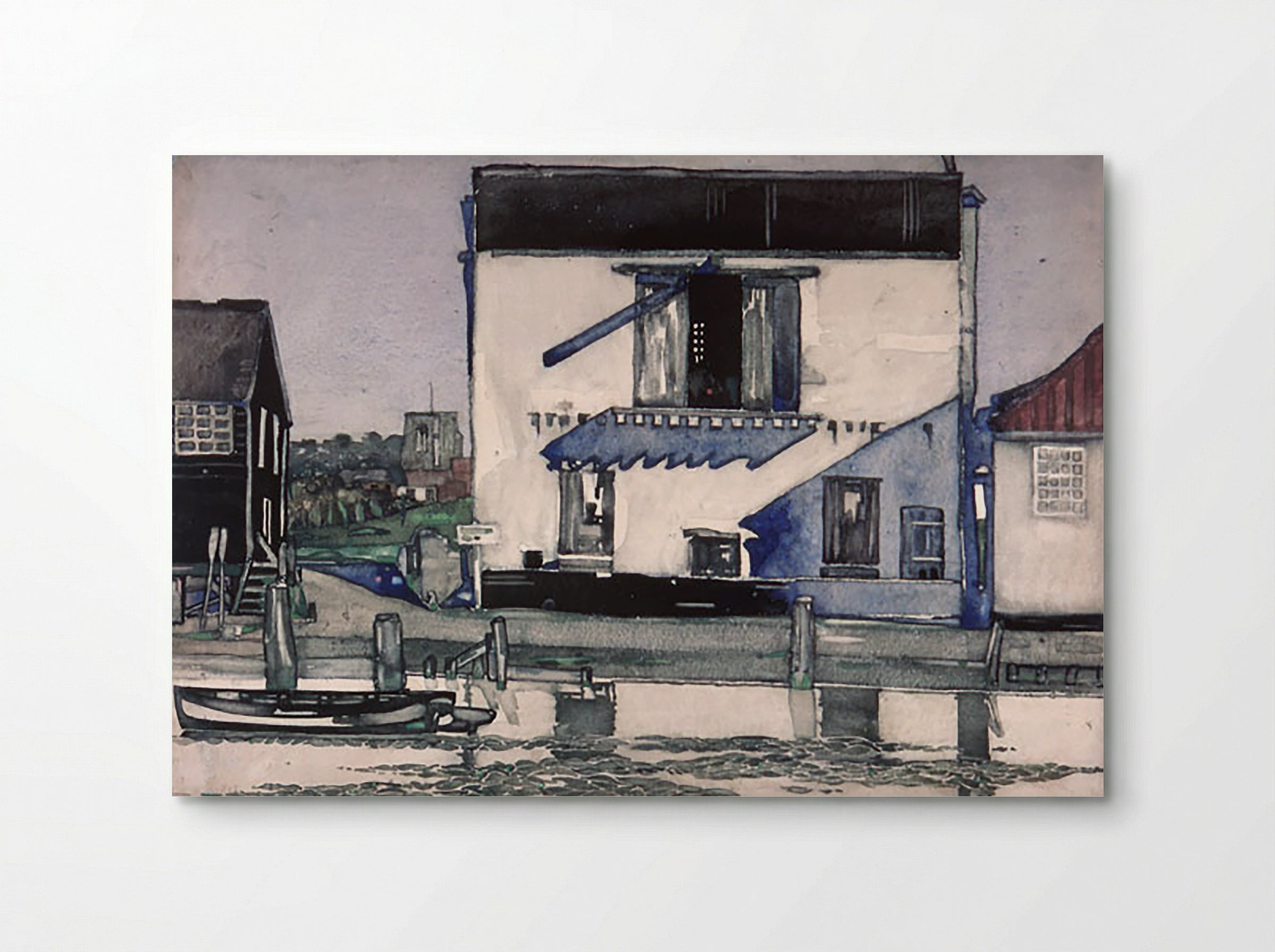
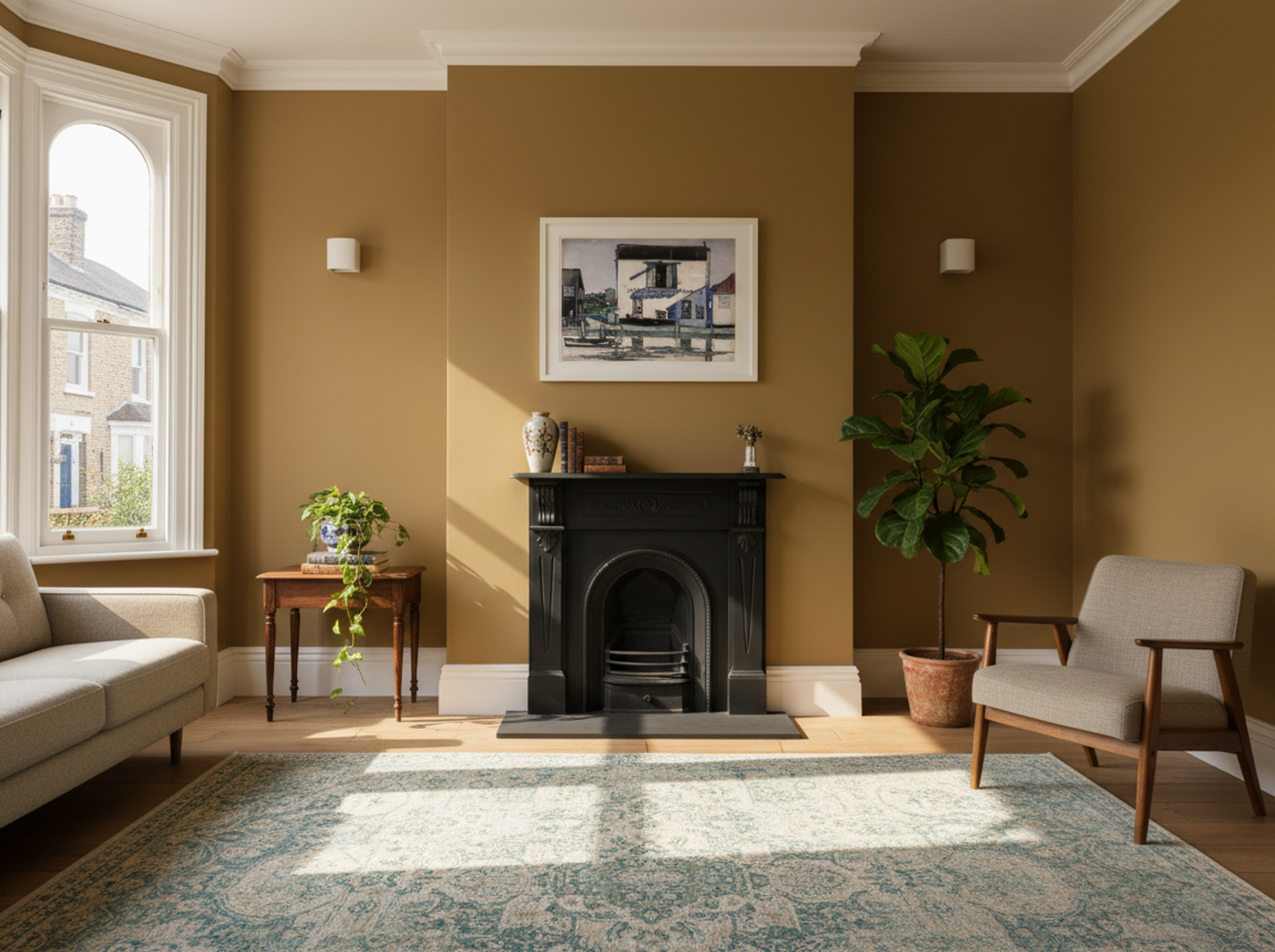 Venetian Palace, Blackshore an der Blyth – Kunstdruck
Print · Framed
Regulärer Preis Ab £28.00 GBPAngebotspreis Ab £28.00 GBP Regulärer Preis -
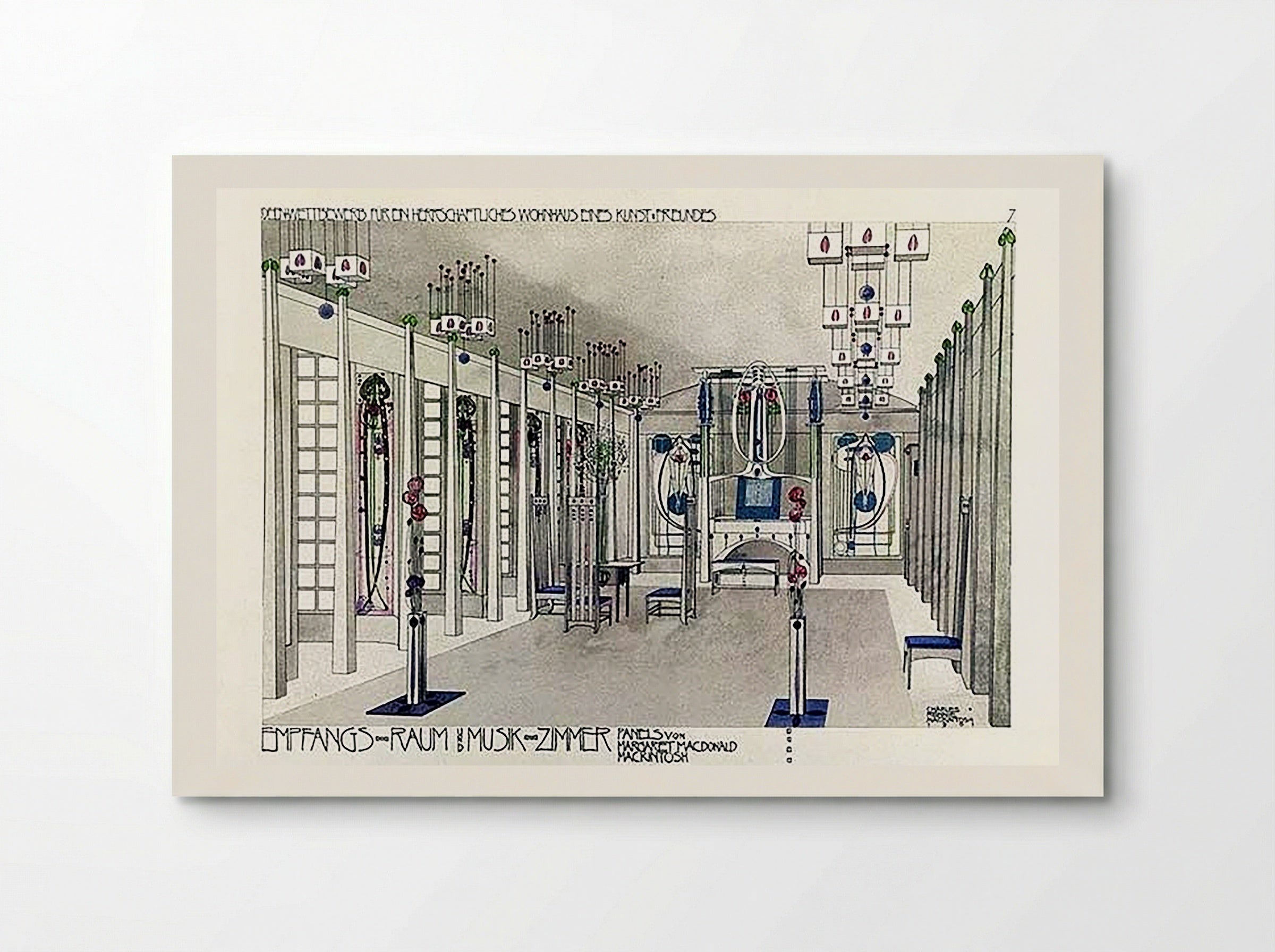
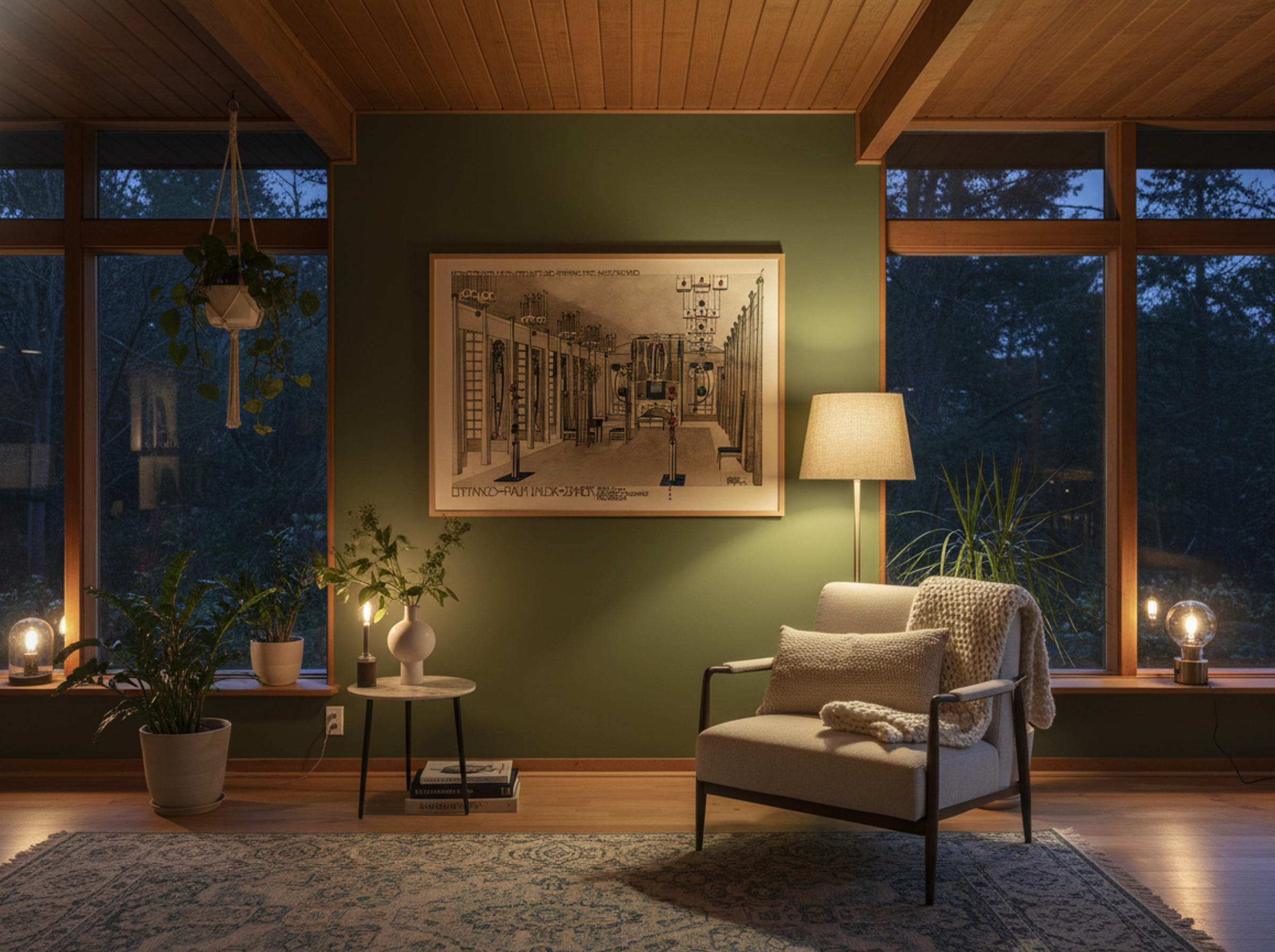 Musikzimmer Innenarchitektur - Charles Rennie Mackintosh
Print · Framed
Regulärer Preis Ab £28.00 GBPAngebotspreis Ab £28.00 GBP Regulärer Preis -

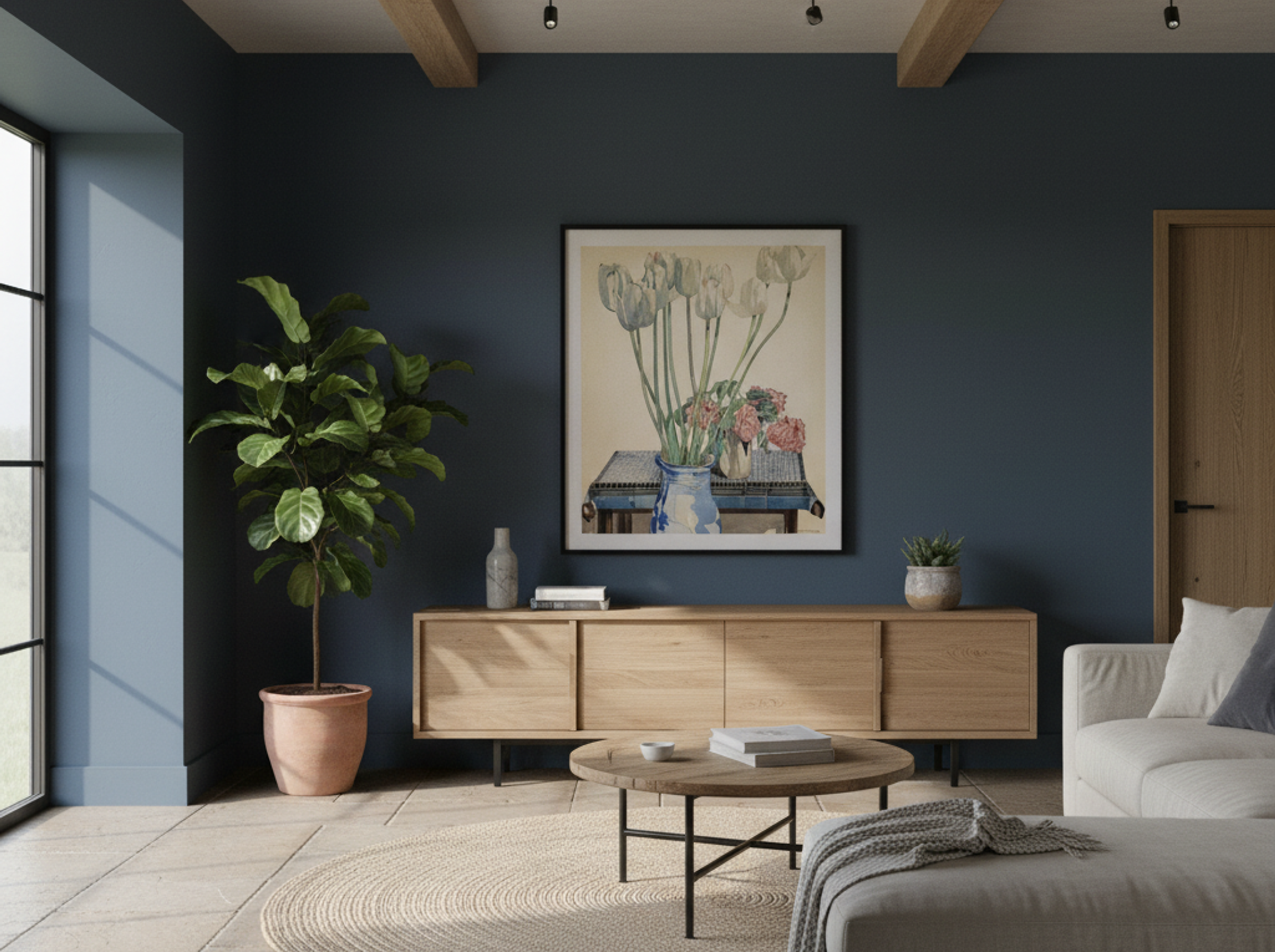 Weiße Tulpen – Charles Rennie Mackintosh
Print · Framed
Regulärer Preis Ab £37.00 GBPAngebotspreis Ab £37.00 GBP Regulärer Preis -
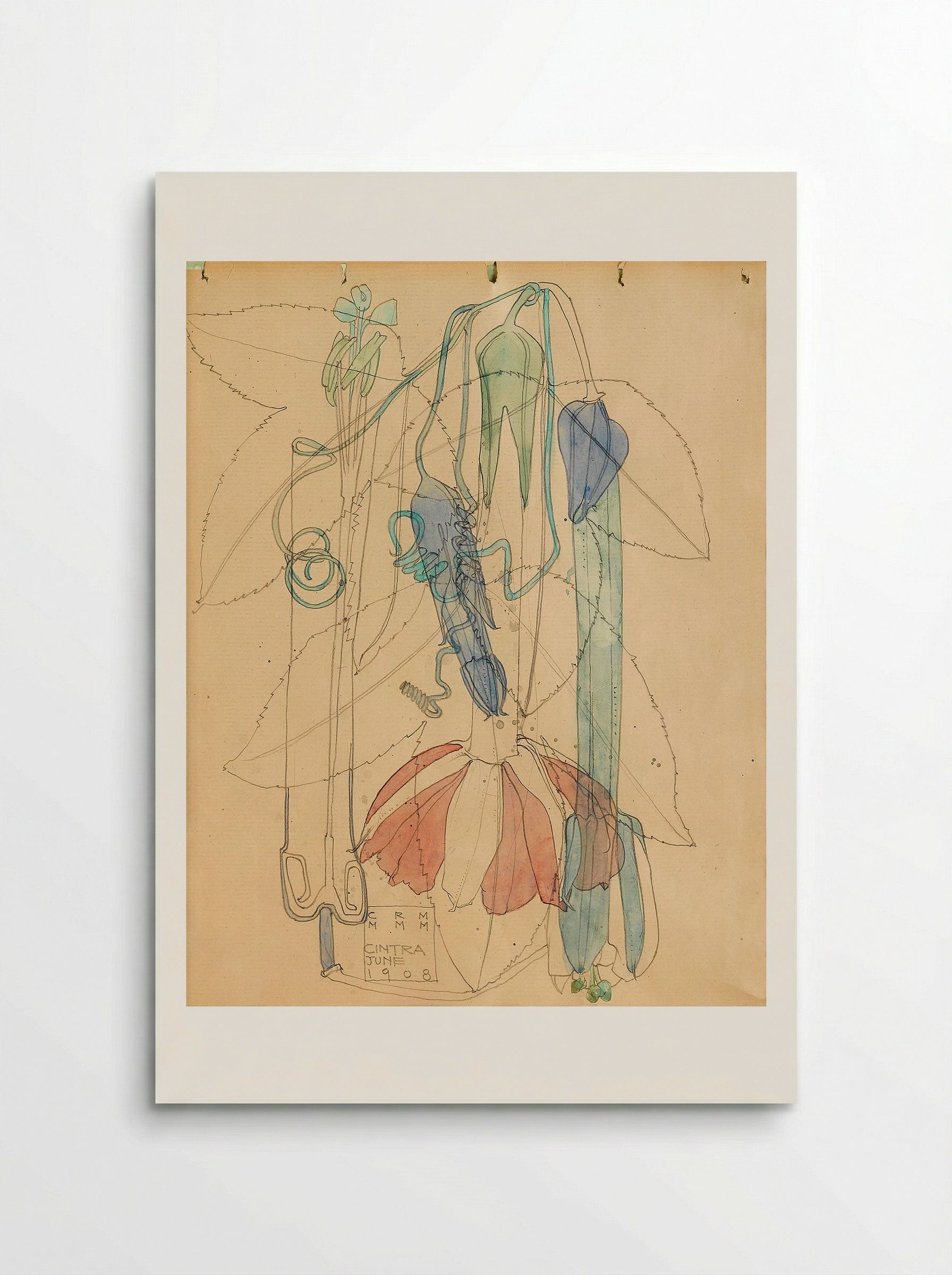
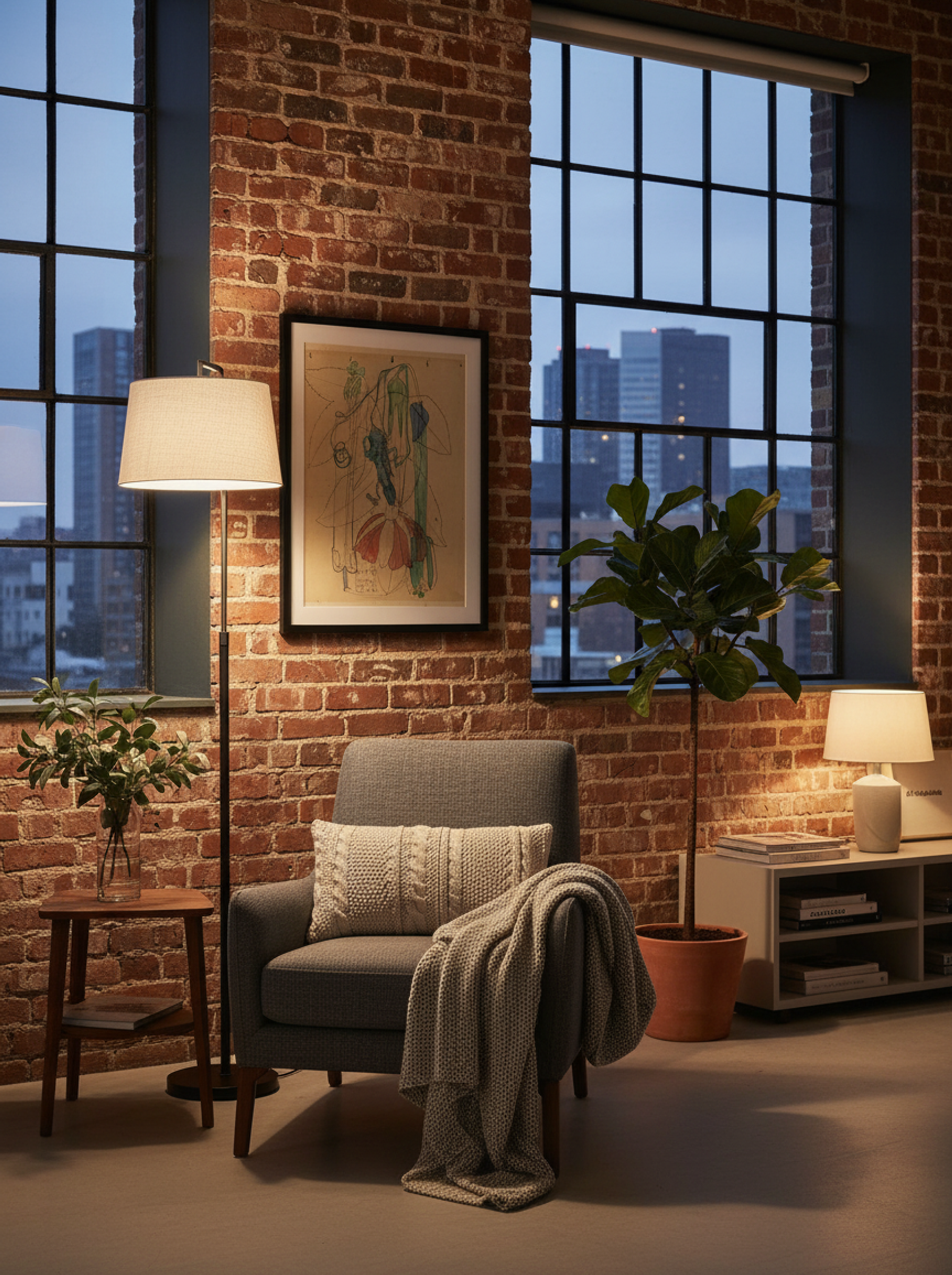 Cintra, Juni 1908 - Charles Rennie Mackintosh
Print · Framed
Regulärer Preis Ab £28.00 GBPAngebotspreis Ab £28.00 GBP Regulärer Preis -
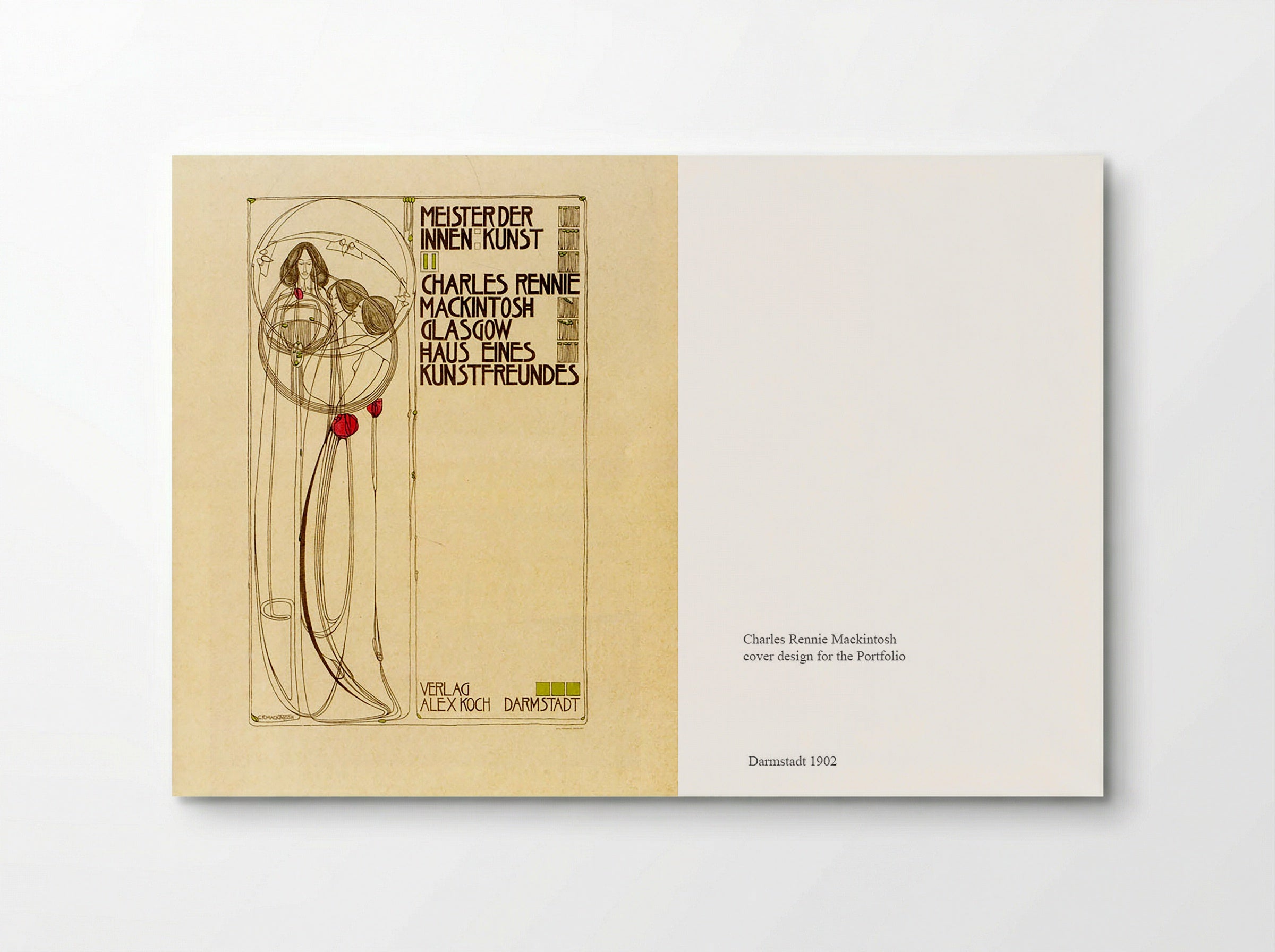
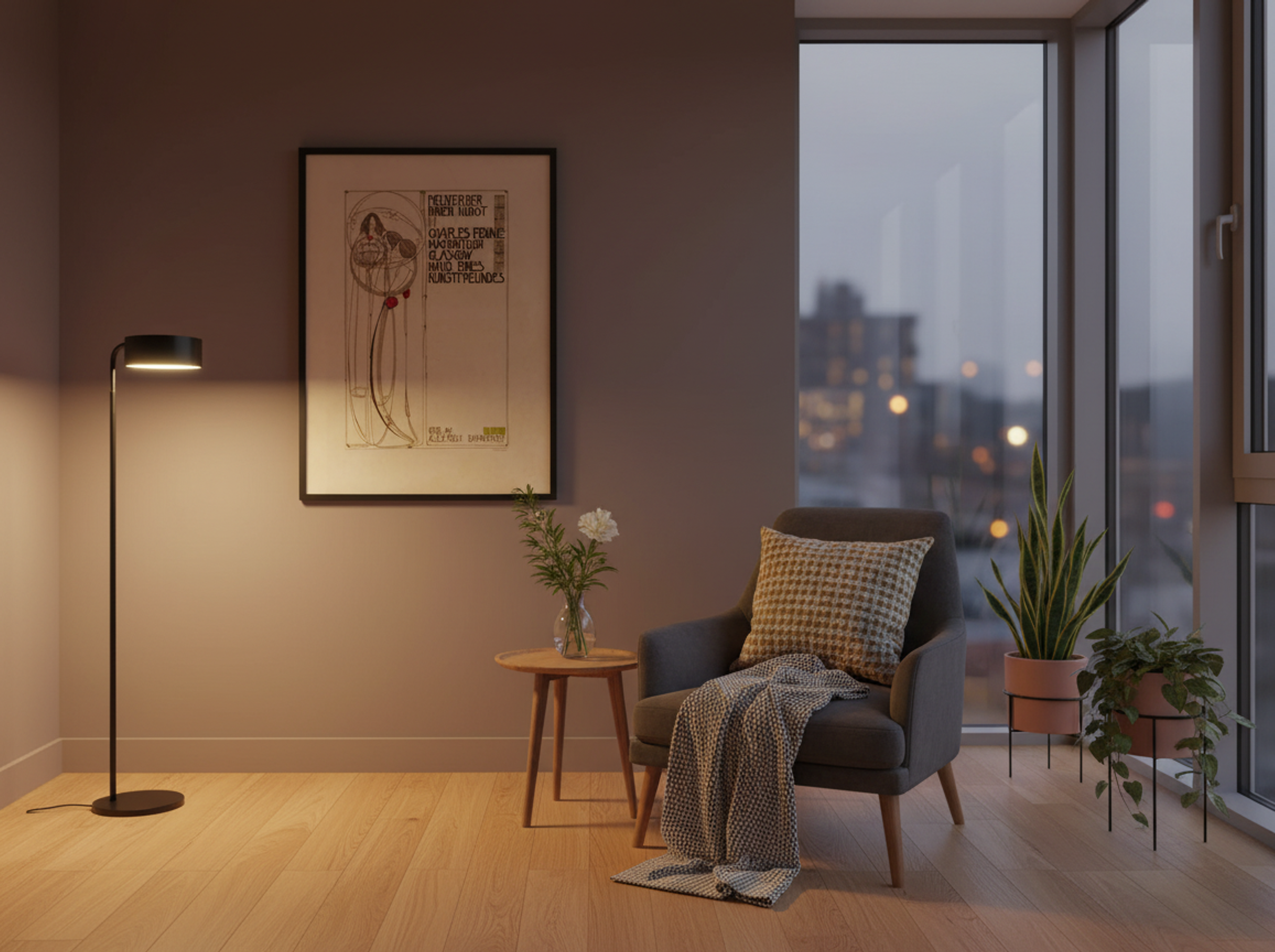 Cover Design für 'Meister der Innenkunst' - Charles Rennie Mackintosh
Print · Framed
Regulärer Preis Ab £28.00 GBPAngebotspreis Ab £28.00 GBP Regulärer Preis


Artist Biography
Charles Rennie Mackintosh
Mackintosh died holding a pencil. By then, December 1928, throat cancer had taken his voice, and he had spent his final months in a London clinic unable to speak or eat. He was sixty years old. The Times noted his significance to modernism. Glasgow, the city that had largely ignored him for two decades, would take considerably longer to notice.
He was the fourth of eleven children, seven of whom survived infancy. His father was a police superintendent. The boy was probably dyslexic, struggled badly at school, and used sketchbooks to manage what appear to have been emotional difficulties. He had a contracted sinew in one foot that gave him a limp, and childhood rheumatic fever left one side of his face permanently drooped. None of this stopped him drawing.
He enrolled at Glasgow School of Art at fifteen, studying part-time while apprenticed to the architect John Hutchinson. In 1889 he joined Honeyman and Keppie, where he would remain for nearly two decades. He met Margaret Macdonald in 1892. Together with her sister Frances and Herbert McNair, they formed a group that became known as The Four. Mackintosh and Margaret married in 1900. He acknowledged publicly that Margaret had genius where he had only talent.
His greatest commission was the Glasgow School of Art building itself, won in competition in 1897. The library wing, completed in 1909, is considered one of the finest interiors of the twentieth century. He designed all four tea rooms for the entrepreneur Catherine Cranston, going so far as to specify the waitresses' dresses and order the flowers. In Vienna, at the eighth Secessionist Exhibition in 1900, his work was received with an enthusiasm Glasgow never matched.
His style fell from favour. He drank. He was asked to leave his firm. In 1914 he and Margaret moved to Walberswick in Suffolk, where he was briefly arrested as a suspected German spy because of his Vienna correspondence and unusual manner. He was released without charge but effectively driven from the village.
In 1923, they moved to Port Vendres in the south of France. The light and landscape revived him. He painted watercolours of the surrounding hills and harbour with an obsessive attention to geological detail, completing around forty before returning to London for the last time.
He was the fourth of eleven children, seven of whom survived infancy. His father was a police superintendent. The boy was probably dyslexic, struggled badly at school, and used sketchbooks to manage what appear to have been emotional difficulties. He had a contracted sinew in one foot that gave him a limp, and childhood rheumatic fever left one side of his face permanently drooped. None of this stopped him drawing.
He enrolled at Glasgow School of Art at fifteen, studying part-time while apprenticed to the architect John Hutchinson. In 1889 he joined Honeyman and Keppie, where he would remain for nearly two decades. He met Margaret Macdonald in 1892. Together with her sister Frances and Herbert McNair, they formed a group that became known as The Four. Mackintosh and Margaret married in 1900. He acknowledged publicly that Margaret had genius where he had only talent.
His greatest commission was the Glasgow School of Art building itself, won in competition in 1897. The library wing, completed in 1909, is considered one of the finest interiors of the twentieth century. He designed all four tea rooms for the entrepreneur Catherine Cranston, going so far as to specify the waitresses' dresses and order the flowers. In Vienna, at the eighth Secessionist Exhibition in 1900, his work was received with an enthusiasm Glasgow never matched.
His style fell from favour. He drank. He was asked to leave his firm. In 1914 he and Margaret moved to Walberswick in Suffolk, where he was briefly arrested as a suspected German spy because of his Vienna correspondence and unusual manner. He was released without charge but effectively driven from the village.
In 1923, they moved to Port Vendres in the south of France. The light and landscape revived him. He painted watercolours of the surrounding hills and harbour with an obsessive attention to geological detail, completing around forty before returning to London for the last time.


Warum uns wählen?