



Yamamoto Baiitsu
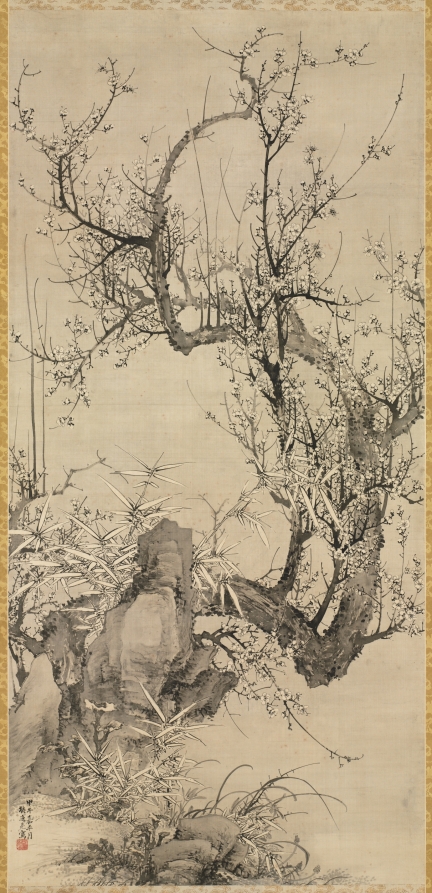
Yamamoto Baiitsu was a skilled musician who played the transverse flute. This musical sensibility influenced his approach to painting. He earned his living partly as a connoisseur of Chinese art. He spent years in Kyoto and Nagoya authenticating old scrolls. His pseudonym refers to his obsession with plum blossoms. He often traded his paintings for rare plum tree specimens to plant in his garden.
Biography
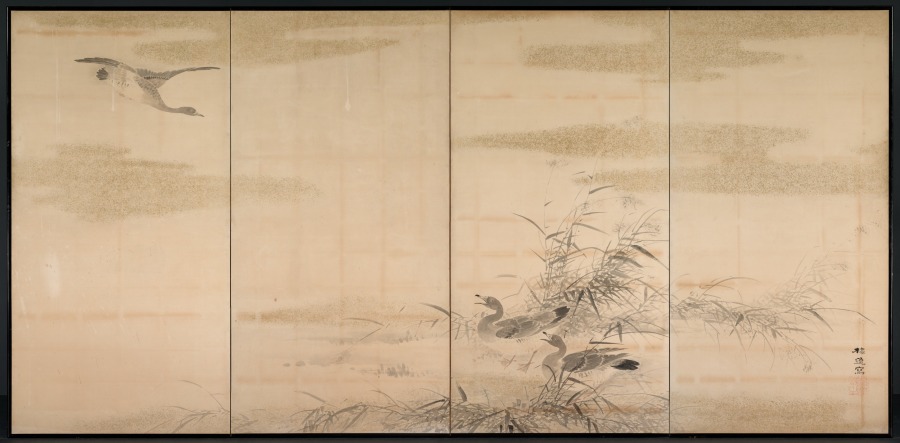
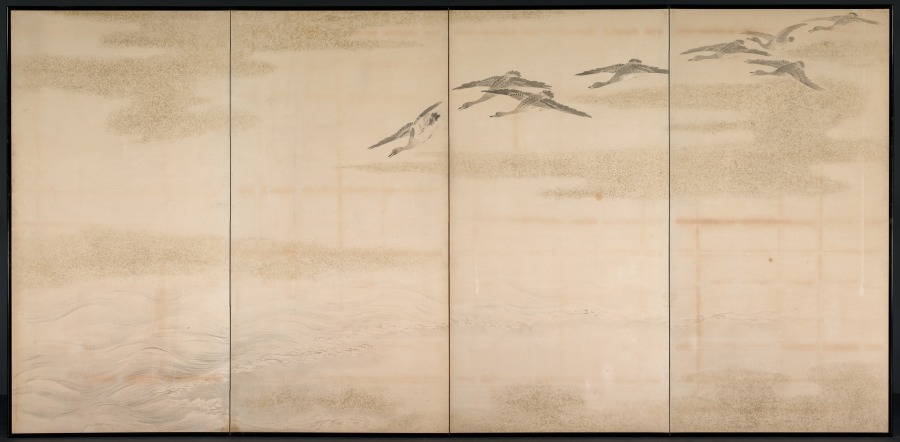
Baiitsu belonged to the Nanga school. This movement looked to Chinese literati traditions for inspiration. His work features a soft brushwork style. He used light washes of colour to build depth. In works like Wild Hawk on a Tree and Egrets in a Lotus Pond, he combined precise observation with a sense of space. He avoided the heavy, dark outlines common in other Japanese styles. Instead, he used subtle ink tones to define form.
The appeal of Baiitsu for modern interiors lies in his use of negative space. His compositions often leave large areas of the paper blank. This creates a sense of calm. His depictions of nature, such as Insects and Grasses, feel immediate. These prints suit minimalist decor. They provide a quiet connection to the natural world without overwhelming a room.
Notable Works
Tap to view larger.
Next stop
Browse the movements →
Every movement in the collection, from the Renaissance to Pop art.
Yamamoto Baiitsu prints
Hand-finished archival prints from Yamamoto Baiitsu's body of work.

Related Artists


Take Yamamoto Baiitsu home.
See all Yamamoto Baiitsu prints →Frequently Asked Questions
When was Yamamoto Baiitsu born?
Yamamoto Baiitsu was born in 1783 and died in 1856.What is Yamamoto Baiitsu known for?
Yamamoto Baiitsu is known for yamamoto Baiitsu was a Nanga school painter known for his delicate bird-and-flower studies and his expertise in authenticating ancient Chinese scrolls.