




Wolfgang Huber
Wolfgang Huber, a central figure of the Danube School, spent his early years in Feldkirch before establishing his career in Passau. While his contemporaries often focused on grand religious commissions, Huber maintained a peculiar obsession with the architectural details of small-town houses. He frequently documented the specific timber framing and roof pitches of local structures, grounding his art in the tangible reality of sixteenth-century Bavaria.
Biography
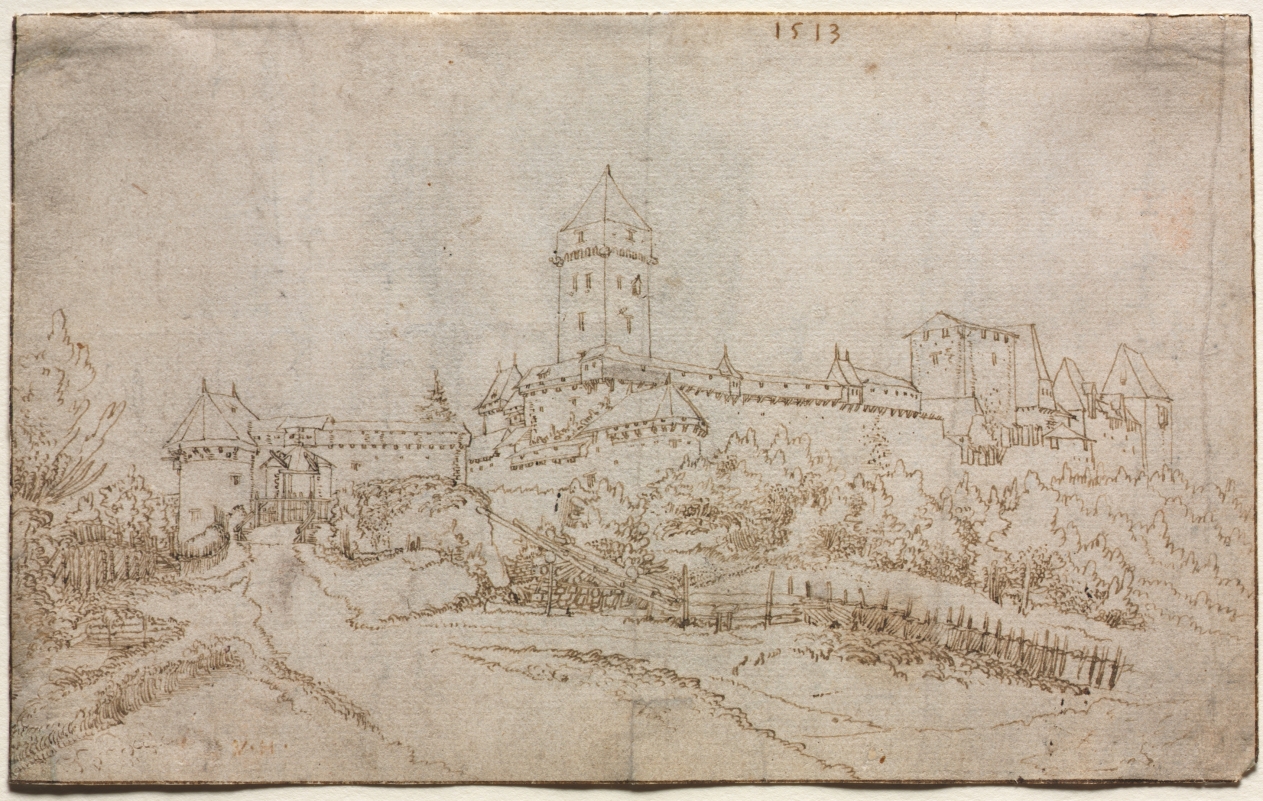
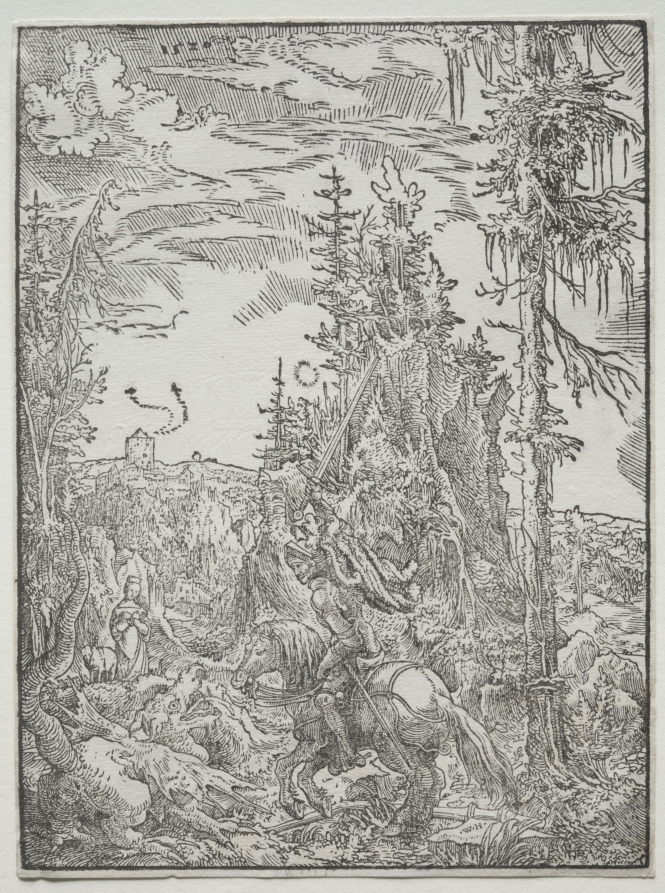
His artistic approach prioritises line work over mass. Huber utilised woodcuts and drawings to manipulate light, often creating dense, energetic patterns that define the contours of his subjects. His prints reject the static nature of academic art, opting instead for a rhythmic quality where every mark serves a structural purpose. This method creates a sense of movement within the frame, as if the scene exists in a state of constant transition.
Modern collectors value Huber for his precise observation of the transition between the medieval and the Renaissance. His prints offer a window into an era of rapid change, presented with a clarity that remains fresh today. These works provide a sophisticated aesthetic for domestic spaces, appealing to those who appreciate the technical discipline of early printmaking.
Notable Works
Tap to view larger.
Next stop
Browse the movements →
Every movement in the collection, from the Renaissance to Pop art.
Frequently Asked Questions
What is Wolfgang Huber known for?
Wolfgang Huber is known for wolfgang Huber was a master of the Danube School whose graphic works capture the precise architectural and natural details of the sixteenth-century German world.