

1875–1946 · Brittisk
William Frederick Measom
William Frederick Measom var konstnär i Förenade konungariket Storbritannien och Irland. Han levde från 1875 till 1946.
Biografi
Hans kända verk omfattar Study (Horses Heads), Fox, Sheep, Two Pigs, Gathering Fagots, Group of Humming Birds, Cow and Calf och Leucoryx Antelope. Solis Prints erbjuder tryck av Fox (Engraving after Harrison Weir), Group of Humming Birds och The Leucoryx Antelope.
Viktiga verk
Tryck för att förstora.
Nästa anhalt
Utforska konstriktningarna →
Alla konstriktningar i samlingen, från renässansen till popkonsten.
Konsttryck av William Frederick Measom
Handfärdigställda arkivtryck ur William Frederick Measoms konstnärskap.

Liknande konstnärer


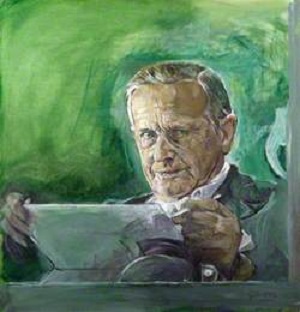
Ta hem William Frederick Measom.
Se alla konsttryck av William Frederick Measom →Vanliga frågor
När föddes William Frederick Measom?
William Frederick Measom föddes 1875 och dog 1946.Vad är William Frederick Measom känd för?
William Frederick Measom är känd för att ha varit konstnär i Förenade konungariket Storbritannien och Irland och levt från 1875 till 1946.