

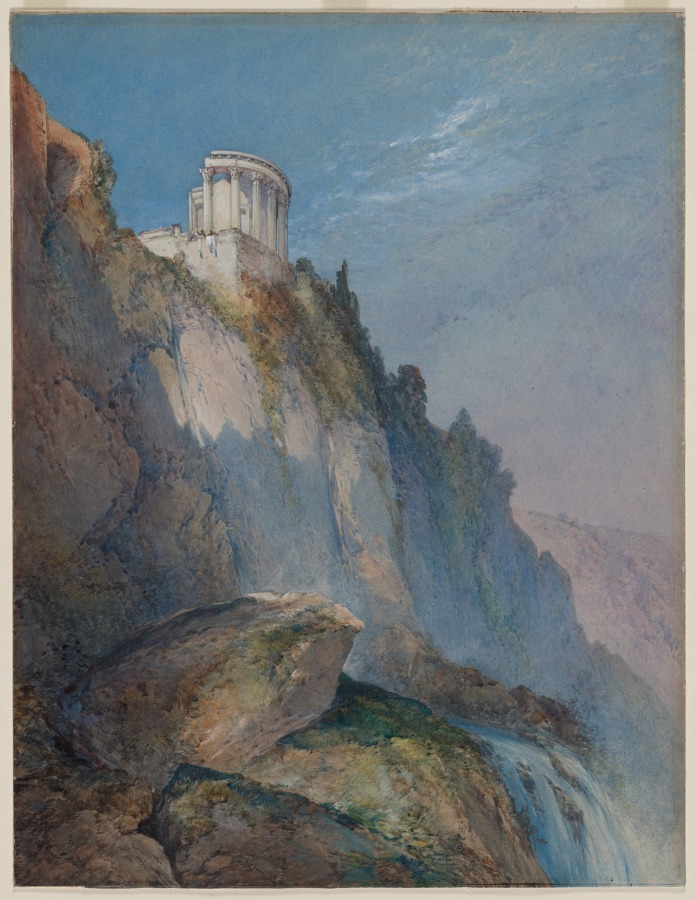


William Callow
Vid 17 års ålder flyttade William Callow till Paris för att arbeta åt gravören Theodore Fielding. Senare blev han teckningslärare åt kung Louis-Philippes barn. Kontakten med hovet gav honom möjlighet att resa i Europa. Skisserna från resorna blev underlag för ateljéverken genom hans långa liv. Han blev 96 år och hann uppleva övergången från hästdragna vagnar till bilar.

Biografi
Callow använde en tydlig, linjär stil med topografisk noggrannhet. Han fokuserade på byggnaders och fartygs struktur och föredrog breda färglaveringar framför blyertskonturer. Vyerna av Amsterdam och Genève visar hans perspektivkunnande. Han skildrade städer och maritima motiv med teknisk tydlighet och valde precis iakttagelse framför dimmig atmosfär.
Moderna samlare uppskattar Callows dokumentation av 1800-talets europeiska arkitektur. Trycken av Crystal Palace och kontinentens städer visar miljöerna före modern bebyggelse. De rena linjerna och arkitekturfokuset passar nutida interiörer. Verken ger hemmet ordning och historiskt perspektiv.
Viktiga verk
Tryck för att förstora.
Nästa anhalt
Utforska konstriktningarna →
Alla konstriktningar i samlingen, från renässansen till popkonsten.
Konsttryck av William Callow
Handfärdigställda arkivtryck ur William Callows konstnärskap.


Liknande konstnärer


Ta hem William Callow.
Se alla konsttryck av William Callow →Vanliga frågor
När föddes William Callow?
William Callow föddes 1812 och dog 1908.Vad är William Callow känd för?
William Callow var brittisk 1800-talsakvarellist, känd för precisa arkitekturvyer av Europa och sin roll som teckningslärare åt den franska kungafamiljen.