


William Callio Roffe
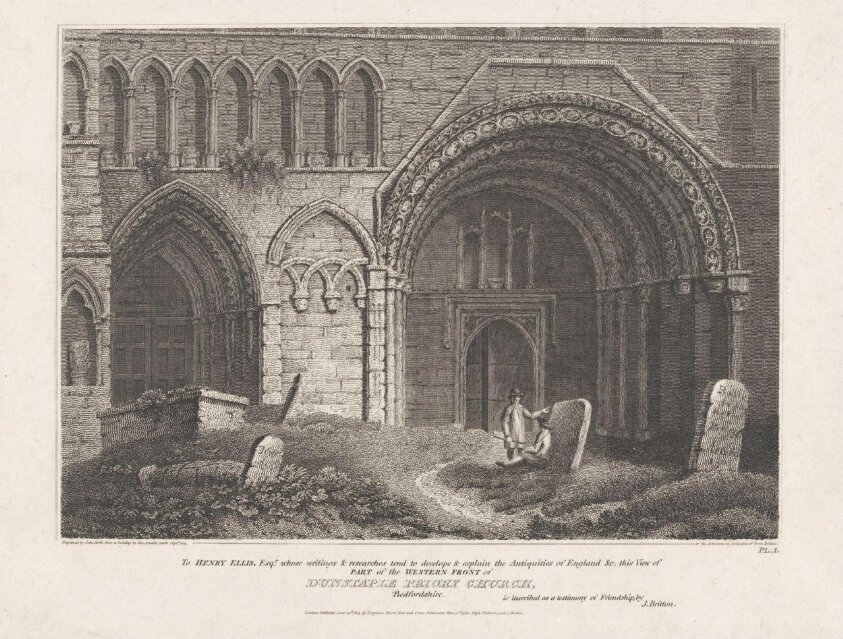
William Callio Roffe belonged to a lineage of London engravers who specialised in the exacting task of reproducing sculpture on paper. While many of his contemporaries focused on oil paintings, Roffe spent much of his career in the mid-nineteenth century translating marble and bronze into steel engravings. He frequently contributed to The Art Journal, a publication that brought the contents of private galleries to the Victorian public.
Biography
His technique relied on a combination of stipple and line engraving to mimic the textures of stone and metal. By using varied densities of dots and fine strokes, he could replicate the soft gradients of light on a statue. This approach was effective for his plates of the Vernon Collection. His work required a deep understanding of three-dimensional volume to ensure the printed image retained the physical presence of the original object.
Modern collectors find value in the architectural quality of his prints. These works provide a way to include classical imagery in a room without the weight of actual sculpture. The monochrome palette and precise lines suit minimalist or traditional spaces. Because Roffe worked primarily with steel plates, his prints retain a sharpness that remains clear in a contemporary home.
Notable Works
Tap to view larger.
Next stop
Browse the movements →
Every movement in the collection, from the Renaissance to Pop art.
Frequently Asked Questions
What is William Callio Roffe known for?
William Callio Roffe is known for william Callio Roffe was a nineteenth-century British engraver who specialised in translating classical and contemporary sculptures into precise steel-plate prints for the Victorian public.

