



Stéphane Pannemaker
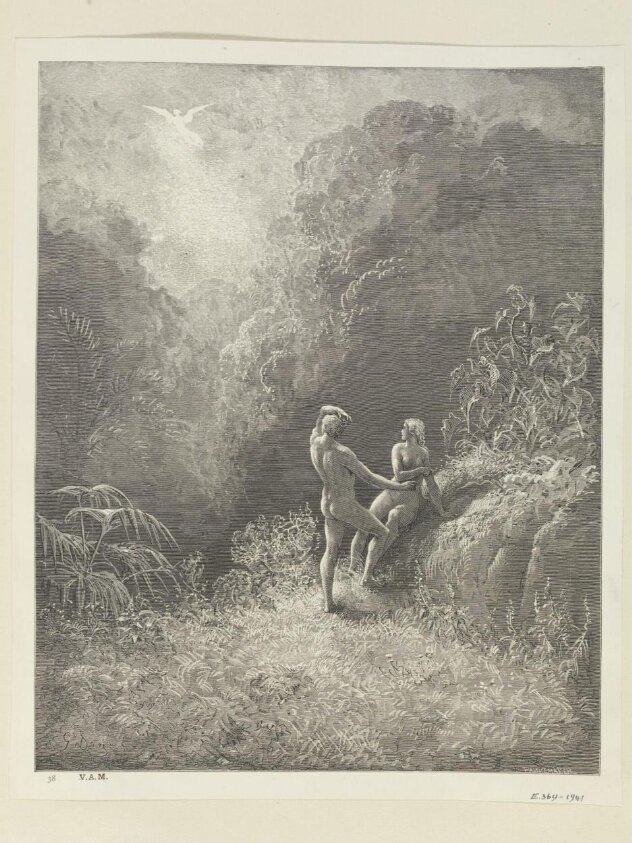
Stéphane Pannemaker was a master of wood engraving during the late nineteenth century. He was the son of Adolphe Pannemaker, another skilled engraver in the Belgian tradition. While many peers moved toward lithography, Stéphane focused on the technical limits of wood. His work on *The Early Bird* demonstrates his ability to capture natural detail. He worked closely with Gustave Doré to translate complex drawings into woodblocks for high-quality printing. This collaboration required a level of precision that few other engravers could match.
Biography
His artistic approach favoured clarity and historical accuracy. In *The Tattooing of New Zealand*, Pannemaker used fine hatching to document cultural rituals with a clinical eye. His work is distinctive for its use of tonal wood engraving. This technique creates the illusion of soft grey washes using only black ink on white paper. Works like *Discovery of the Remains of Raphael in the Pantheon in Rome* demonstrate his ability to manage large-scale architectural compositions through careful line placement.
Pannemaker prints appeal to modern collectors who value the graphic nature of nineteenth-century illustration. The monochrome compositions provide a clean look for contemporary wall displays. These engravings represent a period when printmaking was both a fine art and a method of historical record. They offer a sense of texture and historical depth that remains relevant for current interior design.
Notable Works
Tap to view larger.
Next stop
Browse the movements →
Every movement in the collection, from the Renaissance to Pop art.
Related Artists


Frequently Asked Questions
When was Stéphane Pannemaker born?
Stéphane Pannemaker was born in 1847 and died in 1930.What is Stéphane Pannemaker known for?
Stéphane Pannemaker is known for stéphane Pannemaker was a Belgian master of wood engraving known for his precise tonal work and collaborations with Gustave Doré.