

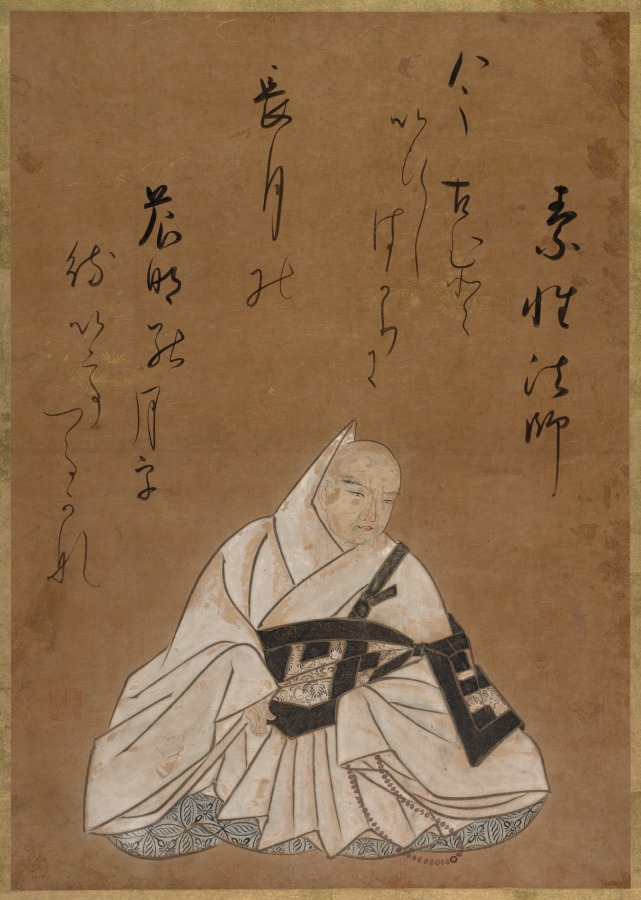
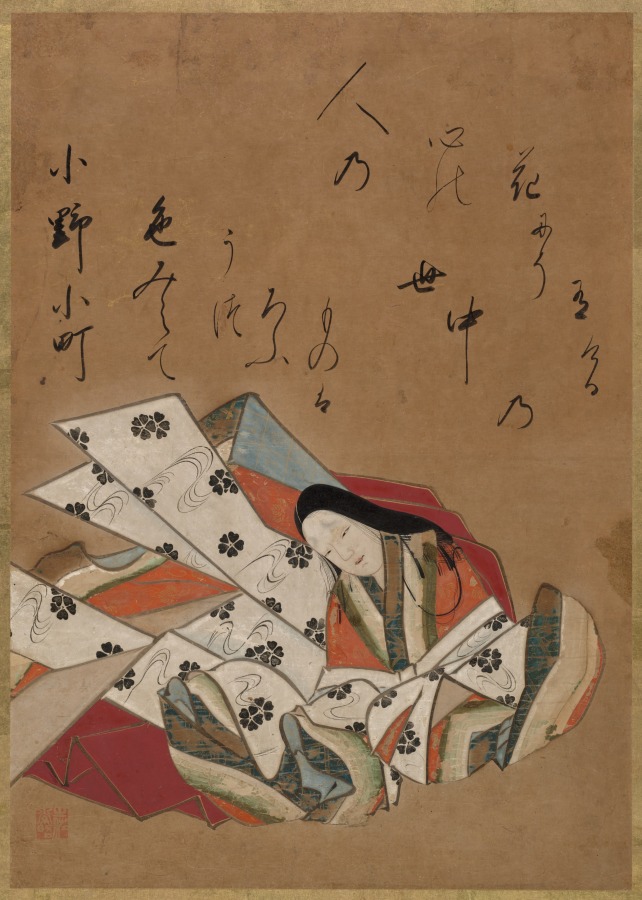
Shōkadō Shōjō
Shōkadō Shōjō spent much of his life as a high-ranking Buddhist monk at the Iwashimizu Hachiman Shrine near Kyoto. He lived in a small retirement hut named Shōkadō, which later became his namesake. While many monks of his era focused strictly on religious duties, Shōjō became a master of the tea ceremony and calligraphy. He was part of a circle of cultural figures who shaped the aesthetics of early seventeenth-century Japan.
Biography
His work often merges poetry with visual art. In pieces like "Poem by Onakatomi Yoshinobu with Underpainting of Hollyhocks," the calligraphy interacts with subtle background washes. Shōjō avoided rigid formal styles. He preferred a fluid, cursive script that felt spontaneous. His ink paintings of natural subjects, such as "Sparrow on Plum Branch" or his series of "Rocks," use minimal brushstrokes to suggest form rather than defining every detail.
Modern collectors find value in the restrained palette and natural themes of these prints. The simplicity of a single sparrow or a cluster of rocks suits contemporary interiors that prioritise calm. His work offers a sense of quiet focus. These pieces provide a connection to the classical Japanese tradition of finding beauty in ordinary objects.
Notable Works
Tap to view larger.
Next stop
Browse the movements →
Every movement in the collection, from the Renaissance to Pop art.
Related Artists


Frequently Asked Questions
When was Shōkadō Shōjō born?
Shōkadō Shōjō was born in 1584 and died in 1639.What is Shōkadō Shōjō known for?
Shōkadō Shōjō is known for shōkadō Shōjō was a seventeenth-century monk and master calligrapher known for his fluid ink paintings and poetic underpaintings of the natural world.