

Samuel Johnson Woolf
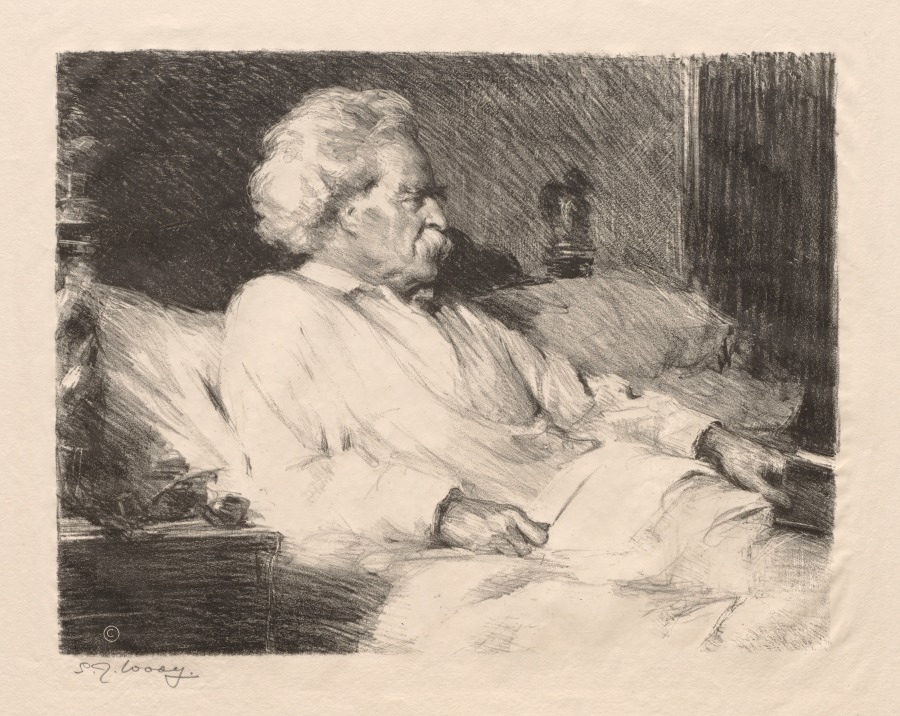
Samuel Johnson Woolf worked as both a journalist and a painter. He often interviewed his subjects while he sketched them for the New York Times. This dual role allowed him to record a person's character through both text and charcoal. He visited Mark Twain at his home, where the author joked about the artist capturing his likeness. Woolf painted the famous while seeking the personality behind the public face.
%20self%20portrait.png?width=800)
Biography
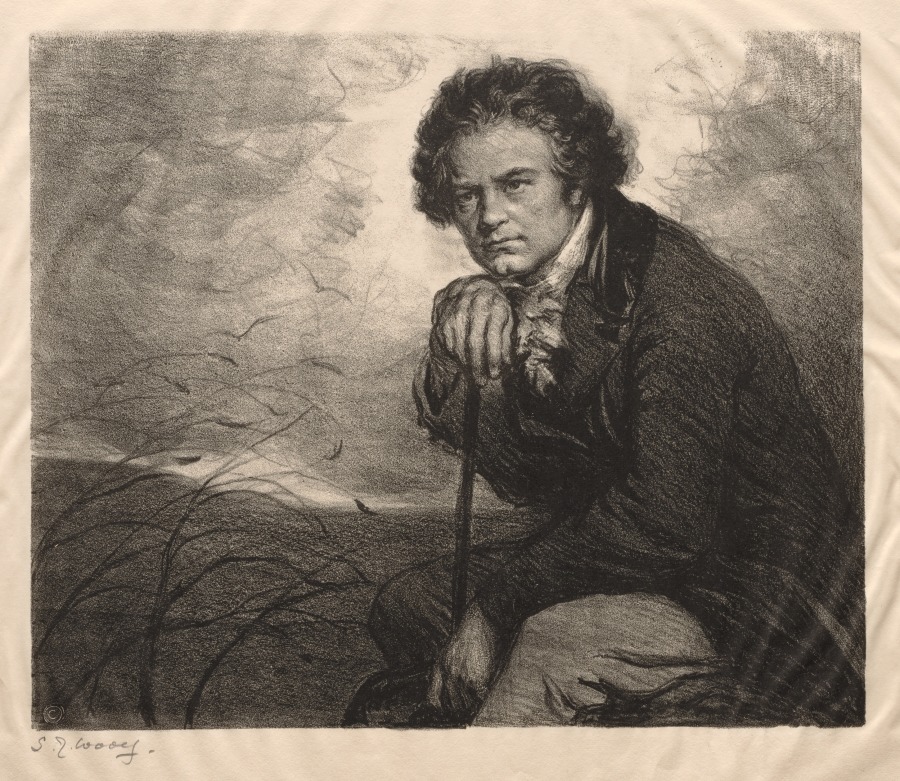
He practised a style of direct, observational realism. Woolf preferred charcoal and lithography for their quick, spontaneous nature. This speed was necessary when working with busy figures like Charles Francis Adams III or Frank Knox. A student of history, he often consulted encyclopaedic sources to inform his portraits of past figures like Beethoven. He avoided unnecessary decoration, focusing instead on the structure of the face and the expression in the eyes.
For collectors today, Woolf's work offers a connection to the early twentieth century. These prints function as historical documents that retain a personal, hand-drawn quality. The lack of colour in his lithographs suits contemporary interiors. His portraits of Mark Twain and other cultural figures provide a sense of history without the stiffness of formal oil paintings. They are honest records of the individuals who shaped their era.
Notable Works
Tap to view larger.
Next stop
Browse the movements →
Every movement in the collection, from the Renaissance to Pop art.
Related Artists
_%E2%80%93_LOC.jpg)



Frequently Asked Questions
When was Samuel Johnson Woolf born?
Samuel Johnson Woolf was born in 1880 and died in 1948.What is Samuel Johnson Woolf known for?
Samuel Johnson Woolf is known for samuel Johnson Woolf was an American portraitist and journalist who captured the character of 20th-century figures through direct, observational charcoal drawings and lithographs.