


Peter Flötner
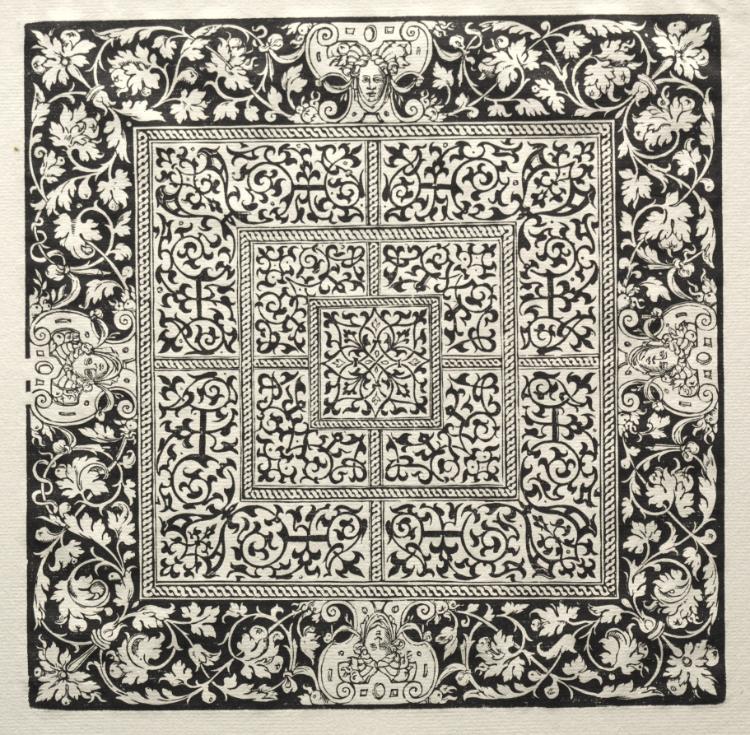
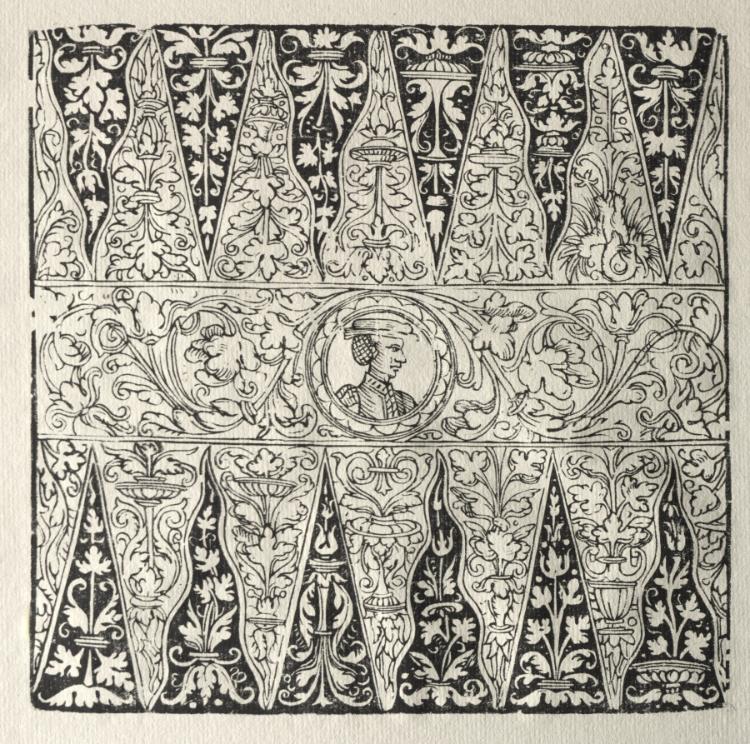
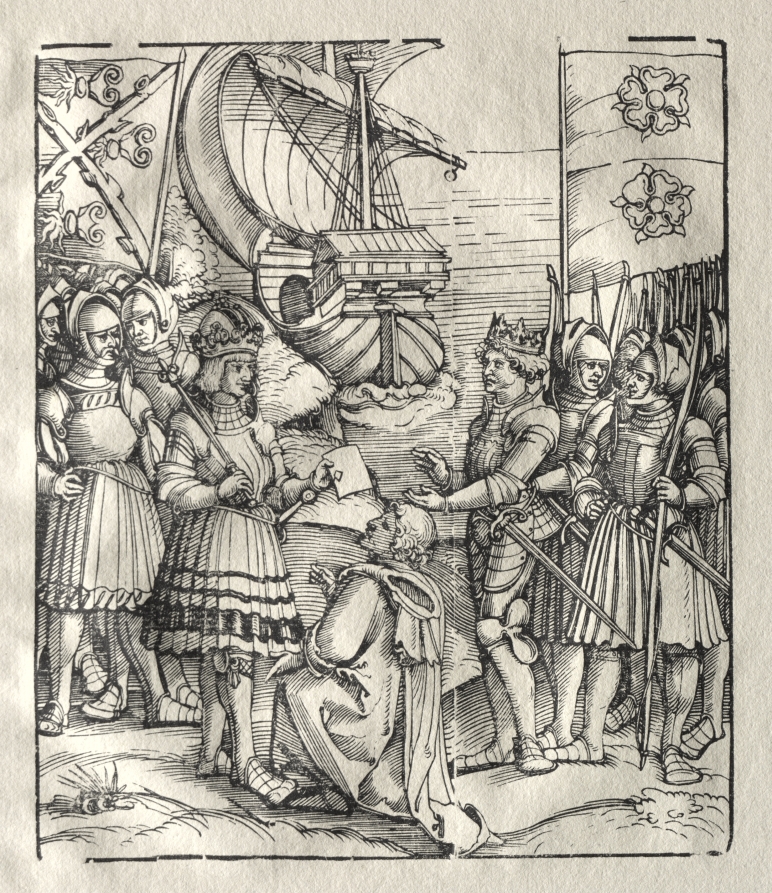
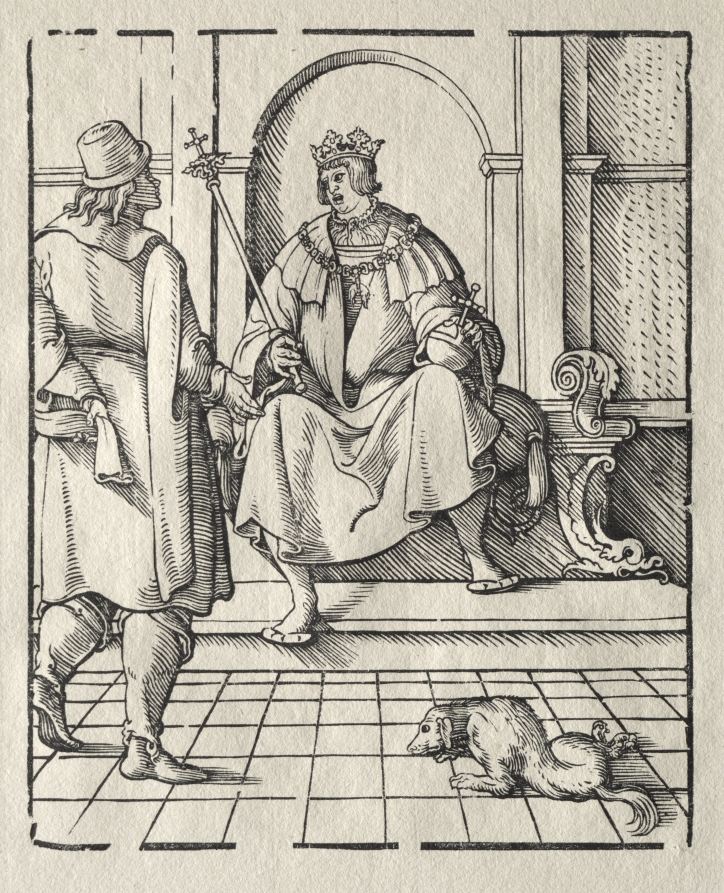
Peter Flötner arrived in Nuremberg around 1522, bringing a distinct Italian influence to the city during the era of Albrecht Dürer. While many of his contemporaries focused on large altarpieces, Flötner became a master of the small scale. He designed objects ranging from furniture and fountains to medals and playing cards. One of his most unusual projects involved creating woodcut designs for a human-shaped sundial. This technical precision defined his career as he translated complex architectural theories into visual forms.
Biography
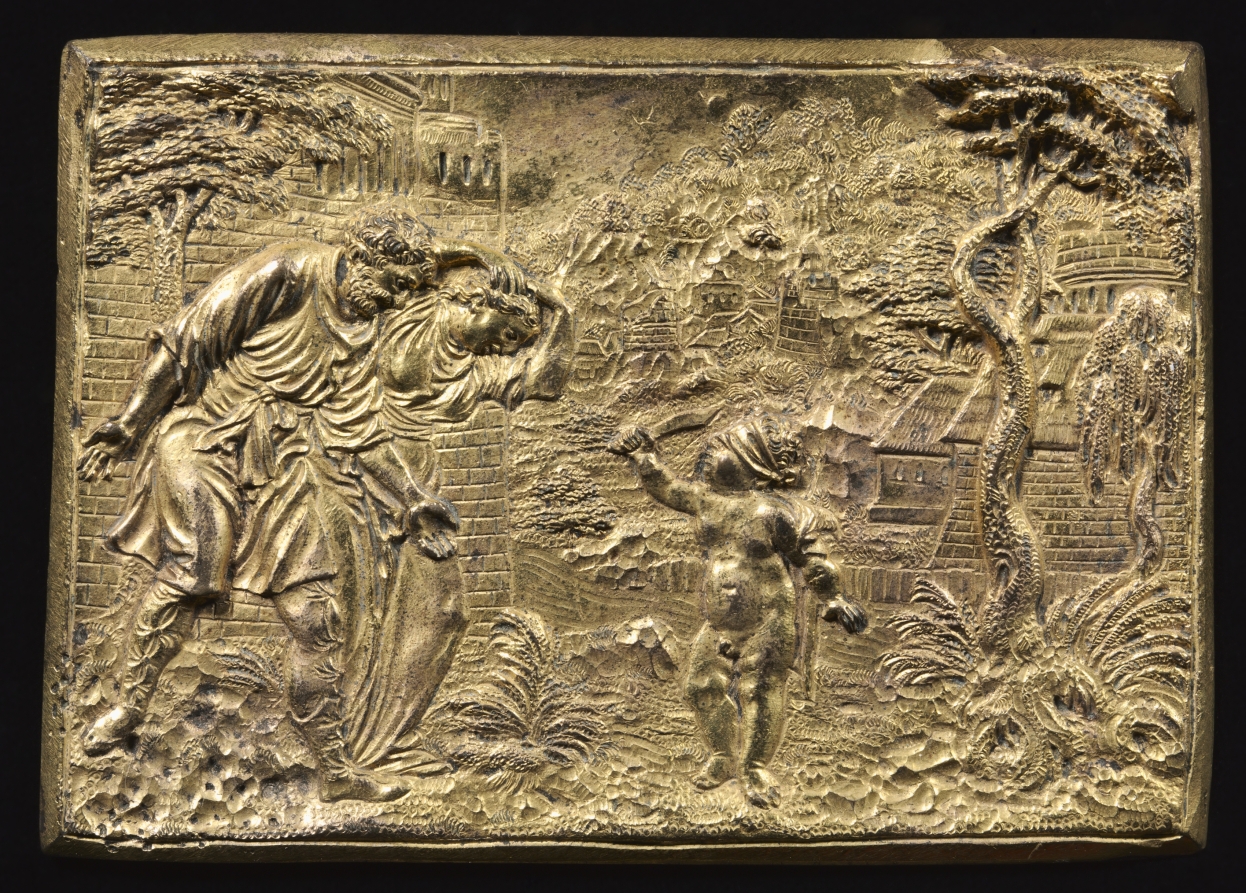
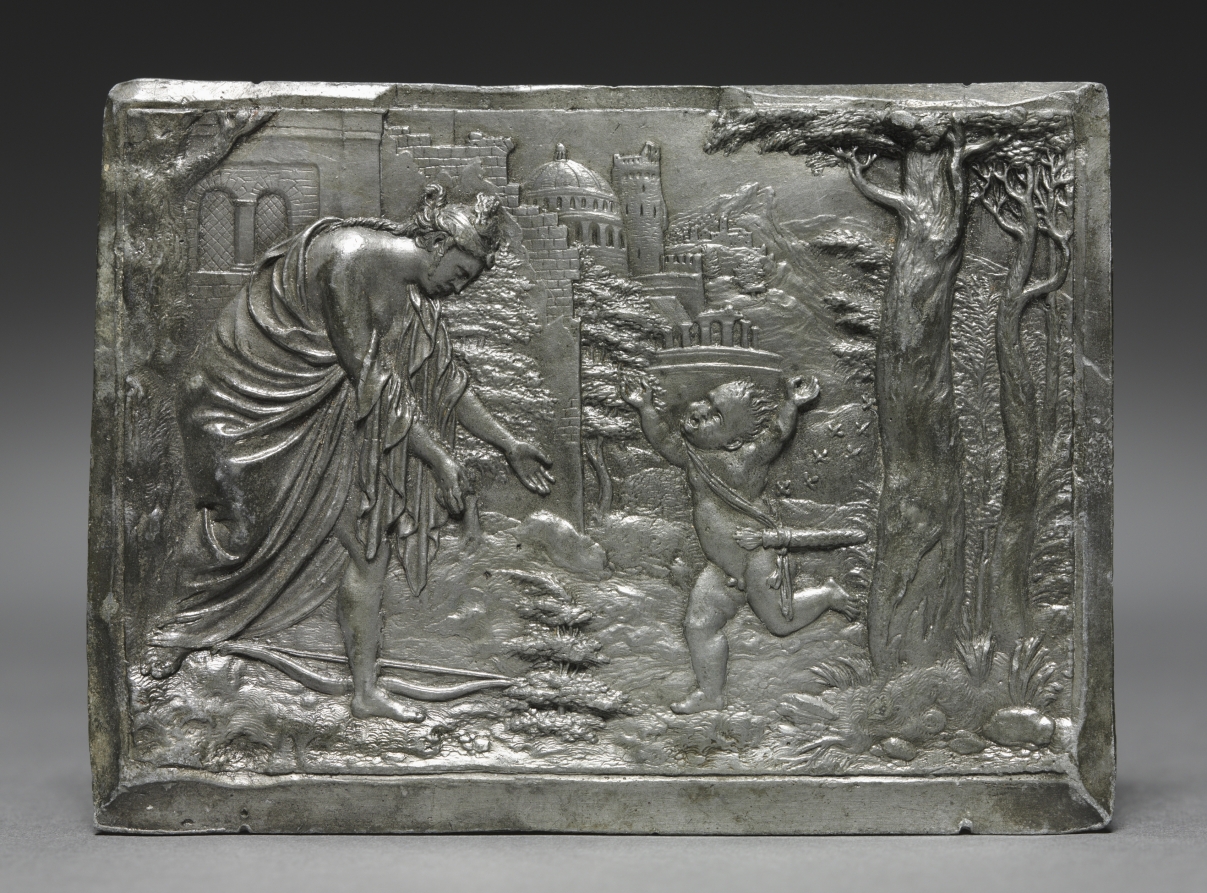
His artistic approach relied on a firm understanding of classical proportion. Flötner was among the first German artists to adopt the motifs of the Italian Renaissance, such as arabesques and grotteschi. His woodcuts often depict mythological scenes from Ovid or allegorical figures placed within structured frames. These works are characterised by clear outlines and a lack of unnecessary clutter. He worked alongside the Little Masters, yet his output remained focused on the intersection of fine art and functional design.
Modern collectors value Flötner for the graphic clarity of his compositions. His prints possess an architectural quality that complements contemporary spaces. Because he designed for craftsmen and builders, his work has a structural integrity that differs from purely decorative art. These woodcuts offer a window into the intellectual world of the sixteenth century. The balance of classical mythology and precise geometry makes his work a sophisticated choice for a gallery wall.
Notable Works
Tap to view larger.
Next stop
Browse the movements →
Every movement in the collection, from the Renaissance to Pop art.
Frequently Asked Questions
What is Peter Flötner known for?
Peter Flötner is known for peter Flötner was a Nuremberg master who blended Italian Renaissance motifs with German woodcut traditions to create precise architectural and mythological designs.