


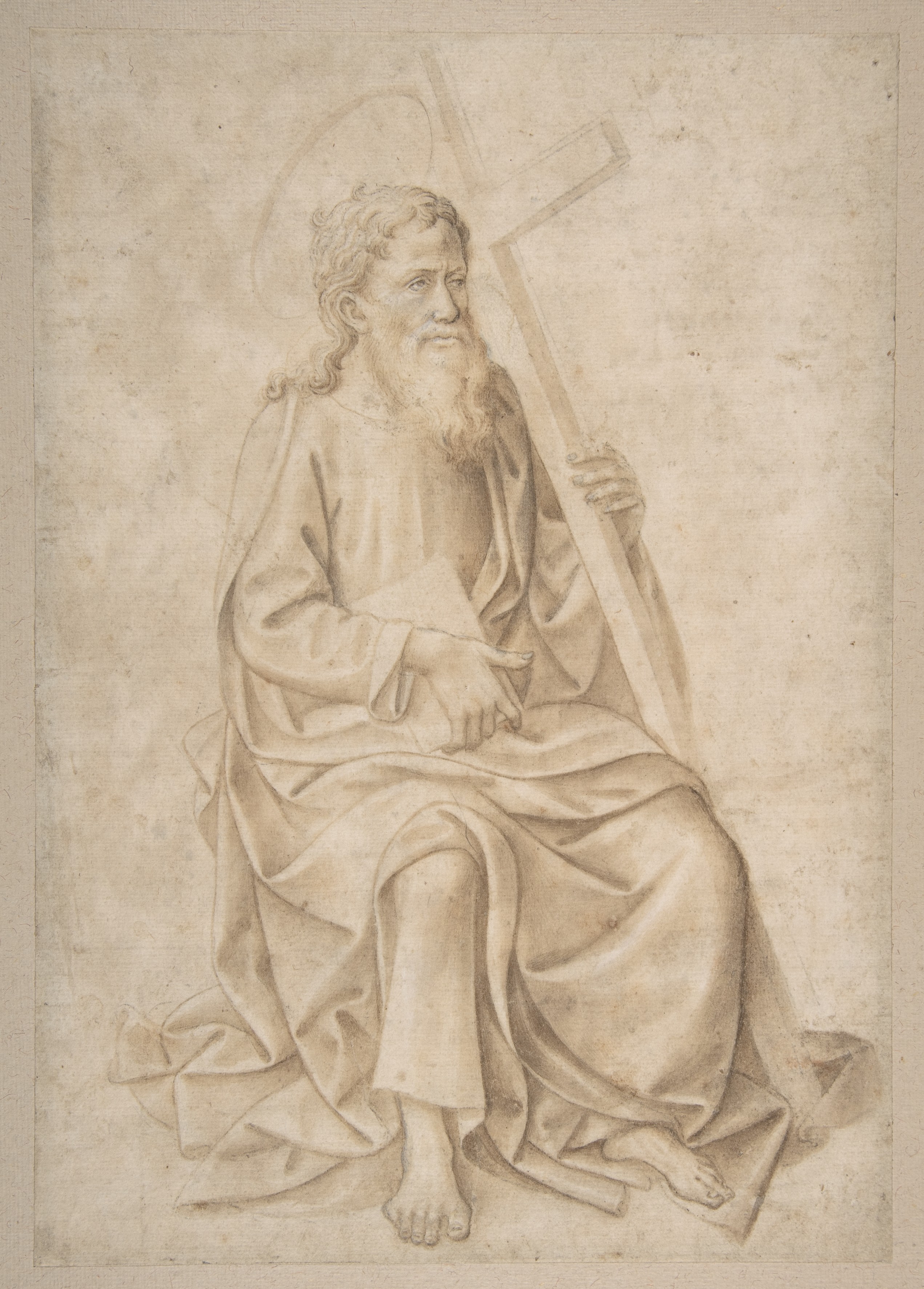
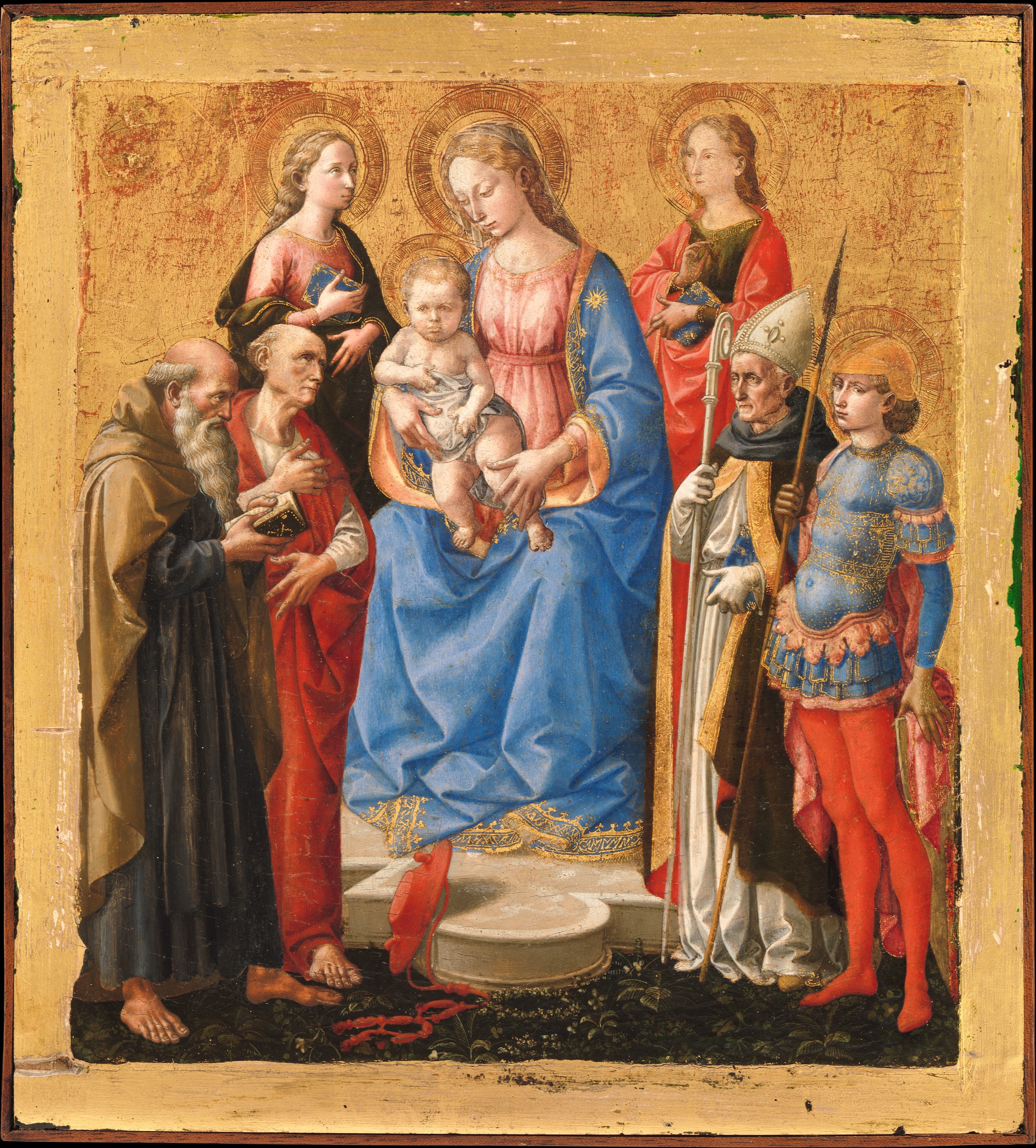
Pesellino (Francesco di Stefano)
Pesellino maintained a private menagerie of live animals in his home to ensure his depictions remained accurate. This practice allowed him to observe their movements and anatomy first-hand. While many of his contemporaries relied on stylised patterns for beasts, he preferred direct study. This dedication to realism distinguished his work in fifteenth-century Florence. He often painted these subjects on domestic items like wooden chests and wall panelling for the Medici family.
Biography
His style followed the methods of Fra Filippo Lippi and Andrea dal Castagno. He became a specialist in small-scale compositions, often producing predella panels with small figures. These works demonstrate a meticulous approach to detail and narrative. His ability to render lifelike portraits and animals led to prestigious commissions from the Signoria of Florence. He completed a panel of the Magi for the Palazzo Vecchio that included likenesses of contemporary figures such as Donato Acciaiuoli.
Modern collectors value his work for its precision and the domestic scale of his compositions. Because he died at thirty-one, his surviving output is limited and rare. His paintings offer a clear view of the transition between the Early and High Renaissance in Italy. The focus on naturalistic animals and narrative scenes makes his prints suitable for smaller spaces. They provide a sense of historical continuity without the overwhelming scale of large church frescoes.
Notable Works
Tap to view larger.
Next stop
Browse the movements →
Every movement in the collection, from the Renaissance to Pop art.
Frequently Asked Questions
What is Pesellino (Francesco di Stefano) known for?
Pesellino (Francesco di Stefano) is known for francesco di Stefano, known as Pesellino, was a Florentine painter who studied under Fra Filippo Lippi and gained fame for his realistic animal studies and small-scale narrative panels.