



Niccolo Boldrini
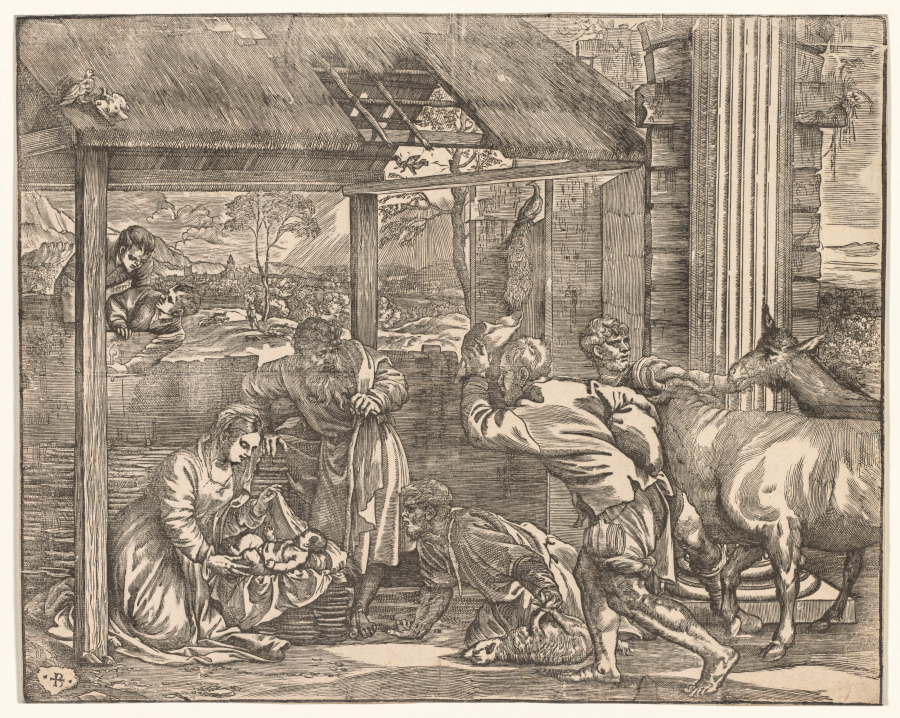
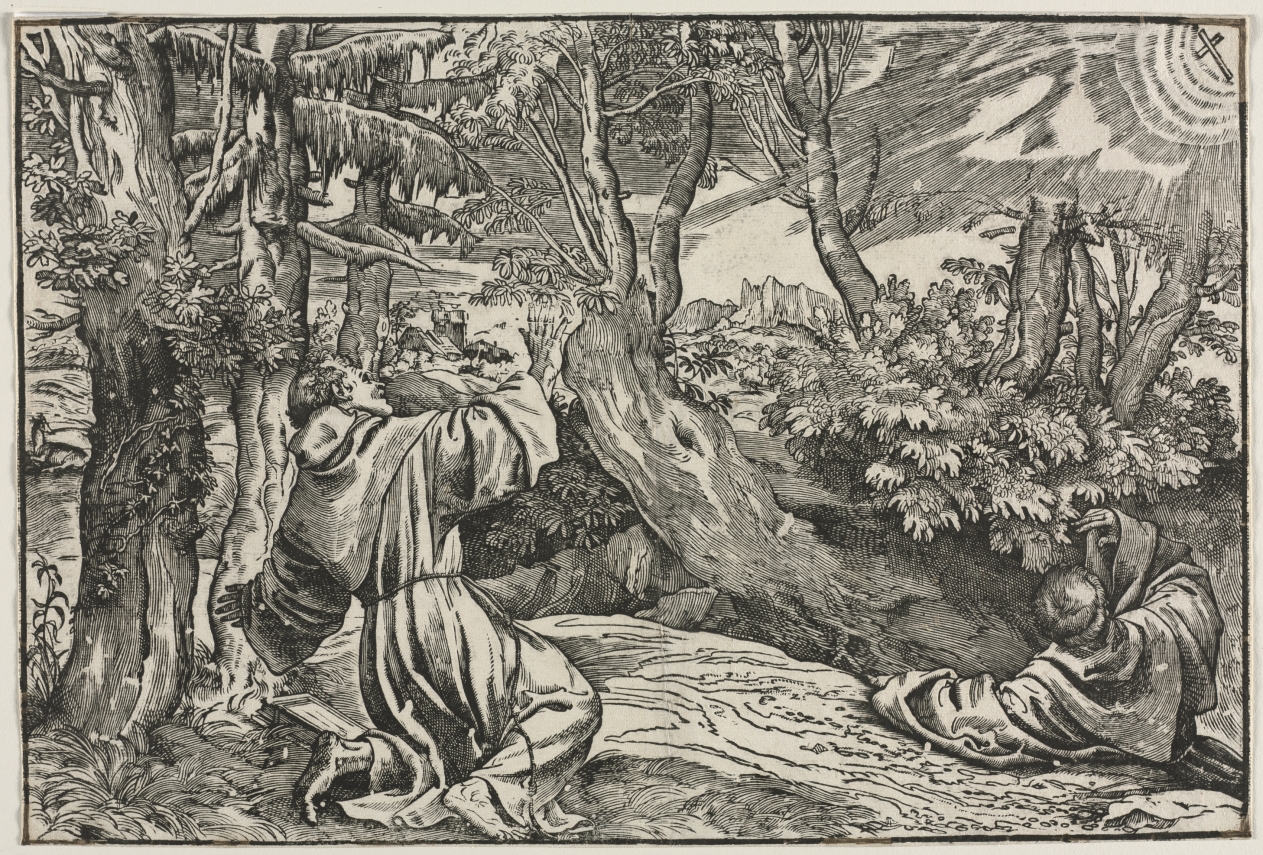
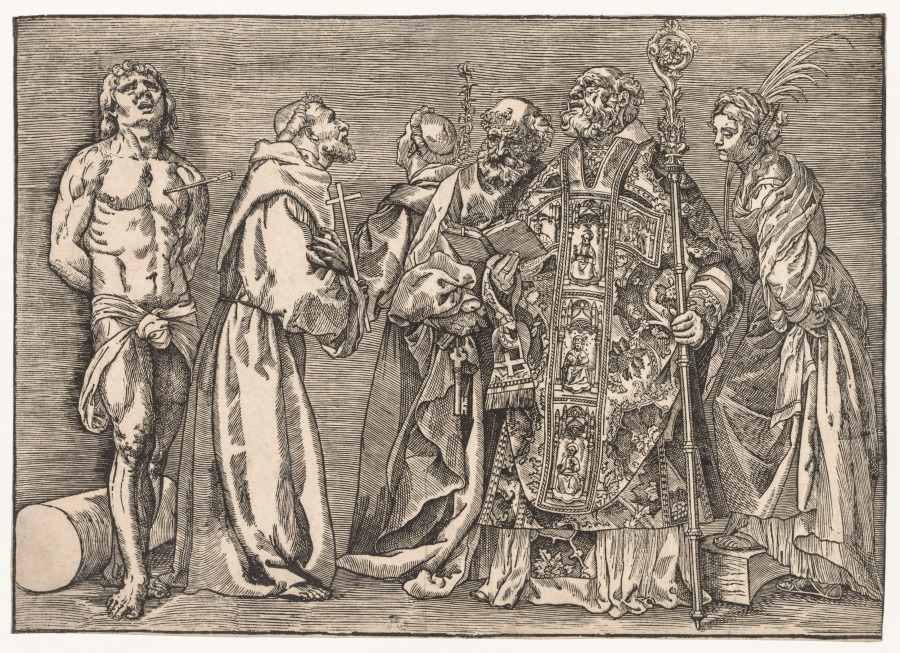
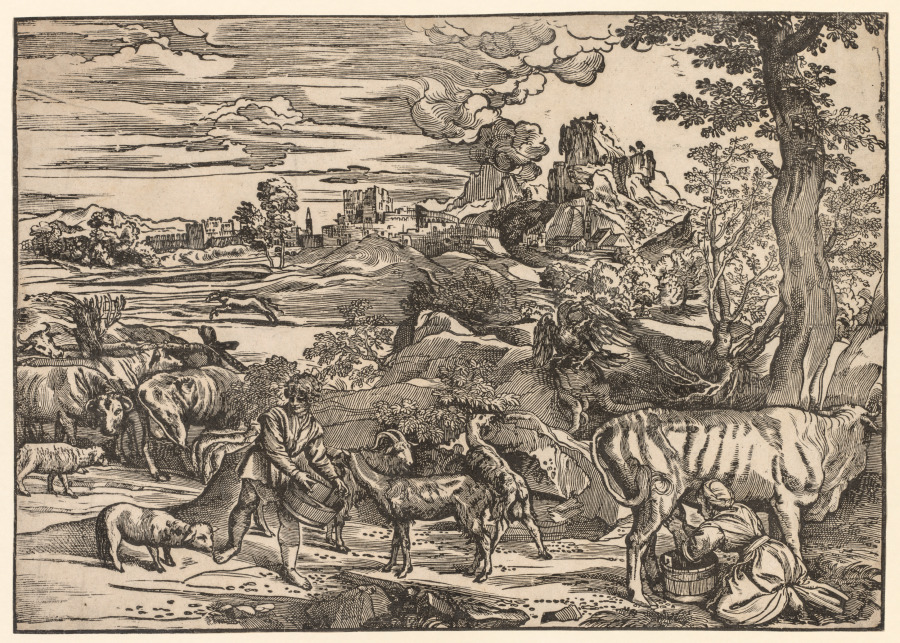
Niccolo Boldrini, born in Vicenza, worked in the Venetian workshops of the sixteenth century. Unlike many engravers who sought to replicate every brushstroke of a painting, Boldrini focused on the energy of the initial sketch. He collaborated closely with Titian. This partnership resulted in woodcuts that many early collectors believed were carved by Titian himself. Boldrini possessed a rare ability to translate the fluid motion of a pen into the rigid medium of a wood block.
Biography
His technique involves bold, swelling lines that define anatomy and fabric without the need for dense cross-hatching. This approach gives his prints a sculptural quality. In works such as the Milo of Croton, he uses the natural grain of the wood and wide gaps between lines to suggest light and air. His woodcuts do not attempt to be paintings. Instead, they celebrate the physical act of carving. The result is a series of prints that feel spontaneous despite the labour required to produce them.
Modern collectors value Boldrini for his graphic clarity. His prints offer a direct connection to the High Renaissance without the heavy ornamentation often found in later periods. The stark contrast of black ink on paper suits contemporary spaces. These works provide a window into the collaborative nature of Venetian art production. They remain some of the most successful examples of the woodcut medium in Italy.
Notable Works
Tap to view larger.
Next stop
Browse the movements →
Every movement in the collection, from the Renaissance to Pop art.
Frequently Asked Questions
What is Niccolo Boldrini known for?
Niccolo Boldrini is known for niccolo Boldrini was a sixteenth-century Venetian engraver known for his bold woodcuts and his close collaborative relationship with the painter Titian.