



Karl Friedrich Schinkel
- Grekisk nyklassicistisk arkitektur
Karl Friedrich Schinkel inledde karriären som målare och scenograf, inte som arkitekt. Under sina tidiga år i Italien skapade han teaterscenerier för att försörja sig. Efter återkomsten till Preussen tog han avstånd från de romerska arkitekturstilar som Napoleon föredrog. Han valde grekiska former i byggnader som Neue Wache för att skapa en särpräglad preussisk identitet.

Biografi
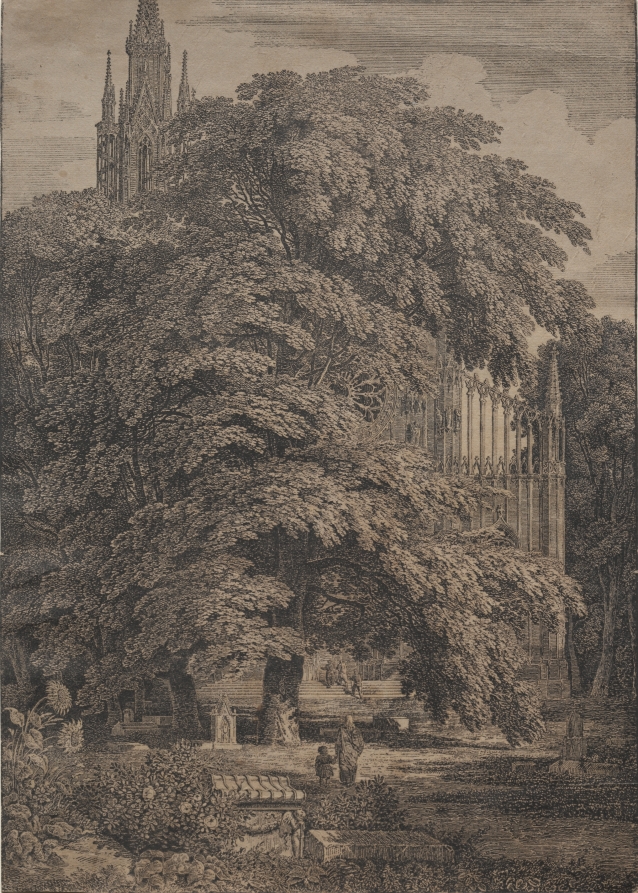
Hans konstnärliga metod förenade grekisk nyklassicistisk arkitekturs precision med tysk romantiks atmosfär. Han var samtida med Caspar David Friedrich och delade intresset för förhållandet mellan natur och struktur. Det syns i Gothic Church among Oaks och Coach in Deep Woods. Schinkel formgav också bruksföremål, bland annat stolar och rökdon, som i Studieblad met zitmeubelen.
Moderna samlare uppskattar Schinkels tekniska noggrannhet och rena linjer. Hans skisser till Stefansdomen i Wien och Traunsee bij Gmunden ger en strukturerad syn på världen. Verken tillför en känsla av historiskt djup utan senare viktoriansk stilöverlastning. Hans teckningar av möbler och arkitektoniska detaljer har en förfinad estetik för moderna interiörer.
Viktiga verk
Tryck för att förstora.
Nästa anhalt
Utforska konstriktningarna →
Alla konstriktningar i samlingen, från renässansen till popkonsten.
Liknande konstnärer


Vanliga frågor
När föddes Karl Friedrich Schinkel?
Karl Friedrich Schinkel föddes 1781 och dog 1841.Vilken konströrelse tillhörde Karl Friedrich Schinkel?
Karl Friedrich Schinkel förknippas med grekisk nyklassicism i arkitekturen.Vad är Karl Friedrich Schinkel känd för?
Karl Friedrich Schinkel var preussisk arkitekt och målare. I sina detaljerade teckningar och stämningsfulla målningar förenade han grekisk nyklassicism med tysk romantik.