

1810–1867 · Amerikansk
Johann Hermann Carmiencke
Johann Hermann Carmiencke levde från 1810 till 1867. Han var amerikansk medborgare.

Biografi
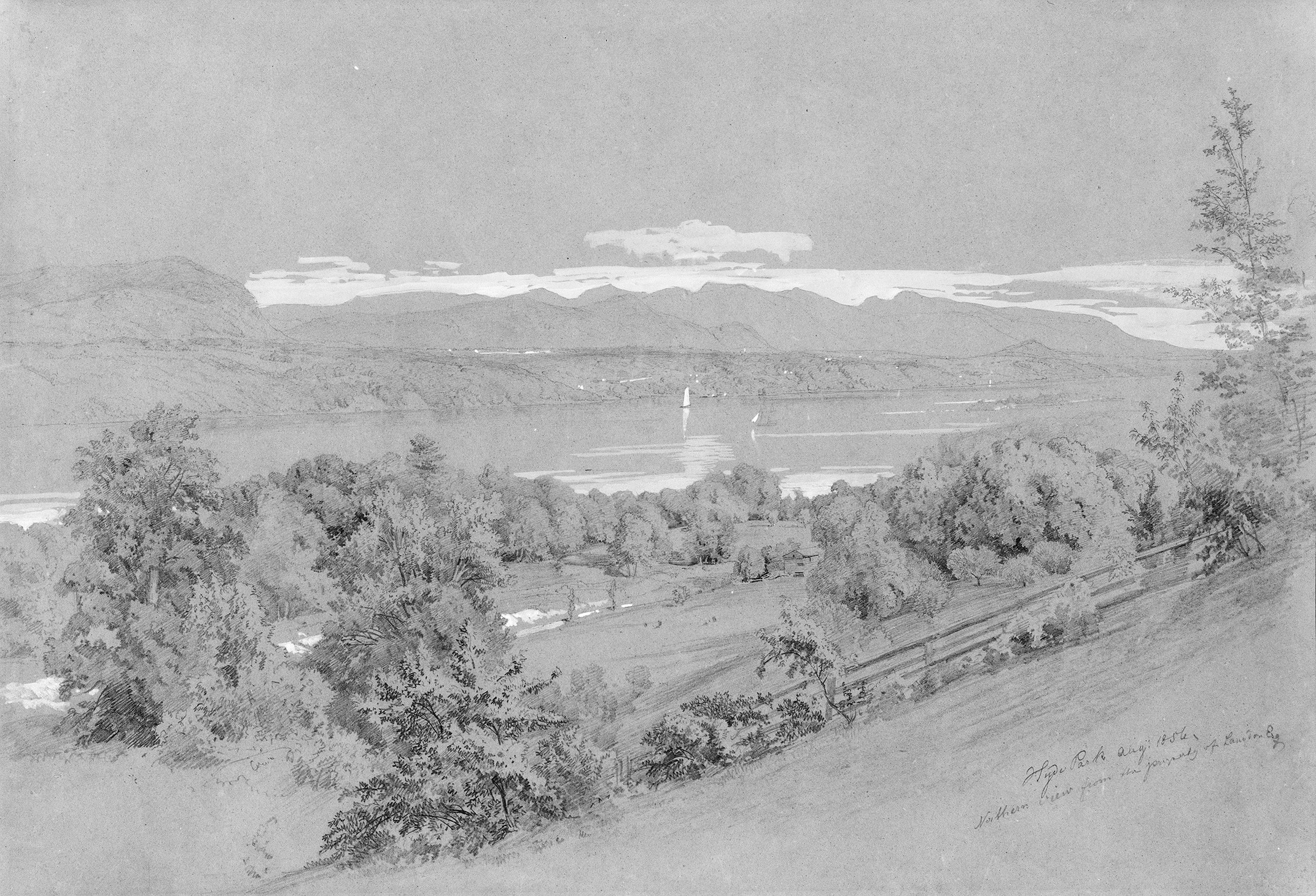
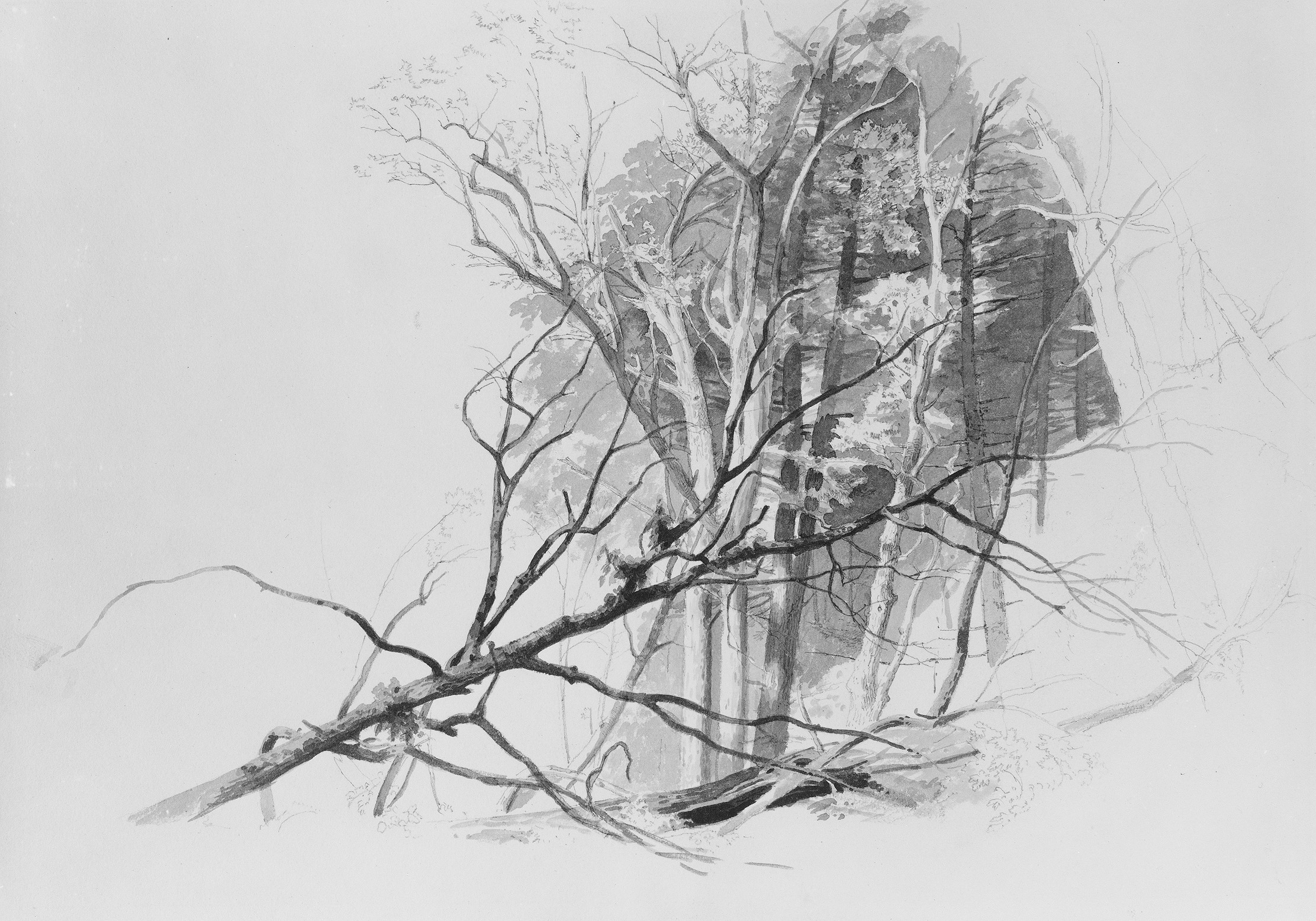
Solis Prints erbjuder konsttryck av hans verk, däribland Grotto near Sorrento, Hunter, Mill, Peasants by the Fishing Boats och River Bed with Three-Arched Bridge.
Viktiga verk
Tryck för att förstora.
Nästa anhalt
Utforska konstriktningarna →
Alla konstriktningar i samlingen, från renässansen till popkonsten.
Konsttryck av Johann Hermann Carmiencke
Handfärdigställda arkivtryck ur Johann Hermann Carmienckes konstnärskap.
 River Bed with Three-Arched Bridge - Johann Hermann Carmiencke
Från £28,00
River Bed with Three-Arched Bridge - Johann Hermann Carmiencke
Från £28,00
 Hunter - Johann Hermann Carmiencke
Från £28,00
Hunter - Johann Hermann Carmiencke
Från £28,00
 Two Oaks - Johann Hermann Carmiencke
Från £28,00
Two Oaks - Johann Hermann Carmiencke
Från £28,00
 Ruins of Schloss Hartenstein - Johann Hermann Carmiencke
Från £28,00
Ruins of Schloss Hartenstein - Johann Hermann Carmiencke
Från £28,00
 Mill - Johann Hermann Carmiencke
Från £28,00
Mill - Johann Hermann Carmiencke
Från £28,00
 Peasants by the Fishing Boats - Johann Hermann Carmiencke
Från £28,00
Peasants by the Fishing Boats - Johann Hermann Carmiencke
Från £28,00
Liknande konstnärer
_%E2%80%93_LOC.jpg)


Ta hem Johann Hermann Carmiencke.
Se alla konsttryck av Johann Hermann Carmiencke →Vanliga frågor
När föddes Johann Hermann Carmiencke?
Johann Hermann Carmiencke föddes 1810 och dog 1867.Vad är Johann Hermann Carmiencke känd för?
Johann Hermann Carmiencke var amerikansk konstnär och levde från 1810 till 1867.