



Johann Georg von Dillis
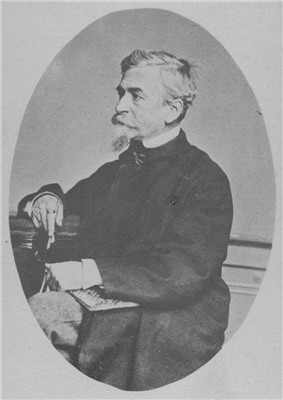
Johann Georg von Dillis was ordained as a priest before he became a prominent figure in the Bavarian art world. He eventually left his religious duties to focus on painting and museum administration. As a trusted advisor to King Ludwig I, he travelled across Europe to acquire masterpieces for the royal collection in Munich. His dual role as a gallery director and a working artist allowed him to study the Old Masters while developing a personal style that favoured direct observation.

Biography
Dillis is noted for his early adoption of painting outdoors. He frequently carried his sketchbooks into the Bavarian Alps and the Roman Campagna to record the specific effects of natural light. His watercolours and small oil studies avoid the heavy allegories common in the eighteenth century. Instead, he produced honest depictions of trees and local architecture. His work is defined by a sense of immediacy and a preference for informal compositions that capture a single moment.
Modern collectors value the work of Dillis for its spontaneous quality. His sketches often resemble the precursors to nineteenth-century movements like Impressionism. Because he avoided the stiff formality of his contemporaries, his art remains fresh and accessible for a modern home. His views of Italy and the German countryside provide a calm perspective on nature. These prints offer a connection to the origins of modern nature studies through the eyes of a meticulous observer.
Notable Works
Tap to view larger.
Next stop
Browse the movements →
Every movement in the collection, from the Renaissance to Pop art.
Related Artists


Frequently Asked Questions
When was Johann Georg von Dillis born?
Johann Georg von Dillis was born in 1759 and died in 1841.What is Johann Georg von Dillis known for?
Johann Georg von Dillis is known for johann Georg von Dillis was a Bavarian painter and gallery director known for his spontaneous, naturalistic sketches of the European countryside and his early use of outdoor painting techniques.