

H. Bibby
H. Bibby var en engelsk gravör som nådde stora framgångar i Tyskland under 1800-talets mitt. Han gav ut sin egen tidskrift, Bibby's Quarterly, som spred hans stålgravyrer till en bred europeisk publik. Medan många brittiska konstnärer fokuserade på lokala motiv reste Bibby runt på kontinenten för att dokumentera stadslivet. Hans skildringar av de nya parlamentsbyggnaderna skapades kort efter att byggnaden uppförts och ger en samtida bild av nygotiken.
Biografi
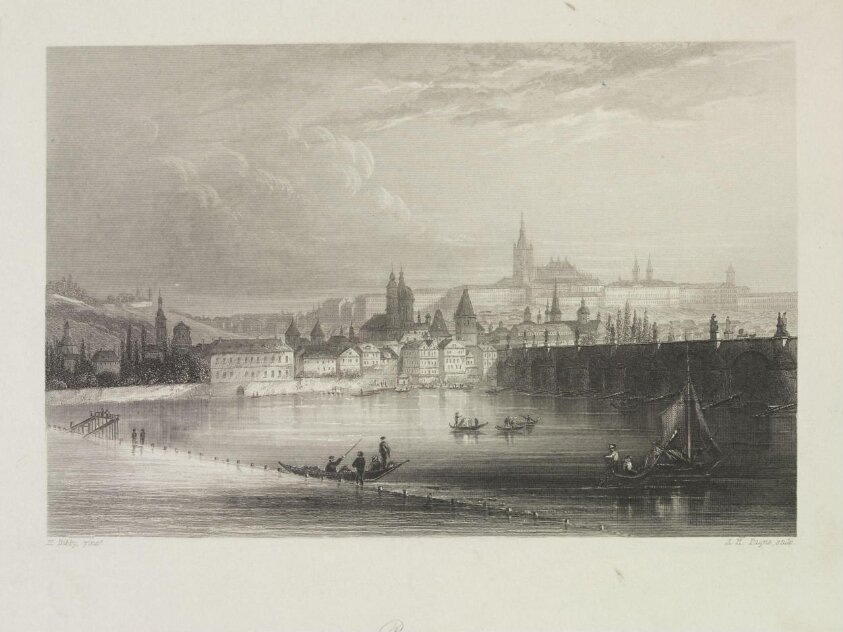
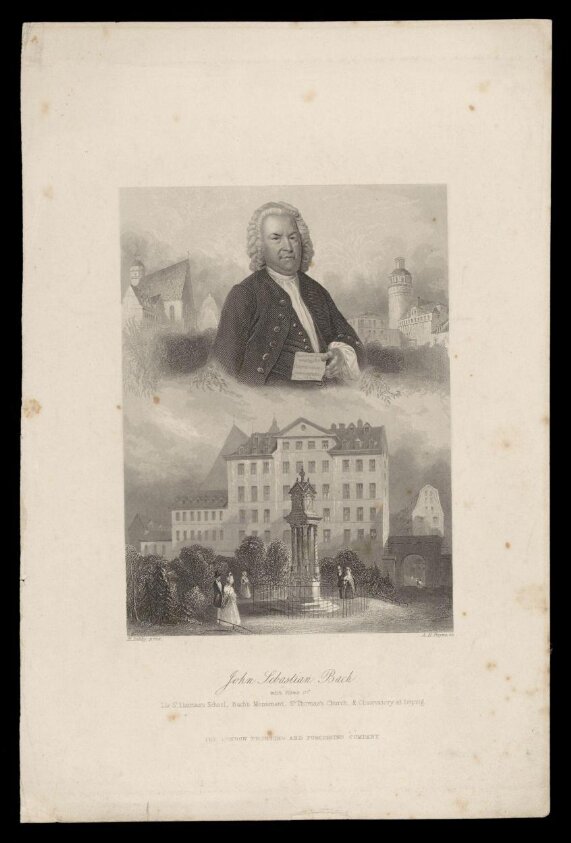
Hans arbete fokuserar på arkitektonisk precision och människors rörelser i stadsmiljöer. I verk som French Market Wagon och Diligence dokumenterar Bibby transportens och handelns mekanik. Han använde stålsticksteknik för att skapa skarpa linjer och fina detaljer. Metoden möjliggjorde högkvalitativa reproduktioner av stora byggnader som stadshuset i Antwerpen. Bibby undvek akvarellens romantiserade oskärpa och föredrog en klar, saklig stil.
Dagens samlare uppskattar den historiska precisionen och det rena uttrycket. Stålgravyrernas monokroma karaktär passar modern inredning. Verken ger en inblick i 1800-talets Europa utan viktorianska målningars sentimentalitet. De skapar ordning på en tavelvägg. Bibbys tryck uppskattas fortfarande av den som intresserar sig för mötet mellan historia och arkitektur.
Viktiga verk
Tryck för att förstora.
Nästa anhalt
Utforska konstriktningarna →
Alla konstriktningar i samlingen, från renässansen till popkonsten.
Vanliga frågor
Vad är H. Bibby känd för?
H. Bibby var en engelsk gravör på 1800-talet, känd för precisa arkitekturtryck och skildringar av europeiskt stadsliv, däribland New Houses of Parliament och Town Hall, Antwerp.