



Giovanni Vendramini
Giovanni Vendramini moved from Italy to London in the late eighteenth century to study under the master engraver Francesco Bartolozzi. While many artists of his era remained in one capital, Vendramini spent two years in Saint Petersburg at the invitation of the Russian court. His work there was so well received that the Emperor refused to let him leave, forcing Vendramini to escape the country in secret. This international experience allowed him to produce portraits of diverse European figures, including the Duke of Mecklenburg-Strelitz and Emperor Wilhelm I.
Biography
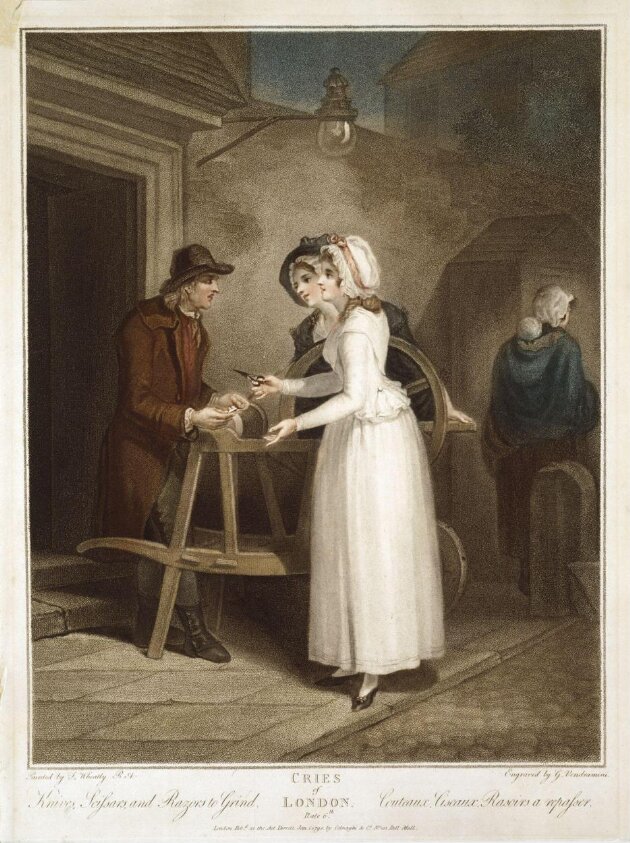
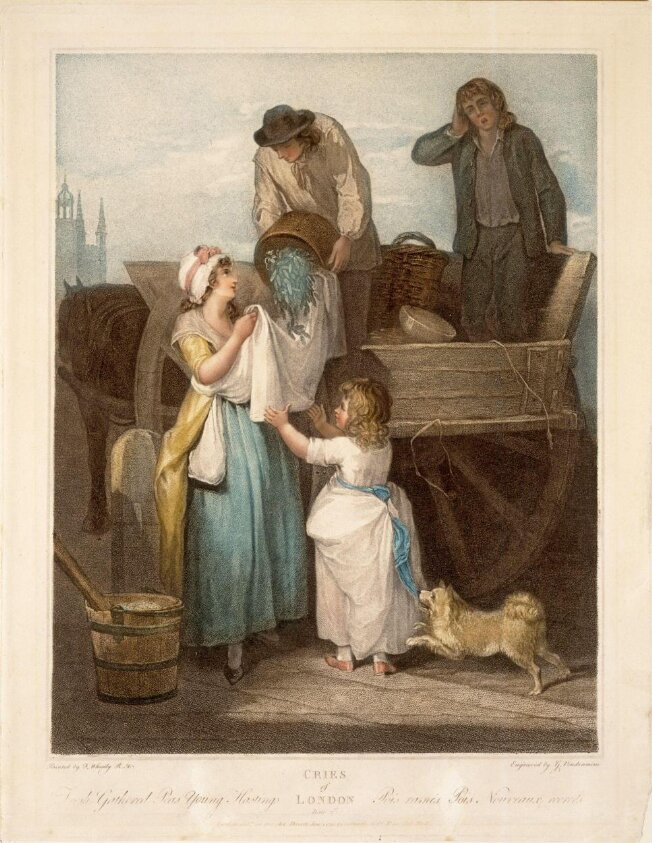
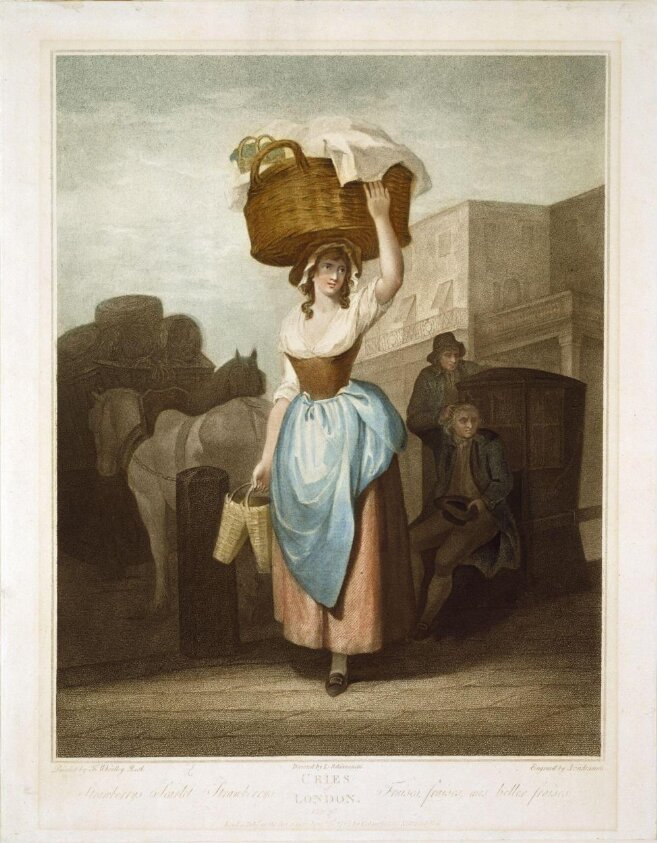
Vendramini mastered the stipple engraving technique, which uses small dots to create tonal gradations rather than solid lines. This method produces a soft effect that suits the reproduction of Old Master paintings. His plates after Sebastiano del Piombo, such as The Raising of Lazarus, demonstrate his ability to translate large-scale religious compositions into detailed prints. He focused on clarity and anatomical precision. His work often features a controlled use of light and shadow to define form.
Modern collectors value Vendramini for his technical skill in translating classical and religious subjects into accessible formats. His prints provide a connection to the traditions of Italian and English art history. The soft textures of stipple engraving offer a muted aesthetic that fits well in contemporary interiors. These works function as historical documents and decorative objects. They bring the compositions of the Renaissance and Baroque periods into a domestic setting with a refined, monochromatic palette.
Notable Works
Tap to view larger.
Next stop
Browse the movements →
Every movement in the collection, from the Renaissance to Pop art.
Frequently Asked Questions
When was Giovanni Vendramini born?
Giovanni Vendramini was born in 1769 and died in 1839.What is Giovanni Vendramini known for?
Giovanni Vendramini is known for giovanni Vendramini was an Italian engraver who mastered the stipple technique in London and produced celebrated prints after Old Master paintings and European royal portraits.

