


Giovanni Francesco Venturini
Giovanni Francesco Venturini ägnade en stor del av sin karriär åt att dokumentera barocktidens vattenbyggnadsprojekt i Rom. Medan många konstnärer under perioden arbetade med religiösa uppdrag specialiserade sig Venturini på att tekniskt återge vatten. Han fick i uppdrag att färdigställa den fjärde volymen i serien Le fontane di Roma, som ursprungligen påbörjats av Giovanni Battista Falda. Han arbetade nära förlaget Rossi, som då var Roms mest inflytelserika tryckförläggare. Arbetet krävde en tydlig förståelse för hur vatten samspelar med sten och ljus.
Biografi
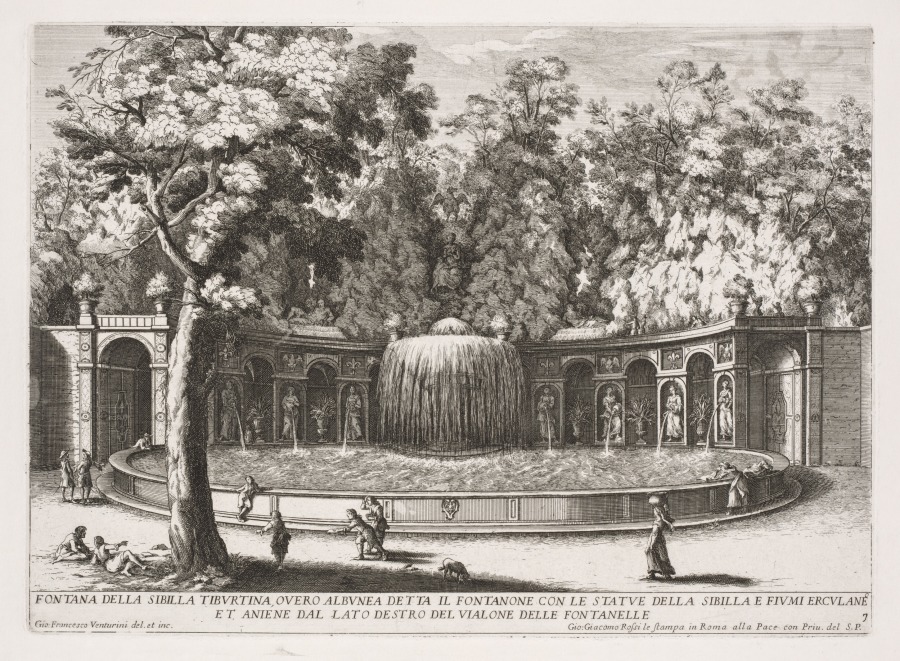
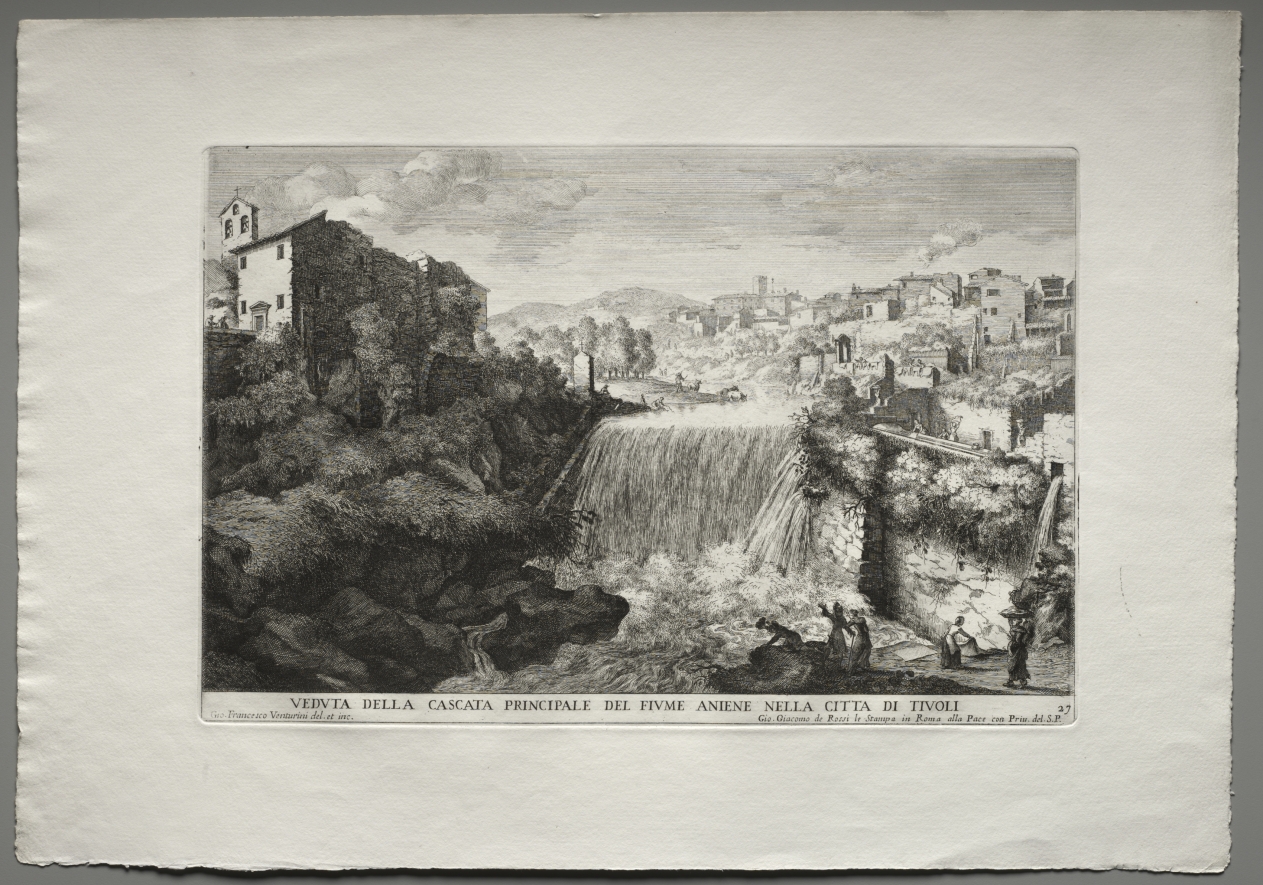
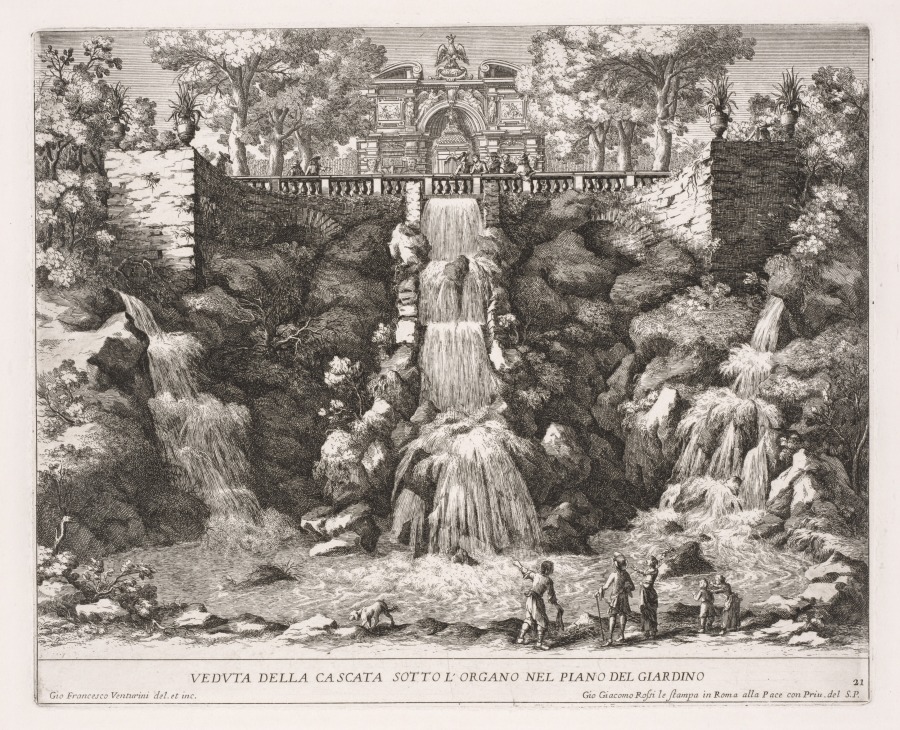
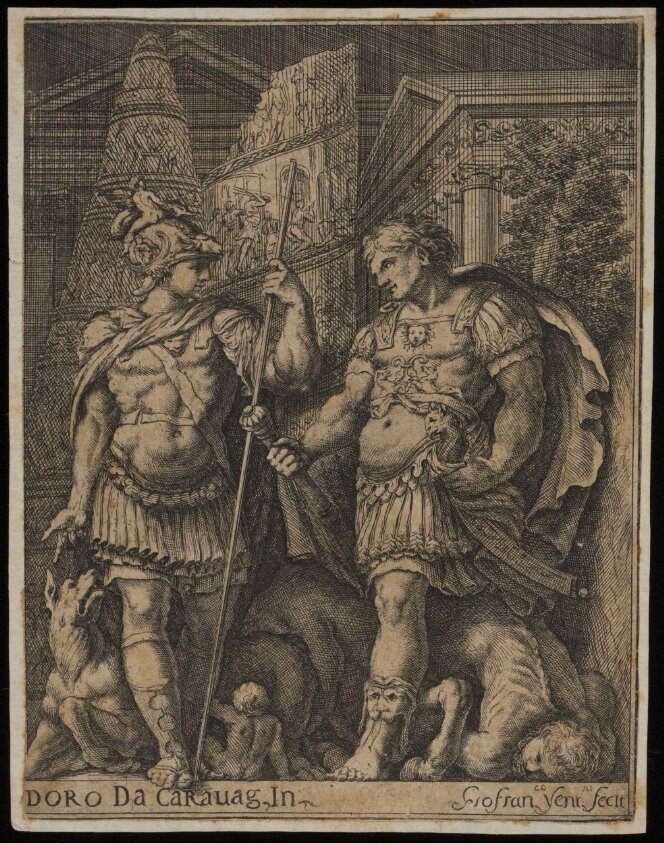
Hans konstnärliga metod betonade klarhet och arkitektonisk precision. I The Fountains of Rome använde han exakta etsningstekniker för att definiera vattenfallens strålar och murverkets fasta former. Plåtarna med Tiburtine Sibyl och vattenfallen vid Tivoli visar en korrekt perspektivåtergivning. I verk som Figuren rondom een altaar återgav han skulpturala detaljer med samma omsorg som en silversmed lägger på ett sakralt kärl.
Dagens samlare uppskattar dessa tryck för deras rena linjer och historiska precision. Venturini fångar ett särskilt ögonblick i Roms stadsplanering, då vatten blev ett viktigt verktyg för offentlig prakt. Etsningarna ger ett rum en känsla av ordning och klassiska proportioner. Gravyrernas monokroma palett gör dem lätta att kombinera med samtida inredning.
Viktiga verk
Tryck för att förstora.
Nästa anhalt
Utforska konstriktningarna →
Alla konstriktningar i samlingen, från renässansen till popkonsten.
Konsttryck av Giovanni Francesco Venturini
Handfärdigställda arkivtryck ur Giovanni Francesco Venturinis konstnärskap.


Ta hem Giovanni Francesco Venturini.
Se alla konsttryck av Giovanni Francesco Venturini →Vanliga frågor
När föddes Giovanni Francesco Venturini?
Giovanni Francesco Venturini föddes 1650 och dog 1710.Vad är Giovanni Francesco Venturini känd för?
Giovanni Francesco Venturini var en romersk etsare verksam under 1600-talet, känd för sina arkitekturstudier av stadens storslagna fontäner och de dramatiska vattenfallen i Tivoli.