

Georg Siegmund Facius
Georg Siegmund Facius moved to London from Ratisbon in 1776 with his brother Johann Gottlieb. The two worked so closely that their individual contributions are hard to separate. They were hired by John Boydell to create plates for his ambitious Shakespeare Gallery. This move helped popularise the stipple engraving technique in the British art market.
Biography
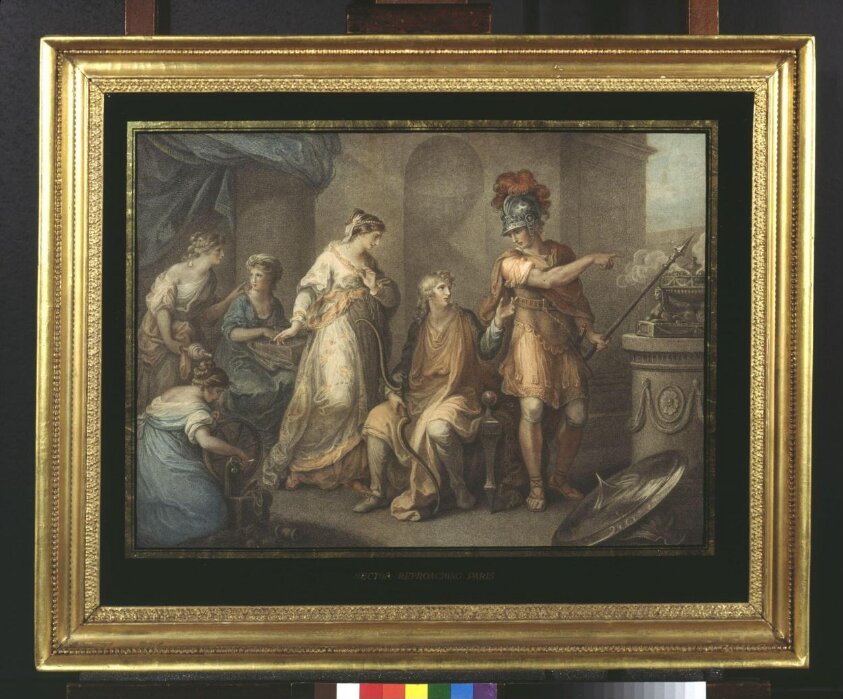
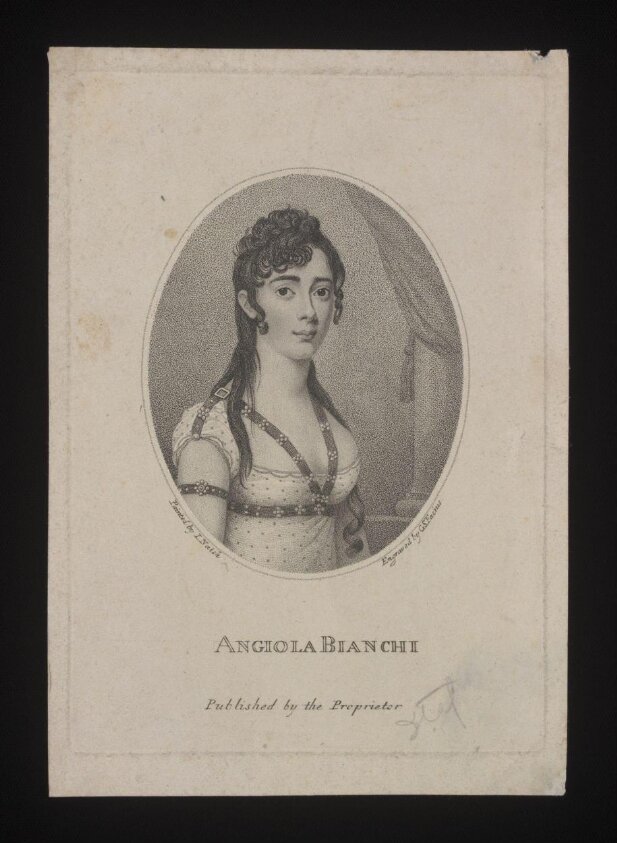
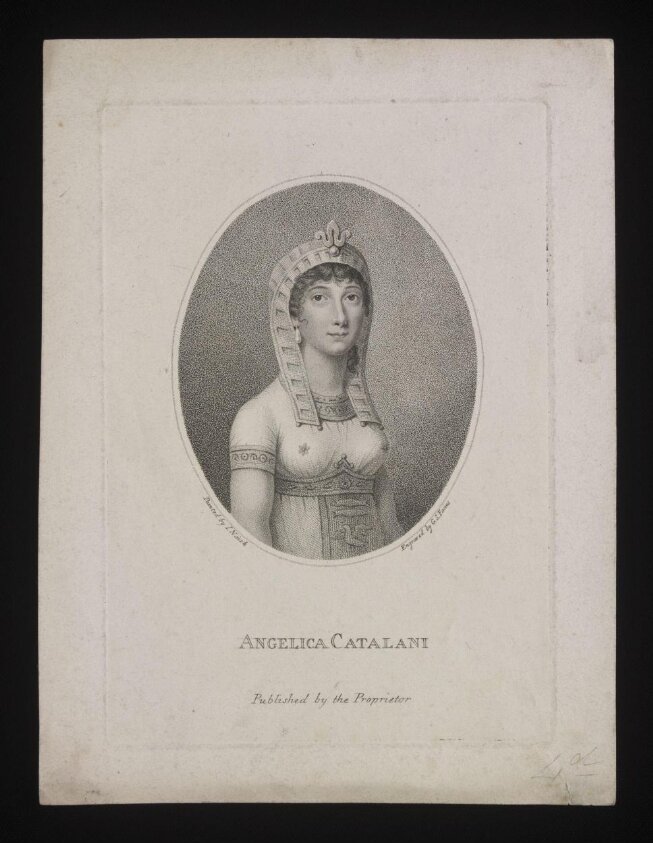
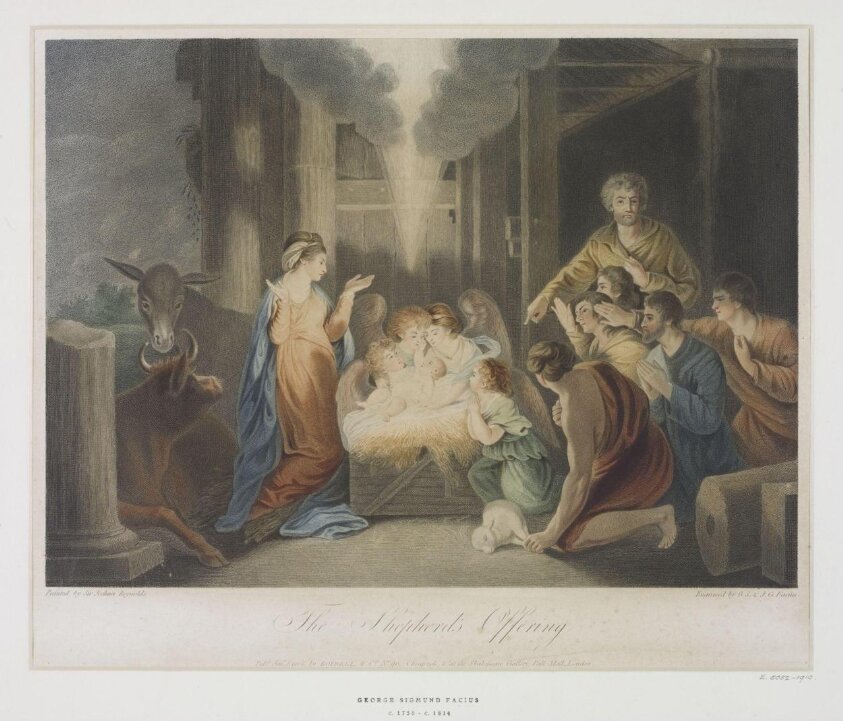
His work focuses on the stipple method. This process uses dots and small marks to build tone instead of solid lines. It creates soft shifts between light and dark areas. Facius engraved many pieces after Benjamin West and Joshua Reynolds, alongside portraits of religious figures and scientific plates. His work defines the textures of skin or fabric with accuracy. The technique demands a controlled hand to manage the density of the marks.
Collectors today appreciate these prints for their clean lines. The stipple style produces a soft appearance that works in many modern homes. These prints offer a connection to the neoclassical era through a clear and direct visual language. They avoid the heavy details of earlier periods. The simple black and white tones make them suitable for any wall colour.
Notable Works
Tap to view larger.
Next stop
Browse the movements →
Every movement in the collection, from the Renaissance to Pop art.
Frequently Asked Questions
What is Georg Siegmund Facius known for?
Georg Siegmund Facius is known for georg Siegmund Facius was a specialist in stipple engraving who produced famous reproductions of neoclassical paintings for the London art market.