



Eugène Lami
Eugène Lami began his career in the theatre and the tailor's shop rather than a traditional gallery. In 1832, he designed the costumes for the ballet La Sylphide. He created the bell-shaped white tutu that became the standard for classical dancers. This background in textiles influenced his later watercolours. He understood the fall of silk and the structure of a bodice better than most of his contemporaries. His work captured the precise details of high society dress during the July Monarchy and the Second Empire.

Biography
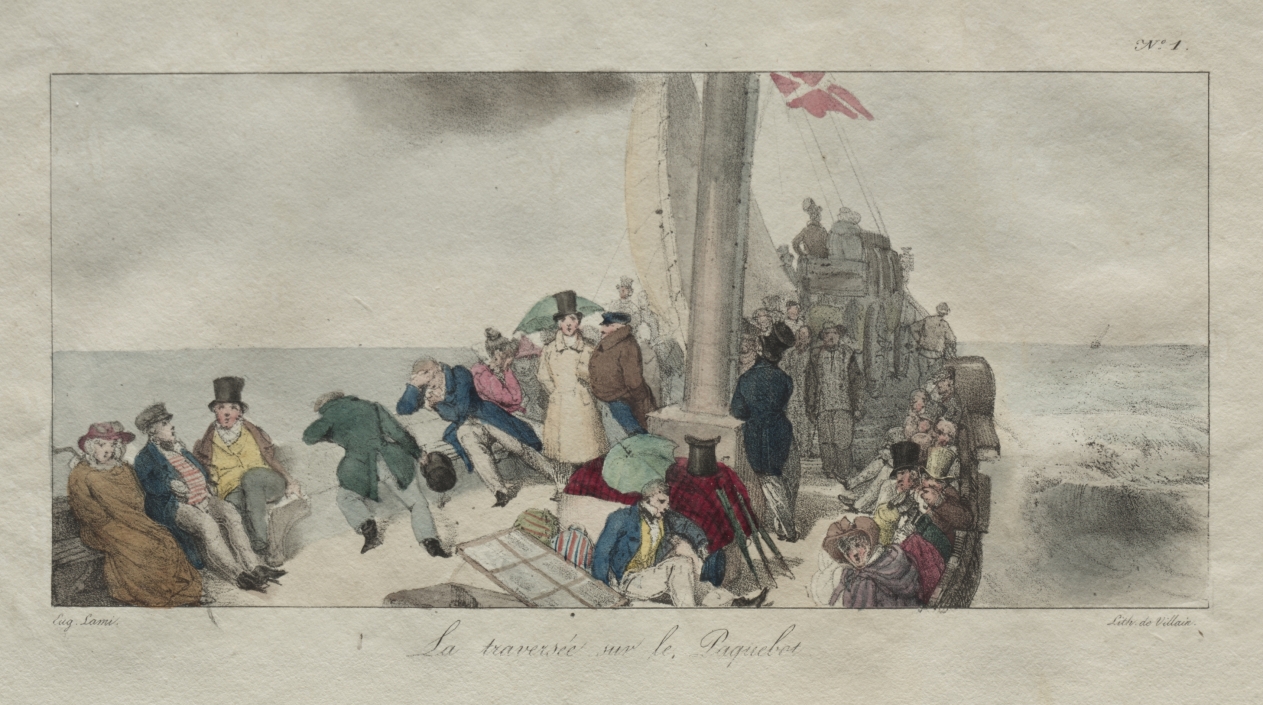
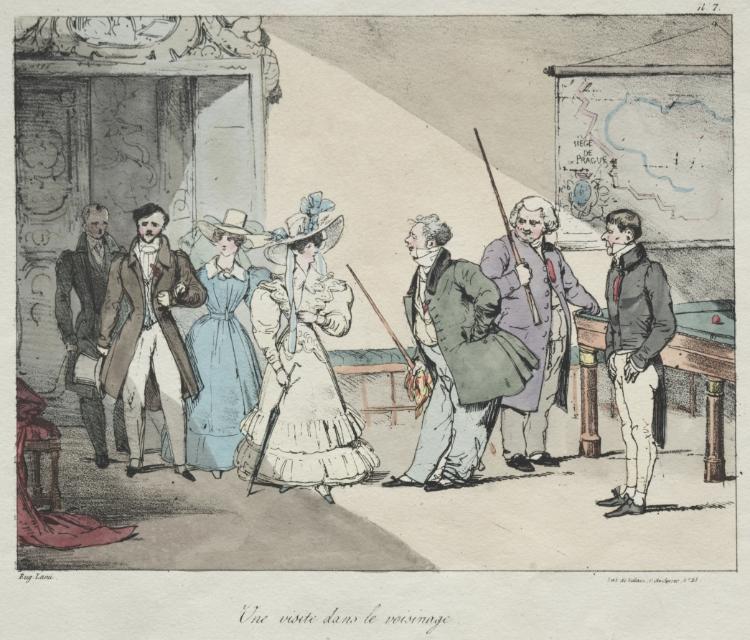
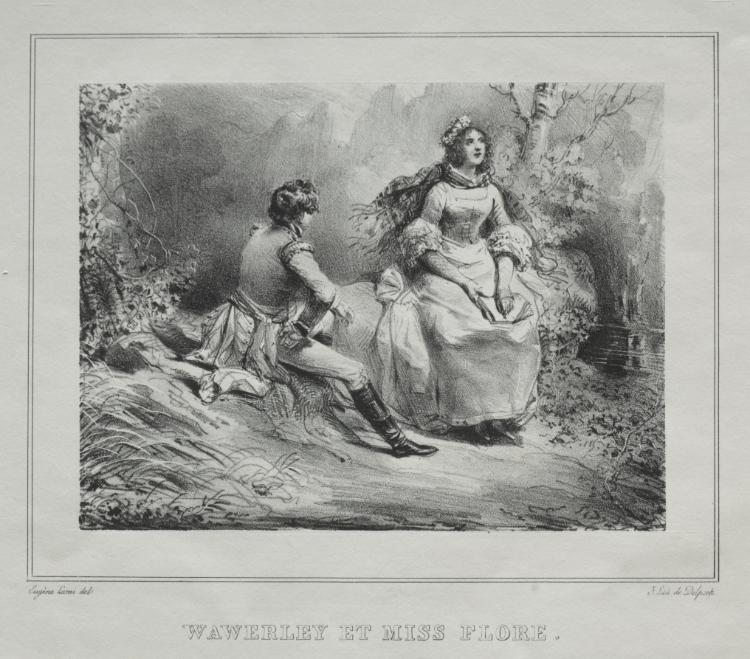
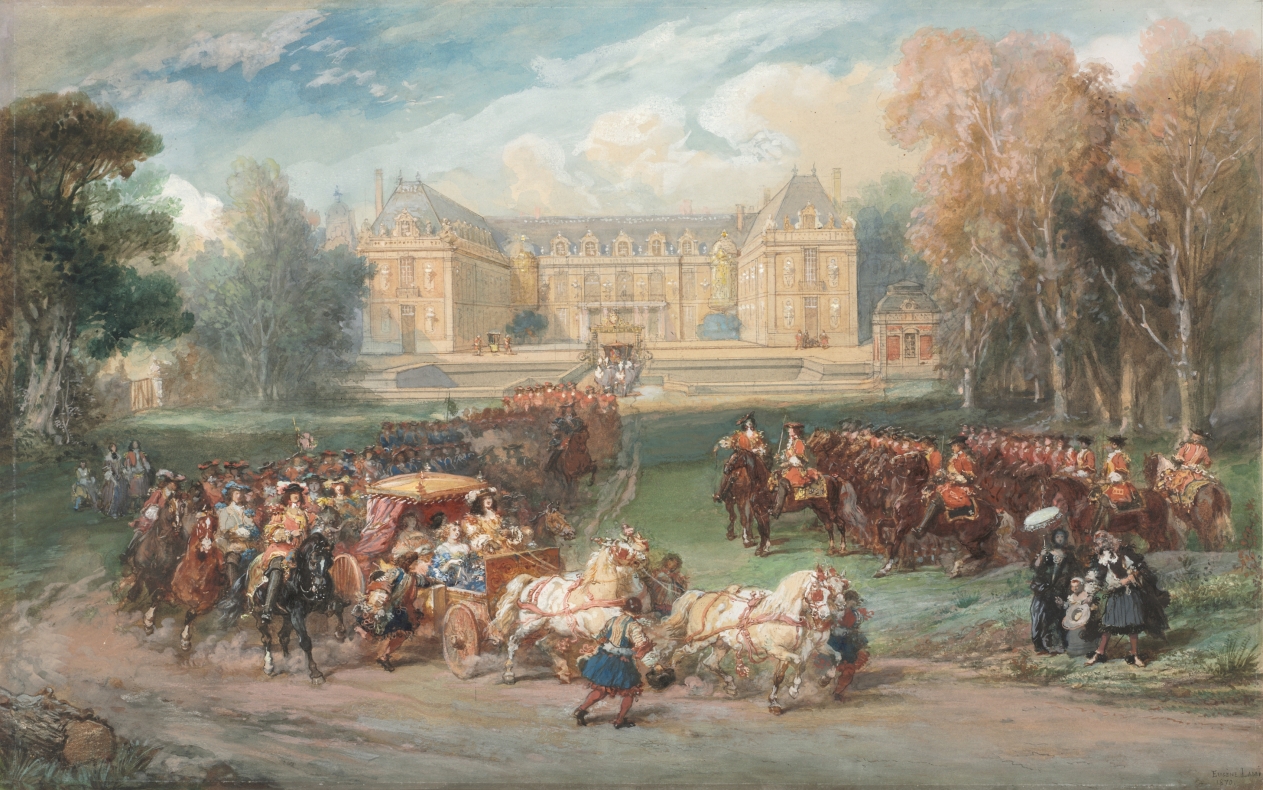
Lami worked primarily in watercolour and lithography. He documented the social rituals of the European aristocracy with a reporter's eye. Works like Masked Ball in Venice or Court Ball At Buckingham Palace avoid heavy religious or historical themes. Instead, they focus on the movement of crowds and the play of light on formal wear. He often used thin washes of colour to suggest atmosphere. His compositions frequently place the viewer at the edge of the room, looking in on a private party or a royal crossing on a packet boat.
Modern collectors value Lami for his ability to record a vanished world without sentimentality. His prints offer a window into nineteenth-century interiors and public ceremonies. The small scale of his watercolours makes them suitable for contemporary homes. They provide a sense of history through specific architectural and sartorial details. Pieces such as Portrait of the Duke and Duchess of Brabant function as both art and historical documents. They capture the formal elegance of an era defined by its social theatre.
Notable Works
Tap to view larger.
Next stop
Browse the movements →
Every movement in the collection, from the Renaissance to Pop art.
Related Artists


Frequently Asked Questions
When was Eugène Lami born?
Eugène Lami was born in 1800 and died in 1890.What is Eugène Lami known for?
Eugène Lami is known for eugène Lami was a French painter and costume designer who documented nineteenth-century high society through precise watercolours of royal balls and theatrical events.