

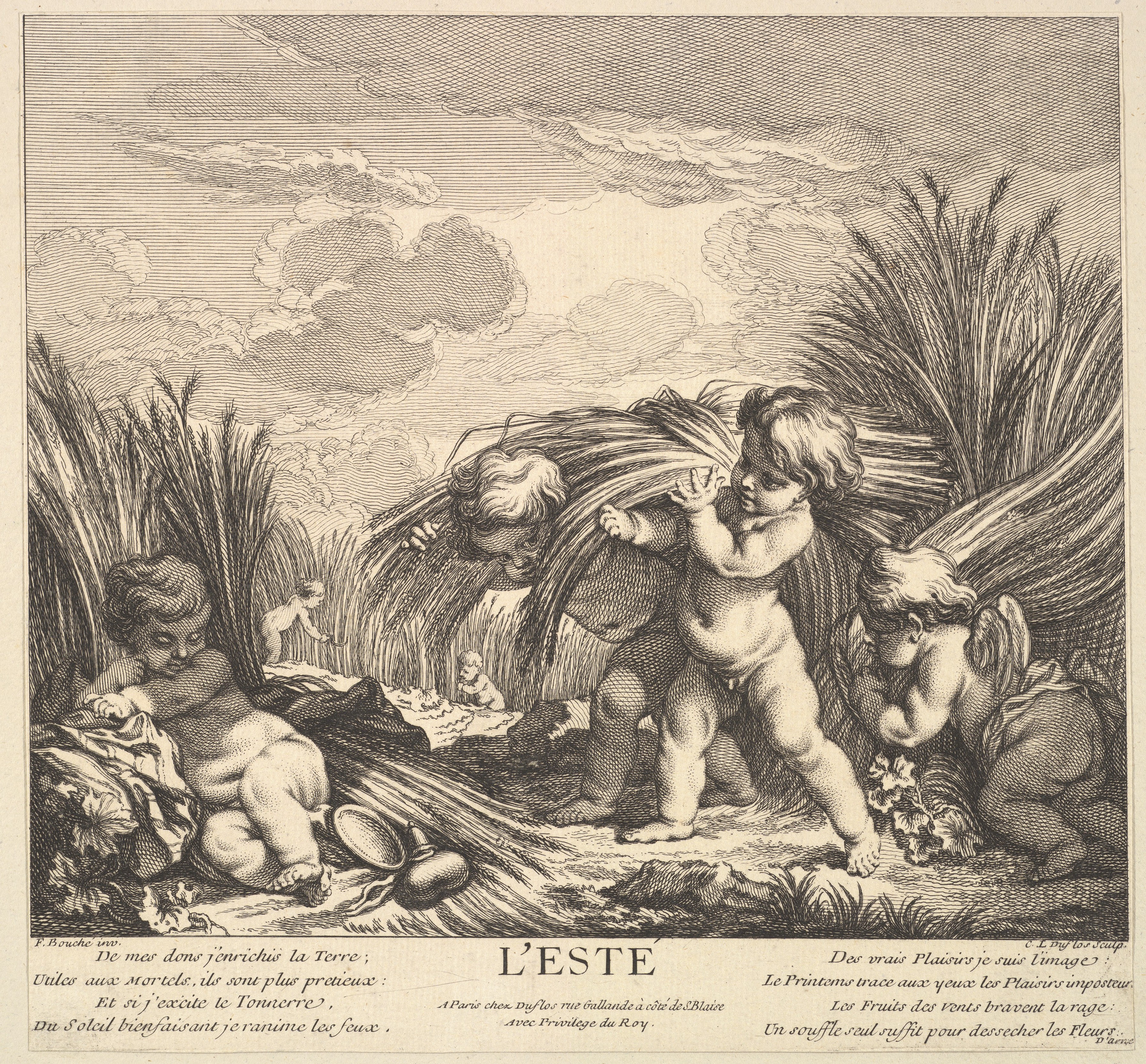
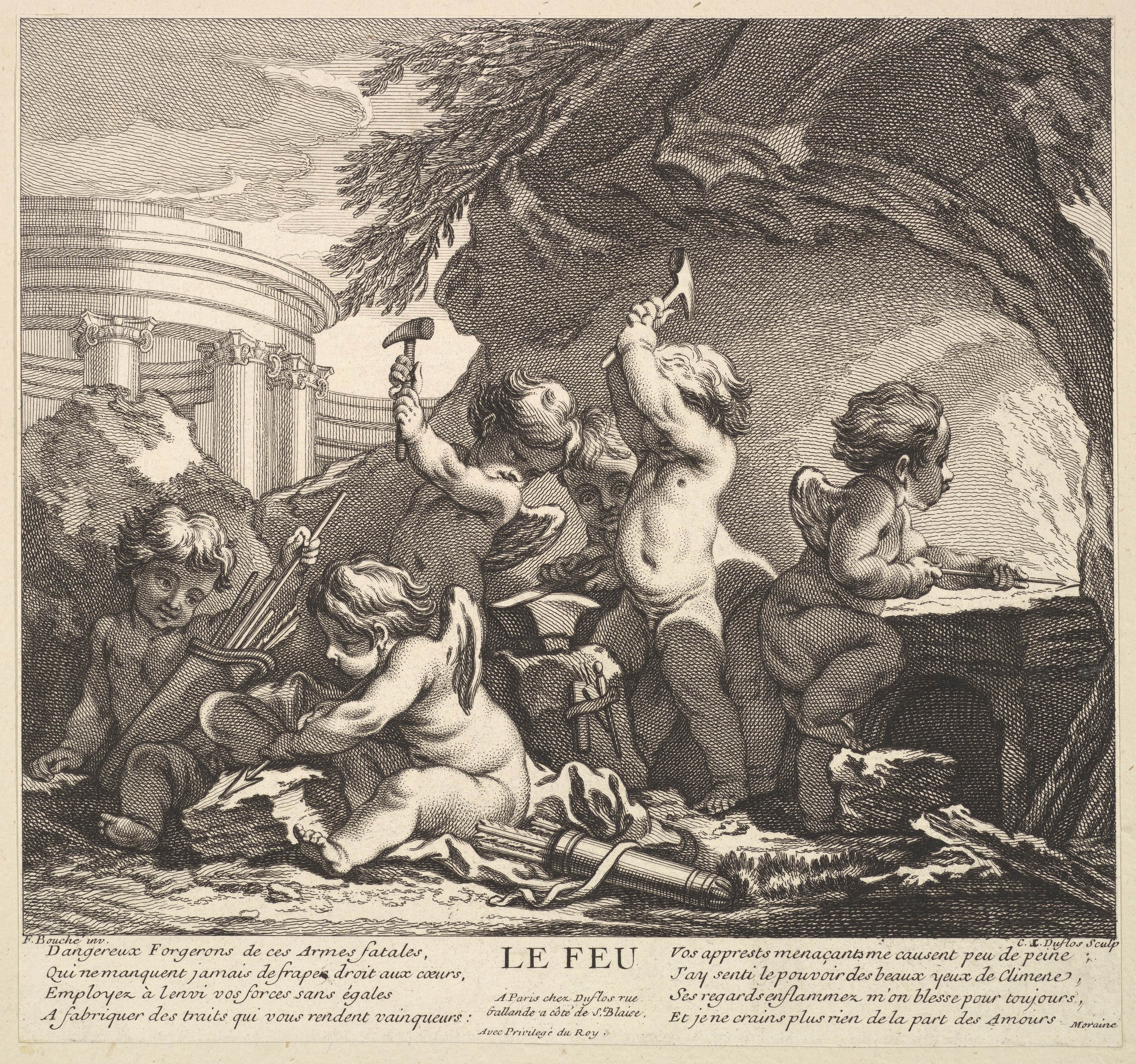
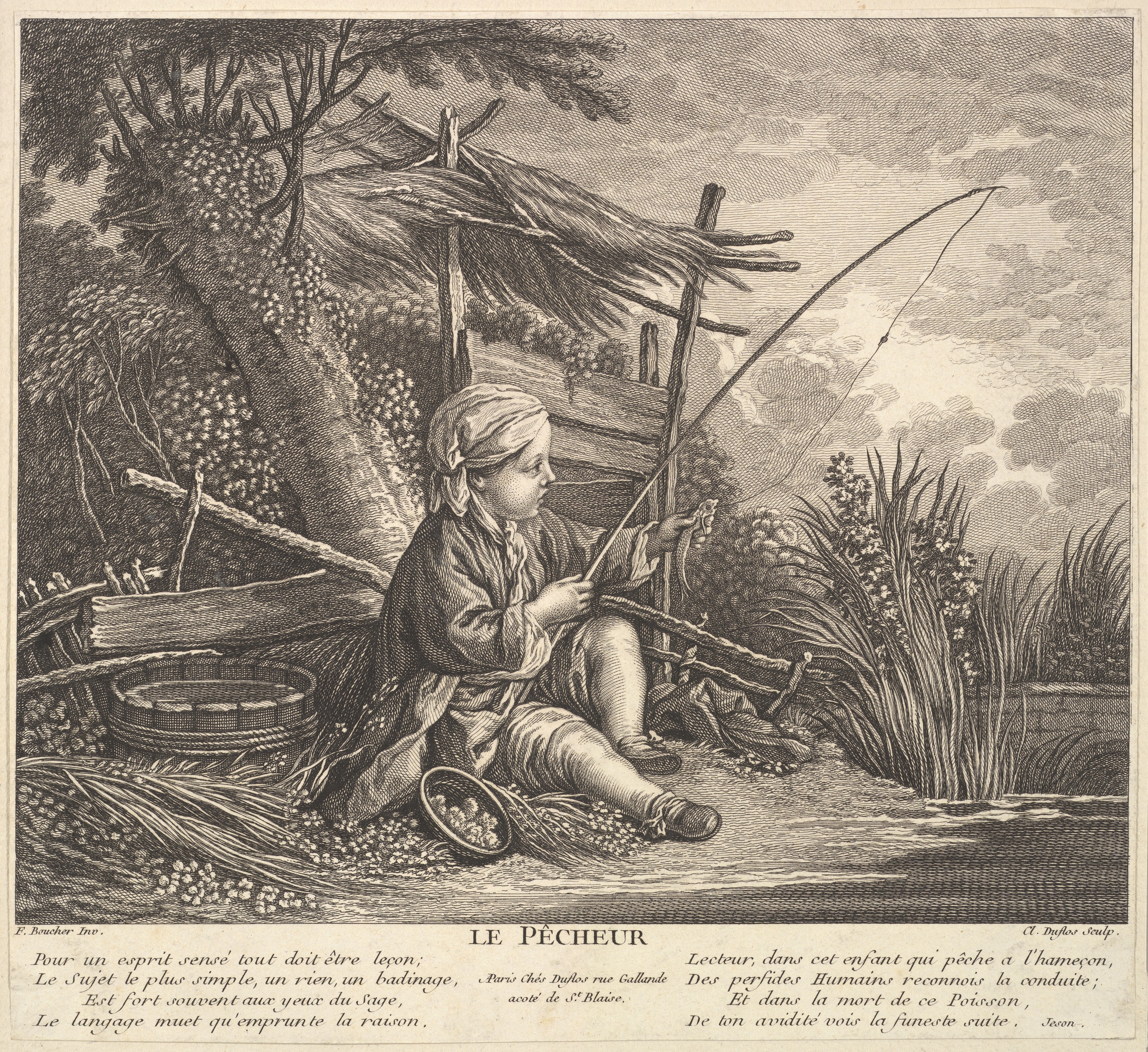
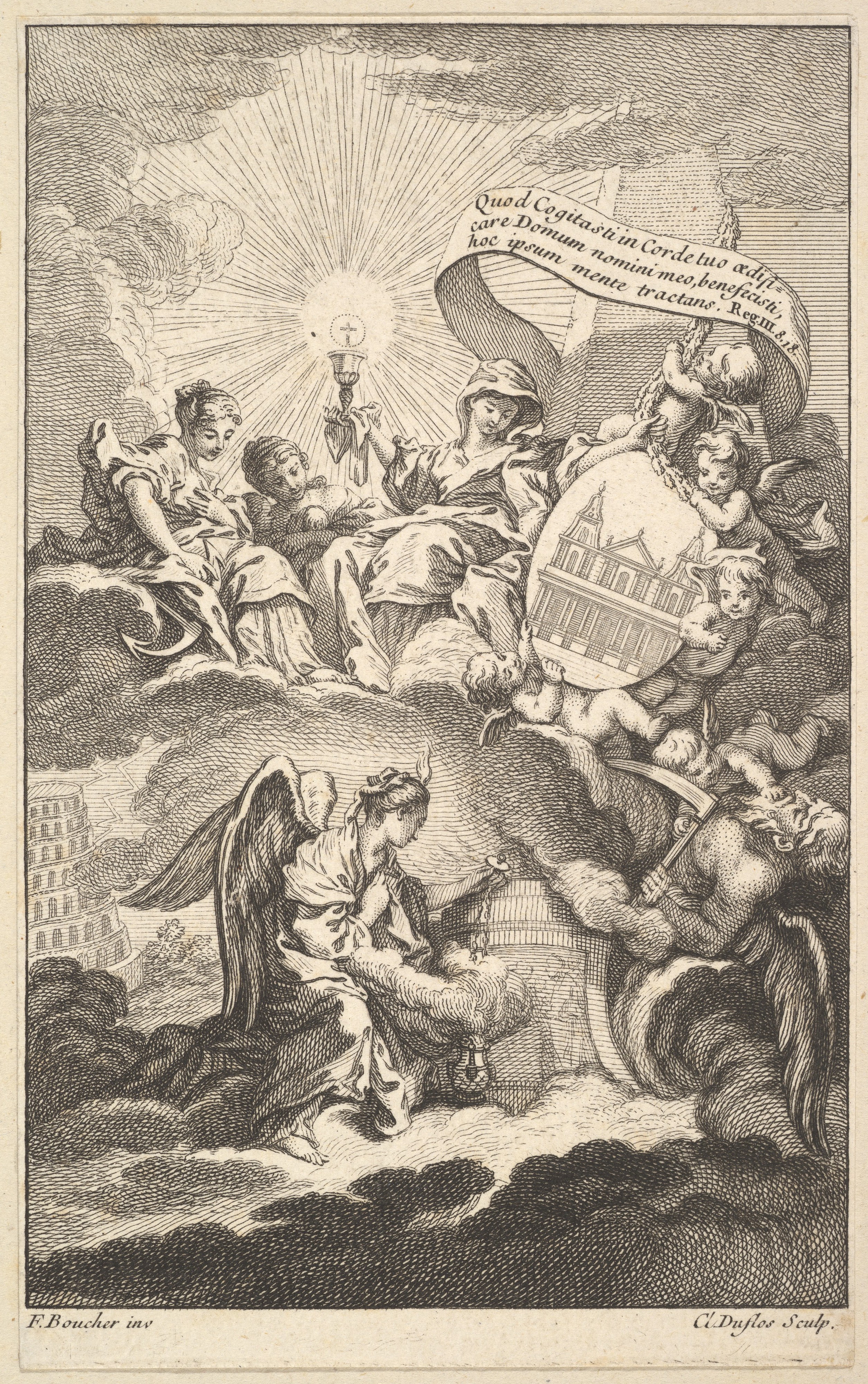


Claude Augustin Duflos
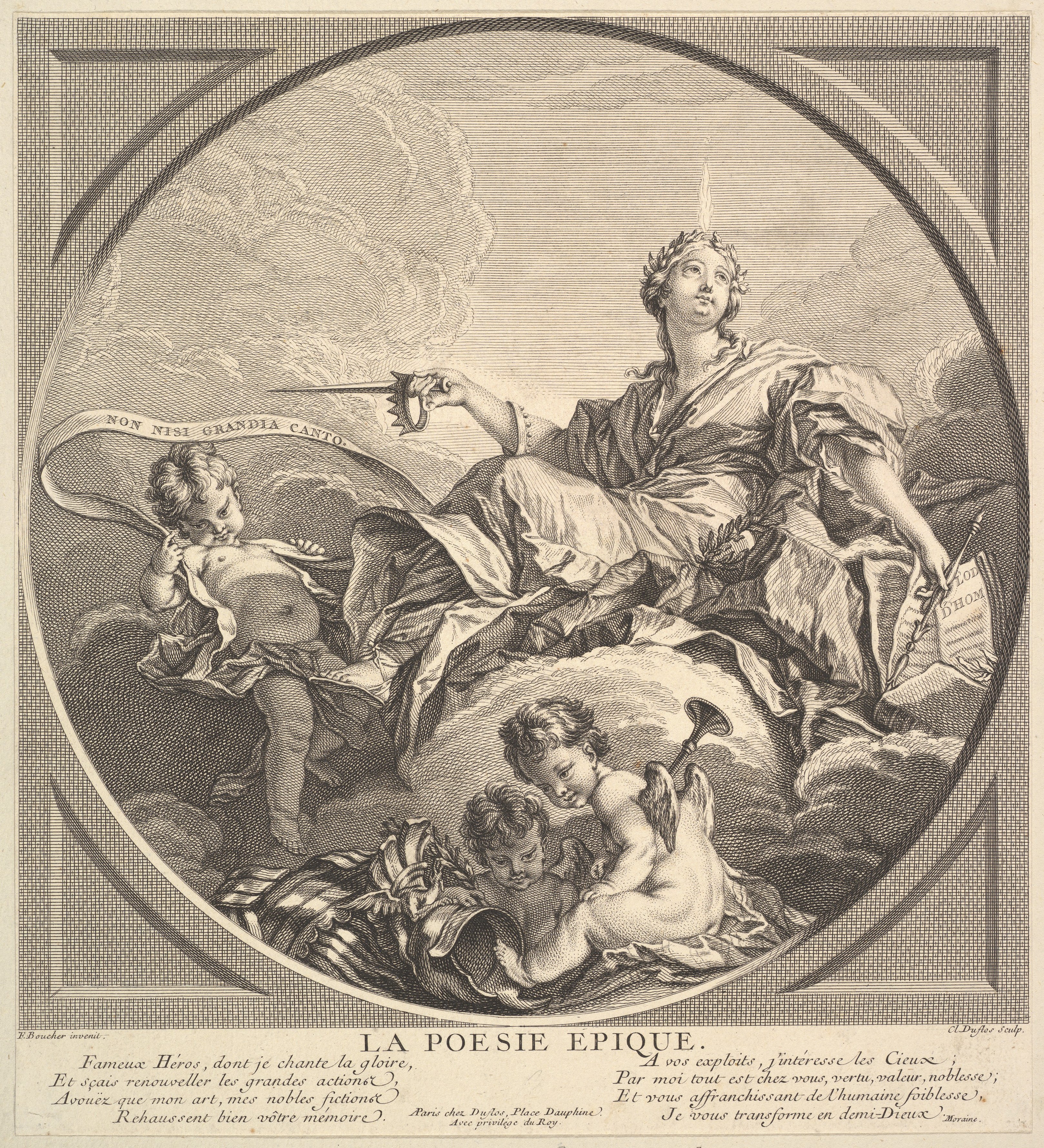
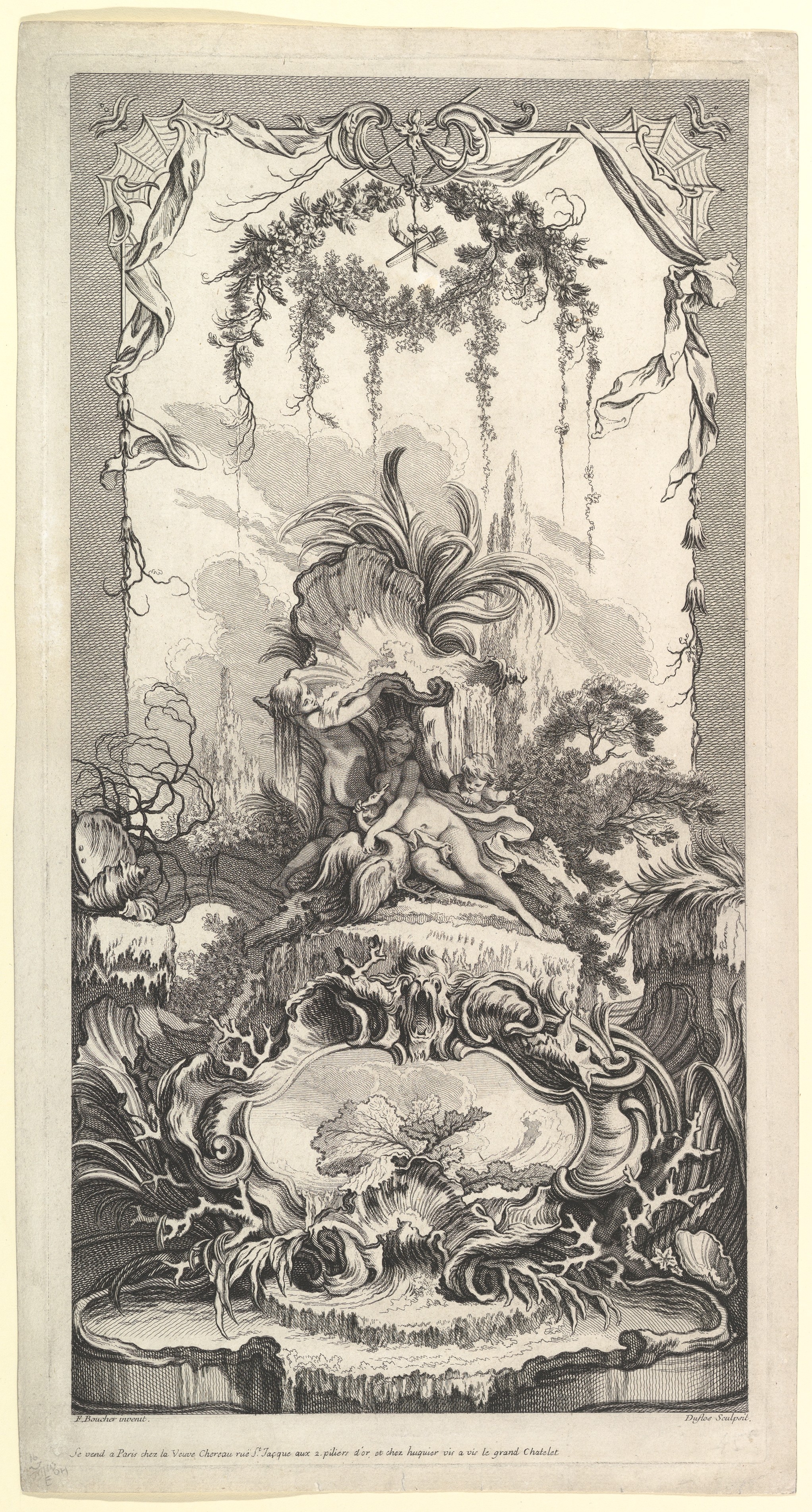
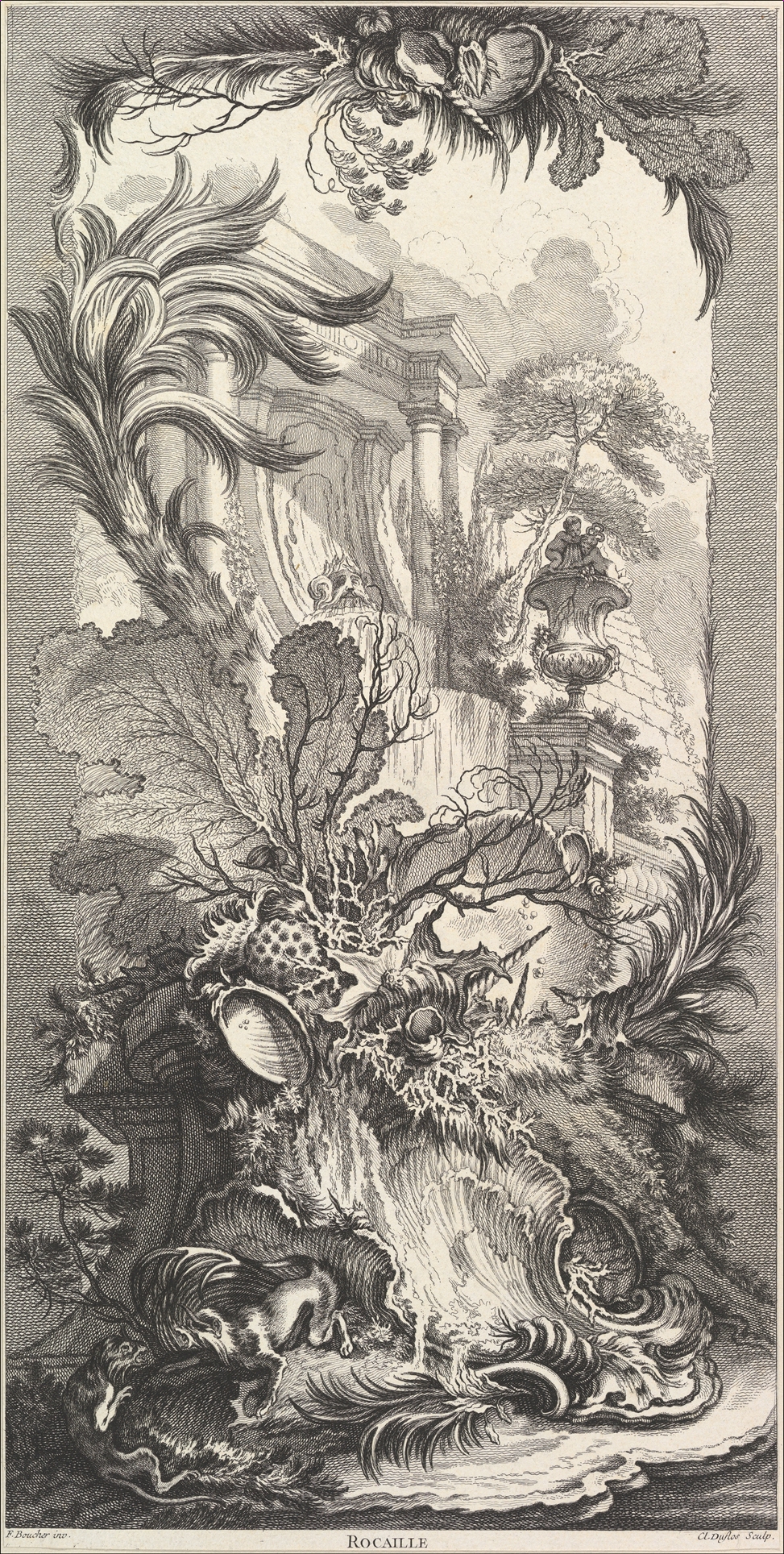
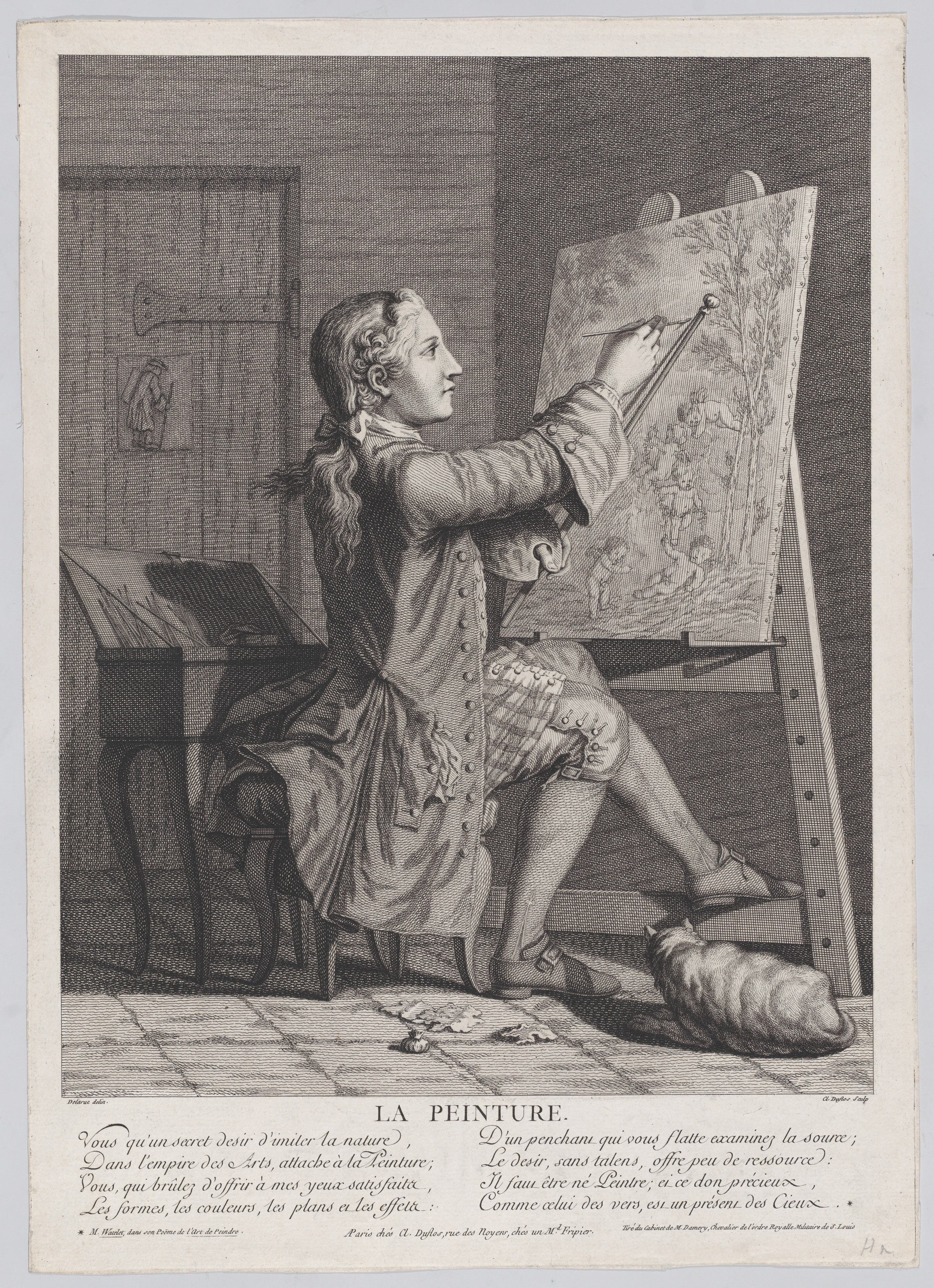
Claude Augustin Duflos spent much of his career translating the three-dimensional forms of French sculpture into the two-dimensional medium of copperplate engraving. While many of his contemporaries focused on courtly portraits, Duflos documented the heavy stone sarcophagi of medieval figures like Arnulf at Lisieux Cathedral. These engravings provided a permanent record of monuments that were often subject to decay or destruction. His precision allowed scholars to study the geometry of Romanesque and Gothic tombs without visiting the remote cathedrals where they were housed.
Biography
His technique relied on a disciplined use of line to convey volume and texture. Duflos avoided the soft, hazy effects common in Rococo engravings. Instead, he used clear hatching and cross-hatching to define the weight of marble and the depth of carved relief. This methodical approach made his engravings essential for architectural catalogues. He captured the specific details of funerary monuments, such as the Sarcophagus of Petrus a Ponte Salubri, with a clarity that prioritised structural accuracy over decorative flourish.
Modern collectors value Duflos for the architectural stillness and historical weight of his engravings. His work functions as a window into the formal history of European design. These engravings suit contemporary interiors that favour monochrome palettes and clean lines. Because they focus on classical and medieval forms, they offer a sense of permanence and order. These engravings remain an excellent choice for those who appreciate the technical skill required to render stone and shadow on paper.
Notable Works
Tap to view larger.
Next stop
Browse the movements →
Every movement in the collection, from the Renaissance to Pop art.
Frequently Asked Questions
What is Claude Augustin Duflos known for?
Claude Augustin Duflos is known for claude Augustin Duflos was an 18th-century French engraver known for his precise architectural records and detailed studies of medieval funerary monuments and classical sculpture.

