



Carlo Dellarocca
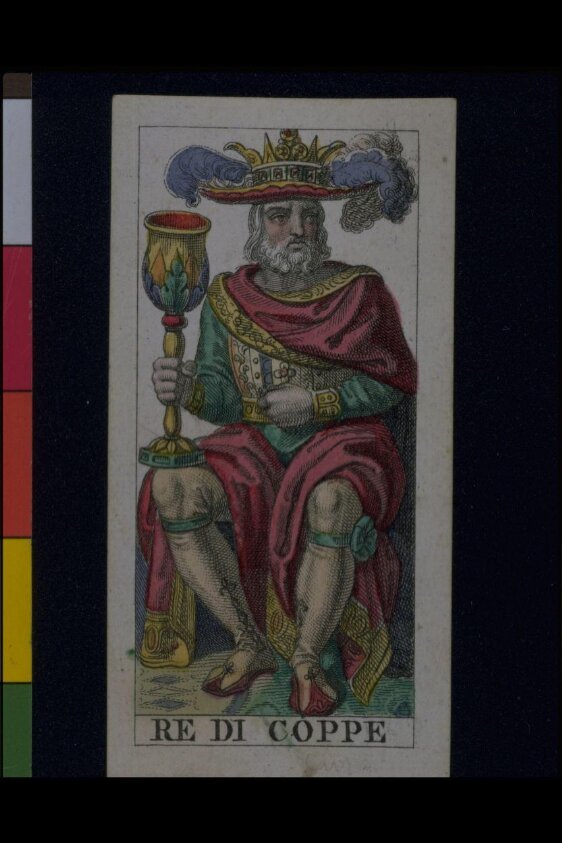
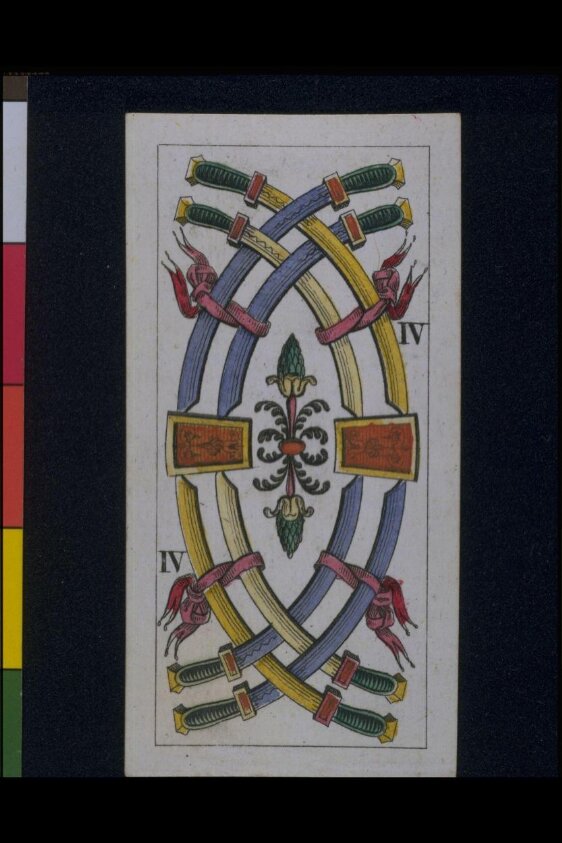
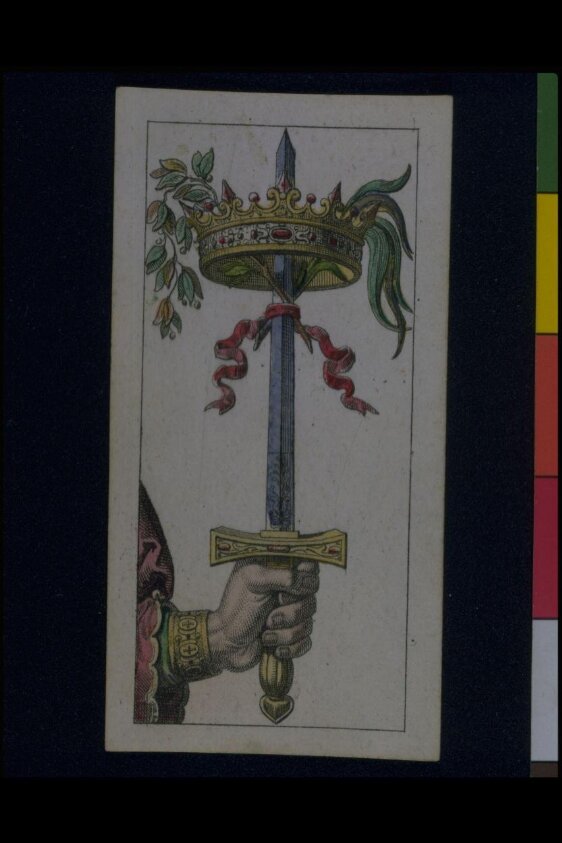
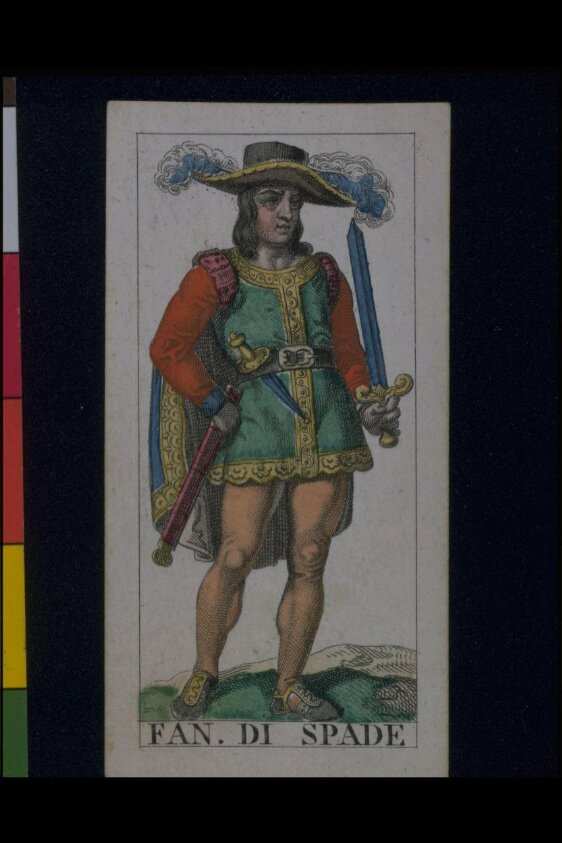
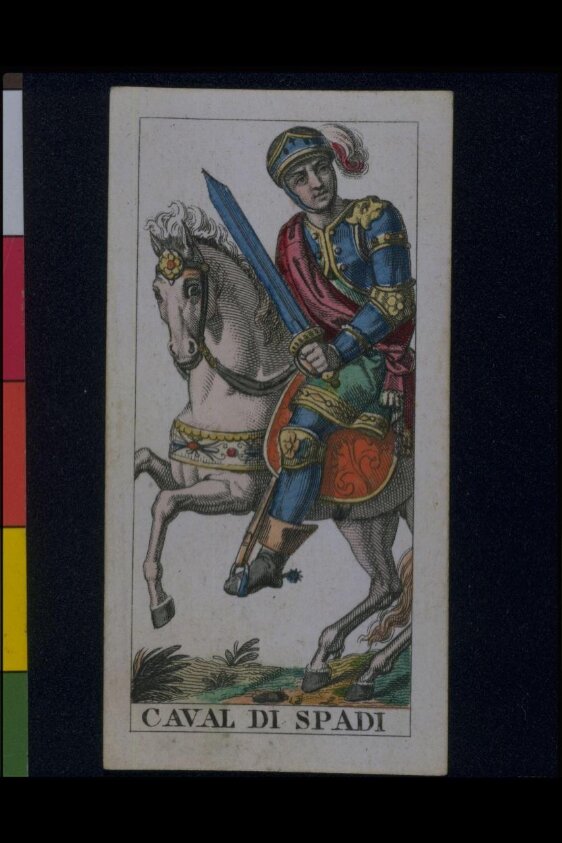
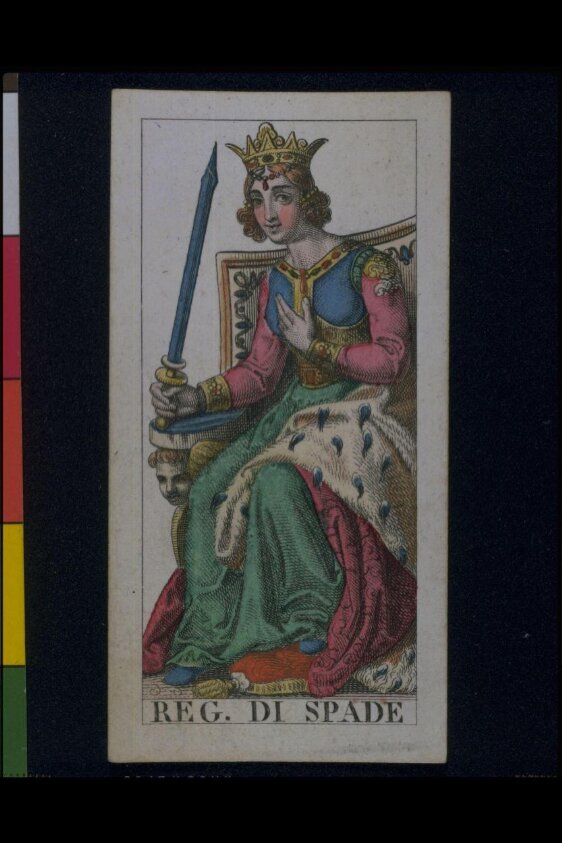
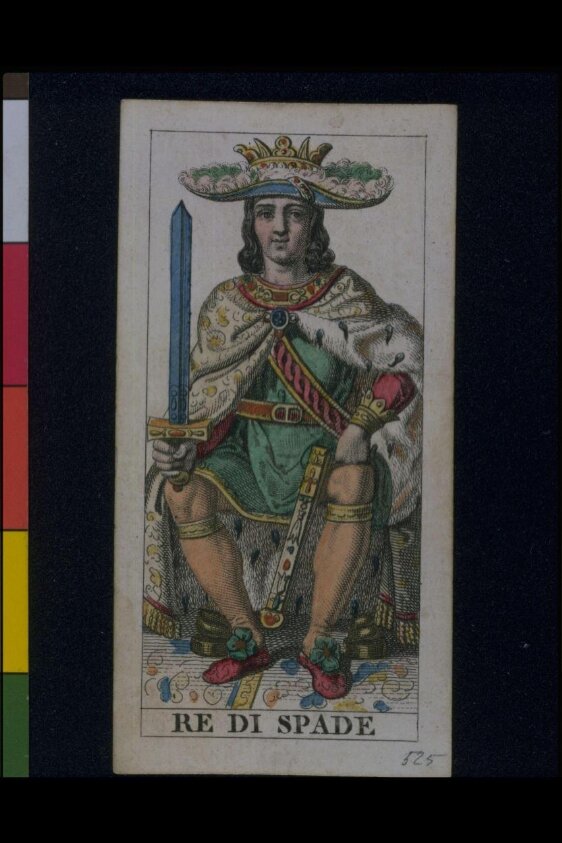
Carlo Dellarocca worked in Milan during the early 19th century, a period when the city was a centre for high-quality printing. He is known for designing the Soprafino Tarot deck in 1835. This deck earned its name, meaning "superfine", because of the exceptional quality of its copperplate engravings. Unlike the cruder woodcut decks of previous eras, Dellarocca used metal plates to achieve a level of precision that was previously impossible for playing cards.
Biography
His approach combined the clarity of technical engraving with the aesthetic of neoclassical Italian art. He utilised fine cross-hatching and delicate line work to give his figures volume and character. These prints often feature mythological figures and allegorical scenes that reflect the academic training common in 19th-century Italy. His work demonstrates a transition from traditional craft to a more industrialised yet highly skilled form of art production.
Collectors today value these prints for their historical clarity and balanced compositions. The images possess a structured quality that works well in modern interiors. Because they were originally intended for use, the designs have a directness that avoids unnecessary ornamentation. These prints offer a connection to the history of Italian graphic design and the evolution of metal plate printmaking techniques.
Notable Works
Tap to view larger.
Next stop
Browse the movements →
Every movement in the collection, from the Renaissance to Pop art.
Frequently Asked Questions
What is Carlo Dellarocca known for?
Carlo Dellarocca is known for carlo Dellarocca was a 19th-century Milanese engraver famous for the Soprafino Tarot, a deck that set the standard for Italian card design through its refined copperplate technique.

