

Adolphe-Félix Cals
- Barbizon school
Adolphe-Félix Cals spent his early career working as a restorer of old paintings in Paris. This technical training gave him an unusual perspective on the physical construction of a canvas. He did not achieve commercial success until he was in his fifties, when he finally gained the attention of the art dealer Père Martin. This late recognition allowed him to focus on his own subjects rather than repairing the work of others.

Biography
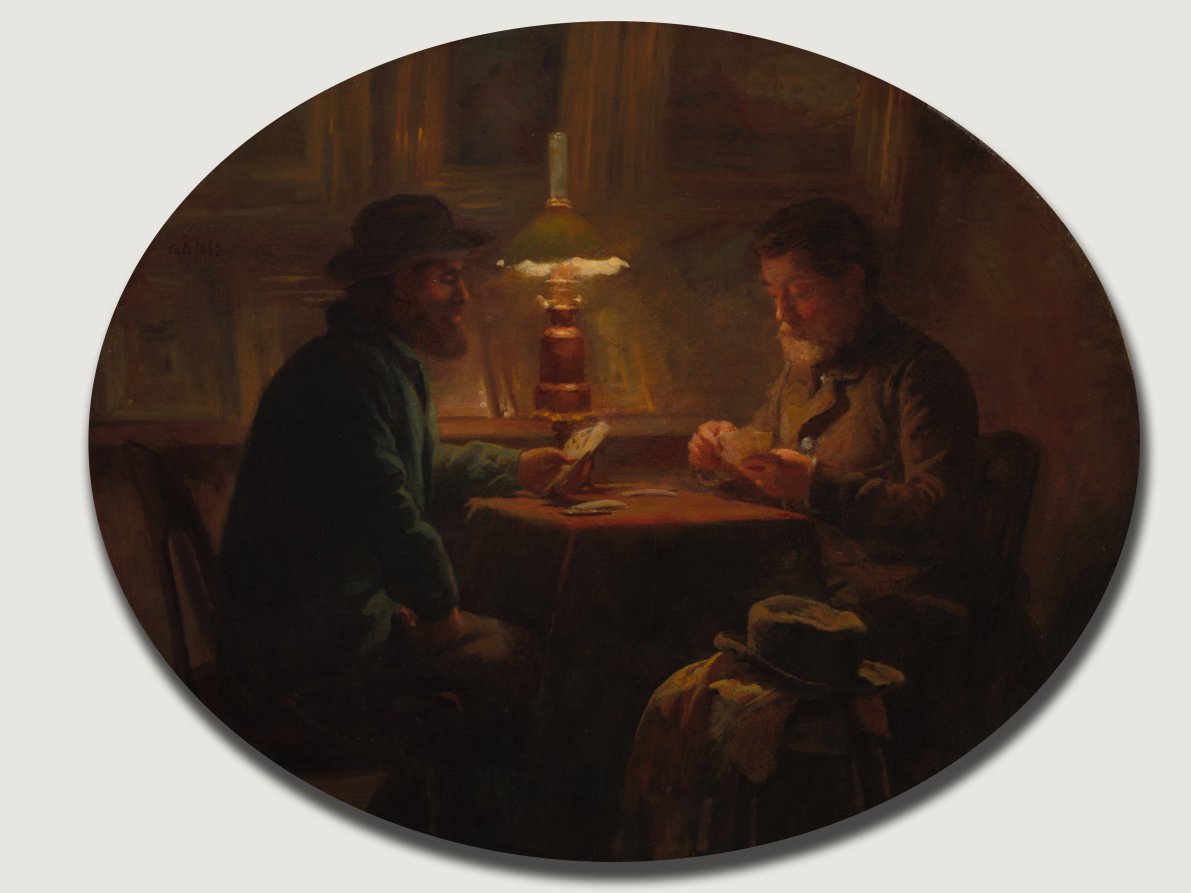
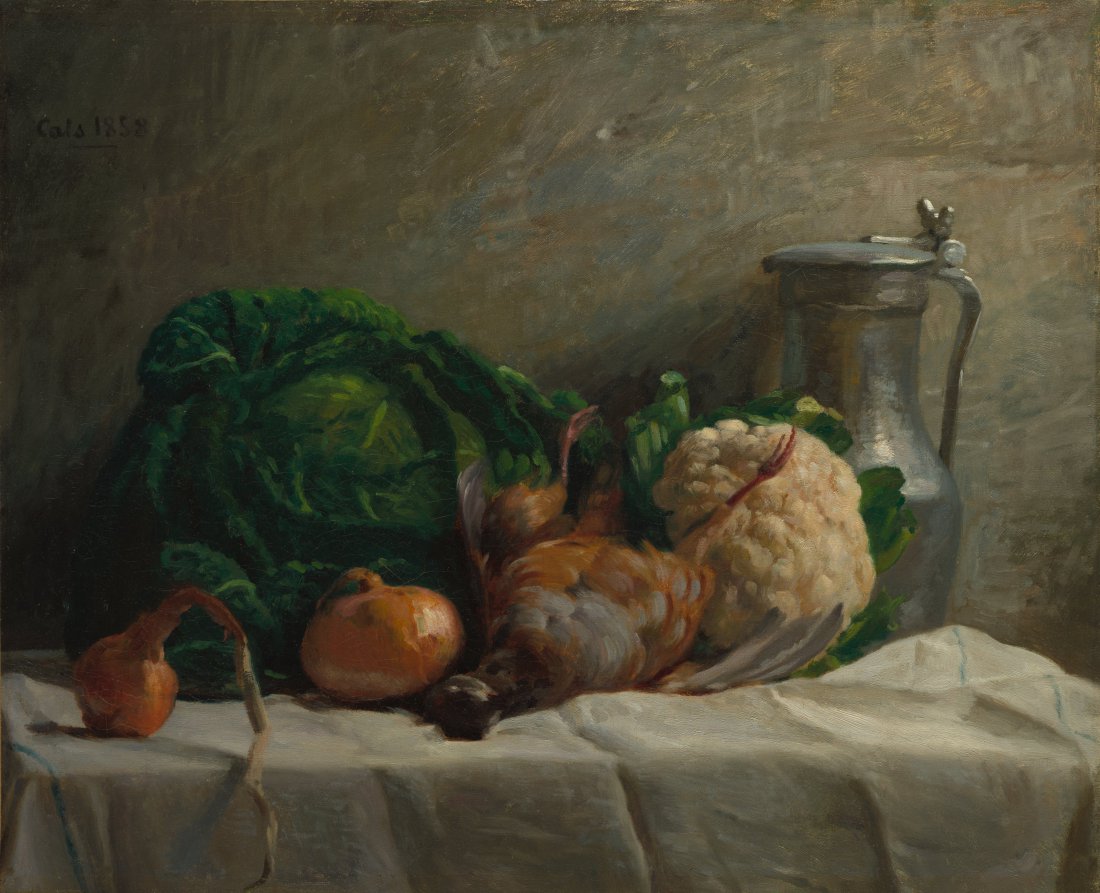
His artistic approach prioritised the subtle play of light upon everyday objects. In his work, Still Life with Vegetables, Partridge, and a Jug, Cals demonstrates a focus on domestic textures and muted tones. He avoided the highly polished finish favoured by the Salon of his era. Instead, he employed a direct, honest method that prioritised the reality of the object over decorative embellishment.
Modern collectors appreciate Cals for his quiet observation of daily life. His compositions offer a sense of calm that fits well in contemporary spaces. By choosing a print of his work, a buyer brings a piece of nineteenth-century French realism into their home that avoids the grandiosity found in more common works from the period.
Notable Works
Tap to view larger.
Next stop
Browse the movements →
Every movement in the collection, from the Renaissance to Pop art.
Related Artists
%2C%20Frans%20kunstschilder%20en%20lithograaf%2C%20objectnr%20KA%206895.184.ti%EF%BC%88Cropped%EF%BC%89.jpg)


Frequently Asked Questions
When was Adolphe-Félix Cals born?
Adolphe-Félix Cals was born in 1810 and died in 1880.What art movement was Adolphe-Félix Cals part of?
Adolphe-Félix Cals was associated with Barbizon school.What is Adolphe-Félix Cals known for?
Adolphe-Félix Cals is known for adolphe-Félix Cals was a French realist painter known for his honest, quiet depictions of domestic life and still life subjects.