

Samling
Suzuki Harunobu
Utforska utvalda konsttryck för unika hem och medvetna inredningar.
Föreslagna filter
-
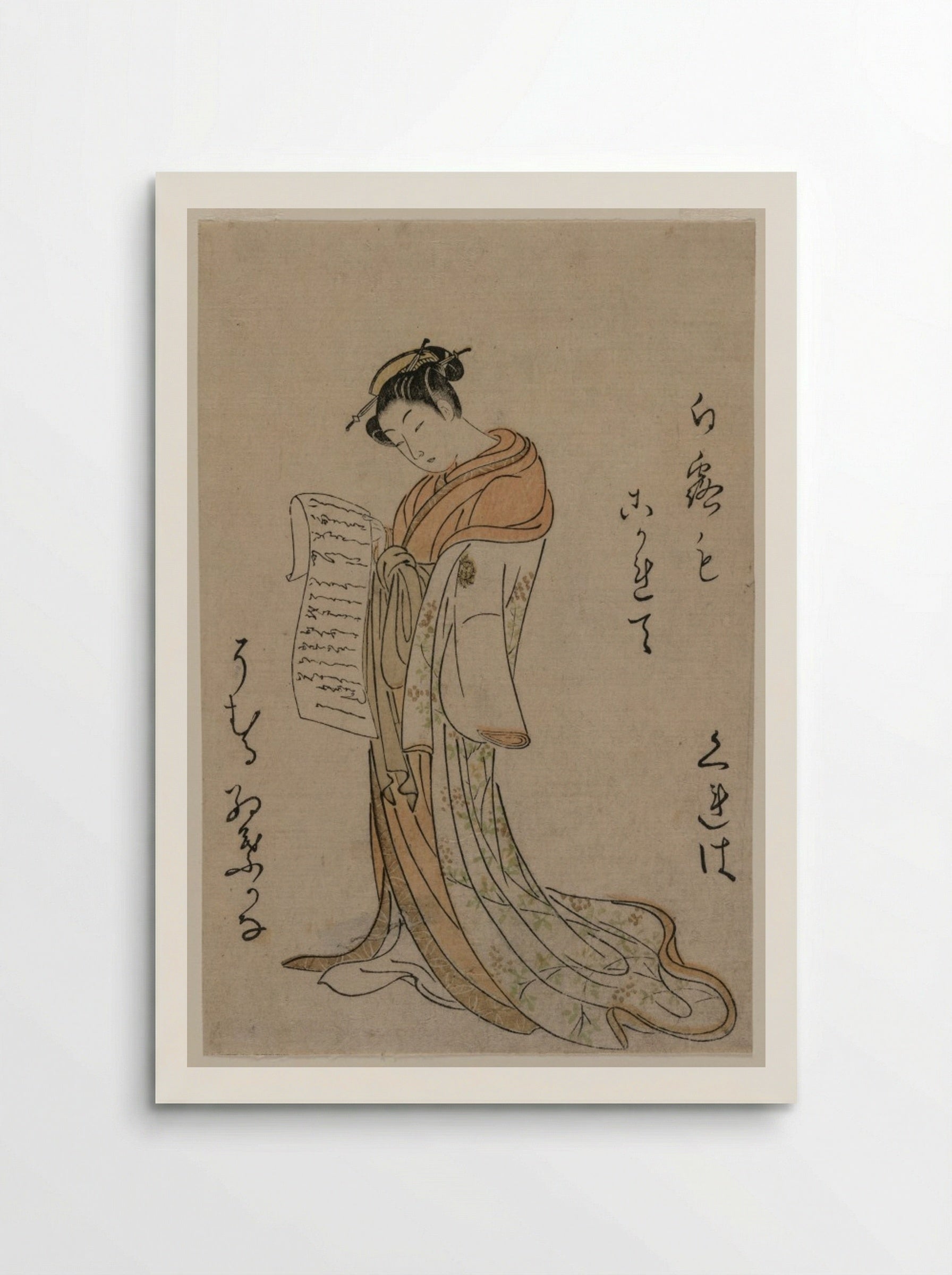 Kureha från Gakuiseya - Suzuki Harunobu
Print
Ordinarie pris Från £28.00 GBPReapris Från £28.00 GBP Ordinarie pris -
 Välgörenhet, från De fem dygderna - Suzuki Harunobu
Print
Ordinarie pris Från £28.00 GBPReapris Från £28.00 GBP Ordinarie pris -
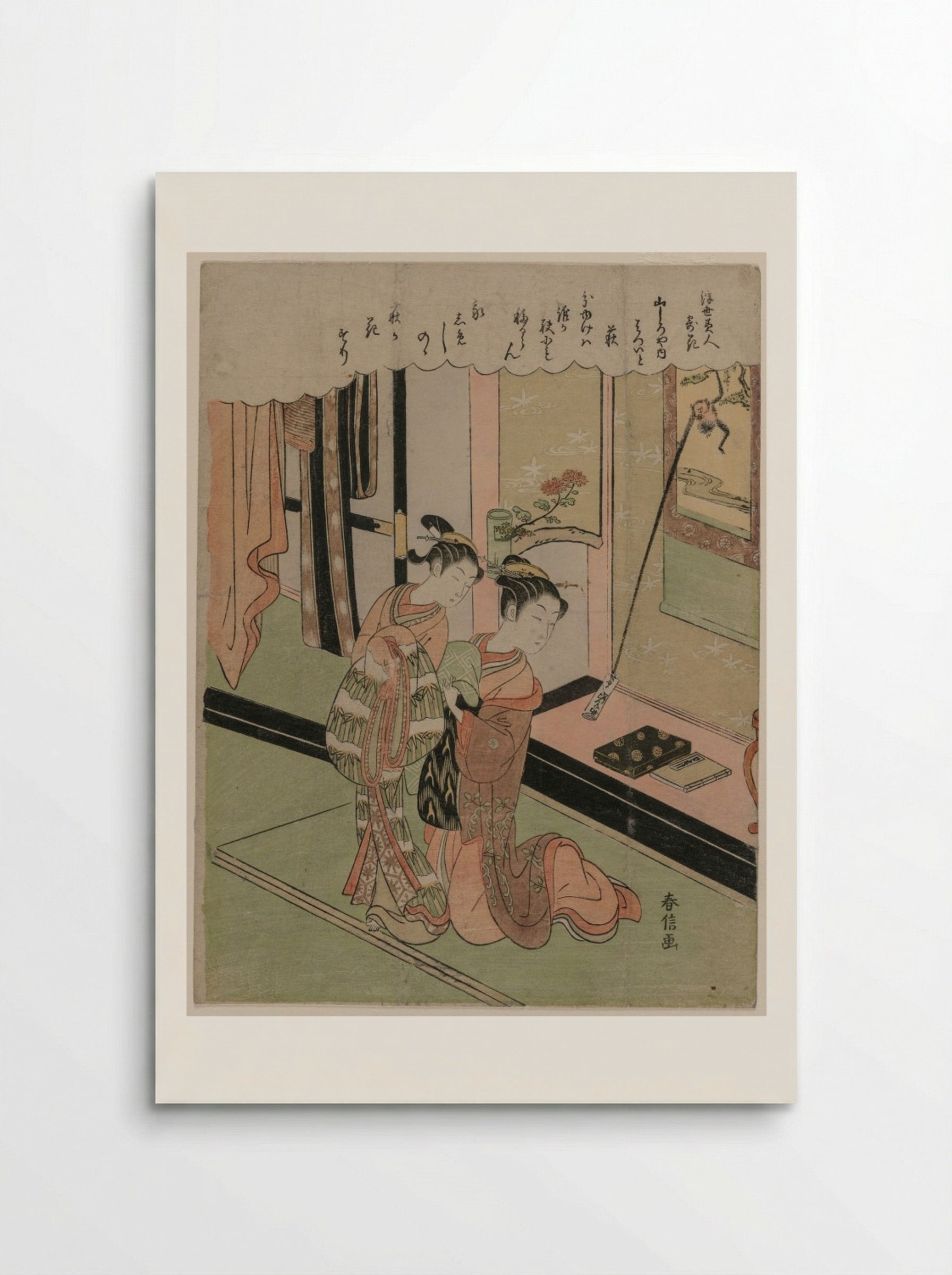 Hatsuito från Yamashiroya liknad vid buskluckra - Suzuki Harunobu
Print
Ordinarie pris Från £28.00 GBPReapris Från £28.00 GBP Ordinarie pris -
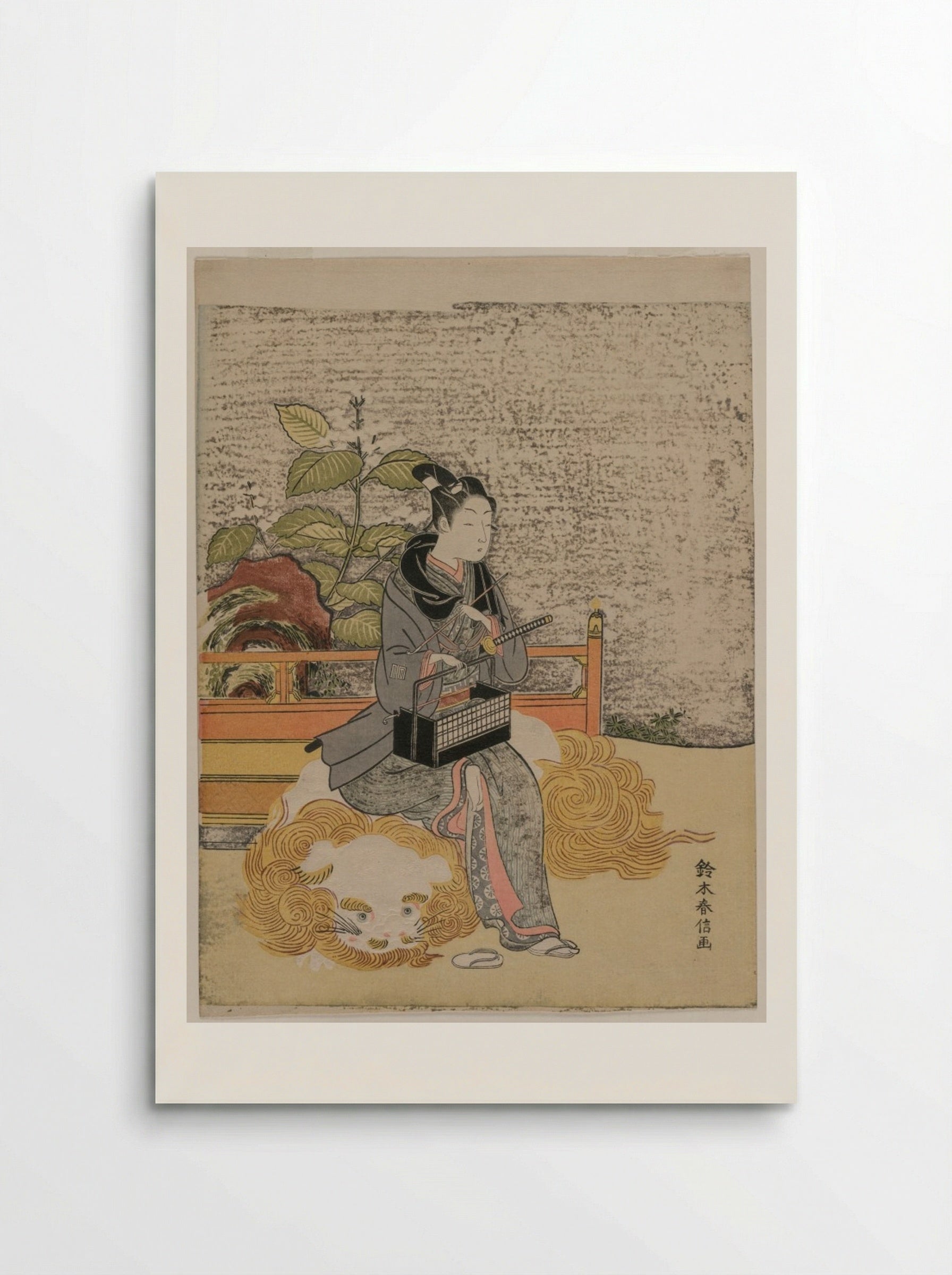 Ungdom som en ställföreträdare för Monju - Suzuki Harunobu
Print
Ordinarie pris Från £28.00 GBPReapris Från £28.00 GBP Ordinarie pris -
 Flicka med yamabukigren i regn - Suzuki Harunobu
Print
Ordinarie pris Från £28.00 GBPReapris Från £28.00 GBP Ordinarie pris -
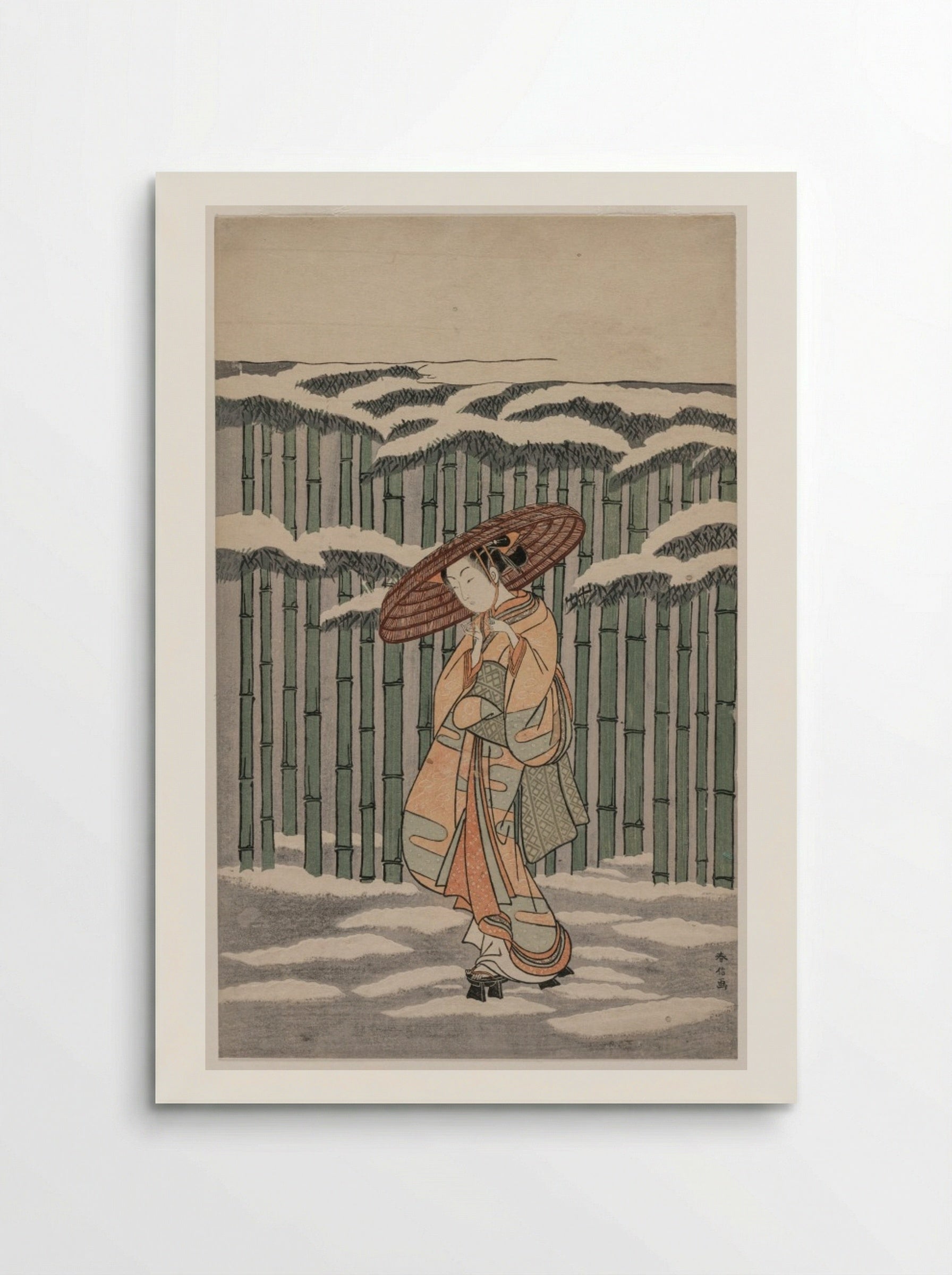 Går igenom bambulunden - Suzuki Harunobu
Print
Ordinarie pris Från £28.00 GBPReapris Från £28.00 GBP Ordinarie pris -
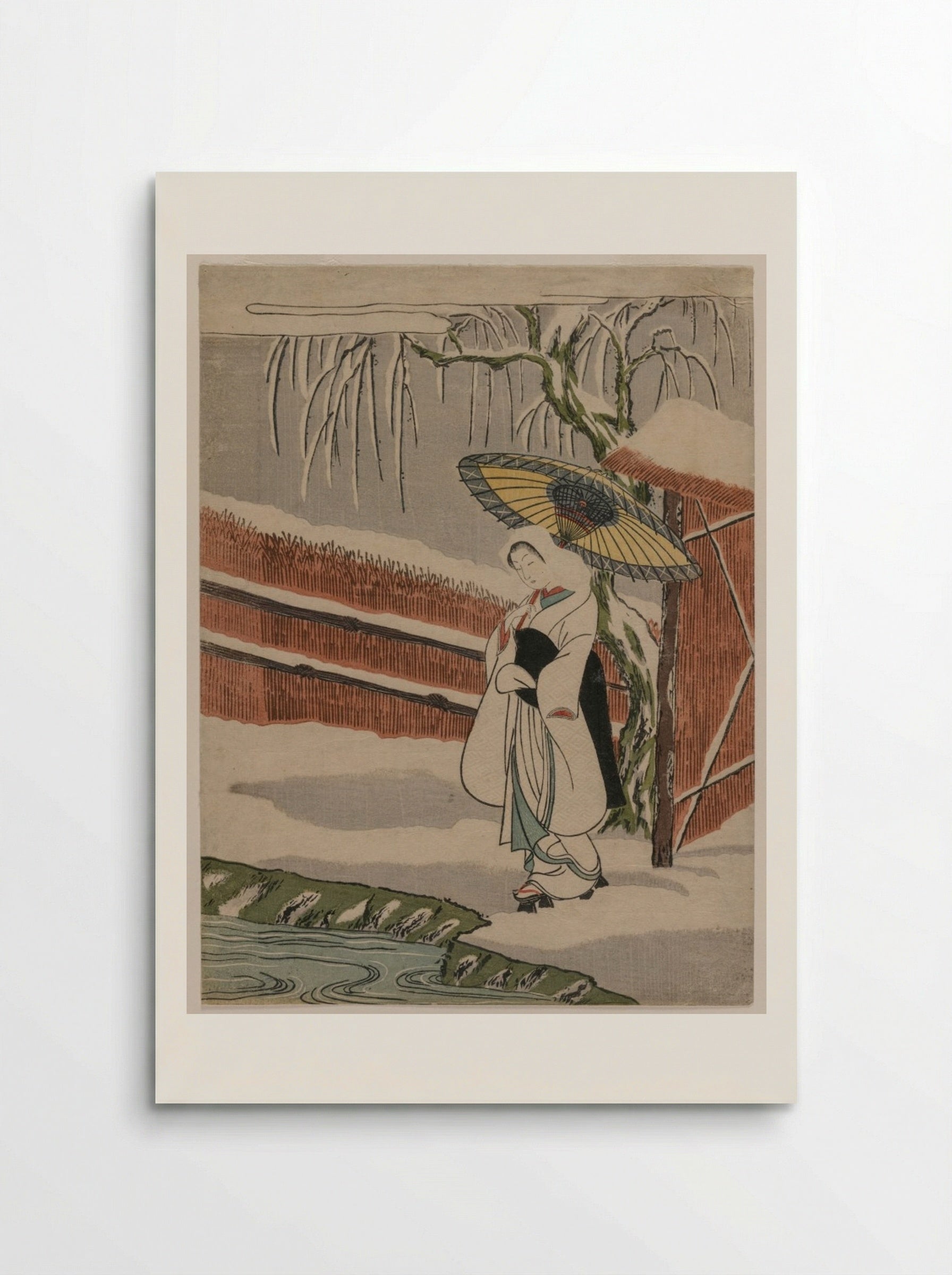 Hägermön stående under ett pilträd - Suzuki Harunobu
Print
Ordinarie pris Från £28.00 GBPReapris Från £28.00 GBP Ordinarie pris -
 Kurtisan och sovande uppassare - Suzuki Harunobu
Print
Ordinarie pris Från £28.00 GBPReapris Från £28.00 GBP Ordinarie pris -
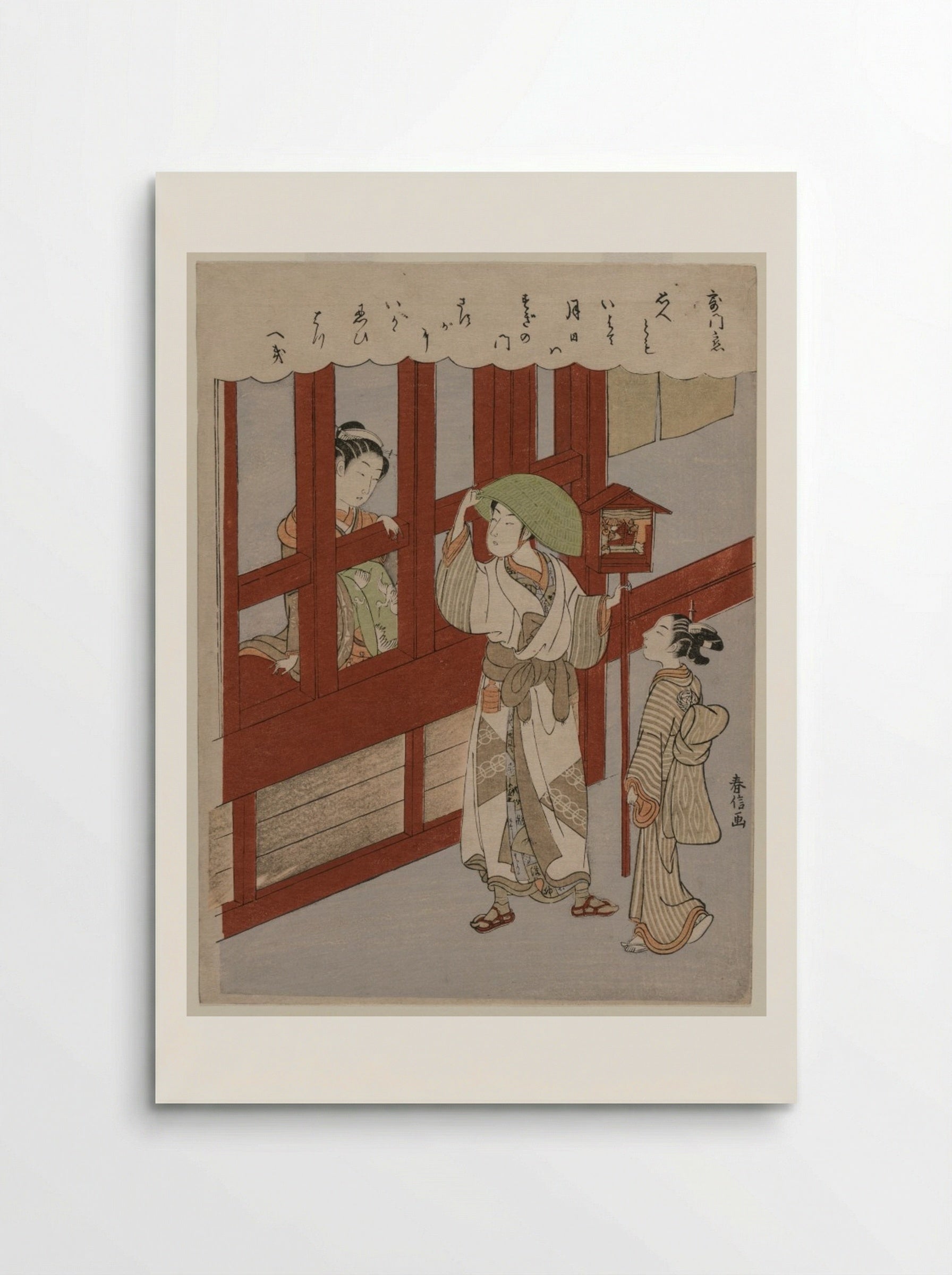 Kärlek vid bordellporten - Suzuki Harunobu
Print
Ordinarie pris Från £28.00 GBPReapris Från £28.00 GBP Ordinarie pris


Artist Biography
Suzuki Harunobu
Suzuki Harunobu did not start his career with the full palette of colours for which he is now known. His early work consisted of simple two-colour prints and mizu-e, or water pictures, which used coloured key blocks instead of black to create a pale appearance. His transition occurred in 1765 when he collaborated with private poetry clubs to produce egoyomi, which were pictorial calendars. These commissions allowed him to use the expensive pigments and heavy paper that defined nishiki-e, or brocade pictures.
Harunobu moved away from the stiff portraits of kabuki actors common in his era. He preferred to depict young women in their daily lives, often using an elevated viewpoint to look into private spaces. His series Zashiki hakkei, or Eight Parlour Views, provides a clear example of his method. He took classical Chinese themes and reimagined them as domestic scenes. A temple bell might become a chiming clock. A distant storm is represented by a woman drying herself after a bath.
Modern collectors value these prints for their quiet atmosphere and precise compositions. Harunobu avoided the aggressive energy of later ukiyo-e artists. He chose instead to focus on slender figures and soft colour harmonies. His work captures specific moments of leisure, such as playing cat's cradle or walking by the shore. These scenes offer a calm window into eighteenth-century Japan. They remain popular because they balance historical detail with a clean, graphic sensibility that suits contemporary interiors.
Harunobu moved away from the stiff portraits of kabuki actors common in his era. He preferred to depict young women in their daily lives, often using an elevated viewpoint to look into private spaces. His series Zashiki hakkei, or Eight Parlour Views, provides a clear example of his method. He took classical Chinese themes and reimagined them as domestic scenes. A temple bell might become a chiming clock. A distant storm is represented by a woman drying herself after a bath.
Modern collectors value these prints for their quiet atmosphere and precise compositions. Harunobu avoided the aggressive energy of later ukiyo-e artists. He chose instead to focus on slender figures and soft colour harmonies. His work captures specific moments of leisure, such as playing cat's cradle or walking by the shore. These scenes offer a calm window into eighteenth-century Japan. They remain popular because they balance historical detail with a clean, graphic sensibility that suits contemporary interiors.


Varför välja oss?