

Samling
Edward Lear
Utforska utvalda konsttryck för unika hem och medvetna inredningar.
Föreslagna filter
-
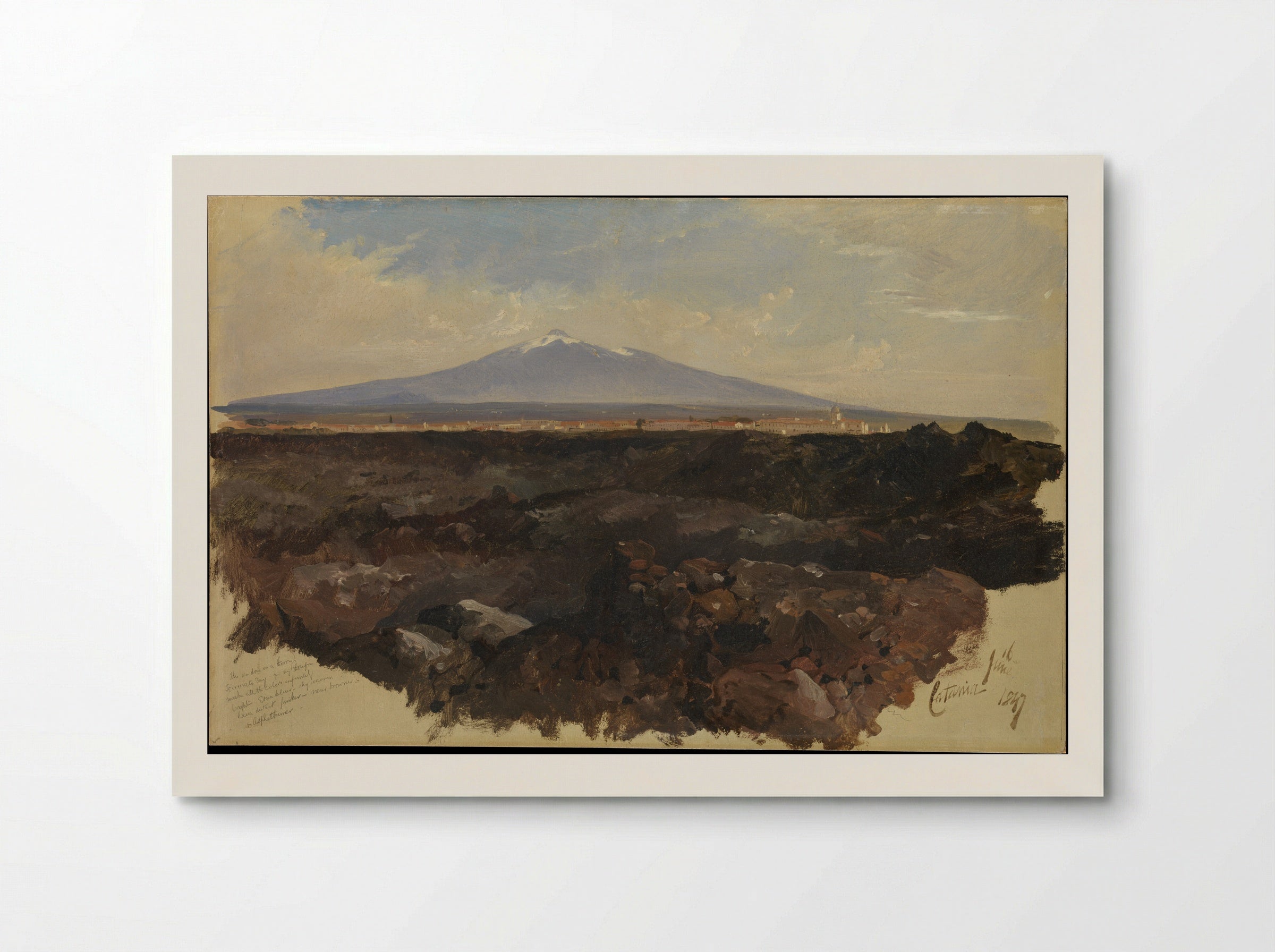 Catania och Etna - Edward Lear
Print
Ordinarie pris Från £28.00 GBPReapris Från £28.00 GBP Ordinarie pris -

 A view of Santa Maura, Levkas, Ionian Islands - Edward Lear
Print · Framed
Ordinarie pris Från £37.00 GBPReapris Från £37.00 GBP Ordinarie pris -

 Eretria, Euboea, Greece - Edward Lear
Print · Framed
Ordinarie pris Från £37.00 GBPReapris Från £37.00 GBP Ordinarie pris -

 There was a Young Lady whose bonnet - Edward Lear
Print · Framed
Ordinarie pris Från £28.00 GBPReapris Från £28.00 GBP Ordinarie pris -

 A distant view of the Citadel, Corfu - Edward Lear
Print · Framed
Ordinarie pris Från £37.00 GBPReapris Från £37.00 GBP Ordinarie pris -

 Capercaillie or Cock of the Wood - Edward Lear
Print · Framed
Ordinarie pris Från £28.00 GBPReapris Från £28.00 GBP Ordinarie pris -

 The Owl and the Pussycat - Edward Lear
Print · Framed
Ordinarie pris Från £37.00 GBPReapris Från £37.00 GBP Ordinarie pris -

 Kinchinjunga from Darjeeling, Himalayas - Edward Lear
Print · Framed
Ordinarie pris Från £37.00 GBPReapris Från £37.00 GBP Ordinarie pris -

 Psittacula kuhlii (Kuhl's Lorikeets) - Edward Lear
Print · Framed
Ordinarie pris Från £28.00 GBPReapris Från £28.00 GBP Ordinarie pris -

 Masada on the Dead Sea - Edward Lear
Print · Framed
Ordinarie pris Från £28.00 GBPReapris Från £28.00 GBP Ordinarie pris -

 Psitteuteles versicolor - Edward Lear
Print · Framed
Ordinarie pris Från £28.00 GBPReapris Från £28.00 GBP Ordinarie pris -

 Civita Castellana - Edward Lear
Print · Framed
Ordinarie pris Från £28.00 GBPReapris Från £28.00 GBP Ordinarie pris -

 Testudo tabulata (Chelonoidis denticulata) - Edward Lear
Print · Framed
Ordinarie pris Från £28.00 GBPReapris Från £28.00 GBP Ordinarie pris -

 Villefranche - Edward Lear
Print · Framed
Ordinarie pris Från £37.00 GBPReapris Från £37.00 GBP Ordinarie pris -

 Howatke - Edward Lear
Print · Framed
Ordinarie pris Från £28.00 GBPReapris Från £28.00 GBP Ordinarie pris -
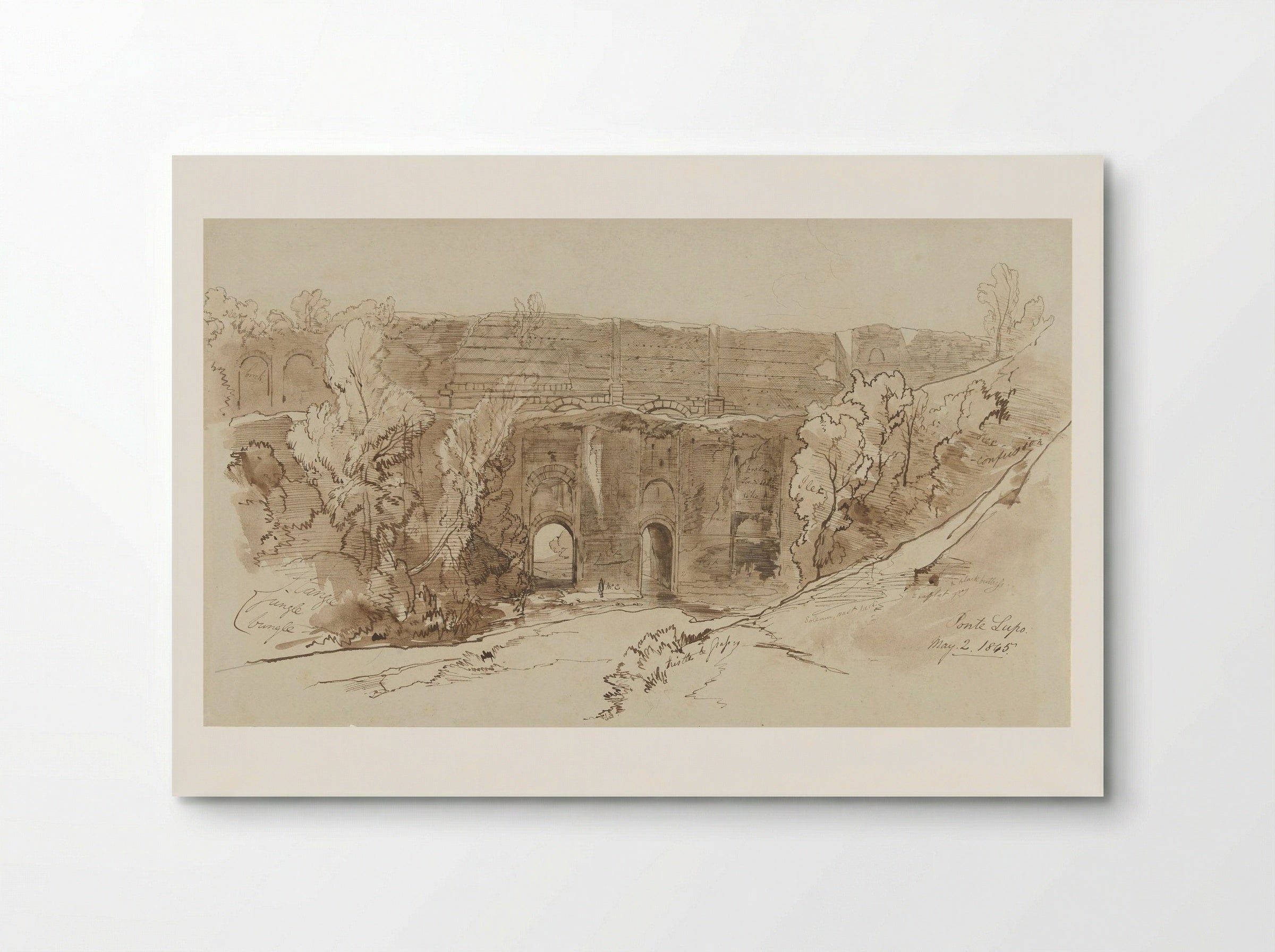
 Vy över Ponte Lupo (nära Tivoli) - Edward Lear
Print · Framed
Ordinarie pris Från £28.00 GBPReapris Från £28.00 GBP Ordinarie pris -
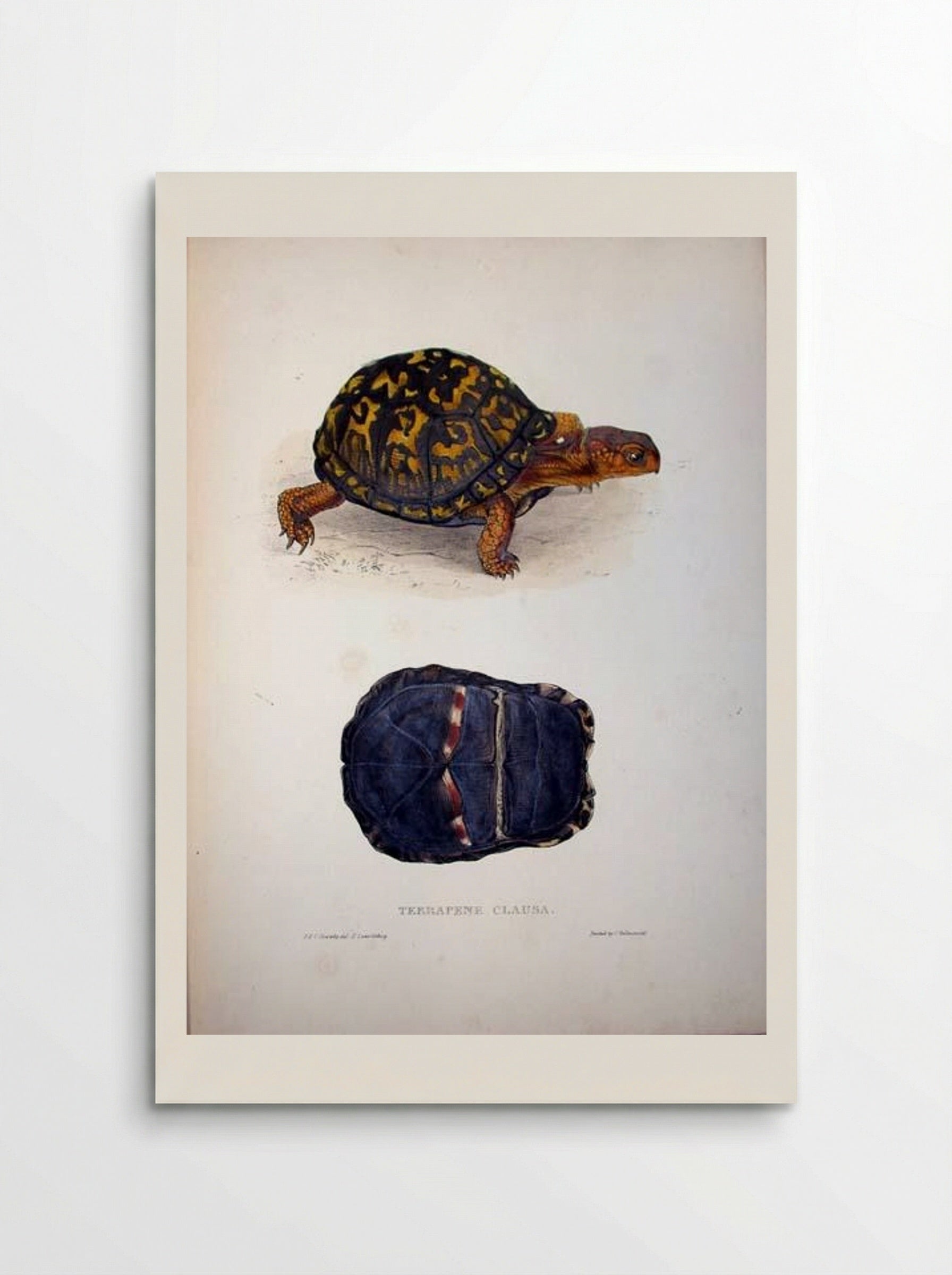 Terrapene clausa - Edward Lear
Print
Ordinarie pris Från £28.00 GBPReapris Från £28.00 GBP Ordinarie pris -
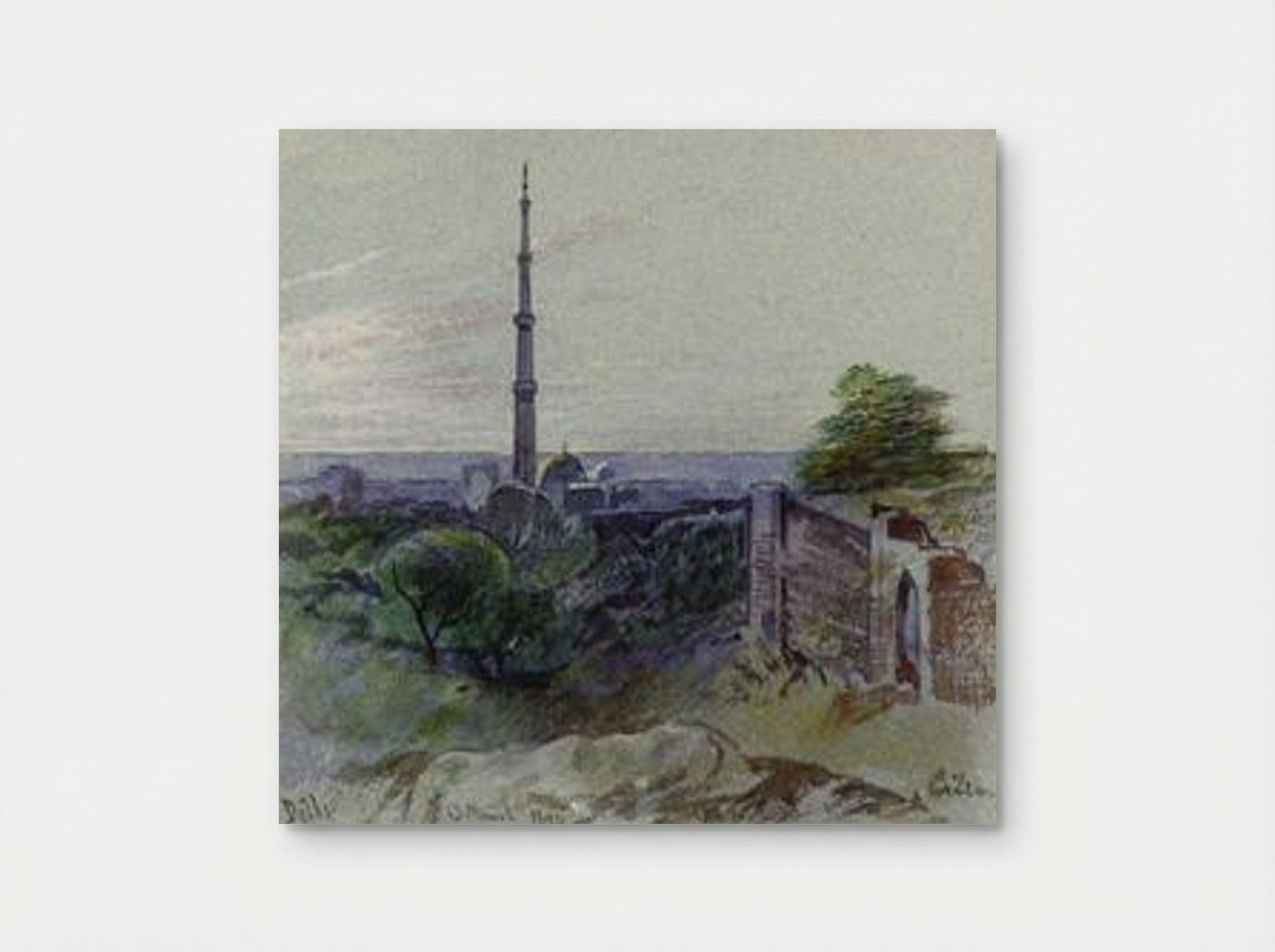 En vy av Qutb Minar, Delhi - Edward Lear
Print
Ordinarie pris Från £37.00 GBPReapris Från £37.00 GBP Ordinarie pris -
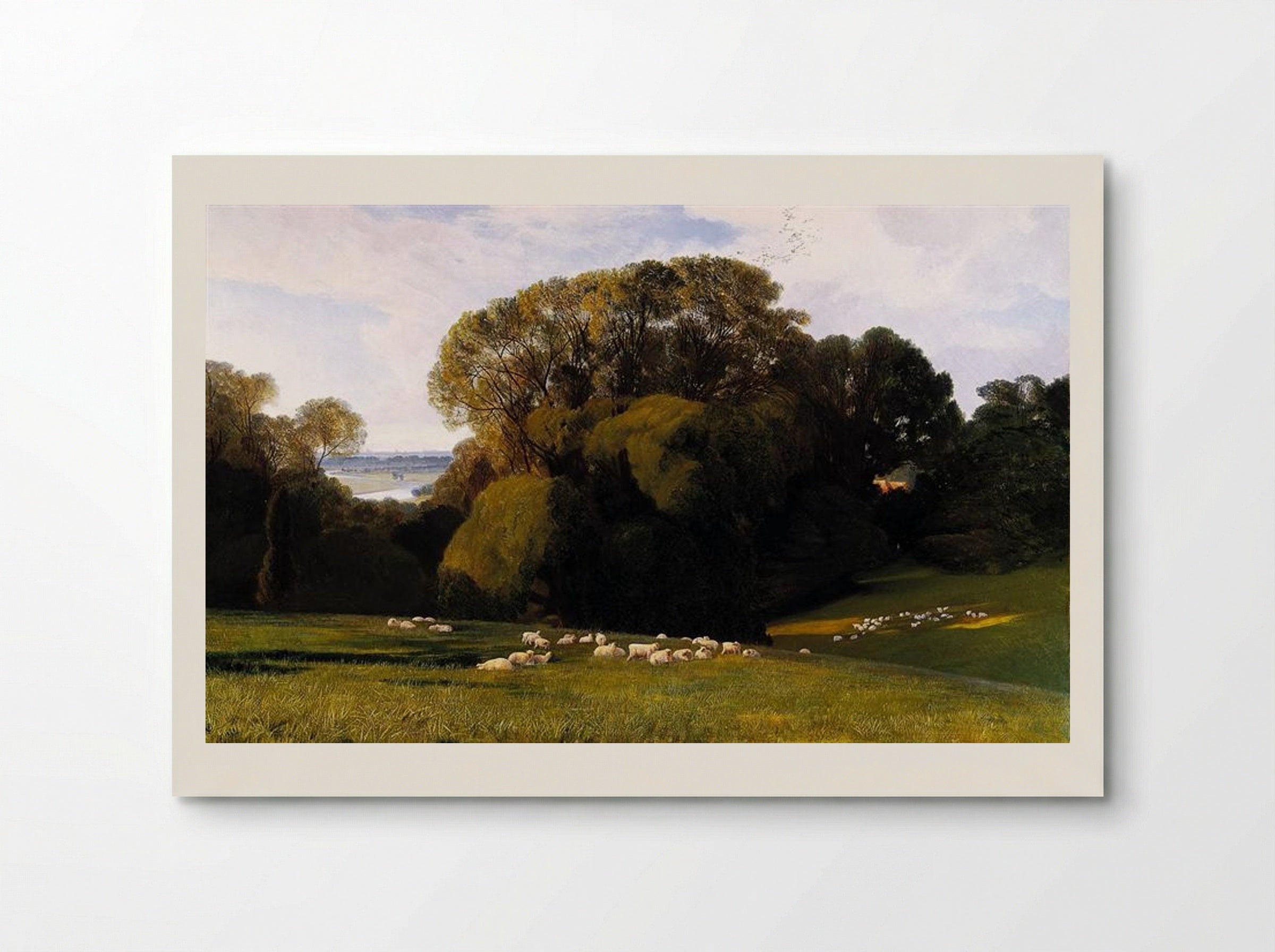
-
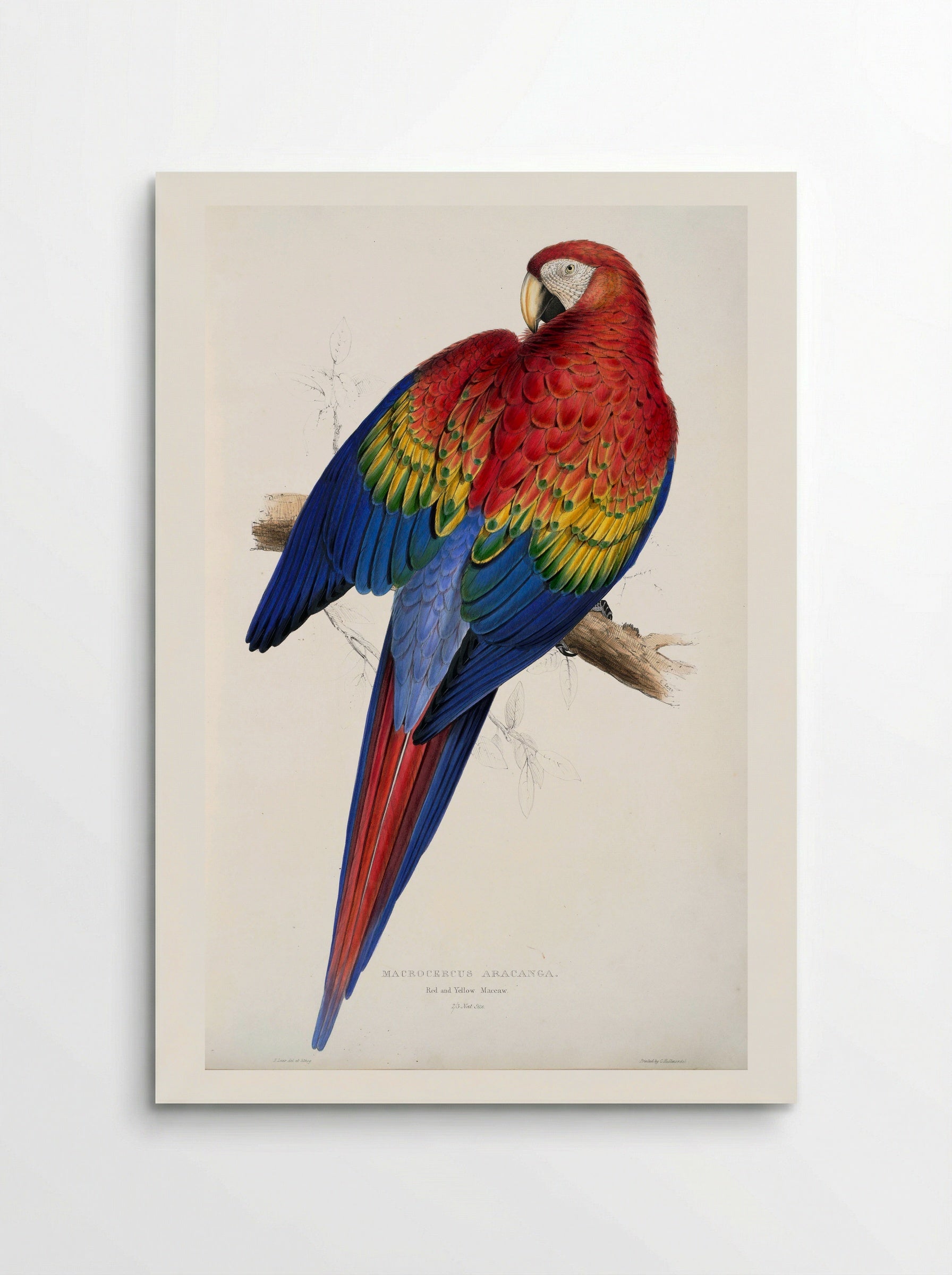 Macrocercus aracanga (röd och gul ara) - Edward Lear
Print
Ordinarie pris Från £28.00 GBPReapris Från £28.00 GBP Ordinarie pris -
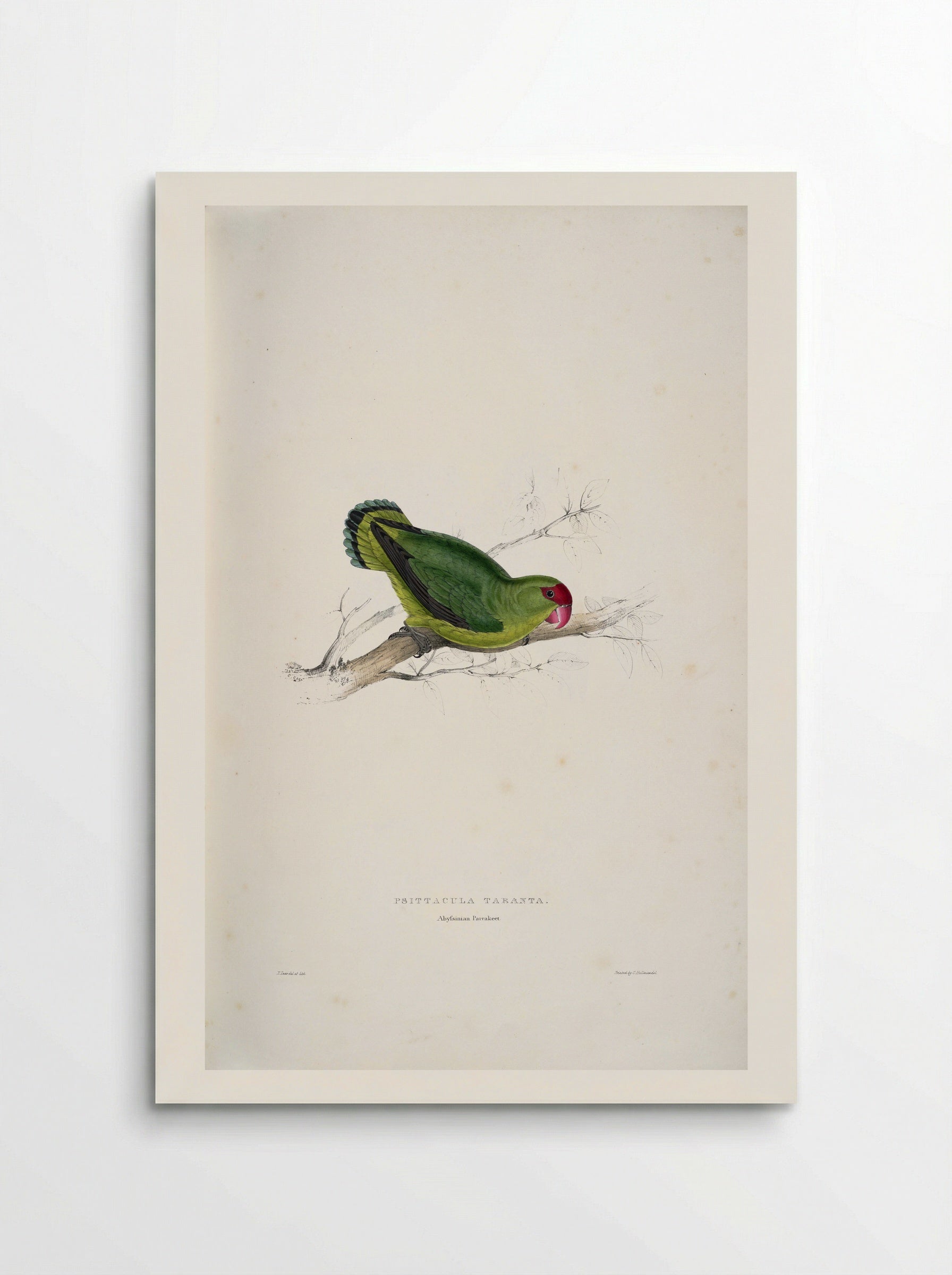 Psittacula taranta (Abessinsk dvärgpapegoja) - Edward Lear
Print
Ordinarie pris Från £28.00 GBPReapris Från £28.00 GBP Ordinarie pris -
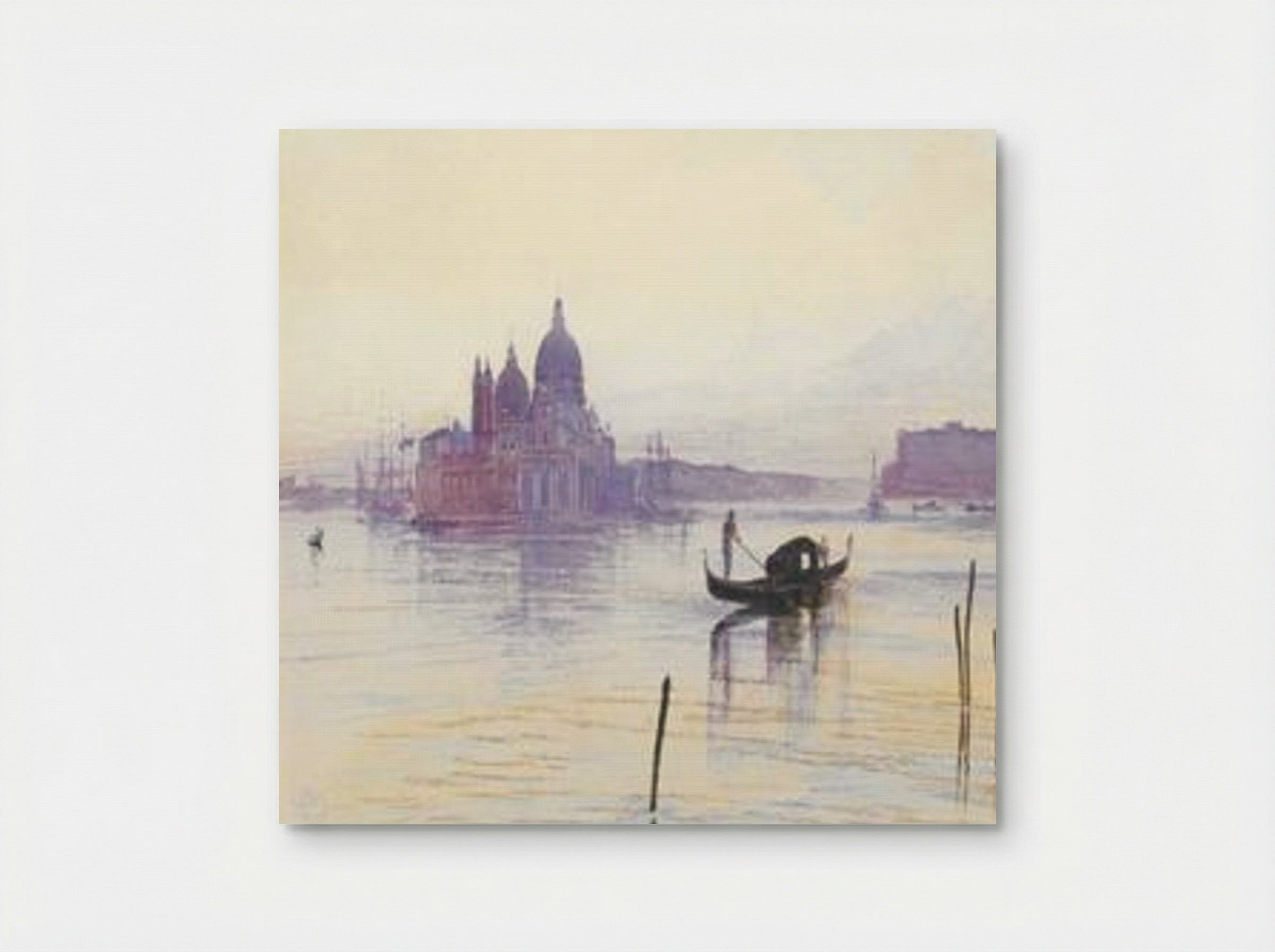 Santa Maria Della Salute från andra sidan Bacino, Venedig – Edward Lear
Print
Ordinarie pris Från £37.00 GBPReapris Från £37.00 GBP Ordinarie pris -
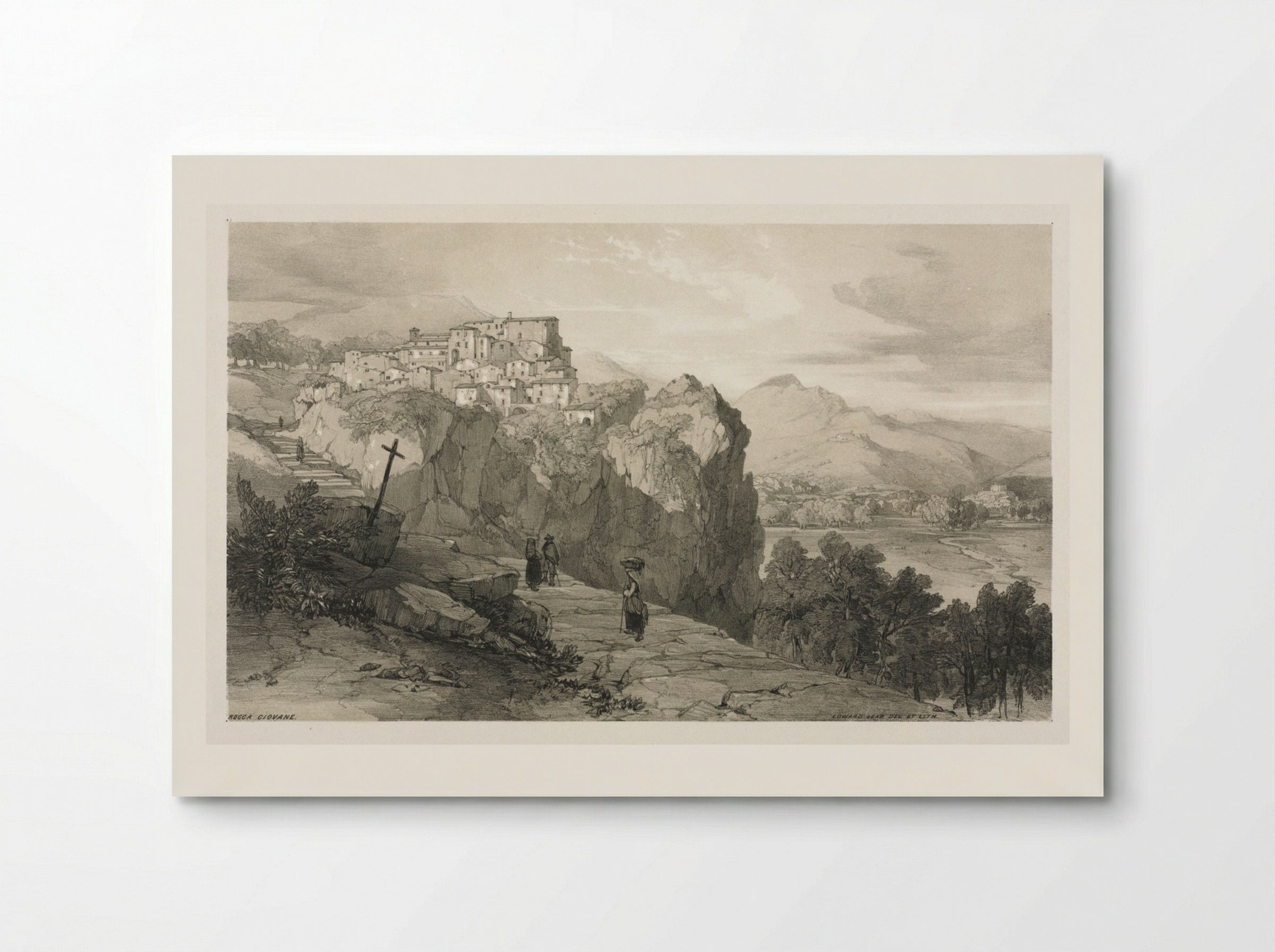 Rocca Giovane – Edward Lear
Print
Ordinarie pris Från £28.00 GBPReapris Från £28.00 GBP Ordinarie pris -
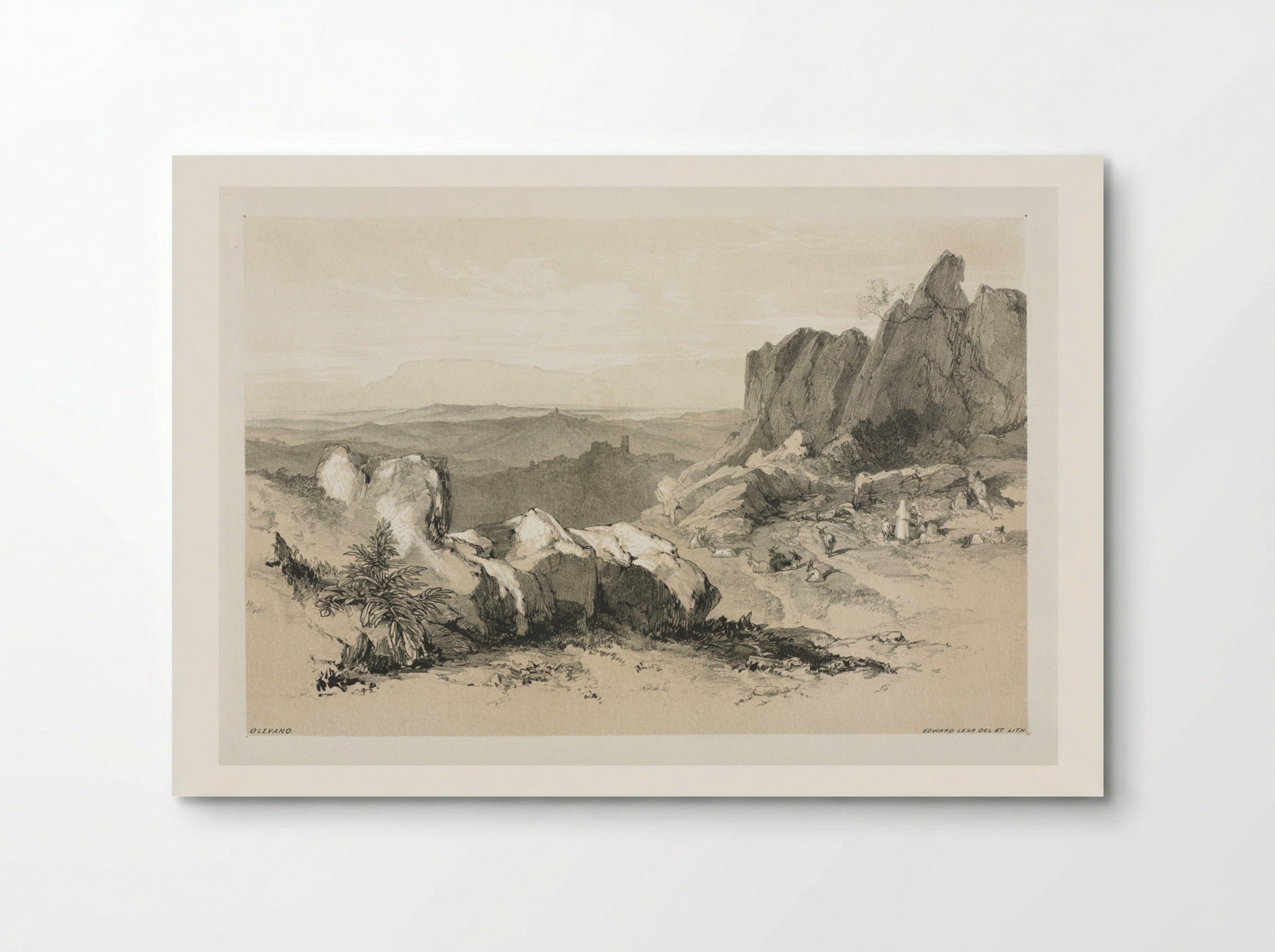


Artist Biography
Edward Lear
By the time Edward Lear was 20, he had completed his scientific illustration volume on parrots for the Zoological Society of London, a project that caught the attention of the 13th Earl of Derby. That commission led to a five-year residency at Knowsley Hall, where Lear drew the Earl's private menagerie and, for the grandchildren of the household, filled notebooks with limericks and comic drawings. A Book of Nonsense was published in 1846; the expanded edition under his own name in 1861 established him as the forefather of the limerick as a literary form.
His landscape career ran simultaneously. From the 1840s he made extended sketching tours through Italy, Albania, Greece, Egypt, Palestine, India, and Ceylon, producing illustrated travel journals of careful documentary precision. In 1846 Queen Victoria sought him out as a drawing teacher, having admired his Italian lithographs; he gave her twelve lessons. Brief study under William Holman Hunt in 1852 introduced Pre-Raphaelite rigour to his oils, though his watercolours and pen-and-ink drawings remain his most direct legacy.
Lear suffered from epilepsy throughout his life, calling it the Demon and concealing it carefully from a society ill-equipped to understand it. He was severely shortsighted from childhood and lived with considerable loneliness, despite the warmth of his nonsense verse. He settled in San Remo in 1871, eventually naming his house Villa Tennyson after his close friend Alfred, Lord Tennyson, for whom he composed settings of 212 poems.
His cat, Foss, was his companion for 15 years. When Lear moved to a larger house in San Remo, he had it built to identical proportions so Foss would not be disoriented. Foss died two months before Lear, in January 1888. The Owl and the Pussycat (1871), containing the word runcible spoon, now in everyday English use, is his most enduring poem.
His landscape career ran simultaneously. From the 1840s he made extended sketching tours through Italy, Albania, Greece, Egypt, Palestine, India, and Ceylon, producing illustrated travel journals of careful documentary precision. In 1846 Queen Victoria sought him out as a drawing teacher, having admired his Italian lithographs; he gave her twelve lessons. Brief study under William Holman Hunt in 1852 introduced Pre-Raphaelite rigour to his oils, though his watercolours and pen-and-ink drawings remain his most direct legacy.
Lear suffered from epilepsy throughout his life, calling it the Demon and concealing it carefully from a society ill-equipped to understand it. He was severely shortsighted from childhood and lived with considerable loneliness, despite the warmth of his nonsense verse. He settled in San Remo in 1871, eventually naming his house Villa Tennyson after his close friend Alfred, Lord Tennyson, for whom he composed settings of 212 poems.
His cat, Foss, was his companion for 15 years. When Lear moved to a larger house in San Remo, he had it built to identical proportions so Foss would not be disoriented. Foss died two months before Lear, in January 1888. The Owl and the Pussycat (1871), containing the word runcible spoon, now in everyday English use, is his most enduring poem.


Varför välja oss?