

Samling
Edgar Degas
Utforska utvalda konsttryck för unika hem och medvetna inredningar.
Föreslagna filter
-

 René De Gas, konstnärens bror - Hilaire-Germain-Edgar Degas
Print · Framed
Ordinarie pris Från £28.00 GBPReapris Från £28.00 GBP Ordinarie pris -

 Efter badet - Edgar Degas
Print · Framed
Ordinarie pris Från £28.00 GBPReapris Från £28.00 GBP Ordinarie pris -

 Giovanna Bellelli - Hilaire-Germain-Edgar Degas
Print · Framed
Ordinarie pris Från £28.00 GBPReapris Från £28.00 GBP Ordinarie pris -

 Mary Cassatt på Louvren: Målargalleriet - Hilaire-Germain-Edgar Degas
Print · Framed
Ordinarie pris Från £28.00 GBPReapris Från £28.00 GBP Ordinarie pris -

 Berglandskap - Hilaire-Germain-Edgar Degas
Print · Framed
Ordinarie pris Från £37.00 GBPReapris Från £37.00 GBP Ordinarie pris -

 Efter badet - Hilaire-Germain-Edgar Degas
Print · Framed
Ordinarie pris Från £28.00 GBPReapris Från £28.00 GBP Ordinarie pris -

 Vägen i skogen - Hilaire-Germain-Edgar Degas
Print · Framed
Ordinarie pris Från £28.00 GBPReapris Från £28.00 GBP Ordinarie pris -

 Alice Villette - Edgar Degas
Print · Framed
Ordinarie pris Från £28.00 GBPReapris Från £28.00 GBP Ordinarie pris -

 På kapplöpningsbanan: Starten - Edgar Degas
Print · Framed
Ordinarie pris Från £28.00 GBPReapris Från £28.00 GBP Ordinarie pris -

 Kvinna i rynkad mössa - Edgar Degas
Print · Framed
Ordinarie pris Från £28.00 GBPReapris Från £28.00 GBP Ordinarie pris -

 Skådespelerskor i sina loger – Edgar Degas
Print · Framed
Ordinarie pris Från £28.00 GBPReapris Från £28.00 GBP Ordinarie pris -

 Konversation: Ludovic Halévy och Madame Cardinal - Edgar Degas
Print · Framed
Ordinarie pris Från £28.00 GBPReapris Från £28.00 GBP Ordinarie pris -

 Efter badet (stor version) - Edgar Degas
Print · Framed
Ordinarie pris Från £37.00 GBPReapris Från £37.00 GBP Ordinarie pris -

 Stefanina Primicile Carafa, markisinna av Cicerale och hertiginna av Montejasi – Edgar Degas
Print · Framed
Ordinarie pris Från £28.00 GBPReapris Från £28.00 GBP Ordinarie pris -

 Mary Cassatt på Louvren: Målerigalleriet - Edgar Degas
Print · Framed
Ordinarie pris Från £28.00 GBPReapris Från £28.00 GBP Ordinarie pris -

 Ung kvinna i gatukostym - Hilaire-Germain-Edgar Degas
Print · Framed
Ordinarie pris Från £28.00 GBPReapris Från £28.00 GBP Ordinarie pris -

 Tvättflickorna - Edgar Degas
Print · Framed
Ordinarie pris Från £28.00 GBPReapris Från £28.00 GBP Ordinarie pris -

 Mary Cassatt på Louvren: Etruskiska galleriet - Edgar Degas
Print · Framed
Ordinarie pris Från £28.00 GBPReapris Från £28.00 GBP Ordinarie pris -
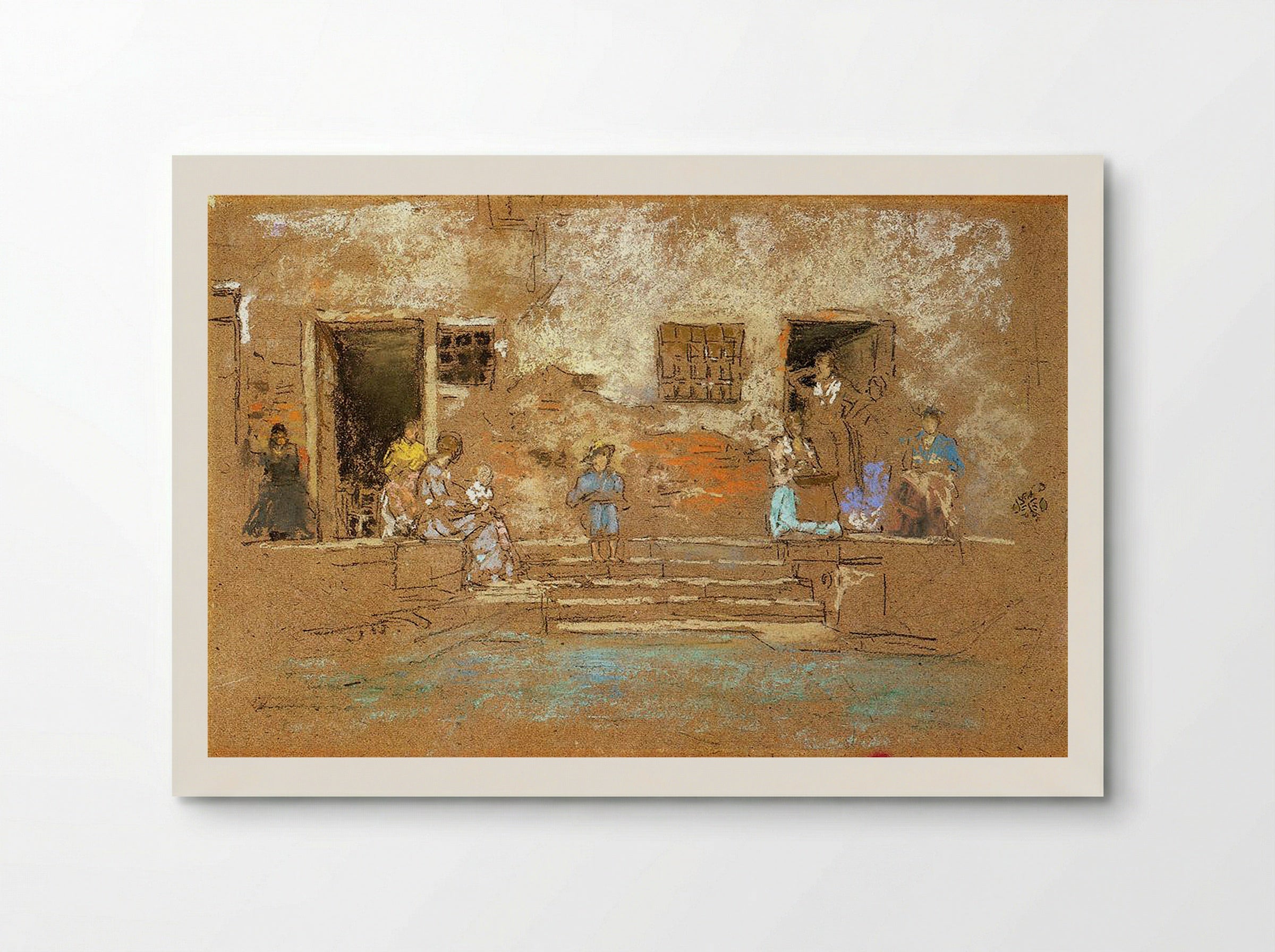
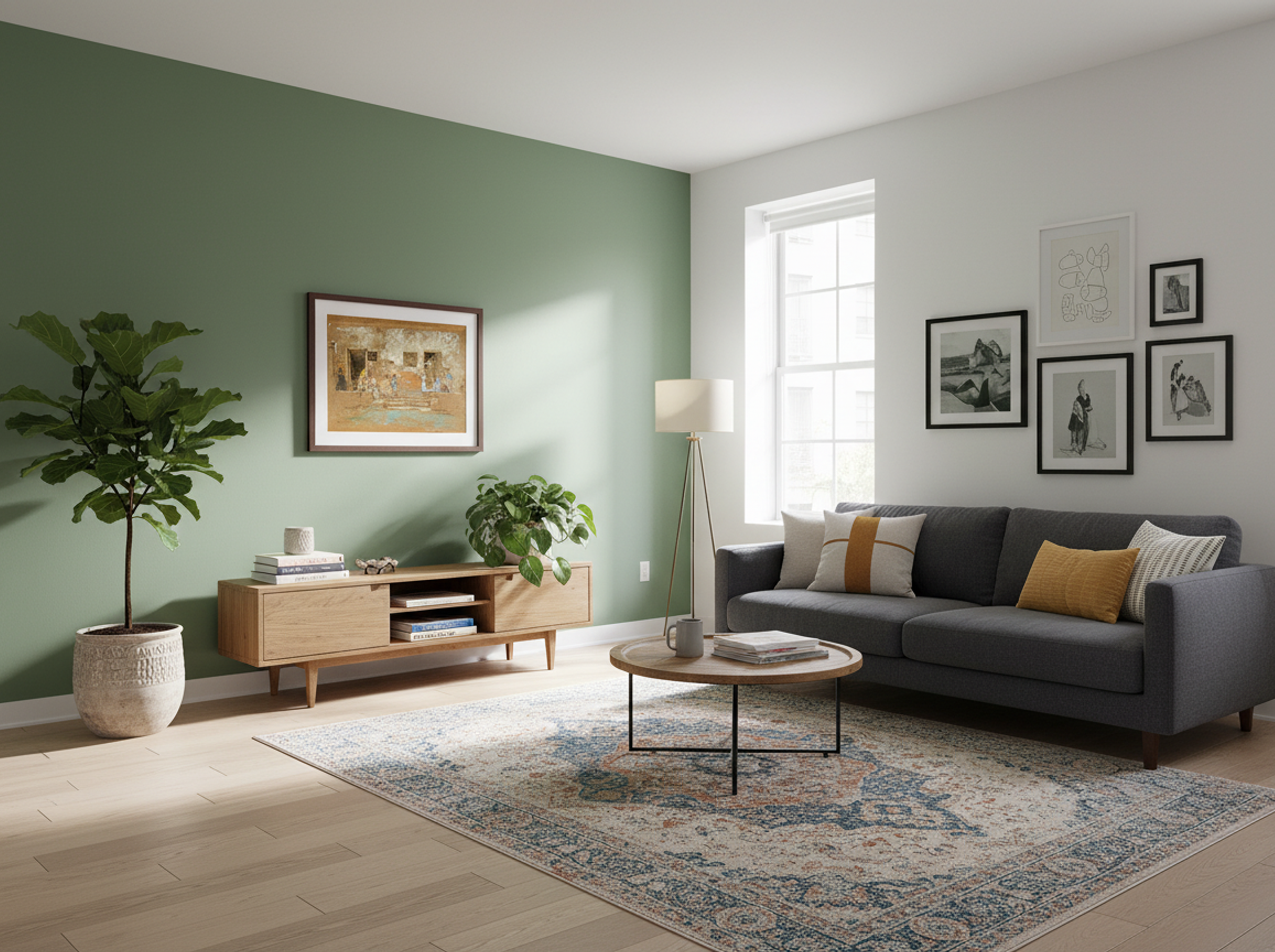 Trappan - Edgar Degas
Print · Framed · Canvas
Ordinarie pris Från £28.00 GBPReapris Från £28.00 GBP Ordinarie pris -
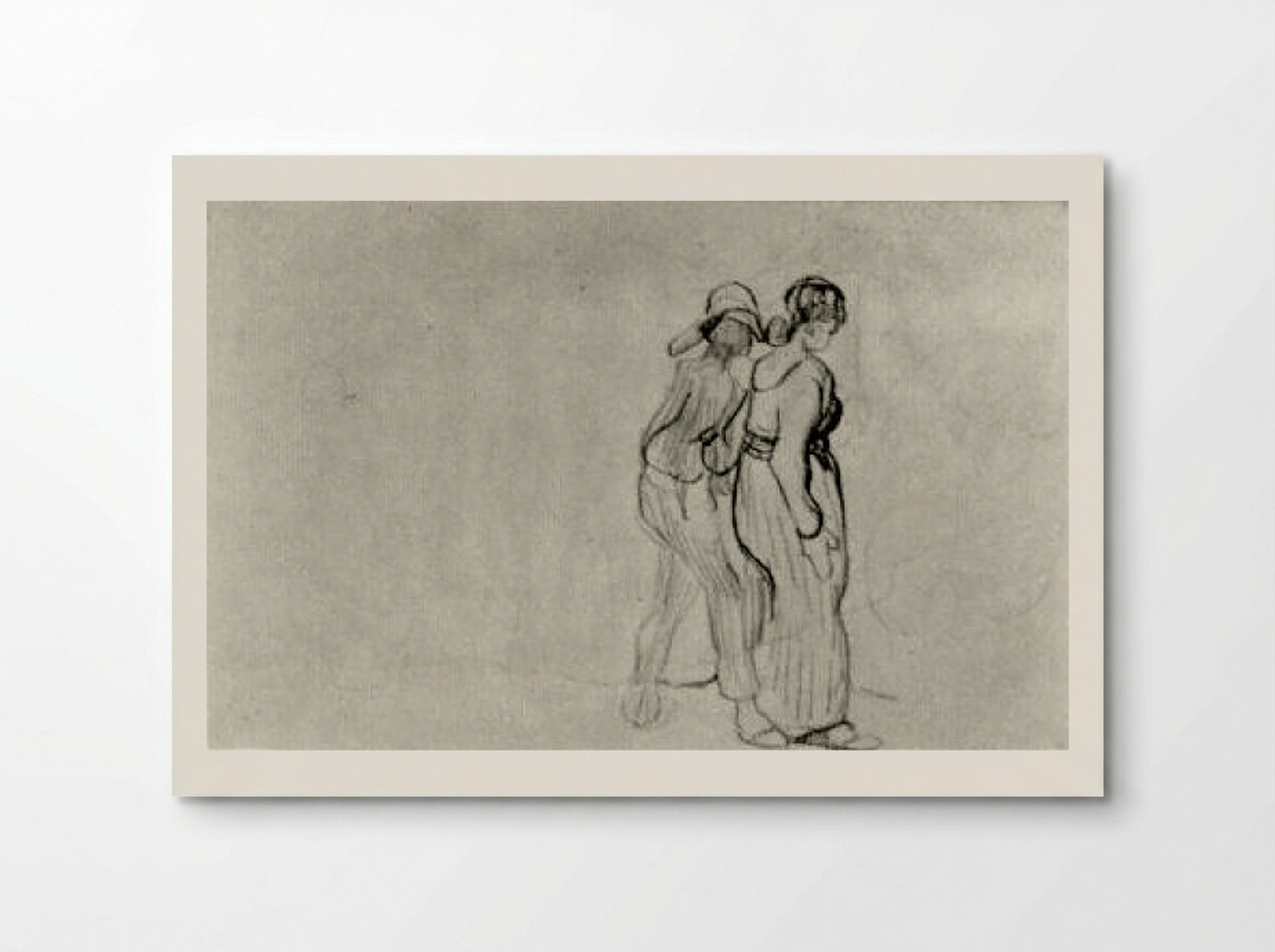
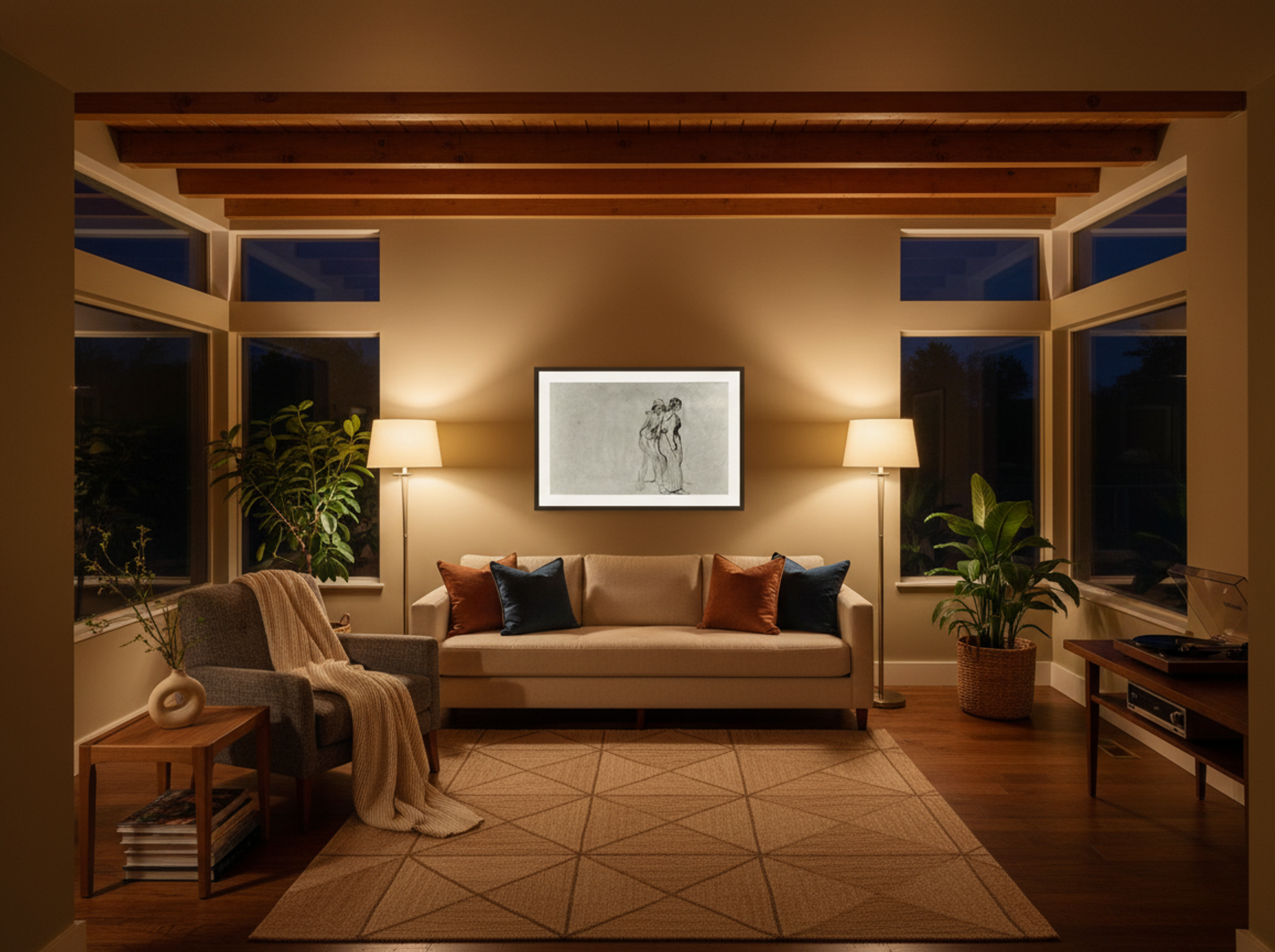 Promenerande par (skiss) - Edgar Degas
Print · Framed · Canvas
Ordinarie pris Från £28.00 GBPReapris Från £28.00 GBP Ordinarie pris -

 Danslektionen - Edgar Degas
Print · Framed · Canvas
Ordinarie pris Från £30.00 GBPReapris Från £30.00 GBP Ordinarie pris -

 Repetitionen - Hilaire-Germain-Edgar Degas
Print · Framed · Canvas
Ordinarie pris Från £28.00 GBPReapris Från £28.00 GBP Ordinarie pris -
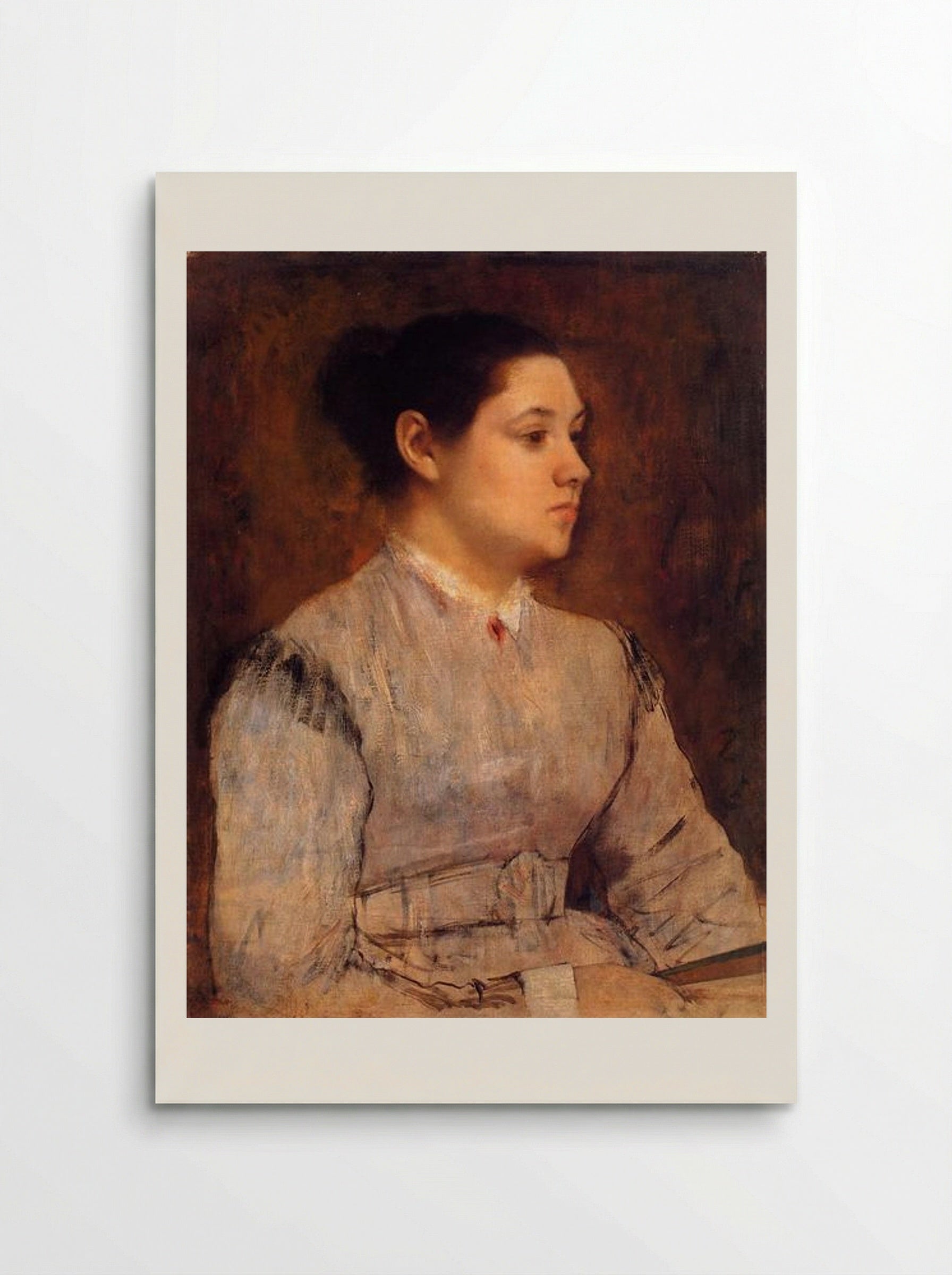
 Porträtt av en ung kvinna - Edgar Degas
Print · Framed · Canvas
Ordinarie pris Från £28.00 GBPReapris Från £28.00 GBP Ordinarie pris -
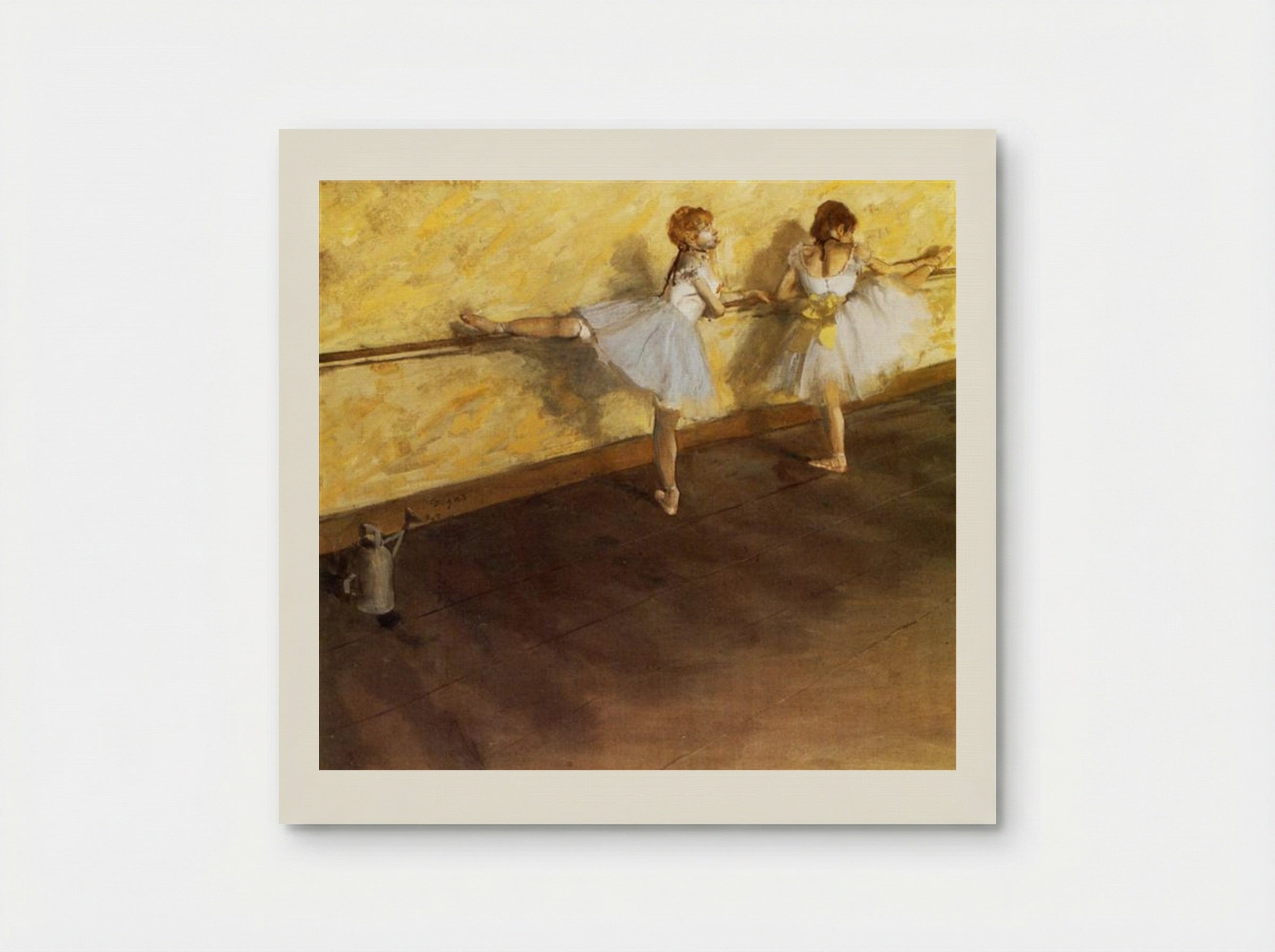
 Dansare som övar vid balettstången - Edgar Degas
Print · Framed · Canvas
Ordinarie pris Från £30.00 GBPReapris Från £30.00 GBP Ordinarie pris


Artist Biography
Edgar Degas
Degas changed the spelling of his own name. He was born Hilaire-Germain-Edgar De Gas, into a Parisian banking family, and dropped the aristocratic particle to become simply Degas. His father wanted him to study law. He enrolled in law school, then quietly registered as a copyist at the Louvre instead.
More than half of his entire output depicts dancers. He became a fixture at the Paris Opera, watching from the wings and from boxes above the stage, sketching not the performance but the work behind it: the stretching, the waiting, the adjusting of shoes, the corrections from the ballet master. The backstage fatigue interested him more than the applause.
In 1881, he exhibited Little Dancer Aged Fourteen, a two-thirds life-size wax figure of Marie van Goethem, a real student at the Opera ballet school. She wore a real tutu, real ballet slippers, and a wig of human hair, all coated in wax. Critics called it repulsive. One described the girl as having a face marked by the hateful promise of every vice. Wax was a material for anatomical specimens, not art. It was the only sculpture he exhibited in his lifetime. After his death, 150 more wax figures were found in his studio, many falling apart.
His eyesight began failing during the Franco-Prussian War. By his forties he had lost central vision. By fifty-seven he could not read. The deterioration drove him from fine brushwork to bolder strokes, then to pastels, then to sculpture he could work by touch. He avoided daylight and painted under controlled artificial light. Collectors joked they should chain their Degas paintings to the wall, because he would try to take them back to rework them. He compulsively revised everything.
He disliked being called an Impressionist. He preferred Realist or Independent. He never painted outdoors, which was supposedly the whole point of the movement. Despite this, he co-founded the group, organised their exhibitions, and showed in all eight. He said: there is love and there is art and we only have one heart. He never married.
More than half of his entire output depicts dancers. He became a fixture at the Paris Opera, watching from the wings and from boxes above the stage, sketching not the performance but the work behind it: the stretching, the waiting, the adjusting of shoes, the corrections from the ballet master. The backstage fatigue interested him more than the applause.
In 1881, he exhibited Little Dancer Aged Fourteen, a two-thirds life-size wax figure of Marie van Goethem, a real student at the Opera ballet school. She wore a real tutu, real ballet slippers, and a wig of human hair, all coated in wax. Critics called it repulsive. One described the girl as having a face marked by the hateful promise of every vice. Wax was a material for anatomical specimens, not art. It was the only sculpture he exhibited in his lifetime. After his death, 150 more wax figures were found in his studio, many falling apart.
His eyesight began failing during the Franco-Prussian War. By his forties he had lost central vision. By fifty-seven he could not read. The deterioration drove him from fine brushwork to bolder strokes, then to pastels, then to sculpture he could work by touch. He avoided daylight and painted under controlled artificial light. Collectors joked they should chain their Degas paintings to the wall, because he would try to take them back to rework them. He compulsively revised everything.
He disliked being called an Impressionist. He preferred Realist or Independent. He never painted outdoors, which was supposedly the whole point of the movement. Despite this, he co-founded the group, organised their exhibitions, and showed in all eight. He said: there is love and there is art and we only have one heart. He never married.


Varför välja oss?