

Samling
Diego Velázquez
Utforska utvalda konsttryck för unika hem och medvetna inredningar.
Föreslagna filter
-
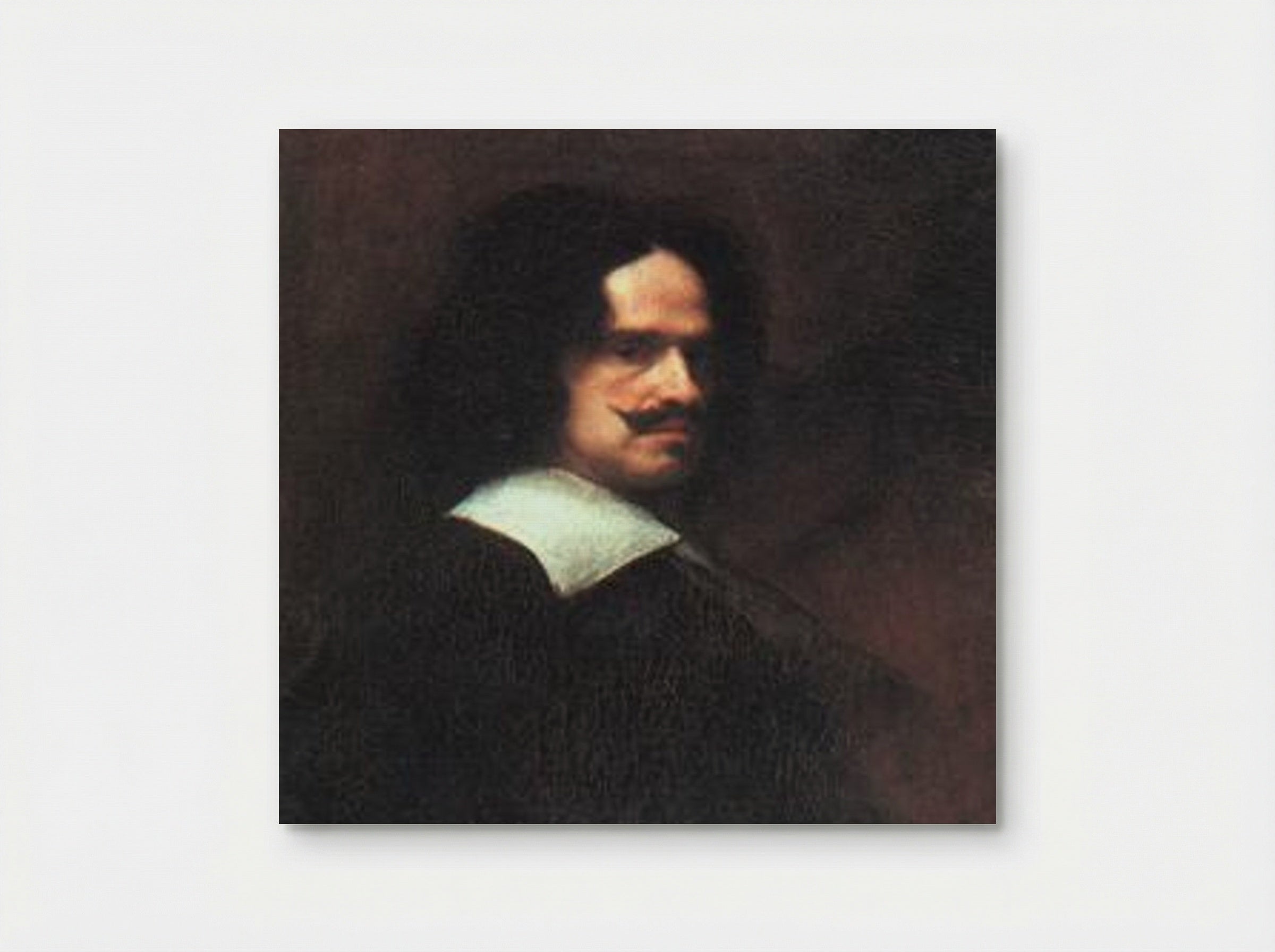 Självporträtt - Diego Velázquez
Print
Ordinarie pris Från £37.00 GBPReapris Från £37.00 GBP Ordinarie pris -
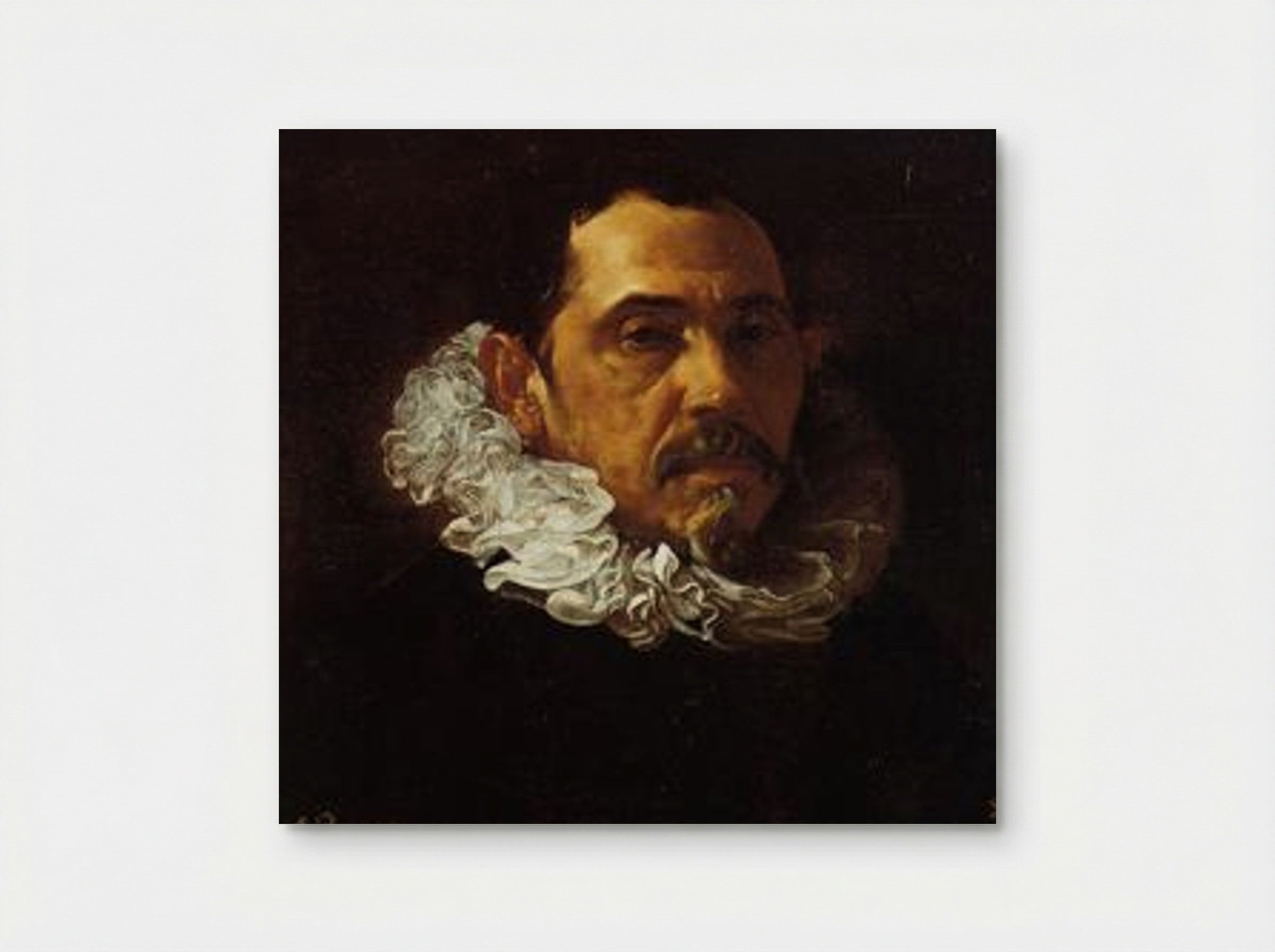 Porträtt av en man med getskägg - Diego Velázquez
Print
Ordinarie pris Från £37.00 GBPReapris Från £37.00 GBP Ordinarie pris -
 En gammal kvinna som steker ägg - Diego Velázquez
Print
Ordinarie pris Från £28.00 GBPReapris Från £28.00 GBP Ordinarie pris -
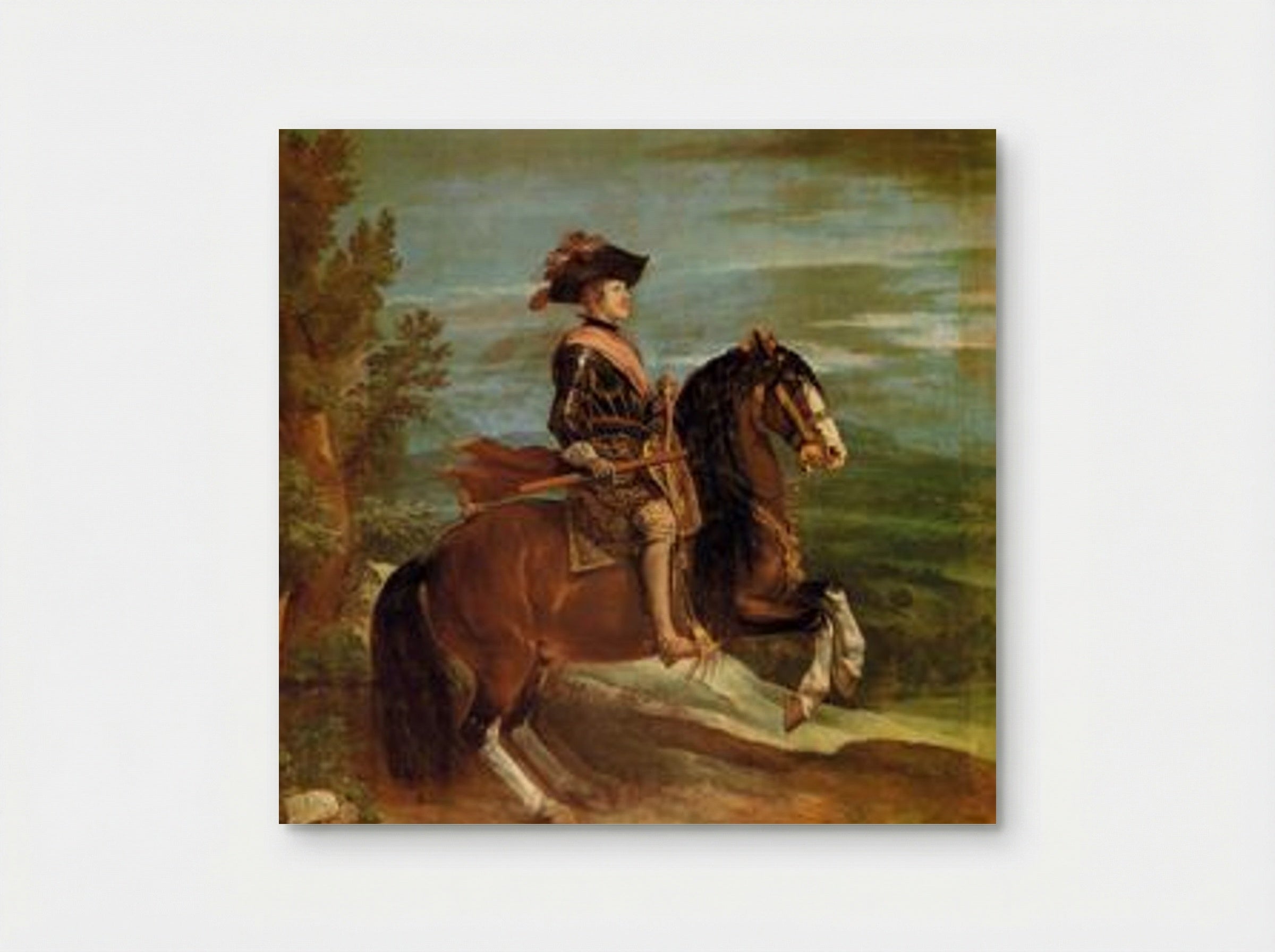 Ryttarporträtt av Filip IV - Diego Velázquez
Print
Ordinarie pris Från £37.00 GBPReapris Från £37.00 GBP Ordinarie pris -
 Hovnarren Calabacillas - Diego Velázquez
Print
Ordinarie pris Från £28.00 GBPReapris Från £28.00 GBP Ordinarie pris -
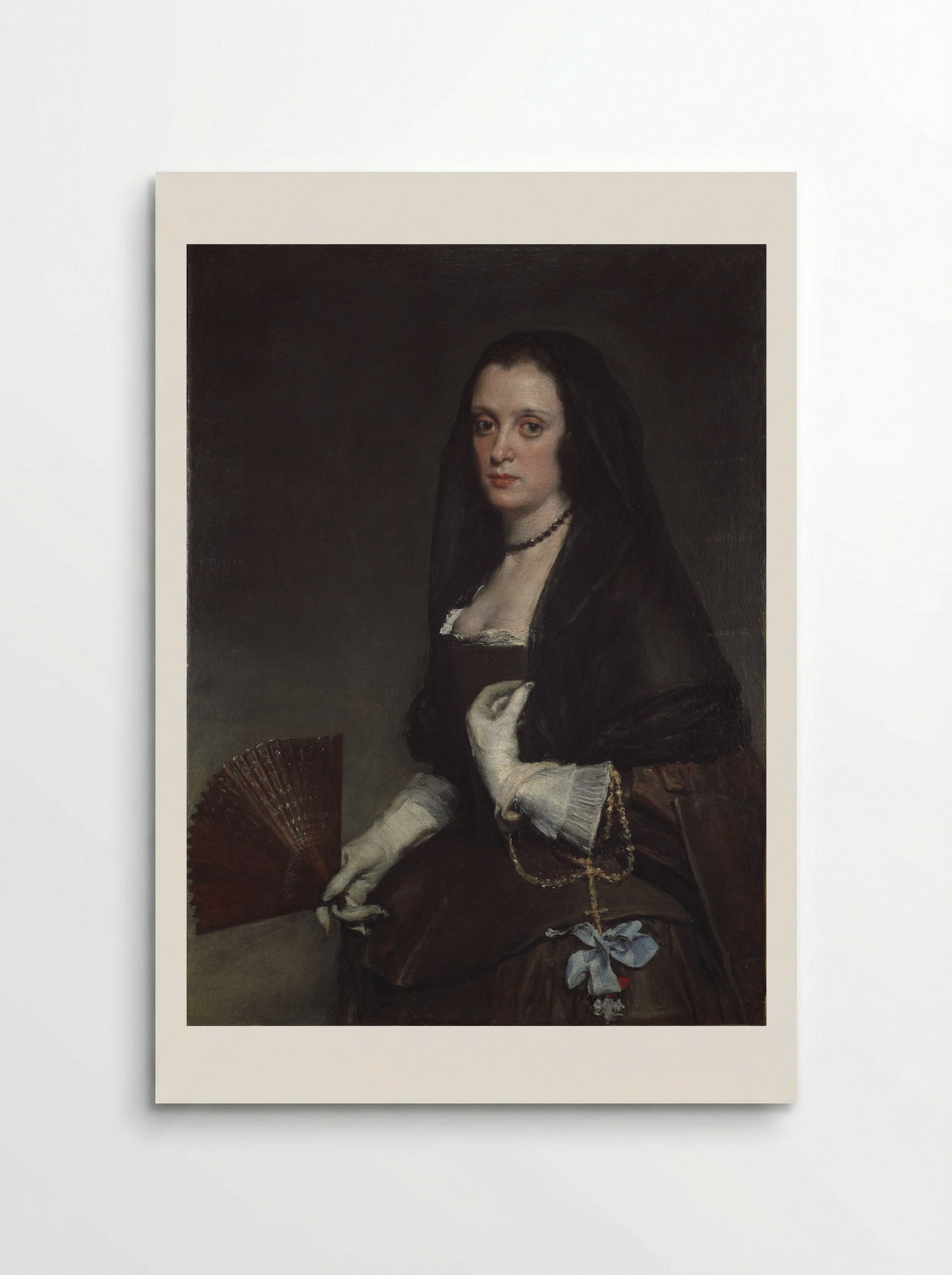 Damen med solfjädern - Diego Velázquez
Print
Ordinarie pris Från £28.00 GBPReapris Från £28.00 GBP Ordinarie pris -
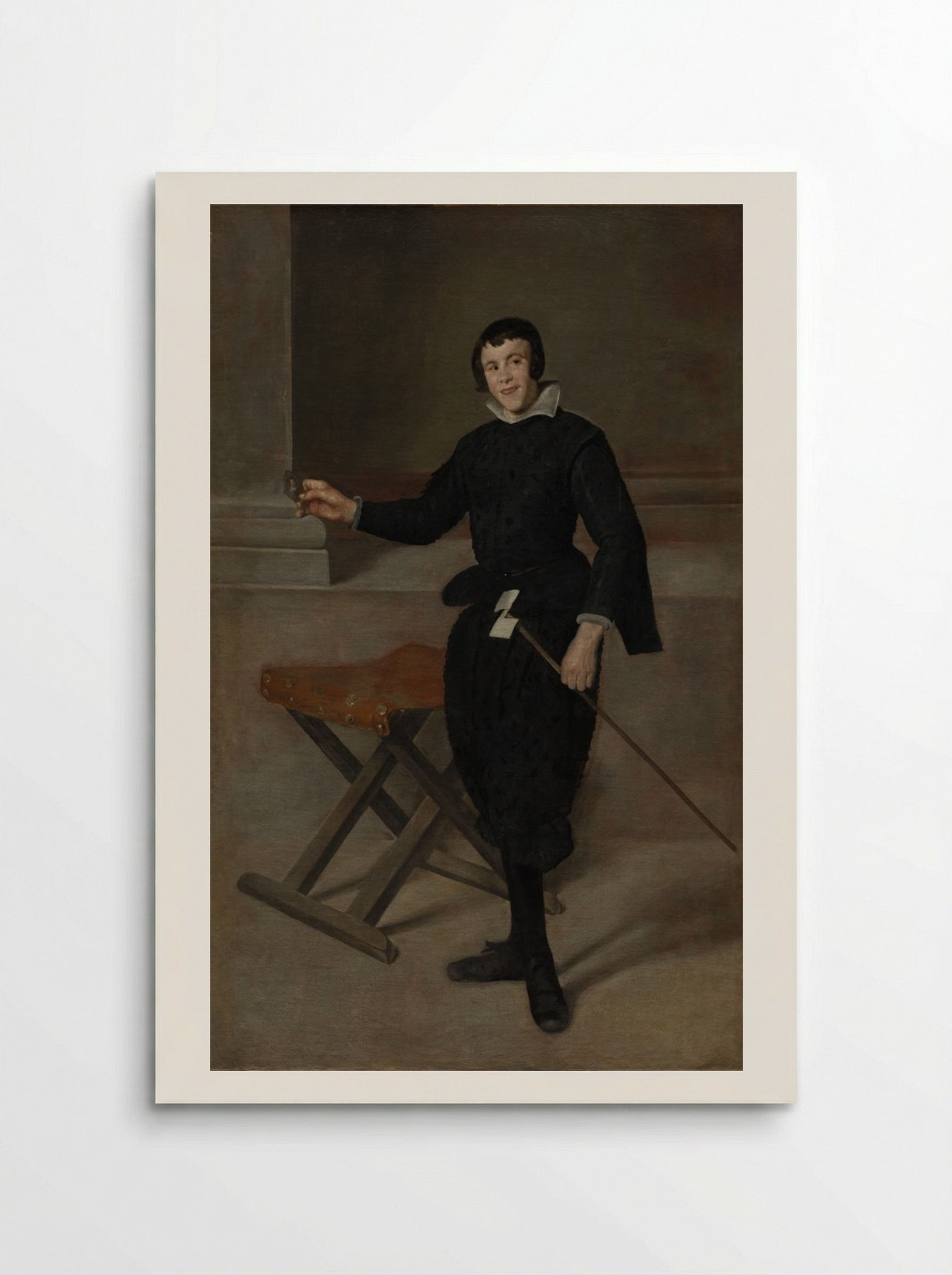 Porträtt av narren Calabazas - Diego Velázquez
Print
Ordinarie pris Från £28.00 GBPReapris Från £28.00 GBP Ordinarie pris -
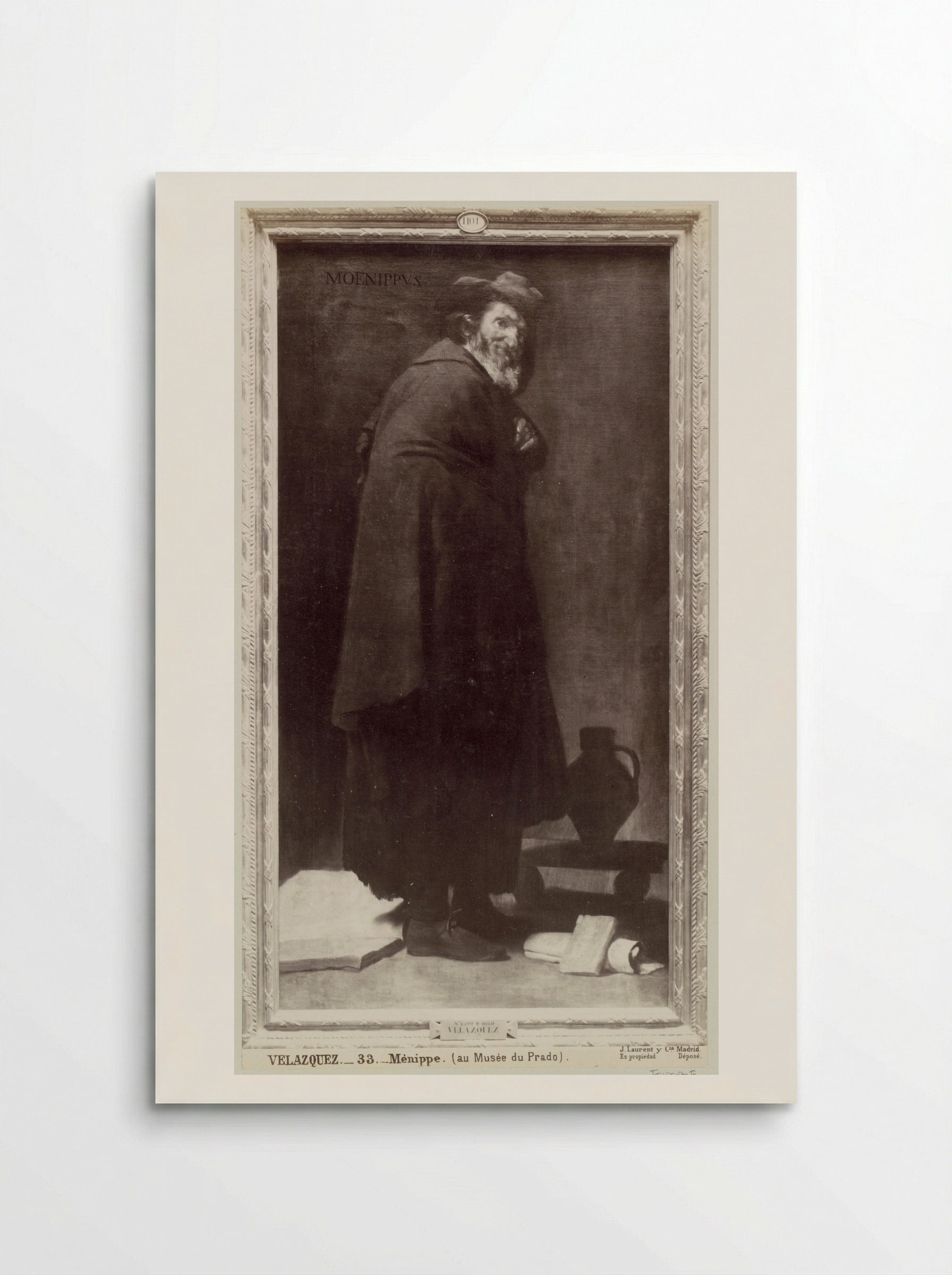 Menippos – Diego Velázquez
Print
Ordinarie pris Från £28.00 GBPReapris Från £28.00 GBP Ordinarie pris -
 Arachne (en sibylla) - Diego Velázquez
Print
Ordinarie pris Från £37.00 GBPReapris Från £37.00 GBP Ordinarie pris -
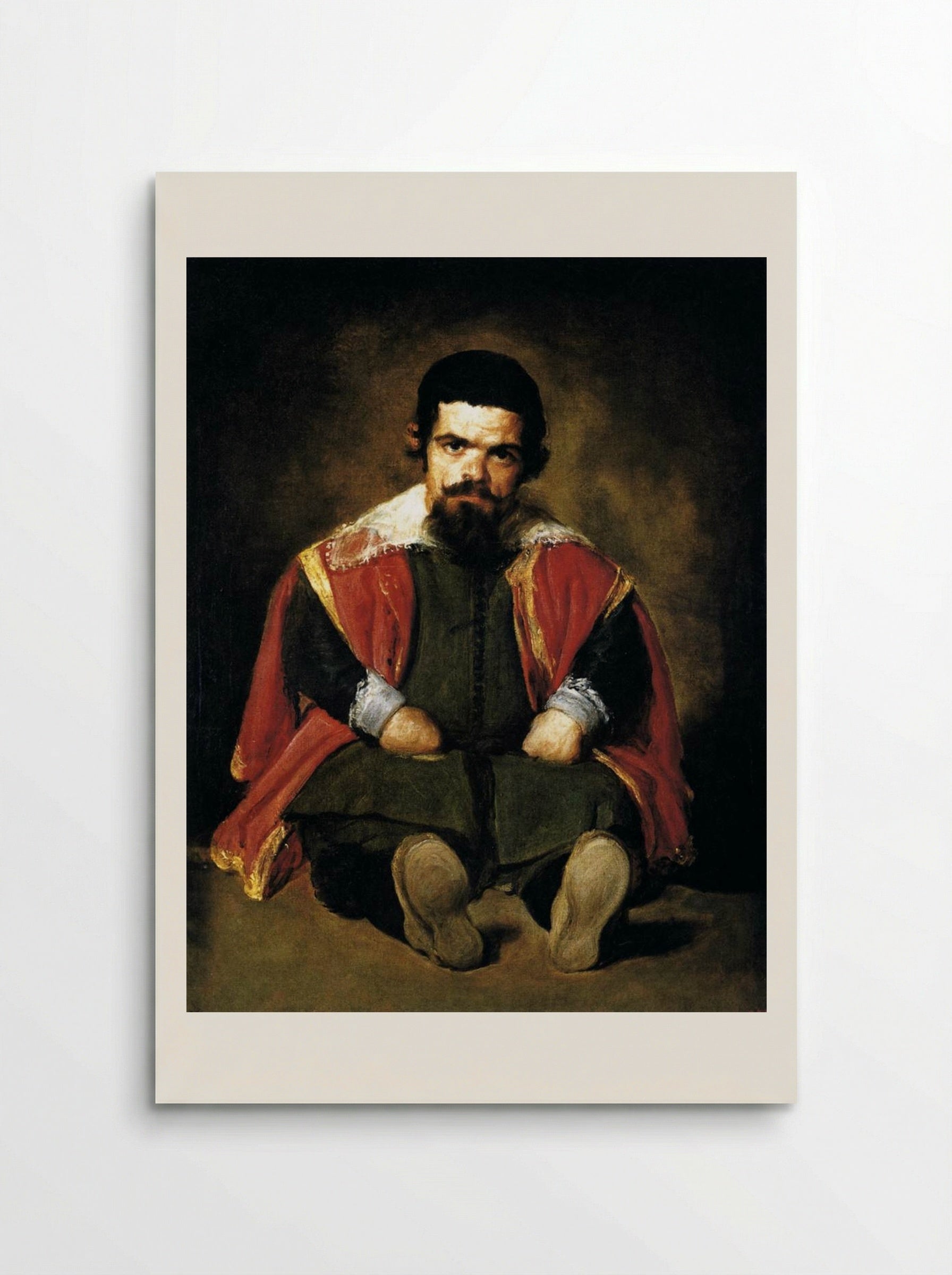 Don Sebastian de Morra - Diego Velázquez
Print
Ordinarie pris Från £28.00 GBPReapris Från £28.00 GBP Ordinarie pris -
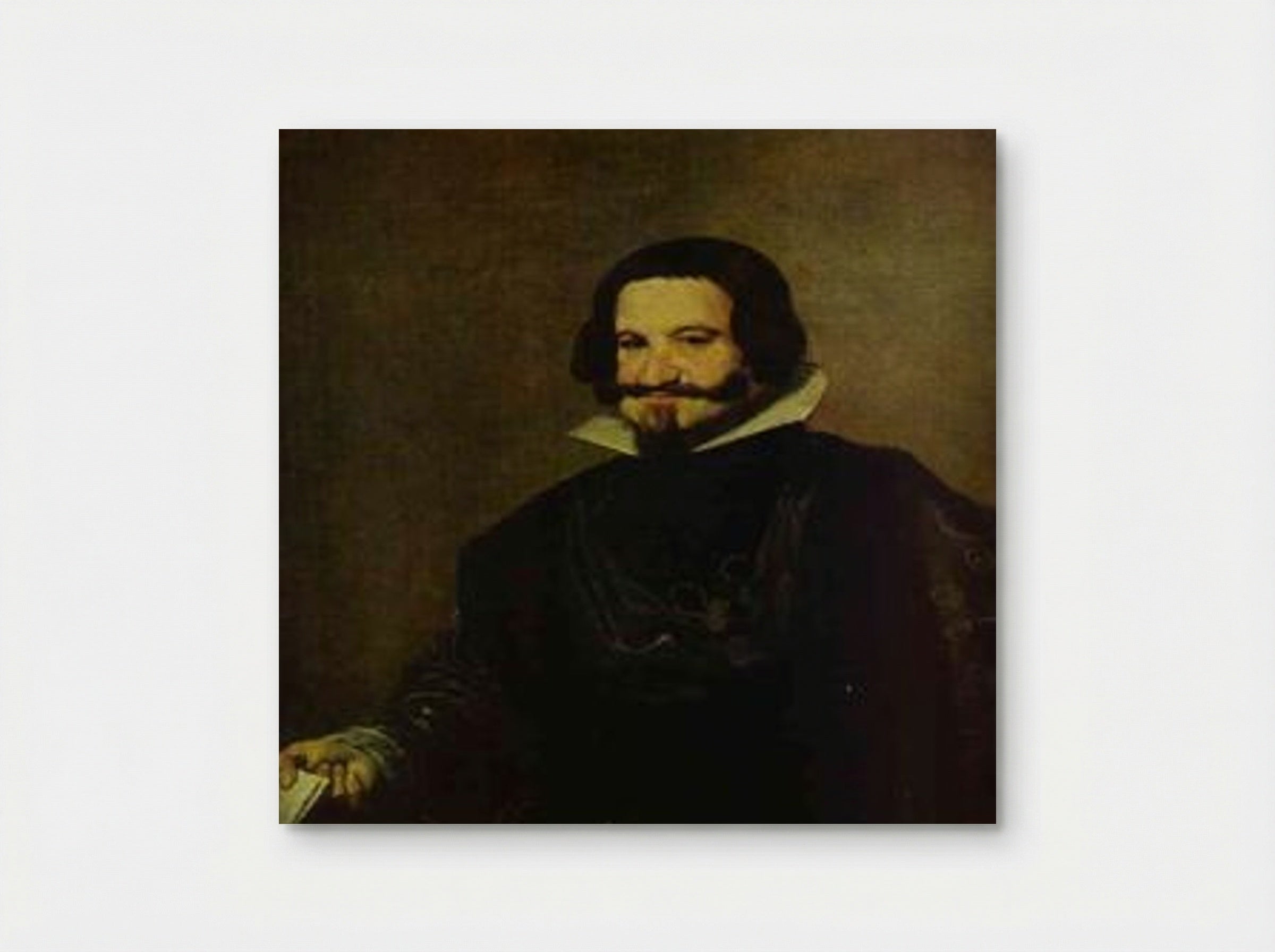 Porträtt av Gaspar de Guzmán, greve-hertig av Olivares - Diego Velázquez
Print
Ordinarie pris Från £37.00 GBPReapris Från £37.00 GBP Ordinarie pris


Artist Biography
Diego Velázquez
Philip IV sat for Velazquez once, was so pleased with the result that he decreed no other painter would ever paint his portrait again, and ordered all existing portraits by other hands to be withdrawn. Velazquez was appointed court painter and moved to Madrid. He was twenty-four.
He was born in Seville in 1599 and apprenticed at eleven to Francisco Pacheco, the city's most prominent painter and art theorist. He married Pacheco's daughter Juana. At court, he was not just a painter but a bureaucrat, holding successive administrative positions and eventually managing the decoration and logistics of royal events.
He owned an enslaved man, Juan de Pareja, who was himself a painter. In 1650, while in Rome, Velazquez painted de Pareja's portrait, now at the Metropolitan Museum of Art. The painting won him election to the Accademia di San Luca. That November, he granted de Pareja his freedom, effective after a four-year probationary period.
Las Meninas (1656) is the painting that breaks everything. Velazquez painted himself painting in the royal studio. The Infanta Margarita and her attendants occupy the foreground. A mirror in the background reflects the king and queen, implying they are standing where the viewer stands. The composition makes the artist, not the monarchs, the central figure. A red cross of the Order of Santiago appears on Velazquez's chest, but he was not awarded the knighthood until 1659, three years after the painting was completed. The cross was added later. Whether by the king himself, by Velazquez, or by de Pareja after the master's death remains disputed.
He died on 6 August 1660 in Madrid, shortly after organising the decorations for the marriage of the Infanta Maria Teresa to Louis XIV at the French border.
He was born in Seville in 1599 and apprenticed at eleven to Francisco Pacheco, the city's most prominent painter and art theorist. He married Pacheco's daughter Juana. At court, he was not just a painter but a bureaucrat, holding successive administrative positions and eventually managing the decoration and logistics of royal events.
He owned an enslaved man, Juan de Pareja, who was himself a painter. In 1650, while in Rome, Velazquez painted de Pareja's portrait, now at the Metropolitan Museum of Art. The painting won him election to the Accademia di San Luca. That November, he granted de Pareja his freedom, effective after a four-year probationary period.
Las Meninas (1656) is the painting that breaks everything. Velazquez painted himself painting in the royal studio. The Infanta Margarita and her attendants occupy the foreground. A mirror in the background reflects the king and queen, implying they are standing where the viewer stands. The composition makes the artist, not the monarchs, the central figure. A red cross of the Order of Santiago appears on Velazquez's chest, but he was not awarded the knighthood until 1659, three years after the painting was completed. The cross was added later. Whether by the king himself, by Velazquez, or by de Pareja after the master's death remains disputed.
He died on 6 August 1660 in Madrid, shortly after organising the decorations for the marriage of the Infanta Maria Teresa to Louis XIV at the French border.


Varför välja oss?