

Samling
Aelbert Cuyp
Utforska utvalda konsttryck för unika hem och medvetna inredningar.
Föreslagna filter
-
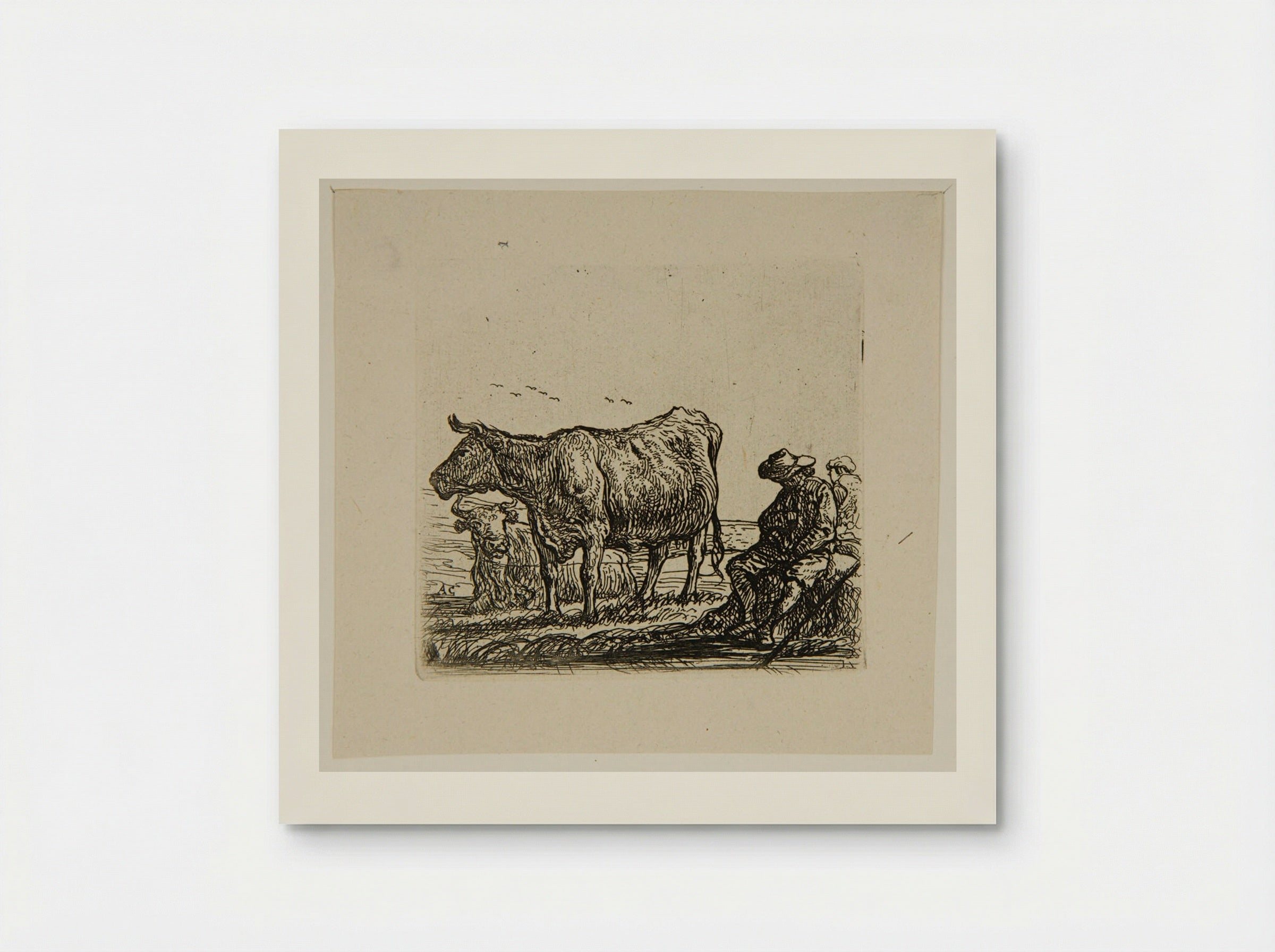
-
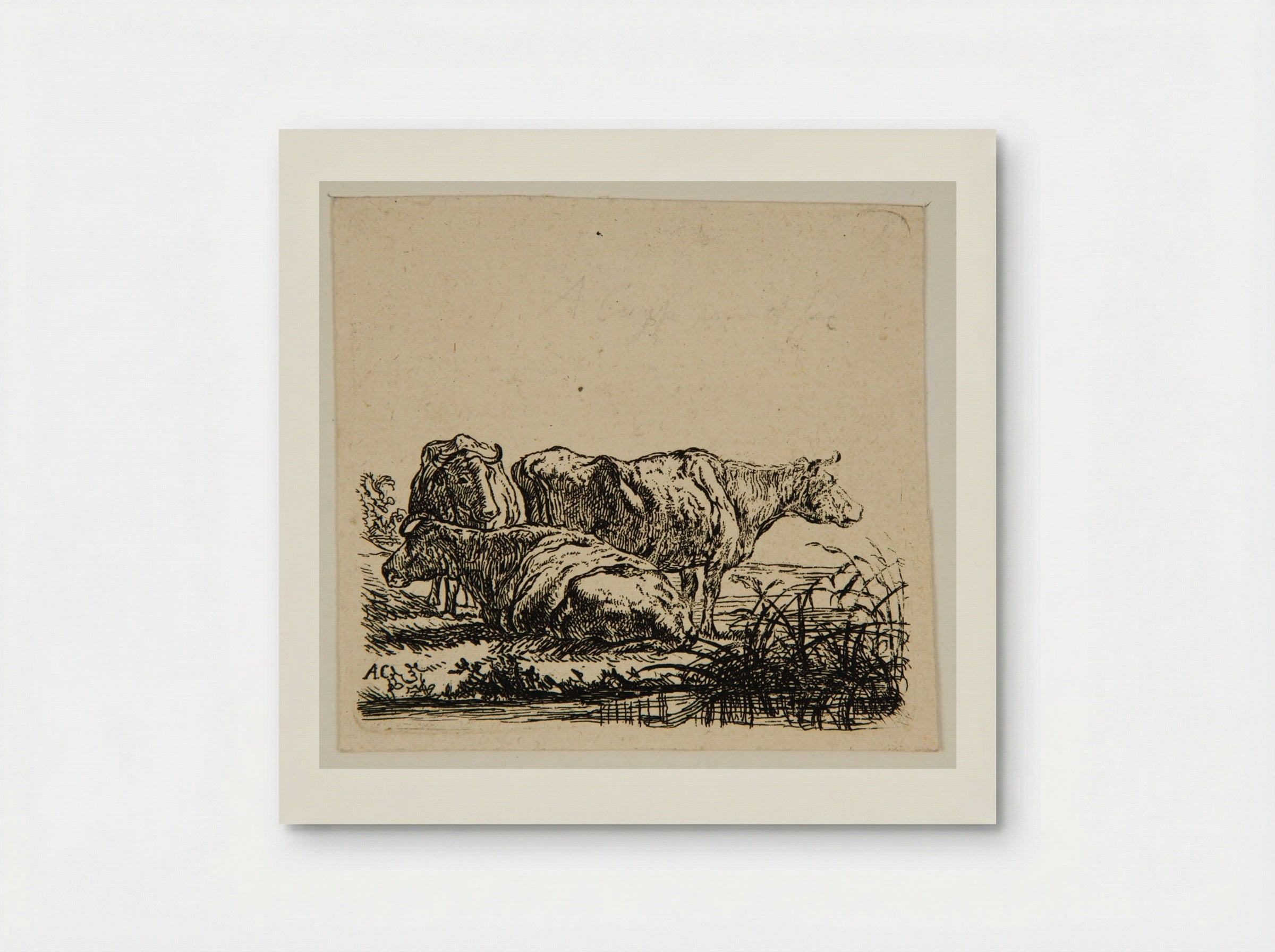 Studie VI (Kor på en äng) – Aelbert Cuyp
Print
Ordinarie pris Från £37.00 GBPReapris Från £37.00 GBP Ordinarie pris -
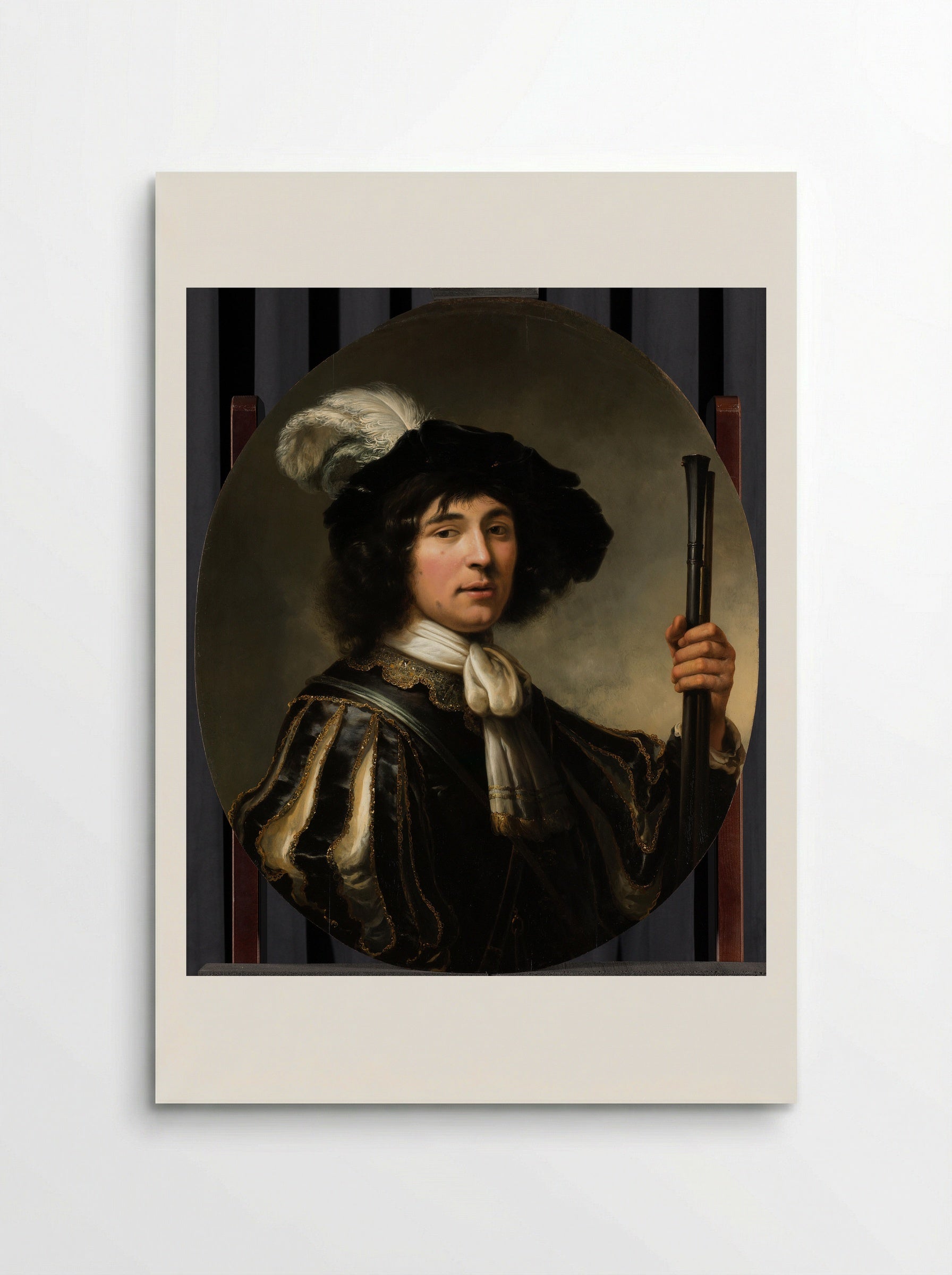 Porträtt av en ung man, möjligen Jacob Francken (1627–efter 1656) – Aelbert Cuyp
Print
Ordinarie pris Från £28.00 GBPReapris Från £28.00 GBP Ordinarie pris

Artist Biography
Aelbert Cuyp
Cuyp may have stopped painting when he got married. He married Cornelia Bosman in 1658, and his recorded output drops to almost nothing after that date. The following year he became a deacon of the Reformed Church. When he died in 1691, no paintings by other artists were found in his home. It is an unusual biography: a major painter who apparently chose civic and religious life over art with two decades still to live.
He was born in Dordrecht in 1620, the most gifted member of a family of artists. His father Jacob Gerritsz Cuyp taught him; his uncle Benjamin and grandfather Gerrit were stained glass cartoon designers. His early landscapes were conventional, but in the mid-1640s he absorbed the golden, Italianate light of painters who had travelled to Rome, particularly Jan Both, and transformed his palette. The result was a body of riverside scenes bathed in warm early morning or late afternoon light that became his signature: cows standing in water, boats on the Maas, herdsmen silhouetted against amber skies.
He rarely dated his works, which has made reconstructing his career difficult. A large number of paintings attributed to him are probably by other hands, particularly Abraham Calraert, whose initials A.C. invite confusion. Cuyp was almost forgotten for two generations after his death, then was rediscovered in the late eighteenth century by British collectors, who bought so enthusiastically that the National Gallery in London holds more of his work than any Dutch museum.
He is thought to have painted Landscape with Cattle at around nineteen, showing precocious command of the golden tonality that would define his maturity. He died in Dordrecht in 1691, at seventy-one.
He was born in Dordrecht in 1620, the most gifted member of a family of artists. His father Jacob Gerritsz Cuyp taught him; his uncle Benjamin and grandfather Gerrit were stained glass cartoon designers. His early landscapes were conventional, but in the mid-1640s he absorbed the golden, Italianate light of painters who had travelled to Rome, particularly Jan Both, and transformed his palette. The result was a body of riverside scenes bathed in warm early morning or late afternoon light that became his signature: cows standing in water, boats on the Maas, herdsmen silhouetted against amber skies.
He rarely dated his works, which has made reconstructing his career difficult. A large number of paintings attributed to him are probably by other hands, particularly Abraham Calraert, whose initials A.C. invite confusion. Cuyp was almost forgotten for two generations after his death, then was rediscovered in the late eighteenth century by British collectors, who bought so enthusiastically that the National Gallery in London holds more of his work than any Dutch museum.
He is thought to have painted Landscape with Cattle at around nineteen, showing precocious command of the golden tonality that would define his maturity. He died in Dordrecht in 1691, at seventy-one.


Varför välja oss?