

Collectie
Utagawa Kuniyoshi
Ontdek gecureerde kunstprints, geselecteerd voor karakteristieke woningen en doordachte interieurs.
Voorgestelde filters
-

 Priest Narukami Holding a Post - Utagawa Kuniyoshi
Print · Framed
Normale prijs Vanaf £28.00 GBPActieprijs Vanaf £28.00 GBP Normale prijs -

 Trekken van een juiste lot - Utagawa Kuniyoshi
Print · Framed
Normale prijs Vanaf £28.00 GBPActieprijs Vanaf £28.00 GBP Normale prijs -

 Sakanoue no Korenori - Utagawa Kuniyoshi
Print · Framed
Normale prijs Vanaf £28.00 GBPActieprijs Vanaf £28.00 GBP Normale prijs -

 Sanjô no Udaijin - Utagawa Kuniyoshi
Print · Framed
Normale prijs Vanaf £28.00 GBPActieprijs Vanaf £28.00 GBP Normale prijs -

 Prachtig uitzicht op de baai van Futamigaura - Utagawa Kuniyoshi
Print · Framed
Normale prijs Vanaf £28.00 GBPActieprijs Vanaf £28.00 GBP Normale prijs -

 Hoog middaguur in Kasumigaseki - Utagawa Kuniyoshi
Print · Framed · Canvas
Normale prijs Vanaf £28.00 GBPActieprijs Vanaf £28.00 GBP Normale prijs -

 Kat en kom met goudvissen - Utagawa Kuniyoshi
Print · Framed · Canvas
Normale prijs Vanaf £28.00 GBPActieprijs Vanaf £28.00 GBP Normale prijs -

 Tweede druk uit een pentaptyk bij laagwater - Utagawa Kuniyoshi
Print · Framed · Canvas
Normale prijs Vanaf £30.00 GBPActieprijs Vanaf £30.00 GBP Normale prijs -

 Vierde prent uit een pentaptyk bij laagwater - Utagawa Kuniyoshi
Print · Framed · Canvas
Normale prijs Vanaf £30.00 GBPActieprijs Vanaf £30.00 GBP Normale prijs -

 Derde prent uit een pentaptyk bij laagwater - Utagawa Kuniyoshi
Print · Framed · Canvas
Normale prijs Vanaf £30.00 GBPActieprijs Vanaf £30.00 GBP Normale prijs -

 Eerste druk uit een pentaptiek van een laagwaterstand - Utagawa Kuniyoshi
Print · Framed · Canvas
Normale prijs Vanaf £30.00 GBPActieprijs Vanaf £30.00 GBP Normale prijs -

 Vijfde prent uit een pentaptyk bij laagwater - Utagawa Kuniyoshi
Print · Framed · Canvas
Normale prijs Vanaf £30.00 GBPActieprijs Vanaf £30.00 GBP Normale prijs -
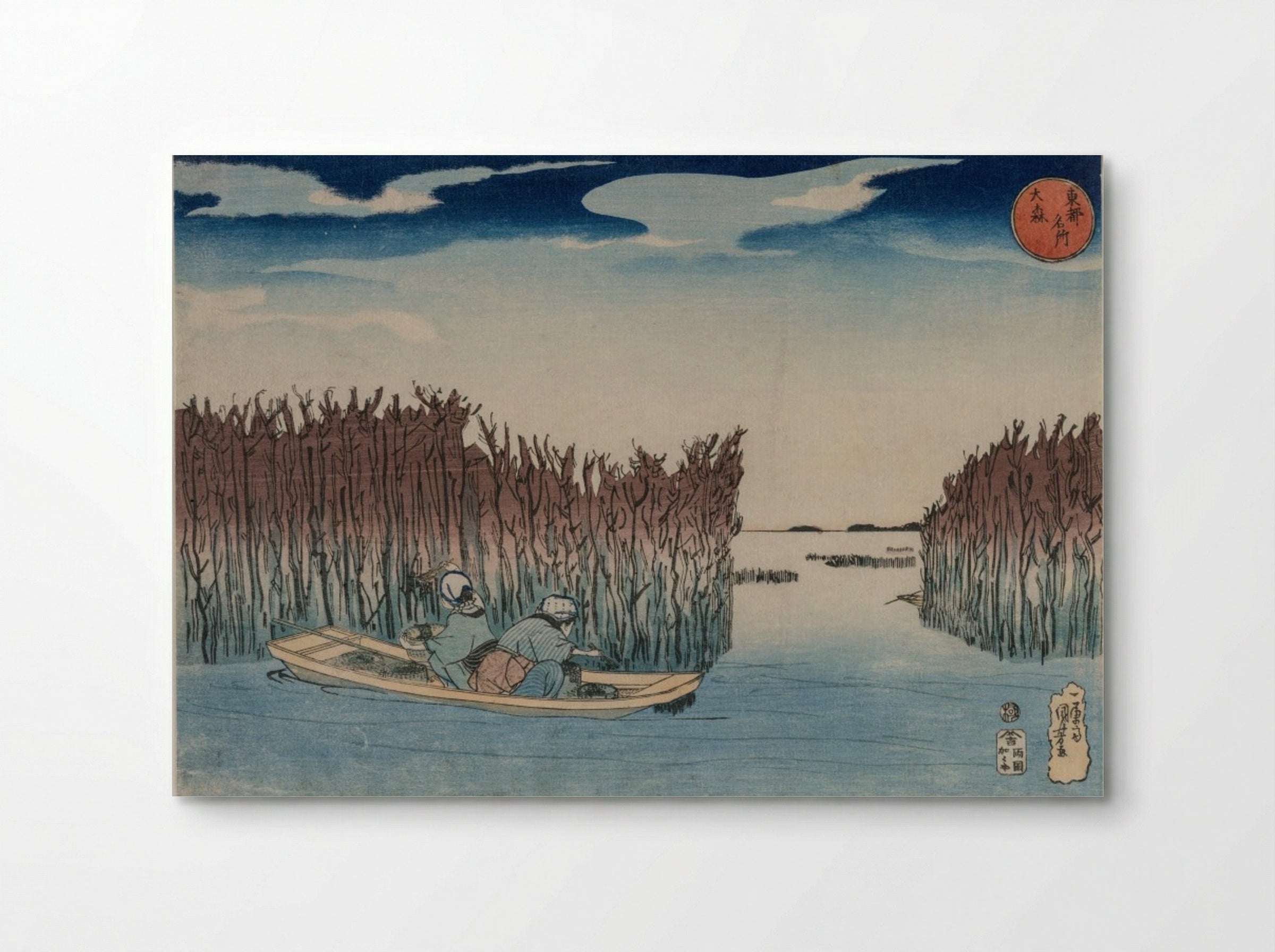 Ōmori, uit de serie Beroemde plaatsen in de oostelijke hoofdstad - Utagawa Kuniyoshi
Print
Normale prijs Vanaf £28.00 GBPActieprijs Vanaf £28.00 GBP Normale prijs -
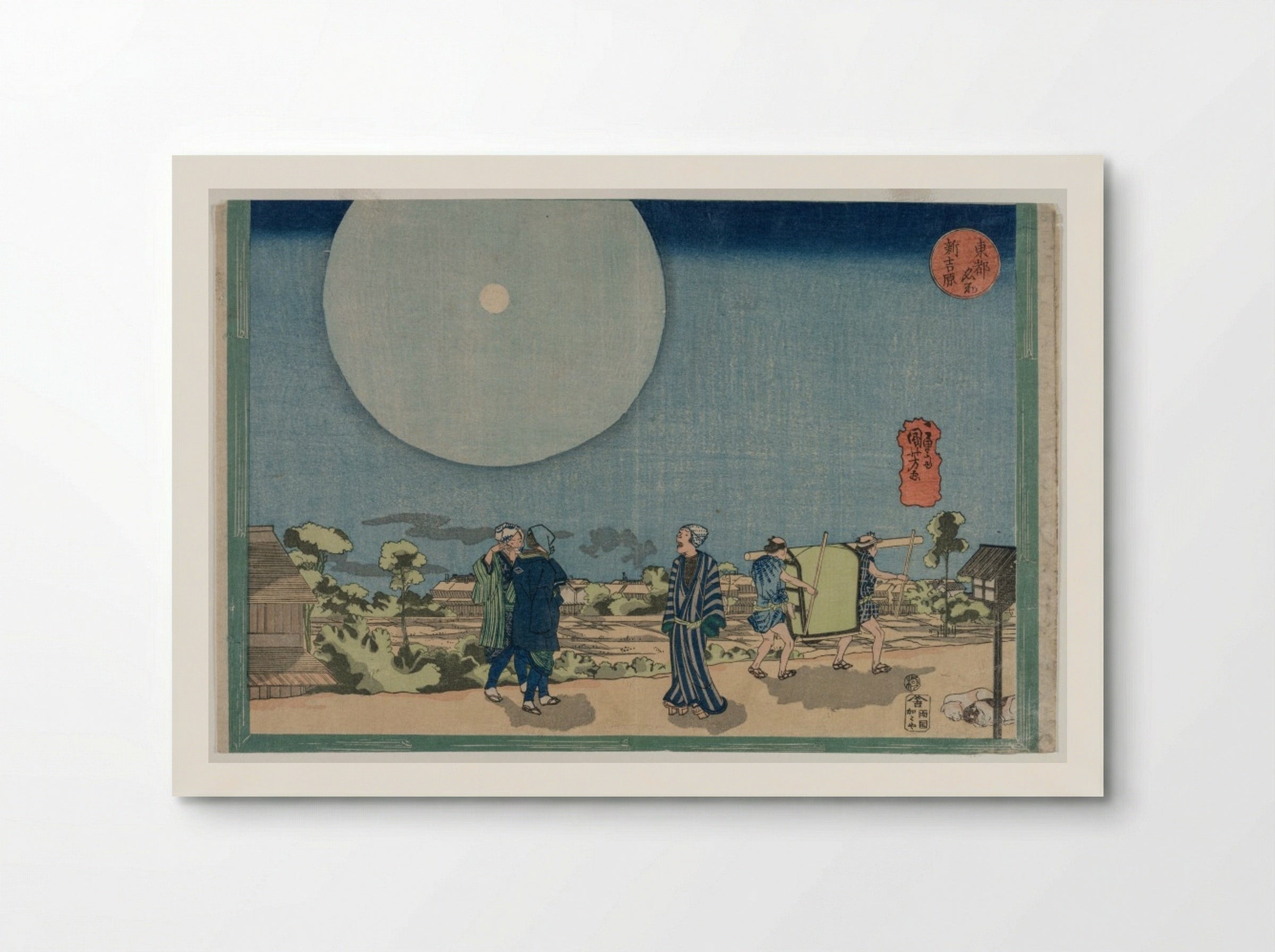 Nieuw Yoshiwara (Shin Yoshiwara) - Utagawa Kuniyoshi
Print
Normale prijs Vanaf £28.00 GBPActieprijs Vanaf £28.00 GBP Normale prijs -
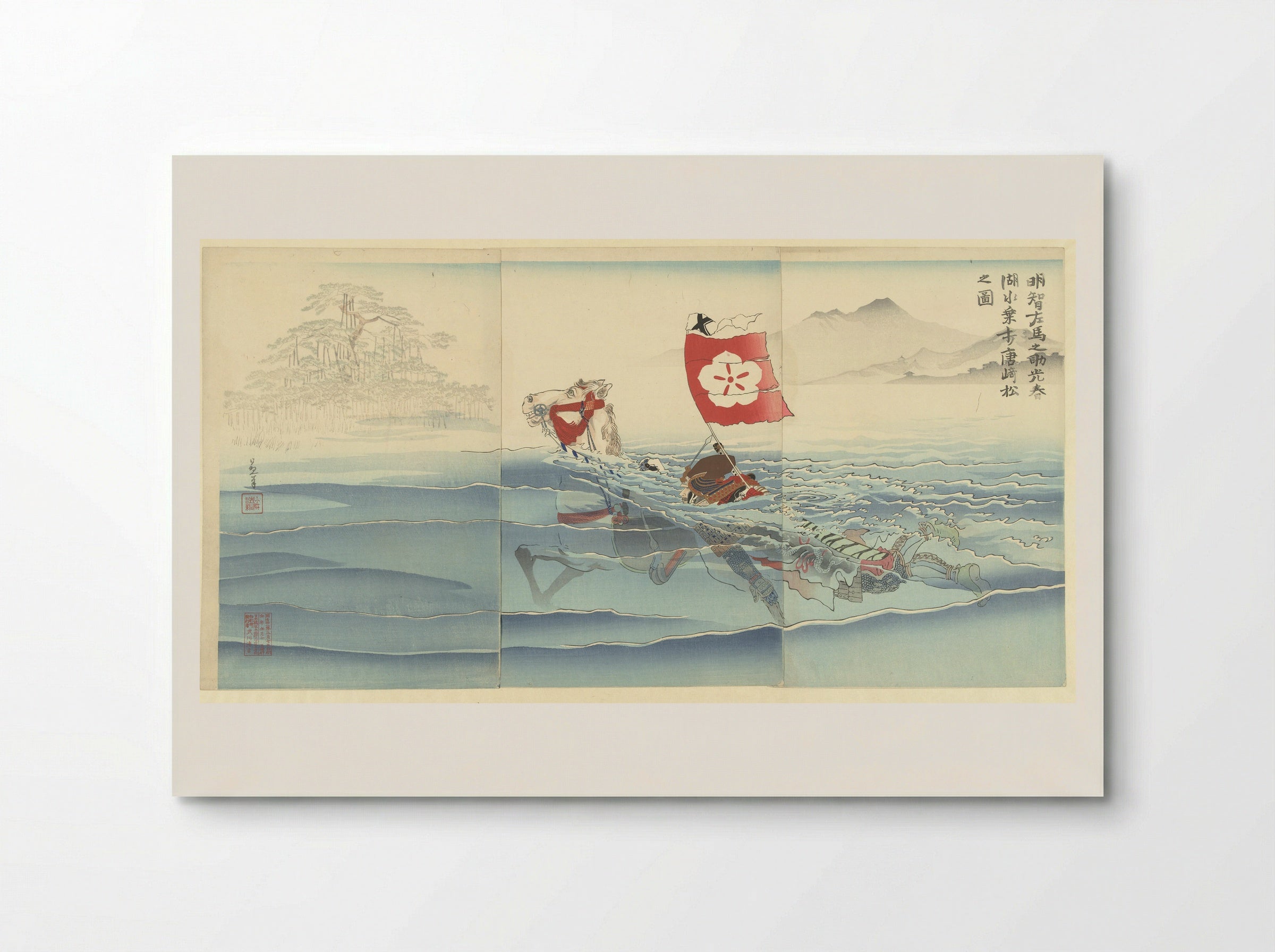 Akechi Samanosuke Mitsuharu zwemmend door het Biwameer - Utagawa Kuniyoshi
Print
Normale prijs Vanaf £28.00 GBPActieprijs Vanaf £28.00 GBP Normale prijs -
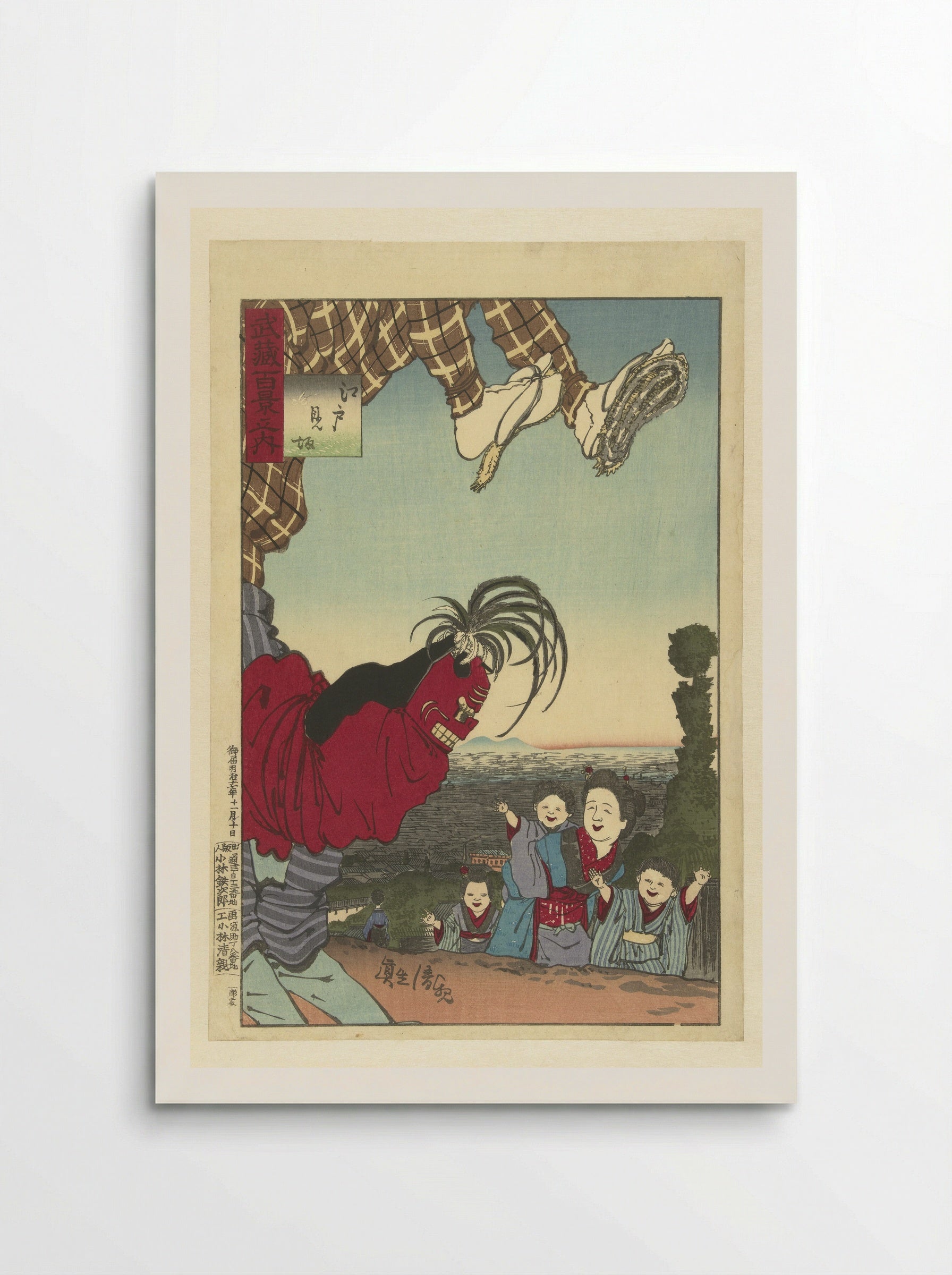 Straatartiest in Edo - Utagawa Kuniyoshi
Print
Normale prijs Vanaf £28.00 GBPActieprijs Vanaf £28.00 GBP Normale prijs -
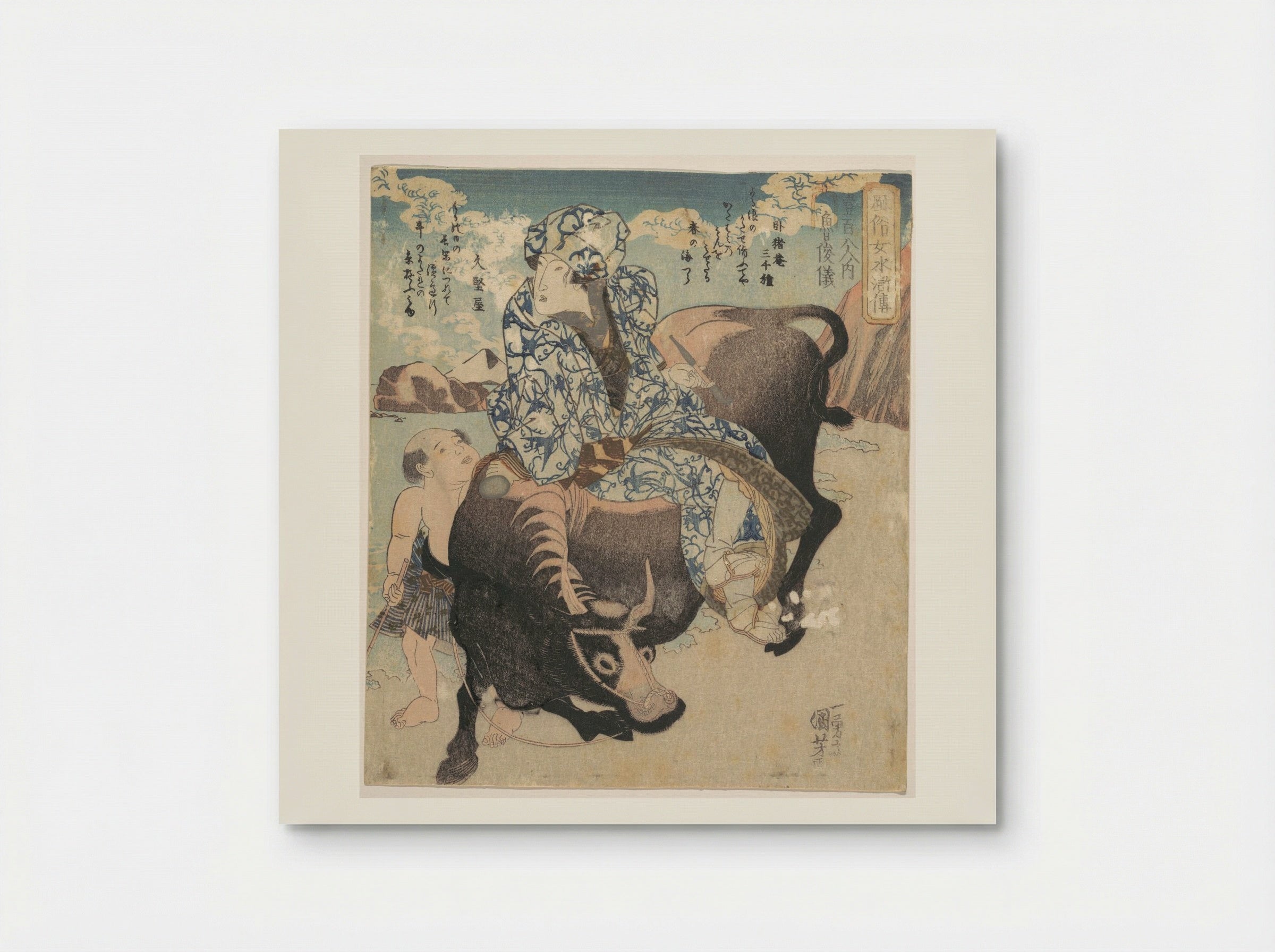 Roshungi (Chinees, Lu Zhunyi) als vrouw met een pijp op een waterbuffel - Utagawa Kuniyoshi
Print
Normale prijs Vanaf £37.00 GBPActieprijs Vanaf £37.00 GBP Normale prijs -
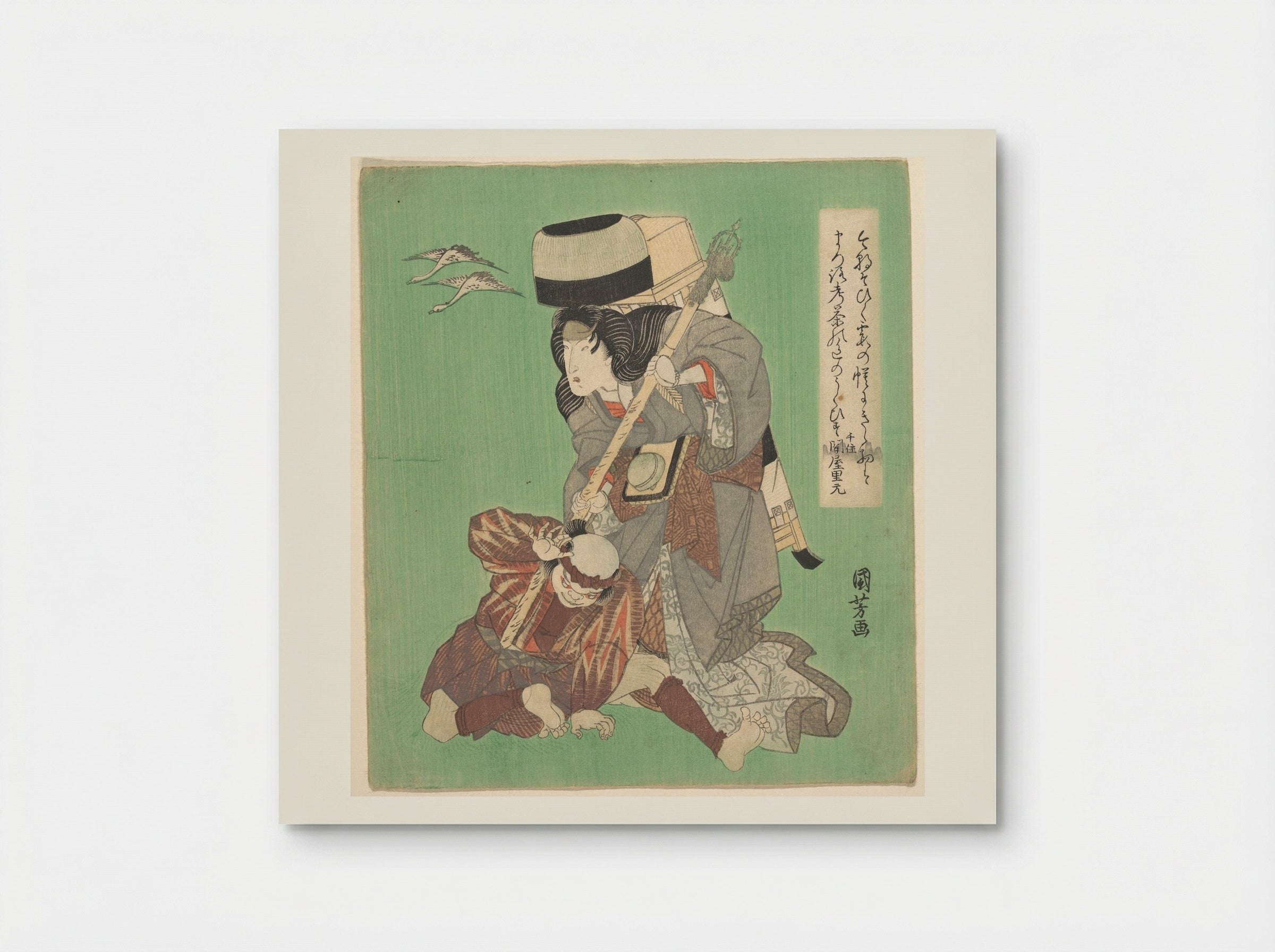 Theaterscène - Utagawa Kuniyoshi
Print
Normale prijs Vanaf £37.00 GBPActieprijs Vanaf £37.00 GBP Normale prijs -
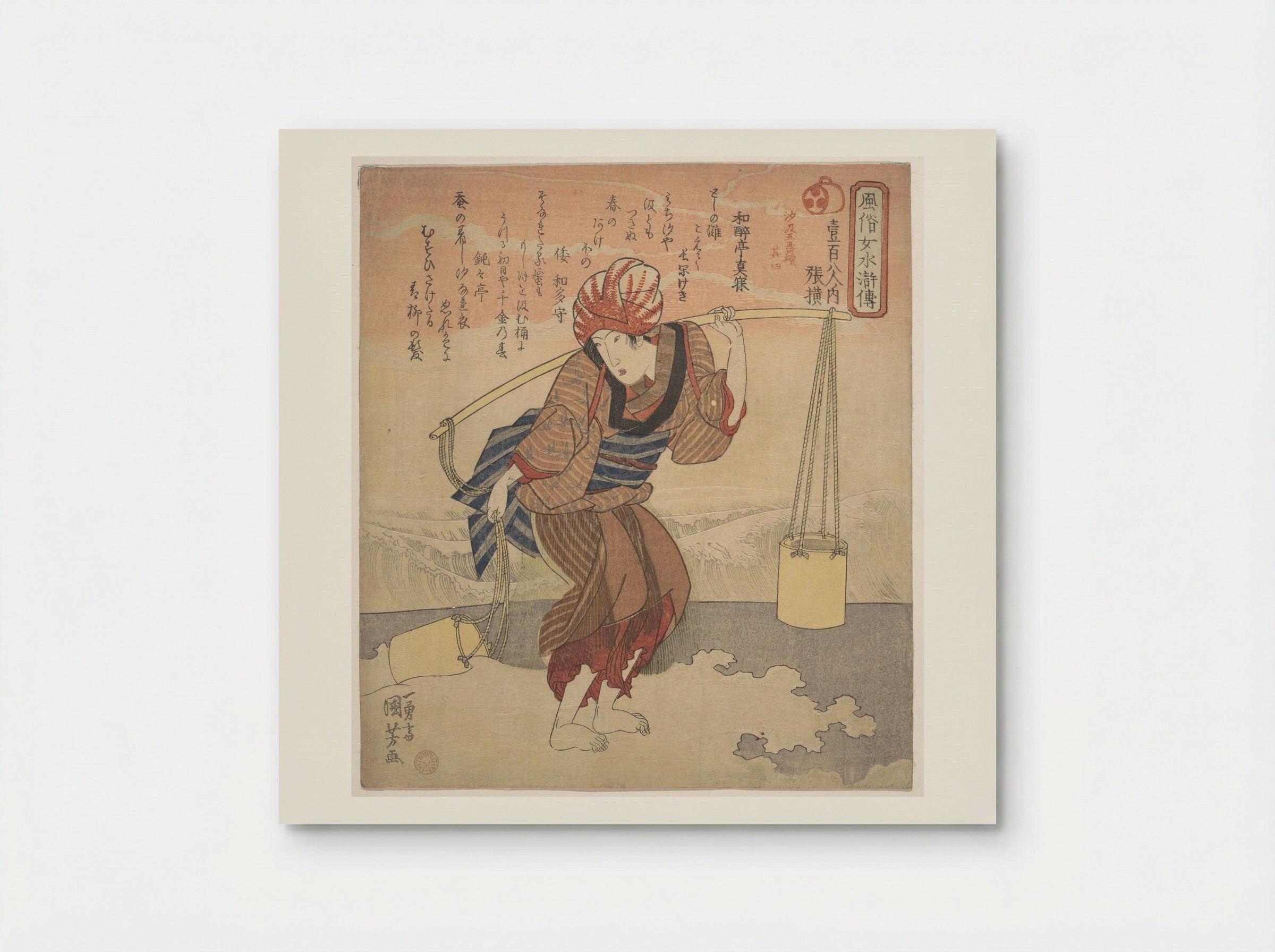 Meisje dat een emmer met zeewater vult - Utagawa Kuniyoshi
Print
Normale prijs Vanaf £37.00 GBPActieprijs Vanaf £37.00 GBP Normale prijs -
 Zittende figuur aan een tafeltje - Utagawa Kuniyoshi
Print
Normale prijs Vanaf £28.00 GBPActieprijs Vanaf £28.00 GBP Normale prijs -
 Danser met leeuwenmasker en trom - Utagawa Kuniyoshi
Print
Normale prijs Vanaf £28.00 GBPActieprijs Vanaf £28.00 GBP Normale prijs -
 Tak met gele bloemen - Utagawa Kuniyoshi
Print
Normale prijs Vanaf £28.00 GBPActieprijs Vanaf £28.00 GBP Normale prijs -
 Portret van Tominomori Sukeyemon Masakata - Utagawa Kuniyoshi
Print
Normale prijs Vanaf £28.00 GBPActieprijs Vanaf £28.00 GBP Normale prijs -
 Jongens die een Daimyo-processie naspelen - Utagawa Kuniyoshi
Print
Normale prijs Vanaf £28.00 GBPActieprijs Vanaf £28.00 GBP Normale prijs


Artist Biography
Utagawa Kuniyoshi
Kuniyoshi's father was a silk dyer in Edo. The boy helped with pattern design, which gave him an instinct for colour and textile decoration that shows in every print he made. At twelve he caught the attention of Utagawa Toyokuni, the head of the Utagawa school, and was admitted as a student. He was given the name Kuniyoshi in 1814 and became independent.
For the first thirteen years he struggled. The breakthrough came in 1827 with a commission to illustrate the 108 Heroes of the Suikoden, a Chinese adventure novel. He drew tattooed warriors in dynamic poses that broke out of the frame, the tattoos rendered with a detail that started a fashion in Edo. The series was enormously popular and established him as the leading designer of warrior prints.
He loved cats. His studio was always full of them, and he often worked with a kitten tucked inside his kimono. When a cat died, he sent it to a nearby temple, and he kept a Buddhist altar for his deceased cats at home. Cats appear constantly in his prints: as substitute actors in kabuki scenes, as letter-forms in playful alphabets, as parodies of famous paintings. Government censorship in the 1840s prohibited the depiction of actors and courtesans by name, so Kuniyoshi gave them cat faces, which was technically legal and funnier.
His range was unusual for an ukiyo-e artist. Warriors, landscapes, beautiful women, ghosts, satirical cartoons, cats. He was equally comfortable with the heroic and the absurd, sometimes on the same sheet. His triptych of the giant skeleton spectre, from the tale of Takiyasha the Witch, is one of the most reproduced images in Japanese art.


Waarom voor ons kiezen?