



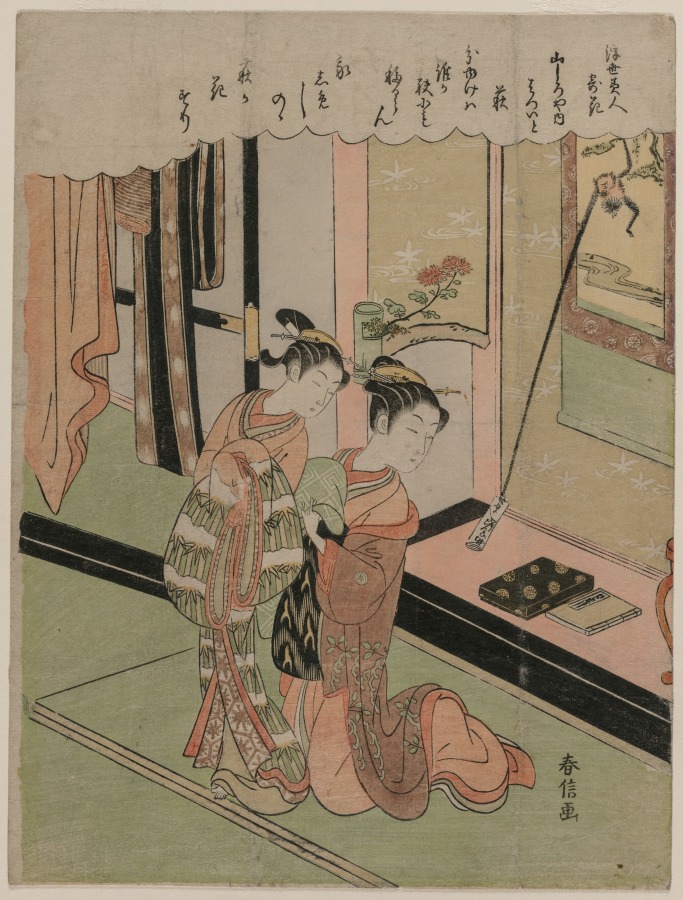
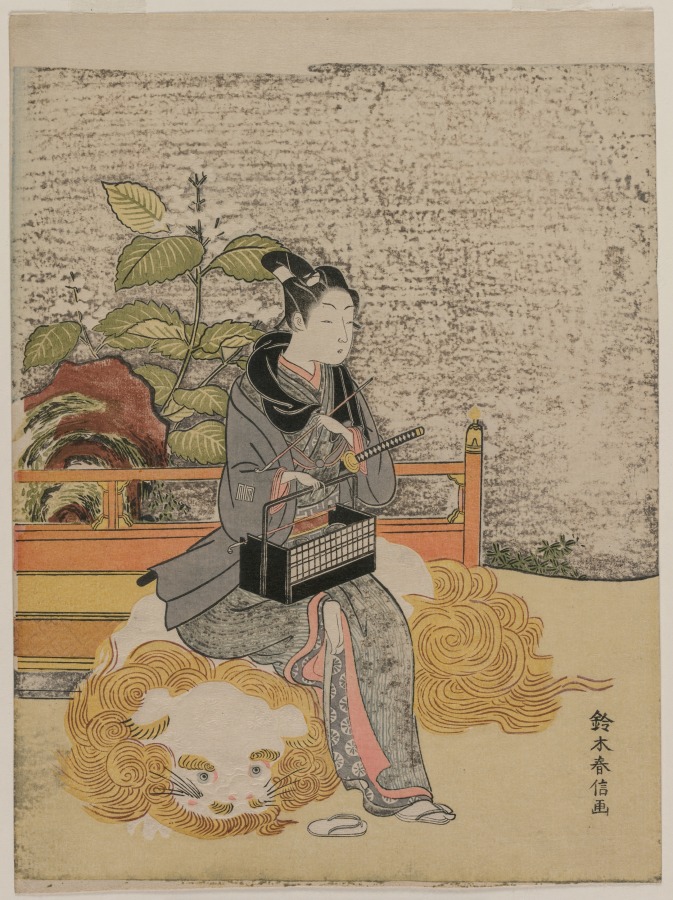
Japanese art is recognised for its diverse range of styles and media, but is perhaps best known for its woodblock prints (ukiyo-e). Emerging in the Edo period (1615–1868), ukiyo-e prints gained popularity for depicting scenes of everyday life, landscapes, and popular entertainment. Beyond ukiyo-e, Japan has a rich history of painting, sculpture, and calligraphy, with styles ranging from classical to contemporary. Modern and contemporary Japanese artists have also engaged with global movements such as Pop Art and Superflat, while maintaining distinct cultural identities.
Key Movements
12 movements shaped japanese art.
Key Artists


Key Ideas
-
Ukiyo-e prints
Ukiyo-e, or "pictures of the floating world", emerged during the Edo period (1615–1868) and became a defining aspect of Japanese art. These woodblock prints often depicted scenes from urban life, landscapes, and the entertainment industry, and were accessible to a broad audience.
-
The Kanō School
The Kanō School was a dominant painting style from the Muromachi period (1336–1573) through the Edo period (1615–1868). Kanō School artists often worked for the shogunate, and were known for their decorative, often monochrome, paintings on screens and panels.
-
Influence of Western Art
During the Meiji era (1868–1912), Japan opened to Western influences, leading to the adoption of Western painting techniques. This resulted in a division between yoga (Western-style painting) and traditional Japanese styles, as artists experimented with new modes of expression.
-
Pop Art and Superflat
Post-war Japanese artists engaged with global movements such as Pop Art, while also developing unique styles. Superflat, pioneered by Takashi Murakami, blends traditional Japanese art with contemporary pop culture, creating a distinctive visual language.
Museums in Japan
32 museums.
Tokyo (10)
-
National Museum of Western Art
Tue–Sun 9:30–17:30, Fri–Sat 9:30–20:00, closed Mondays · 500円 adults, 250円 university students
-
Artizon Museum
-
Matsukata Collection
-
Yoshino Gypsum
-
Museum of Contemporary Art Tokyo
-
National Diet Library
-
The National Museum of Modern Art, Tokyo
General admission (MOMAT Collection): 500 yen adults, 250 yen university students; free for high school students and under, 18 and under, 65 and over, and others
-
Tokyo National Museum
-
Sumida Hokusai Museum
Tue–Sun 9:30–17:30, closed Mondays · 400 adults, 300 students/seniors, free for children
-
Waseda University Tsubouchi Memorial Theatre Museum
Main building: 10:00–17:00 (Tue & Fri until 19:00), open Sat–Sun; Annex: Mon–Fri 10:00–17:00, closed Sat–Sun & holidays · Free


Yokohama (1)

Kochi (1)


Miyazaki (1)

Kitashiobara (1)


Obuse (1)


Sakura (1)

Atami (1)

Okazaki (1)

Sakai (1)

All Japanese Artists
137 artists.
%20MET%20DP147682.jpg?width=800)
Adachi Ginkō
Aki Kuroda

Ando Hiroshige

Atsuko Tanaka
Ay-O

Bōsai Kameda
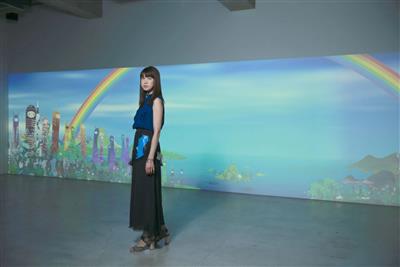
Chiho Aoshima
.%20'Minister%20Narihira%E2%80%99s%20Coming%20of%20Age%2C'%20Japan%2C%20Edo%20period%20(1615%E2%80%931868)%2C%20c.%201790s.%20Woodblock%20print%3B%20ink%20and%20color%20on%20paper.%20Gift%20of%20James%20A.%20Michener%2C%201991.%20(22064a-c).jpg?width=800)
Chōkōsai Eishō

Chokyosai Eiri

Fūgai Ekun

Fujiwara Nobuzane

Furuyama Moroshige

Gigadō Ashiyuki

Goyō Hashiguchi

Gukei
Hanabusa Itchō

Hasegawa Sadanobu II

Hashimoto Gahō

Hiroaki Takahashi

Hoashi Kyōu

Hokkei

Honami Kōetsu

Hosoda Eishi

Hyakusen

Ikeda Shōen

Inoue Yasuji

Ippitsusai Bunchô

Ishikawa Toyonobu

Isoda Koryūsai

Ito Jakuchu
%20Sandaime%20Ichikawa%20Yaoz%C5%8D%20no%20Ume-%C5%8Cmaru.jpg?width=800)
Kabukidō Enkyō
.jpg?width=800)
Kaigetsudō Anchi

Kaigetsudō Dohan

Kaigetsudō Doshin

Kaihō Yūshō

Kamisaka Sekka

Kanō Einō

Kanō Genshun

Kanō Hōgai

Kanō Sanraku

Kanō Sansetsu

Kanō Shōei

Kanō Takanobu

Kanō Tan'yū

Kanō Yasunobu

Katsukawa Shunsen

Katsushika Hokusai

Katsushika Isai

Katsushika Ōi

Keibun

Keisuke Serizawa

Ki-en

Kikuchi Yōsai

Kikukawa Eizan

Kishi Ganku

Kita Busei

Kitagawa Utamaro

Kitano Tsunetomi

Kitao Shigemasa

Kobayashi Kiyochika

Kōgyo Tsukioka

Konishi Hirosada

Kōno Bairei

Konoe Nobutada
.jpg?width=800)
Kuniteru I

Kuniyasu

Kusakabe Kimbei

Kusumi Morikage

Kyōsho

Matsukawa Hanzan
.jpg?width=800)
Matsuno Chikanobu

Matsuo Bashō

Miyagawa Chōshun
%20-%202018.853.25%20-%20Metropolitan%20Museum%20of%20Art.jpg?width=800)
Miyagawa Issho
.jpg?width=800)
Miyagawa Shunsui

Mochizuki Gyokusen

Mokujiki

Nakamura Hōchū

Nishikawa Sukenobu

Ogata Gekko
Showing the first 80 of 137 artists, alphabetically.
Frequently Asked Questions
What is Japan's greatest contribution to art?
Japan's most recognisable contribution is the development of ukiyo-e woodblock prints during the Edo period (1615–1868). These prints, depicting scenes of daily life, landscapes, and popular culture, gained international recognition and influenced Western artists.Who are the most important Japanese artists to know?
Katsushika Hokusai is essential for his iconic ukiyo-e prints, including 'The Great Wave'. Takashi Murakami is another important figure, known for his Superflat style that merges traditional Japanese aesthetics with contemporary pop culture.Which Japanese artist is underappreciated?
Ogawa Kazumasa, active in the late 19th and early 20th centuries, is an underappreciated figure. He was a pioneer in photography and collotype printing, documenting Japanese culture and landscapes during the Meiji era.When did Japan develop a distinctive national style?
Japan began to develop a distinctive national style during the Edo period (1615–1868), with the rise of ukiyo-e prints and the flourishing of the Kanō School. This period saw the emergence of uniquely Japanese aesthetics, separate from Chinese influences.
Love what you see? Take it home.
See all art prints →