

Collection
Caravaggio
Explore curated art prints selected for distinctive homes and considered interiors.
Suggested filters
-
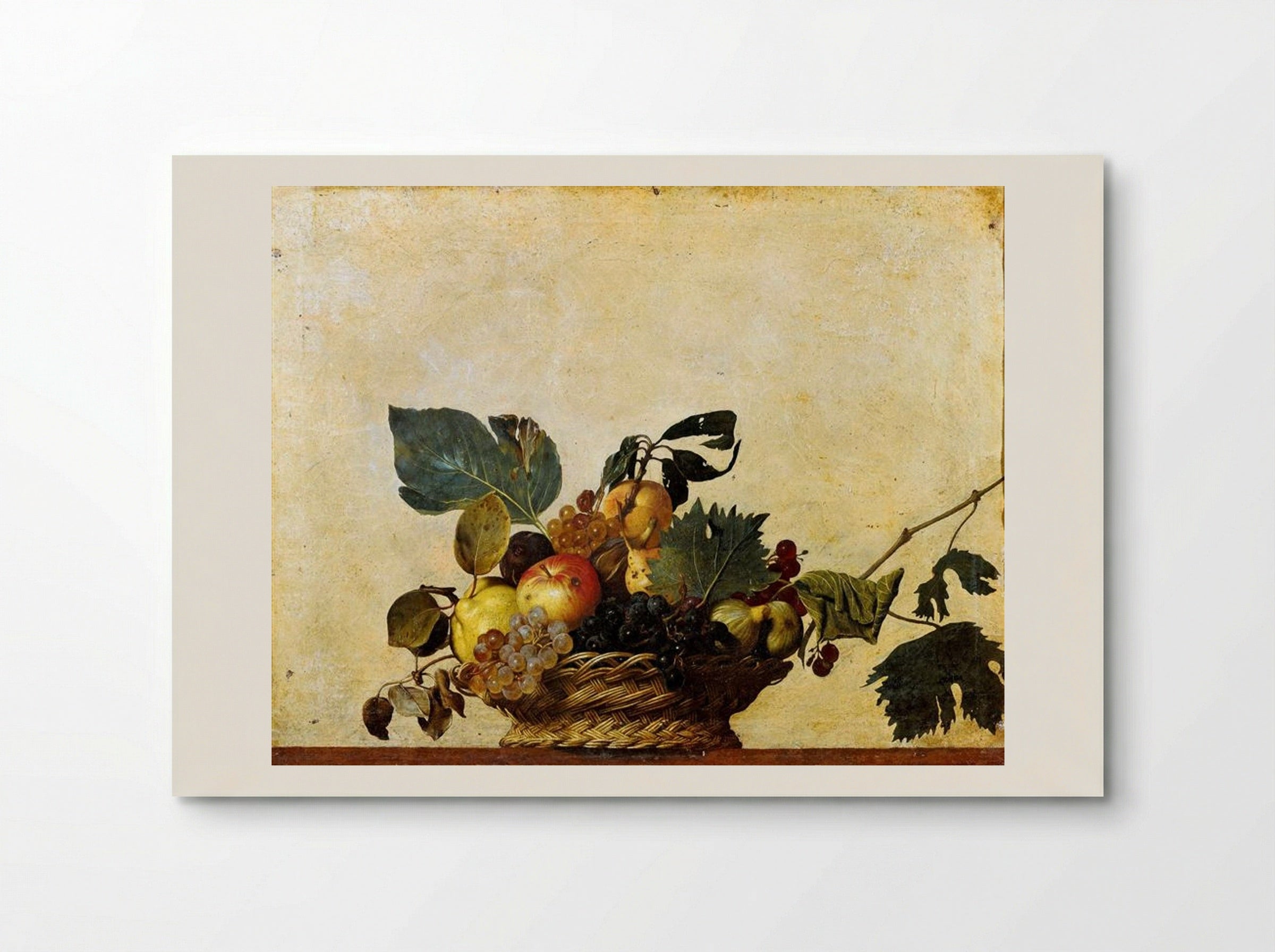 Basket of Fruit - Caravaggio
Print
Prix régulier À partir de £28.00 GBPPrix de vente À partir de £28.00 GBP Prix régulier -
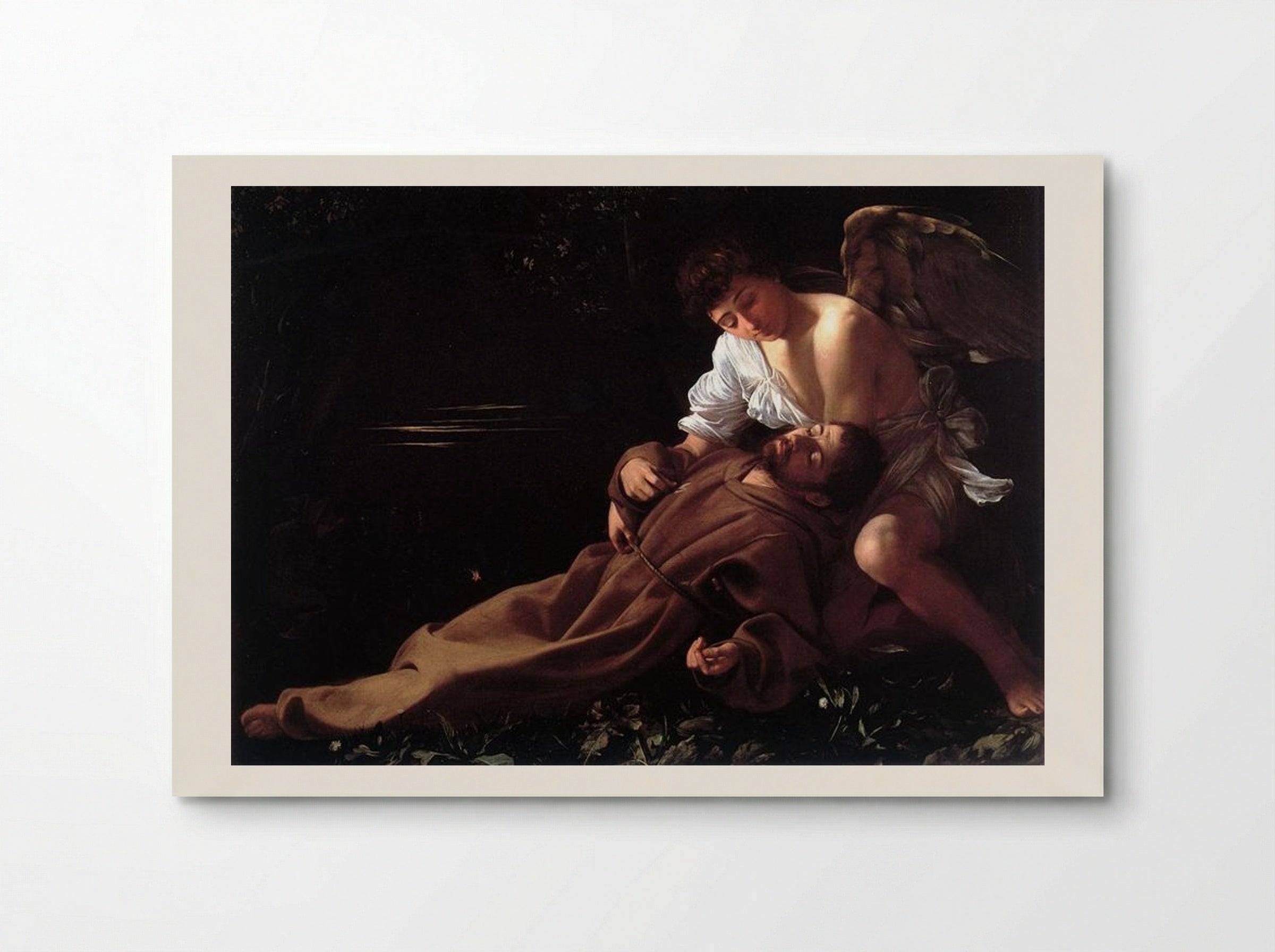 Saint Francis of Assisi in Ecstasy - Caravaggio
Print
Prix régulier À partir de £28.00 GBPPrix de vente À partir de £28.00 GBP Prix régulier -
 Burial of Saint Lucy - Caravaggio
Print
Prix régulier À partir de £28.00 GBPPrix de vente À partir de £28.00 GBP Prix régulier -
 Annunciation - Caravaggio
Print
Prix régulier À partir de £28.00 GBPPrix de vente À partir de £28.00 GBP Prix régulier -
 Portrait of Alof de Wignacourt and his Page - Caravaggio
Print
Prix régulier À partir de £28.00 GBPPrix de vente À partir de £28.00 GBP Prix régulier -
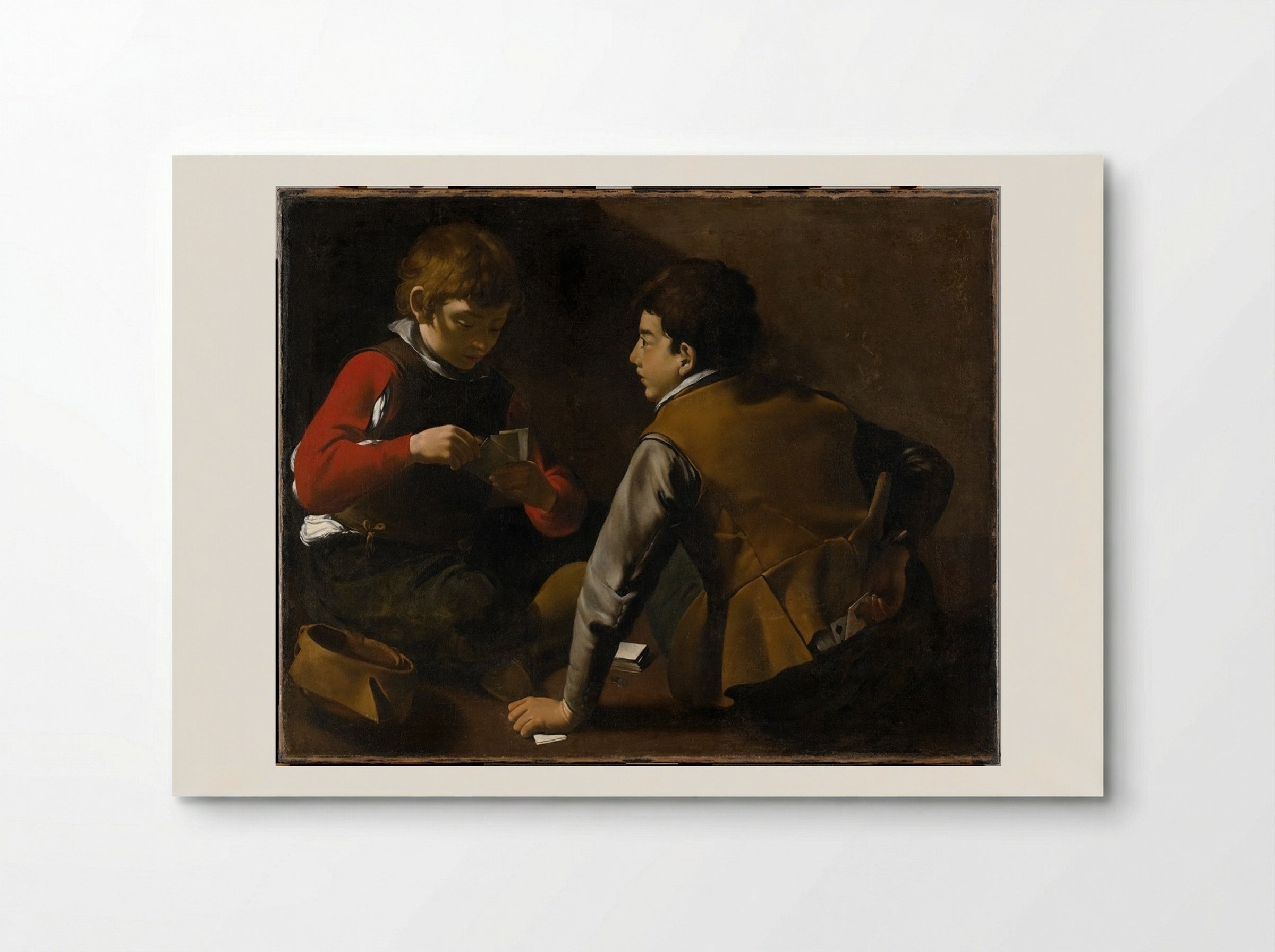 The Card Players - Michelangelo Merisi da Caravaggio
Print
Prix régulier À partir de £28.00 GBPPrix de vente À partir de £28.00 GBP Prix régulier -
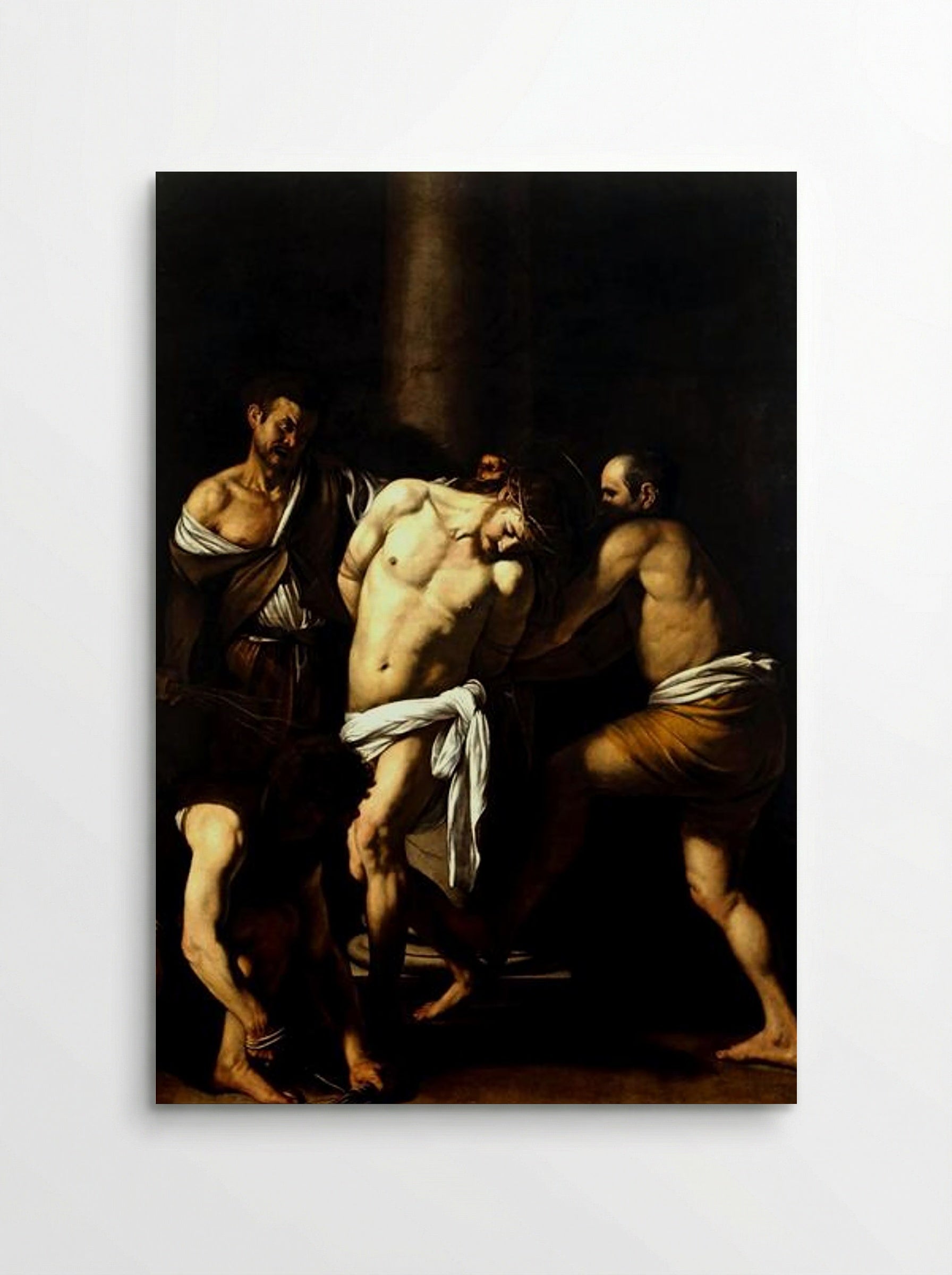
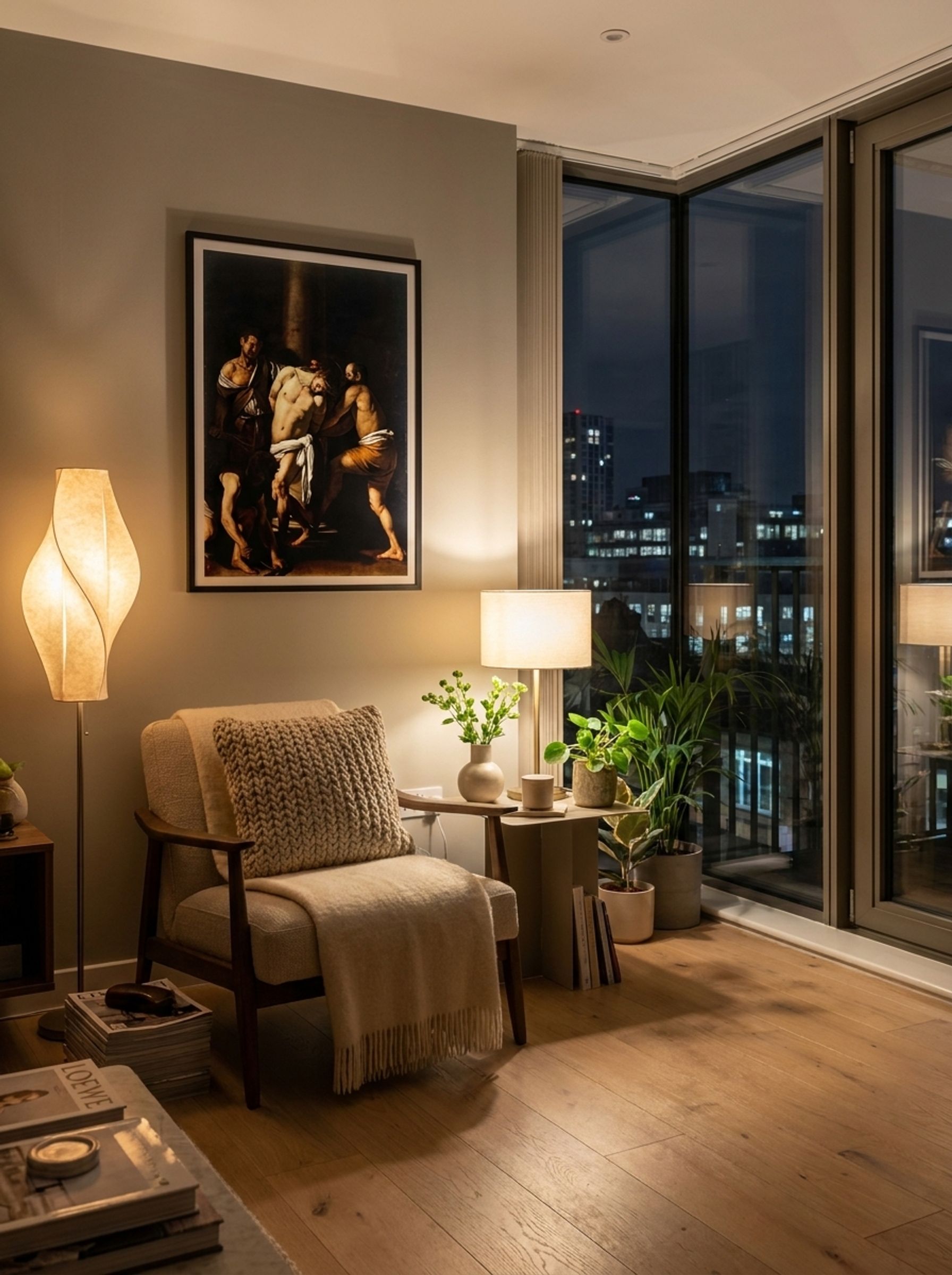 The Flagellation of Christ - Caravaggio
Print · Framed
Prix régulier À partir de £28.00 GBPPrix de vente À partir de £28.00 GBP Prix régulier -
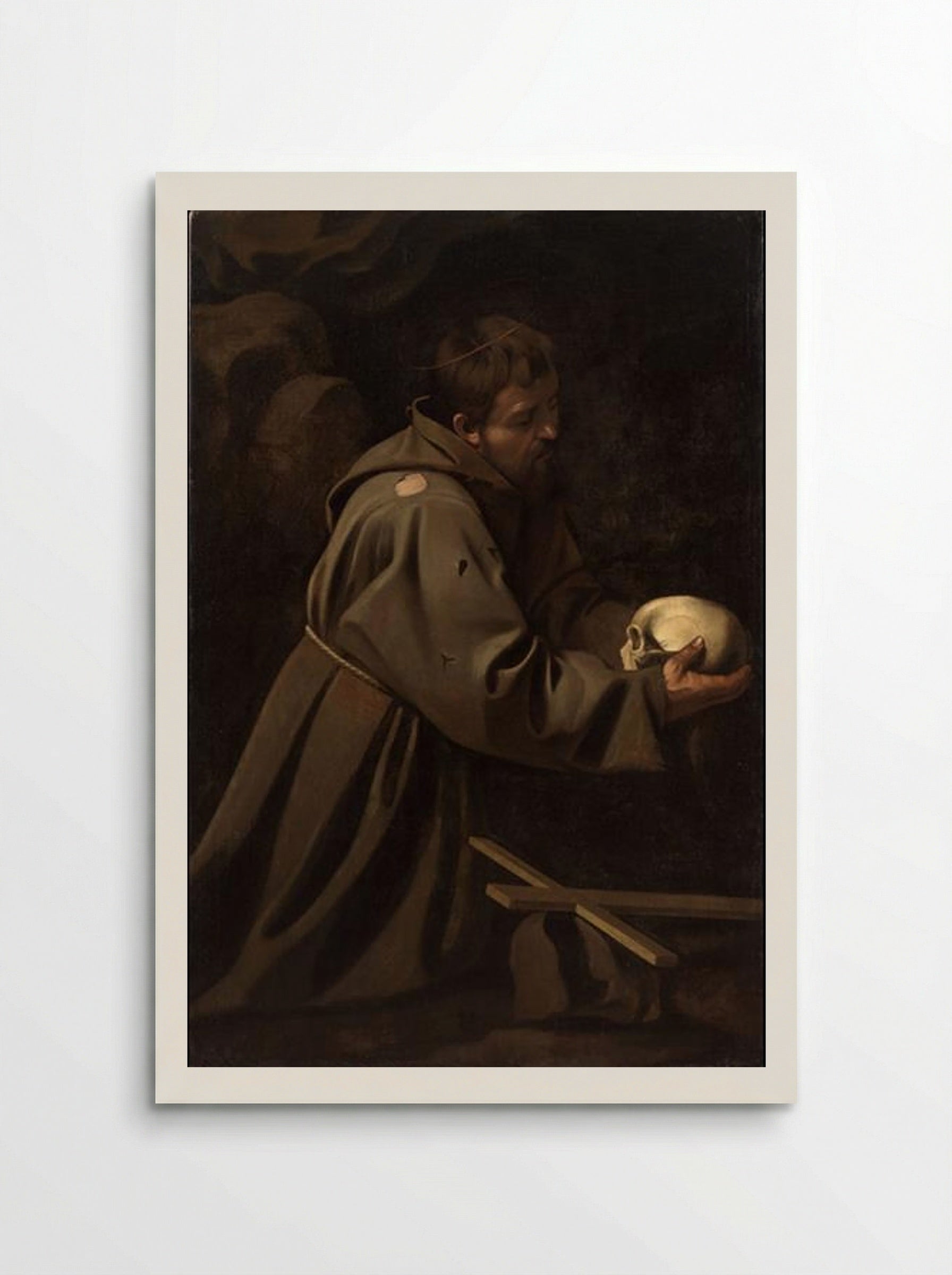
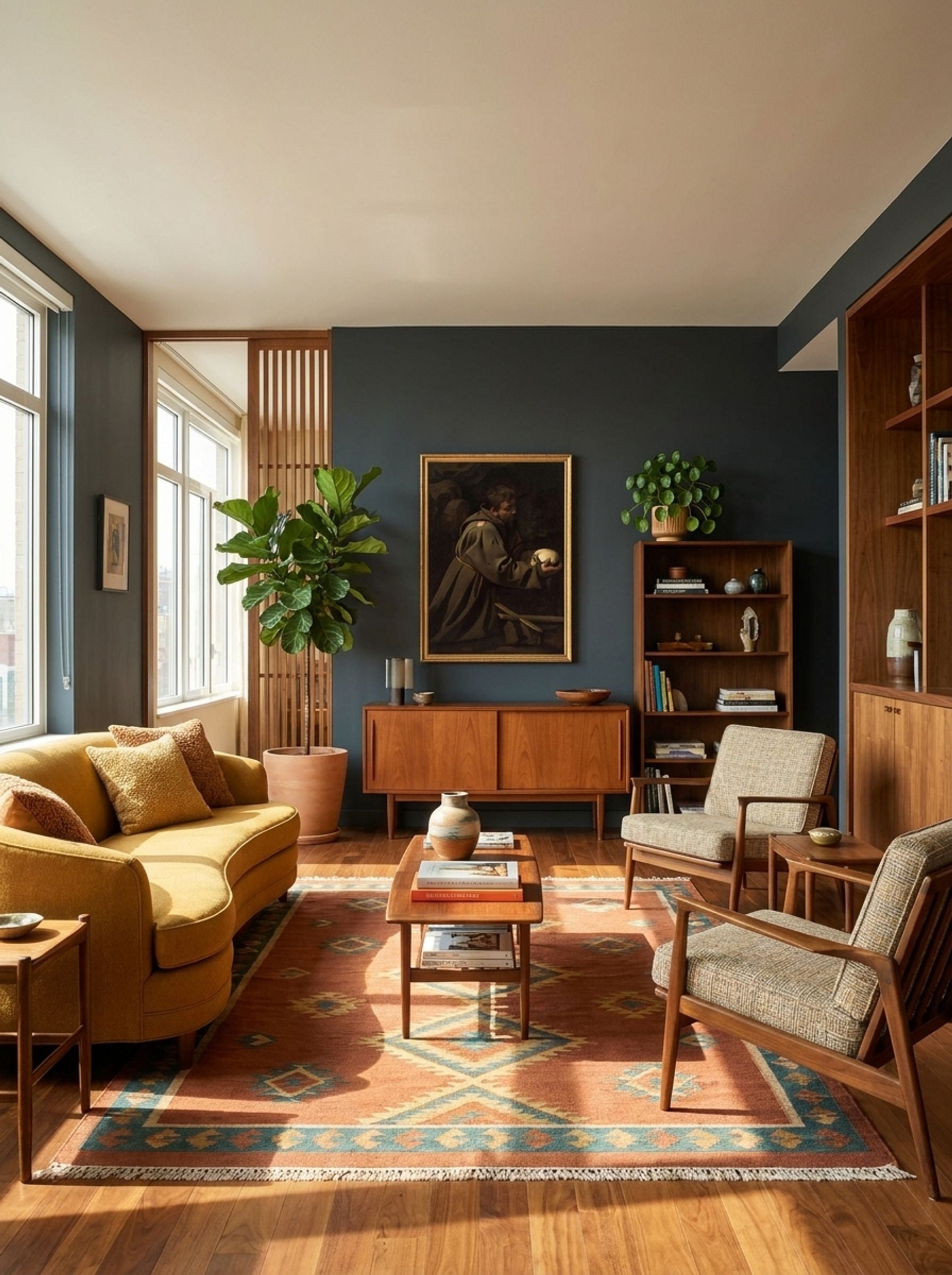 Saint Francis in Prayer - Caravaggio
Print · Framed
Prix régulier À partir de £28.00 GBPPrix de vente À partir de £28.00 GBP Prix régulier -
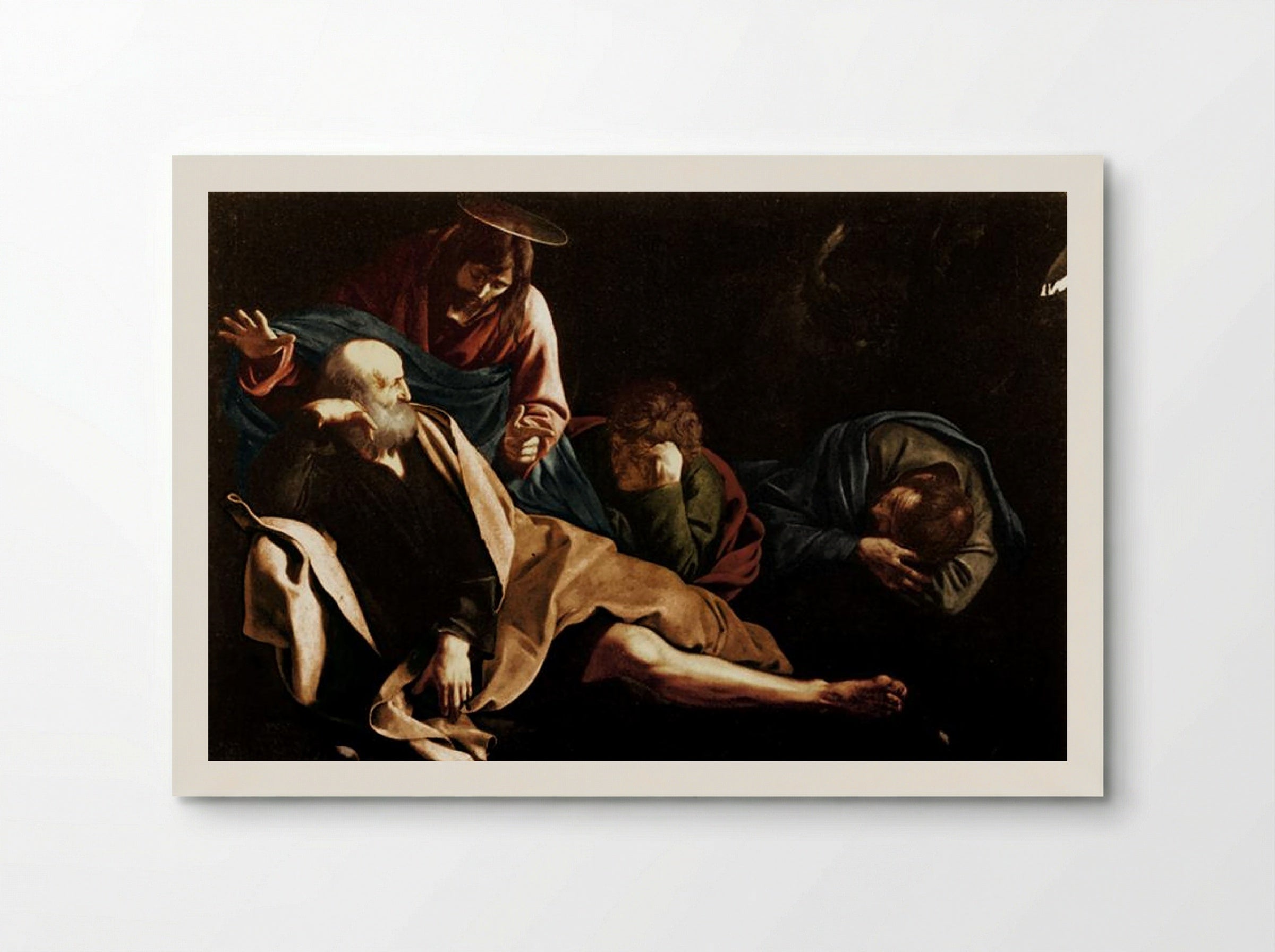
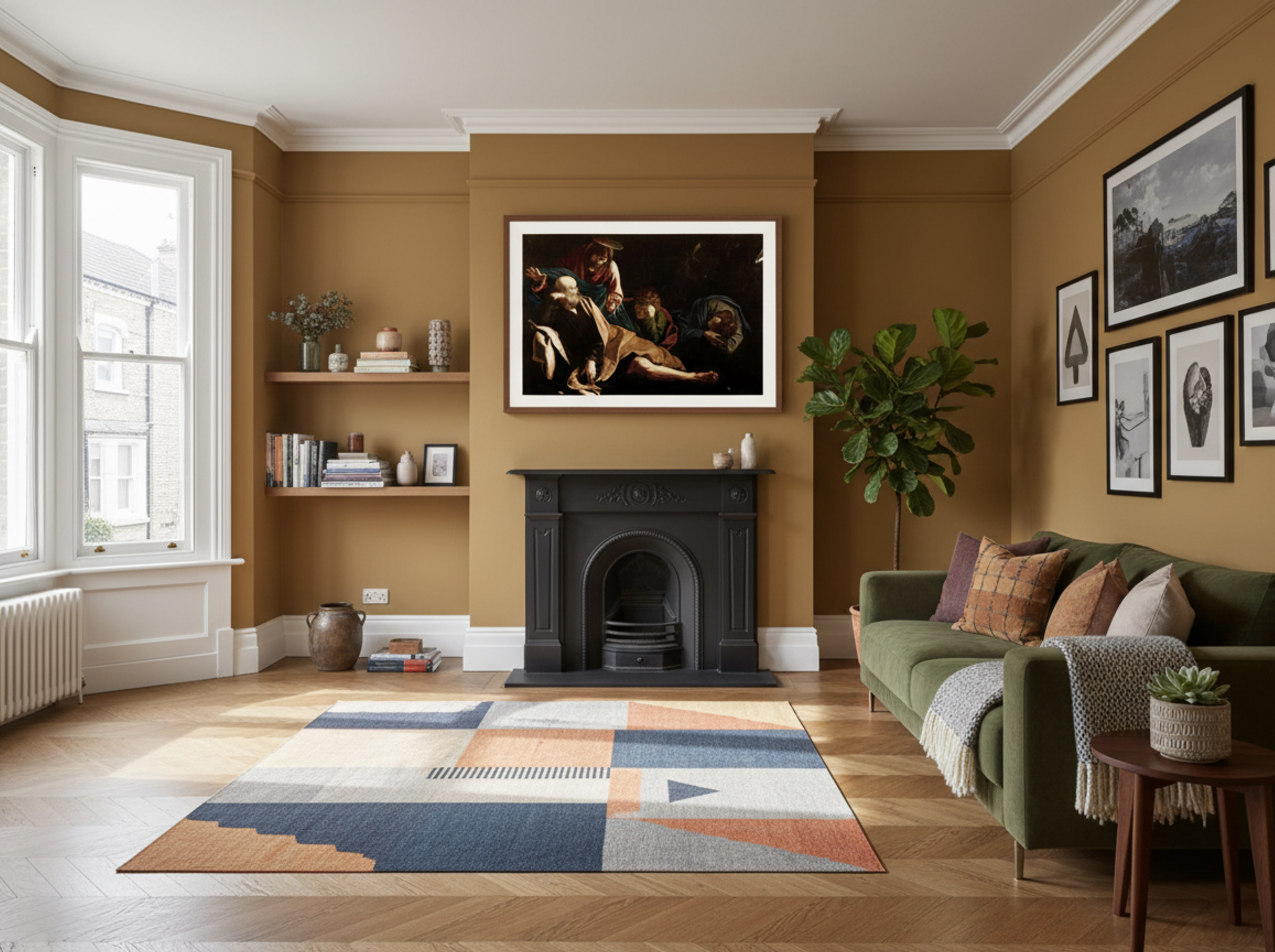 Christ on the Mount of Olives - Michelangelo Merisi da Caravaggio
Print · Framed
Prix régulier À partir de £28.00 GBPPrix de vente À partir de £28.00 GBP Prix régulier -
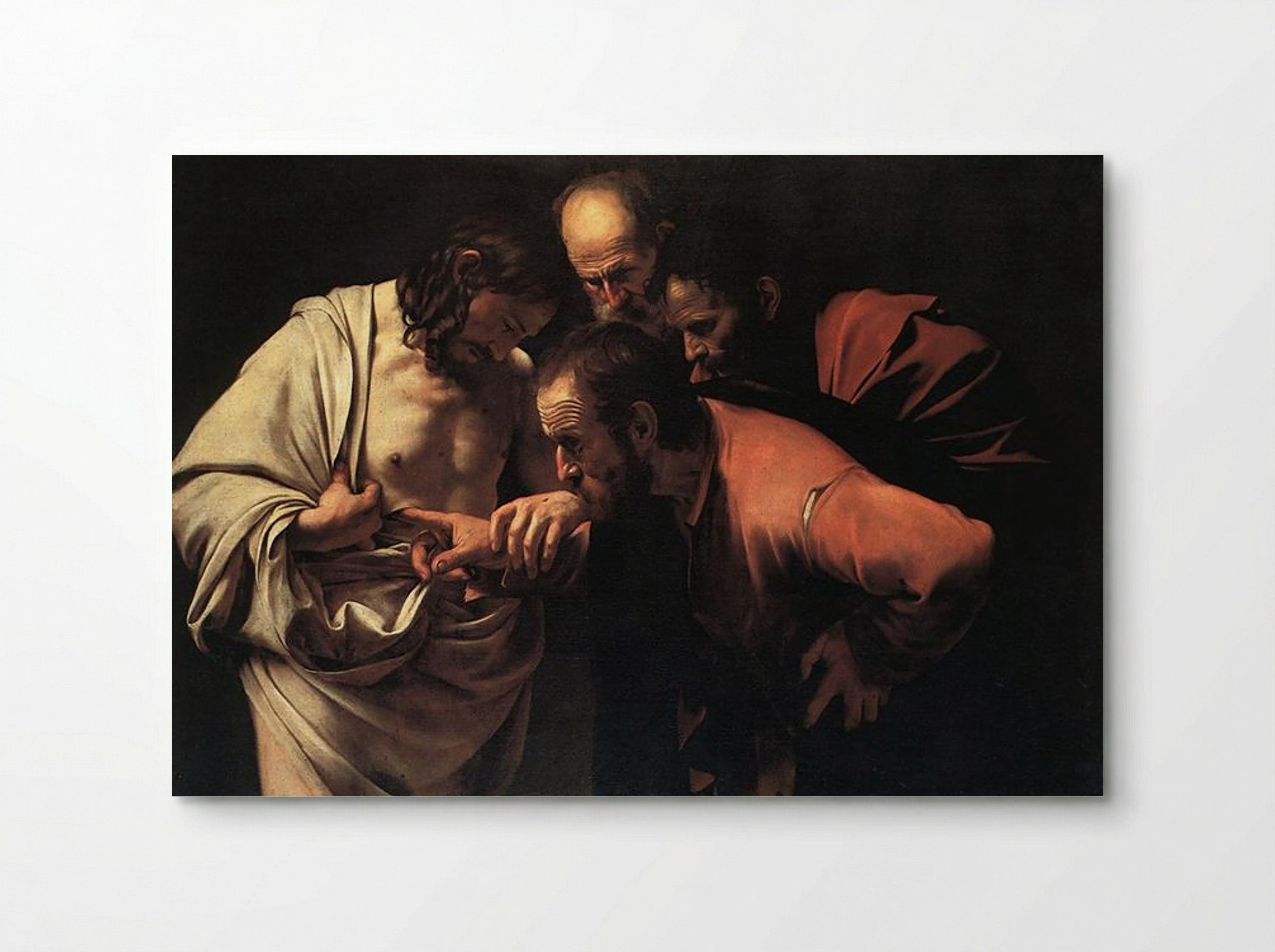
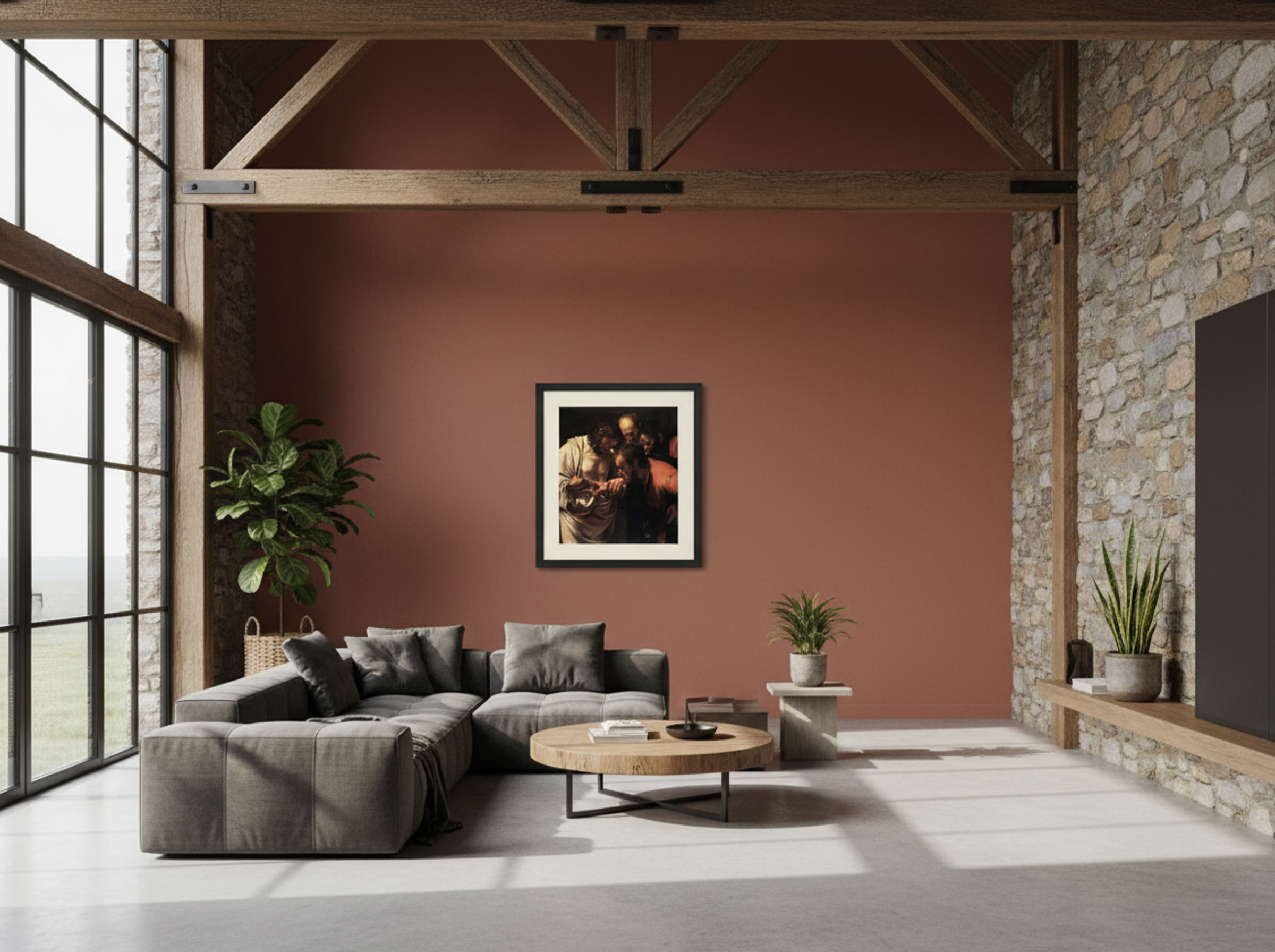 The Incredulity of Saint Thomas - Caravaggio
Print · Framed
Prix régulier À partir de £28.00 GBPPrix de vente À partir de £28.00 GBP Prix régulier -
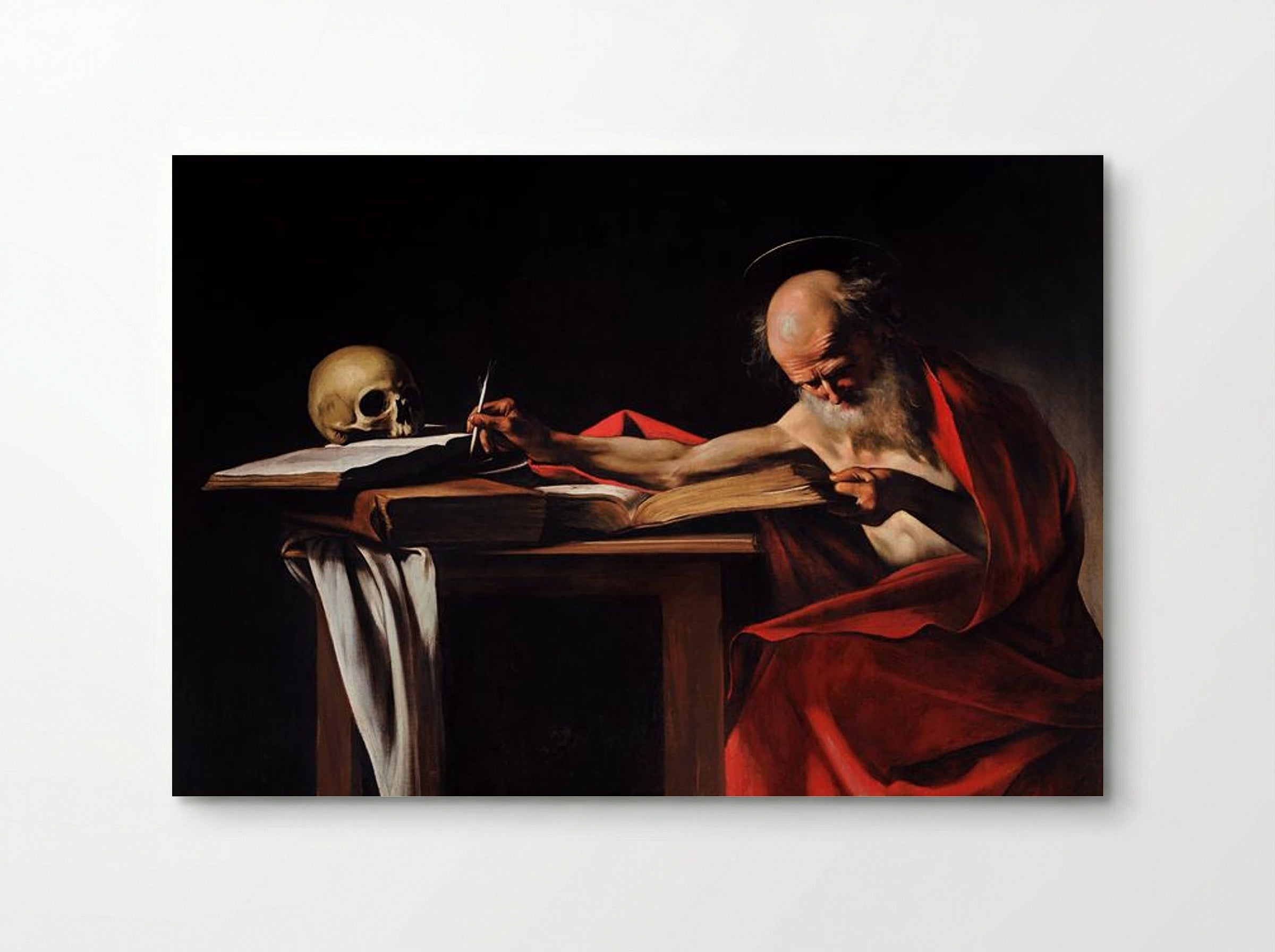
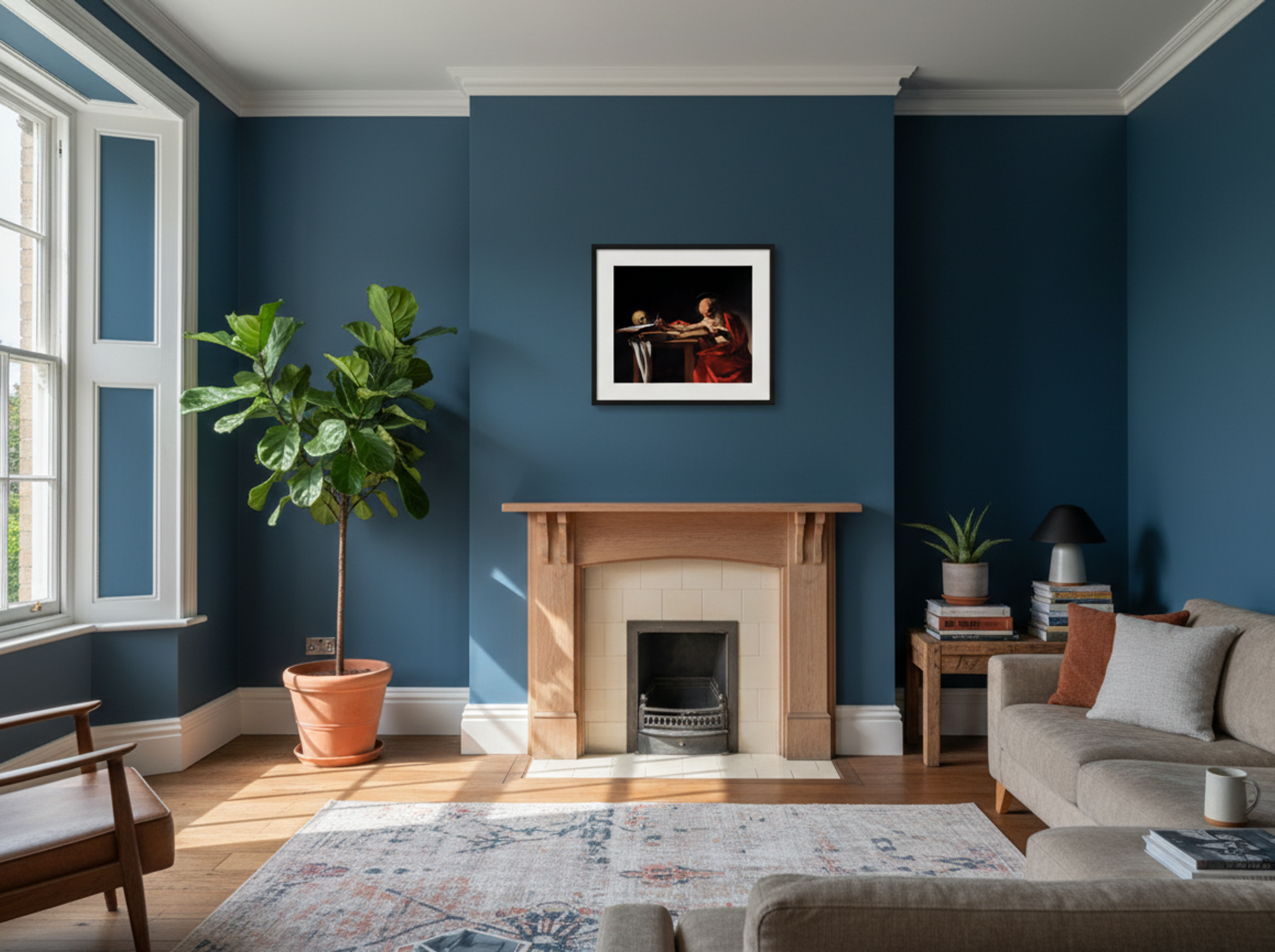 Saint Jerome Writing - Caravaggio
Print · Framed
Prix régulier À partir de £28.00 GBPPrix de vente À partir de £28.00 GBP Prix régulier -
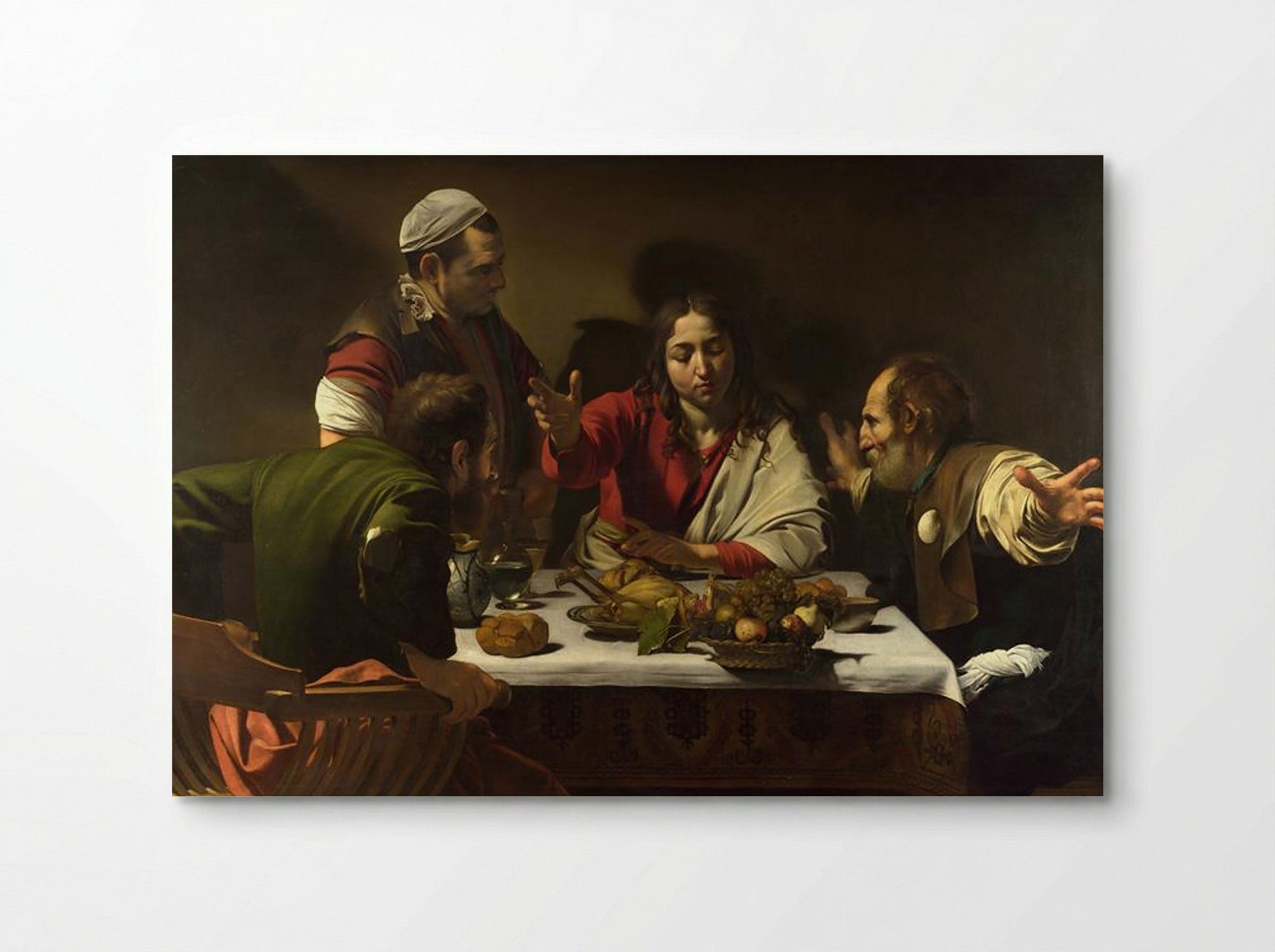
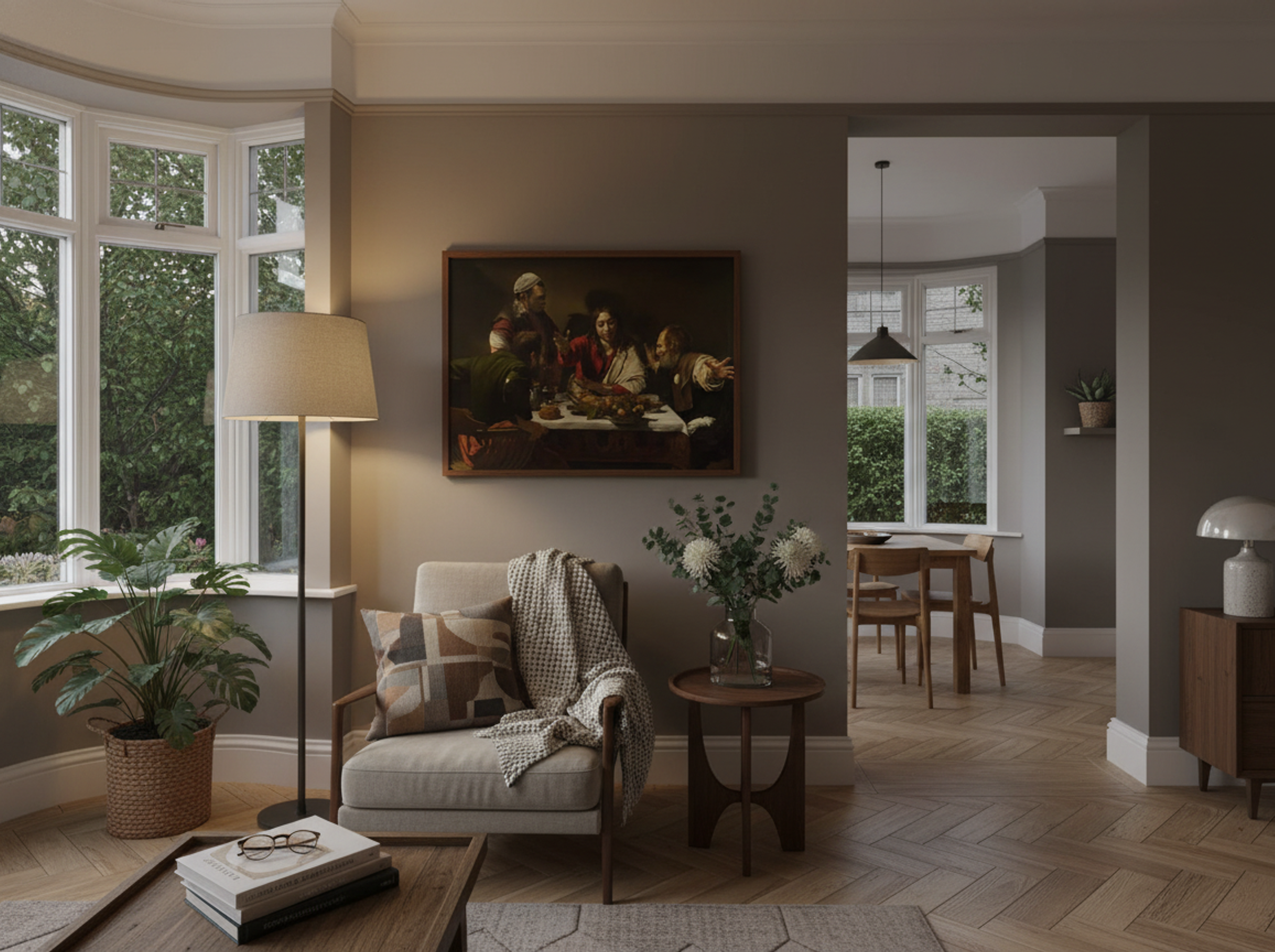 Supper at Emmaus - Caravaggio
Print · Framed
Prix régulier À partir de £28.00 GBPPrix de vente À partir de £28.00 GBP Prix régulier -
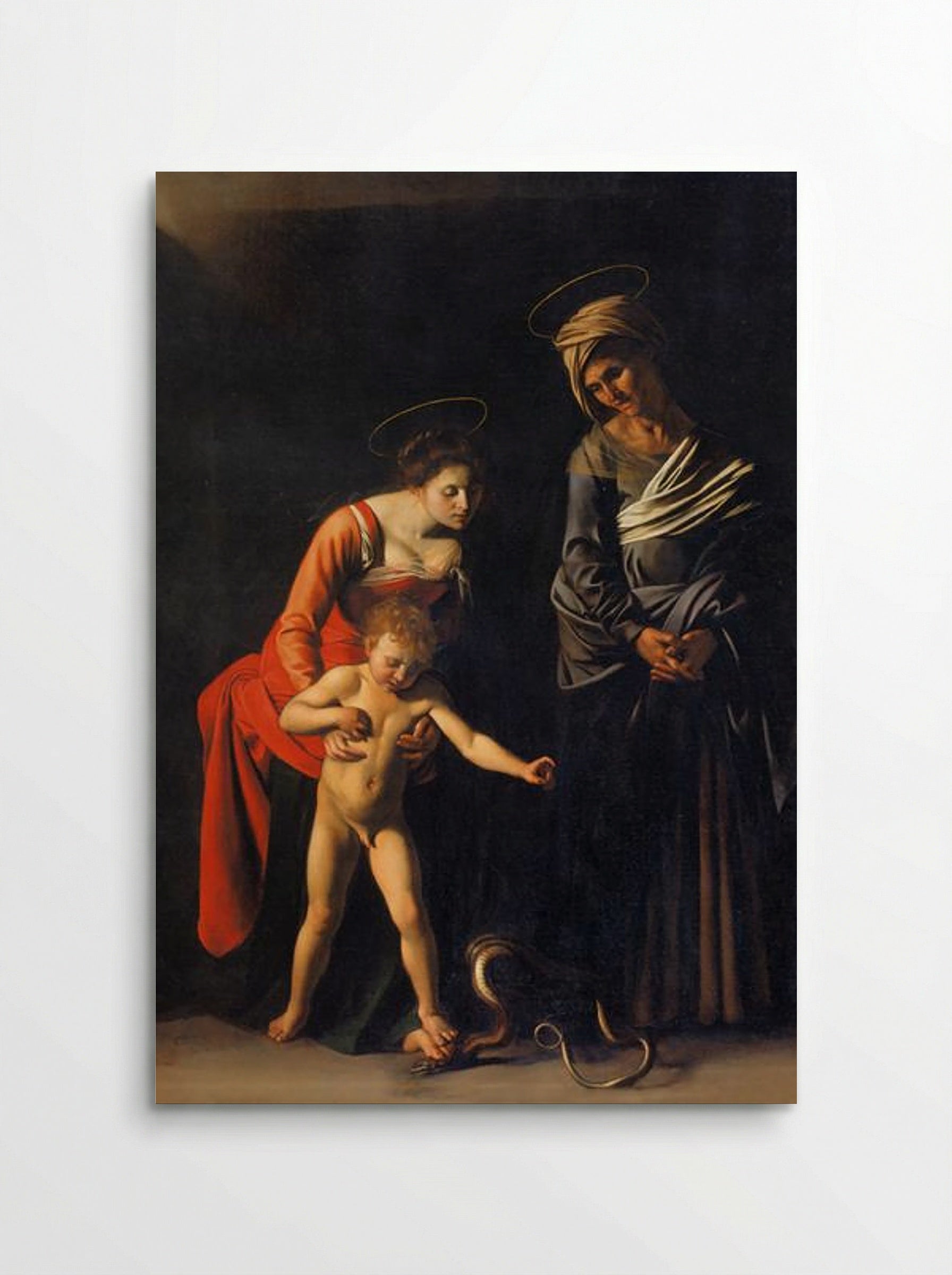
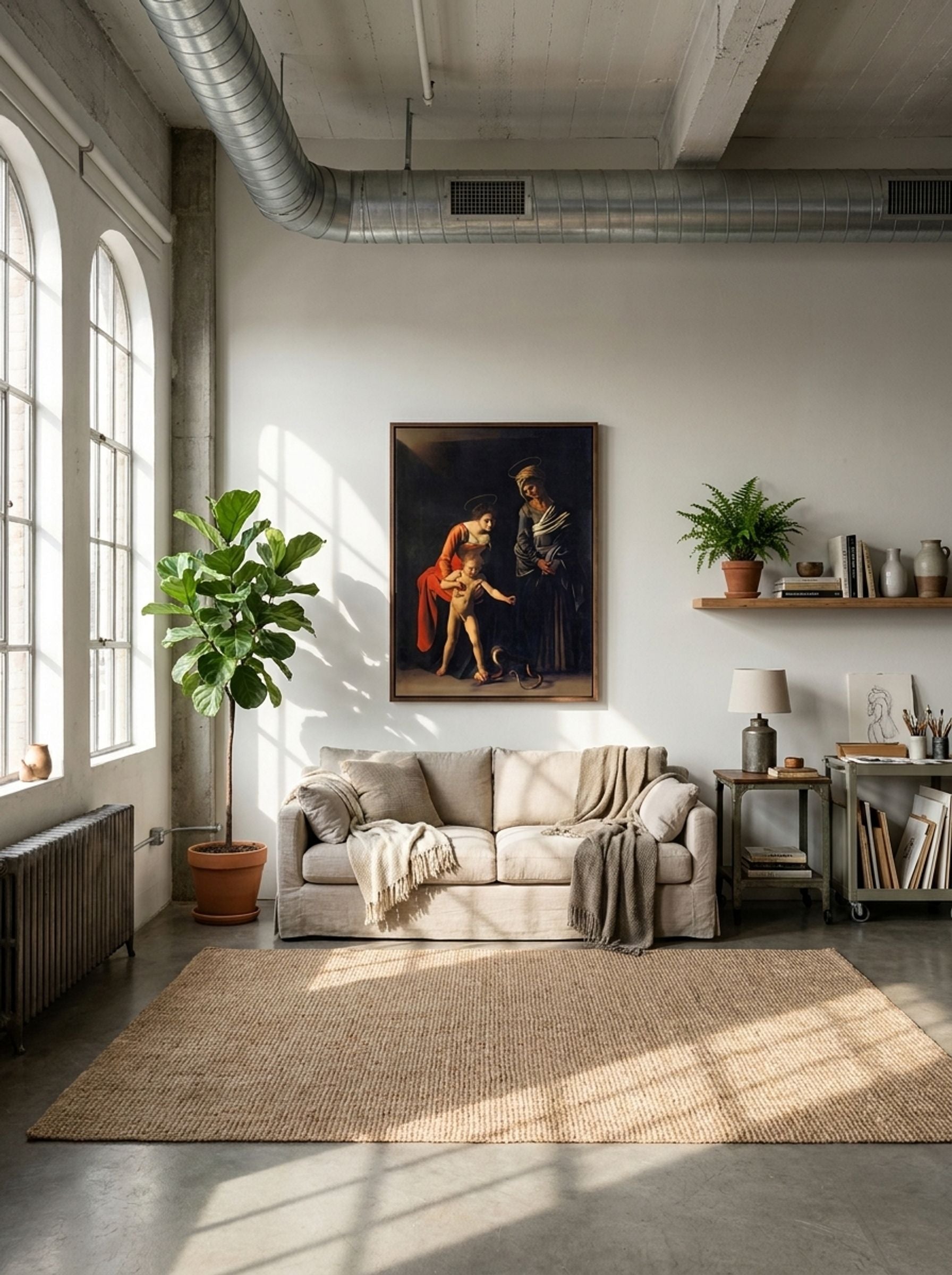 Madonna and Child with St. Anne - Caravaggio
Print · Framed
Prix régulier À partir de £28.00 GBPPrix de vente À partir de £28.00 GBP Prix régulier -
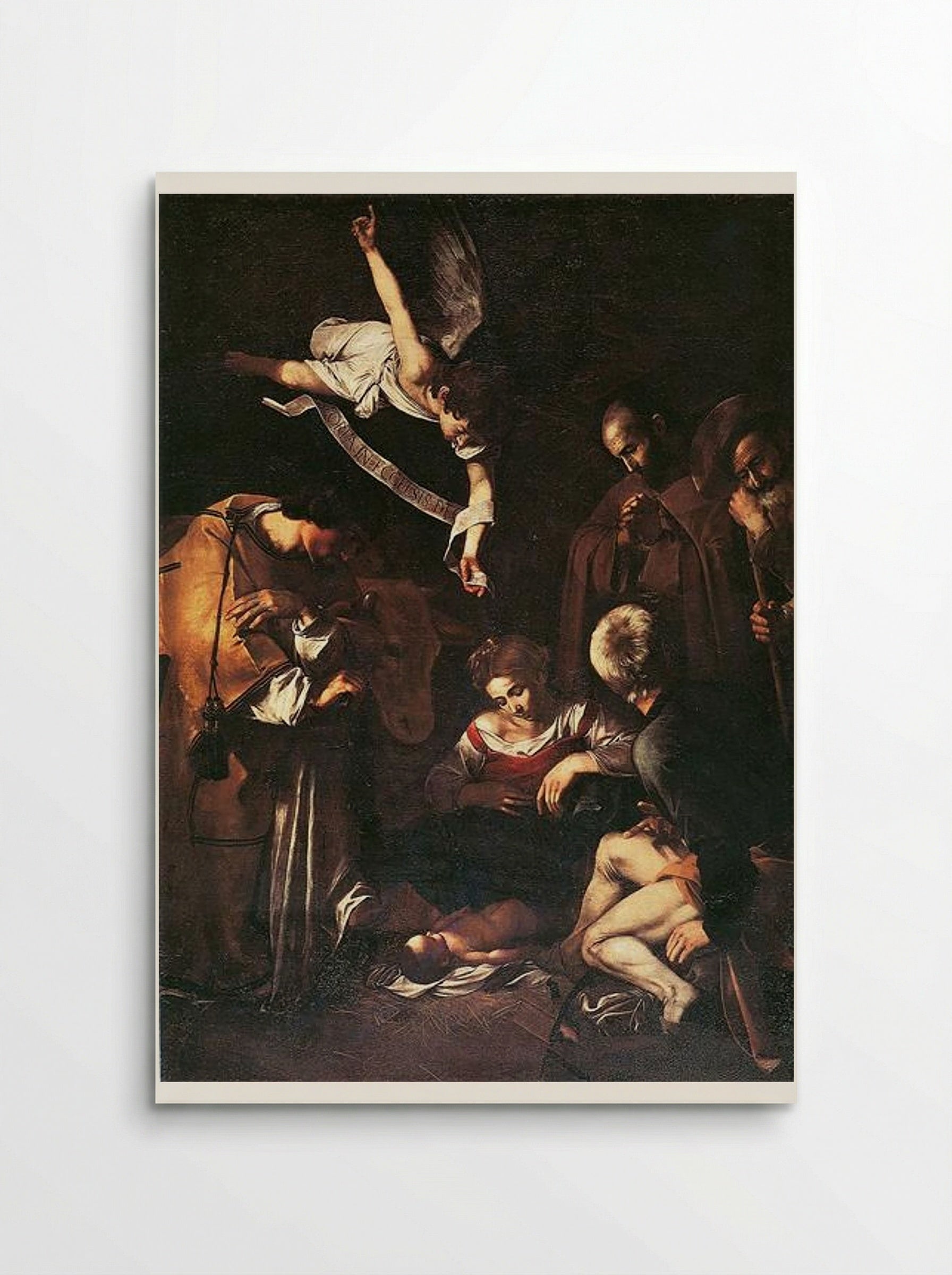
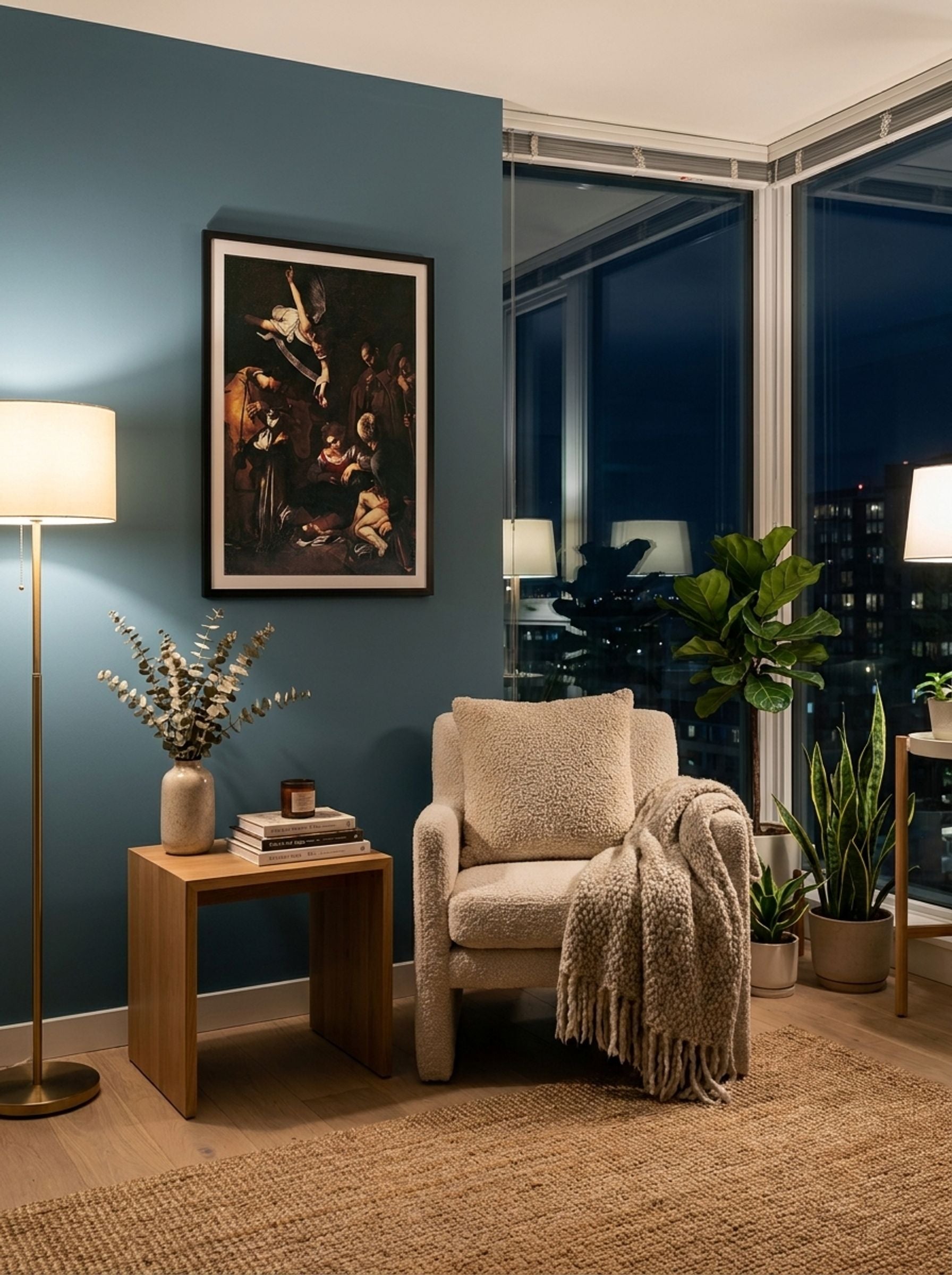 Nativity with St. Francis and St. Lawrence - Caravaggio
Print · Framed
Prix régulier À partir de £28.00 GBPPrix de vente À partir de £28.00 GBP Prix régulier -
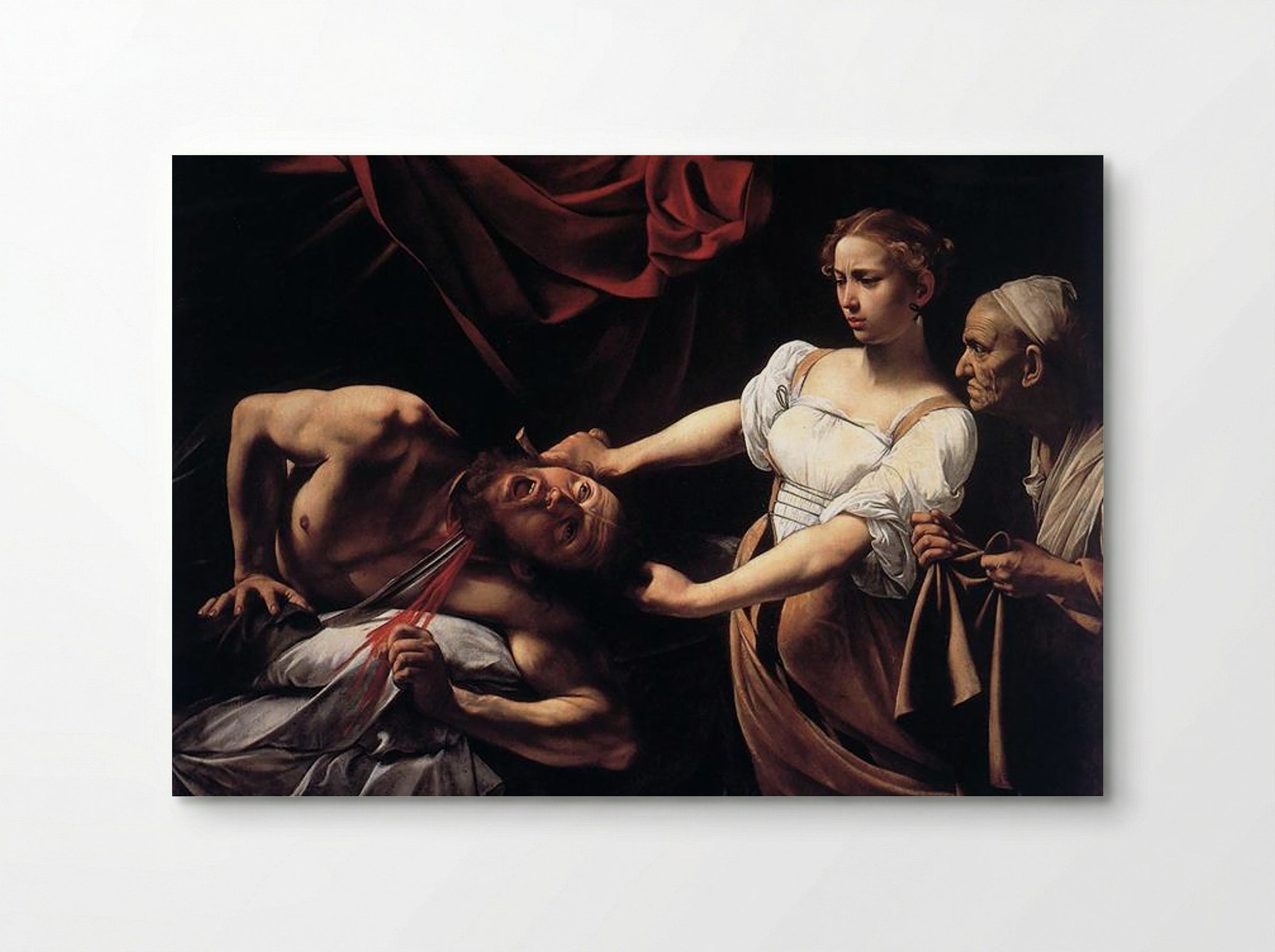
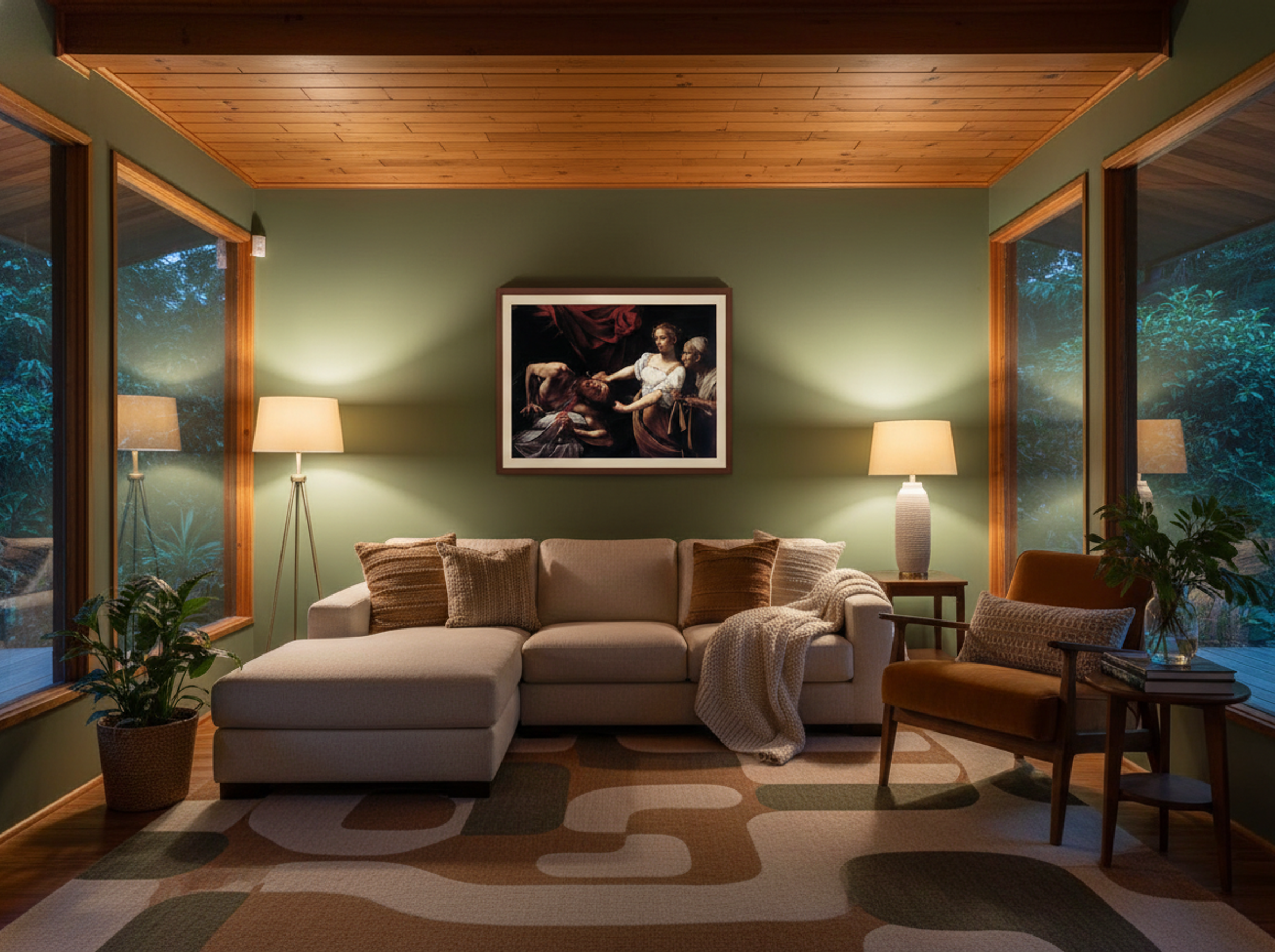 Judith Beheading Holofernes - Caravaggio
Print · Framed
Prix régulier À partir de £28.00 GBPPrix de vente À partir de £28.00 GBP Prix régulier -

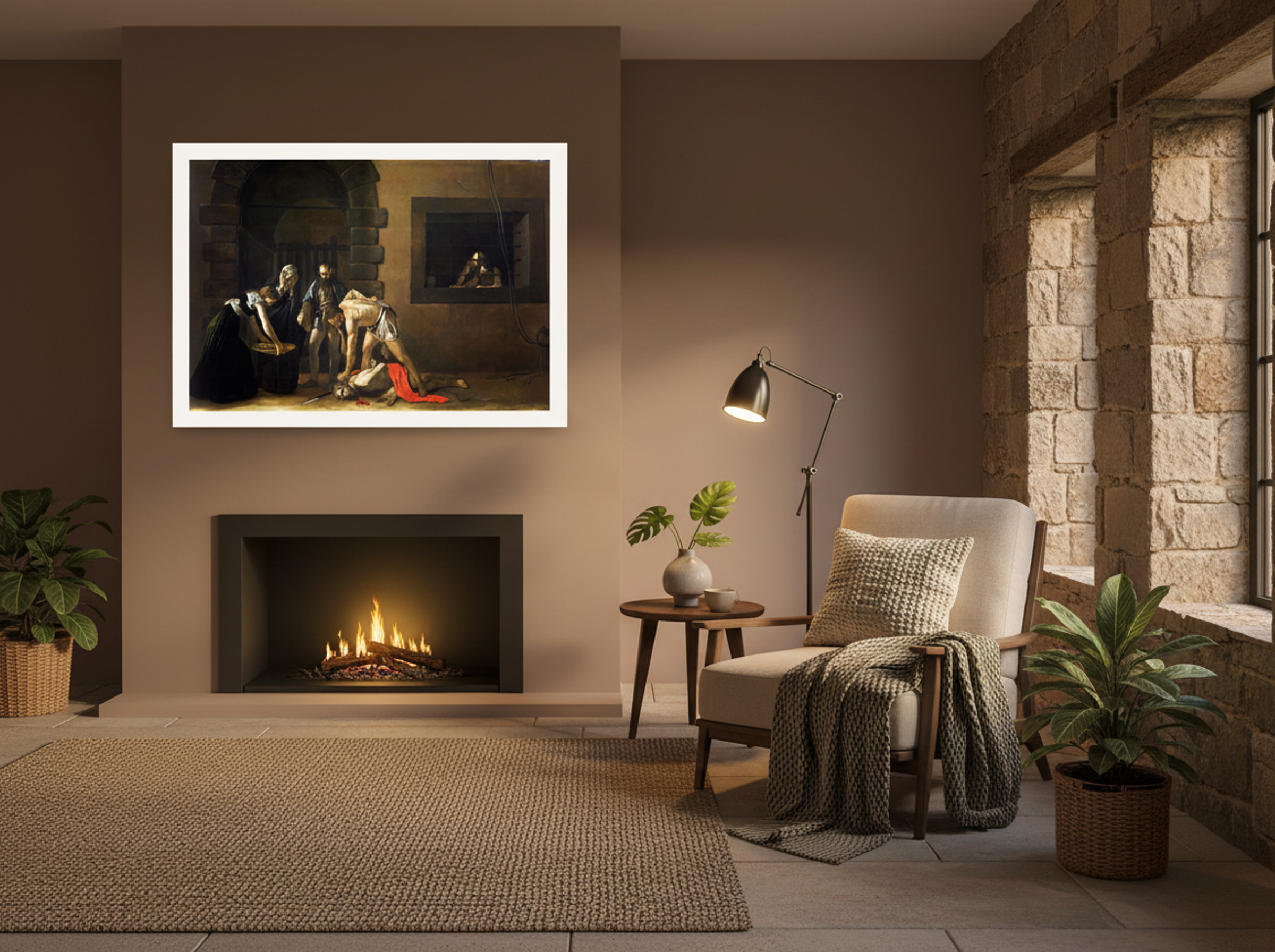 The Beheading of Saint John the Baptist - Caravaggio
Print · Framed
Prix régulier À partir de £28.00 GBPPrix de vente À partir de £28.00 GBP Prix régulier -
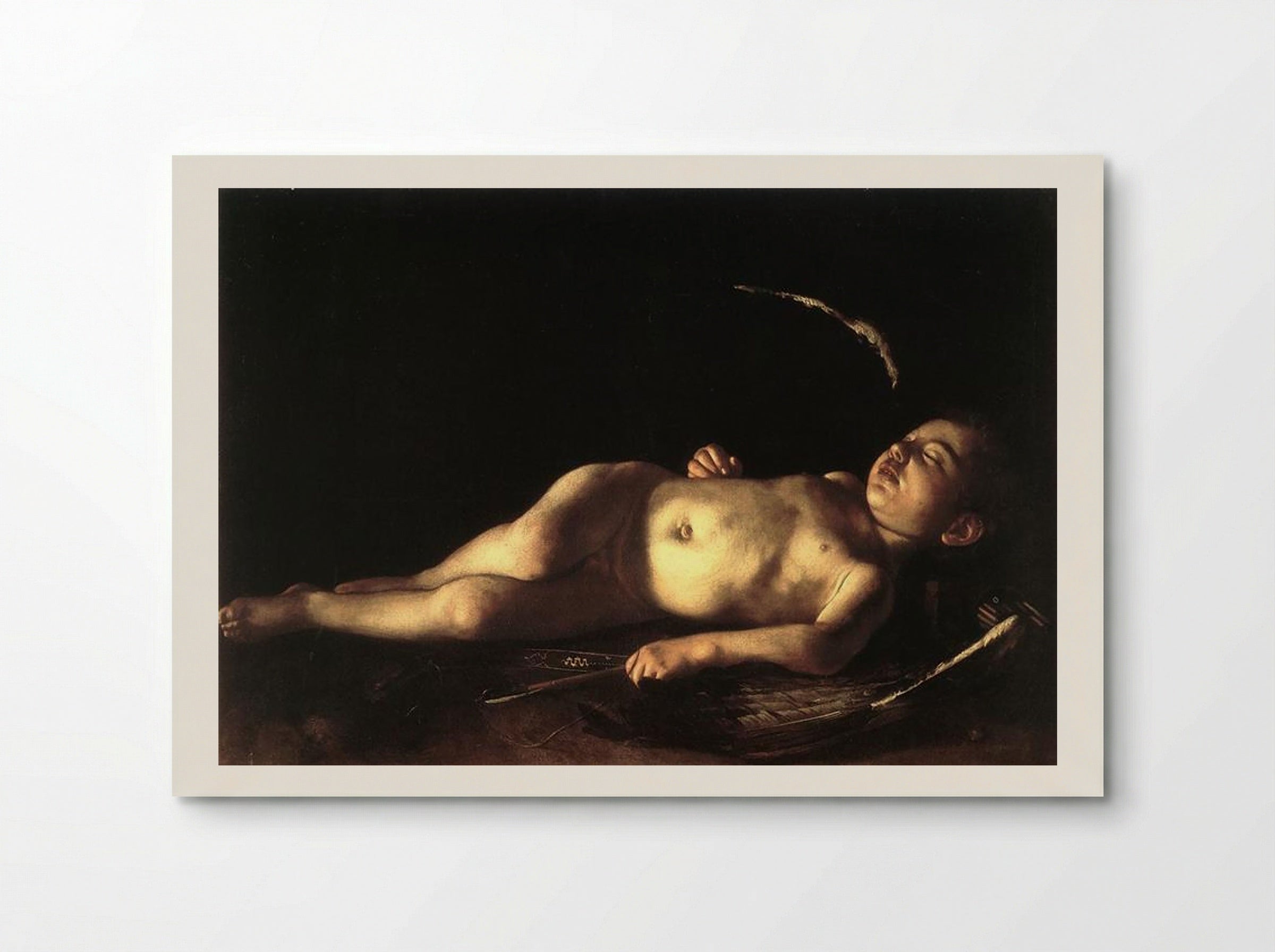
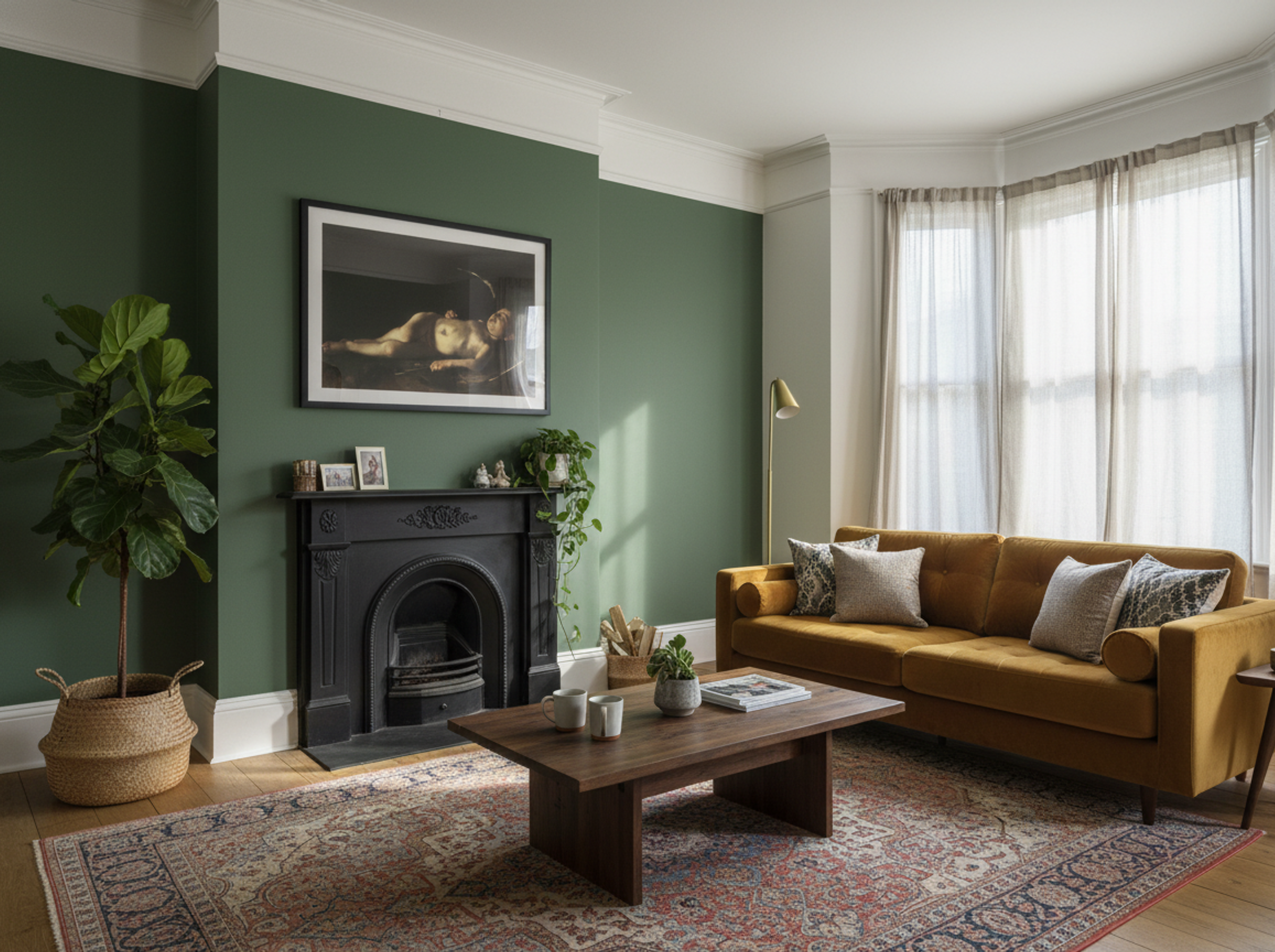 Sleeping Cupid - Michelangelo Merisi da Caravaggio
Print · Framed
Prix régulier À partir de £28.00 GBPPrix de vente À partir de £28.00 GBP Prix régulier -
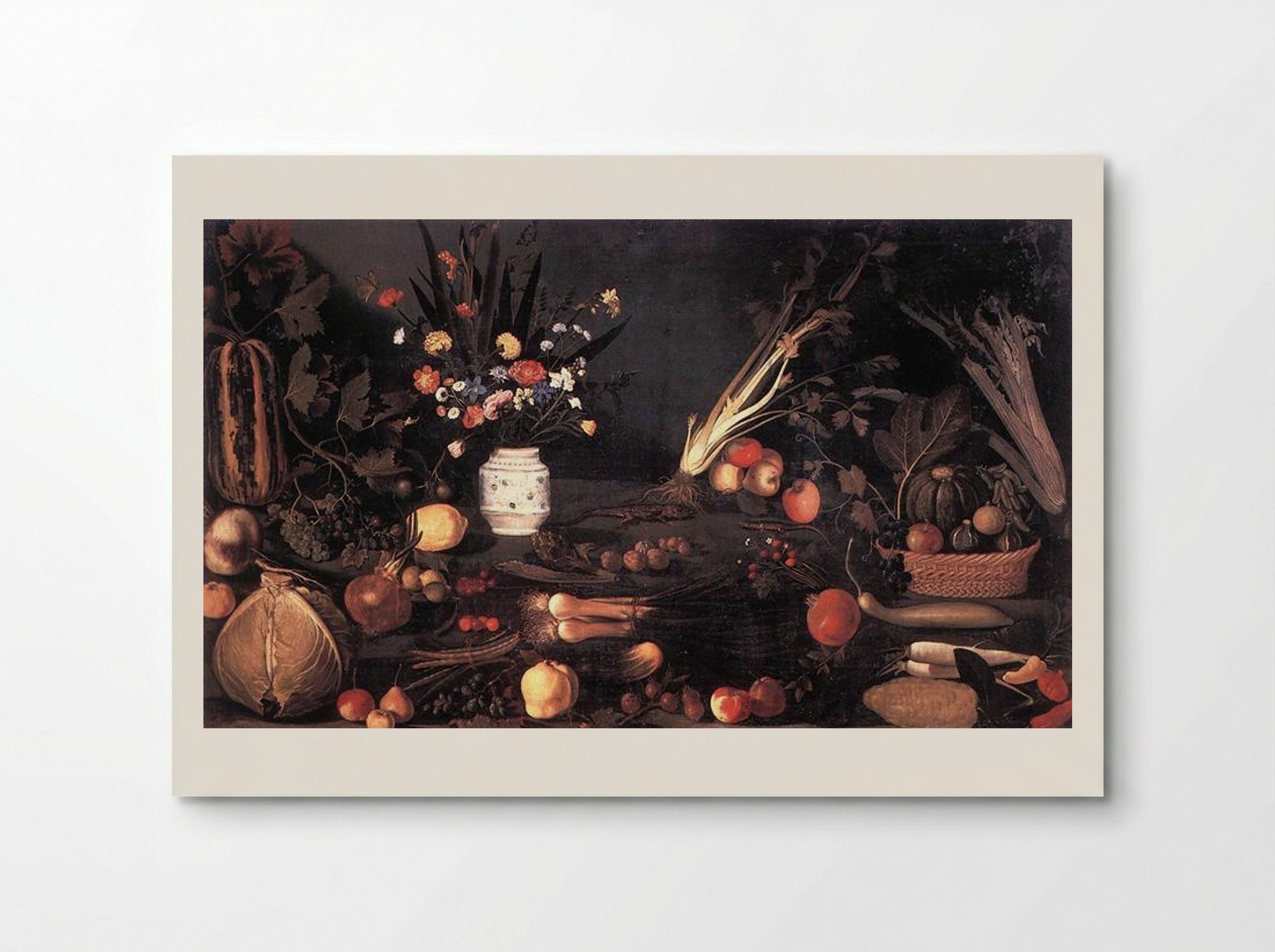
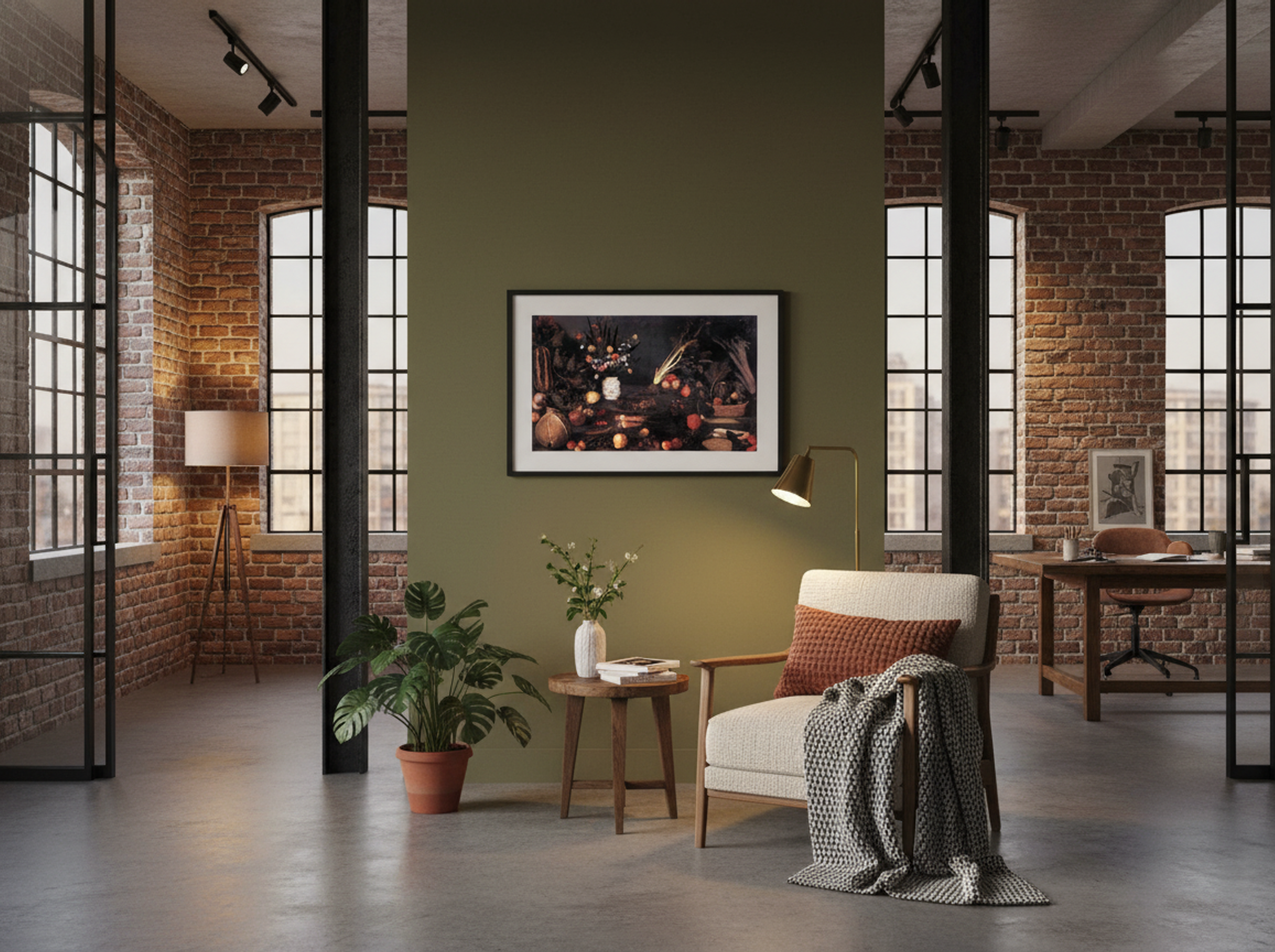 Still Life with Flowers and Fruit - Michelangelo Merisi da Caravaggio
Print · Framed
Prix régulier À partir de £28.00 GBPPrix de vente À partir de £28.00 GBP Prix régulier -
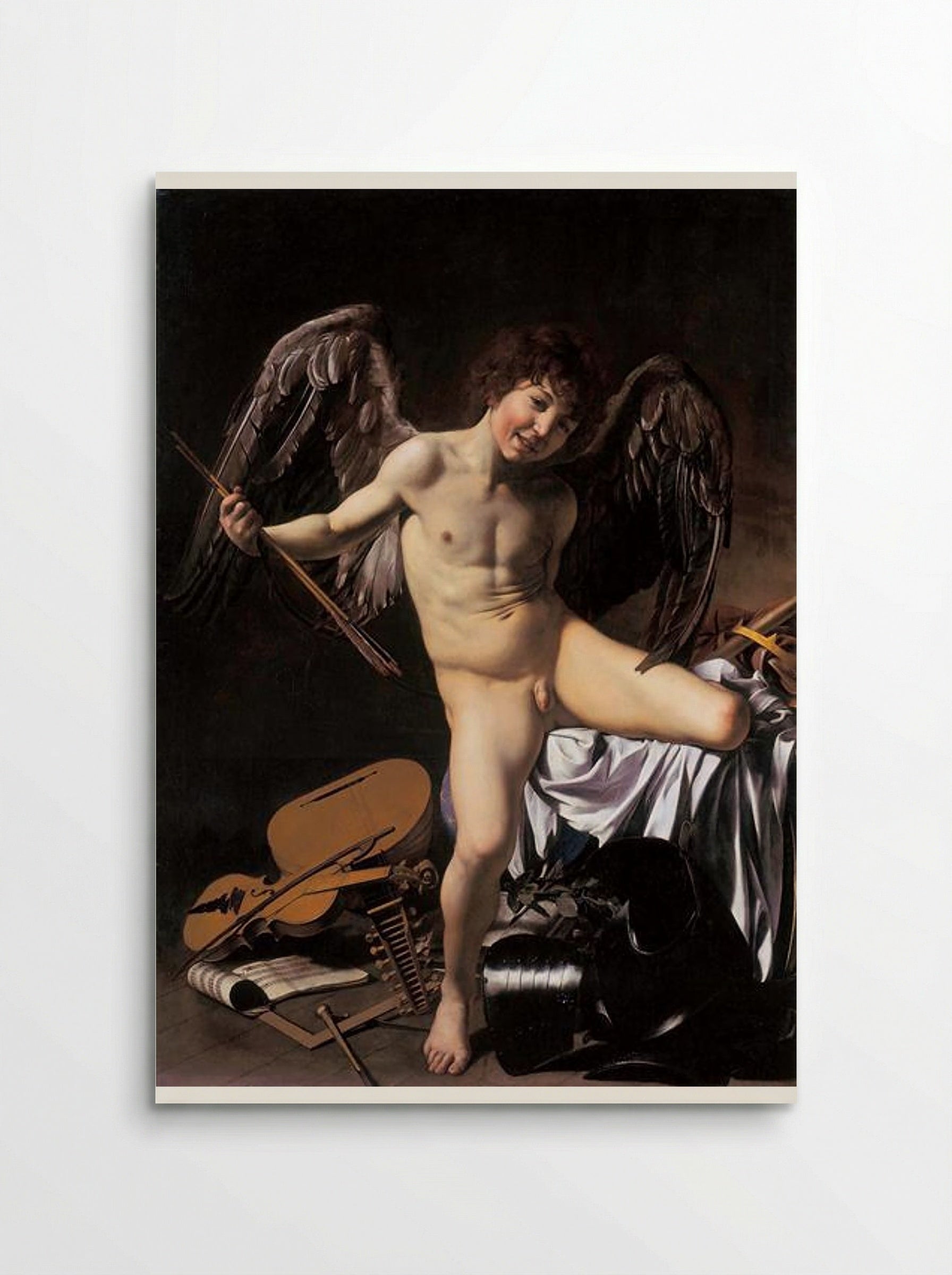
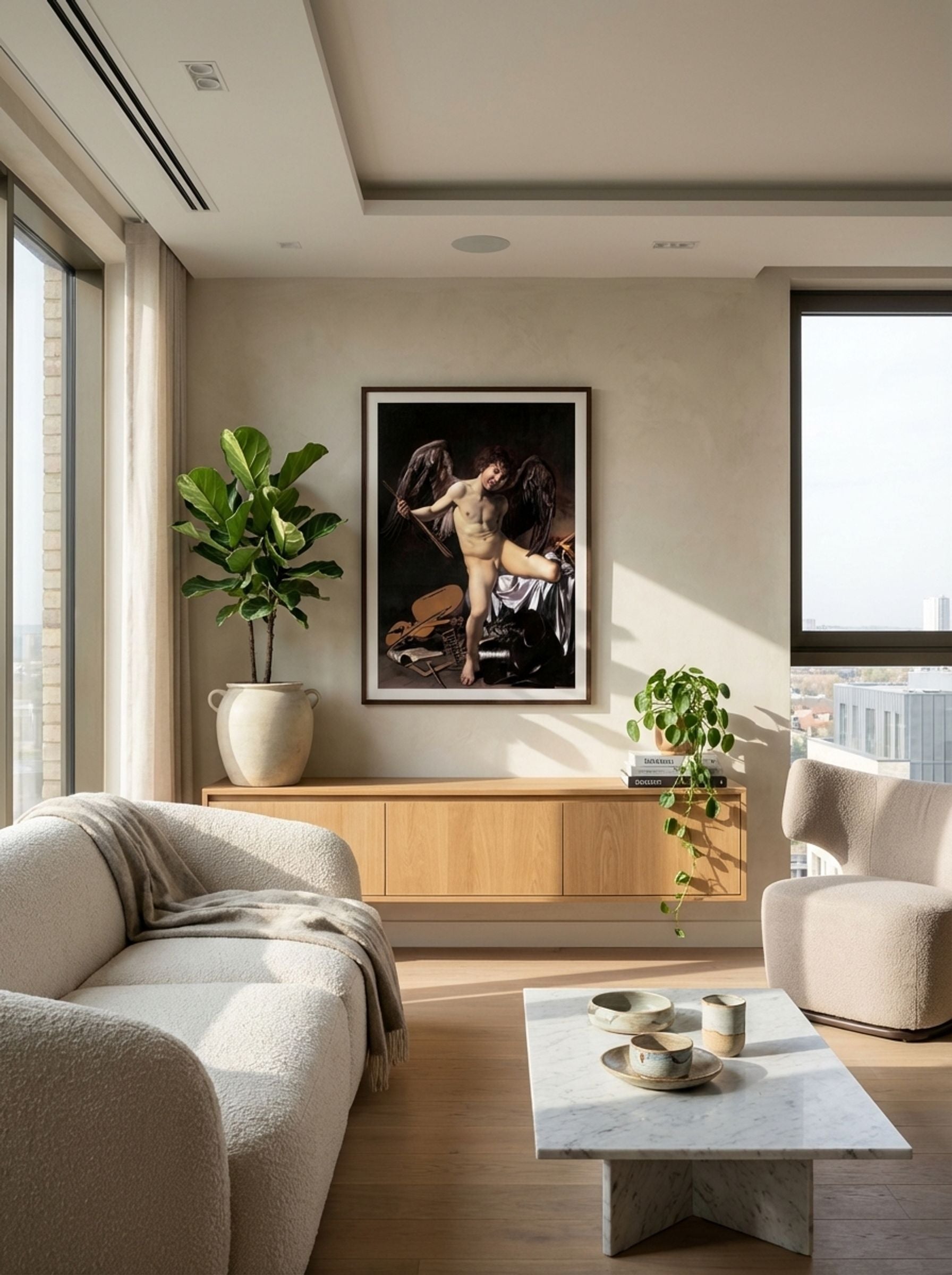 Amor Victorious - Caravaggio
Print · Framed
Prix régulier À partir de £28.00 GBPPrix de vente À partir de £28.00 GBP Prix régulier -
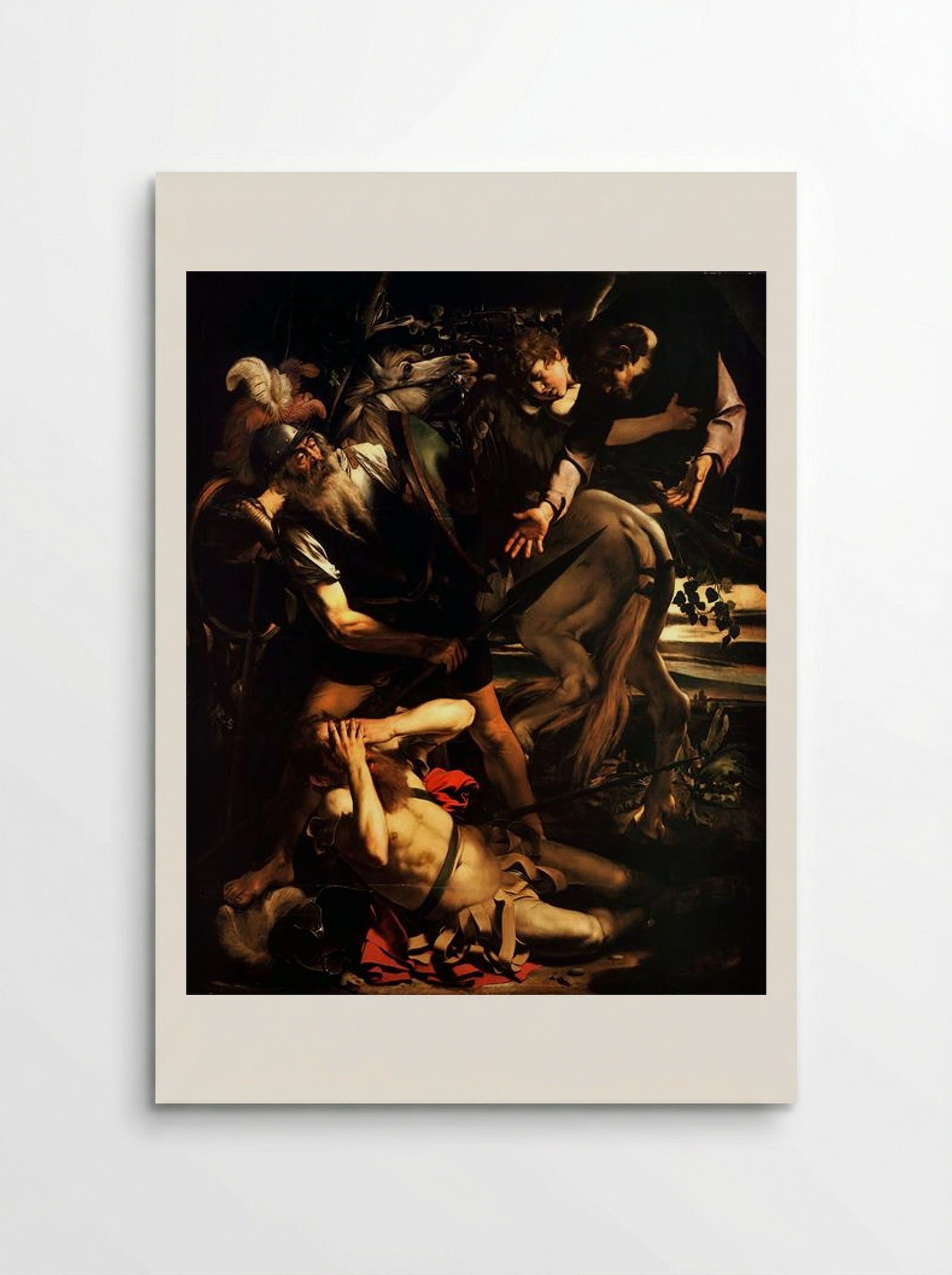
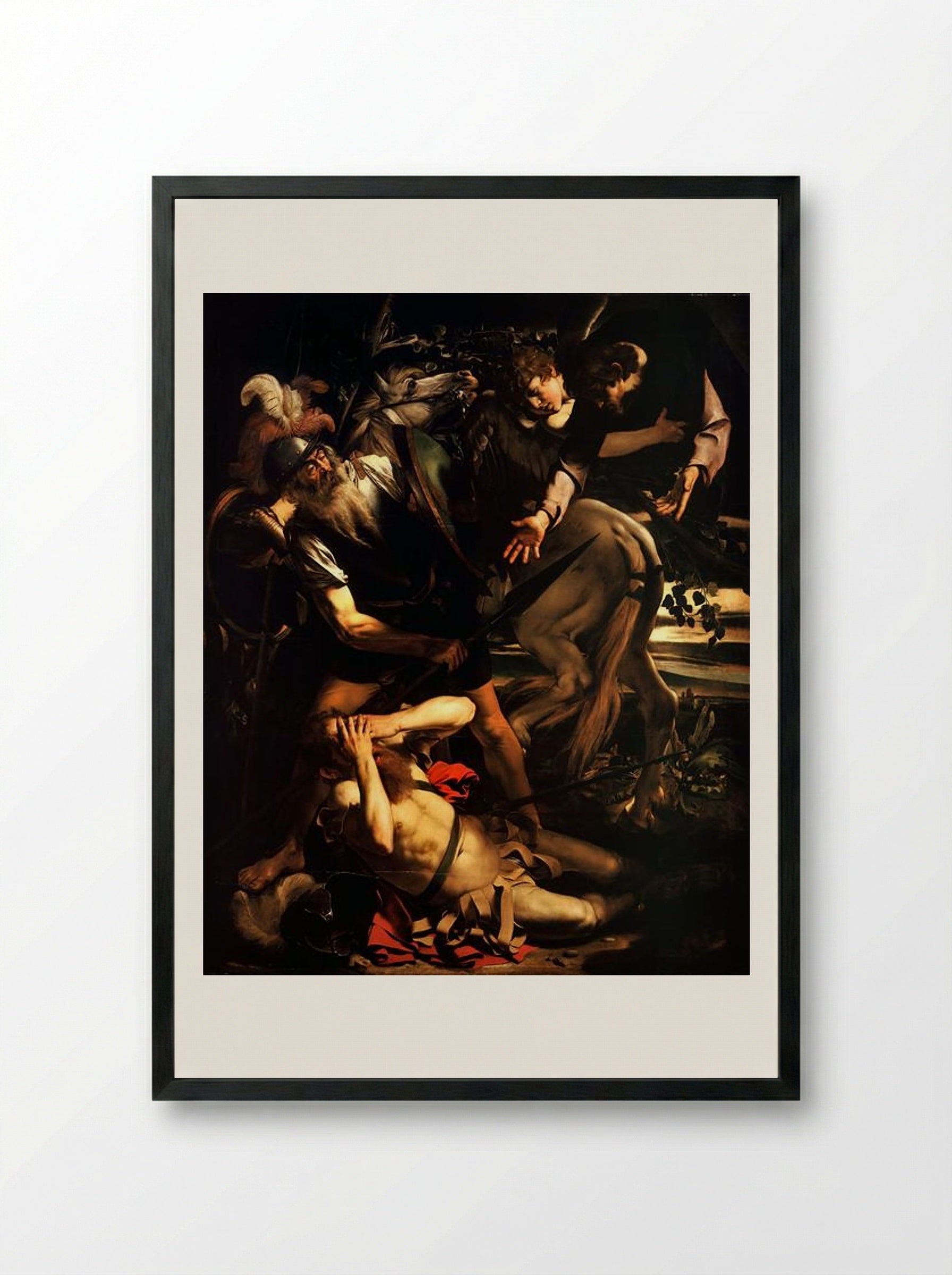 The Conversion of Saint Paul - Caravaggio
Print · Framed
Prix régulier À partir de £28.00 GBPPrix de vente À partir de £28.00 GBP Prix régulier -

 The Martyrdom of Saint Matthew - Caravaggio
Print · Framed
Prix régulier À partir de £37.00 GBPPrix de vente À partir de £37.00 GBP Prix régulier -
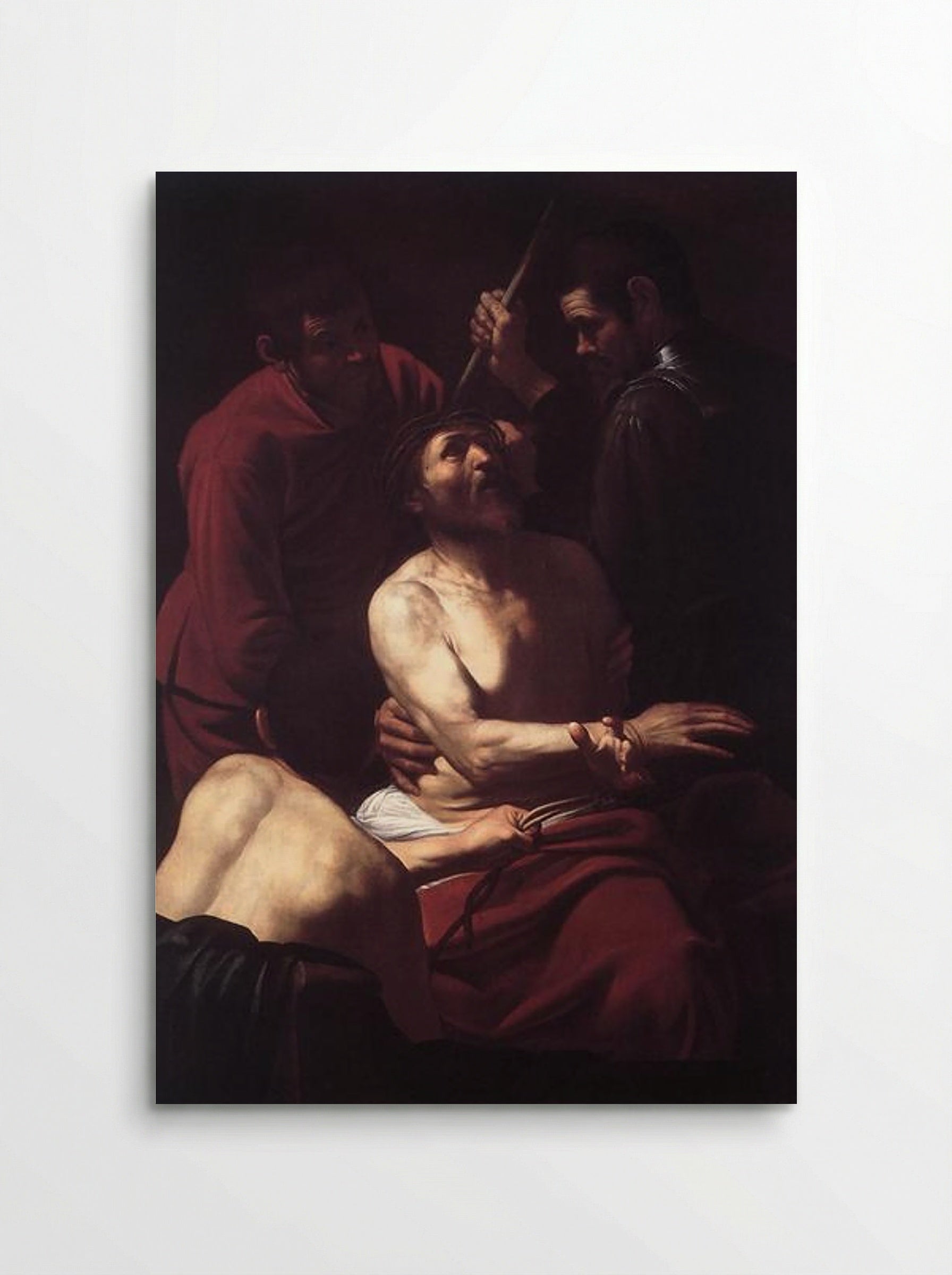
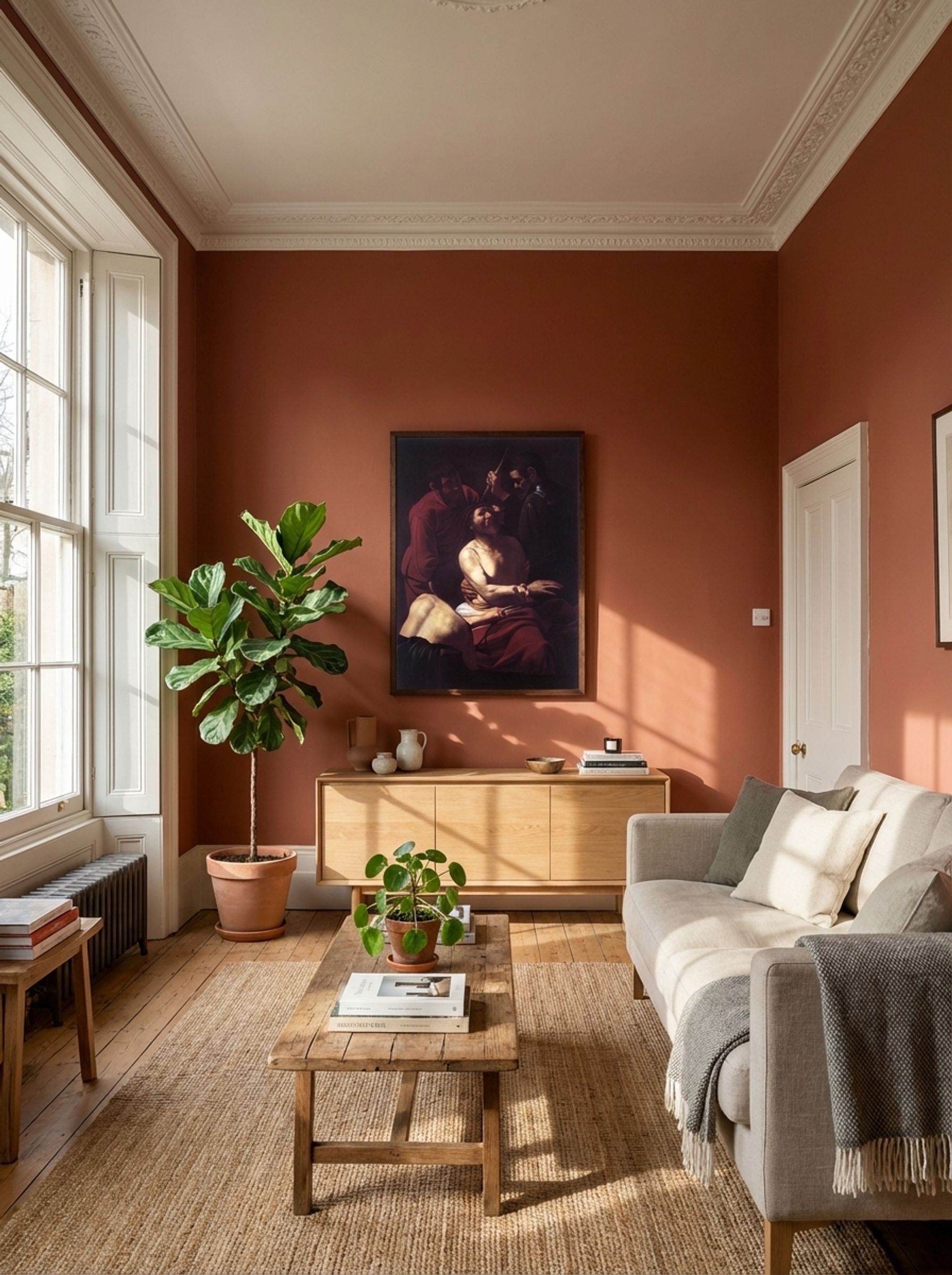 The Crowning with Thorns - Caravaggio
Print · Framed
Prix régulier À partir de £28.00 GBPPrix de vente À partir de £28.00 GBP Prix régulier -
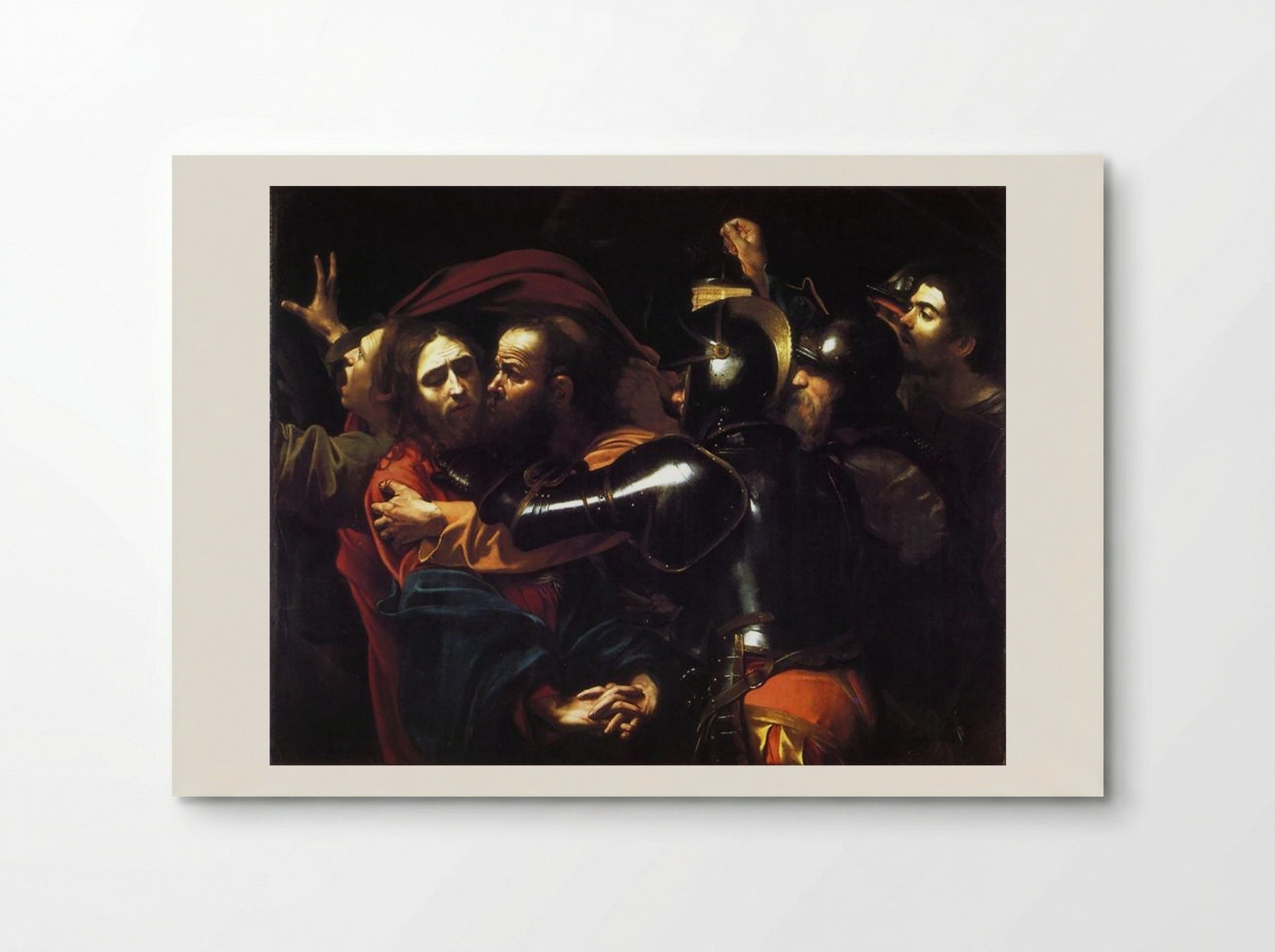
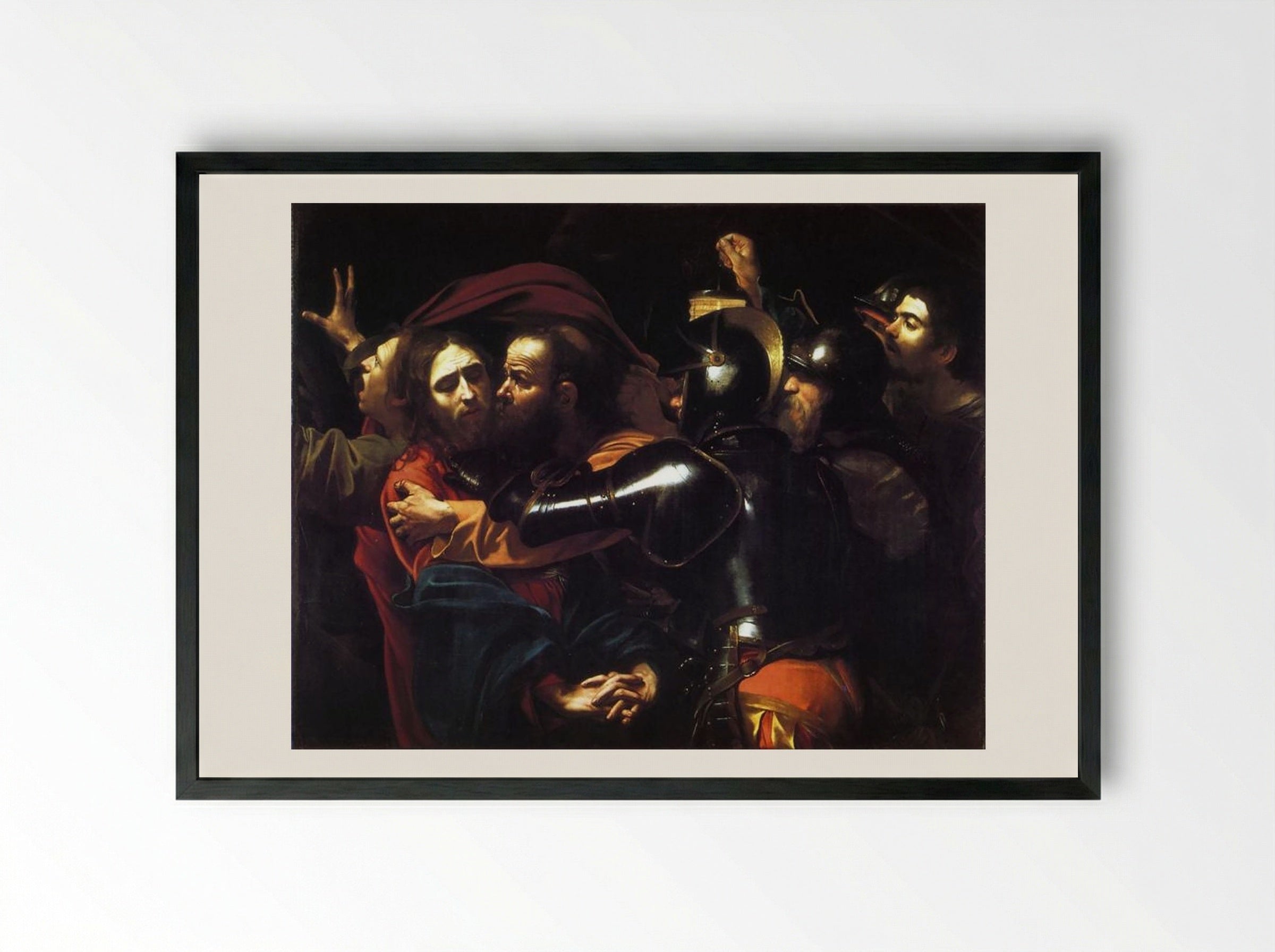 The Tooth Puller - Caravaggio
Print · Framed
Prix régulier À partir de £28.00 GBPPrix de vente À partir de £28.00 GBP Prix régulier -
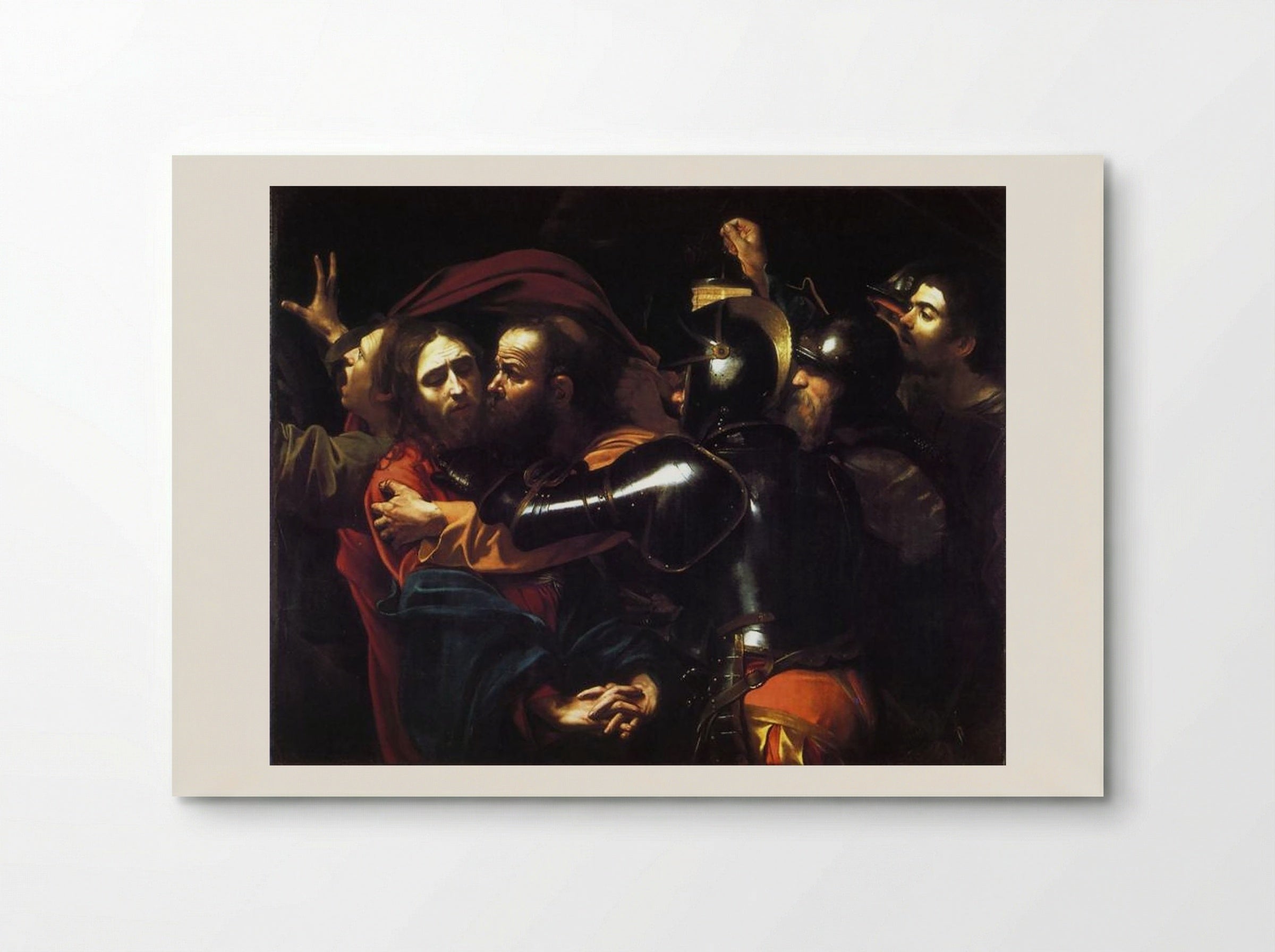
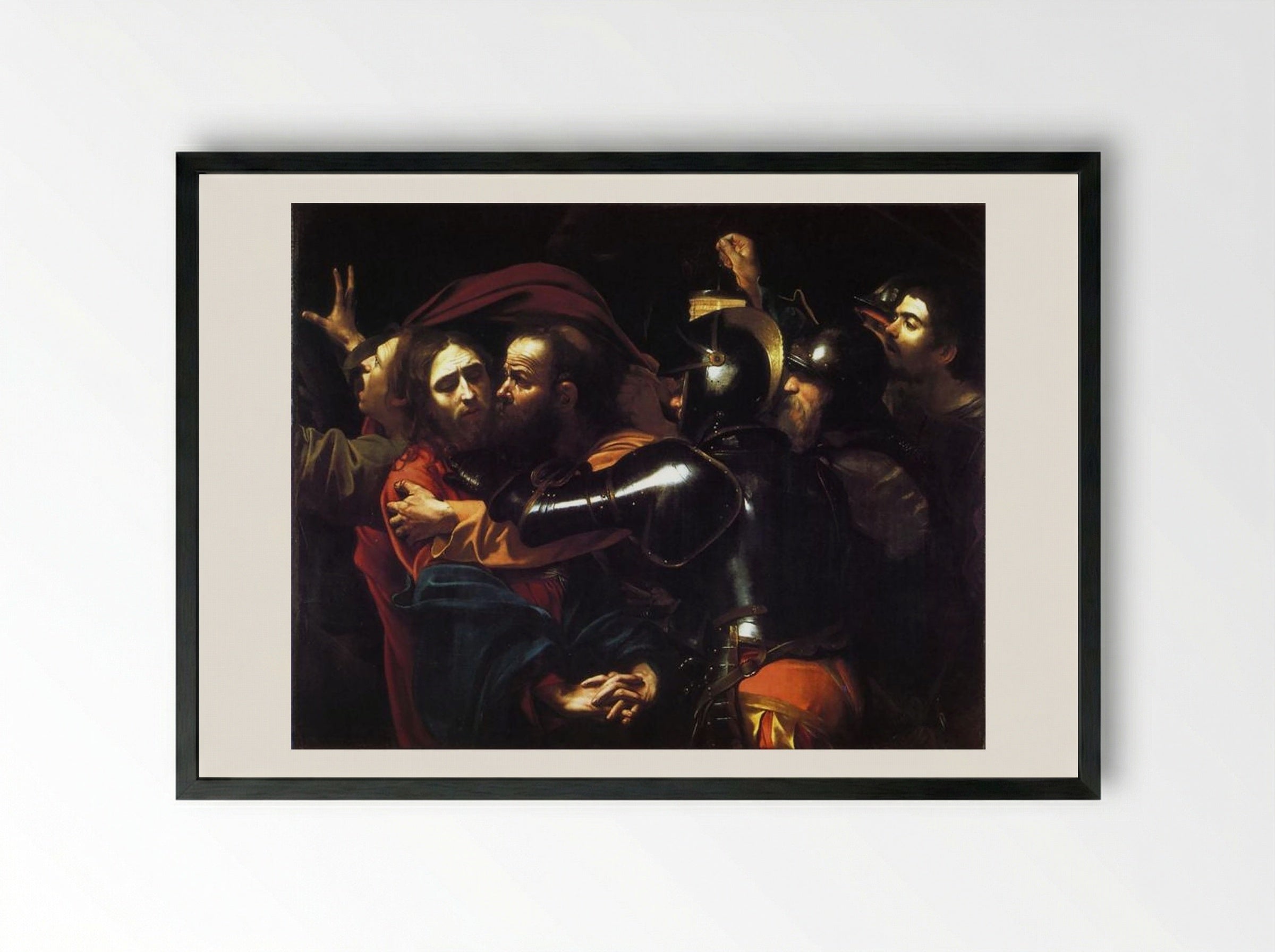 The Taking of Christ - Michelangelo Merisi da Caravaggio
Print · Framed
Prix régulier À partir de £28.00 GBPPrix de vente À partir de £28.00 GBP Prix régulier


Artist Biography
Caravaggio
Caravaggio killed a man in a fight over a tennis match. Or a gambling debt. Or a woman. The sources disagree. What is certain is that Ranuccio Tomassoni died on a Roman street in May 1606, Caravaggio held the sword, and the painter spent the last four years of his life on the run.
Before the killing, he had already transformed European painting. He arrived in Rome from Milan in the early 1590s, hungry and unknown, and within a decade had developed a method of painting from life, using strong directional light against deep shadow, that made the prevailing Mannerist style look theatrical and empty. He used real people as models: prostitutes, street boys, labourers. His saints had dirty feet. The Church commissioned altarpieces and then rejected them for being too vulgar, too real, too much like the people who actually attended church.
The Calling of Saint Matthew, painted for the Contarelli Chapel in San Luigi dei Francesi, is his method at its clearest. The light enters from the upper right like a blade. Matthew sits at a tax collector's table with his companions. Christ points. The scene looks like something you might see through a doorway, which is roughly the viewer's position. Nothing is idealised. The moment is ordinary and sacred simultaneously.
After the killing he fled to Naples, then Malta, then Sicily, then back to Naples. He kept painting. The late works are darker, faster, more desperate. He received a papal pardon and boarded a boat north. He died on a beach in Porto Ercole in July 1610, at thirty-eight. The cause is unknown: fever, infection, possibly lead poisoning from his paints. His influence on Rembrandt, Velazquez, Georges de La Tour, and every painter who has ever used a spotlight is difficult to overstate.
Before the killing, he had already transformed European painting. He arrived in Rome from Milan in the early 1590s, hungry and unknown, and within a decade had developed a method of painting from life, using strong directional light against deep shadow, that made the prevailing Mannerist style look theatrical and empty. He used real people as models: prostitutes, street boys, labourers. His saints had dirty feet. The Church commissioned altarpieces and then rejected them for being too vulgar, too real, too much like the people who actually attended church.
The Calling of Saint Matthew, painted for the Contarelli Chapel in San Luigi dei Francesi, is his method at its clearest. The light enters from the upper right like a blade. Matthew sits at a tax collector's table with his companions. Christ points. The scene looks like something you might see through a doorway, which is roughly the viewer's position. Nothing is idealised. The moment is ordinary and sacred simultaneously.
After the killing he fled to Naples, then Malta, then Sicily, then back to Naples. He kept painting. The late works are darker, faster, more desperate. He received a papal pardon and boarded a boat north. He died on a beach in Porto Ercole in July 1610, at thirty-eight. The cause is unknown: fever, infection, possibly lead poisoning from his paints. His influence on Rembrandt, Velazquez, Georges de La Tour, and every painter who has ever used a spotlight is difficult to overstate.


Why Choose Us ?