

Colección
Utagawa Kuniyoshi
Explora impresiones artísticas seleccionadas para hogares con carácter e interiores cuidados.
-
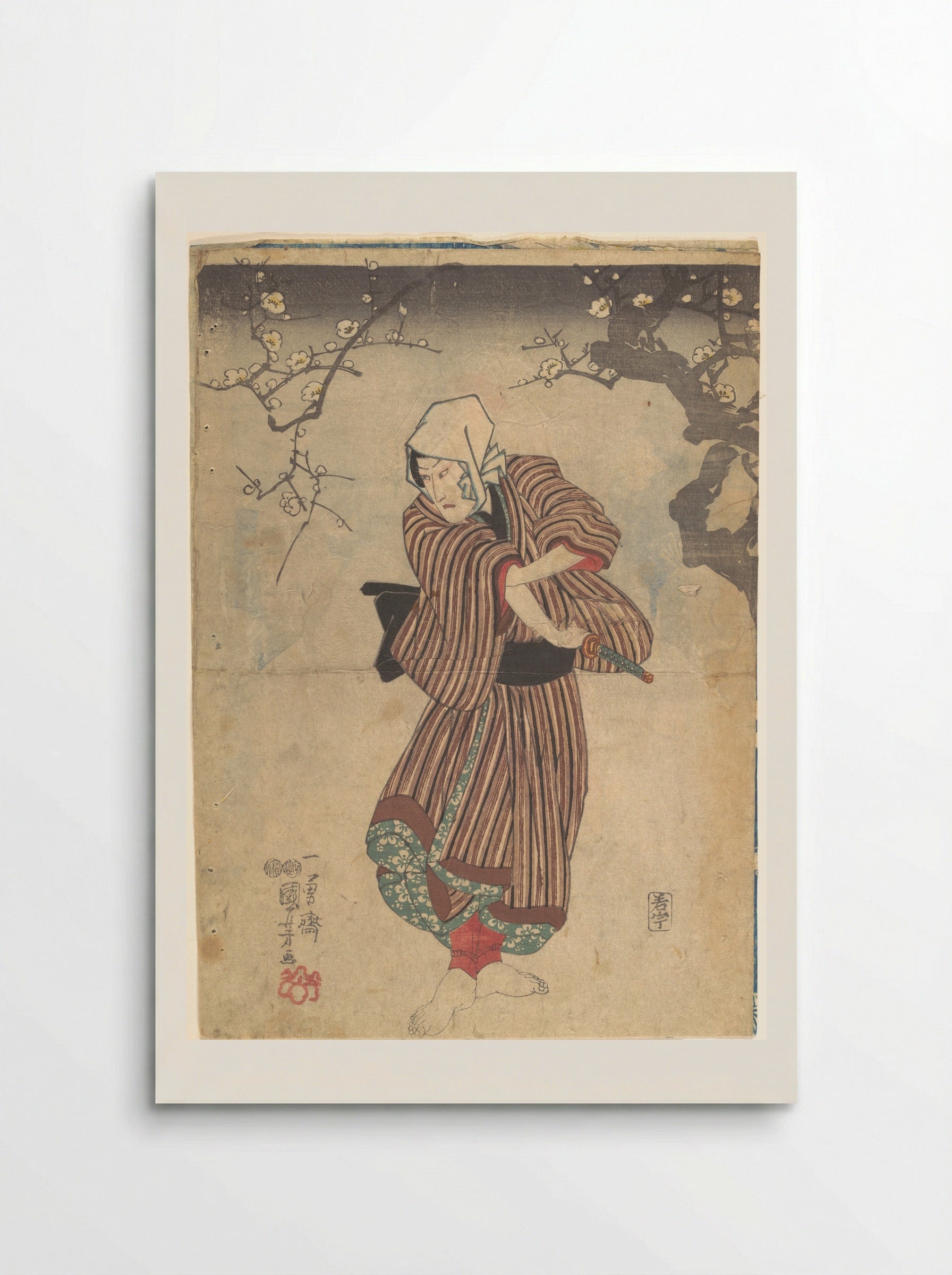 Actor como samurái con espada y flores de ciruelo - Utagawa Kuniyoshi
Print
Precio habitual Desde £28.00 GBPPrecio de oferta Desde £28.00 GBP Precio habitual -
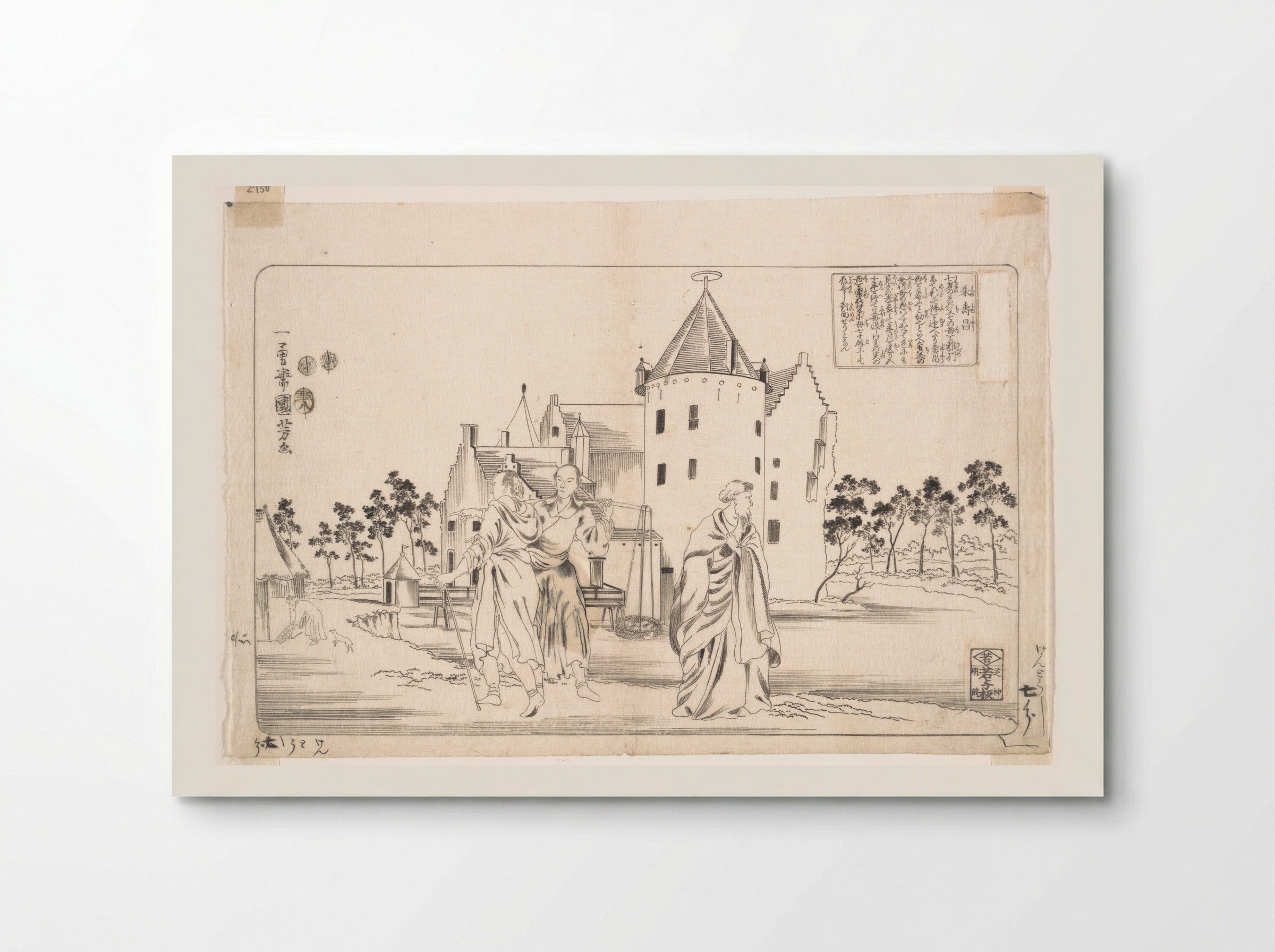 Zhu Shouchang - Utagawa Kuniyoshi
Print
Precio habitual Desde £28.00 GBPPrecio de oferta Desde £28.00 GBP Precio habitual -
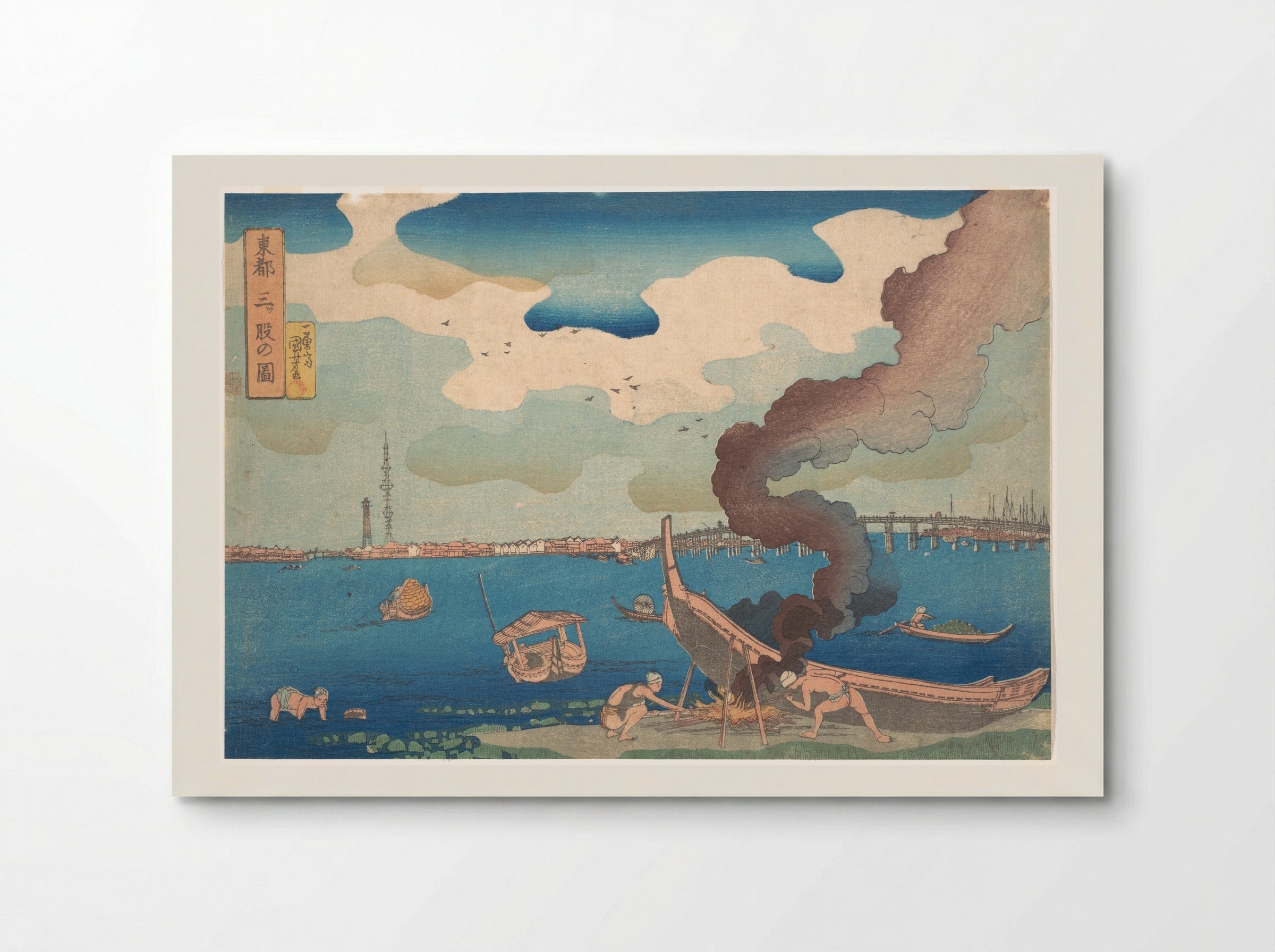 Imagen de Mitsumata - Utagawa Kuniyoshi
Print
Precio habitual Desde £28.00 GBPPrecio de oferta Desde £28.00 GBP Precio habitual -
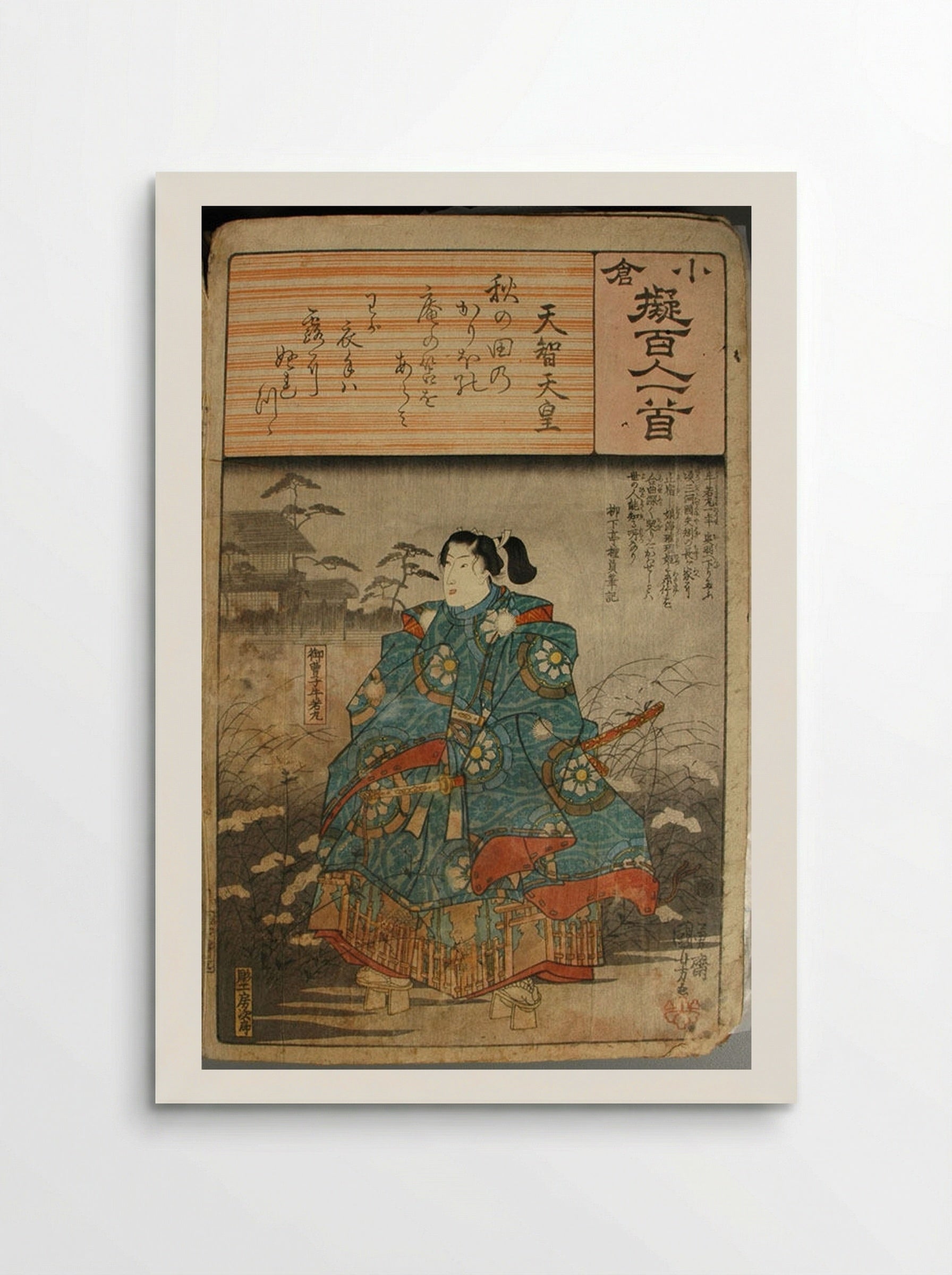 Álbum de noventa y ocho grabados de la serie Imitaciones de Ogura de cien poemas de cien poetas (Ogura nazorae hyakunin isshu) - Utagawa Kuniyoshi
Print
Precio habitual Desde £28.00 GBPPrecio de oferta Desde £28.00 GBP Precio habitual -
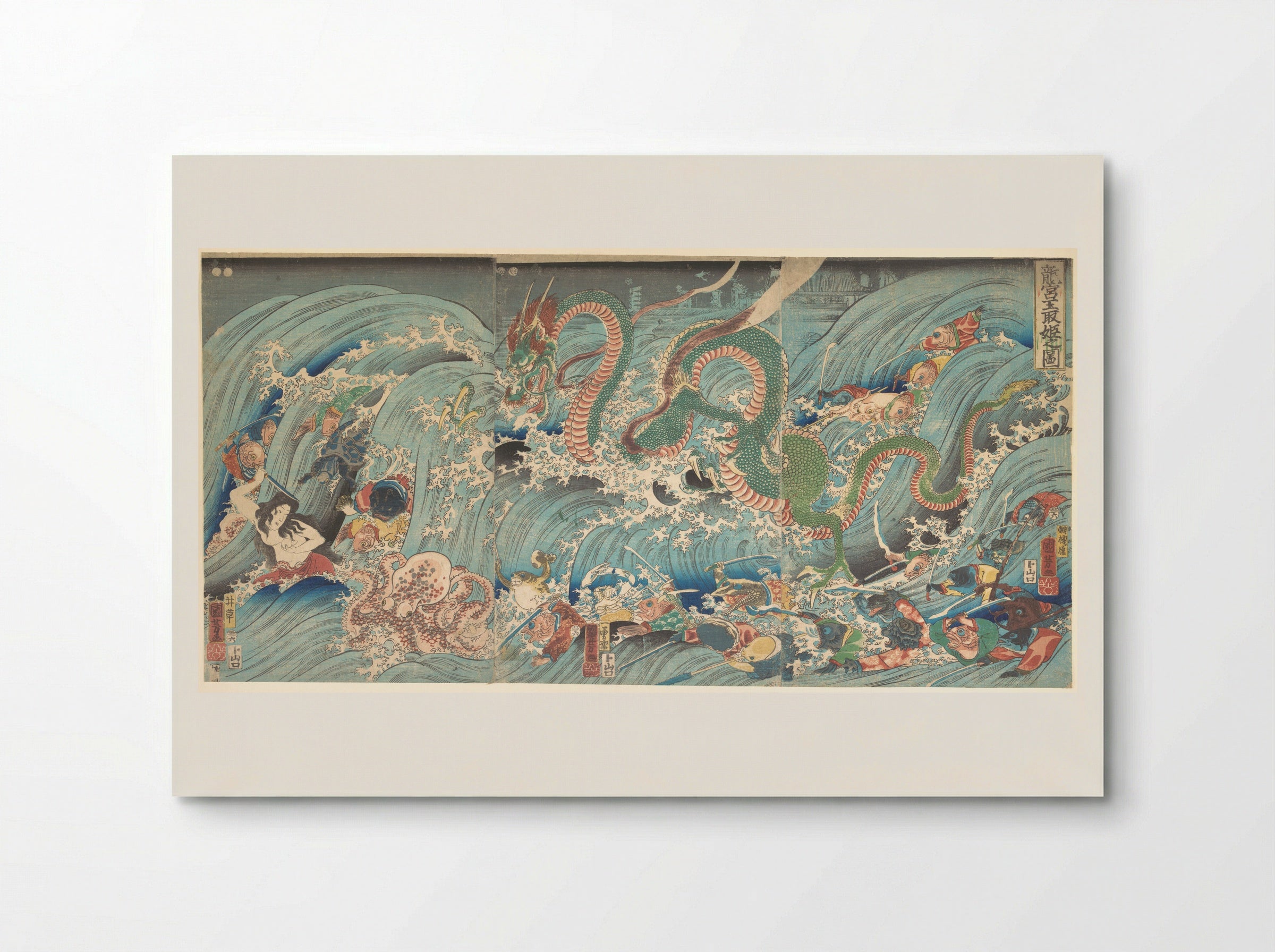 Recuperación de la joya robada del palacio del Rey Dragón - Utagawa Kuniyoshi
Print
Precio habitual Desde £28.00 GBPPrecio de oferta Desde £28.00 GBP Precio habitual -
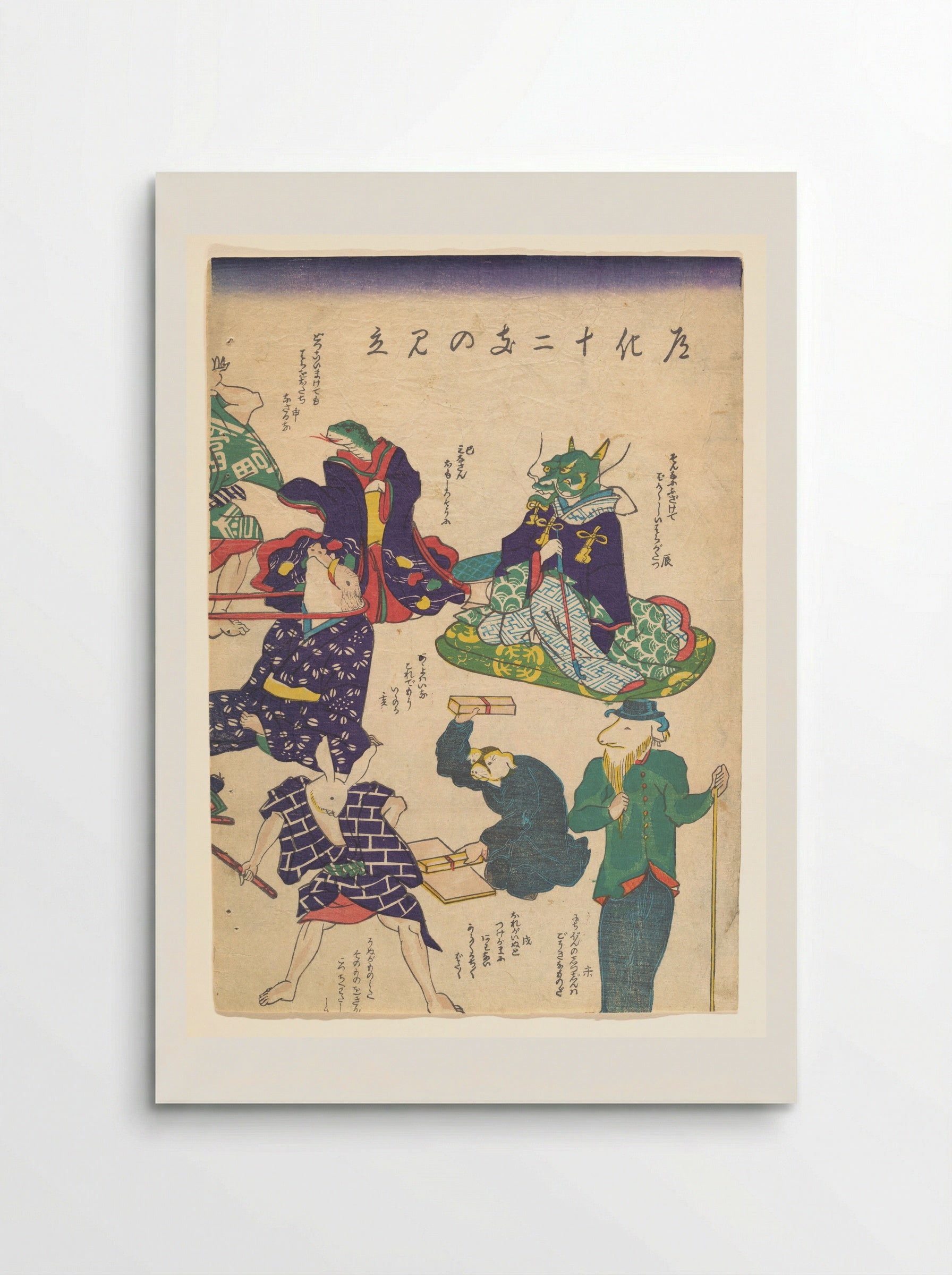 Artesano según los doce signos del zodiaco - Utagawa Kuniyoshi
Print
Precio habitual Desde £28.00 GBPPrecio de oferta Desde £28.00 GBP Precio habitual -
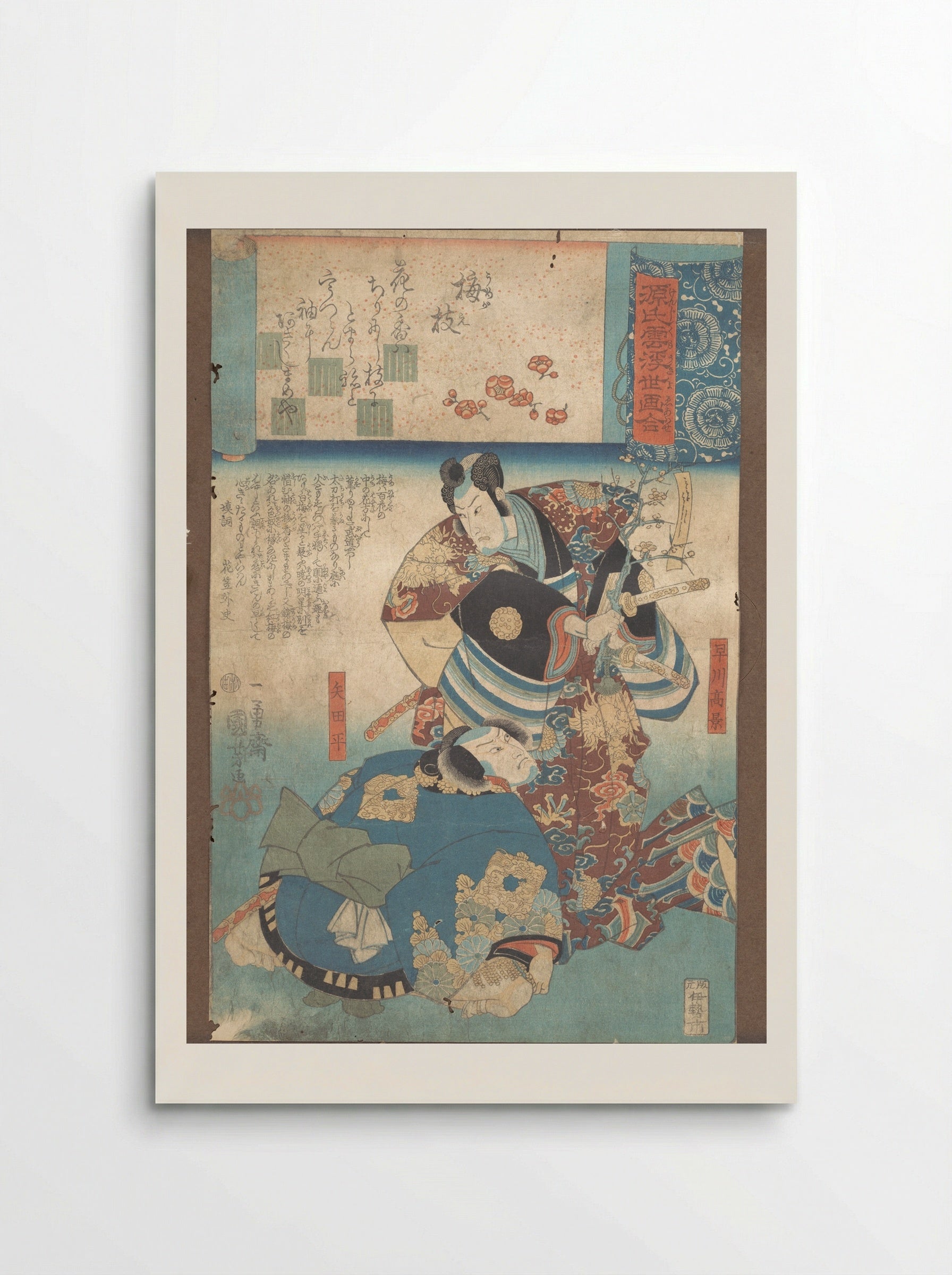 Una rama de ciruelo (Umegae) - Utagawa Kuniyoshi
Print · Framed
Precio habitual Desde £28.00 GBPPrecio de oferta Desde £28.00 GBP Precio habitual -
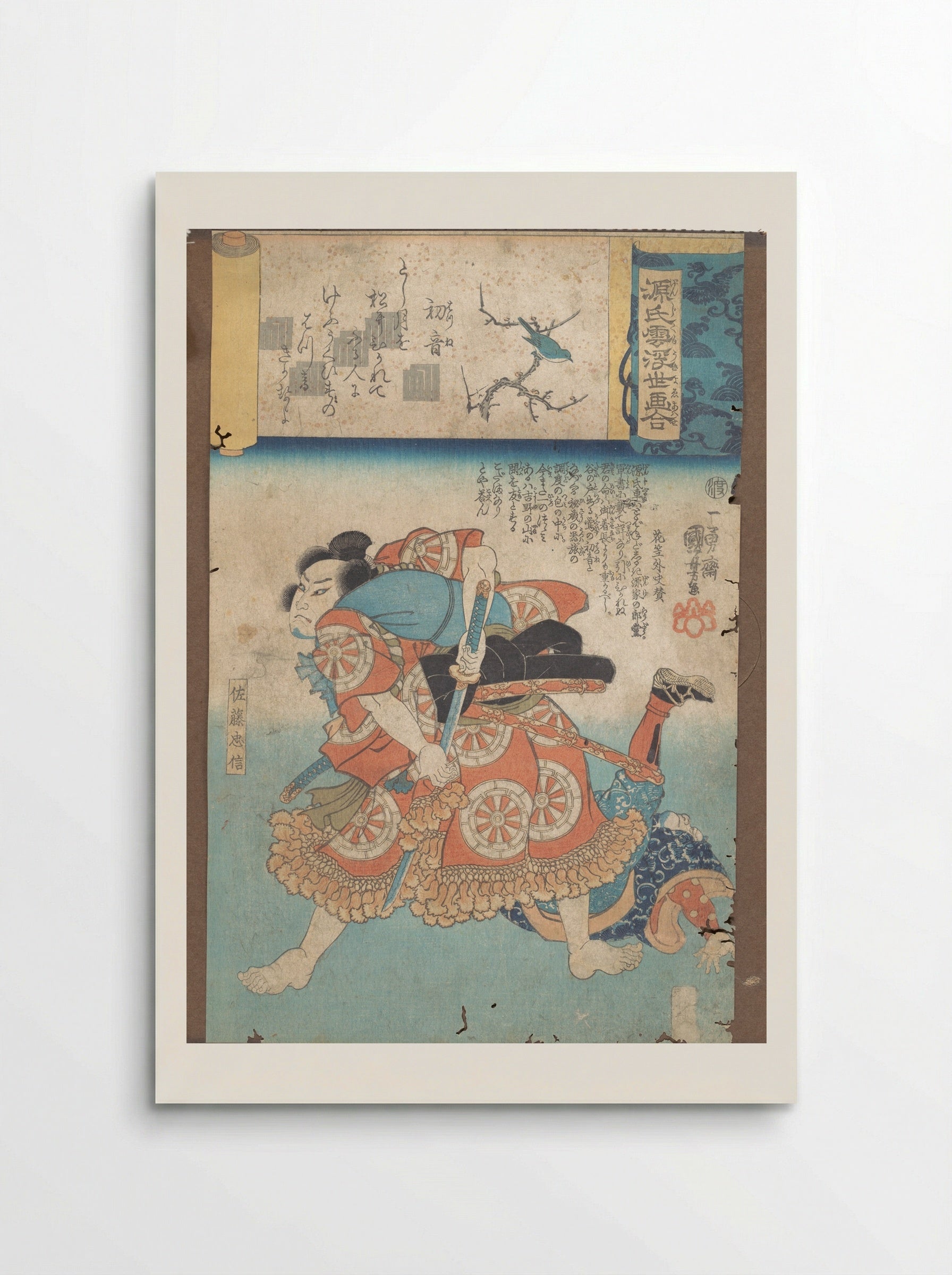 El primer ruiseñor - Utagawa Kuniyoshi
Print
Precio habitual Desde £28.00 GBPPrecio de oferta Desde £28.00 GBP Precio habitual -
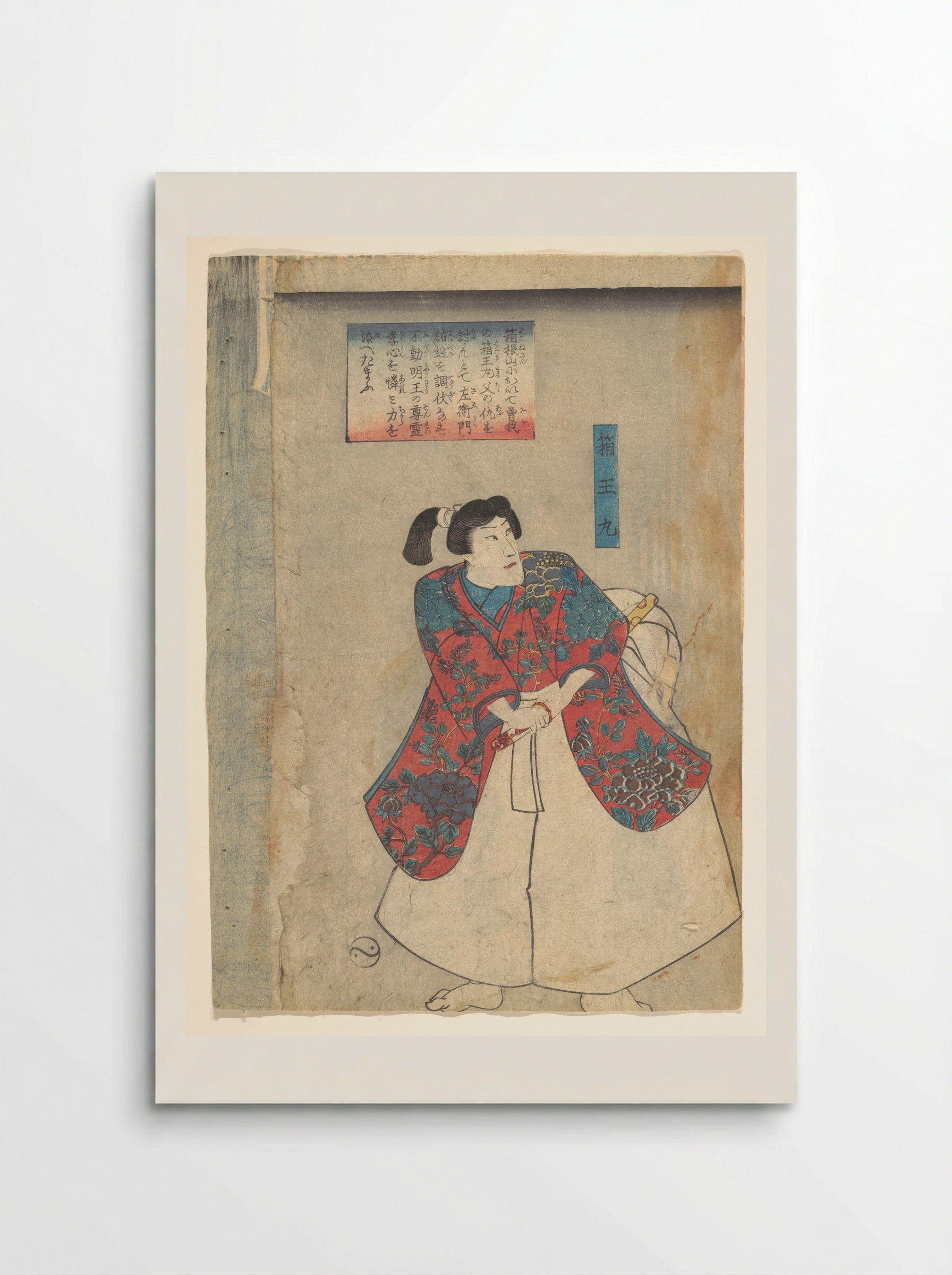 Hakoōmaru, Buyū chikara-gusa - Utagawa Kuniyoshi
Print
Precio habitual Desde £28.00 GBPPrecio de oferta Desde £28.00 GBP Precio habitual -
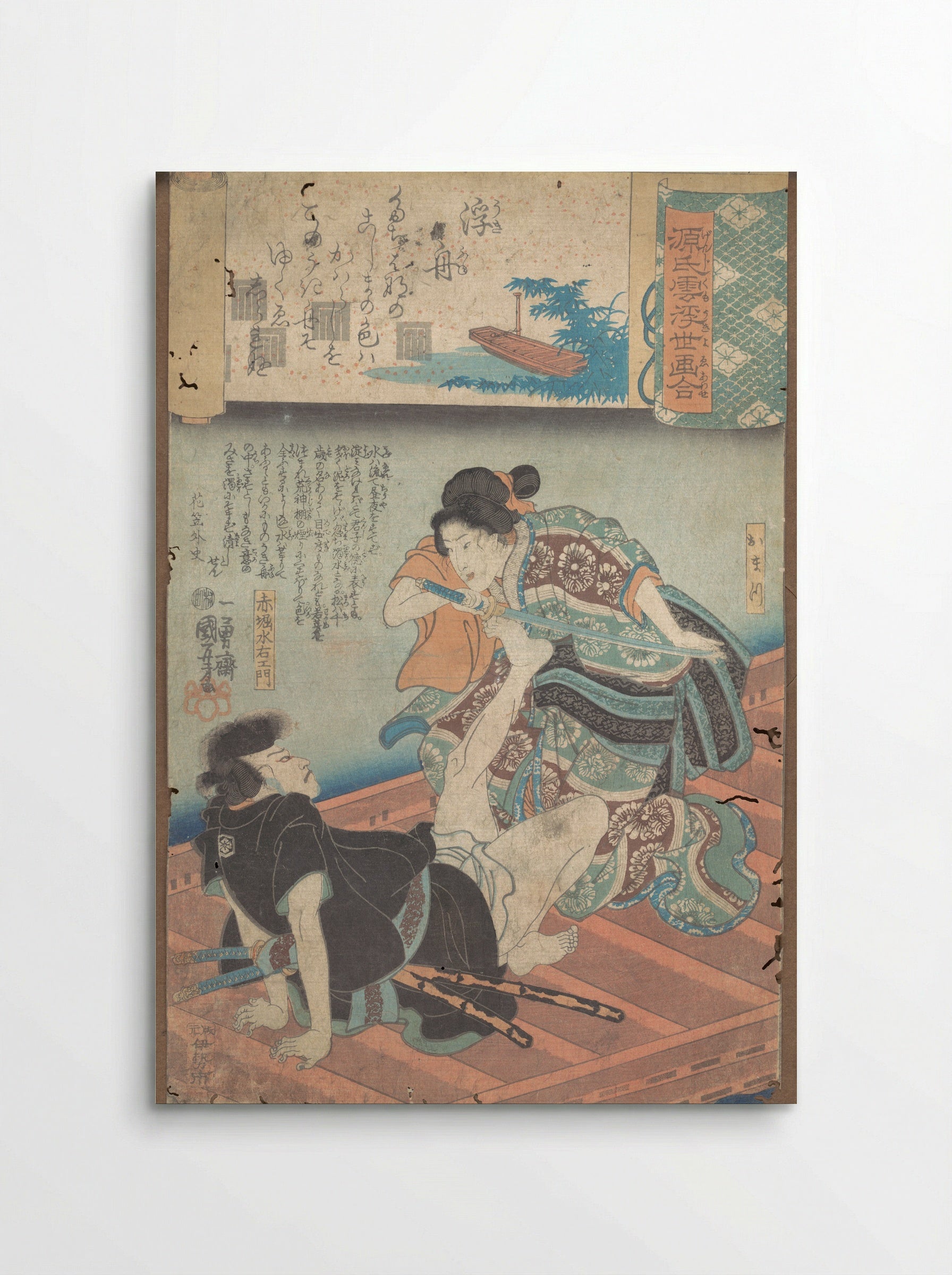 Un barco sobre las aguas - Utagawa Kuniyoshi
Print
Precio habitual Desde £28.00 GBPPrecio de oferta Desde £28.00 GBP Precio habitual -
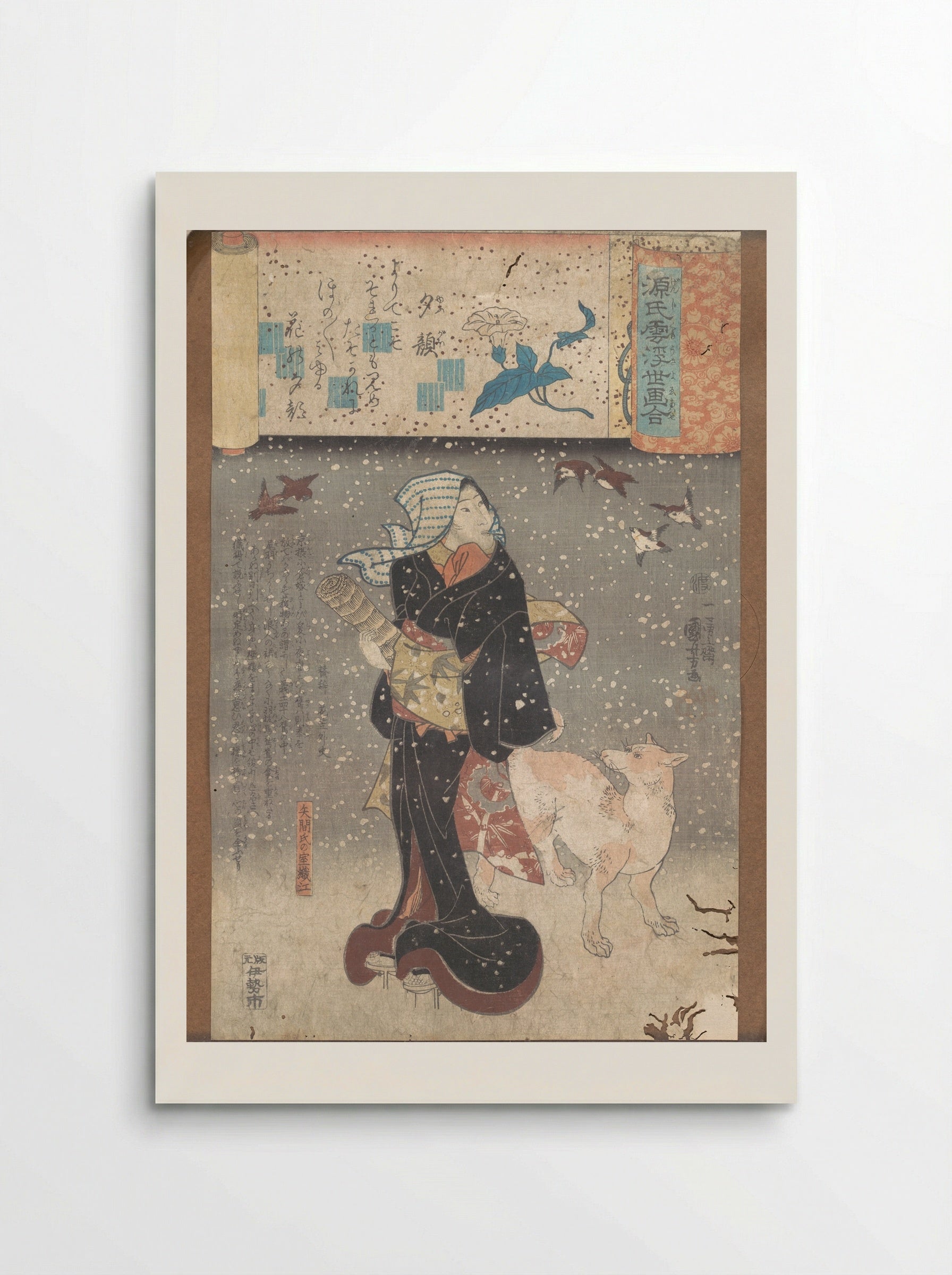 Rostros vespertinos - Utagawa Kuniyoshi
Print
Precio habitual Desde £28.00 GBPPrecio de oferta Desde £28.00 GBP Precio habitual -

 Jinzaburô, el sirviente de Shikamatsu Kanroku - Utagawa Kuniyoshi
Print · Framed
Precio habitual Desde £28.00 GBPPrecio de oferta Desde £28.00 GBP Precio habitual -

 Miura Jirōemon Kanetsune - Utagawa Kuniyoshi
Print · Framed
Precio habitual Desde £28.00 GBPPrecio de oferta Desde £28.00 GBP Precio habitual -

 Yoshida Chûzaemon Kanesuke - Utagawa Kuniyoshi
Print · Framed
Precio habitual Desde £28.00 GBPPrecio de oferta Desde £28.00 GBP Precio habitual -

 Kaida Yadaemon Tomonobu - Utagawa Kuniyoshi
Print · Framed
Precio habitual Desde £28.00 GBPPrecio de oferta Desde £28.00 GBP Precio habitual -

 Hayano Kanpei Tsuneyo - Utagawa Kuniyoshi
Print · Framed
Precio habitual Desde £28.00 GBPPrecio de oferta Desde £28.00 GBP Precio habitual -

 Hara Gôemon Mototoki - Utagawa Kuniyoshi
Print · Framed
Precio habitual Desde £28.00 GBPPrecio de oferta Desde £28.00 GBP Precio habitual -

 Sumino Jûheiji Tsugufusa - Utagawa Kuniyoshi
Print · Framed
Precio habitual Desde £28.00 GBPPrecio de oferta Desde £28.00 GBP Precio habitual -

 Mase Chûdayû Masaaki - Utagawa Kuniyoshi
Print · Framed
Precio habitual Desde £28.00 GBPPrecio de oferta Desde £28.00 GBP Precio habitual -

 Yazama Kihei Mitsunobu - Utagawa Kuniyoshi
Print · Framed
Precio habitual Desde £28.00 GBPPrecio de oferta Desde £28.00 GBP Precio habitual -

 Tokuda Magodayû Shigemori - Utagawa Kuniyoshi
Print · Framed
Precio habitual Desde £28.00 GBPPrecio de oferta Desde £28.00 GBP Precio habitual -

 Shikamatsu Kanroku Yukishige - Utagawa Kuniyoshi
Print · Framed
Precio habitual Desde £28.00 GBPPrecio de oferta Desde £28.00 GBP Precio habitual -

 Admirando un farol con un paisaje pintado - Utagawa Kuniyoshi
Print · Framed
Precio habitual Desde £28.00 GBPPrecio de oferta Desde £28.00 GBP Precio habitual -

 Escribiendo una etiqueta para crisantemos - Utagawa Kuniyoshi
Print · Framed
Precio habitual Desde £28.00 GBPPrecio de oferta Desde £28.00 GBP Precio habitual


Artist Biography
Utagawa Kuniyoshi
Kuniyoshi's father was a silk dyer in Edo. The boy helped with pattern design, which gave him an instinct for colour and textile decoration that shows in every print he made. At twelve he caught the attention of Utagawa Toyokuni, the head of the Utagawa school, and was admitted as a student. He was given the name Kuniyoshi in 1814 and became independent.
For the first thirteen years he struggled. The breakthrough came in 1827 with a commission to illustrate the 108 Heroes of the Suikoden, a Chinese adventure novel. He drew tattooed warriors in dynamic poses that broke out of the frame, the tattoos rendered with a detail that started a fashion in Edo. The series was enormously popular and established him as the leading designer of warrior prints.
He loved cats. His studio was always full of them, and he often worked with a kitten tucked inside his kimono. When a cat died, he sent it to a nearby temple, and he kept a Buddhist altar for his deceased cats at home. Cats appear constantly in his prints: as substitute actors in kabuki scenes, as letter-forms in playful alphabets, as parodies of famous paintings. Government censorship in the 1840s prohibited the depiction of actors and courtesans by name, so Kuniyoshi gave them cat faces, which was technically legal and funnier.
His range was unusual for an ukiyo-e artist. Warriors, landscapes, beautiful women, ghosts, satirical cartoons, cats. He was equally comfortable with the heroic and the absurd, sometimes on the same sheet. His triptych of the giant skeleton spectre, from the tale of Takiyasha the Witch, is one of the most reproduced images in Japanese art.


¿Por qué elegirnos?