

Colección
Maximilien Luce
Explora impresiones artísticas seleccionadas para hogares con carácter e interiores cuidados.
-

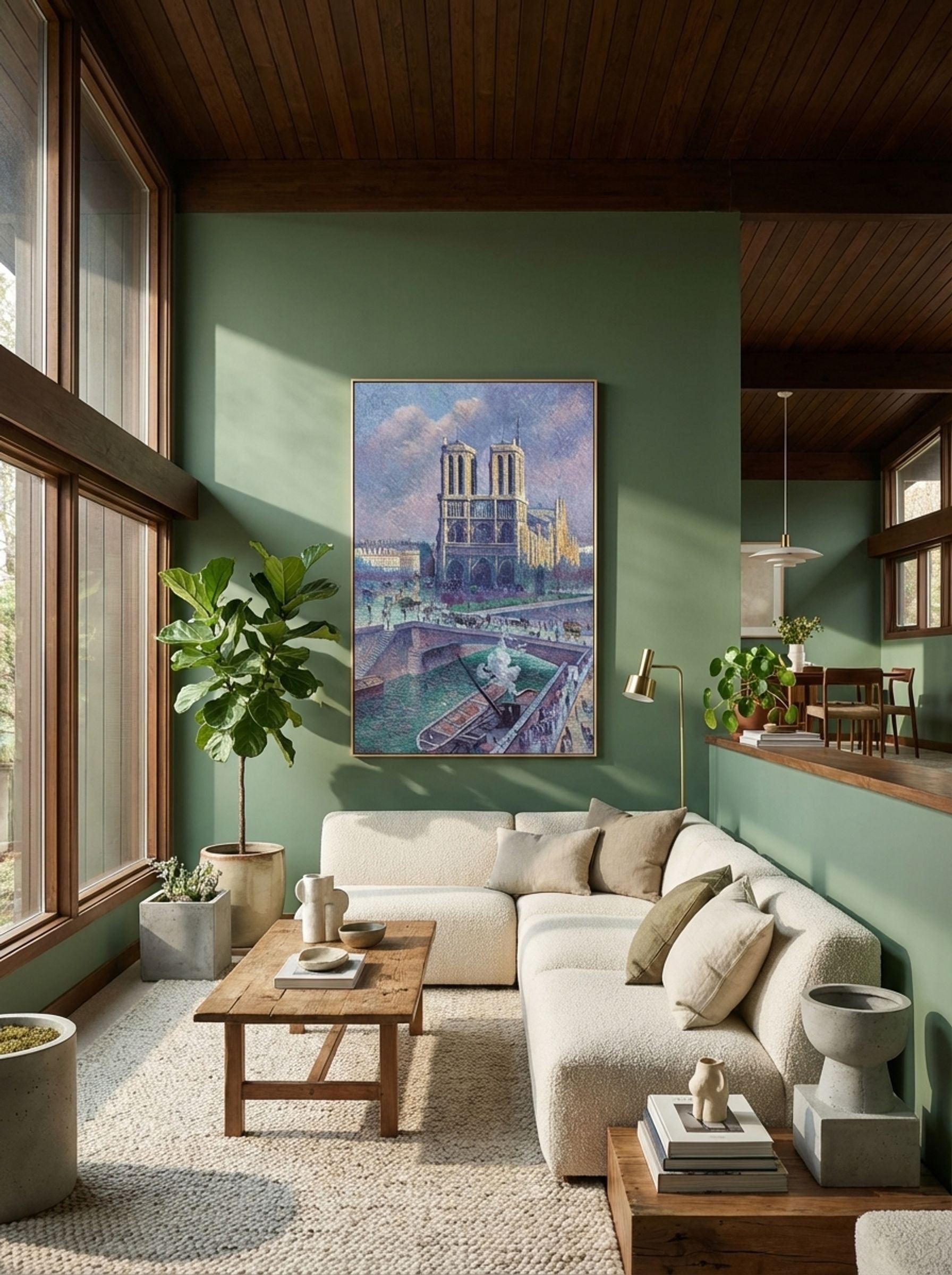 Notre Dame de Paris - Maximilien Luce
Print · Framed
Precio habitual Desde £28.00 GBPPrecio de oferta Desde £28.00 GBP Precio habitual -

 Paisaje cerca de Méréville - Maximilien Luce
Print · Framed
Precio habitual Desde £37.00 GBPPrecio de oferta Desde £37.00 GBP Precio habitual -

 Fábricas cerca de Charleroi - Maximilien Luce
Print · Framed
Precio habitual Desde £28.00 GBPPrecio de oferta Desde £28.00 GBP Precio habitual -

 Escena callejera en París - Maximilien Luce
Print · Framed
Precio habitual Desde £28.00 GBPPrecio de oferta Desde £28.00 GBP Precio habitual -

 Terril de carbón - Maximilien Luce
Print · Framed
Precio habitual Desde £28.00 GBPPrecio de oferta Desde £28.00 GBP Precio habitual -

 Madame Luce en el balcón - Maximilien Luce
Print · Framed
Precio habitual Desde £28.00 GBPPrecio de oferta Desde £28.00 GBP Precio habitual -

 El muelle Saint-Michel y Notre-Dame - Maximilien Luce
Print · Framed
Precio habitual Desde £28.00 GBPPrecio de oferta Desde £28.00 GBP Precio habitual -

 El puerto de Saint-Tropez - Maximilien Luce
Print · Framed
Precio habitual Desde £28.00 GBPPrecio de oferta Desde £28.00 GBP Precio habitual


Artist Biography
Maximilien Luce
Maximilien Luce was not only a painter but also a committed anarchist, and his political beliefs often influenced his artistic choices. He depicted working-class life and social unrest, offering a perspective rarely seen within the Pointillist movement. While many of his contemporaries focused on landscapes or bourgeois leisure, Luce turned his attention to factories, construction sites, and scenes of labour, imbuing his works with social commentary.
Luce embraced Pointillism, or Neo-Impressionism, following the lead of Georges Seurat and Paul Signac. This technique involved applying small, distinct dots of colour to the canvas, which then blend in the viewer's eye to create a unified image. Unlike Seurat, who sought a scientific precision, Luce used Pointillism to capture the energy and dynamism of modern life, particularly the industrial world. His paintings demonstrate a fascination with light and colour and an interest in capturing the atmosphere of his subjects.
Today, Luce's art appeals to collectors interested in works that combine aesthetic beauty with social consciousness. His scenes of working-class life offer a window into a specific historical moment, while his Pointillist technique provides visual appeal. His paintings stand out from typical Impressionist subjects, making them attractive to those seeking something different.
Related Artists


¿Por qué elegirnos?