

Colección
Mary Cassatt
Explora impresiones artísticas seleccionadas para hogares con carácter e interiores cuidados.
-
 Sra. Robert Simpson Cassatt - Mary Cassatt
Print
Precio habitual Desde £28.00 GBPPrecio de oferta Desde £28.00 GBP Precio habitual -
 Bebé recostado sobre el regazo de su madre, estirándose para alcanzar un pañuelo - Mary Cassatt
Print
Precio habitual Desde £28.00 GBPPrecio de oferta Desde £28.00 GBP Precio habitual -
 Madre y Sara admirando al bebé - Mary Cassatt
Print
Precio habitual Desde £28.00 GBPPrecio de oferta Desde £28.00 GBP Precio habitual -
 Retrato de Margaret Milligan Sloan (n.º 2) - Mary Cassatt
Print
Precio habitual Desde £28.00 GBPPrecio de oferta Desde £28.00 GBP Precio habitual -
 Lydia tejiendo en el jardín de Marly - Mary Cassatt
Print
Precio habitual Desde £28.00 GBPPrecio de oferta Desde £28.00 GBP Precio habitual -
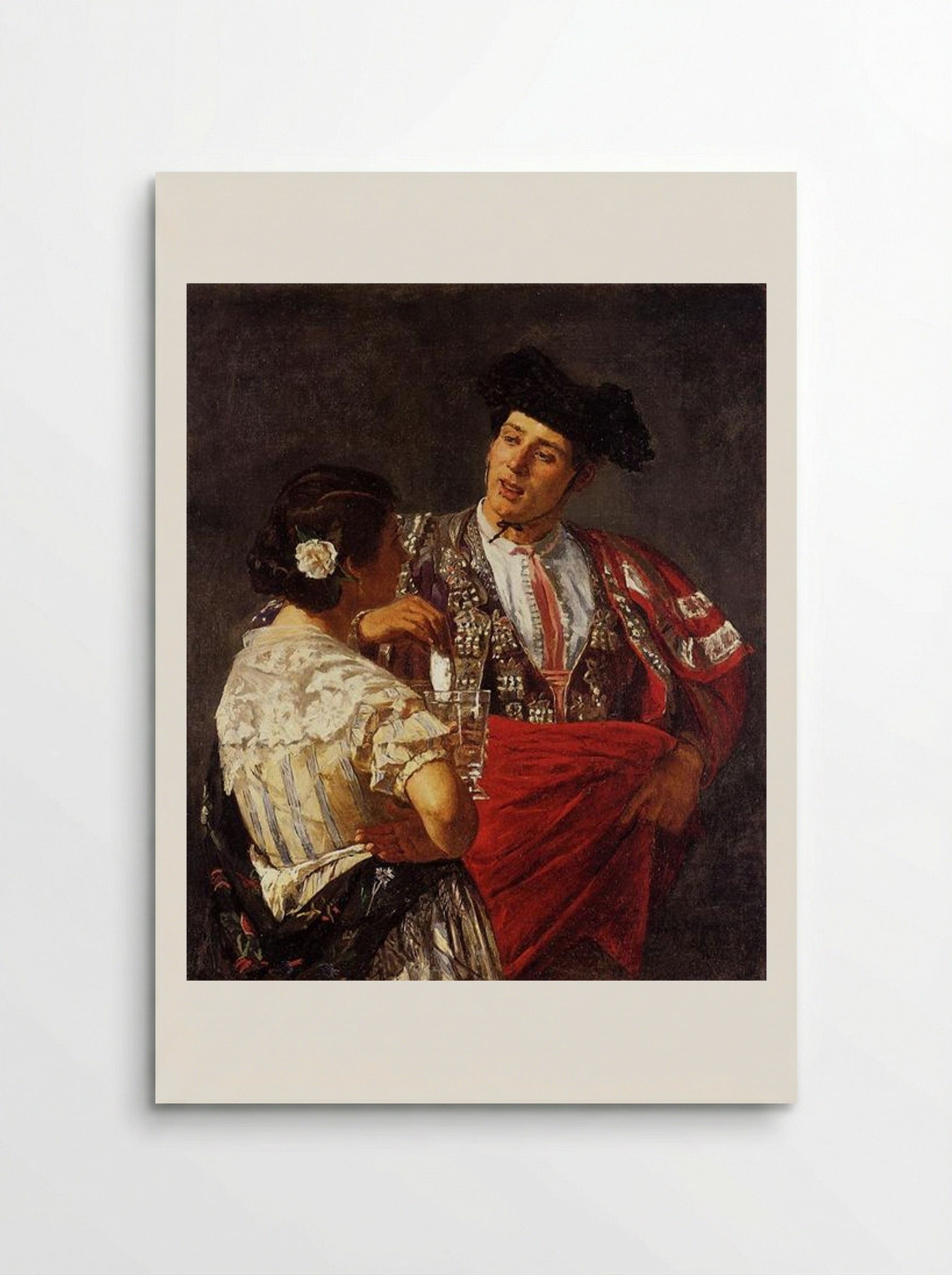 Ofrenda del pañuelo al torero - Mary Cassatt
Print
Precio habitual Desde £28.00 GBPPrecio de oferta Desde £28.00 GBP Precio habitual -
 La señora Cassatt leyendo a sus nietos - Mary Cassatt
Print
Precio habitual Desde £28.00 GBPPrecio de oferta Desde £28.00 GBP Precio habitual -
 Joven arreglándose el cabello - Mary Cassatt
Print
Precio habitual Desde £28.00 GBPPrecio de oferta Desde £28.00 GBP Precio habitual -
 Joven cosiendo en el jardín - Mary Cassatt
Print
Precio habitual Desde £28.00 GBPPrecio de oferta Desde £28.00 GBP Precio habitual -
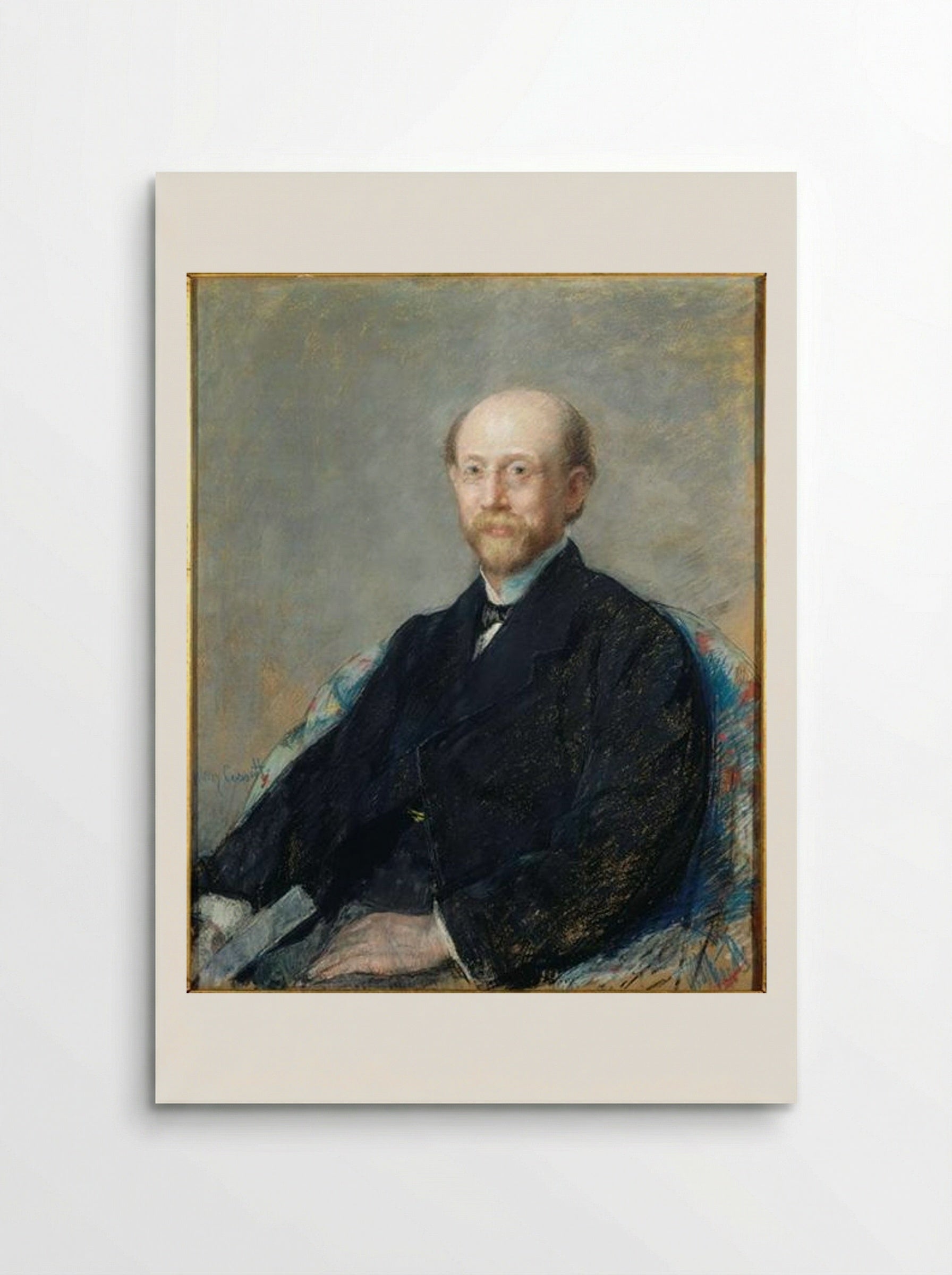 Retrato de Moses Dreyfus - Mary Cassatt
Print
Precio habitual Desde £28.00 GBPPrecio de oferta Desde £28.00 GBP Precio habitual -
 Margot - Mary Cassatt
Print
Precio habitual Desde £28.00 GBPPrecio de oferta Desde £28.00 GBP Precio habitual -
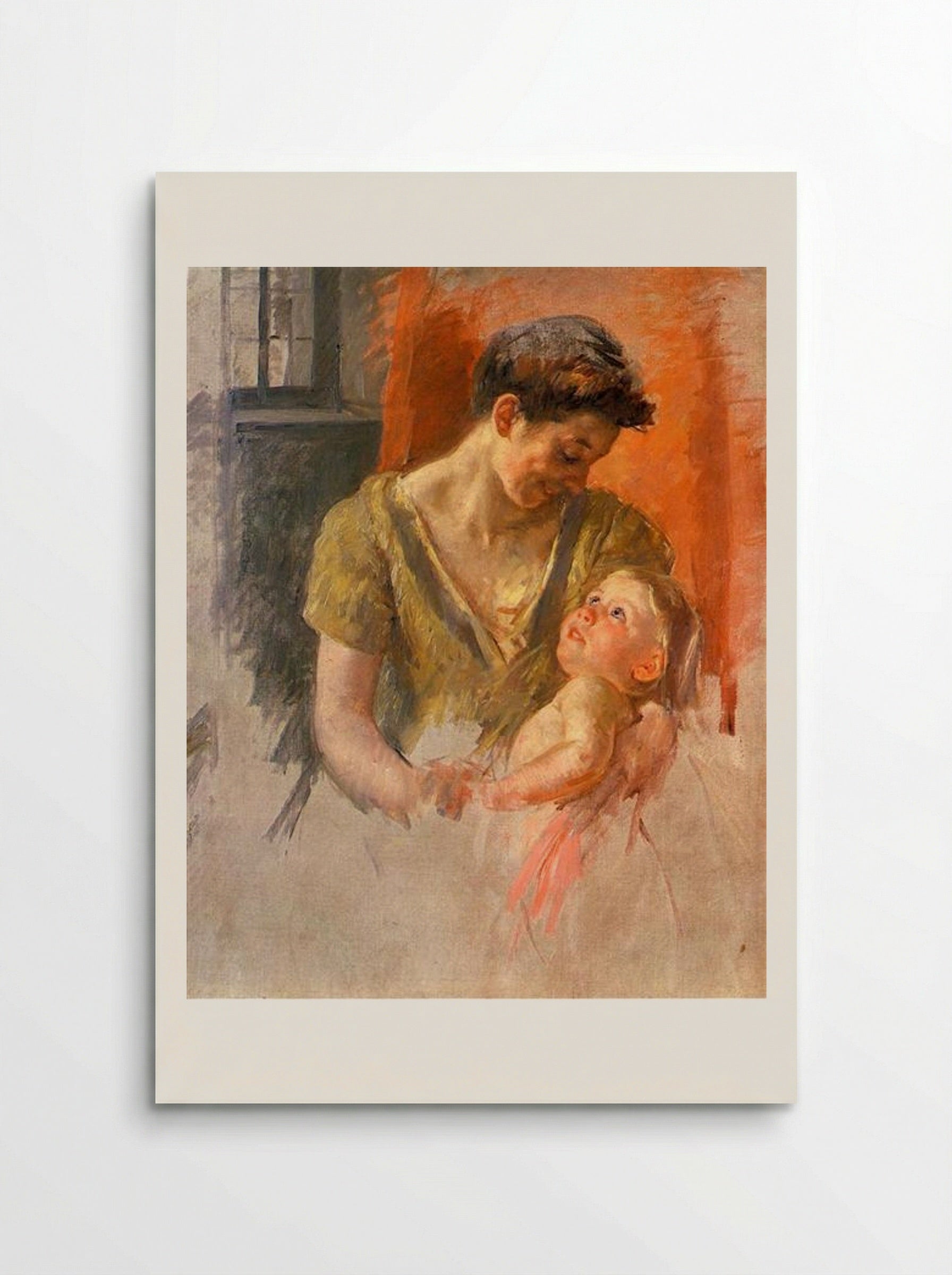 Madre e hijo sonriéndose - Mary Cassatt
Print
Precio habitual Desde £28.00 GBPPrecio de oferta Desde £28.00 GBP Precio habitual -
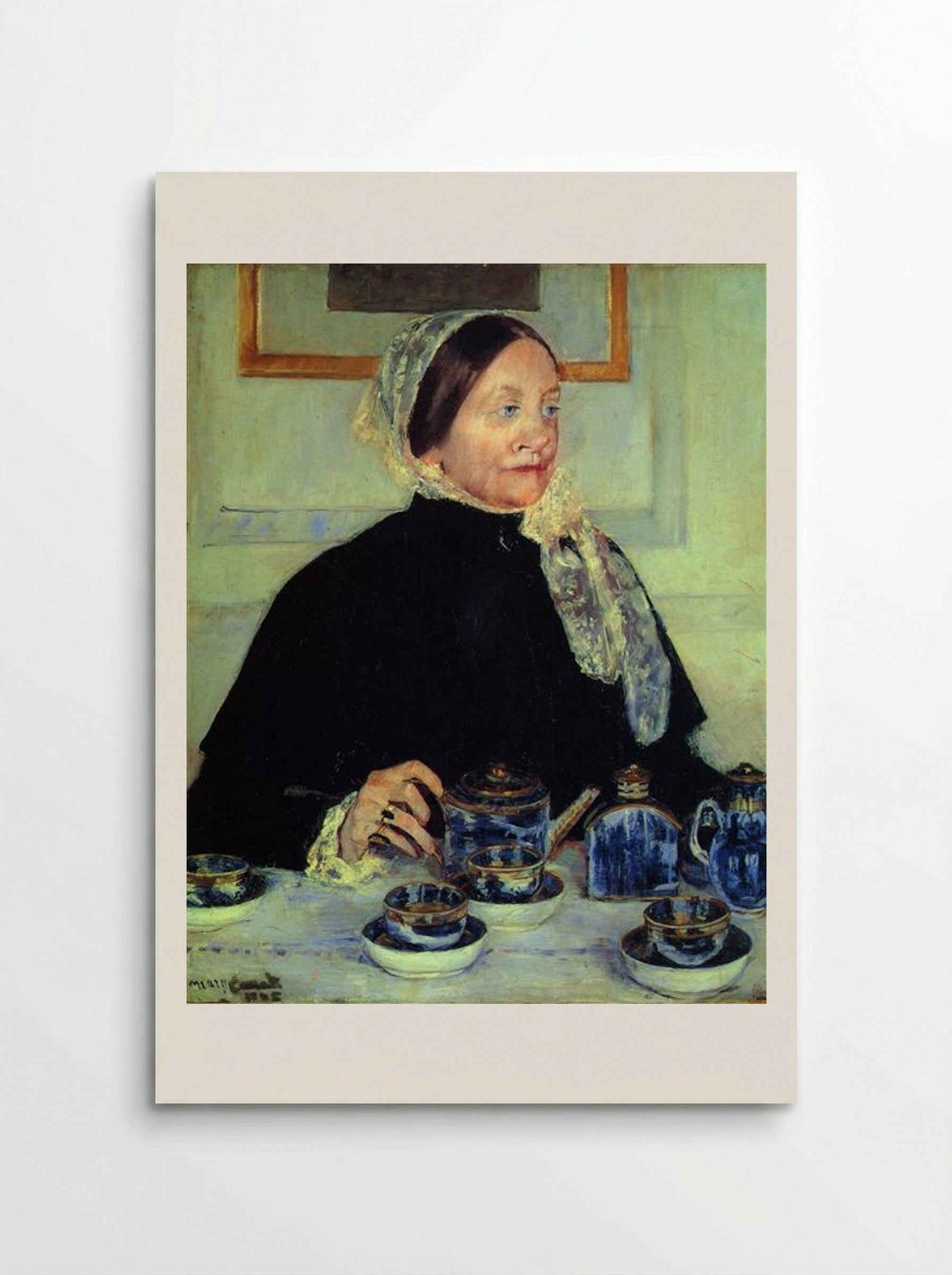 Dama en la mesa de té - Mary Cassatt
Print
Precio habitual Desde £28.00 GBPPrecio de oferta Desde £28.00 GBP Precio habitual -

 Mujer de pie, sosteniendo un abanico - Mary Cassatt
Print · Framed
Precio habitual Desde £28.00 GBPPrecio de oferta Desde £28.00 GBP Precio habitual -

 Celeste con sombrero marrón - Mary Cassatt
Print · Framed
Precio habitual Desde £28.00 GBPPrecio de oferta Desde £28.00 GBP Precio habitual -

 Beso de buenas noches de mamá - Mary Cassatt
Print · Framed
Precio habitual Desde £28.00 GBPPrecio de oferta Desde £28.00 GBP Precio habitual -

 Madre e hijos - Mary Cassatt
Print · Framed
Precio habitual Desde £28.00 GBPPrecio de oferta Desde £28.00 GBP Precio habitual -

 El baño - Mary Cassatt
Print · Framed
Precio habitual Desde £28.00 GBPPrecio de oferta Desde £28.00 GBP Precio habitual -

 Reine y Margot sentadas en un sofá (n.º 2) - Mary Cassatt
Print · Framed
Precio habitual Desde £28.00 GBPPrecio de oferta Desde £28.00 GBP Precio habitual -

 Alimentando a los patos - Mary Cassatt
Print · Framed
Precio habitual Desde £28.00 GBPPrecio de oferta Desde £28.00 GBP Precio habitual -

 Recogiendo fruta - Mary Cassatt
Print · Framed
Precio habitual Desde £28.00 GBPPrecio de oferta Desde £28.00 GBP Precio habitual -

 Fiesta de té de la tarde - Mary Cassatt
Print · Framed
Precio habitual Desde £28.00 GBPPrecio de oferta Desde £28.00 GBP Precio habitual -

 La joven novia - Mary Cassatt
Print · Framed
Precio habitual Desde £28.00 GBPPrecio de oferta Desde £28.00 GBP Precio habitual -

 Campesina pelando una naranja - Mary Cassatt
Print · Framed
Precio habitual Desde £28.00 GBPPrecio de oferta Desde £28.00 GBP Precio habitual


Artist Biography
Mary Cassatt
Cassatt was the only American in the Impressionist group. Degas invited her. He had seen her work at the Salon and told her that here was someone who felt as he did. She joined the Impressionists for their fourth exhibition in 1879 and showed with them regularly after that.
She grew up in Allegheny City, Pennsylvania (now part of Pittsburgh), in a prosperous family. She studied at the Pennsylvania Academy of the Fine Arts, where she found the instruction restrictive and the male students hostile. She moved to Paris in 1866, copied old masters in the Louvre, and studied privately with several painters before finding her direction with the Impressionists.
Her subject was women and children in domestic settings: mothers bathing infants, women reading, girls at the opera, women having tea. The subject matter sounds conventional. The treatment is not. She observed her subjects with the same unsentimental attention Degas brought to dancers. The compositions are cropped and angled, influenced by Japanese prints and by Degas's habit of painting people from unexpected viewpoints. Little Girl in a Blue Armchair (1878) shows a child sprawled across a chair with the boredom and physical abandon that adults rarely notice and painters rarely record.
She never married. She was wealthy enough not to need to sell her work. She used her position and her connections to persuade American collectors, particularly the Havemeyers, to buy Impressionist paintings. The Havemeyer collection, much of it acquired on Cassatt's advice, was donated to the Metropolitan Museum. She shaped the taste of American collectors more than any other single individual.
She developed cataracts and was nearly blind by 1914. She stopped painting. She died in 1926, at eighty-two.


¿Por qué elegirnos?