

Colección
Kitagawa Utamaro
Explora impresiones artísticas seleccionadas para hogares con carácter e interiores cuidados.
-

 Peinando el cabello - Kitagawa Utamaro
Print · Framed
Precio habitual Desde £28.00 GBPPrecio de oferta Desde £28.00 GBP Precio habitual -

 Chushingura: Acto IX del Tesoro de los Leales Vasallos - Kitagawa Utamaro
Print · Framed
Precio habitual Desde £28.00 GBPPrecio de oferta Desde £28.00 GBP Precio habitual -

 Dos mujeres después del baño, de la serie Pinos elegantes de cinco agujas (Furyu goyo no matsu) - Kitagawa Utamaro
Print · Framed · Canvas
Precio habitual Desde £30.00 GBPPrecio de oferta Desde £30.00 GBP Precio habitual -

 Atrapando luciérnagas - Kitagawa Utamaro
Print · Framed · Canvas
Precio habitual Desde £28.00 GBPPrecio de oferta Desde £28.00 GBP Precio habitual -
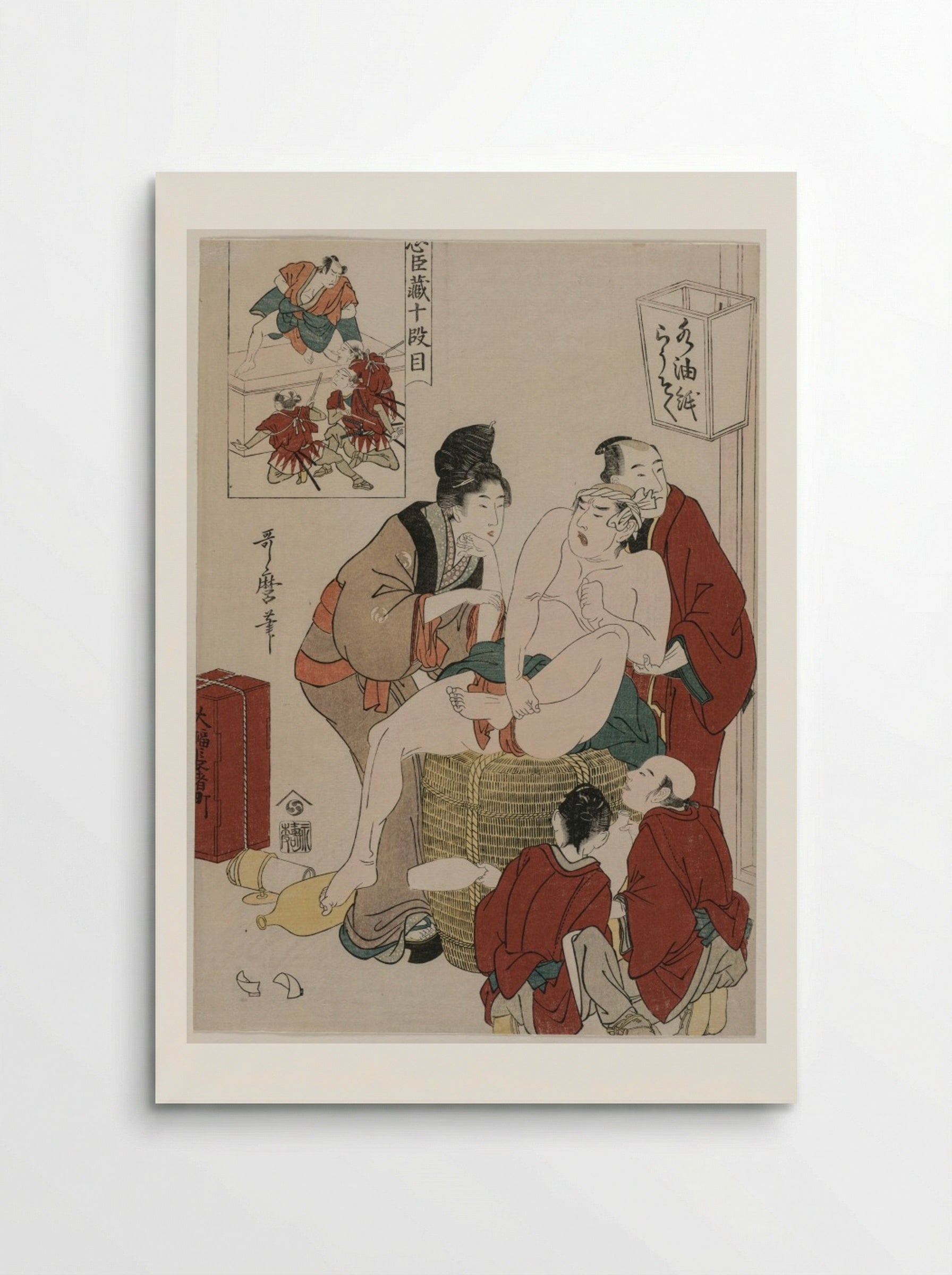 Chushingura: Acto X del Tesoro de los Leales - Kitagawa Utamaro
Print
Precio habitual Desde £28.00 GBPPrecio de oferta Desde £28.00 GBP Precio habitual -
 Acto VII de la serie El almacén de los leales servidores - Kitagawa Utamaro
Print
Precio habitual Desde £28.00 GBPPrecio de oferta Desde £28.00 GBP Precio habitual -
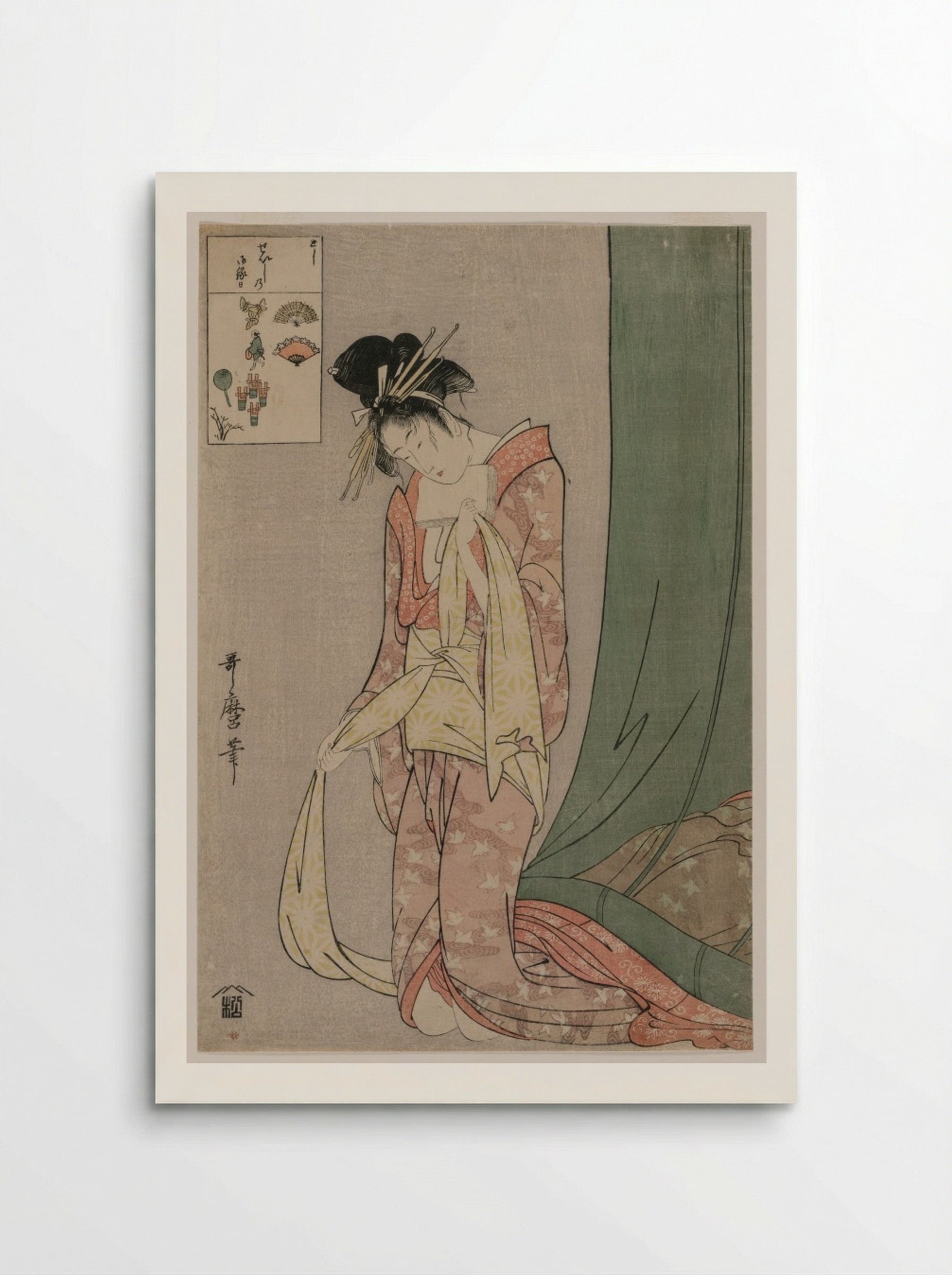 Hanaōgi de la casa Ōgiya, de la serie Rompecabezas (Picture Puzzles) - Kitagawa Utamaro
Print
Precio habitual Desde £28.00 GBPPrecio de oferta Desde £28.00 GBP Precio habitual -
 La coqueta, de Diez tipos de fisonomía femenina - Kitagawa Utamaro
Print
Precio habitual Desde £28.00 GBPPrecio de oferta Desde £28.00 GBP Precio habitual -
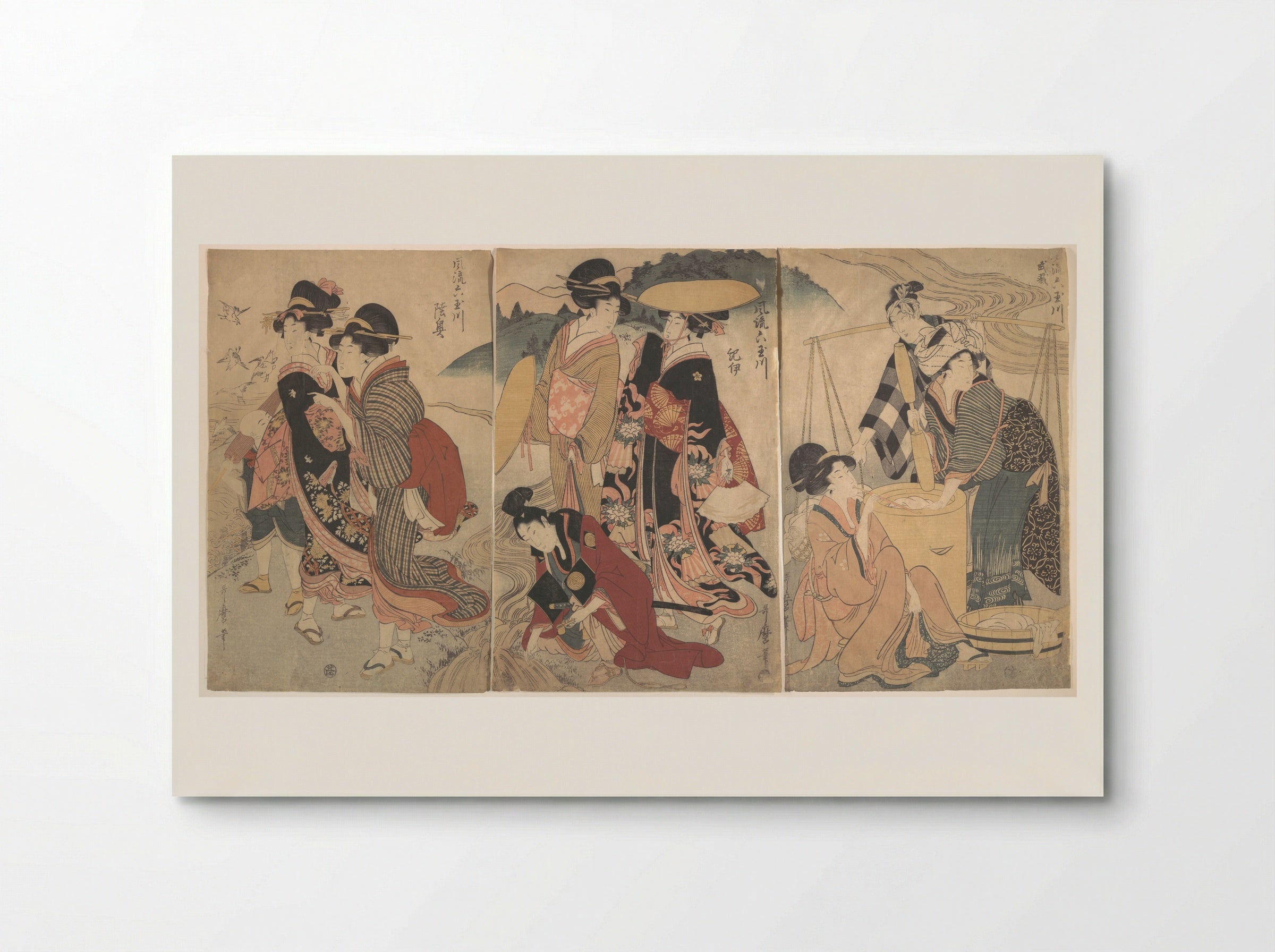 Mujeres y un hombre en el campo; algún desfile - Kitagawa Utamaro
Print
Precio habitual Desde £28.00 GBPPrecio de oferta Desde £28.00 GBP Precio habitual -
 Fiesta en barco con niños nadando - Kitagawa Utamaro
Print
Precio habitual Desde £28.00 GBPPrecio de oferta Desde £28.00 GBP Precio habitual -
 Mujer y niño - Kitagawa Utamaro
Print
Precio habitual Desde £28.00 GBPPrecio de oferta Desde £28.00 GBP Precio habitual -
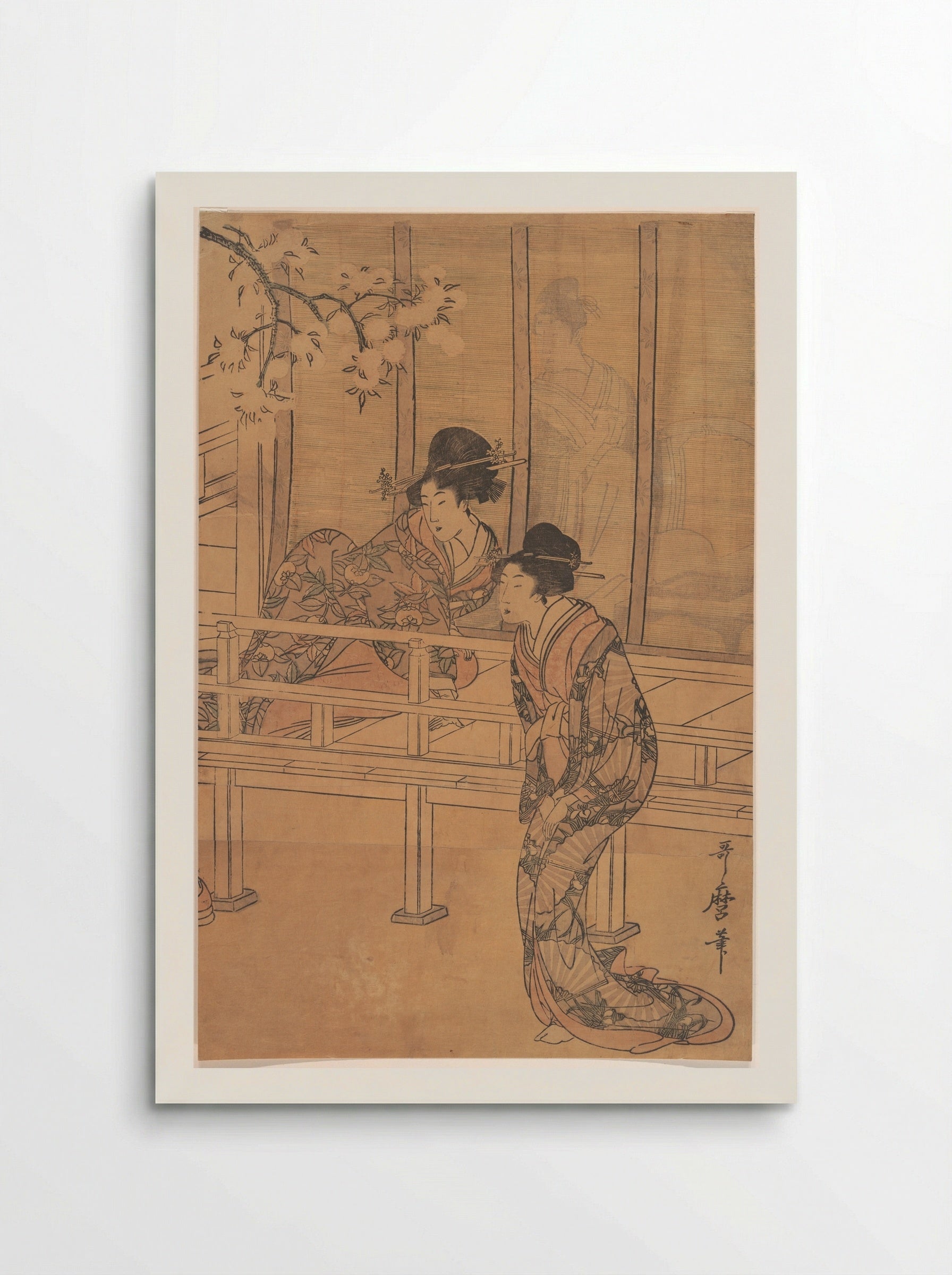 La dama de Rokujo recibiendo la visita de la princesa Aoi - Kitagawa Utamaro
Print
Precio habitual Desde £28.00 GBPPrecio de oferta Desde £28.00 GBP Precio habitual -
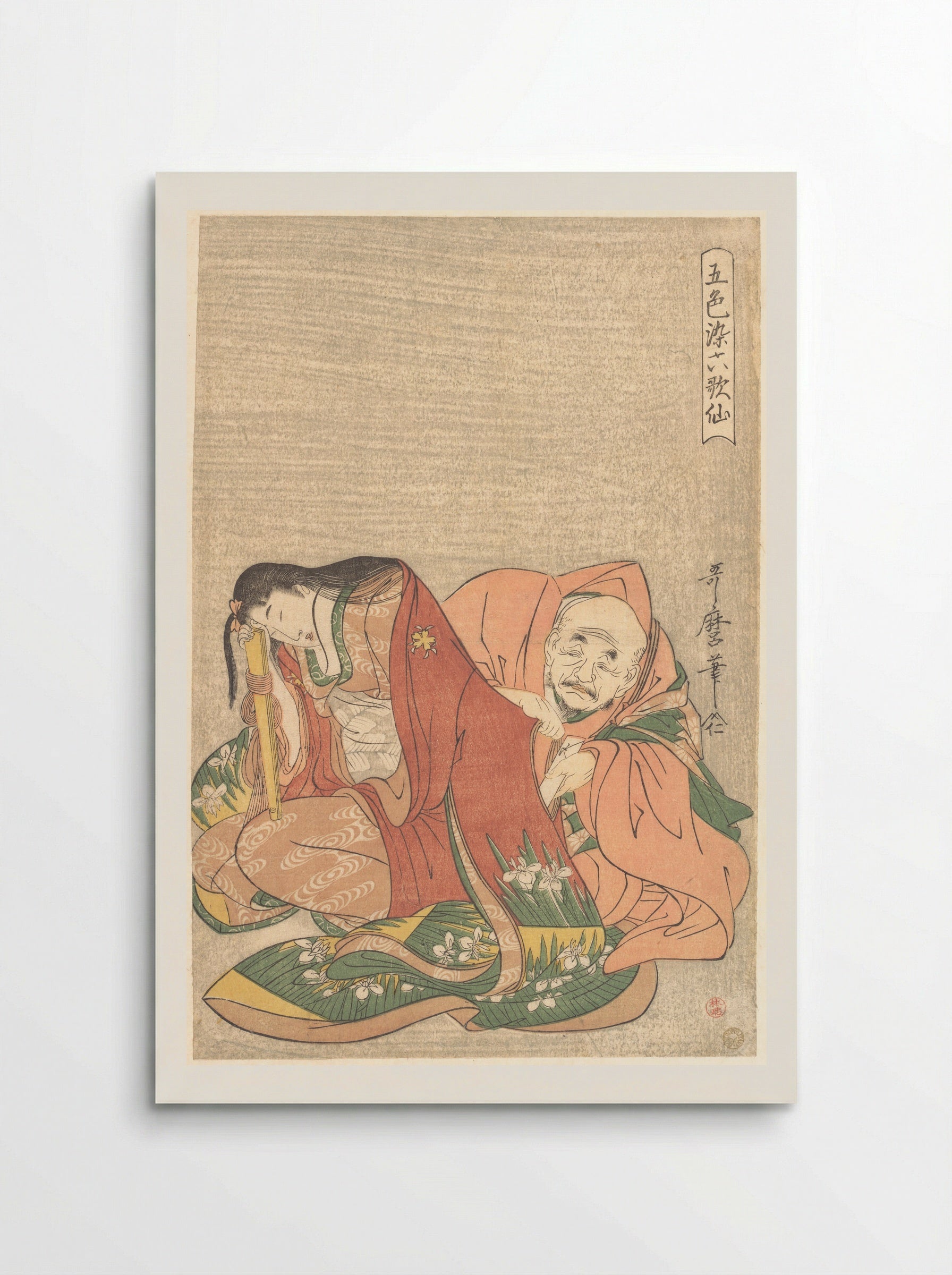 El poeta Sōjō Henjō (816–890) deslizando una carta en la manga de una mujer - Kitagawa Utamaro
Print
Precio habitual Desde £28.00 GBPPrecio de oferta Desde £28.00 GBP Precio habitual -
 Jihei de Kamiya fugándose con Koharu de Kinokuniya - Kitagawa Utamaro
Print
Precio habitual Desde £28.00 GBPPrecio de oferta Desde £28.00 GBP Precio habitual -
 Azumaya no Hana - Kitagawa Utamaro
Print
Precio habitual Desde £28.00 GBPPrecio de oferta Desde £28.00 GBP Precio habitual -
 Joven madre amamantando a su bebé - Kitagawa Utamaro
Print
Precio habitual Desde £28.00 GBPPrecio de oferta Desde £28.00 GBP Precio habitual -
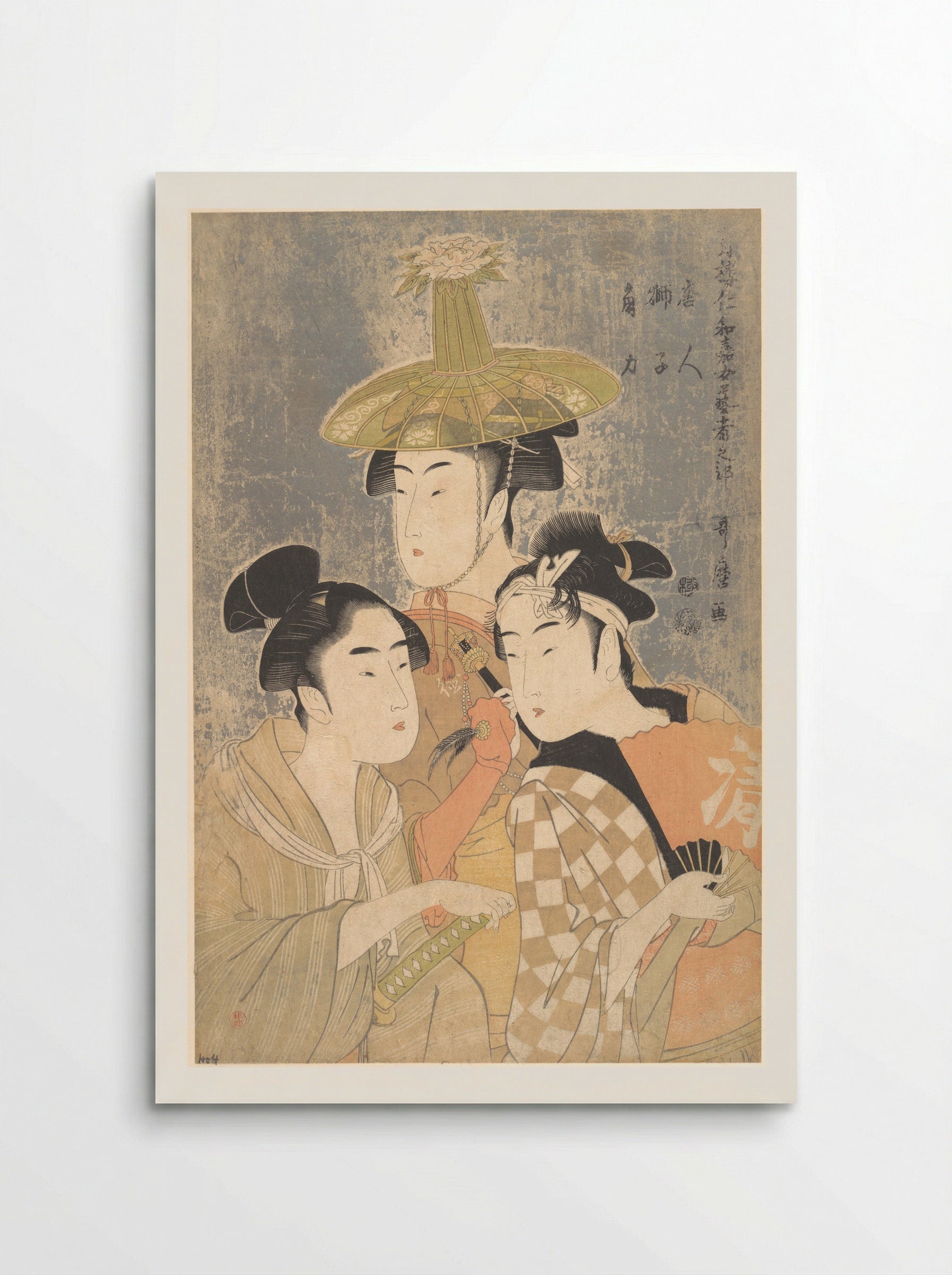 Seiro Niwaka Onna Geisha no Bu, Tojin Shishi, Sumo - Kitagawa Utamaro
Print
Precio habitual Desde £28.00 GBPPrecio de oferta Desde £28.00 GBP Precio habitual -
 Mujer ante el espejo peinada por una kameyui (peluquera) - Kitagawa Utamaro
Print
Precio habitual Desde £28.00 GBPPrecio de oferta Desde £28.00 GBP Precio habitual -
 Linternas flotantes - Kitagawa Utamaro
Print
Precio habitual Desde £28.00 GBPPrecio de oferta Desde £28.00 GBP Precio habitual -
 Día de lavado - Kitagawa Utamaro
Print
Precio habitual Desde £28.00 GBPPrecio de oferta Desde £28.00 GBP Precio habitual -
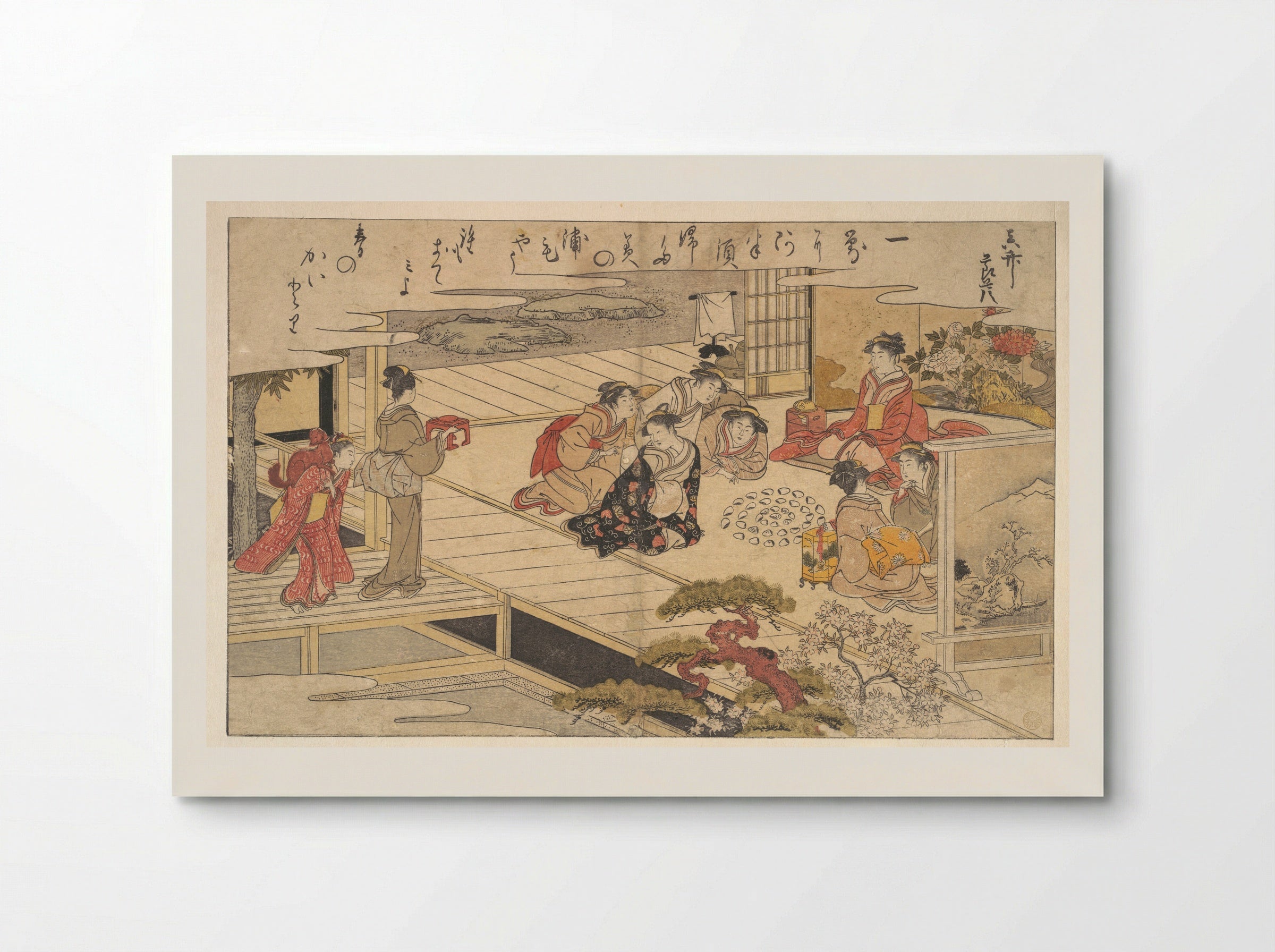 Muchachas jugando a un juego de conchas - Kitagawa Utamaro
Print
Precio habitual Desde £28.00 GBPPrecio de oferta Desde £28.00 GBP Precio habitual -
 La luna llena en la época de la cosecha de ñame - Kitagawa Utamaro
Print
Precio habitual Desde £28.00 GBPPrecio de oferta Desde £28.00 GBP Precio habitual -
 Una fiesta alegre por la tarde - Kitagawa Utamaro
Print
Precio habitual Desde £28.00 GBPPrecio de oferta Desde £28.00 GBP Precio habitual -
 Cerezos en flor e irises - Kitagawa Utamaro
Print
Precio habitual Desde £28.00 GBPPrecio de oferta Desde £28.00 GBP Precio habitual


Artist Biography
Kitagawa Utamaro
Utamaro was arrested in 1804 for making prints depicting the sixteenth-century military ruler Toyotomi Hideyoshi. He was manacled for fifty days. He died two years later, at roughly fifty-three. The connection between the punishment and the death is debated, but the timing suggests something broke.
Almost nothing is certain about his early life. He was born around 1753, possibly in Edo, possibly in Kyoto, possibly in Kawagoe. He began publishing prints in the 1770s under the guidance of the publisher Tsutaya Juzaburo, who recognised what Utamaro could do with a portrait of a woman.
What he could do was unprecedented. He invented the okubi-e format: large head-and-shoulders portraits of individual women, mostly from the Yoshiwara pleasure district, printed in close-up with minimal background. Before Utamaro, bijin-ga (pictures of beautiful women) showed groups of figures in full length. He isolated the face, the tilt of the head, the expression. The prints are psychologically specific in a way that had not existed in Japanese printmaking.
He also published books of insect studies and volumes of shunga (erotica), and he made portraits of ordinary town women, not just courtesans. Ohisa and Okita, two shopgirls who appeared in his Three Beauties of the Present Day, became famous across Edo because of his prints. He turned real people into celebrities, which may be the first documented instance of an artist functioning as a kind of media platform.
Tsutaya Juzaburo died in 1797. Utamaro was reportedly devastated. Some critics feel his work never reached the same level afterward. He produced over two thousand prints in his career.


¿Por qué elegirnos?